


Before a Heat Wave or Drought: How to Prepare
While staying hydrated and limiting outdoor exposure are essential parts of heat safety, it’s equally important to prepare your home environment. High temperatures and dry conditions can impact indoor air quality, increase allergens, and put added strain on your body.
Actionable Tips
-
Create a Go Bag
Pack essentials like water, electrolyte drinks, medications, important documents, non-perishable food, flashlights, and a battery-powered fan if possible. Include cooling items like damp cloths or cooling towels. Click here to learn more.
-
Prepare for Hydration
Stock up on bottled water and ensure you have enough for all household members, including pets. Plan for at least one gallon of water per person per day. Click here to learn how to create an emergency water supply.
-
Family Communication Plan
Check in on vulnerable family members and establish a plan for staying connected during extreme heat events. Click here to learn more.
-
Keep Your Home Cool
Use blackout curtains, fans, and air conditioning (if available) to maintain a safe indoor temperature. Identify cooling centers in your area if needed. Click here to learn more about how to protect your home from the heat.
-
Air Preparedness
Have indoor air solutions ready, like high-efficiency air purifiers, to help manage dust, allergens, and pollutants that may worsen during hot, dry conditions.
-
Limit Indoor Heat Sources
Avoid using ovens, stoves, and other heat-generating appliances during the hottest parts of the day.
Tip: Heat-related illnesses can escalate quickly. Preparing before temperatures peak is the best way to stay safe.
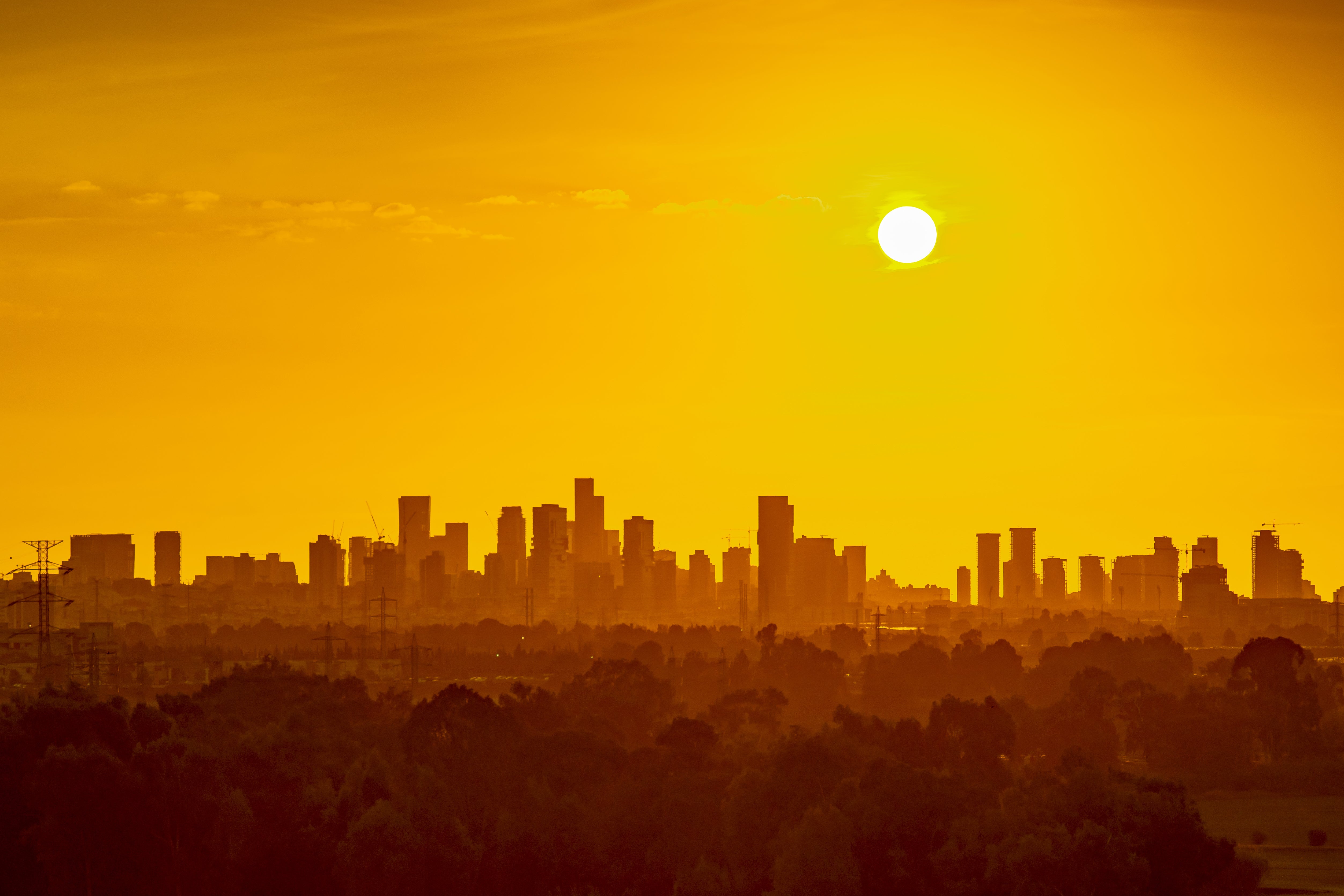
When Is Heat Wave & Drought Season?
Heat waves are most common during the summer months, typically from June through September, though they can occur earlier or later depending on regional weather patterns. Drought conditions often develop over longer periods of below-average rainfall and can persist for months or even years.
These conditions are becoming more frequent and intense in many parts of the United States, making it important to stay informed and prepared.
During a Heat Wave: Stay Safe
Extreme heat can pose serious health risks, especially for children, older adults, and those with underlying health conditions. Taking immediate steps to stay cool and hydrated is essential.
Actionable Tips
-
Stay Hydrated
Drink plenty of water throughout the day, even if you don’t feel thirsty. Avoid alcohol and excessive caffeine. Click here to learn more about staying hydrated.
-
Stay Indoors During Peak Heat
Limit outdoor activities, especially between late morning and early evening when temperatures are highest.
-
Use Cooling Methods
Take cool showers, use damp cloths, and spend time in air-conditioned environments whenever possible. Click here to learn more tips for staying cool.
-
Check on Others
Regularly check on elderly neighbors, family members, and anyone who may be more vulnerable to heat-related illness.
-
Protect Pets
Ensure pets have access to shade and fresh water at all times. Never leave them in a parked car. Click here to learn more about pet heat safety.
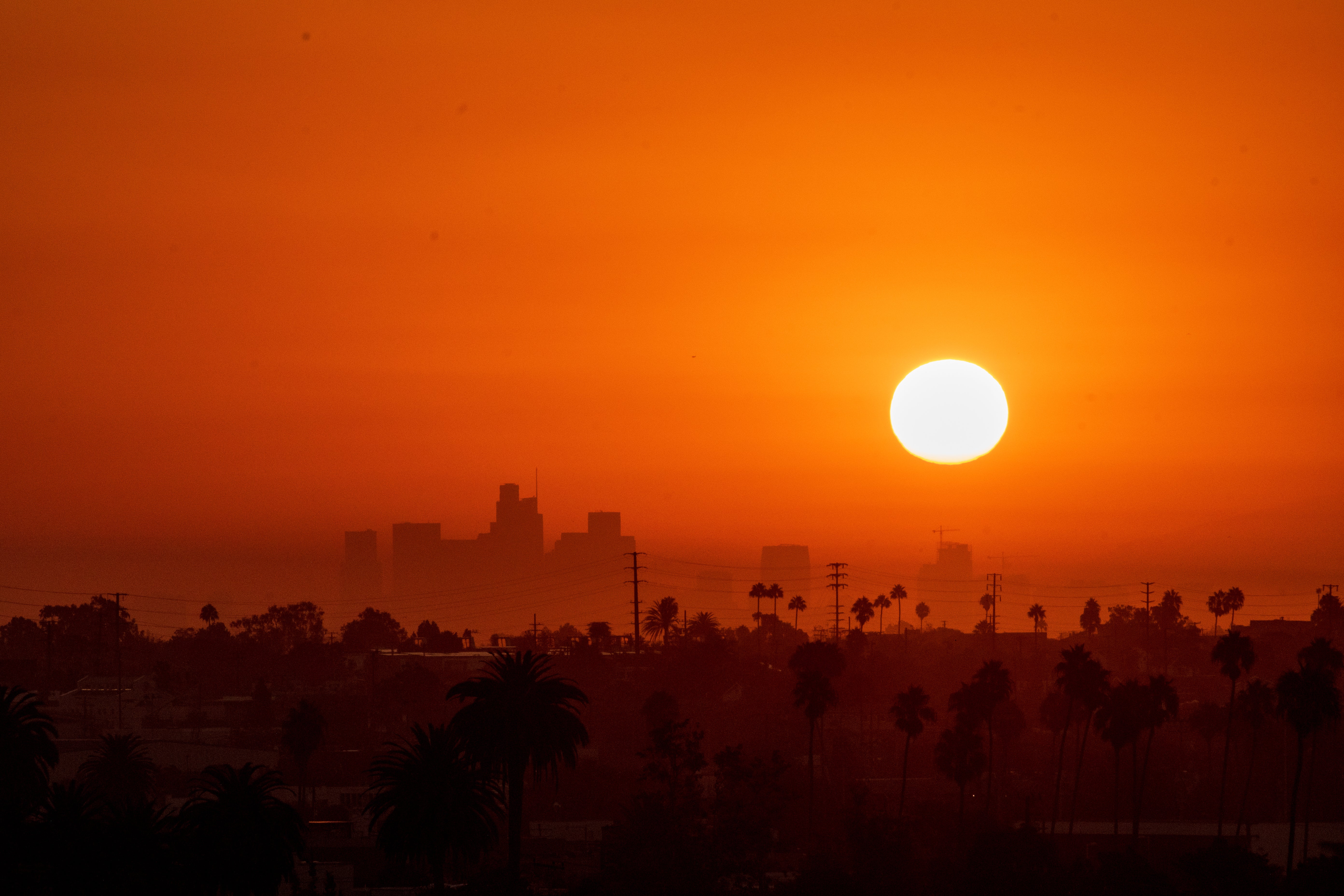
Heat Without Relief: What If Temperatures Stay High Overnight?
When temperatures remain elevated overnight, your body has less opportunity to recover from daytime heat exposure. This can increase the risk of heat exhaustion and heat stroke.
Keeping your sleeping environment cool, using fans or air conditioning, and staying hydrated can help reduce these risks. If your home retains heat, consider spending time in a cooler location during the day to prevent prolonged exposure.
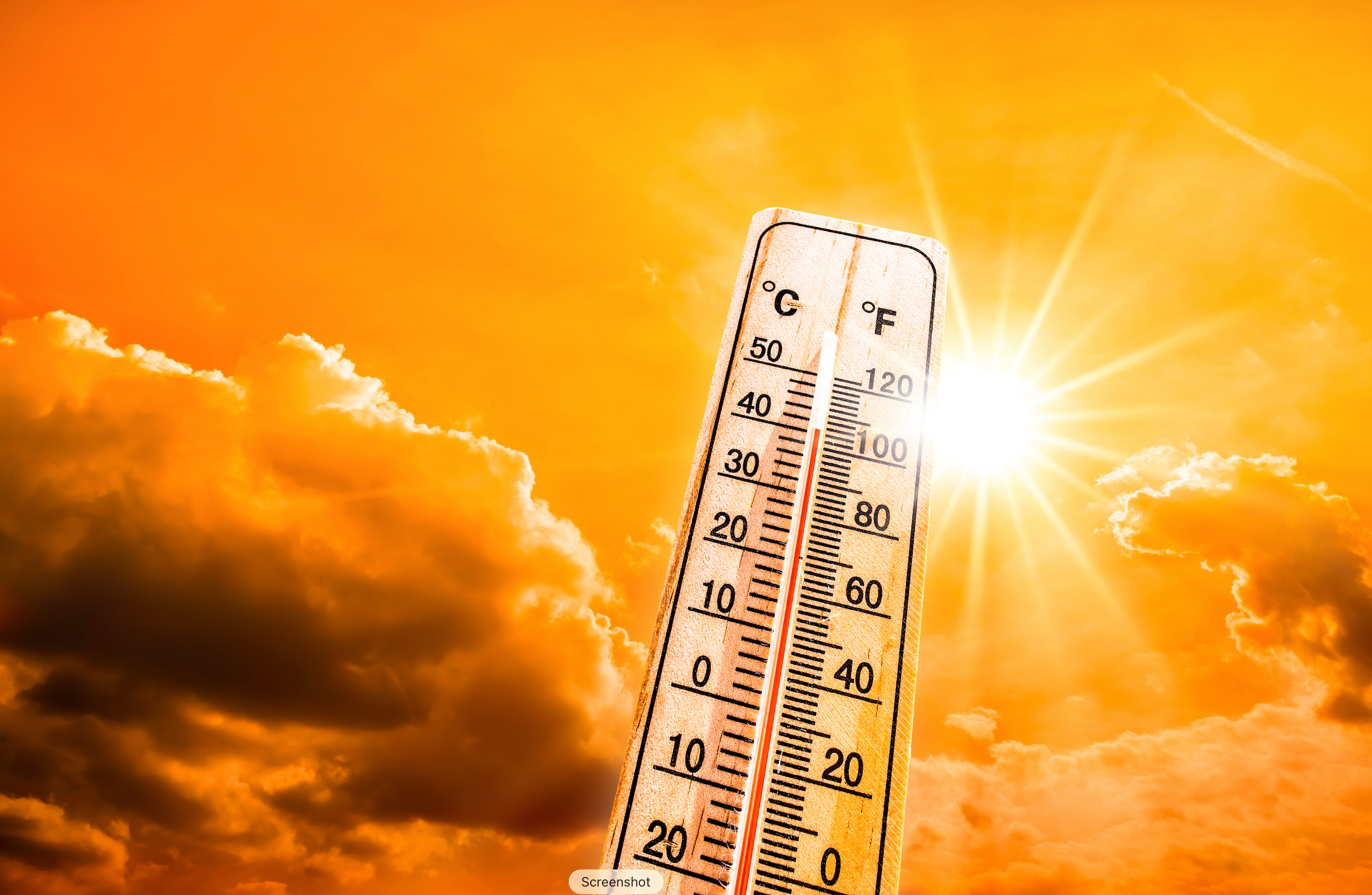
Understanding Heat & Drought: Environmental Impacts
Heat waves and drought conditions can affect more than just temperature, they often contribute to:
- Increased levels of airborne pollutants
- Higher concentrations of dust and allergens
- Elevated ozone levels that can irritate the lungs
- Greater risk of wildfires and smoke exposure
These factors can significantly impact both outdoor and indoor air quality.
After a Heat Wave or During Prolonged Drought: Stay Vigilant
Even after a heat wave subsides, dry conditions and environmental effects may persist. Continued attention to hydration, indoor cooling, and air quality is important for maintaining health and comfort.
Using air purifiers can help reduce airborne particles like dust and allergens that are more prevalent during dry conditions.
Disaster Relief & Support
During extreme heat events and drought conditions, resources may be available to help with cooling, water access, and emergency support.
Check out the links below to learn more and connect with trusted organizations.
Protecting Indoor Air Quality Year-Round
Whether you’re dealing with extreme heat or everyday indoor pollutants, maintaining good indoor air quality (IAQ) is essential for your health. Since people spend a significant amount of time indoors, clean air can play a major role in overall well-being.
Helpful tips
-
Run HEPA Purifiers Regularly
Keep your air clean by running high-efficiency purifiers in frequently used rooms. Click here to learn more about the benefits of an air purifier.
-
Maintain HVAC Systems:
Check and replace filters to ensure your system is removing pollutants effectively.
-
Minimize Indoor Pollution Sources
Limit smoke from candles, cooking, and tobacco to protect air quality. Click here to learn about the negative effects of synthetic fragrences on your air quality.
-
Monitor Local Air Quality
Stay informed about outdoor smoke levels, especially during wildfire season, to adjust your indoor precautions. Click here to check your local air quality.

Learn to Breathe Easier Year-Round
Indoor air quality affects your health every day, from allergies and sleep to overall well-being. Our Breathe Easy blog is full of practical tips, expert advice, and actionable strategies to help you protect your home’s air no matter the season.

Breathe Your Best with Intellipure
When it comes to your family’s safety, it’s best to invest in proven, science-backed solutions. Intellipure air purifiers are designed to help reduce airborne pollutants like dust, allergens, and other particles that can increase during hot, dry conditions.
From managing everyday air quality to preparing for extreme weather, Intellipure helps create a cleaner, more comfortable indoor environment so you and your family can breathe better.
Is It Time to Change Your Filters?
Heat waves can put extra strain on your air purifier, causing filters to fill up faster than usual. Take a moment to check if yours might be due for a replacement.
References
-
[1]
Build A Kit [Internet]. Available from: https://www.ready.gov/kit
-
[2]
CDC. Water, Sanitation, and Hygiene (WASH)-related Emergencies and Outbreaks. How to Create an Emergency Water Supply. Available from: https://www.cdc.gov/water-emergency/about/how-to-create-and-store-an-emergency-water-supply.html
-
[3]
Family Emergency Communication Planning Document [Internet]. Available from: https://www.ready.gov/sites/default/files/2020-03/family-emergency-communication-planning-document.pdf
-
[4]
Protect Your Home From Heat [Internet]. Available from: https://www.lung.org/blog/protect-your-home-from-heat
-
[5]
Heat [Internet]. Available from: https://www.ready.gov/heat
-
[6]
Laboratory NWSMD. NOAA Graphical Forecast for Contiguous United States [Internet]. Available from: https://graphical.weather.gov/sectors/sectorDay.php?sector=conus&view=public&expand=false#tabs
-
[7]
Water: How much should you drink every day? [Internet]. Available from: https://www.mayoclinic.org/healthy-lifestyle/nutrition-and-healthy-eating/in-depth/water/art-20044256
-
[8]
Tips for keeping cool [Internet]. Available from: https://www.who.int/initiatives/initiative-against-extreme-heat-and-health-risks-in-workplaces-and-major-events/tips-for-keeping-cool
-
[9]
The College of Veterinary Medicine at Michigan State University [Internet]. Pet Heat Safety: Staying Safe in the Summer Sun. Available from: https://cvm.msu.edu/vetschool-tails/pet-heat-safety-staying-safe-in-the-summer-sun
-
[10]
Channel TW. The Weather Channel [Internet]. 2025 July 25; Available from: https://weather.com/safety/heat/news/2025-07-24-heat-wave-nighttime-temperatures-dangerous-deadly
-
[11]
Airthings. Heatwaves: how do they affect air quality? [Internet]. Available from: https://www.airthings.com/resources/heatwaves-air-quality?srsltid=AfmBOopONceG2VBenJg2BiEvJ2eg656SRfw0OJPWMs4vkkt3dyI_4yv2
-
[12]
Air Purifier Benefits: How An Air Purifier Can Improve Your Health & Home [Internet]. www.intellipure.com. 2025. Available from: https://www.intellipure.com/blogs/all-articles/air-purifier-benefits-how-an-air-purifier-can-improve-your-health-and-home
-
[13]
When Good Smells Go Bad: How Synthetic Fragrances Can Affect Your Health [Internet]. www.intellipure.com. 2026. Available from: https://www.intellipure.com/blogs/all-articles/when-good-smells-go-bad-how-synthetic-fragrances-can-affect-your-health
-
[14]
Intellipure [Internet]. Know Your Air. Available from: https://www.intellipure.com/pages/air-quality