


Summary
Hosting brings more people, cooking, and activity into your home—perfect conditions for indoor air quality to dip if you’re not paying attention. This article explains why gatherings can make air stuffy and irritating, how that affects your guests’ comfort and health, and the simple steps—source control, ventilation, and purification—that keep your home feeling fresh, breathable, and welcoming all season long.
Be the Host with the Most (Healthy & Happy Indoor Air)
The doorbell rings, guests flood in with arms full of coats, the oven's humming with holiday treats, and laughter echoes through the house. Your spread is impeccable, the decorations sparkle... But wait—is it getting stuffy in here, or is that just us?
Beyond the perfect playlist and the tasty appetizers, there's an essential, often overlooked ingredient for an unforgettable gathering. It's clean, fresh indoor air. Yep, healthy air for guests is like an invisible hug. It shows you care about their comfort and well-being without saying a word.
With the holidays ramping up, hosting means more people, more cooking, and potentially more pollutants turning your cozy space into a sneaky air quality trap. If you're looking for indoor air quality hosting tips, we've got you covered. We'll geek out on why indoor air quality (IAQ) matters during get-togethers, how it affects everyone, and simple ways to keep things fresh so your party doesn't end with a chorus of coughs.
The Invisible Problem: Why IAQ Dips During Hosting
The holidays are magical, but they can turn your home into a pollutant playground. Colder weather already has us sealing up tight against the chill, reducing natural ventilation and trapping indoor air issues. Add a house full of guests, and things escalate fast. Let's break down the culprits:
- VOCs on the rise: Cooking up feasts releases fumes from ovens and stovetops, while scented candles and fresheners add volatile organic compounds (VOCs) that linger in the air. Those "festive" pine or cinnamon scents? They're often chemical cocktails that build up in enclosed spaces.
- Allergens and germs amplified: More folks mean more particles, pesky allergens (including cold-weather pollen in Southern states!), dirt tracked in on shoes, and viruses circulating in close quarters—perfect for seasonal sniffles. Kids playing, adults chatting; it's a germ-sharing bonanza without proper airflow.
- Humidity swings: Extra showers from overnight guests can spike moisture levels, encouraging mold growth, and hot kitchens or warm fireplaces could drop them too low, making dry air irritate throats and spread particles.
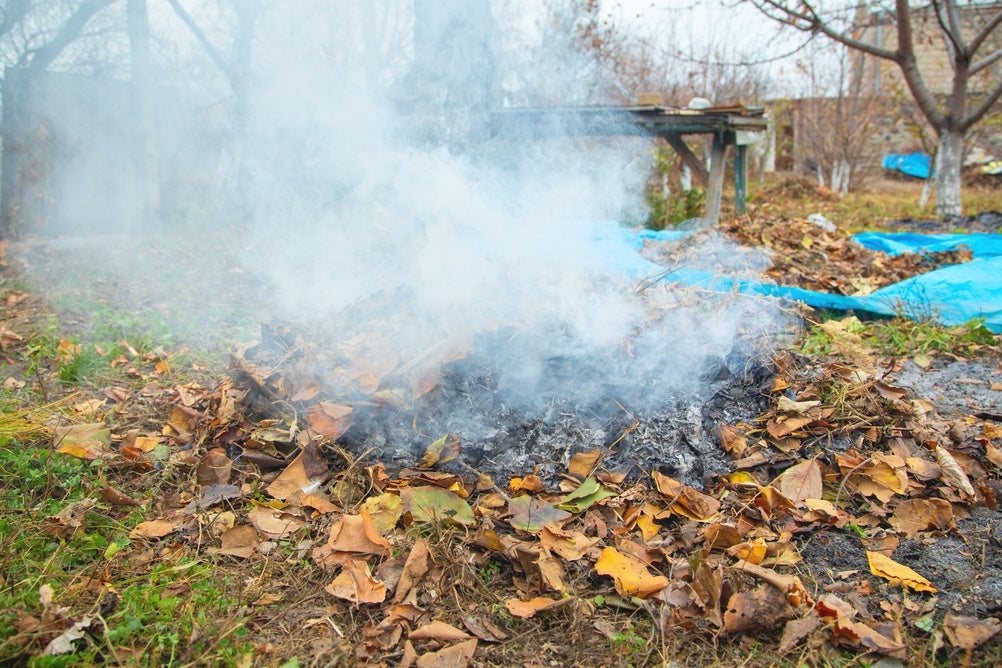
- Limited ventilation: Windows stay shut to keep the warmth in, so pollutants from cleaning sprays or even fireplace smoke have nowhere to escape.
Your guests came for joy, not a side of PM2.5 particles—those tiny pollutants that sneak into lungs and cause trouble. If you've ever wondered why indoor air is worse during holidays, it's this combo of seasonal sealing, extra activity, and festive extras creating a "pollutant party" no one RSVP'd for.
How Poor IAQ Affects Your Health (& Your Guests')
You might not notice it mid-toast, but poor indoor air quality during gatherings can hit hard. Short-term? We're talking headaches, dizziness, fatigue, itchy eyes, sneezing, and sore throats—symptoms that worsen in crowded, stuffy spaces. The National Institute of Environmental Health Sciences (NIEHS) links these to irritants like VOCs and ultrafine particles, which inflame airways and make breathing tougher. [1]
Over time, it gets more serious: aggravated asthma, allergies, respiratory infections, and even cardiovascular stress. [2] Kids, older adults, and anyone with conditions like asthma suffer most. Poor IAQ can trigger attacks or make flu season feel endless. One study notes that pollutants from indoor sources contribute to impaired lung development in children and increased vulnerability overall. [1]
From a hosting angle, bad air can derail the fun—guests might bail early, feeling foggy or congested, turning your bash into a bust. On the flip side, studies show improving IAQ reduces symptoms by 20-30%, leading to better mood, focus, and energy. [2] Cleaner air means happier vibes and longer laughs (that don't devolve into coughing fits). Who knew healthy air for guests could be the ultimate party hack?
The Truth About Common Hosting Misconceptions
Let's clear up some common holiday misconceptions that could sabotage your good time (and your IAQ):
- "More people moving around means better air circulation." Without ventilation, crowds actually boost germs and pollutants, leading to stuffier air. [3]
- "Just use air fresheners to get rid of cooking smells." They add chemicals, worsening IAQ. Ventilate and purify instead.
- "If my home looks clean and guest-ready, then it is." Visual spotlessness misses microscopic threats like allergens or VOCs.
Sorry, but that gingerbread-scented spray isn't fooling your lungs. Helpful hosting myth busters like these empower you to host smarter.
The Clean Air Trifecta for Hosts
We swear by three science-backed pillars for better IAQ: source control, ventilation, and purification.
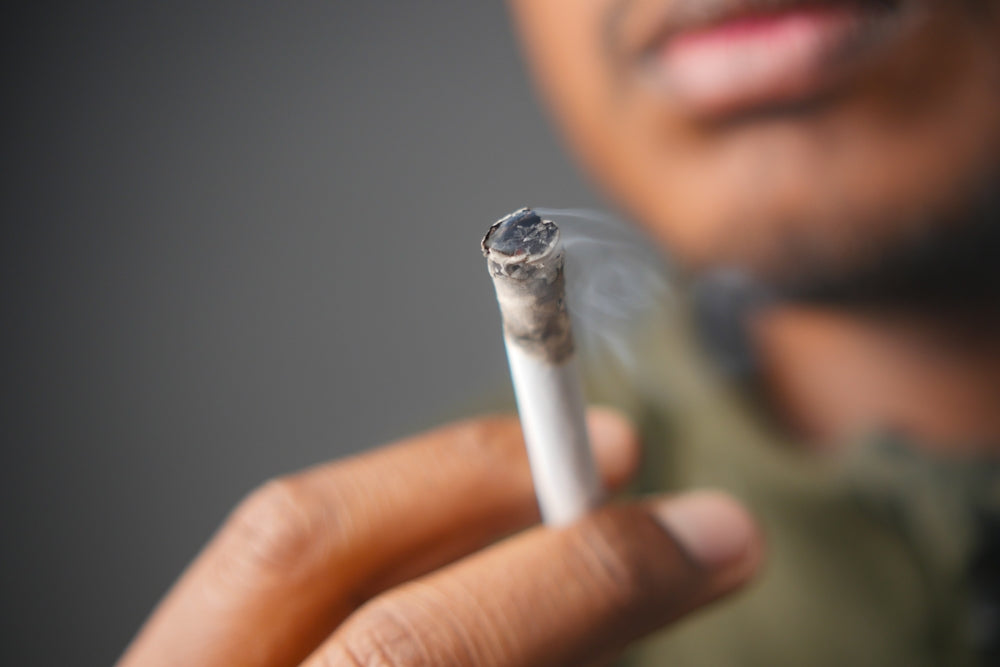
1. Source control: Swap to low-VOC cleaners, skip smoking indoors, and choose natural scents to cut pollutants at the root. [4]
2. Ventilation and circulation: Use exhaust fans while cooking or during showers; crack a window briefly if outdoor air quality is good.
3. Purification: This is where the magic happens. Advanced air purifiers trap what's left, reducing VOCs and allergens by up to 99%. [5]
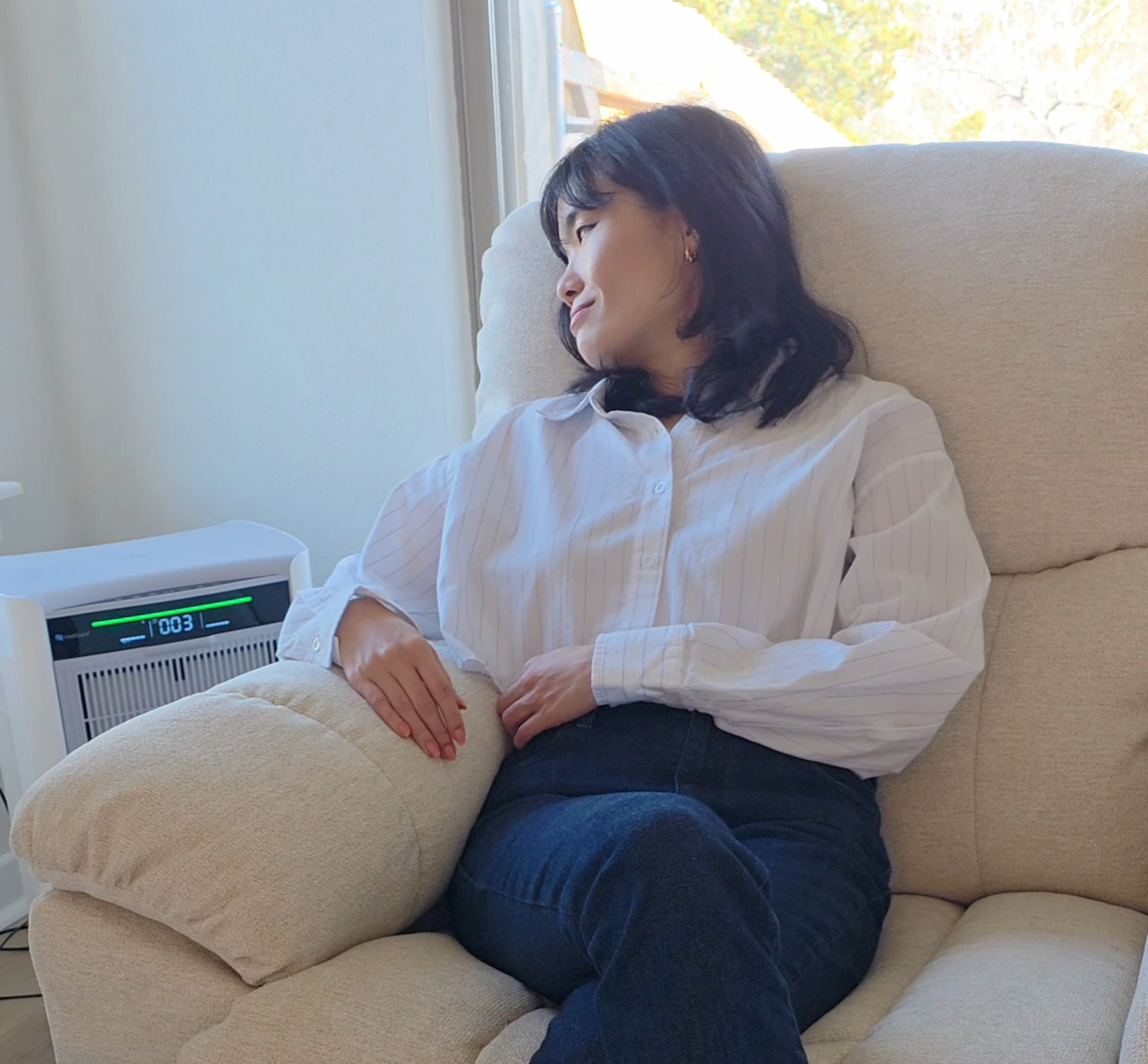
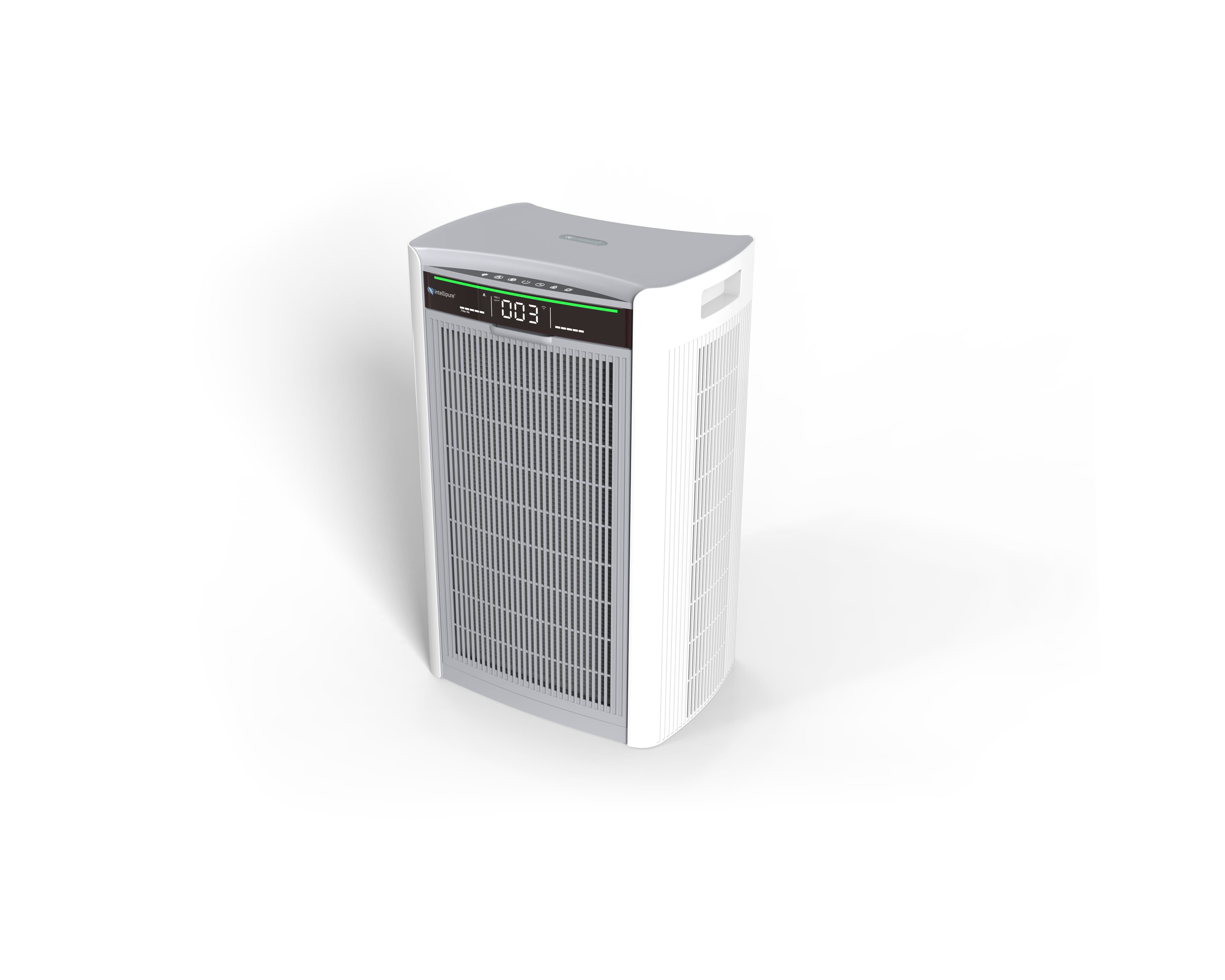
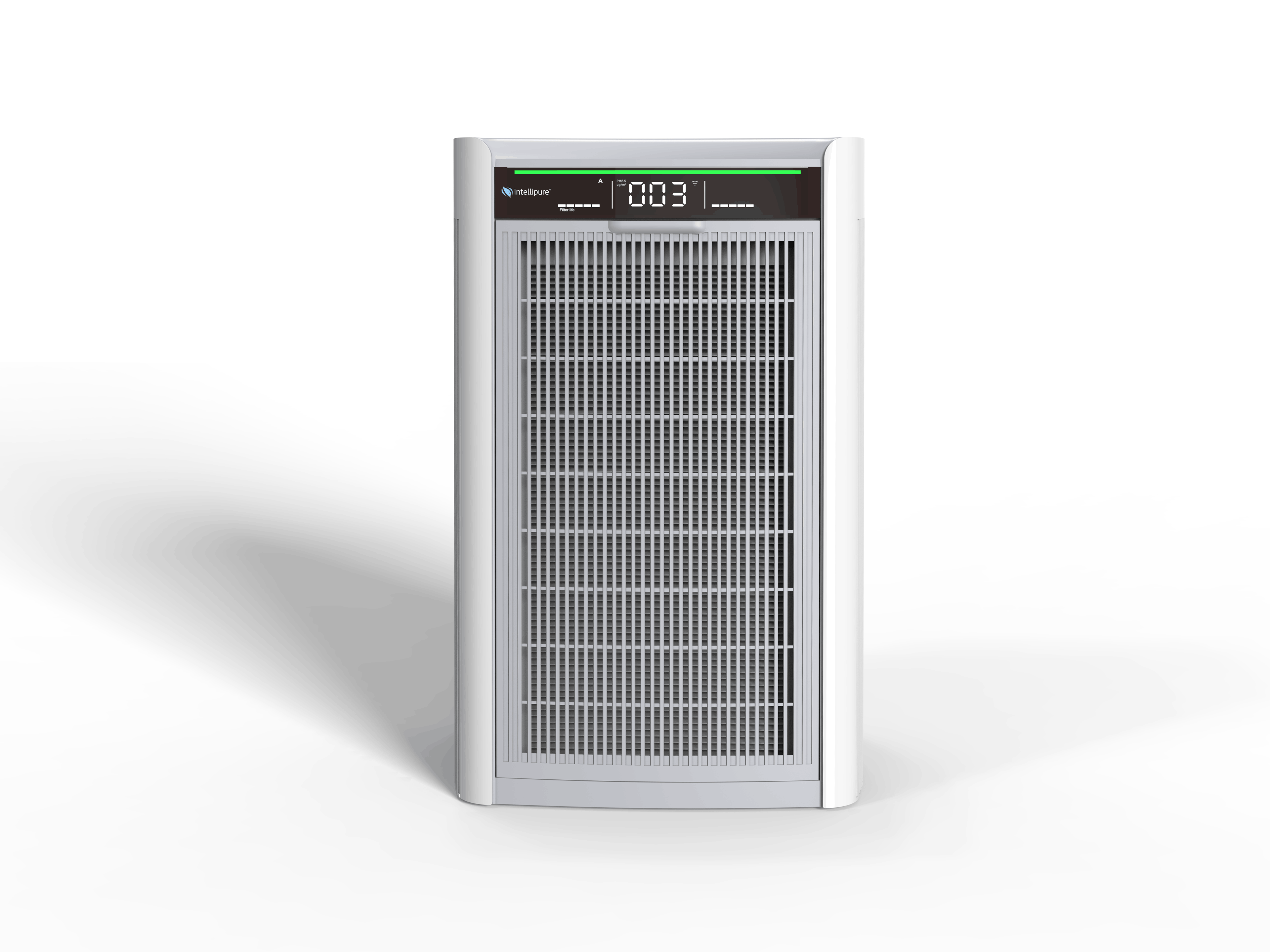
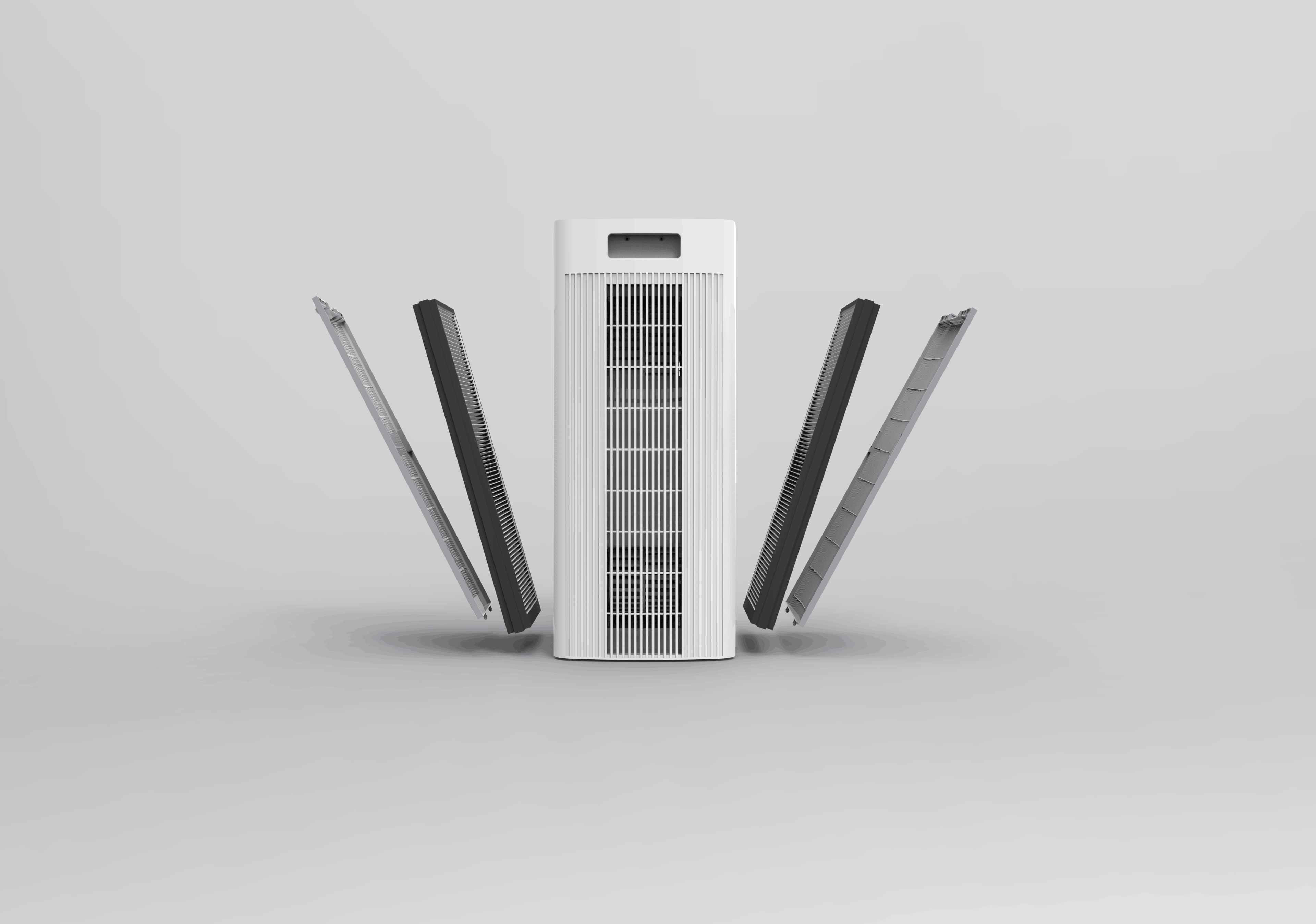
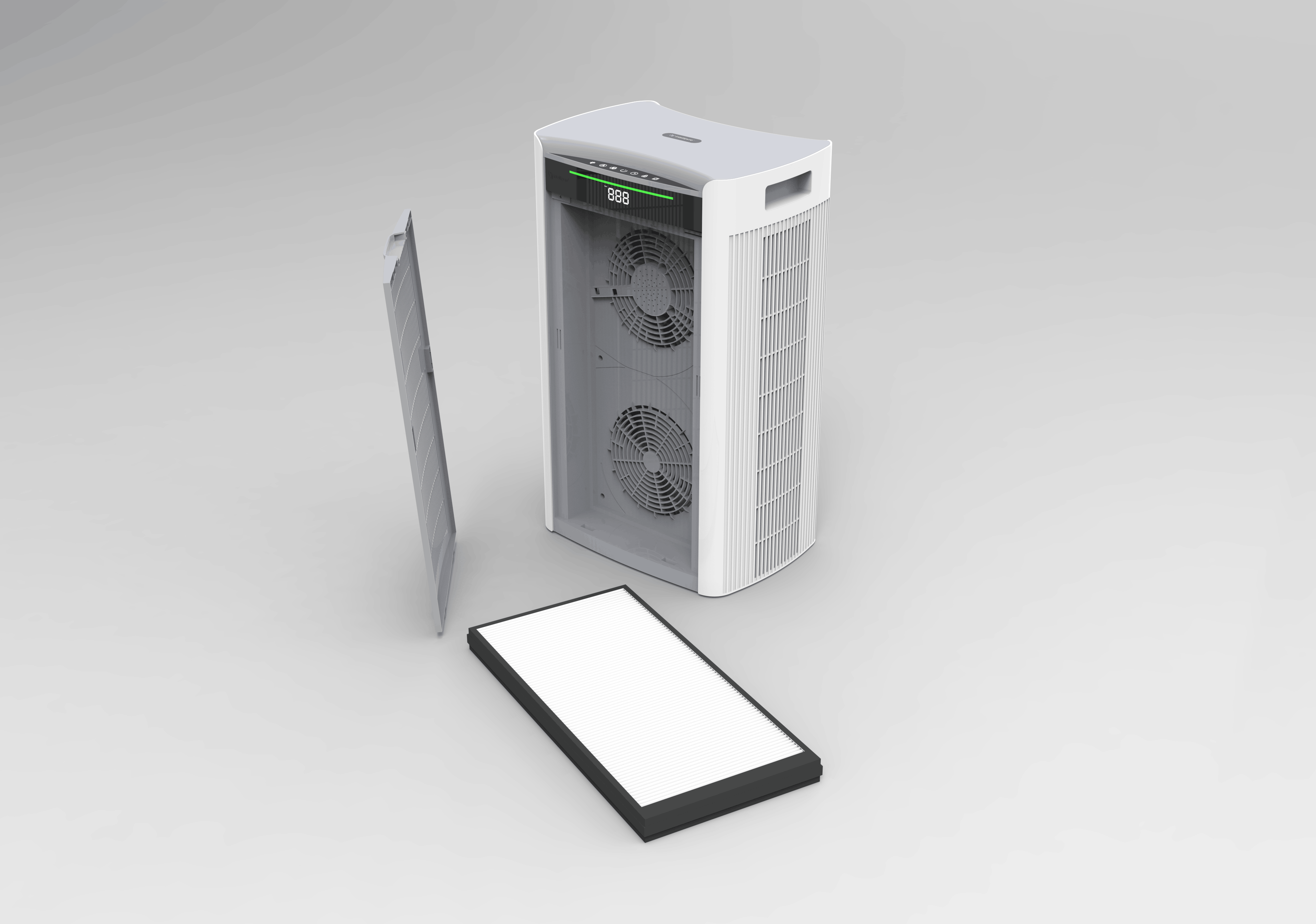
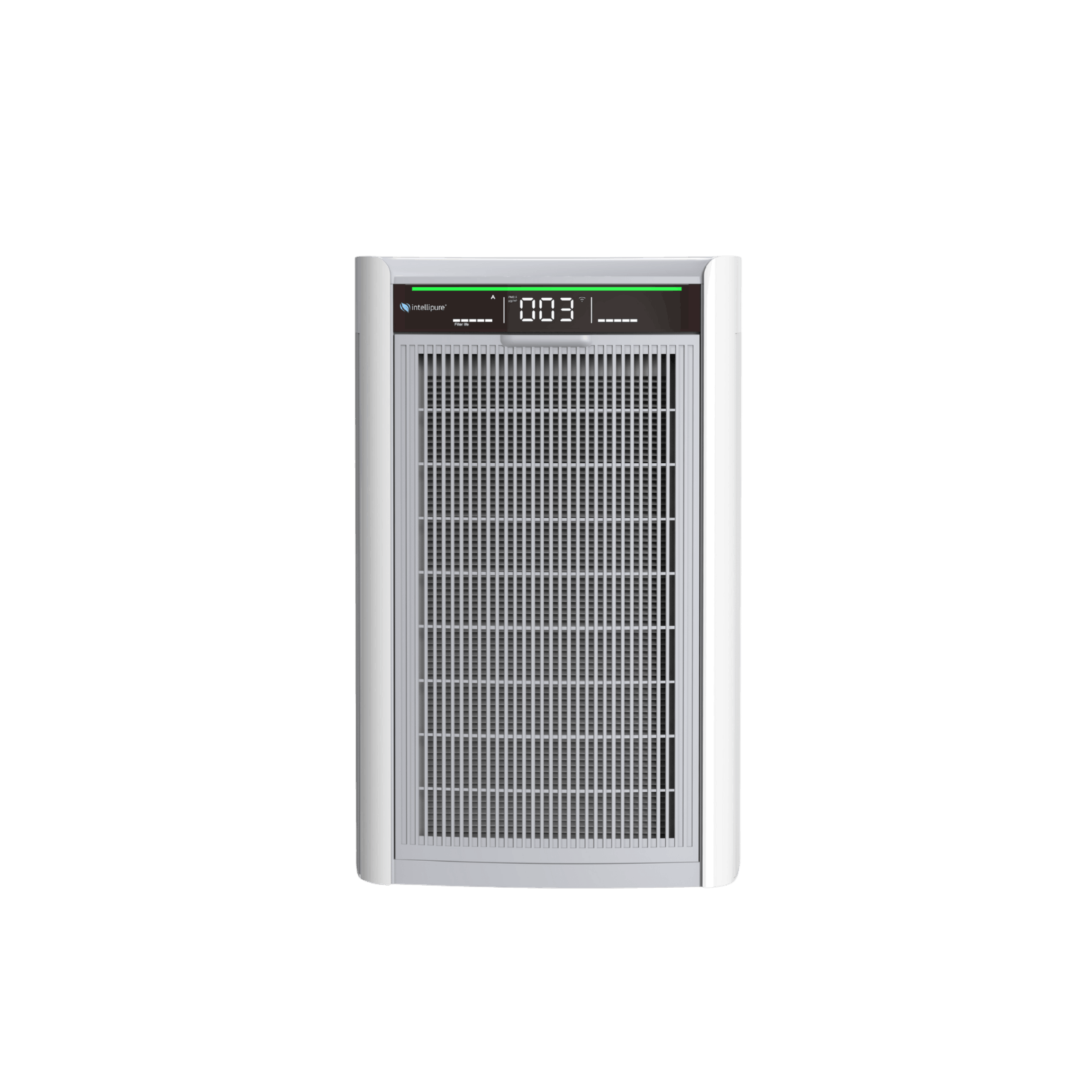
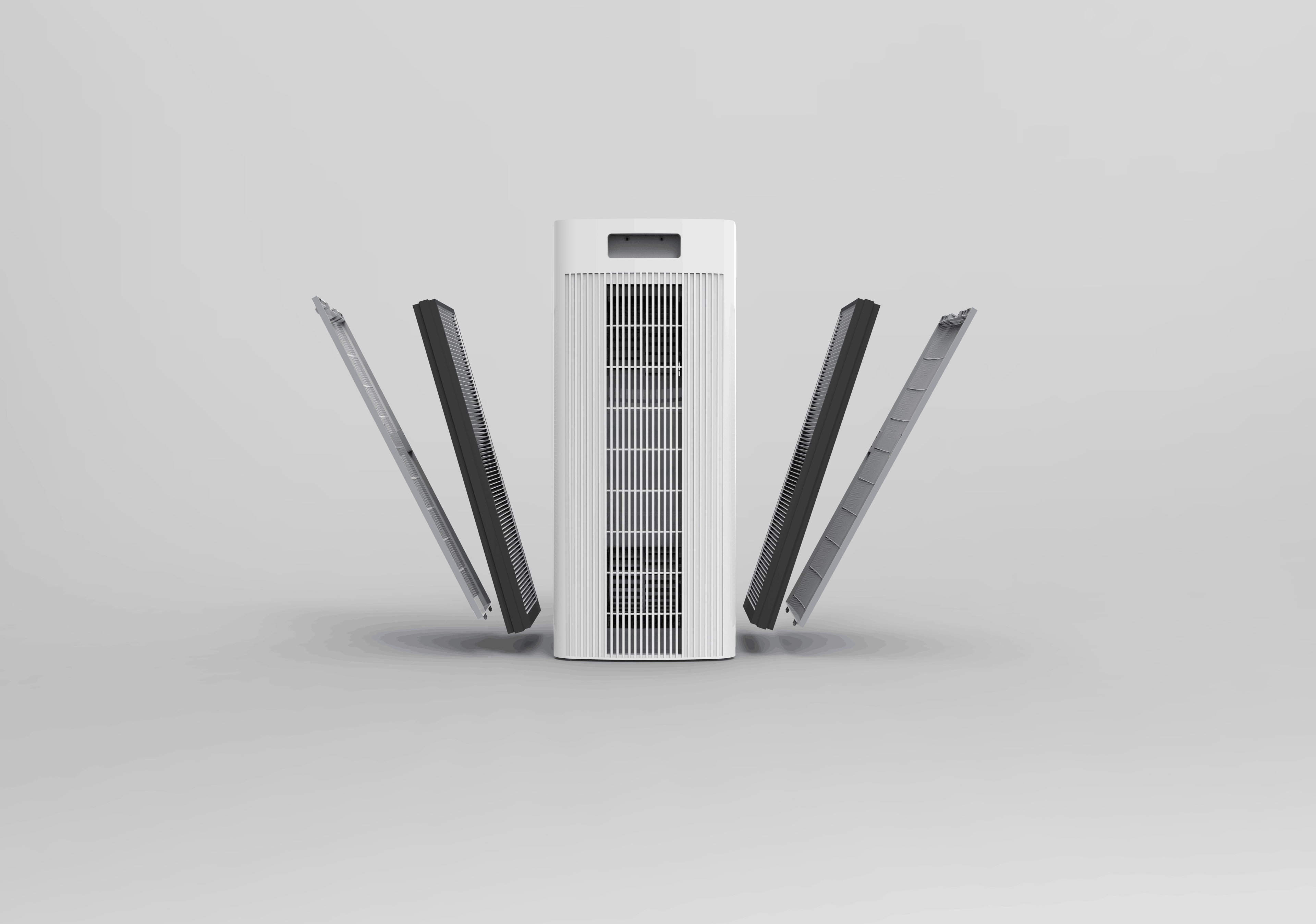
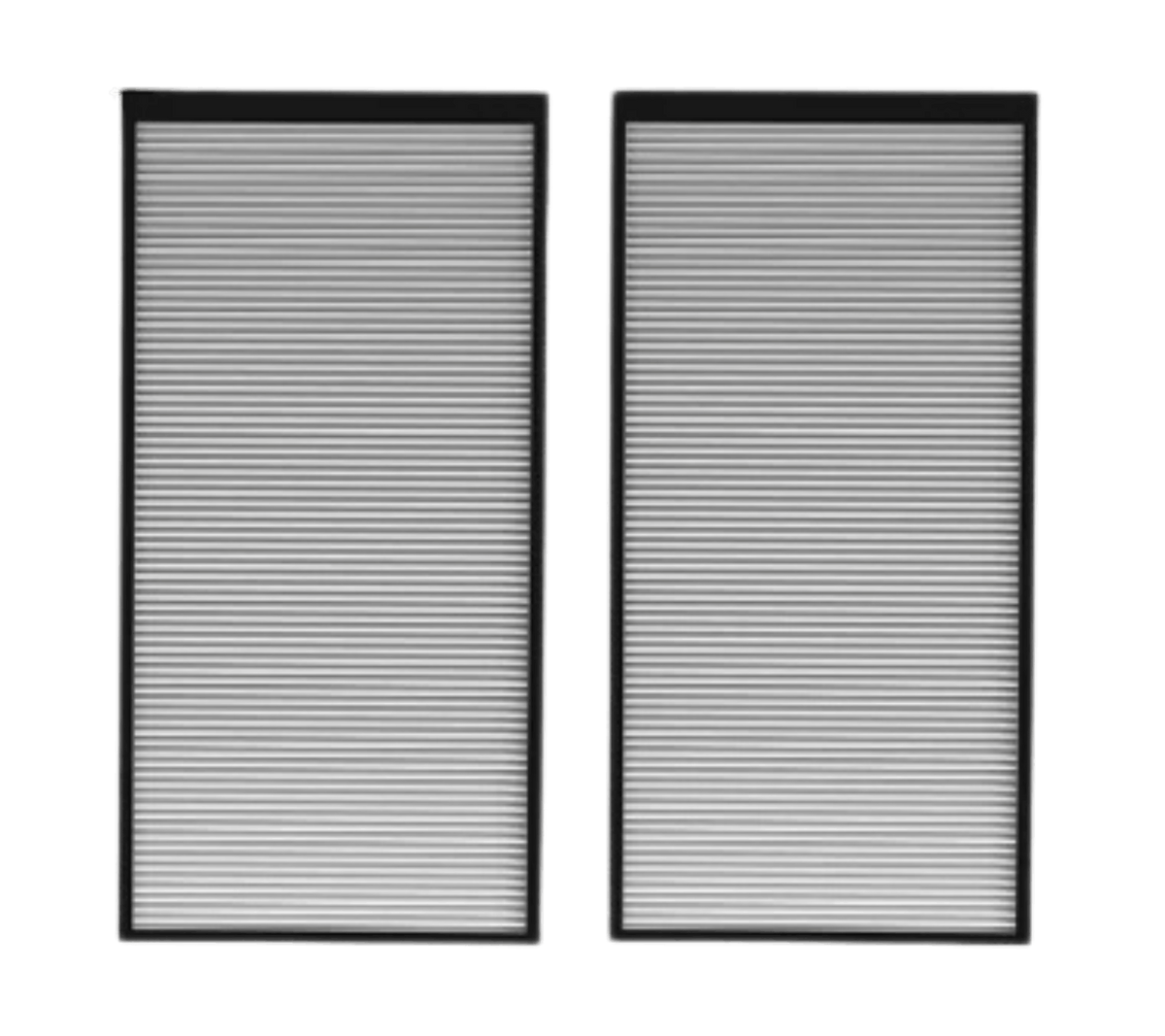
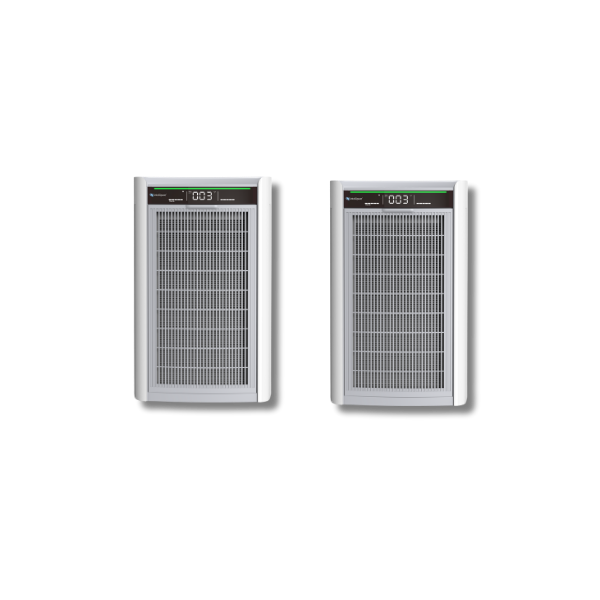
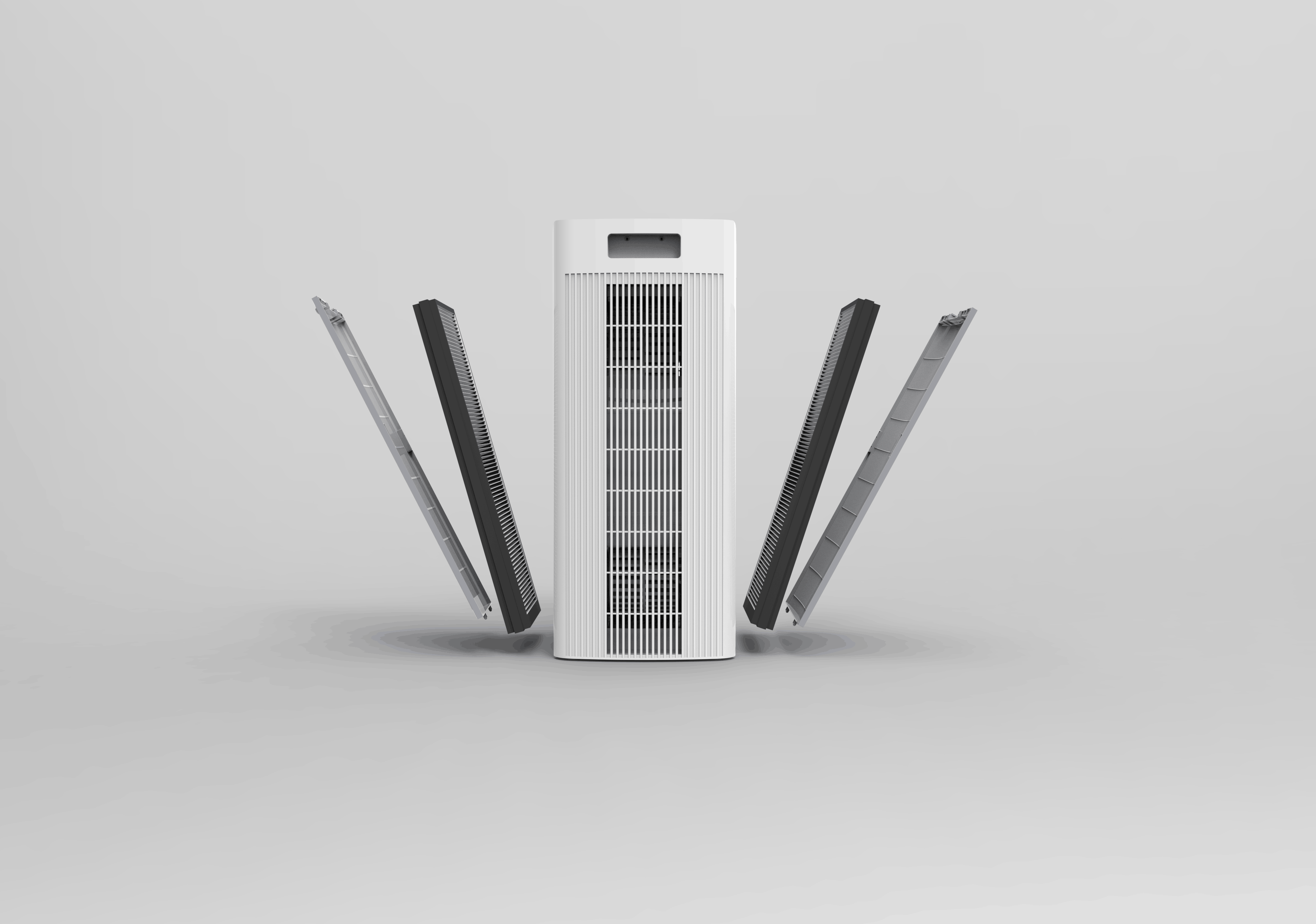
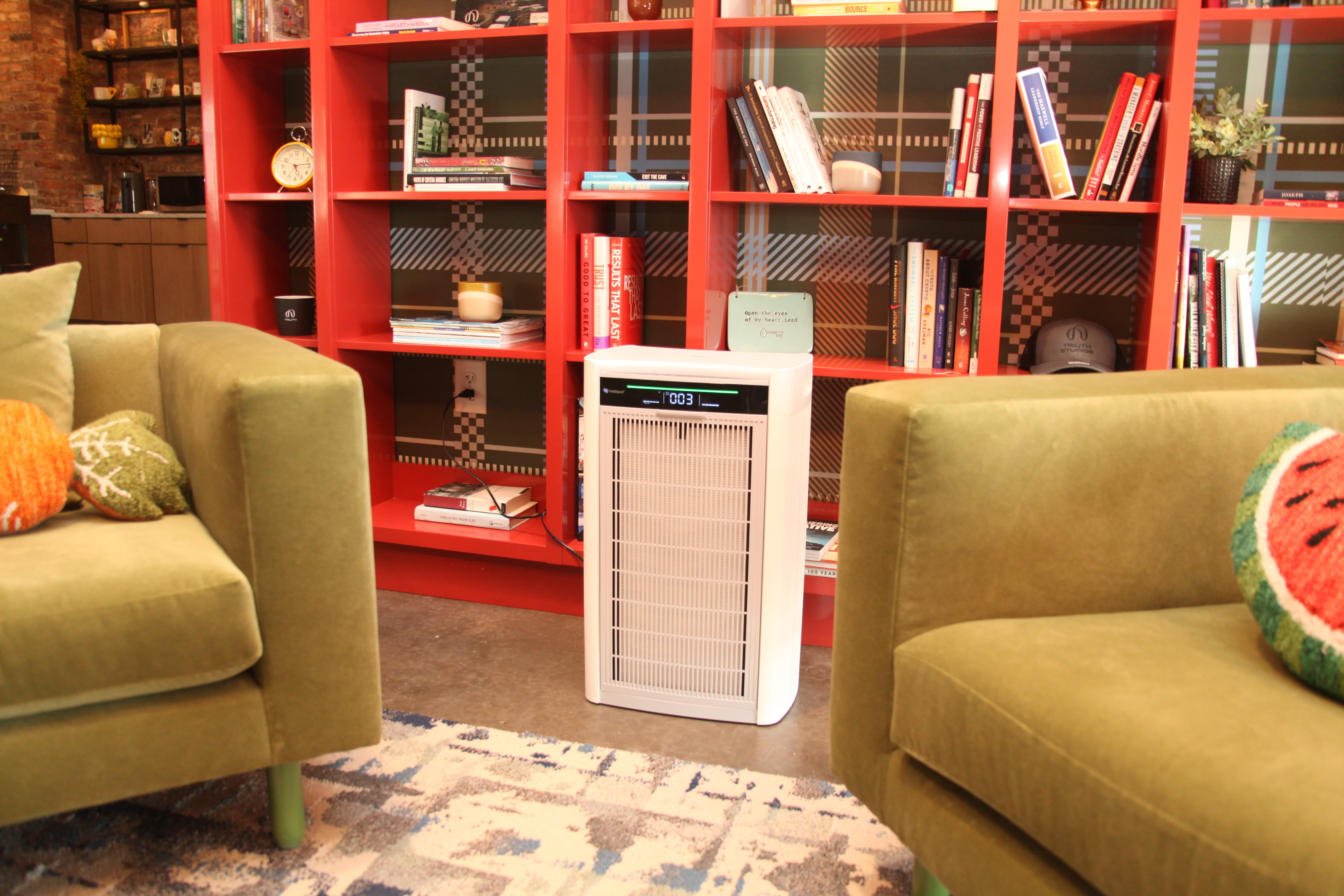
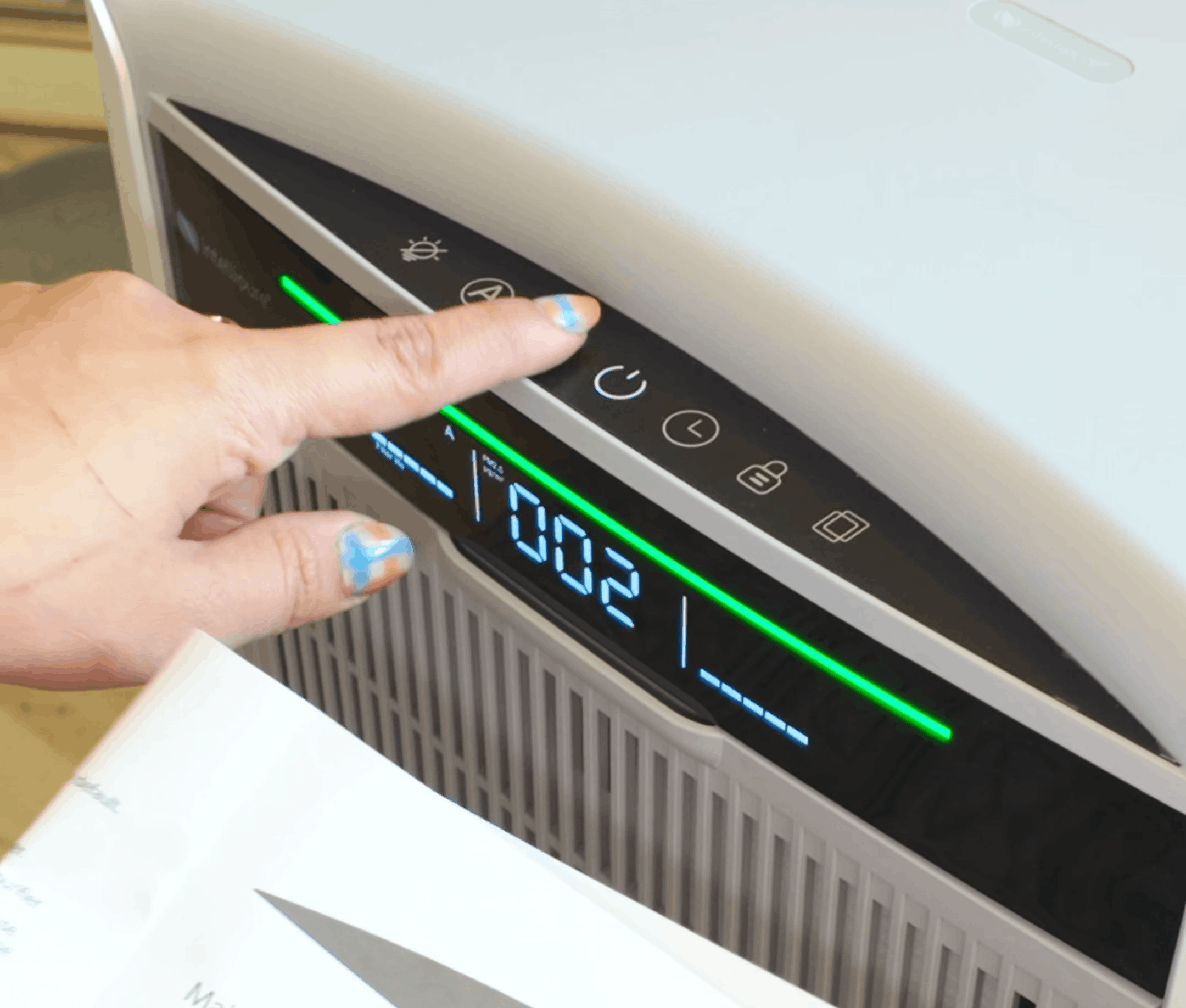
Our air experts are always on top of the latest clean-air tech. With dual intake HEPA filters, the H-1000 captures and cleans 99.97% of airborne particles, making it the best air purifier for holidays—and every day. The Compact Series is made for smaller spots like guest rooms. Run them quietly in the background for seamless hosting with good IAQ. No one notices, but everyone breathes easier.
Practical Tips – Your Hosting IAQ Checklist
Gear up with this 14-point checklist of indoor air quality hosting tips (downloadable PDF coming to the blog—print it for your prep!)
1. Place purifiers in high-traffic areas like the kitchen or living room, and keep them unobstructed.
2. Boost ventilation. Run range hoods during cooking to whisk away fumes.
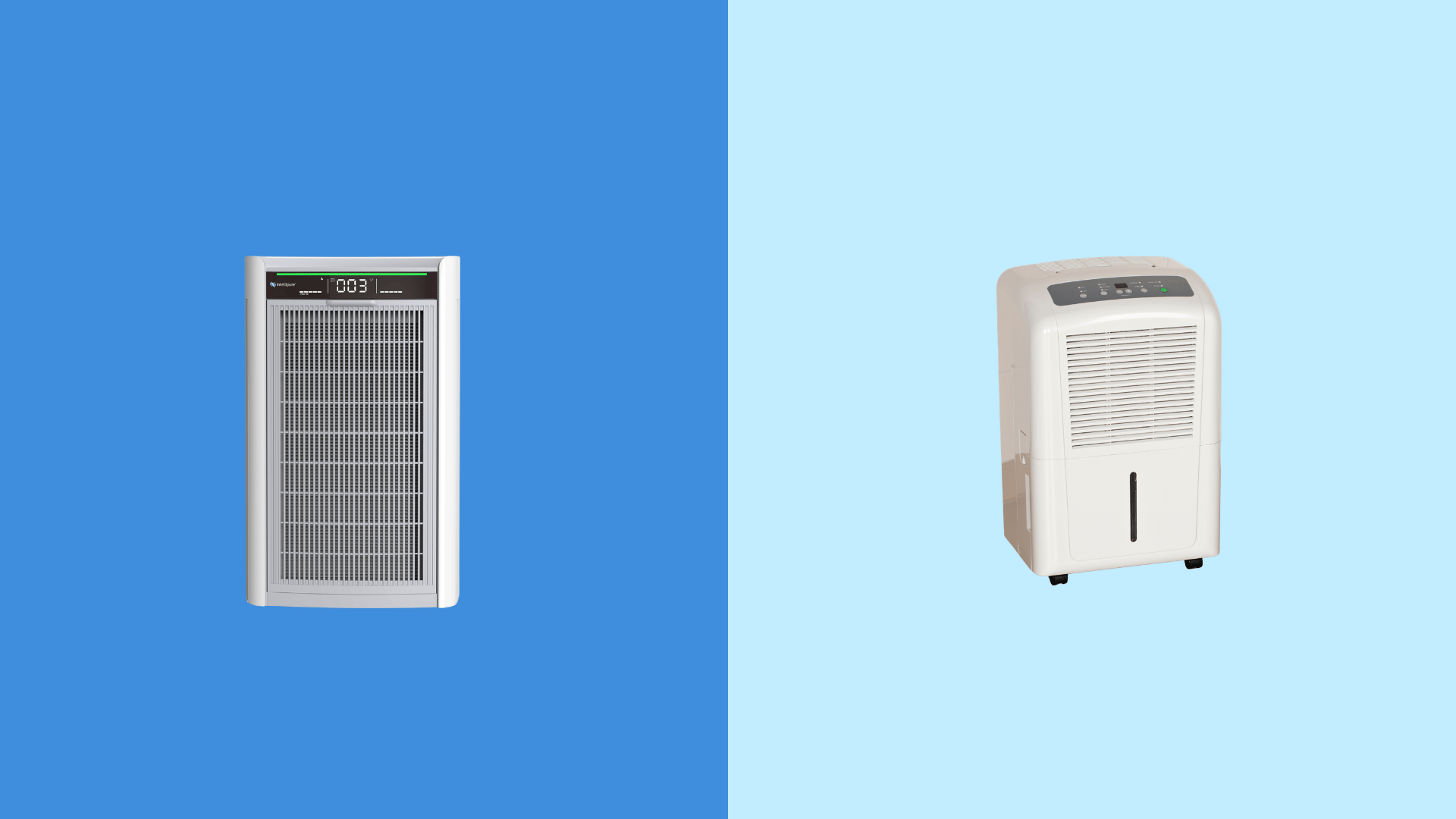
3. Monitor humidity. Use a humidifier or dehumidifier to stay at 30-50% humidity and prevent black mold and other unwanted spores from invading your home.
4. Go shoe-free. Set up a boot tray or shoe rack to block outdoor allergens and dirt.
5. Choose low-VOC decor. Skip heavy sprays and use fresh greenery sparingly if mold's a risk.
6. Vacuum beforehand with a HEPA filter to nab dust mites and dander.
7. Avoid strong scents. Ditch plugins that spike VOCs.
8. For pets: Groom them pre-party and keep them in a separate area if guests have allergies.
9. Post-cooking: Run purifiers on high to clear lingering odors and particles.
10. Overnight guests? Freshen bathrooms with exhaust fans to cut moisture.
11. Check your area's Air Quality Index (AQI). If outdoor air is poor, rely more on indoor air purification.
12. Clean up wisely. Use natural cleaners to avoid adding chemicals.
13. Test for radon and carbon monoxide. Sealed winter homes can trap these invisible—and toxic—gases. [4]
14. The H-1000 handles large spaces (and large groups) effortlessly.
These habits, backed by experts, turn hosting with good IAQ into second nature. Be the host who gives the gift of fresh air—not a headache.
Clean Air Gifting Ideas – Show You Care
Why stop at hosting? Share the love with clean air gifting ideas that say "I care about your health." Air purifiers make thoughtful presents, especially for allergy-prone individuals or new homeowners.
- Compact Series: Ideal for apartments or offices—quiet, powerful, and portable for everyday use.
- H-1000: For families with pets or kids, great for large spaces, capturing ultrafines that trigger symptoms.
- Filter subscriptions: Stocking stuffers that keep the clean air flowing year-round.
Clean air reduces long-term risks like respiratory issues, per the NIEHS—and it makes a great gift. It's practical, meaningful, and way better than new socks. Shop Intellipure for the best air purifier for holidays and beyond. [3]
Now What?
Indoor air quality isn't just a backdrop—it's the foundation for healthier, happier gatherings. By ditching the myths and embracing these tips, your home will become a breathe-easy sanctuary where joy flows freely. Cleaner air means fewer sniffles, more smiles, and peace of mind that you're hosting like a pro. (Scientifically speaking.)
Not sure where to start? Our Plan Your Space tool customizes it all.
References
- Air Pollution and Your Health | National Institute of Environmental Health Sciences.
- Jacobs DE, et al. (2007). Improving indoor environmental quality for public health: impediments and policy recommendations. Environmental Health Perspectives.
- Does improving indoor air quality lessen symptoms associated with chemical intolerance?
- Improving Indoor Air Quality | US EPA.
- Improving Indoor Air Quality | AAFA.org.







What Does Indoor Air Quality Have to Do with Lung Health?
Why You Should Deep Clean After Hosting