


Summary
Hosting leaves more behind than dirty dishes—crowds, cooking, pets, and cleaning products all spike indoor pollutants like germs, dust, VOCs, and moisture. This article explains why post-party deep cleaning is essential for restoring healthy indoor air quality and outlines simple, science-backed steps—ventilation, low-VOC cleaning, and air purification—to help your home (and lungs) fully reset after guests leave.
In This Article
The Thanksgiving table runner is put away, and your family's working their way through the last bites of leftover turkey and sweet potato casserole in the fridge. But the influx of holiday gatherings and overnight guests flows on—and Christmas and New Year's are right around the corner.
Tips and tricks on how to prep your house for guests are seemingly bottomless. A quick search reveals article after article about decluttering your coffee table, putting hand towels in the powder room, and adjusting the lighting to create a welcoming atmosphere.
But have you put any thought into your post-host plan? Addressing the aftermath of a party is just as important as gearing up for it ahead of time, especially when it comes to indoor air quality (IAQ).
A lot of things can happen to your home—and your air—during a big get-together. Germs from seasonal coughs, sneezes, and just regular ol' breathing linger. The overexcited, over-petted dog sheds extra. You burn the appetizers, then cover up the smell with a scented candle or room spray. More showers and cooking release more moisture into the air. Roaring fires bake it back out. Doors opening with every arrival and departure usher more outside air indoors… You get the picture.
Thanks to more gatherings, more travel, and more time spent indoors, several viruses, including those that cause flu, COVID-19, and RSV, spread more during fall and winter. Respiratory disease activity peaks from around December through February. [1][1] One study found that even small, informal celebrations, like kids' birthday parties, increase rates of COVID-19. [2][2]
The stakes can feel high this time of year, but don't sweat it. We've got lists and tips to make the post-party cleanup process way less overwhelming—and way better at restoring the air quality in your home to healthy, happy levels.
Party's Over. Now What?
The guests are gone, and you've taken a moment—or a full night of sleep, depending on how late the big event went—to recover. You're ready to get your space back to normal. Heck, maybe even better than normal.
Here's what to do:
- Round up all of your cleaning solutions and tools. (We recommend low- or no-VOC household products to minimize harmful volatile organic compounds in your air.)
- Crack a window or run an exhaust fan for ventilation while you spray, wipe, scrub, dust, sweep, and everything else [3][3]
- Toss all the empty bottles and trash, and take the bag out ASAP. As long as trash sits inside, even in a lidded bin, cabinet, or closet, it can release odors and other unwanted particles into your air.
- Go ahead and deal with the dirty dishes
- Spot treat any stains from spills or other mishaps
- Clean each room one by one, tackling the kitchen last
- Decide whether you need to disinfect or sanitize after you clean. (Check out the section below to help make the call!)
- Leave the floors for the finale [4][4]
- Run an air purifier as you go. It feels counterintuitive, but the act of cleaning can actually release pollutants and dirty up the air inside your home. [5][5]
Cleaning, Sanitizing, and Disinfecting: What's the Difference?
People sometimes use "cleaning," "sanitizing," and "disinfecting" interchangeably, without understanding or specifying the important differences. Fortunately, the Centers for Disease Control and Prevention (CDC) provides clear definitions for each, plus specifics on when and how to perform each task.
Cleaning
- What: Scrubbing surfaces with everyday cleaners, like soap and water. On its own, cleaning removes most dirt and harmful germs, bacteria, and viruses, helping keep you and your family healthy.
- When: Clean high-touch surfaces (like doorknobs, light switches, and countertops) regularly and after you have visitors in your home. Clean other areas of your home as needed, or when they're visibly icky.
- How: Clean using a product that's intended for that specific surface, and don't forget to check the instructions and warnings on the product label. Wash your hands frequently to help prevent spreading germs in your home.
Sanitizing
- What: Sanitizing minimizes germs to levels public health codes or regulations consider safe. It's done with weaker bleach solutions or sanitizing sprays. [6][6] Be sure to avoid household cleaners that contain VOCs, which can pollute your air and harm your health. [7][7]
- When: Daily sanitizing usually isn't necessary if objects and surfaces are cleaned thoroughly after use. Appropriate times to sanitize include when raw meat or a recalled food has touched surfaces inside your refrigerator or kitchen; after a natural disaster or emergency, like a flood; and when someone is sick in your home.
- How: Be sure to clean surfaces before you sanitize them. Use a weaker bleach solution or an EPA-registered sanitizing product, and pay attention to the instructions on the label.
Disinfecting
- What: Disinfecting uses stronger bleach solutions or chemicals to kill most germs. It decreases the risk of spreading germs that can cause illness even further than cleaning and sanitizing do.
- When: If someone in your home is sick or at a higher risk of getting sick due to a weakened immune system, you should disinfect. Some treatments and drugs for cancer, organ transplants, or other illnesses weaken the immune system. Human immunodeficiency virus (HIV) and certain genetic conditions also affect the immune system.
- How: Clean the surface with soap and water first. Then use an EPA-registered disinfecting product or a stronger bleach solution. [6][6]
How Hosting Impacts Indoor Air Quality (IAQ)
Even people who pride themselves on diligent tidying after a party often forget one major step: cleaning the air around them.
IAQ is always important, but it's especially crucial after welcoming friends, family, and perhaps a pet or two into your home. Cooking, sweeping, dusting, and crowding in with other people are all classic hosting activities, and they all lead to poor IAQ. Not to mention cigarette smoke, pet dander, candles and fragrances, and any of those cozied up guests coughing and sneezing. [5][5]
Along with VOCs, particulate matter (PM) is the most significant source of indoor air pollution. PM is a mix of tiny particles and liquid droplets made of organic chemicals, acids, metals, and dust. [7][7] Shockingly, indoor air can carry higher levels of PM than outdoor air—especially in the winter when we all tend to keep our houses sealed up from the cold, and polluted air gets trapped inside. [5][5]
How Poor IAQ Impacts You (and Your Guests)
Studies link PM and air pollution to some respiratory diseases, including asthma, chronic bronchitis, and acute bronchitis. There's also evidence from epidemiologic studies that indoor PM has a significant impact on health, contributing to asthma, cardiovascular disease, lung malfunction, respiratory symptoms, and premature births.
Children are more at risk of the dangers of PM because they spend time playing directly on the floor, where germs and particles congregate before being stirred up into the air again. (And again. And again.) Crawlers and toddlers also tend to put their hands—and just about everything they can pick up with them—directly in their mouths, all day long. [5][5]
In the short-term, poor IAQ can trigger headaches, dizziness, fatigue, itchy eyes, sneezing, and sore throats—especially in crowded, stuffy spaces. The NIEHS links these symptoms to irritants like VOCs and ultrafine particles, which inflame airways and make breathing tougher. [8][8]
Practical Tips – Your IAQ Checklist, Post-Host
We've already covered all the ways parties and gatherings spike indoor pollution. The good news? You and your air can bounce back quickly.
According to the CDC, doing what you can to keep your indoor air clean helps lower exposure to harmful germs and viruses, reducing your chances of spreading respiratory illness. [9][9]
Here's a handy list from your favorite air obsessives (that's us) to help you restore your home's air quality after hosting:
- Run purifiers on high in your kitchen and other high-traffic areas to clear the air of lingering odors, harmful particles, and pesky irritants
- Vacuum with a HEPA filter to capture pet dander, pollen, dust mites, and other allergens [10][10]
- Use unscented, gentle cleaners. If anyone in your home has asthma, be especially careful to avoid products that release allergens and irritants. [11][11]
- Resist covering up smells with synthetic scents from sprays, candles, plug-ins, and incense. They can be sources of VOCs that pollute your air. Let your purifier do the work instead. [12][12]
- Dry out damp areas. Stop dust mites and mold growth by using a dehumidifier and a hygrometer (humidity reader) to keep your home's humidity levels between 30 and 50%. [11][11]
- Ventilate with both natural and mechanical methods. Use exhaust fans while cooking and during showers, and crack a window to keep fresh air circulating. [3][3]
- Check your area's Air Quality Index (AQI). If outdoor air is poor, rely more on indoor air purification. [12][12]
- Invest in an indoor air purifier. They've been proven to help control PM concentrations and can boost the health and comfort in your home. [5][5]
It's a Breeze to Clean Your Air
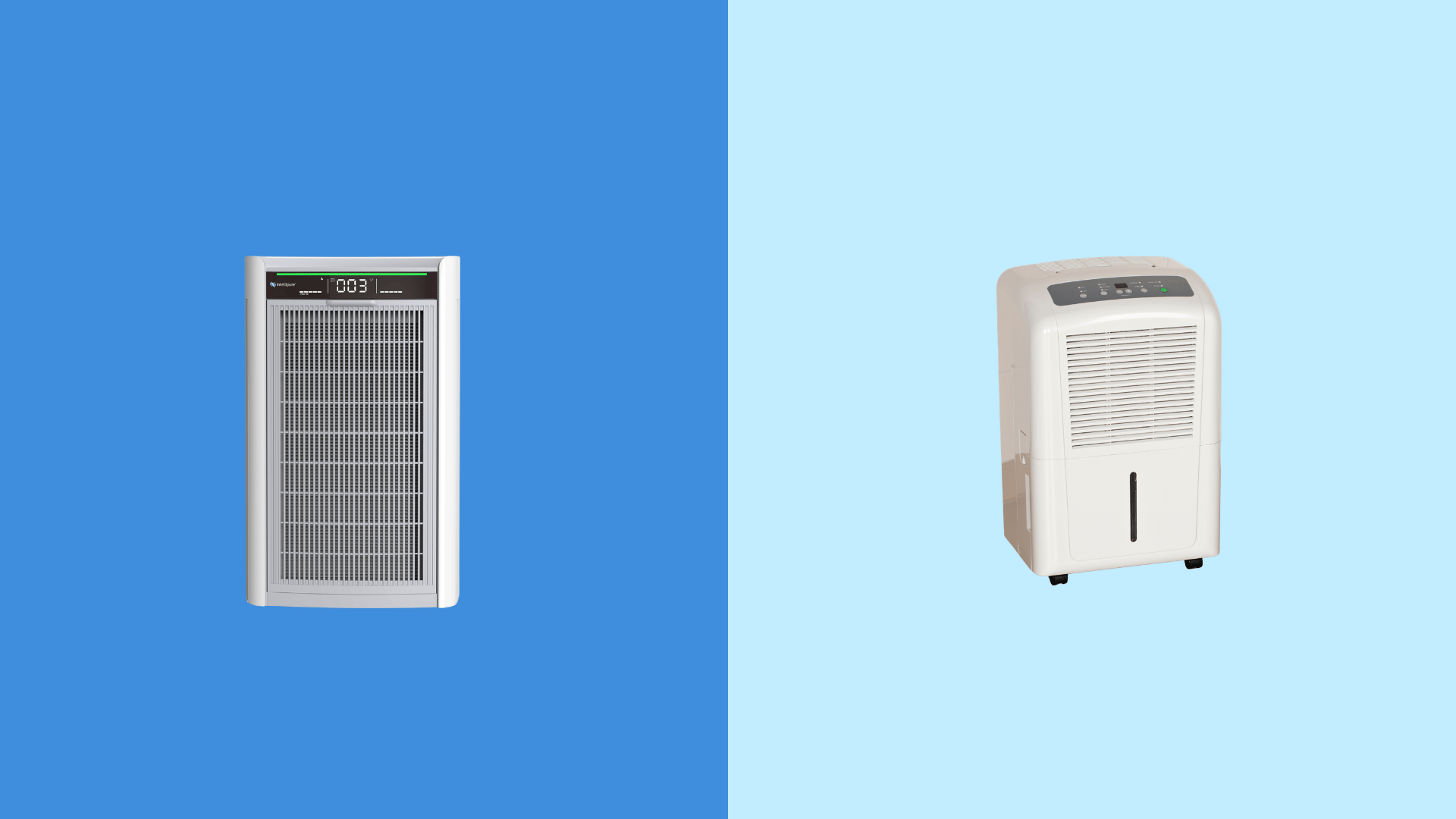
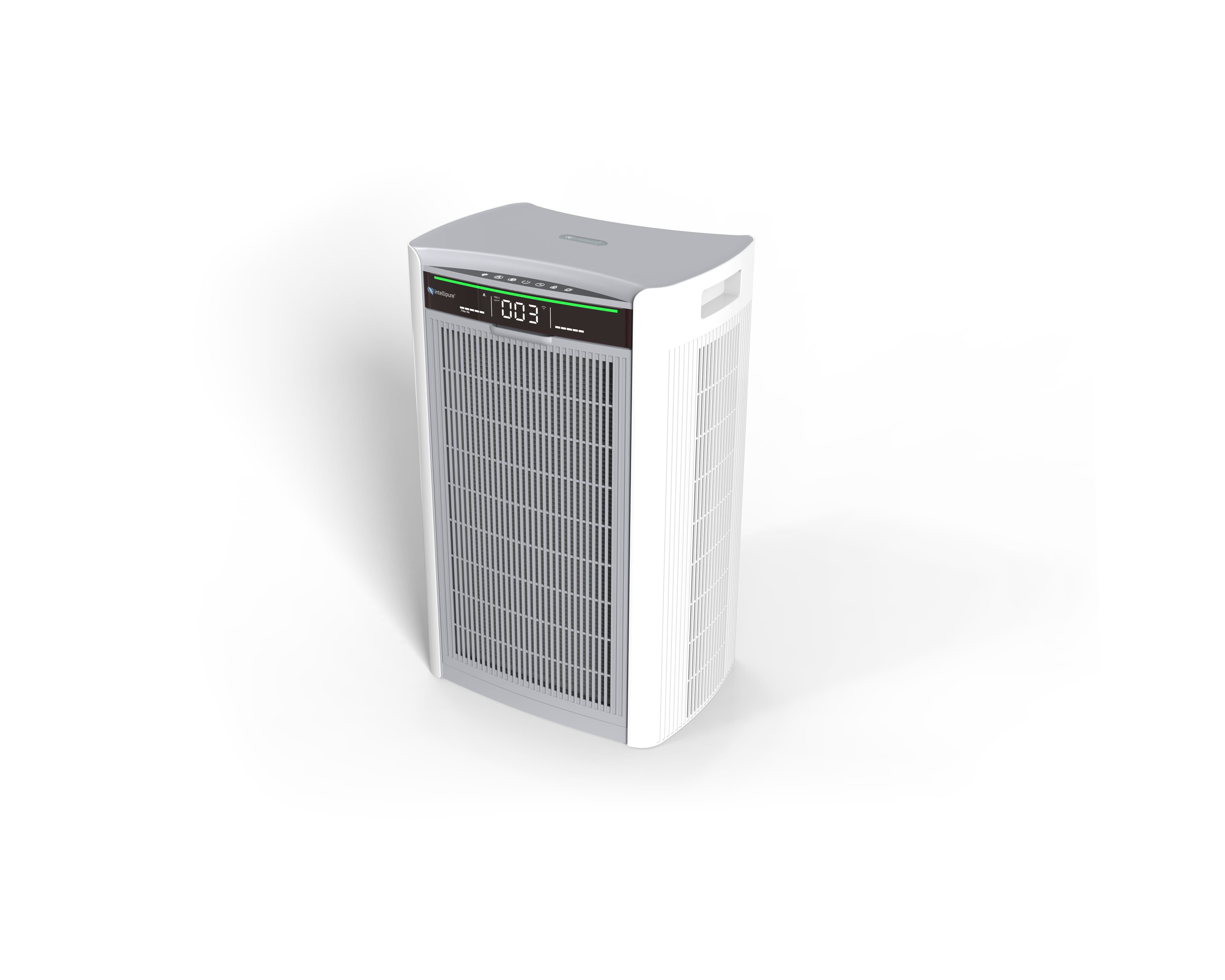
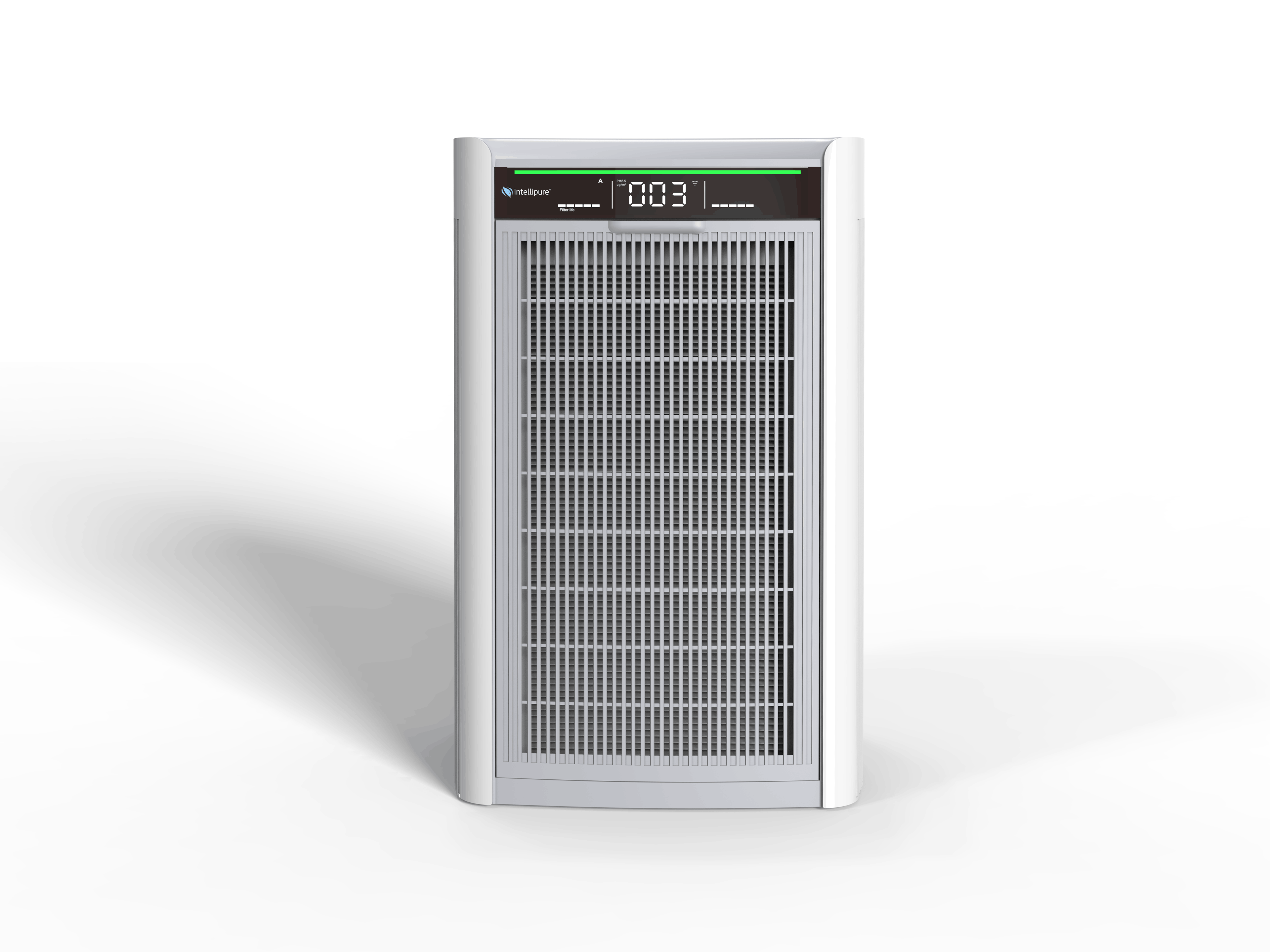
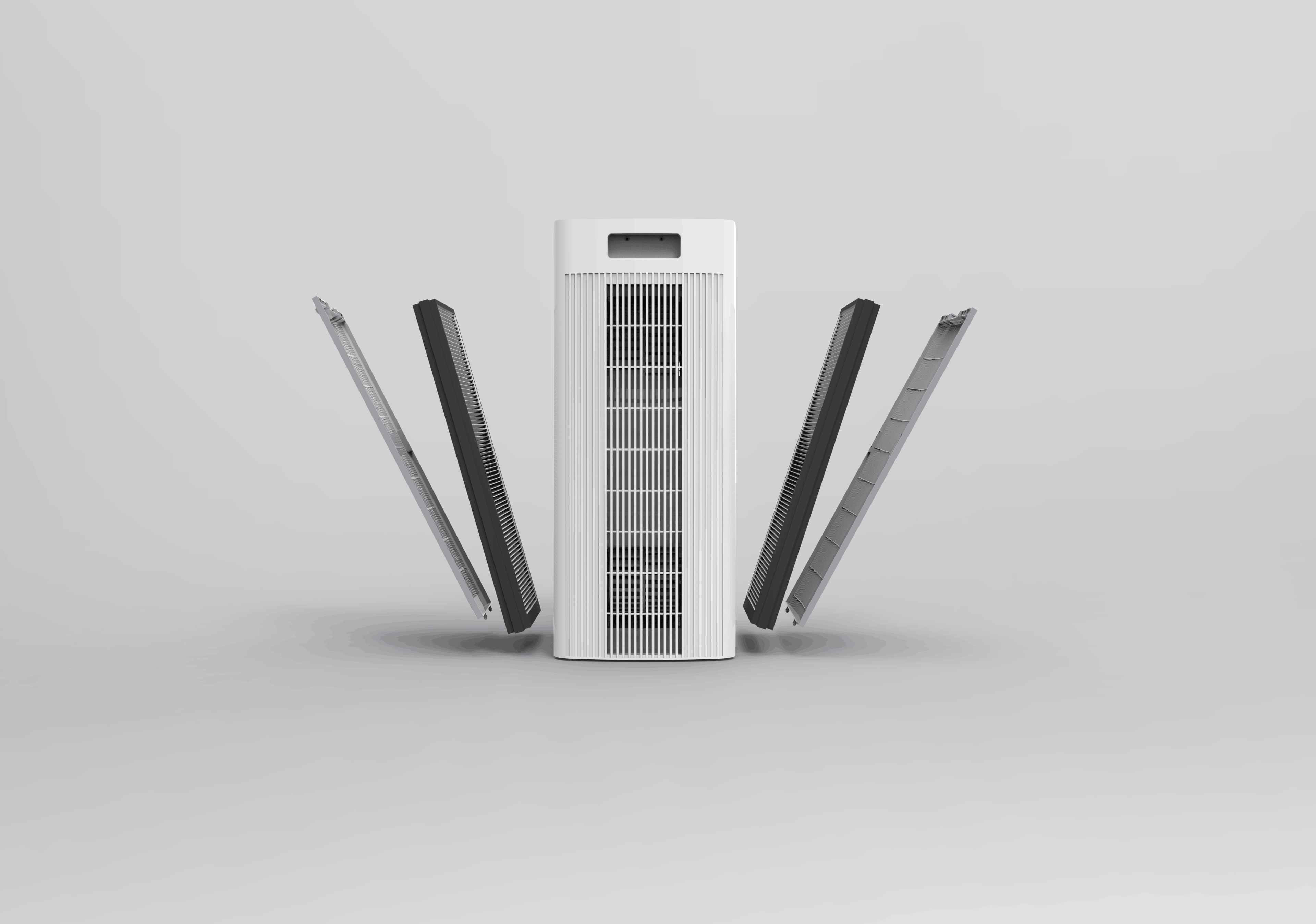
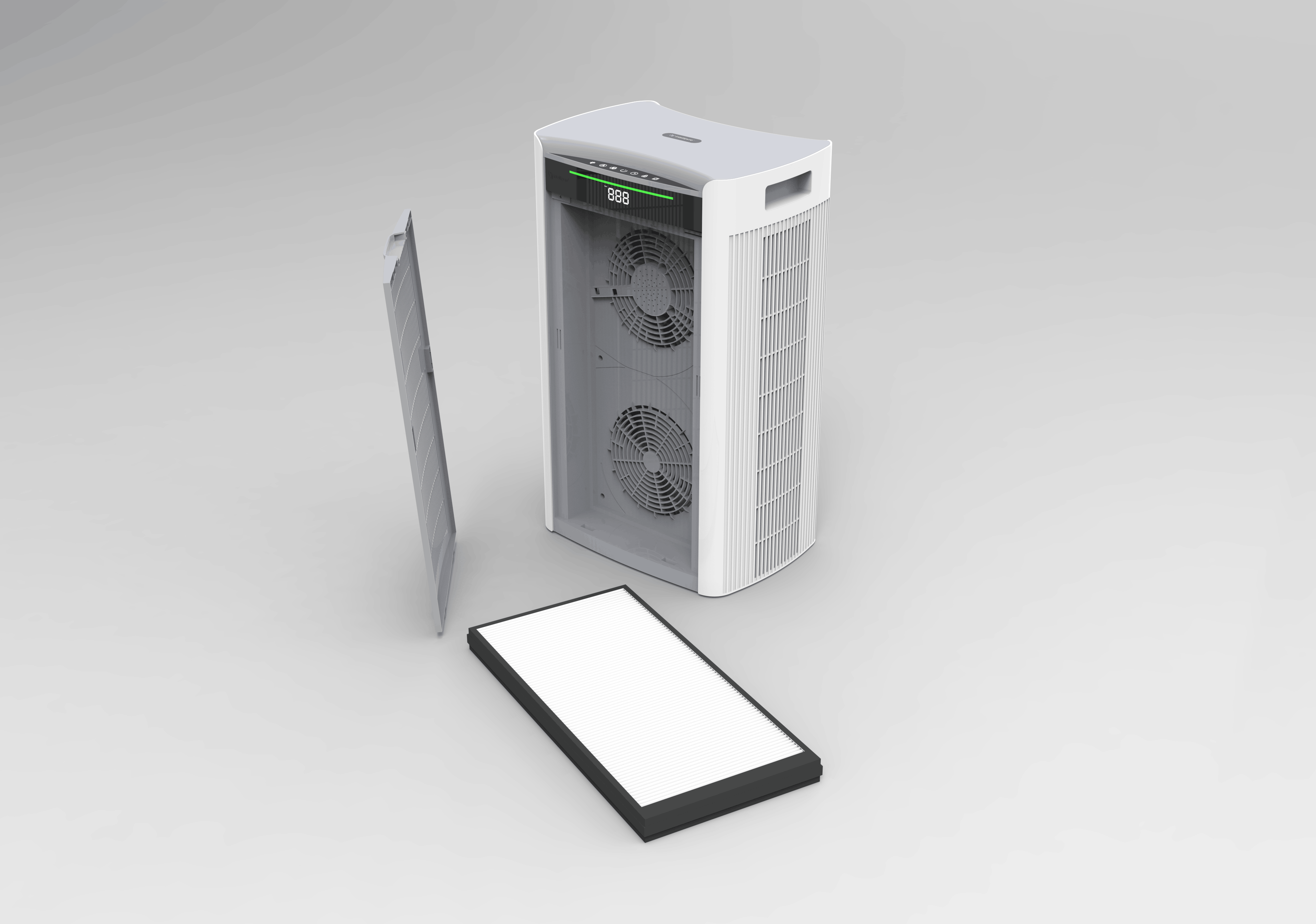
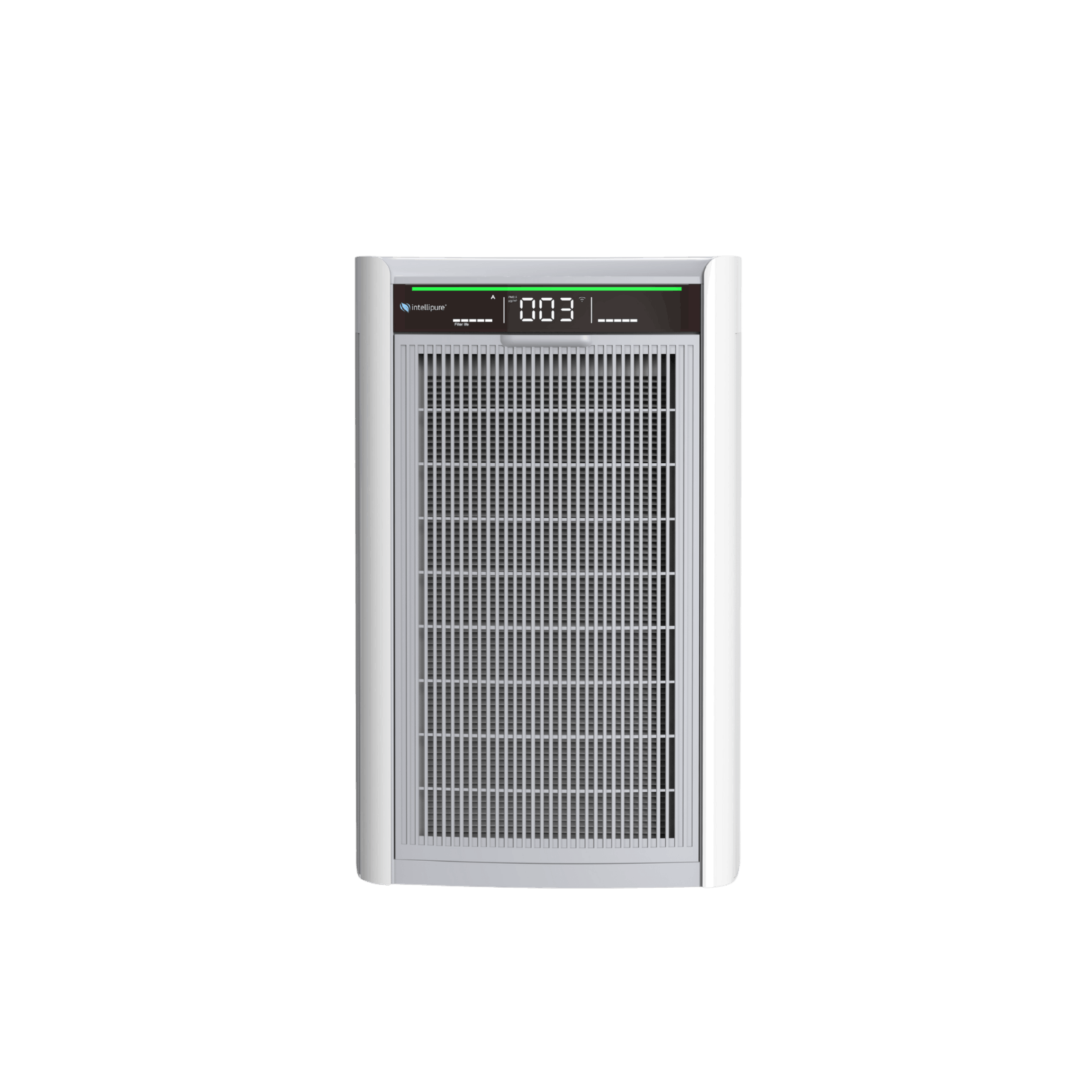
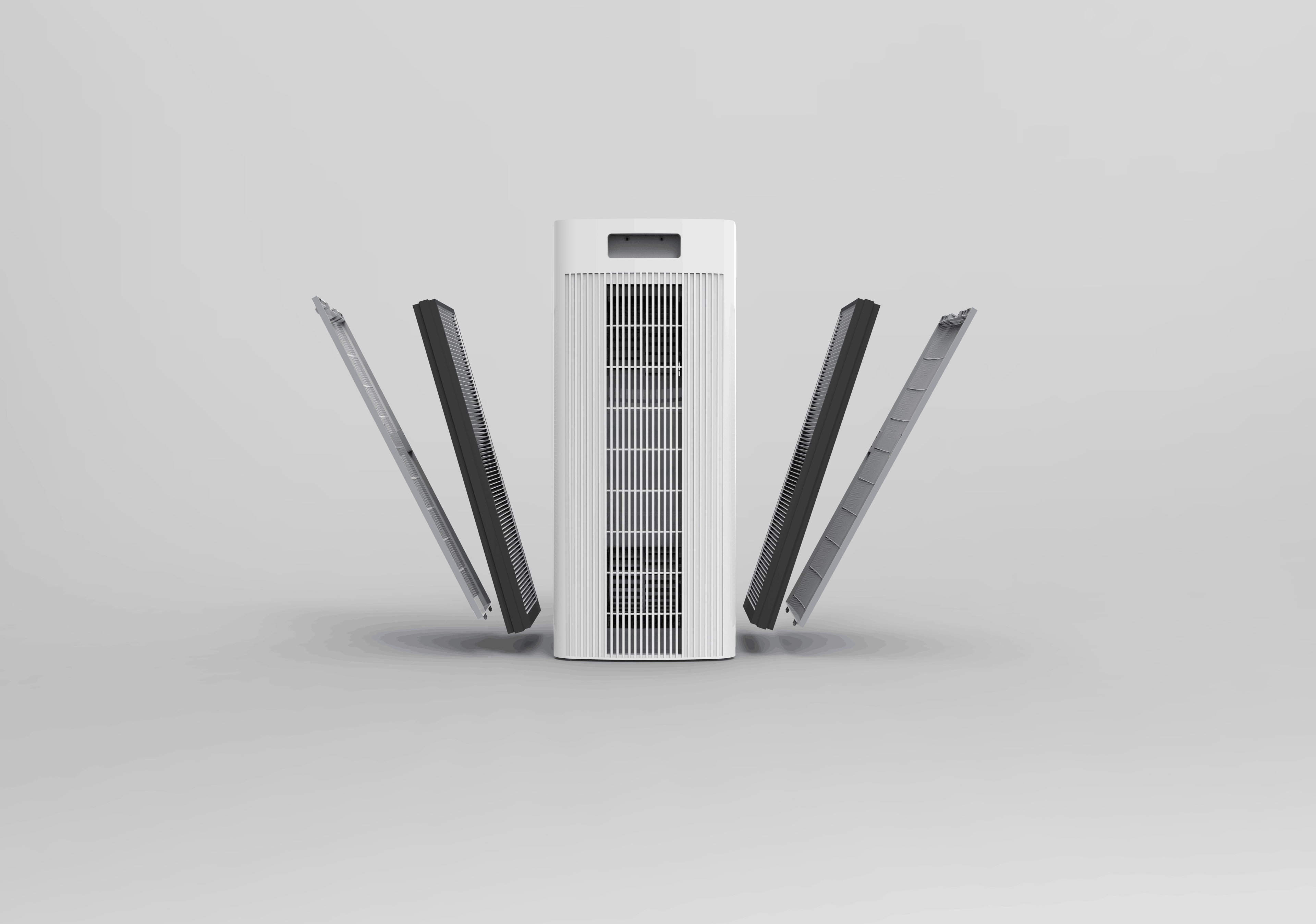
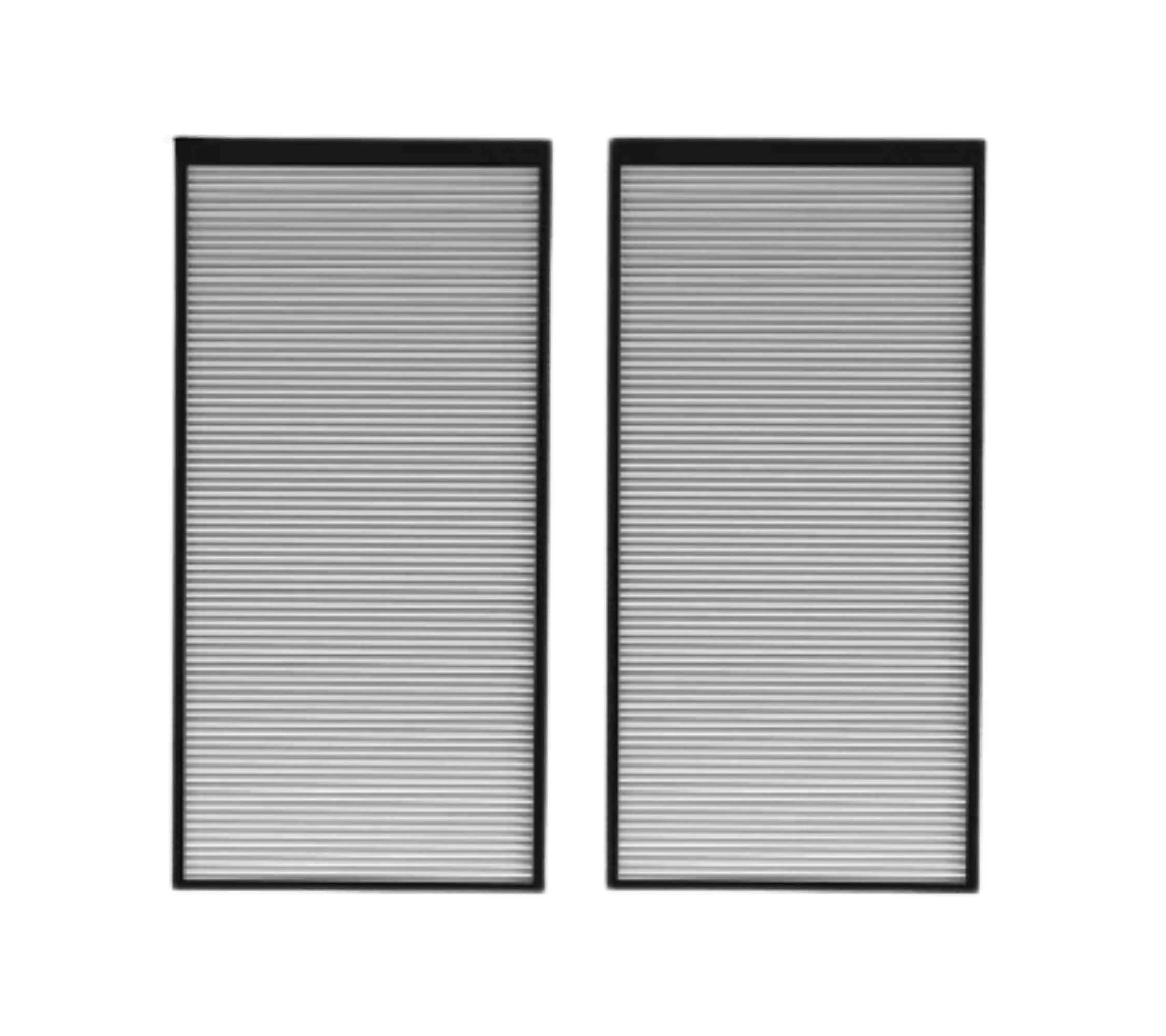
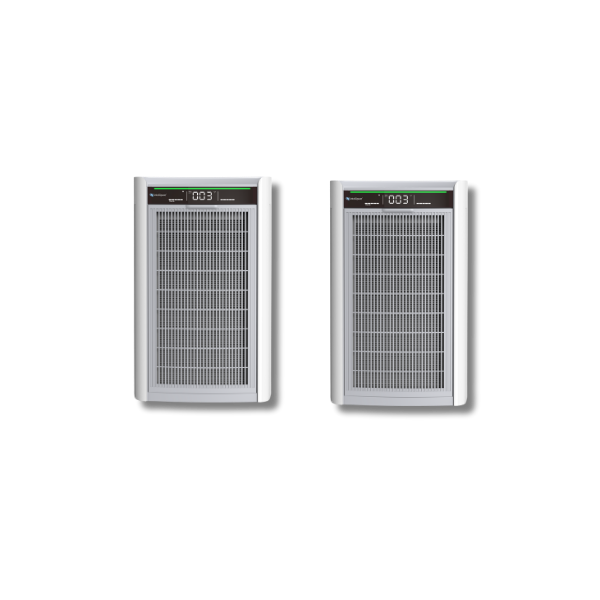
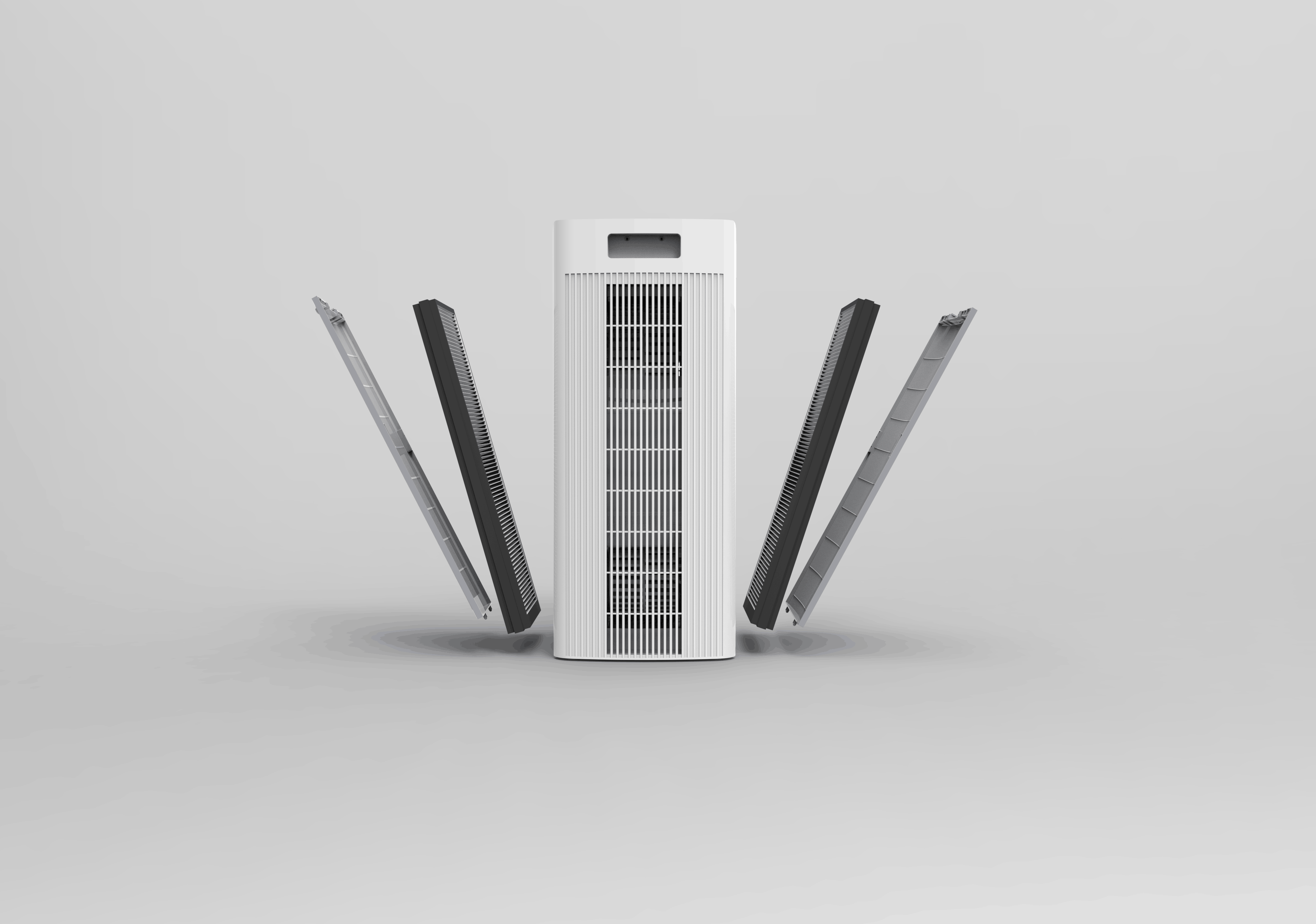
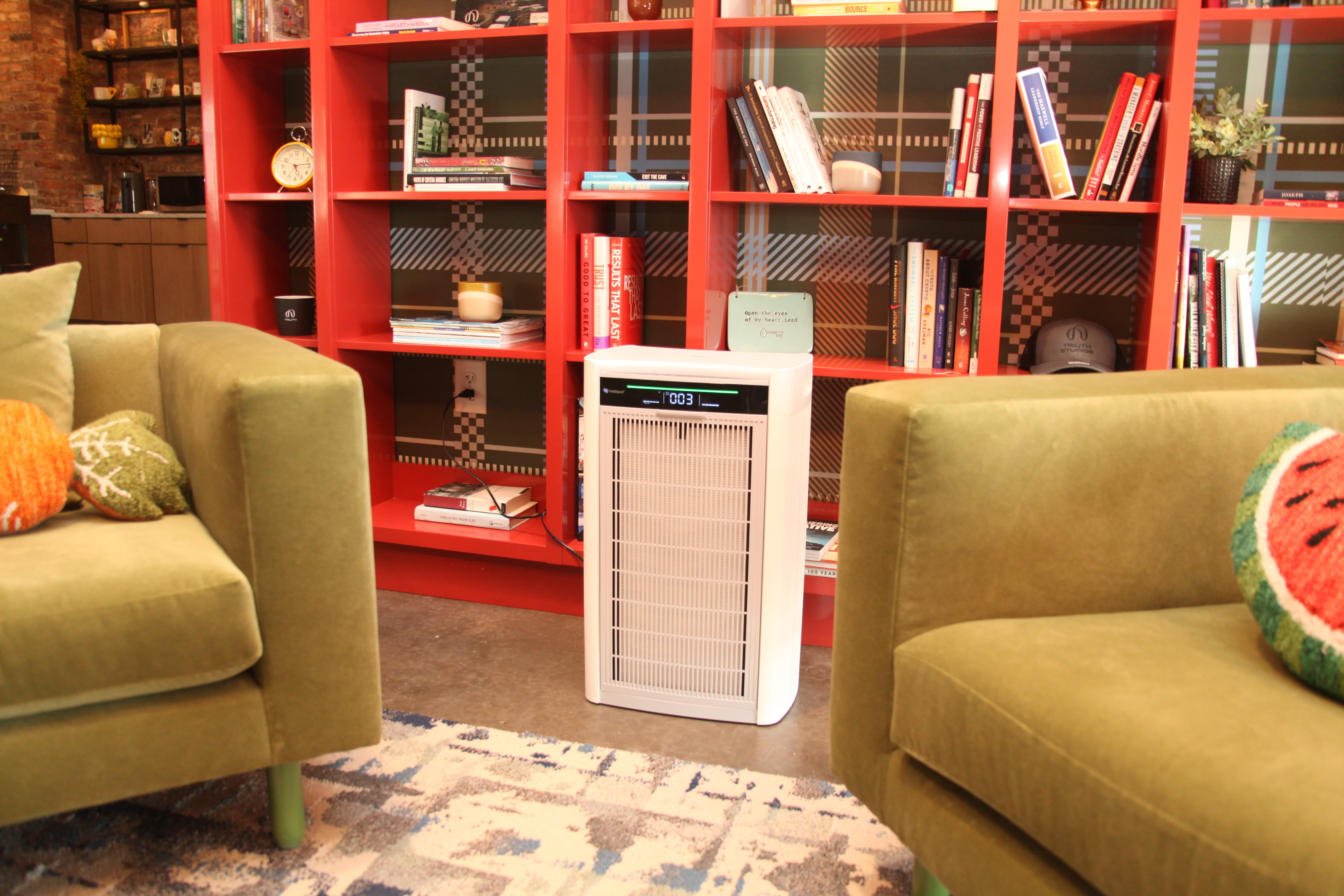
If you like to entertain overnight guests or host large groups pretty regularly, the Intellipure H1000 is your best choice for fresh, odorless air before, during, and after. The H1000 effortlessly purifies areas up to 2,200 sq.ft. in just 30 minutes, capturing 99.97% of airborne particles.
For smaller spaces—like a guest bedroom or bathroom—check out the Intellipure Compact. It's quiet, powerful, and portable for everyday use.
Both the H1000 and the Compact are designed to be sleek and discrete, and they fit readily into any space.
Whether you're hosting an intimate dinner party or a house-full, multi-day sleepover, always remember to add a good air cleaning to your post-party to-do list. Your lungs, your household, and your next guests will thank you.
References
- Reduce Your Risk from Respiratory Viruses This Holiday Season | NCIRD | CDC.
- Assessing the Association Between Social Gatherings and COVID-19 Risk Using Birthdays.
- Improving Indoor Air Quality | US EPA.
- How to clean up after a party | Real Homes.
- Indoor Particulate Matter in Urban Households: Sources, Pathways, Characteristics, Health Effects, and Exposure Mitigation.
- When and How to Clean and Disinfect Your Home | Water, Sanitation, and Environmentally Related Hygiene (WASH) | CDC.
- Indoor Air Pollution and the Health of Vulnerable Groups: A Systematic Review Focused on Particulate Matter (PM), Volatile Organic Compounds (VOCs) and Their Effects on Children and People with Pre-Existing Lung Disease.
- Air Pollution and Your Health | National Institute of Environmental Health Sciences.
- Taking Steps for Cleaner Air for Respiratory Virus Prevention | Respiratory Illnesses | CDC.
- Easy ways you can improve indoor air quality - Harvard Health.
- Improving Indoor Air Quality | AAFA.org.
- How to Improve Indoor Air Quality | Wirecutter.



Be the Host with the Most (Healthy & Happy Indoor Air)
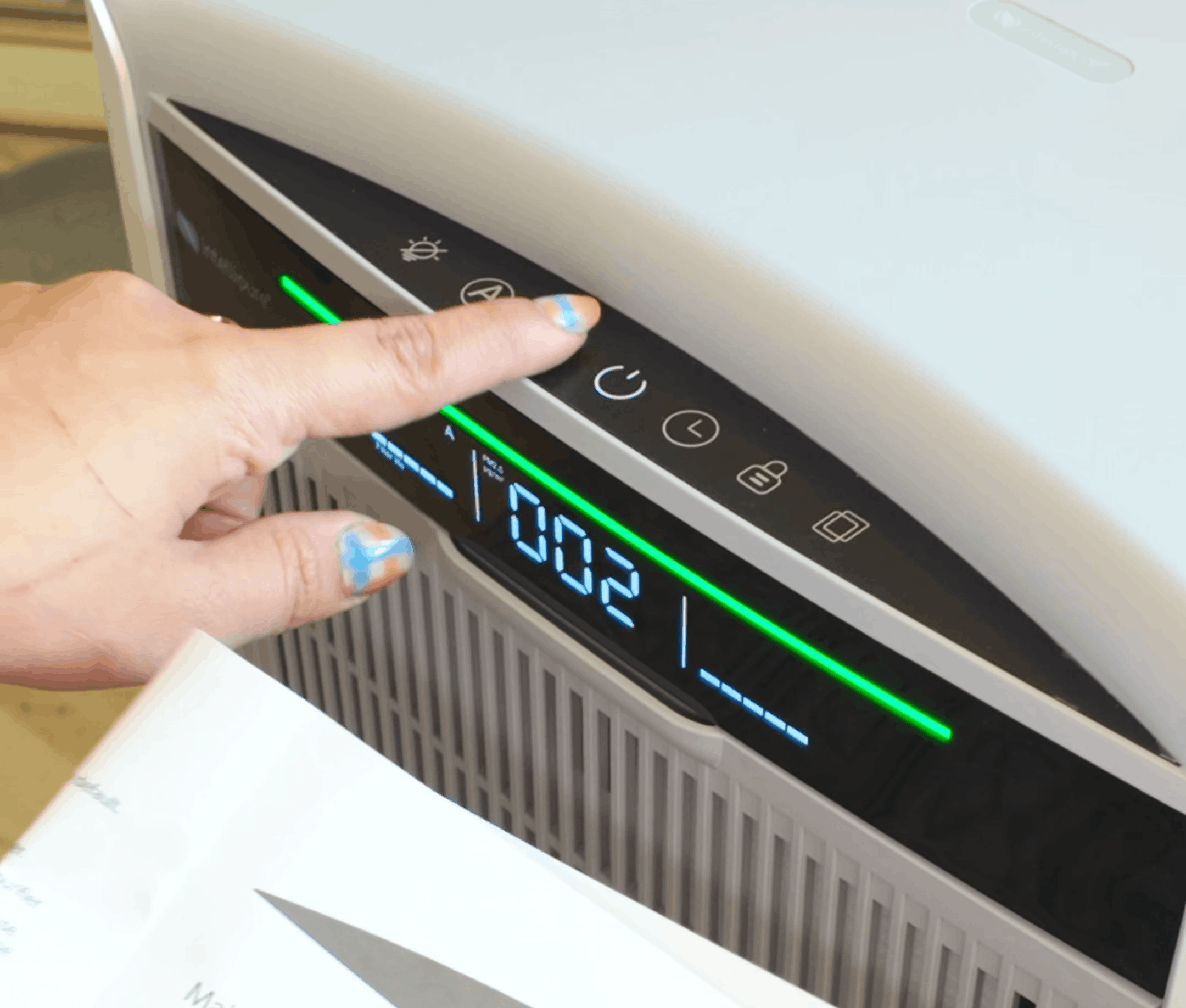
How To Understand Your Air Purifier PM2.5 Reading