

Summary
Seasonal candles, sprays, and plug-ins can release volatile organic compounds that compromise the air you breathe indoors. Here's what the science says about fall fragrances and how to enjoy cozy scents without sacrificing air quality.
In This Article
The Cozy Scent Dilemma
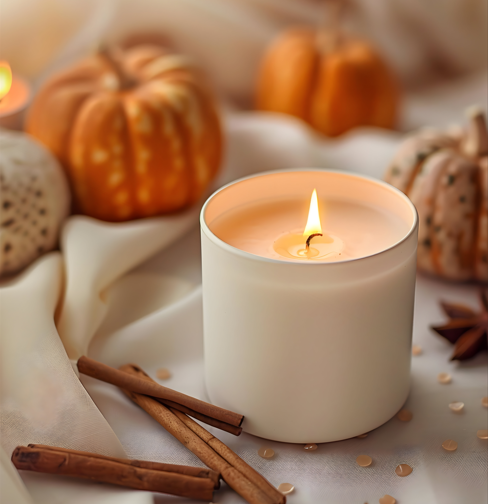
Fall is finally here, and you're hosting friends and family this year. The table is set, guests are on their way, and every corner of your house is filled with the heartwarming scents of cinnamon, vanilla, and pumpkin spice. But here's the thing: most of those delicious aromas probably aren't coming from a pie in the oven. They're coming from candles, sprays, and plug-ins designed to mimic the real deal.
To our noses, an actual pumpkin pie and a pumpkin spice candle might smell alike. To our lungs, they're worlds apart.
Let's break down the facts behind the fragrances so you can feel cozy and breathe easy this season.
Sneaky Seasonal Smells
Not all scents are created equal. While a baking pie fills the air with the very real aroma of a mouthwatering dessert, a lit candle can fill it with artificial chemicals. Both make your home feel warm and inviting, but one may quietly compromise the air you and your guests are breathing.
We get it: fall fragrances smell delicious, and they're temptingly easy to use. That's why pumpkin spice candles and cinnamon-apple plug-ins fly off the shelves every season. Unfortunately, most "odor-fighting" fragrances don't actually fight odors at all. They simply add invisible pollutants you don't want your guests (or yourself) breathing, including a range of volatile organic compounds (VOCs) [1].
So, What Are VOCs?
VOCs are gases emitted from certain solids or liquids, and they include a variety of chemicals, some of which may have short- and long-term adverse health effects [1]. Some may even sound harmless (for instance, "limonene" gives citrus its tangy scent). But when these VOCs mix with other indoor air components, they can form harmful secondary pollutants [2].
Research shows that scented candles can emit VOCs including benzene, formaldehyde, and other compounds during combustion [3]. Here's a closer look at a few common offenders:
- Benzene exposure can cause drowsiness, dizziness, and headaches [4].
- Formaldehyde can irritate the eyes, nose, and throat, and people with asthma or other breathing problems may be more sensitive to its effects [5].
- Toluene exposure has been linked to weakness, exhaustion, and confusion [6].
- Limonene and linalool are common in citrus and floral sprays. When these terpenes react with ozone indoors, they can produce secondary pollutants including formaldehyde and ultrafine particles [2].
In other words, your plug-in may be festive, but it may also be running a tiny chemistry lab in your living room.
Why This Matters During the Holidays
Holiday mode usually means windows shut, heat on, and the oven working overtime. According to EPA research, levels of about a dozen common organic pollutants average two to five times higher inside homes than outside, regardless of whether the home is in a rural or industrial area [1]. Add candles, sprays, and plug-ins to a sealed-up home, and suddenly you're trapping more than cozy vibes.
A national survey found that 34.7% of the population reported health problems, such as migraine headaches and respiratory difficulties, when exposed to fragranced products [7]. Over time, indoor air pollutant exposure can show up as:
- Headaches
- Sniffling and sneezing
- Scratchy throats
- Watery eyes
- Fatigue
- Difficulty concentrating
- Asthma flare-ups
For children, older adults, or scent-sensitive guests, these effects can be particularly pronounced. Children, the elderly, and people with asthma may be more sensitive to the effects of indoor pollutants like formaldehyde [5]. Research has also linked broader indoor air pollution exposure, particularly from sources like tobacco smoke and fuel combustion, to more serious respiratory concerns over time [8].
The Clean-Air Secret
As hosts, we go above and beyond to make our homes feel welcoming. We light candles that promise to fight odors, spritz the air before guests arrive, or leave scent-diffusing plug-ins humming quietly in the background. The goal is simple: create a sense of calm and coziness.
In reality, the best way to care for your guests is with genuinely clean air. Most "odor fighters" don't remove smells at all; they just mask them with stronger scents. That means your guests aren't only breathing food particles, pet dander, and dust. They're getting a big dose of synthetic fragrances, too. For someone with asthma or allergies, that "cozy" get-together can quickly become uncomfortable.
What About Essential Oils?
Whether used in diffusers, candles, or sprays, essential oils aren't an automatic fix for safer scented air.
Essential oils may be natural, but research shows they can still release VOCs and contribute to secondary pollutant formation indoors. Terpenes commonly found in essential oils, including limonene and linalool, can react with ozone to form formaldehyde and ultrafine particles [2]. A review of the evidence found a clear role for gas-phase terpene oxidation products in adverse airway effects at high concentrations, though whether these effects occur at more environmentally relevant levels remains unclear [9]. As with any air pollutant, the higher the strength and concentration, the greater the potential risks. So if you love your diffuser, enjoy it in moderation and in a well-ventilated space.
Host Without the Hazards
If you're thinking, "This stinks!" don't worry. You don't have to banish your favorite seasonal scents entirely. Here are a few practical tips to help you enjoy good smells, good vibes, and good health all season long:
- Go natural where you can. Simmer pots with cinnamon sticks or orange peels, or use real pine branches and garlands to give off those cozy aromas without synthetic VOCs. (And remember to go easy on the super-concentrated essential oils.)
- Ventilate while you cook or burn candles. The American Lung Association recommends fitting your kitchen with an exhaust fan and using it, or opening a window, when cooking to help remove fumes, airborne particles, and moisture [10].
- Choose cleaner candle options. Consider choosing candles made from natural materials like beeswax or soy wax, and scented with essential oils rather than synthetic perfumes, to help reduce exposure to pollutants [11].
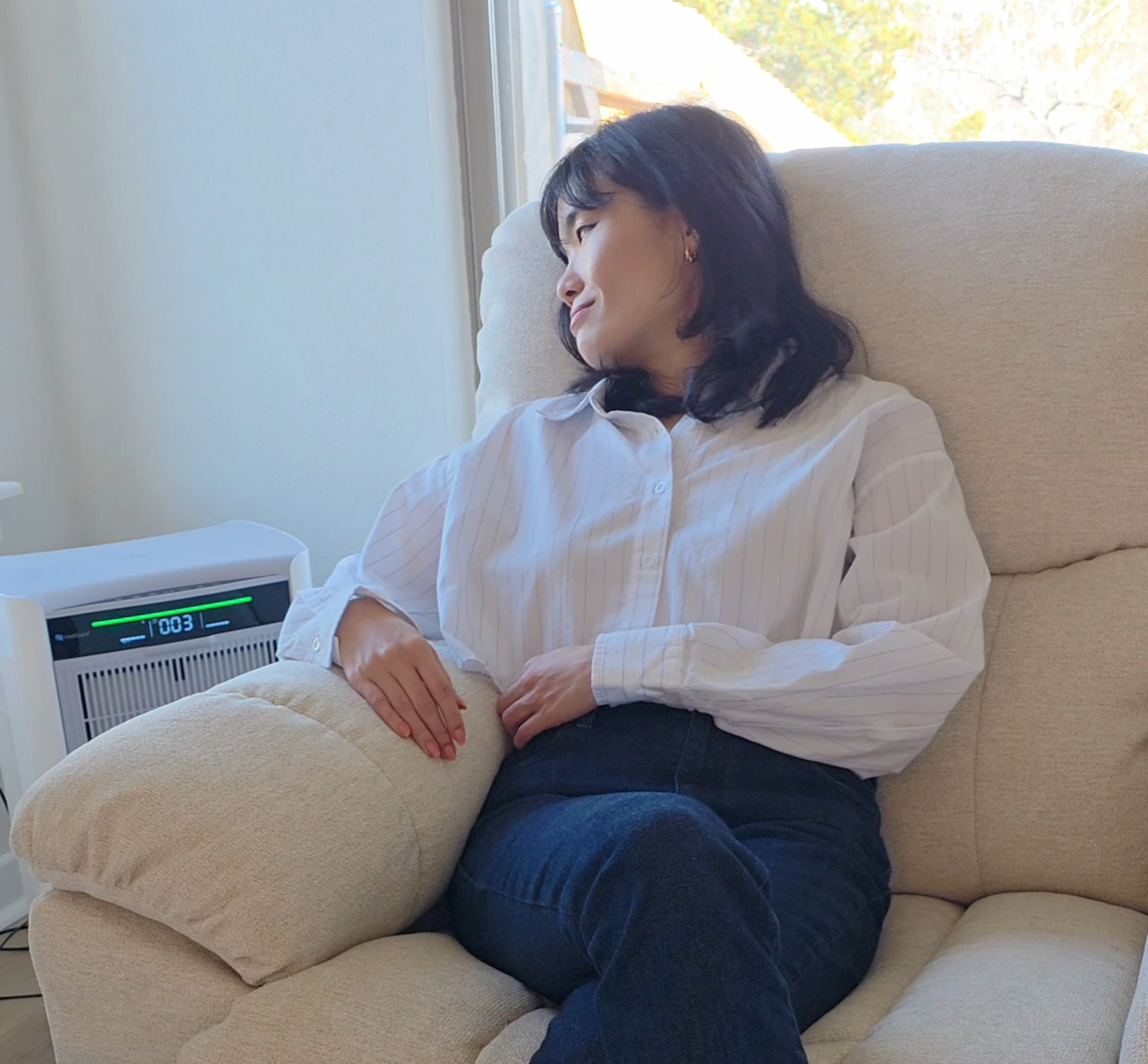
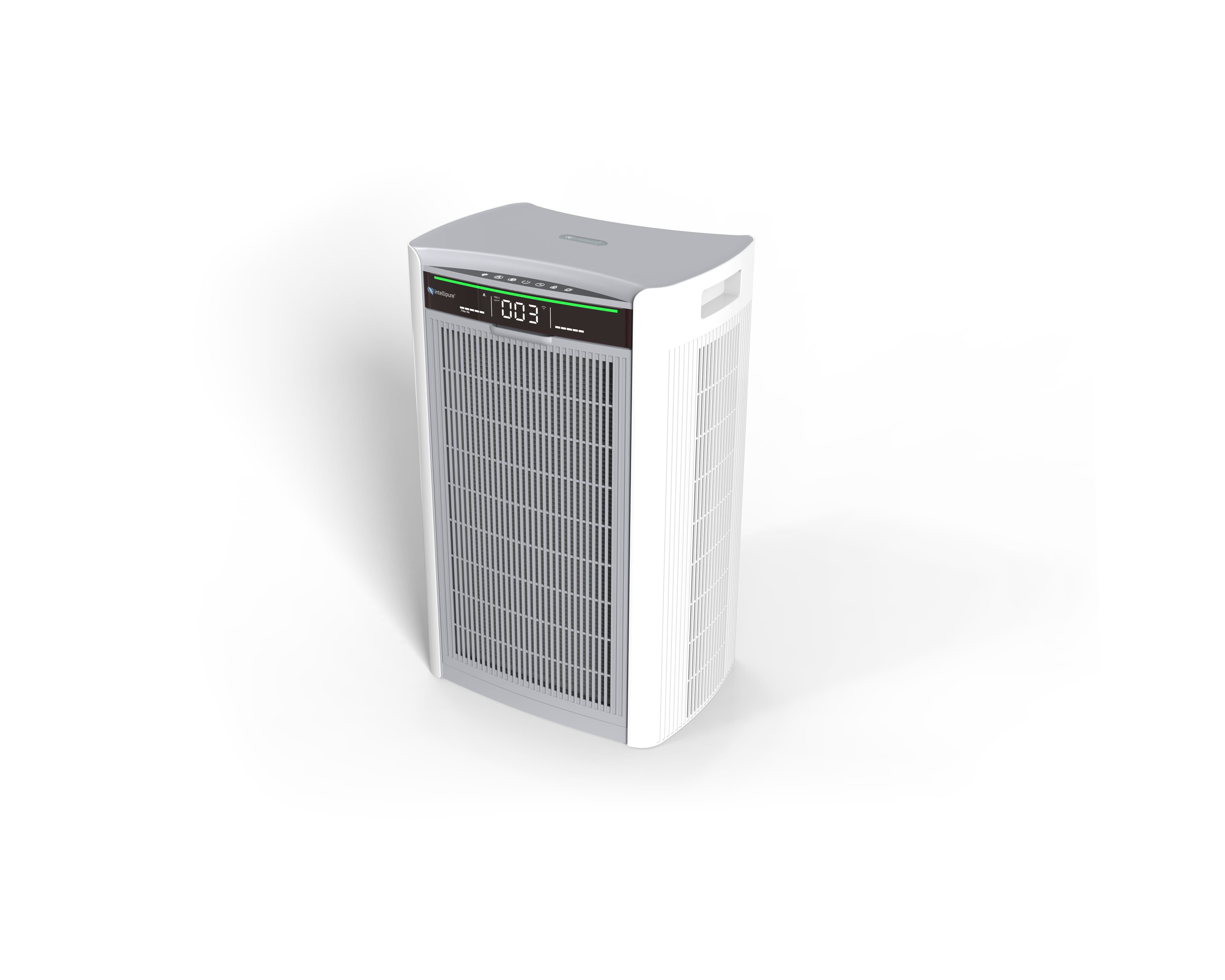
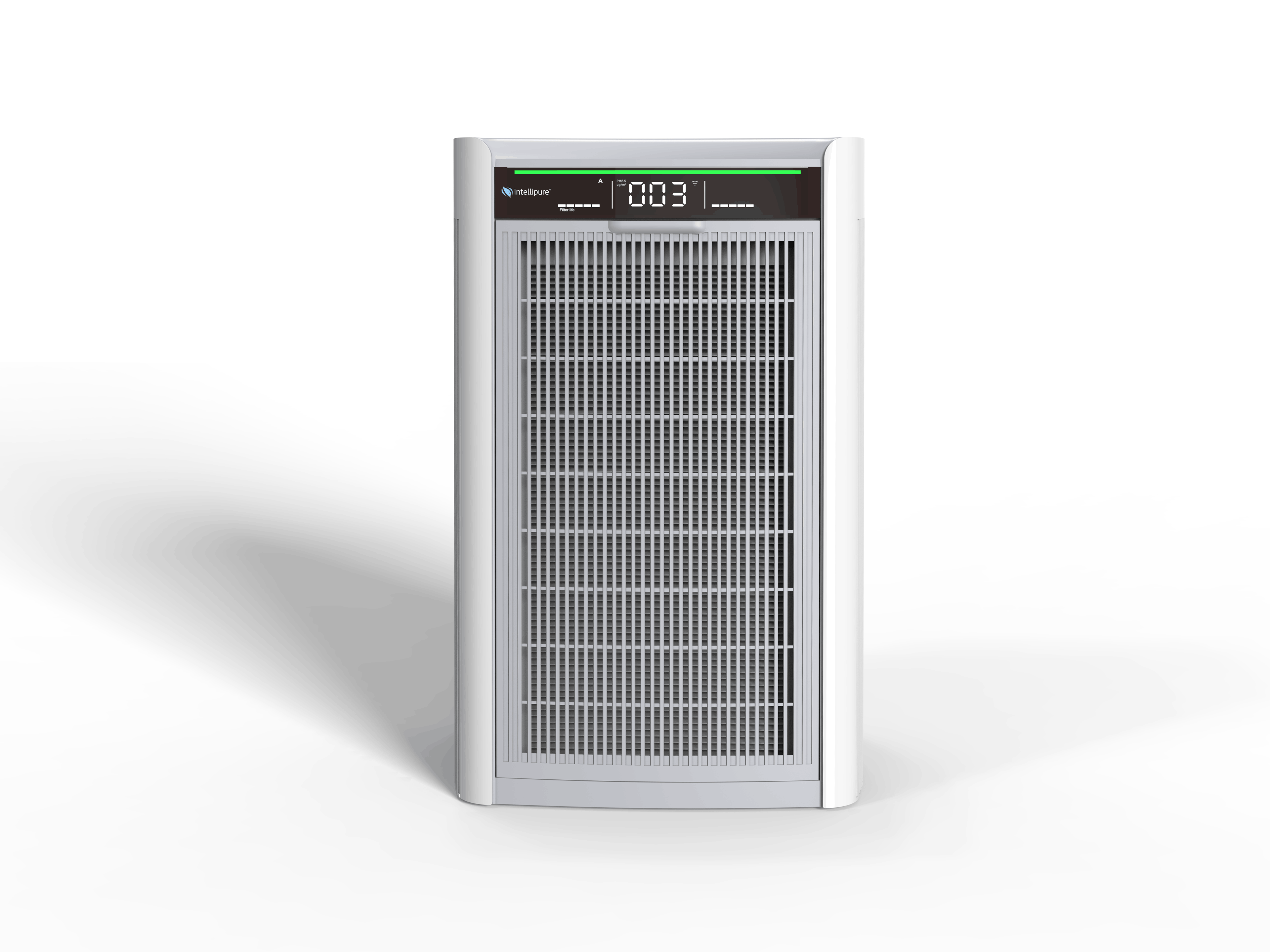
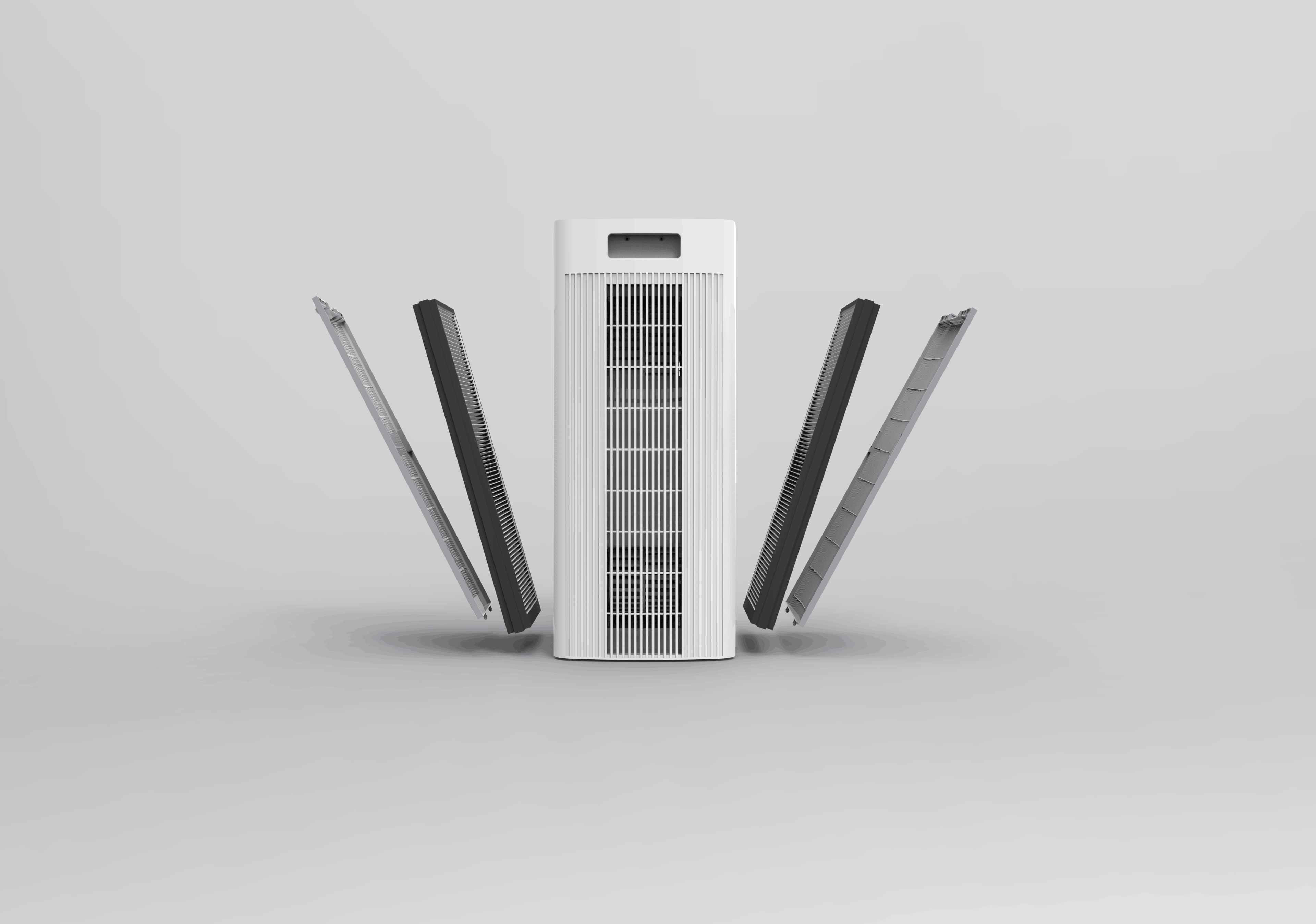
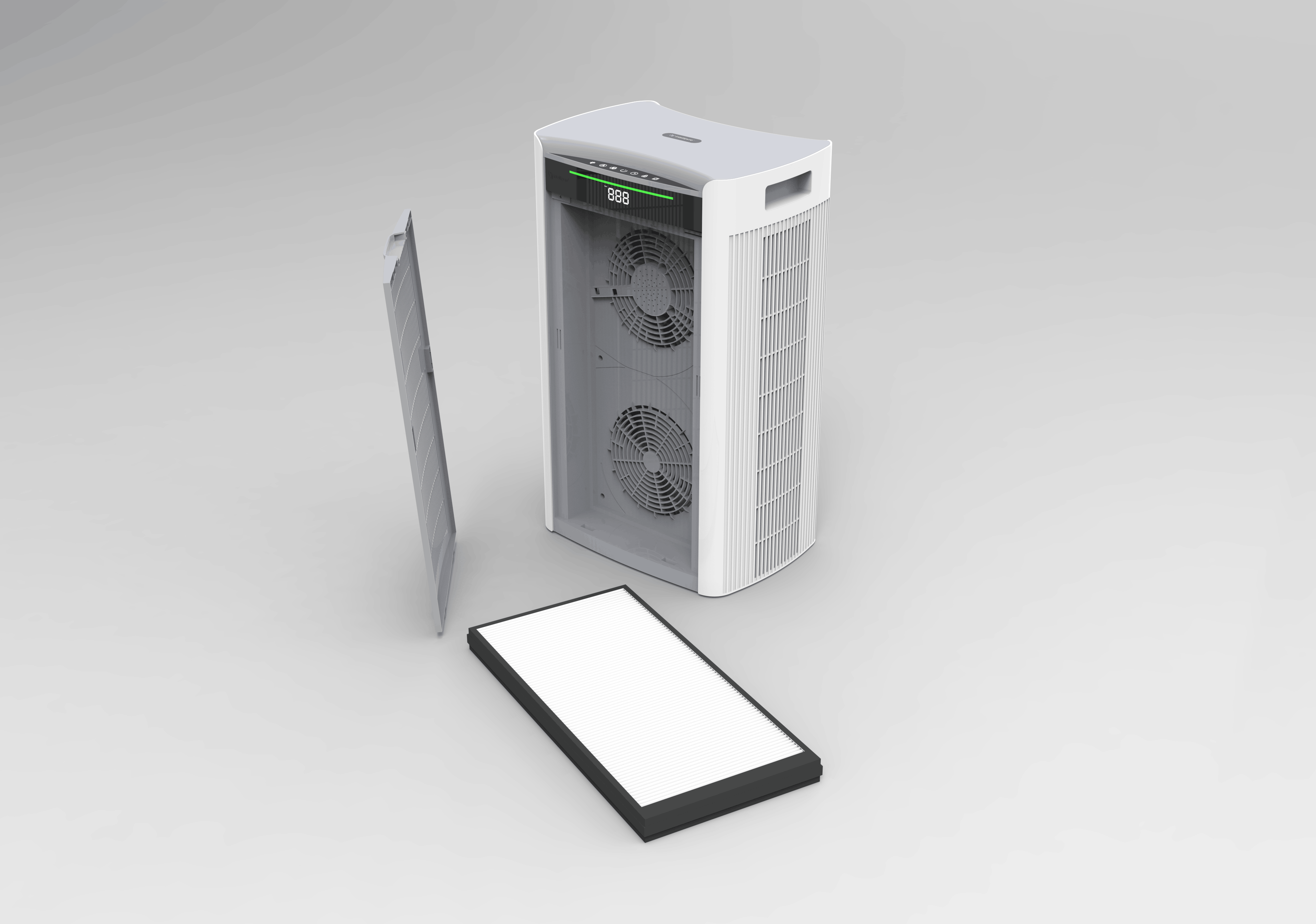
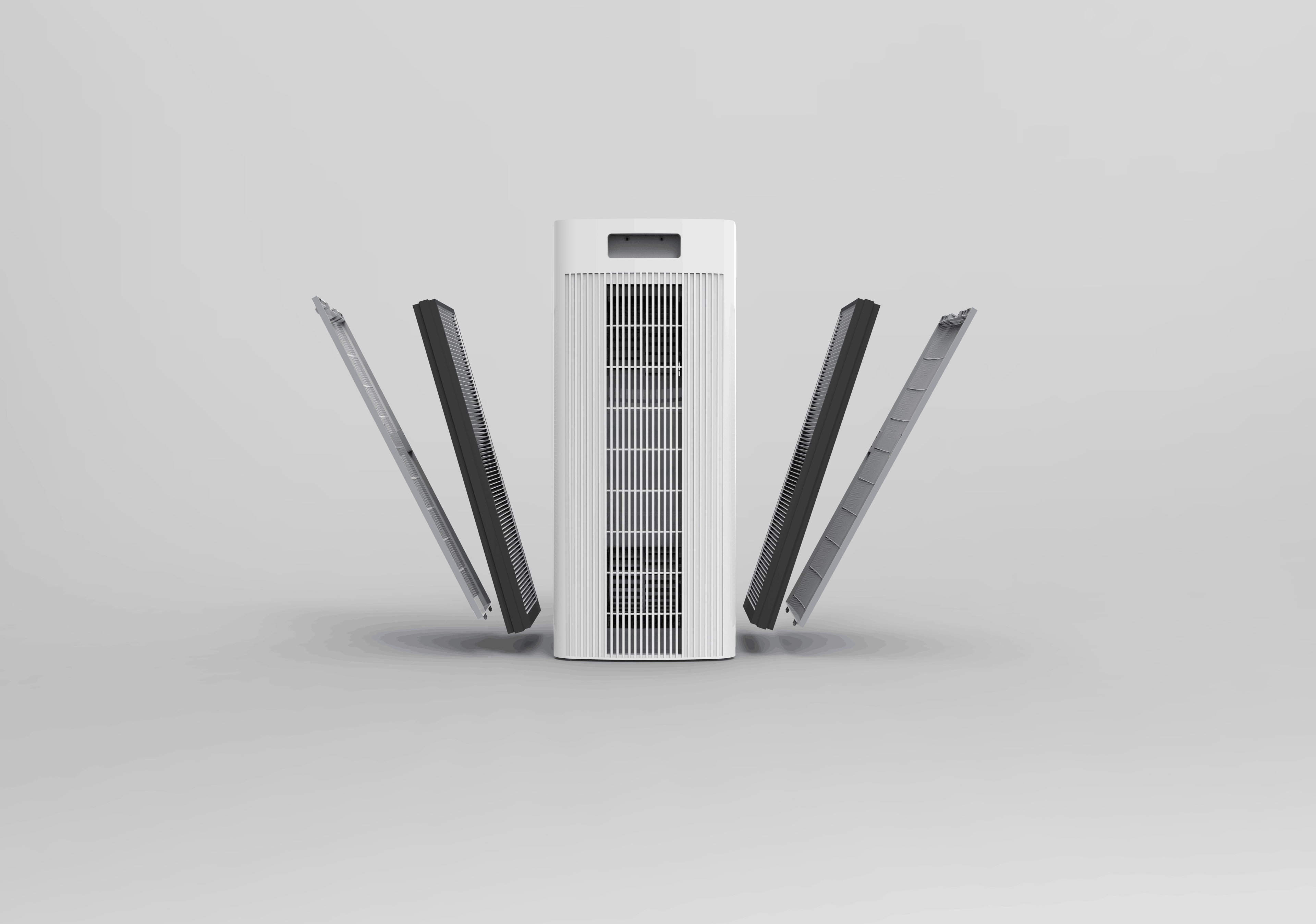
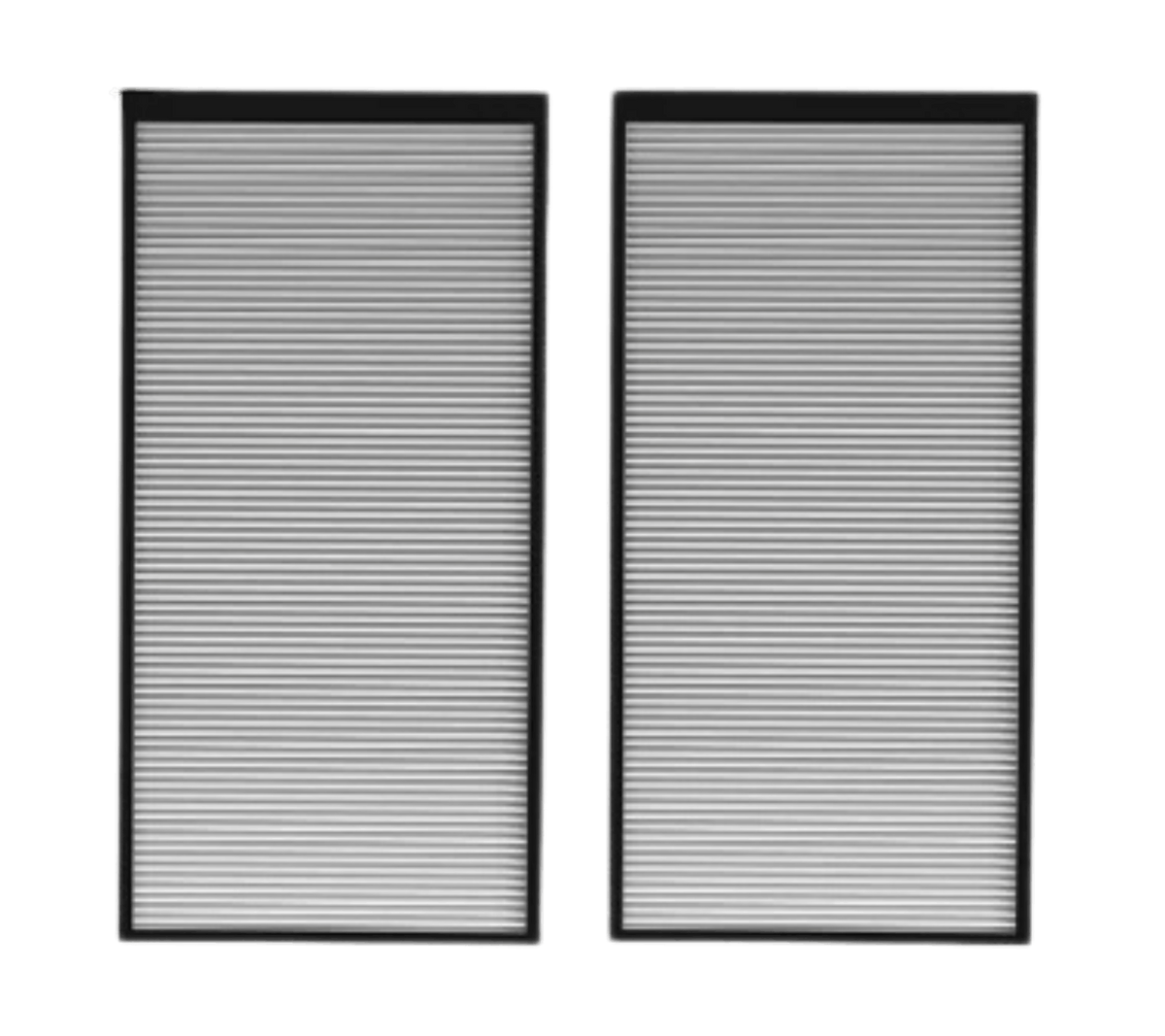
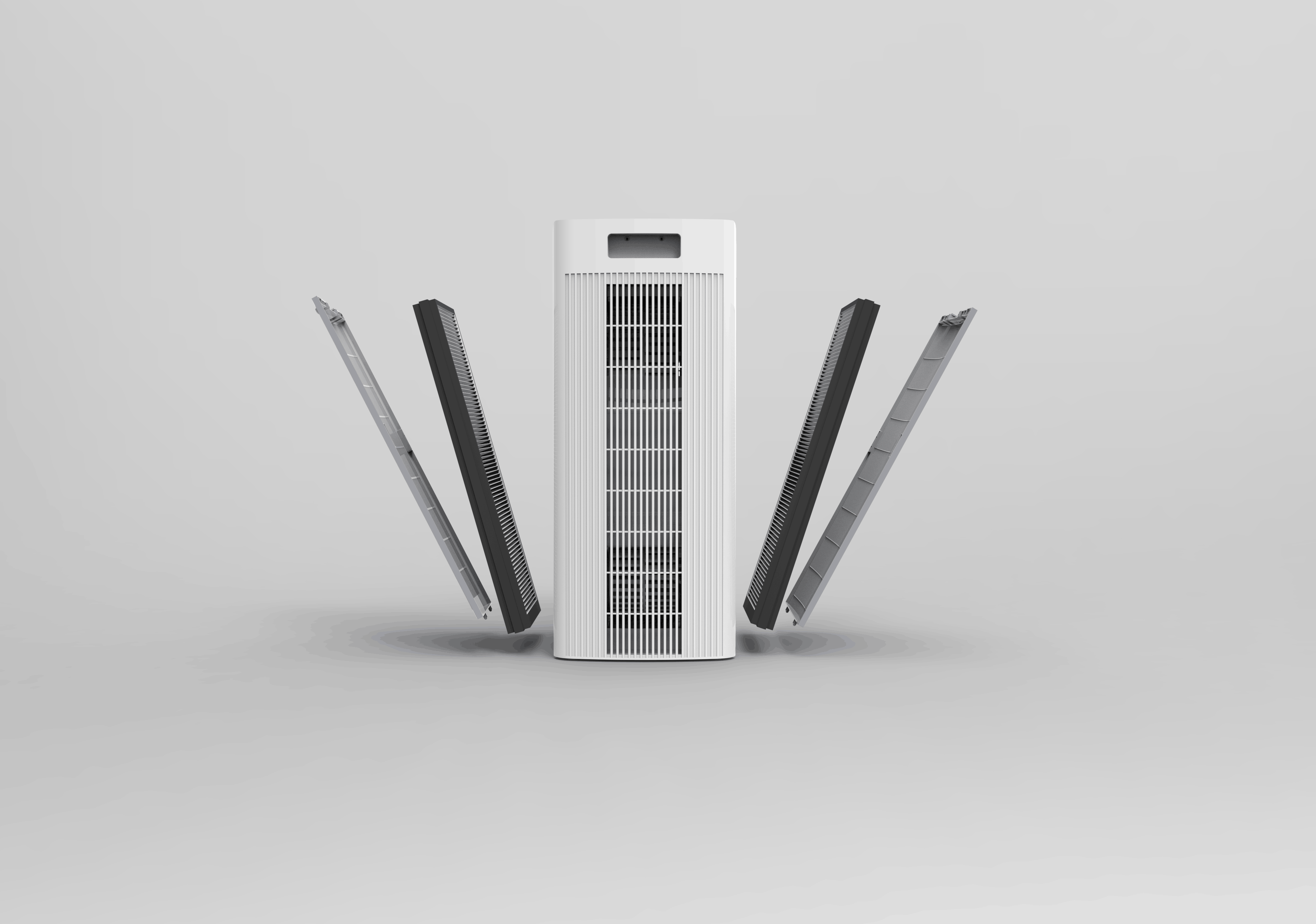
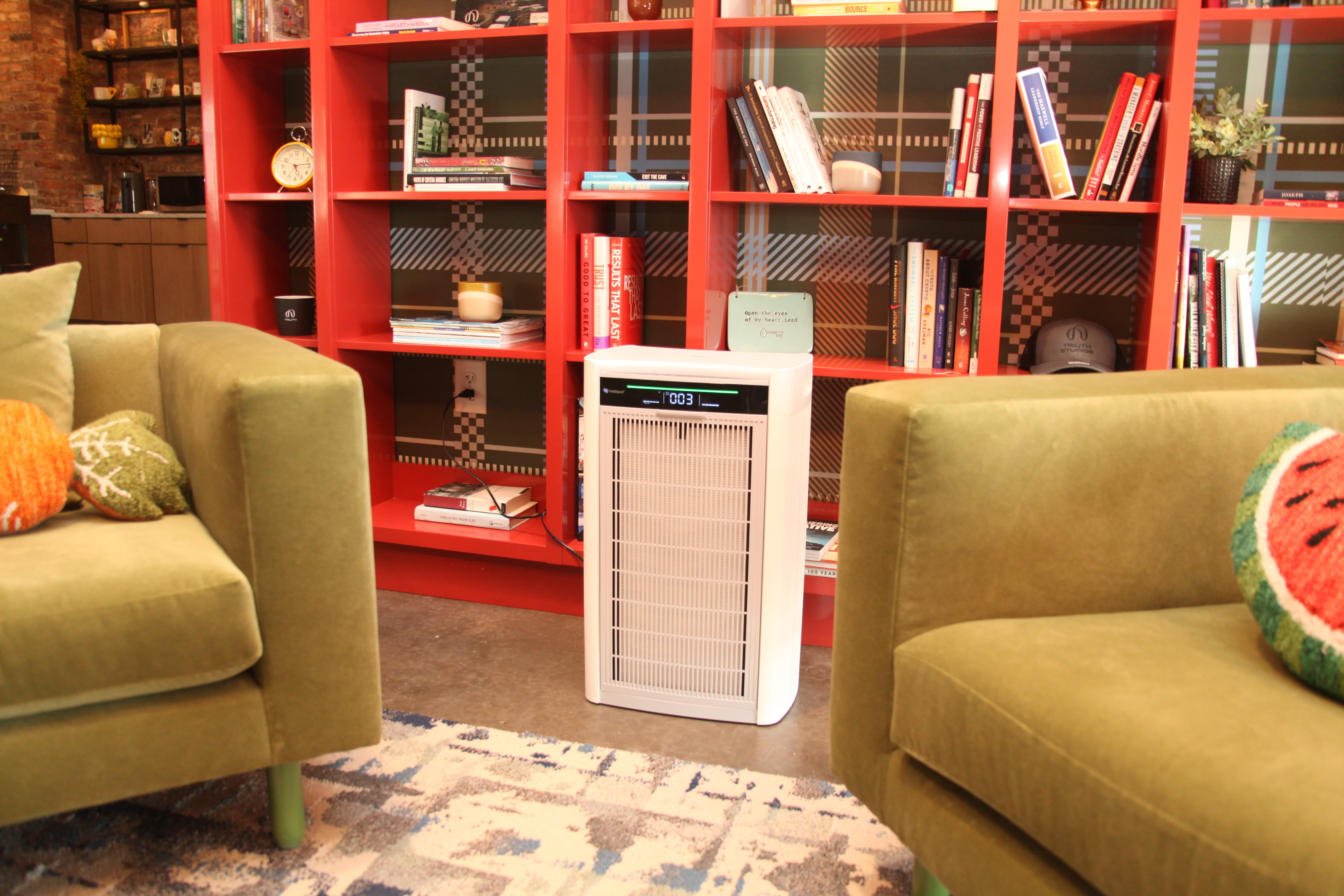
- Filter it out. Literally. This is where an air purifier earns its place on your holiday prep list. Unlike sprays or candles, a quality air purifier doesn't mask odors; it physically captures particles. HEPA filters are highly effective at removing airborne particles, and devices with activated carbon can help trap certain gaseous pollutants, though filter material can quickly become overloaded and may need to be replaced often [12].
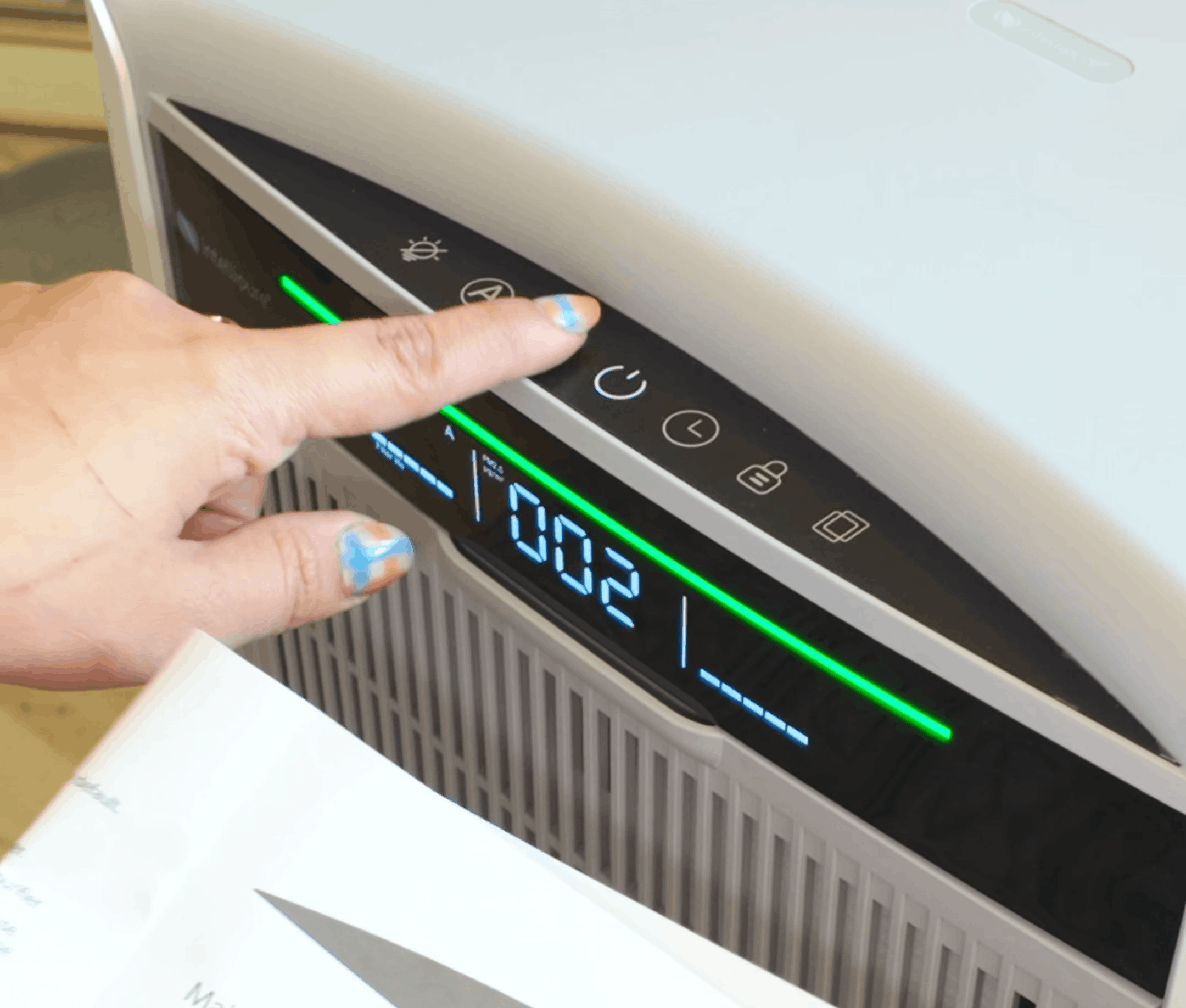
Smart sensors automatically adjust performance based on real-time air quality, so it does the heavy lifting while you focus on hosting. Plus, it's certified ozone-free for safe, everyday indoor use.
Food for Thought
As we lean into the holiday season, go ahead and indulge in pumpkin spice lattes, warm apple cider, and all the cinnamon crumb cake you want.
When it comes to your air, though, skip the synthetic sprays and let a purifier do the work. Your lungs (and your guests' lungs) will thank you.
References
- United States Environmental Protection Agency. Volatile organic compounds' impact on indoor air quality [Internet]. Washington (DC): EPA; 2016 [cited 2026 Feb 11]..
- Weschler CJ. Ozone's impact on public health: contributions from indoor exposures to ozone and products of ozone-initiated chemistry. Environ Health Perspect. 2006;114(10):1489-1496..
- Salthammer T, Gu J, Wientzek S, Harrington R, Thomann S. Measurement and evaluation of gaseous and particulate emissions from burning scented and unscented candles. Environ Int. 2021;155:106590. doi:10.1016/j.envint.2021.106590..
- Centers for Disease Control and Prevention. Benzene [Internet]. Atlanta (GA): CDC; 2024 [cited 2026 Feb 11]..
- Agency for Toxic Substances and Disease Registry. Formaldehyde and your health [Internet]. Atlanta (GA): ATSDR; 2016 [cited 2026 Feb 11]..
- National Institute for Occupational Safety and Health. NIOSH pocket guide to chemical hazards: toluene [Internet]. Atlanta (GA): CDC; 2024 [cited 2026 Feb 11]..
- Steinemann A. Fragranced consumer products: exposures and effects from emissions. Air Qual Atmos Health. 2016;9(8):861-866. doi:10.1007/s11869-016-0442-z..
- Raju S, Siddharthan T, McCormack MC. Indoor air pollution and respiratory health. Clin Chest Med. 2020;41(4):825-843. doi:10.1016/j.ccm.2020.08.014..
- Rohr AC. The health significance of gas- and particle-phase terpene oxidation products: a review. Environ Int. 2013;60:145-162. doi:10.1016/j.envint.2013.08.002..
- American Lung Association. Ventilation: protecting yourself from poor indoor air [Internet]. Chicago (IL): ALA; [cited 2026 Feb 11]..
- Nazir Z, Habib A, Ali T, Ghouri H, Haque MA. The unknown risks of scented candles! what science has to say: an editorial. Ann Med Surg (Lond). 2023;86(1):16-17. doi:10.1097/MS9.0000000000001524..
- California Air Resources Board. Air cleaning devices for the home [Internet]. Sacramento (CA): CARB; 2020 [cited 2026 Feb 11]..




Understanding Air Purifier Electricity Costs
Air Purifier Placement: Floor vs. Table