


Summary
You've probably heard that air pollution is bad for your lungs, but have you ever thought about how it might affect your brain?
In This Article
You've probably heard that air pollution is bad for your lungs, but have you ever thought about how it might affect your brain? A growing body of research suggests that the air you breathe has a measurable impact on cognitive performance, and some of the best evidence comes from pretty unexpected places: baseball, football, and soccer fields.
Considering four in ten Americans, or over 135 million people, live in places with unhealthy levels of ozone or particle pollution, the potential collective impact of bad air quality on everyday decision-making, focus, concentration, and cognition is massive [1]. Fortunately, whether you're a professional athlete or someone who's simply looking to protect their mental and physical health and performance, there are important steps you can take to ensure the air you breathe is better for you.
How Air Quality Affects Athletic Performance
Baseball
In a 2022 study in the International Journal of Environmental Research and Public Health, researchers from two universities in Louisiana compared Major League Baseball (MLB) stats to the air quality index (AQI)*, a number that measures the dangers of six major air pollutants, for each team's home city. (*Not to be confused with IAQ: Indoor Air Quality.) Their final MLB sample included data from 632 team seasons over a 22-year period, 1999 through 2020.
Their findings? "The results of this study indicate that AQI is a significant predictor of errors in the MLB … indicating that more mistakes are committed, and performance declines, in areas with worse air quality" [2].
According to their research, a one-point increase in AQI increases errors by 0.000993 per game. That may seem too minuscule to matter. But consider this …
Based on the analysis, MLB teams playing in Phoenix (where AQI is about four standard deviations greater than the mean) would be expected to commit more than 10 additional errors over the course of a 162-game season. That's potentially enough to lower overall team standings, revealing that air quality has a substantial impact on MLB team performance [2].
Football
The same International Journal of Environmental Research and Public Health study also investigated the relationship between AQI and interceptions and quarterback performance in the National Football League (NFL). They found that interception percentages increase by 0.019% per point increase in AQI, and total quarterback ratings (QBR) decrease by about 0.230 points for every point increase in AQI. Their sample included data from 705 quarterback seasons across a 15-year period, 2006 through 2021.
To use the Phoenix example again, a quarterback playing for a team in a county like Maricopa County, where Phoenix is located, would be expected to see a decrease in QBR of about 15.4 points, and an interception percentage about 1.27% higher than the average.
In short, air quality has a significant impact on performance stats for both the MLB and the NFL, which suggests that professional athletes are influenced by physical and cognitive performance impairments when they compete in areas with poorer air quality [2].
In an interview with the Daily Beast, study co-author Jeremy Foreman highlighted that air quality is one of many influences on athletic performance. "It doesn't mean that a high-performing quarterback is going to all of a sudden be awful because he's playing in a certain city," he said. "But how much better could you be if there was better air?" [3].
Soccer
In a somewhat related study, researchers investigated professional soccer performance in Germany from 1999 to 2011, combining match data with hourly measurements of particulate air pollution near stadiums at kickoff. They found that higher pollution levels were linked to reduced player productivity, measured by the number of passes completed during a match.
Their analysis showed that even moderate levels of particulate pollution (not just extreme conditions) had a measurable negative impact. On average, a one standard deviation increase in the concentration of particulate matter (about 16 µg/m[3]) reduced the number of total passes played by 0.4. That may sound small, but it's statistically significant, for sure! Overall, the findings reinforce that everyday air pollution can subtly but meaningfully impair athletic performance [4].
Running
You've probably picked up on the fact that examining the effects of air quality on athletics is somewhat of a research trend. Beyond the baseball, football, and soccer studies, recent papers have taken a look at air quality's impact on running performance.
From 2010 through 2014, researchers analyzed data from 334 male collegiate track and field athletes across 46 U.S. universities to examine how air pollution might affect their performance. They found that higher exposure to fine particulate matter (PM2.5) and ozone in the three weeks leading up to a race was linked to slower race times, by about 11–13 seconds on average. Even pollution levels considered "good-to-moderate" by standard air quality measures were associated with similar declines. Their findings suggest that routine exposure to air pollution during training and competition can negatively impact running performance, even when air quality seems somewhat acceptable [5].
In addition to this study, Scientists at Southwestern University of Finance and Economics in Chengdu, China, analyzed data from over 300,000 marathon runners of 56 races in China between 2014 and 2015. By comparing finish times with the daily AQI, they concluded that doubling the AQI increases a runner's finishing time by about 4%.
The takeaway? Marathon runners run slower when there's more pollution in the air around them. The best runner in this study ran a marathon in 2:18:21 in a city where the AQI was 105. If that same runner competed in the Beijing Marathon in 2014, where the AQI climbed to 216 by the end of the event, they'd be expected to take nearly 10 more minutes to cross the finish line [1]. If you're a runner, you know that's a big deal!
What's even more major, according to the American Lung Association (ALA), "Further study suggests that not only are high levels of particle pollution harmful to runners' times, but it may affect their respiratory tracts long-term as well" [1].
Other Sports
In the study on air quality and the NFL and MLB, the authors speculate that "it is likely that air quality impacts athletic performance in numerous sports that have not yet been investigated" [2]. So whether your sport of choice is basketball, lacrosse, tennis, table tennis, or anything and everything in between, it's worthwhile to pay attention to the quality of the air you're breathing in, both during training and competition.
Umpires Are Impacted, Too
Air quality doesn't only harm baseball players' performances in MLB games; it's been proven to impact the way the games are called, too.
In a paper published in the Journal of the Association of Environmental and Resource Economists, James Archsmith, Assistant Professor at the University of Maryland, examined AQI data at baseball stadiums and compared it to the quality of umpires' calls.
Archsmith and his collaborators found that carbon monoxide and fine particulates in the air reduce MLB umpires' ability to make accurate calls, while ozone and nitrogen oxides don't seem to have an effect [6].
For all you fellow air quality nerds out there, here are the deets: "Our preferred estimates indicate that a 1 ppm increase in 3-hour CO causes an 11.5% increase in the propensity of umpires to make incorrect calls (an extra 2.0 incorrect calls per 100 decisions). Likewise a 10 μg/m3 increase in 12-hour PM2.5 causes a 2.6% increase in the propensity of umpires to make incorrect calls (an extra 0.4 incorrect calls per 100 decisions)" [7].
Implications Beyond Sports
The results of Archsmith's study are significant if you're simply looking at them through the lens of baseball. They feel even bigger when you consider how they might extend past the sports world.
Archsmith says, "This work is a major step in showing that air pollution can affect anyone's productivity, including those with jobs that depend on focus and cognition and sit in an office."
The accuracy of umpires' calls, as it turns out, is a perfect metric to begin to explore and measure air quality's effects on cognition in mentally taxing jobs more broadly. For a long time, researchers have been curious about how air quality might influence performance at jobs that require deep focus and brain power, like that of a lawyer, for example. It can be difficult to capture accurate performance measurements in more everyday jobs, though.
Modern baseball pitch-tracking technology, however, enables straightforward measurement of the quality of umpires' calls. Researchers can easily compare those stats to air quality data that's publicly available thanks to the U.S. Environmental Protection Agency (EPA). And since umpires move from city to city, they offer excellent geographic variation for research purposes. Archsmith explains, "Since umpires travel across the country, we can look at the same umpires making calls in a lot of different locations" [6].
Even though baseball is, at the end of the day, a game, air quality research that leverages MLB stats has the potential to influence important, real-world decisions—everything from workplace standards to federal air quality policies.
All this to say, studies that connect air quality concerns to players out on the field are relevant to workers out in the field, whether that field is computer programming, medicine, law, or air traffic control.
Action Steps
You don't have to be Patrick Mahomes or Trinity Rodman to benefit from the mental performance optimization that good air quality has been proven to facilitate.
To help keep your lungs clear and your mind sharp, make it a habit to check your local weather channel, weather app, or airnow.gov to see up-to-date AQI measurements for your area. These sources will issue warnings when air quality is bad enough that you should consider staying inside [1]
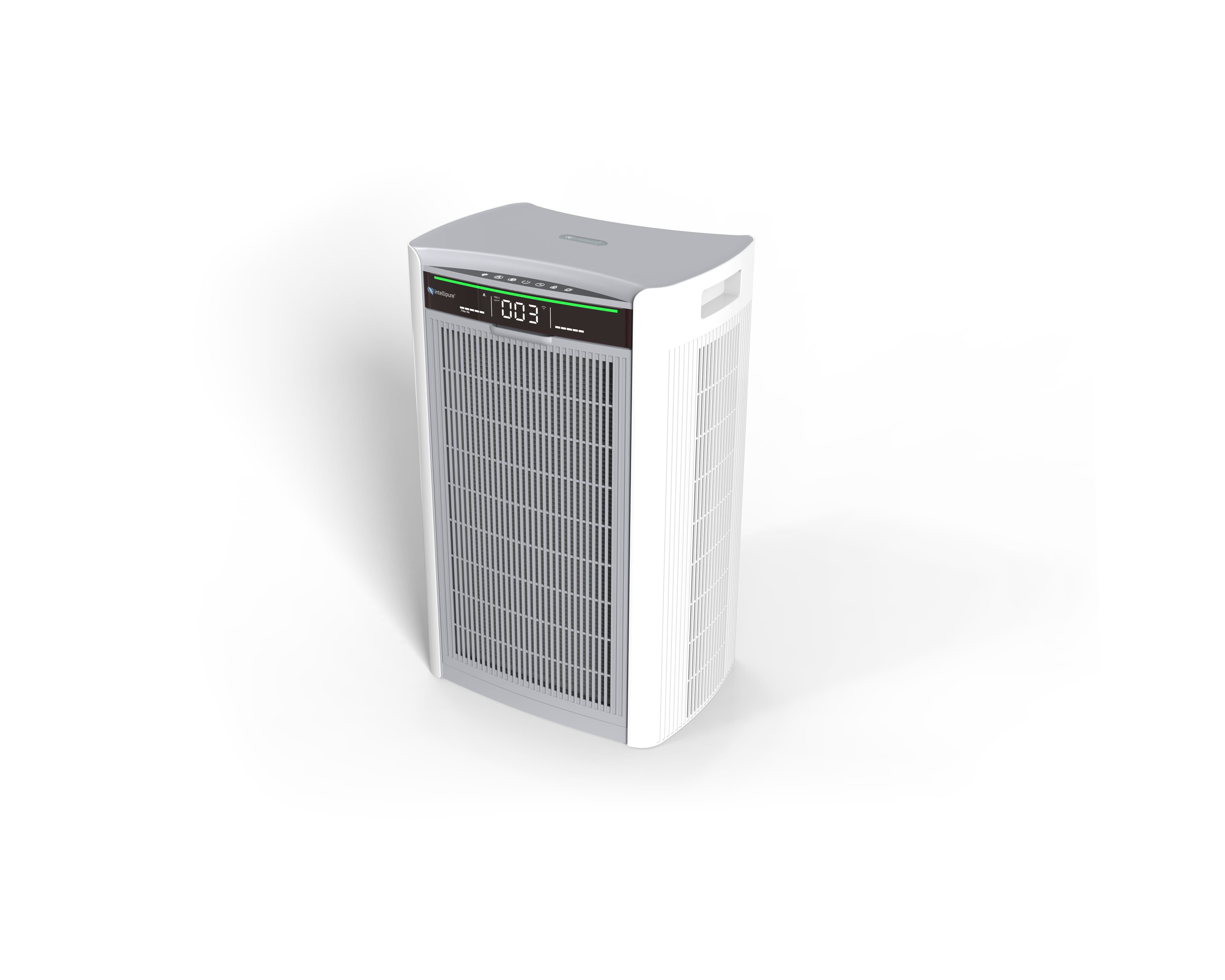
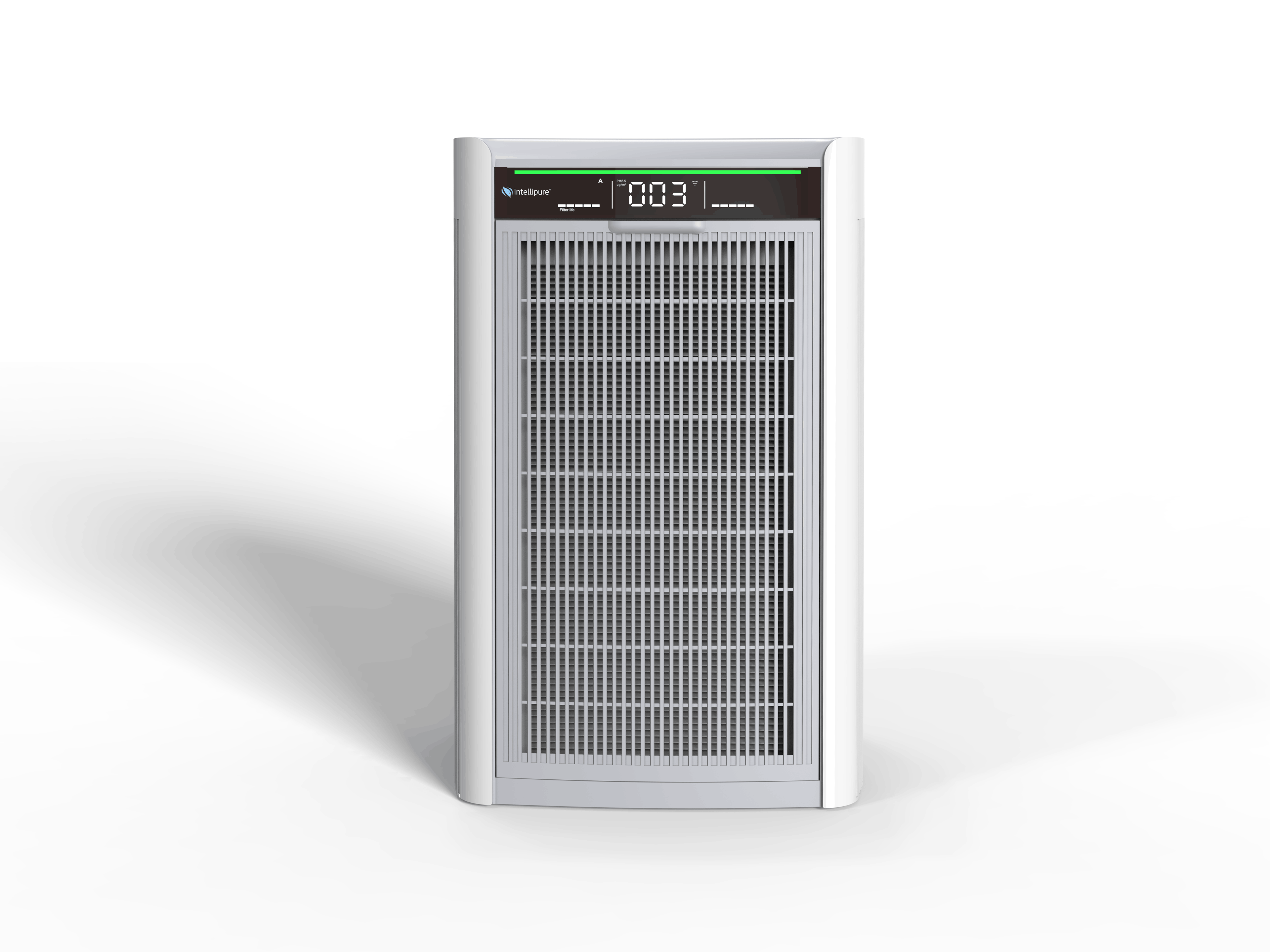
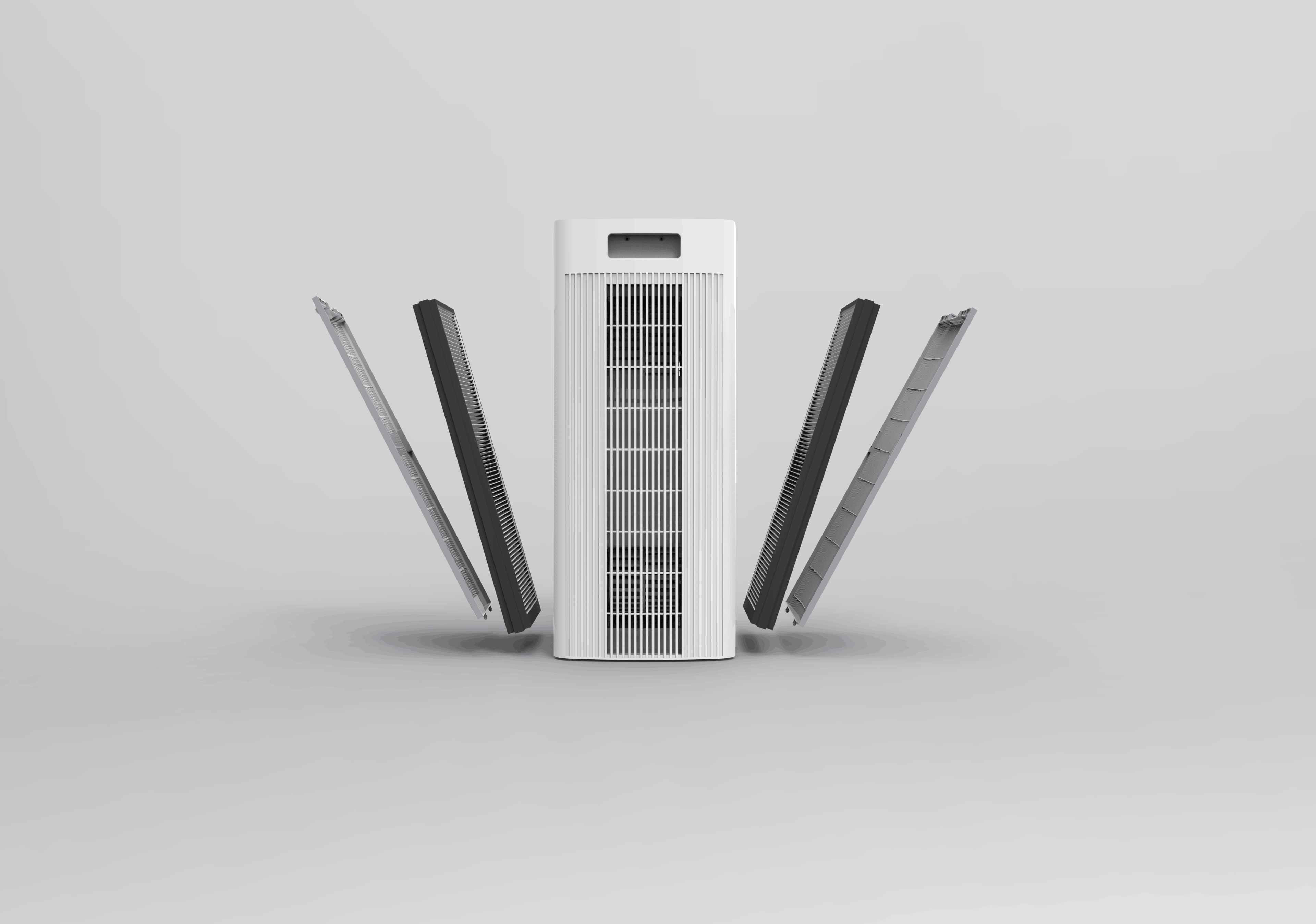
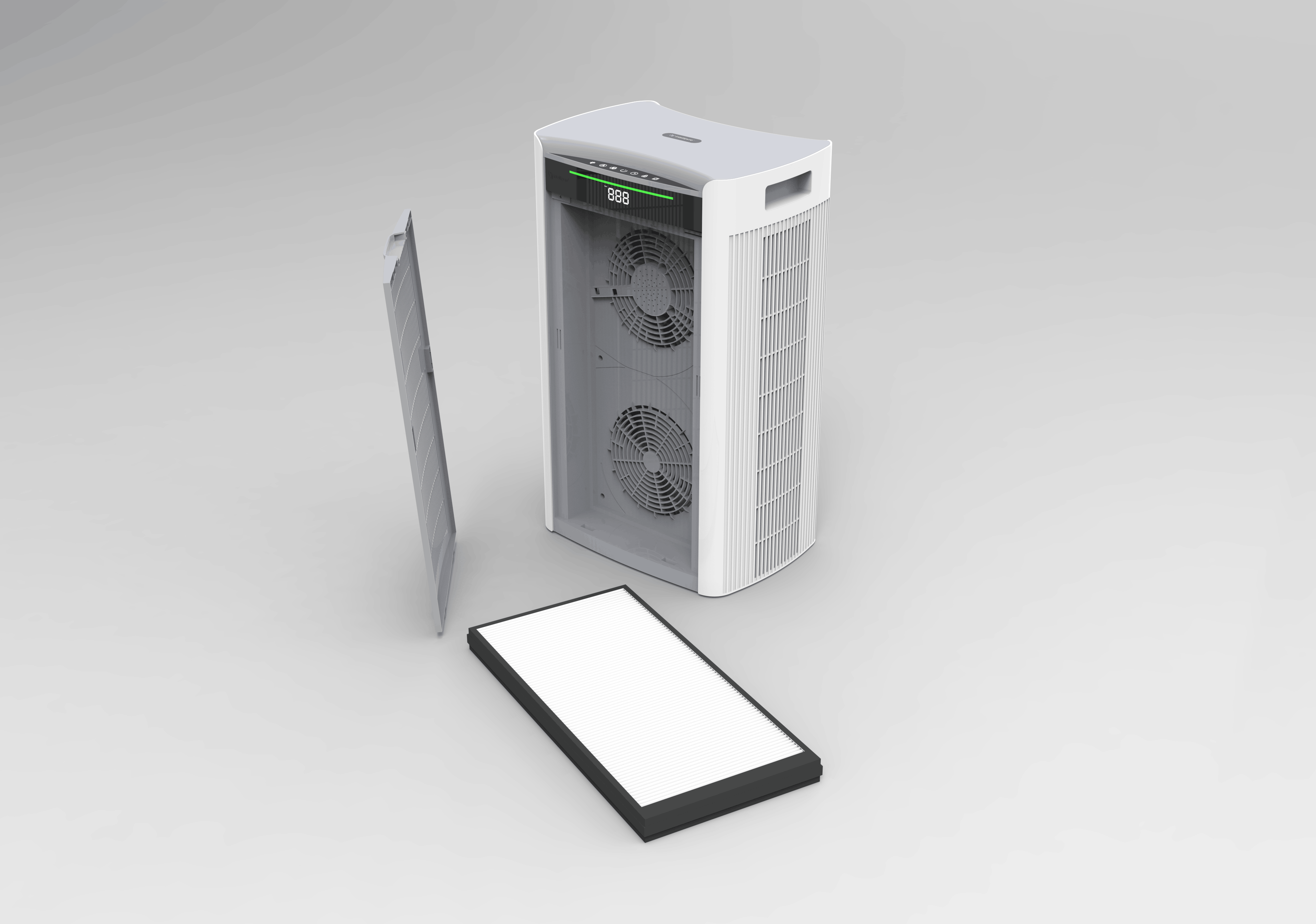
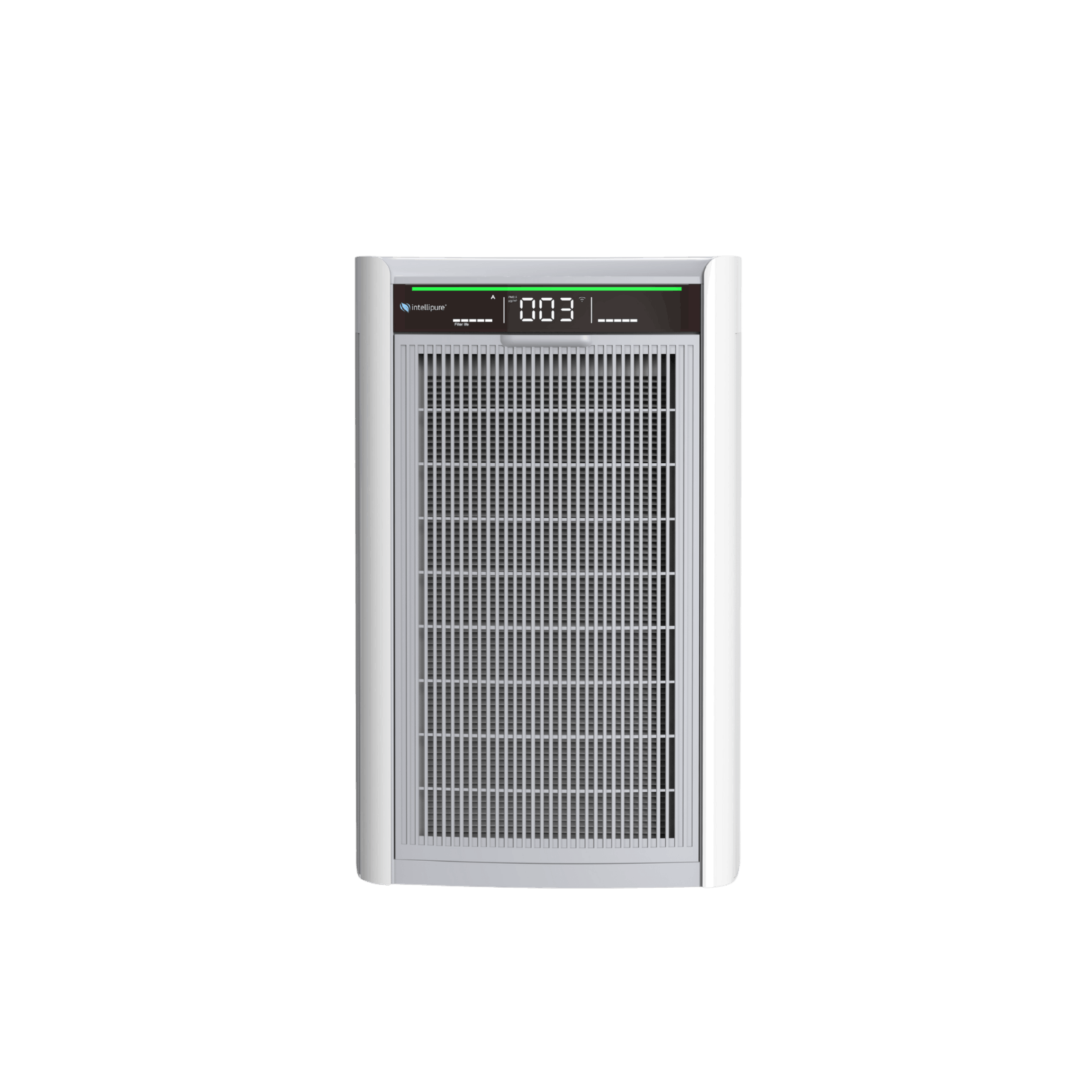
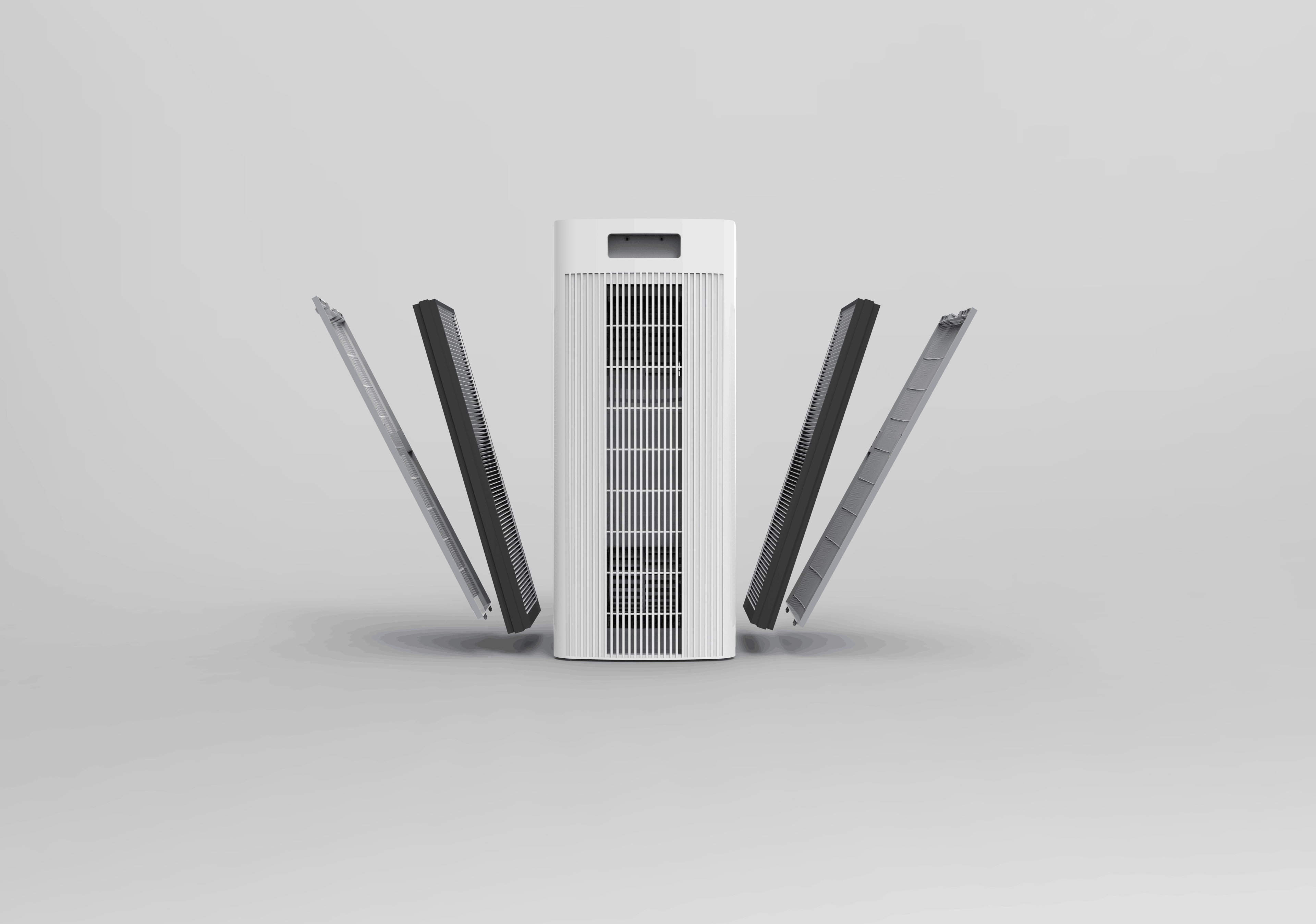
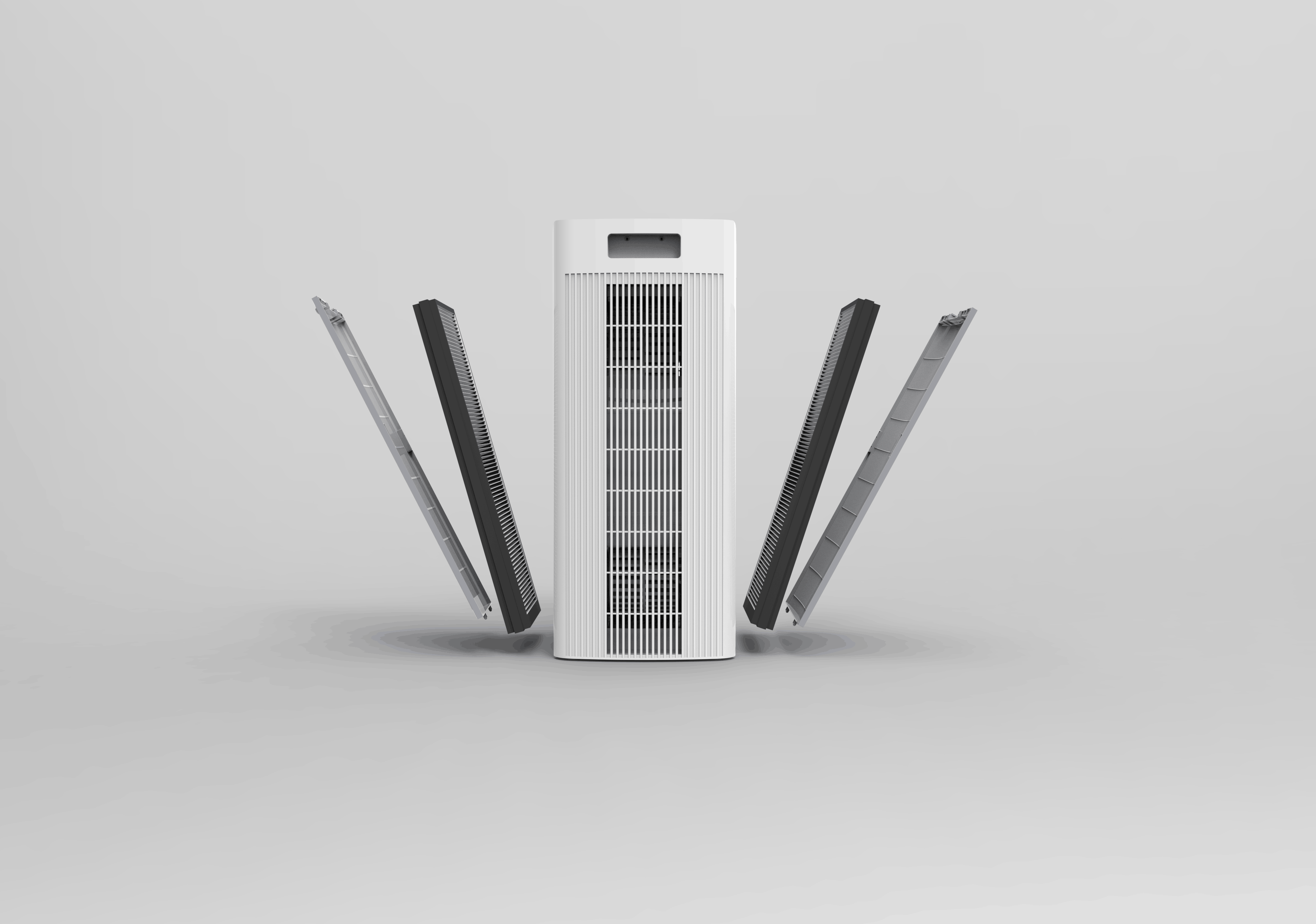
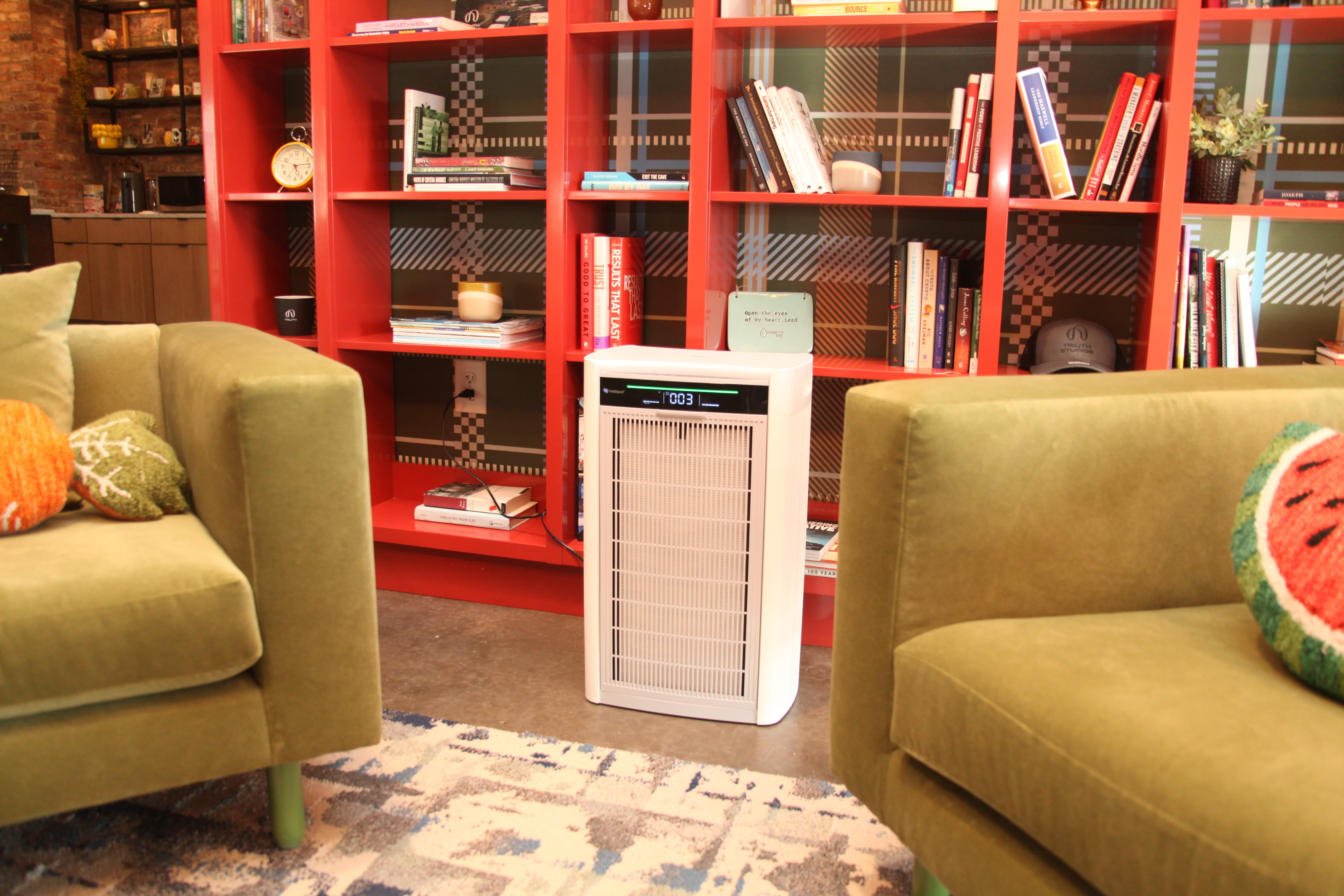
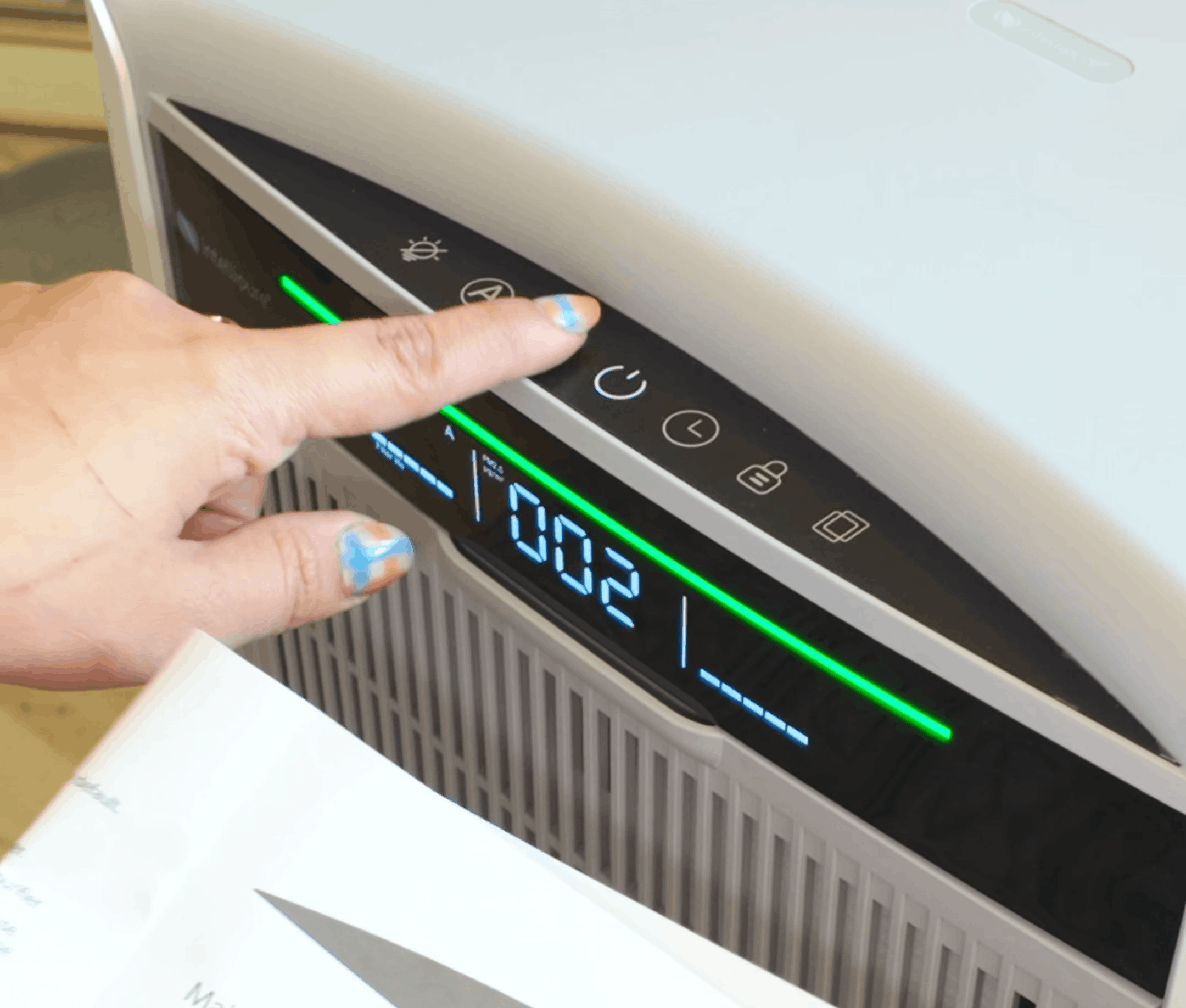
And did you know that half of the pollution in the air outside can make its way inside? [8] This means if the air around your home is bad, the air inside your home is likely taking a hit, too. Fortunately, a high-quality indoor air purifier (like Intellipure's H1000) can capture and clean more than 99.9% of airborne particles, including ultrafine particles (PM0.1), no matter where they originated. The H1000 also reduces seasonal allergy triggers, like pollen, and helps remove pet dander, odors, dust mites, and other airborne irritants.
Chances are, you'll never find yourself in an umpire uniform making a game-clinching call at the bottom of the ninth with half the world watching. That said, we all make tons of quick decisions throughout the day that really do matter, to our co-workers, our family members, our friends, and ourselves. So, why not do what you can to keep your air clean and your judgment top notch? Seems like a home run to us.
References
- American Lung Association. Can Running Outside Be Bad for You? [Internet]. 2021. Available from: https://www.lung.org/blog/running-outside-air-pollution..
- Heintz E, Scott D, Simms K, Foreman J. Air Quality Is Predictive of Mistakes in Professional Baseball and American Football [Internet]. PubMed; 2022. Available from: http://pmc.ncbi.nlm.nih.gov/articles/PMC9819793/..
- Stelle L. Study Identifies Surprising Culprit Behind the Poor Performance of Some NFL Teams: ‘The Evidence Is Piling Up’ [Internet]. Yahoo News; 2023. Available from: https://www.yahoo.com/news/study-identifies-surprising-culprit-behind-103000751.html..
- Lichter A, Pestel N, Sommer E. Productivity Effects of Air Pollution: Evidence from Professional Soccer [Internet]. ScienceDirect; 2017. Available from: https://www.sciencedirect.com/science/article/abs/pii/S0927537117302658..
- Cusick M, Rowland S, DeFelice N. Impact of Air Pollution on Running Performance [Internet]. Scientific Reports; 2023. Available from: https://www.nature.com/articles/s41598-023-28802-x. .
- Watters S. Blame the Air, Not the Ump? Connecting Air Quality and Cognitive Errors in Major League Baseball Umpires [Internet]. University of Maryland, College of Agriculture & Natural Resources; 2018. Available from: https://agnr.umd.edu/news/blame-air-not-ump-connecting-air-quality-and-cognitive-errors-major-league-baseball-umpires/..
- Archsmith J, Heyes A, Saberian S. Air Quality and Error Quantity: Pollution and Performance in a High-Skilled, Quality-Focused Occupation. The University of Chicago Press; 2018. Available from: https://www.journals.uchicago.edu/doi/10.1086/698728..
- Early Childhood Scientific Council on Equity and the Environment. Air Quality Affects Early Childhood Development and Health: Working Paper No. 3 [Internet]. Harvard University Center on the Developing Child; 2025. Available from:.



Sleep Better With Cleaner Air
Summer Air Myths