

Summary
Open the windows. Let the breeze in. Put some lilies in a vase. Finally, your home feels fresh again. Well, that's the idea, at least.
In This Article
Open the windows. Let the breeze in. Put some lilies in a vase. Finally, your home feels fresh again.
Well, that's the idea, at least.
In reality, the air this time of year has a way of blurring the line between "fresh" and "irritating." The same air that carries in that light, mid-to-late spring feeling also brings along something less welcome: pollen, particles, and other such respiratory irritants.
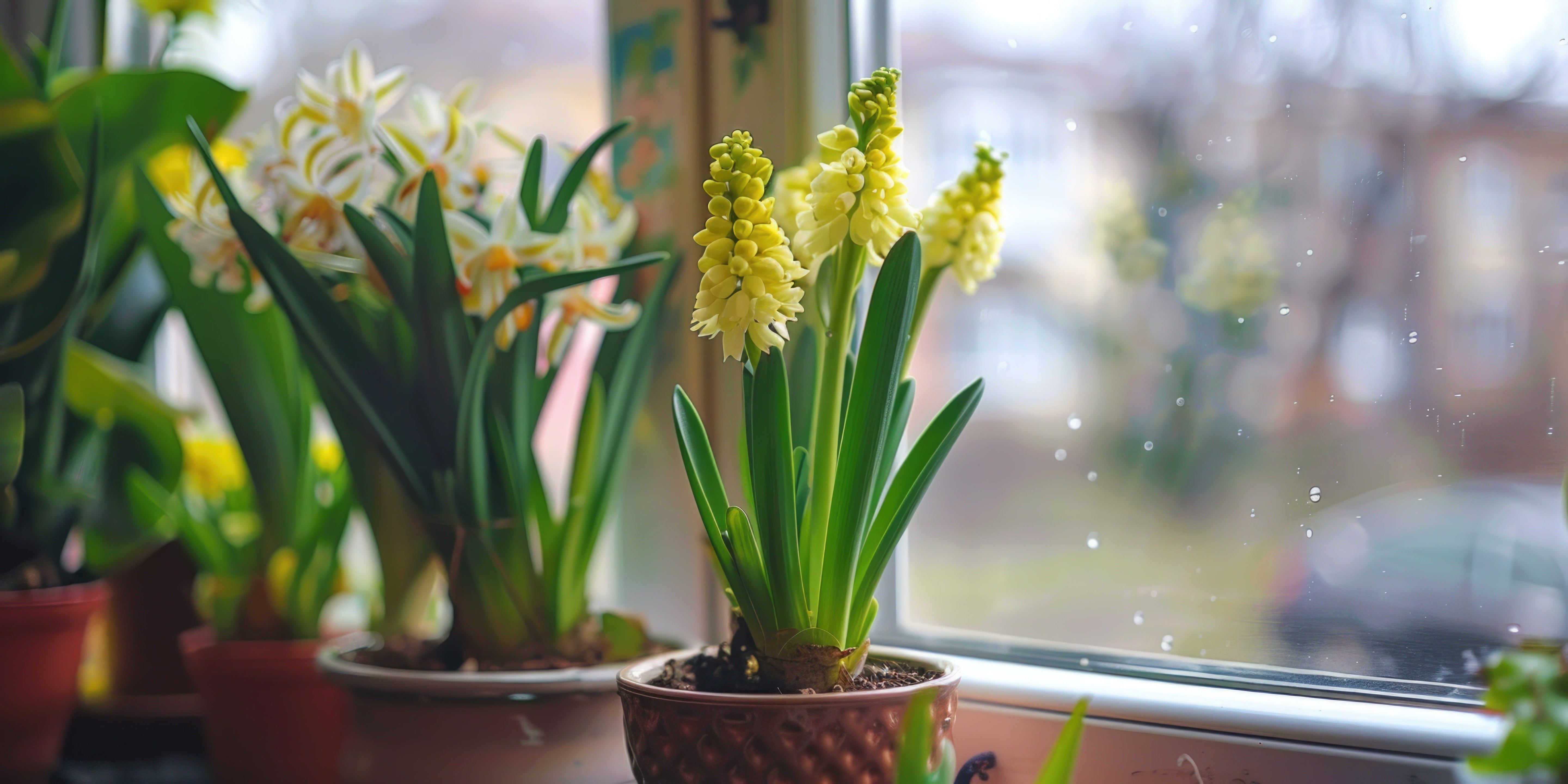
But when you think of May, you probably also think of flowers. So to boot, we sometimes breeze through the front door with a seasonal candle, or flowering houseplant, or fresh bouquet. All of which provides a surprising amount of fragrance—both organic and synthetic—from the things we use to make our homes look pretty and smell clean.
How pollen becomes a sticky situation
Pollen starts outside, but it doesn't stay there long. It's a notorious clinger that shakes loose from blooms and plants and gloms onto clothes, or sails in on fresh flowers, or simply wafts in behind you [1]. Once it finds a way in, it tends to stick around. And during peak bloom, it doesn't take much to bring it inside:
- Open windows and doors give pollen a direct path indoors.
- Clothing, hair, and pets carry it in without you noticing.
- It settles into soft surfaces like upholstery, bedding, and carpets.
From there, it doesn't just sit quietly. Everyday movement—walking across the room, fluffing pillows, even airflow from your HVAC system—can kick those particles back into the air again [2].
That's what makes pollen season indoor air feel different. You're not just exposed when you step outside. You're exposed over and over again, in a space that's supposed to give you a break.
Why symptoms don't stop when you go inside
For a lot of people, going indoors during allergy season doesn't bring the relief it used to. Sometimes, it actually feels worse.
Common symptoms like sneezing, congestion, itchy eyes, and fatigue don't just come from outdoor exposure. According to the CDC, pollen can trigger allergic reactions and worsen respiratory symptoms, especially with repeated exposure over time [3]. And indoors, exposure tends to be more constant.
You're spending hours in the same environment. Your flowering houseplants are in full bloom. The air isn't cycling out as quickly. Particles settle, then resurface, then settle again. So even if pollen levels outside fluctuate throughout the day, what's inside can stay relatively steady. It's less about how high the pollen count is at any given moment and more about how long you're breathing it in.
The "clean scent" problem no one talks about
Spring cleaning comes with its own version of "fresh air."
New sprays. Scented wipes. Candles. Plug-ins. Laundry products that promise to leave everything smelling like clean linen, tropical breeze (whatever that means), or something vaguely botanical. They all aim to do the same thing: make your space feel clean, but most of them don't actually remove anything from the air. In reality, they add to it.
Many fragranced products release volatile organic compounds (VOCs)—gases that can build up indoors and affect air quality over time. Common VOC sources include:
- Cleaning sprays and disinfectants
- Candles
- Plug-in air fresheners and diffusers
- Laundry detergents and softeners
That just-cleaned smell is often a mix of VOC compounds. While they might make a room feel fresher, they're not addressing what's already in the air. They're just layering over it with a pleasant scent.
Fragrance sensitivity at home
Not everyone reacts to fragrance the same way, but fragrance sensitivity at home is much more common than most people realize.
Research shows that exposure to fragranced consumer products can be associated with symptoms like headaches, respiratory irritation, and eye discomfort [4]. For some people, those reactions are immediate. For others, they build gradually throughout the day.
What makes this tricky is that even "natural" options aren't automatically neutral. Or natural.
Compounds like limonene and linalool—chemicals often found in citrus and floral scents, including essential oils—can still behave like VOCs once they're in the air. When they react with other elements indoors, they can form secondary pollutants, including ultrafine particles. So even when something smells light or clean, it can still contribute to that subtle sense of irritation.
When pollen and VOCs overlap
Here's where things start to stack. Pollen on its own can already irritate your airways, especially if you have asthma or are more sensitive to the stuff. It triggers inflammation, which is what leads to all those familiar symptoms, like sneezing, sniffling, itching, coughing, and tearing up.
Add VOCs into the mix…
- Pollen is already present in your indoor environment.
- Fragranced products add airborne compounds.
- Both continue circulating through the same air.
…and the result isn't always dramatic or even obvious. It's often just sort of… noticeable.
Air that feels heavier. Symptoms that seem harder to shake. A space that looks clean but doesn't quite feel comfortable. What people often chalk up to "bad allergies" can sometimes be a combination of exposures happening at the same time.
Tips that actually help (without overcorrecting everything)
You don't need to shut your home down for spring to feel better in it. A few small adjustments can make a meaningful difference.
Be strategic with windows
Opening windows still has its place. Try doing it when pollen levels are lower, depending on your region and timing.
Reduce what gets tracked in
Shoes, clothing, and pets all carry particles indoors. Small habits can help limit buildup.
Go lighter on fragrance
You don't have to eliminate it entirely. Just be mindful of how much you're adding, especially in enclosed spaces.
Ventilate when you clean
If you're using sprays or scented products, airflow helps reduce VOC buildup.
Filter indoor air consistently
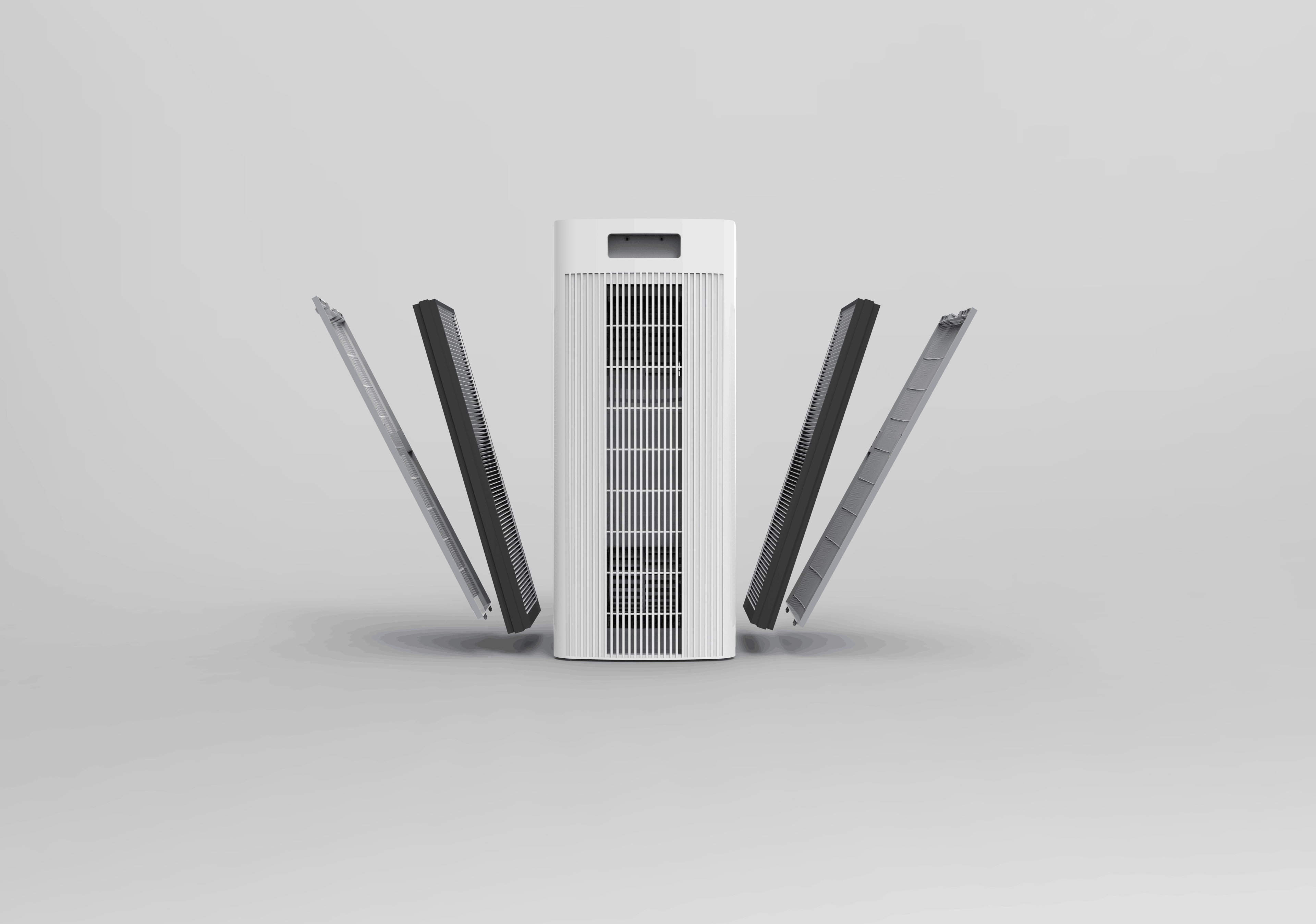
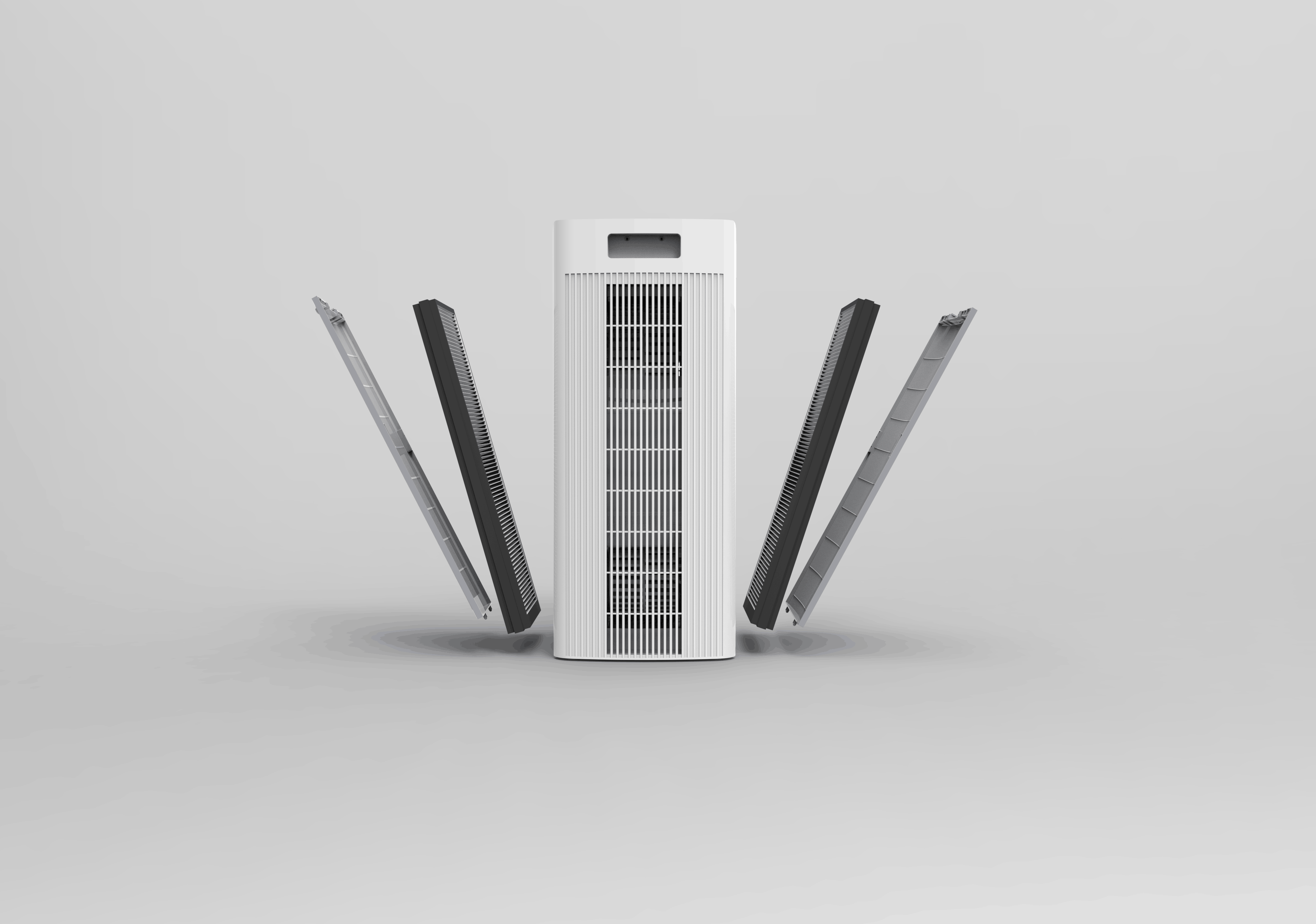
Instead of masking what's in the air, focus on removing it—capturing particles like pollen and reducing airborne irritants.
Fresh should feel… refreshing
Spring (and spring cleaning) has a way of making us want to reset everything. Open things up. Clean things out. Start fresh. Still, "fresh" isn't always about how something smells, it's about what's actually in the spaces you inhabit.
Outdoor air is seasonal. It changes whether you want it to or not. But indoor air is something you have more control over—how much comes in, what stays, and what gets removed. When that balance is right, you'll feel it. You might not even notice any difference; that's a good thing. However, when it's wrong—when there are odors and allergens wafting through the home—you'll smell it.
References
- Steinemann A. Fragranced consumer products: exposures and effects from emissions. Air quality, atmosphere, & health. 2016;9(8):861-866. doi:10.1007/s11869-016-0442-z.
- Centers for Disease Control and Prevention. Pollen and Your Health [Internet]. Climate and Health. Available from: https://www.cdc.gov/climate-health/php/effects/pollen-health.html.
- Waring MS, Siegel JA. Indoor secondary organic aerosol formation initiated from reactions between ozone and surface-sorbed D-limonene. Environmental science & technology. 2013;47(12):6341-8. doi:10.1021/es400846d.
- U.S. Environmental Protection Agency. Biological Contaminants and Indoor Air Quality [Internet]. US EPA; 2014. Available from: https://www.epa.gov/indoor-air-quality-iaq/biological-pollutants-impact-indoor-air-quality.






Indoor Air Quality (IAQ) in Baby’s Nursery
Sleep Better With Cleaner Air