


In This Article
You've probably heard a lot of common tidbits of sleep advice before: Dim the lights. Put your phone away. Keep the room cool. Avoid caffeine too late in the day. Maybe add a fan, sound machine, or "rainfall in a forest" playlist (if that's your thing).
All good ideas. But there's another part of your sleep environment that deserves a spot in the routine: the air you breathe all night.
Your bedroom air might not be as obvious as a too-bright lamp or barking neighborhood dog, but your body still notices. While you sleep, you're breathing the same indoor air for hours. If that air is carrying copious amounts of dust, pollen, pet dander, fine particles, odors, or other pollutants, it can make your bedroom feel less like a recovery zone and more like an overnight obstacle course.
Cleaner air isn't a magic sleep switch, but research suggests bedroom air quality can definitely affect sleep quality, how fresh the air feels, and even how people perform the next day [1]. In other words, your sleep hygiene routine may be missing one very breathable step.
Why Bedroom Air Quality Matters
Most of us think about comfort in terms of light, sound, temperature, and bedding. Air quality is easier to overlook because, well, you can't always see it.
But bedrooms can collect and harbor plenty of airborne irritants. Think dust from bedding and rugs, pollen that hitchhikes in on clothes or hair, pet dander, particles from outdoor pollution, cleaning product residue, and whatever else floats in from the rest of the home. Add closed windows, a closed door, and several hours of breathing, and your bedroom becomes its own little air ecosystem.
That matters because poor air can contribute to irritation, congestion, coughing, dryness, and allergy-like symptoms. And when your breathing feels even slightly off, sleep can feel less restful. You may toss more, wake up stuffy, or feel like you technically slept but didn't exactly recover.
Researchers have looked at this connection directly. One study found that improving bedroom ventilation, which lowered carbon dioxide levels, was associated with better objectively measured sleep quality, improved perceived air freshness, less next-day sleepiness, and better concentration and logical thinking performance [1]. Another study examined bedroom particulate matter, sleep quality, and next-day physical performance, adding more support to the idea that what's in your bedroom air can matter while you sleep [2].
What Indoor Air Has to Do With Better Sleep
Sleep is when your body gets to work on rest and repair. Your breathing continues automatically, your brain cycles through sleep stages, and your body works on recovery. So it just makes sense that the environment around you can either support that process or get in the way of it.
Cleaner bedroom air can help reduce the airborne irritants that may make it harder to breathe comfortably at night. That's especially important for people who deal with allergies, asthma symptoms, smoke exposure, pet dander, or general sensitivity to odors and particles.
There's also emerging research around indoor air quality and sleep-related breathing concerns. One 2025 study using data from the Korea National Health and Nutrition Examination Survey explored the relationship between indoor air pollutants and potential obstructive sleep apnea risk. The researchers reported an association between elevated indoor formaldehyde exposure and higher potential OSA risk in men [3].
That does not mean an air purifier treats, prevents, or cures sleep apnea. Sleep apnea is a medical condition that should be evaluated by a healthcare professional. But it does reinforce a broader point: Indoor air belongs in the proverbial sleep talk.
The Clean-Air Step Your Sleep Routine Is Missing
A good sleep hygiene routine is really about removing friction. Think less. Less light. Less noise. Less scrolling. Less stress. Less, less, less. Cleaner air still fits right in, snug as ever, despite the downsizing of external stimuli.
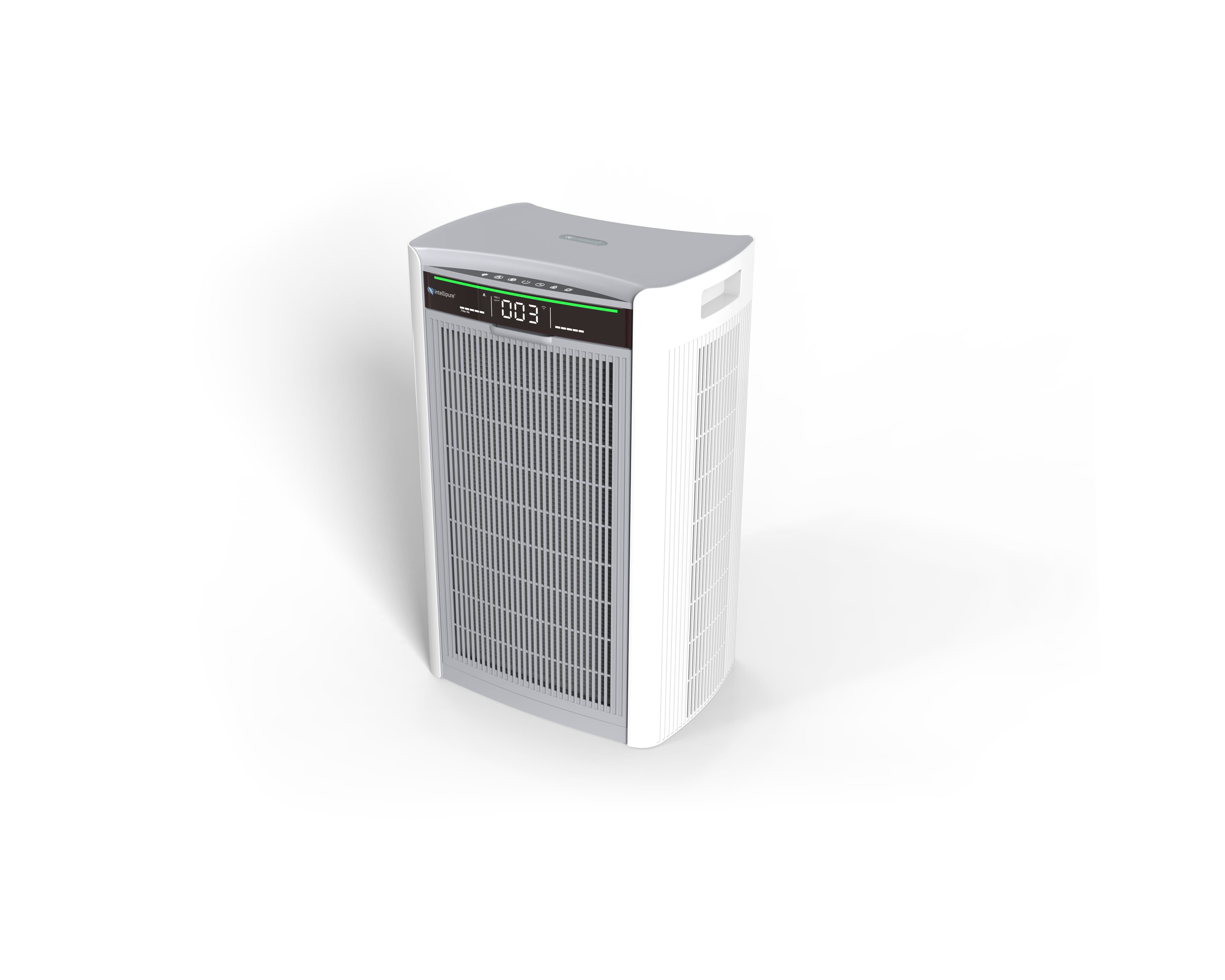
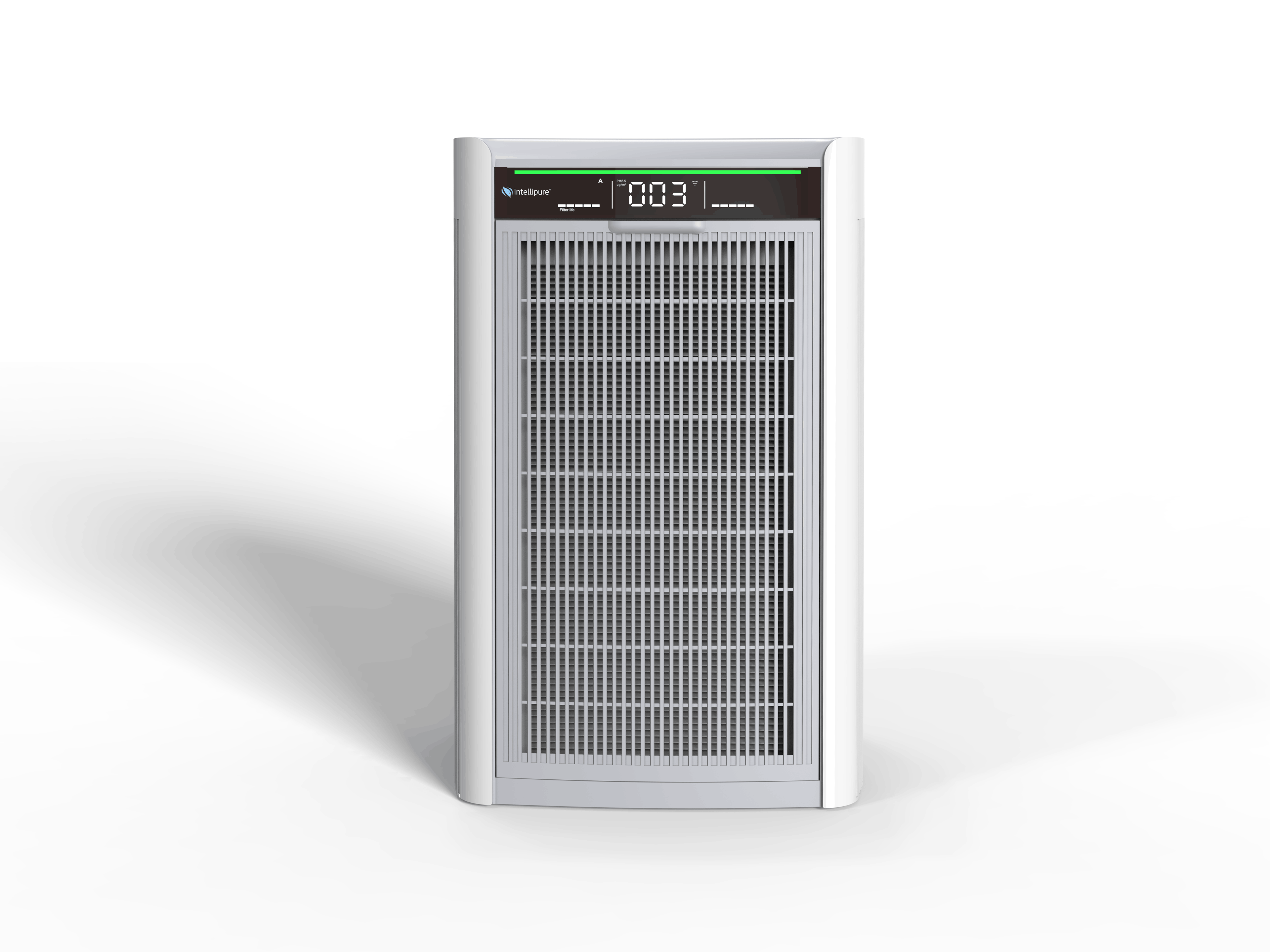
An air purifier can be one of the easiest and most obvious ways to support better bedroom air because, once it's set up, it works in the background. There's no complicated ritual required, or nightly checklists with seventeen steps. Just press a few buttons and you'll automatically enjoy cleaner air moving through the room while you sleep.
Except here's the part people sometimes miss: An air purifier needs access to the air you want it to clean, which means air purifier placement matters. A lot.
You could have a super strong, high-quality purifier, but if it's wedged behind a dresser, tucked into a corner, blocked by curtains, or trapped under a pile of "I'll fold this tomorrow" laundry, it can't circulate air as effectively. And when the goal is cleaner air while you sleep, the purifier should be placed where it can actually pull in and move bedroom air.
Revolutionary? No. Easy to forget when you're trying to tie a room together? Totally.
Where to Place an Air Purifier in the Bedroom
So, where should you place an air purifier for better sleep?
Start with the most obvious answer: Put it in the room where you sleep. If better nighttime breathing is the goal, a purifier down the hall is usually not the same as a purifier in your bedroom, especially if you sleep with the door closed.
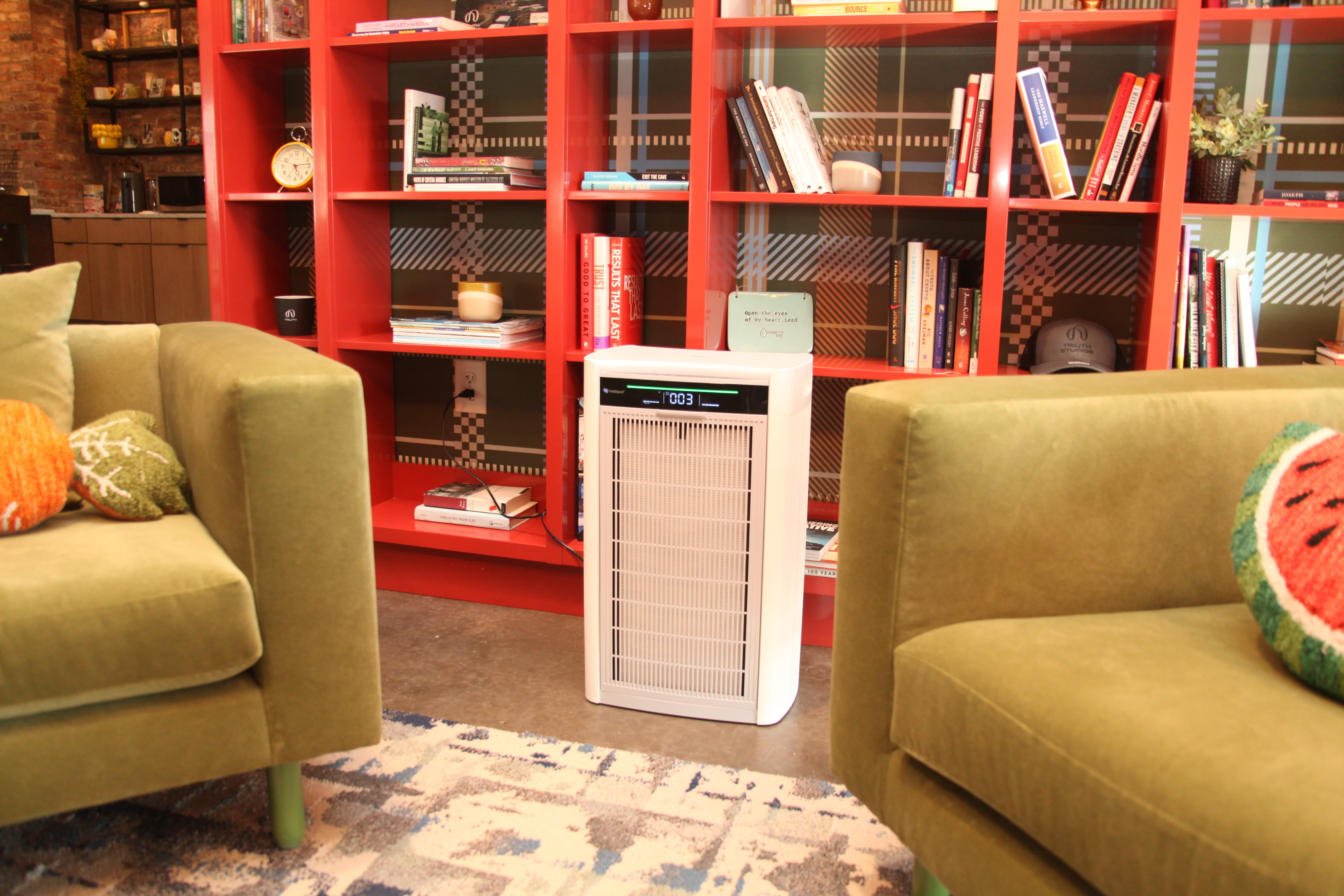
From there, just focus on airflow. Your purifier should have enough open space around it so air can enter and exit without being blocked. Avoid pressing it tightly against walls, furniture, curtains, bedding, or anything that limits circulation. The purifier needs room to breathe, too.
A few good air purifier placement principles:
Place it in the bedroom where you spend the night. Keep the intake and outlet areas clear. Avoid hiding it behind furniture or under tables. Keep it away from heavy curtains, laundry piles, and bedding. Choose a spot where air can move through the room, not get trapped in a corner.
If you're using an air purifier for bedroom allergies, placement becomes even more important. Allergens often collect in soft surfaces like bedding, rugs, upholstered furniture, and curtains. During pollen season, they can also come in on clothes, shoes, hair, and pets. Placing the purifier in the bedroom, keeping airflow open, and running it consistently overnight can help support cleaner air in the space where you're breathing for hours.
Research in controlled indoor environments supports the idea that purifier placement can meaningfully affect air quality outcomes. Studies in hospital ward settings found that air cleaner position influenced indoor air quality, with results depending on factors like ventilation, room layout, curtains, and the number of purifiers used [4]. A hospital ward is not the same as a bedroom, of course. But the practical lesson translates well: Airflow and placement matter.
The best purifier setup is not just about owning the unit. It's about giving it the right job in the right room, with enough space to do that job well.
How Many Air Purifiers Do I Need?
This is one of the most common clean-air questions, and the honest answer is: It depends on your space.
Usually, you need at least one air purifier in the room where you want cleaner air most. For sleep, that's the bedroom (or wherever you sleep).
From there, the number depends on a few practical factors: room size, ceiling height, layout, whether doors stay open or closed, the purifier's coverage area, and whether you're trying to improve air in one room or across multiple spaces.
For example, one properly sized purifier can work well in one bedroom. But if you want cleaner air in multiple bedrooms, a single purifier in the hallway may not deliver the same targeted support as units placed directly in the rooms where people sleep. Closed doors, walls, and furniture all affect how air moves.
Homes with open floor plans, larger rooms, pets, allergies, smoke exposure, or high outdoor pollution may also need more than one purifier to support the spaces people use most. Placement research using two air purifiers shows that both number and position can affect how indoor air moves and improves within a room [4]. Granted, that study was done in a hospital environment, not a home, but it supports a helpful principle: More equipment is not automatically better unless it's placed well.
If sleep is your top priority, start with the bedroom. If your household has multiple sleepers, start with the bedrooms occupied most often (perhaps by a reclusive teenager, or the family cat). Fresh air is most useful when it's floating around where people are actually breathing.
A Simple Clean-Air Sleep Routine
Cleaner air doesn't need to become another complicated bedtime rule. Once your purifier is in the right spot, the goal is consistency.
Here's a simple set of tips to make cleaner air part of your sleep routine:
Run your purifier before bed and overnight. Give it time to circulate air before you get under the covers, then let it keep working while you sleep.
Keep airflow clear. Check to make sure that furniture, curtains, bedding, or laundry aren't blocking the unit. Your purifier can't clean air it can't reach.
Close the bedroom door if you want targeted cleaning. This can help the purifier focus on the room where you're sleeping instead of trying to keep up with the whole house.
Keep bedding clean. Wash sheets and pillowcases regularly, especially during allergy season. A purifier helps with airborne particles, but source control still matters.
Watch humidity. Too much indoor humidity can make bedrooms feel stuffy and may encourage mold or dust mites. Too little can feel drying. Aim for a comfortable balance.
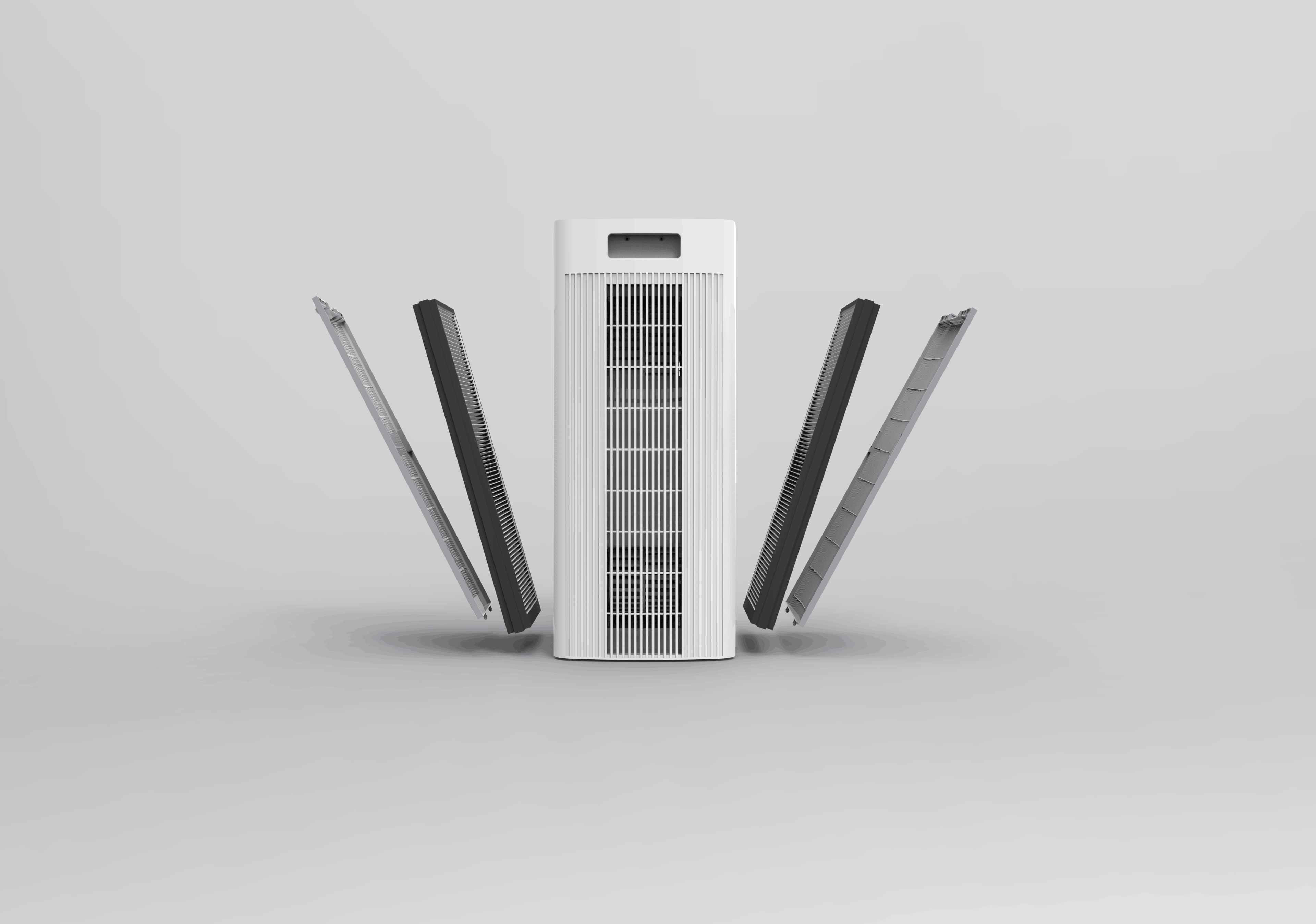
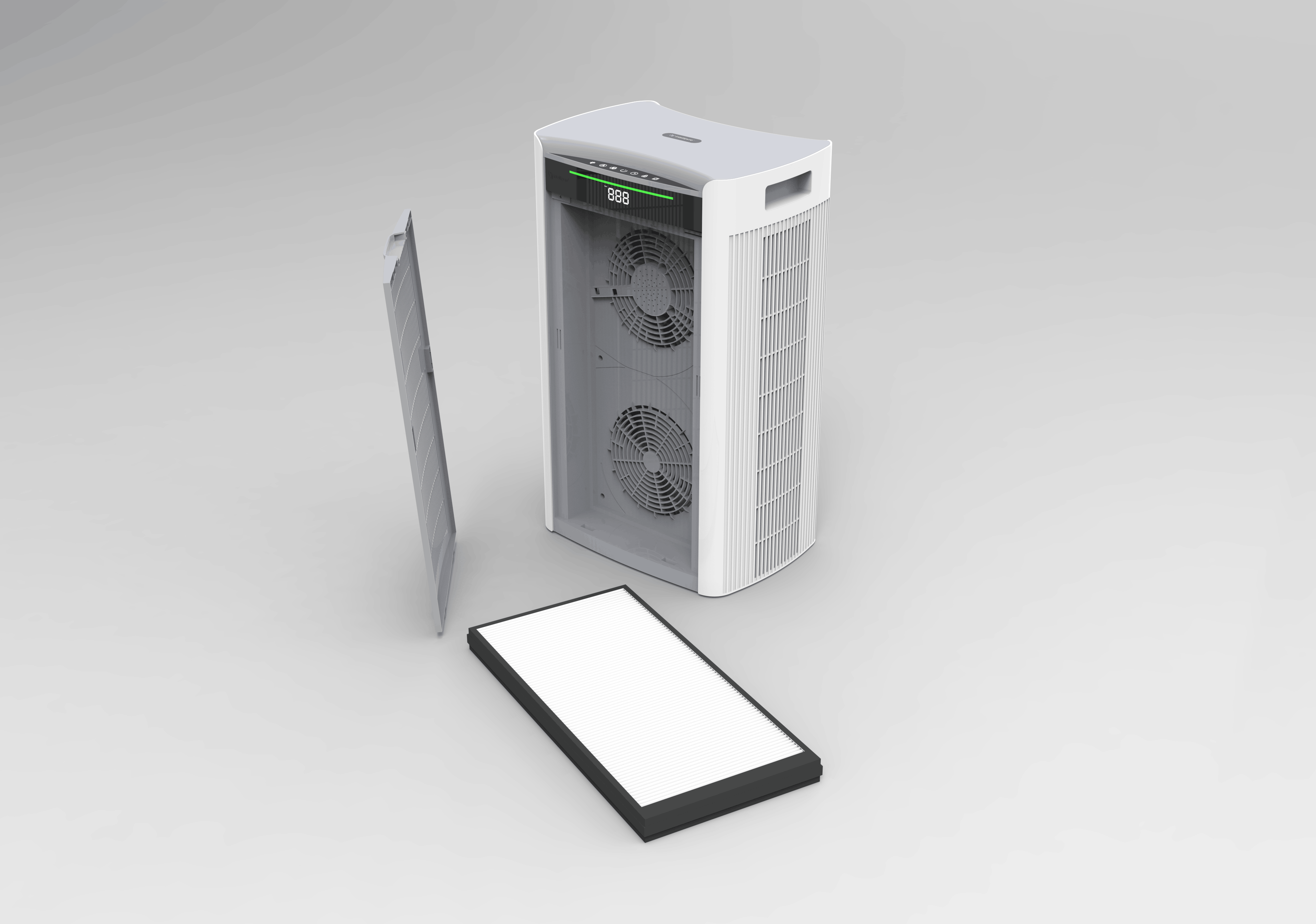
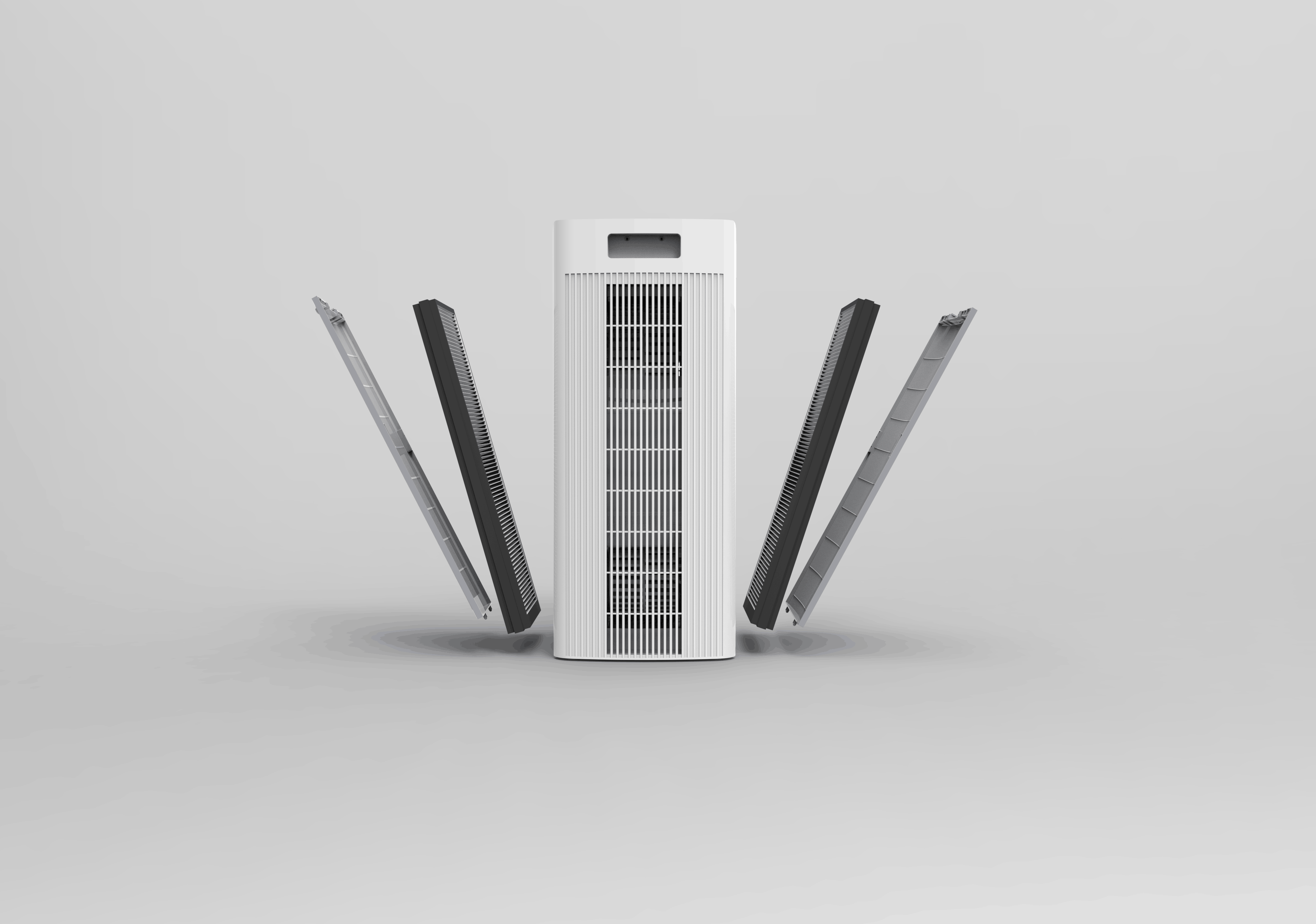
Replace filters on schedule. A purifier with an overloaded filter can't perform the way it should. Filter maintenance is part of the clean-air routine, not an optional extra.
None of this has to be dramatic or performed like a major overhaul. Think of it like just another one of your usual bedtime routines, such as brushing your teeth or setting your alarm.
What Cleaner Air Can (and Can't) Do for Sleep
Cleaner air can do a lot. It can help create a bedroom that feels fresher, more comfortable, and less irritating to breathe in. It can support a smarter sleep environment by reducing airborne particles and helping keep bedroom air moving through filtration.
But it's not a cure-all. An air purifier won't replace medical treatment, fix sleep disorders, or undo every late-night coffee, stress spiral, or doom-scroll session. Not yet, at least. (Kidding!)
What it can do is support the conditions that help sleep come a little easier and do a little more for your quality of life. Fewer irritants plus better circulation, and you've got a bedroom that's set up for breathing, not just sleeping.
And when you spend roughly a third of your life in bed (give or take), that's nothing to snore at.
Takeaway: Better Sleep With Every Breath
Sleep hygiene usually starts with what you can see and feel: lights off, phone down, room cool, covers just right. But the air around you deserves the same attention.
Cleaner bedroom air can be part of a healthier nighttime routine, especially when your purifier is placed where it can work effectively. Put it in the room where you sleep. Keep airflow clear. Choose the right number of purifiers for the spaces that matter most. Then let your clean-air routine run quietly in the background.
References
- Strøm-Tejsen P, Zukowska D, Wargocki P, Wyon DP. The effects of bedroom air quality on sleep and next-day performance. Indoor air. 2016;26(5):679-86. doi:10.1111/ina.12254.
- Lin X, Ji T, Guo R, Guo C, Gong P, Lan L. Association of bedroom particulate matter, sleep quality and next-day physical performance. Scientific reports. 2026;16(1):7117. doi:10.1038/s41598-026-37949-2.
- Kim S, Gurmu BL, Kim M, Song C, Lee MR, Lim CC, Rule AM, Yang KI. Effect of indoor air quality on potential risk of obstructive sleep apnea: results from Korea National Health and Nutrition Examination Survey. BMC public health. 2025;25(1):1306. doi:10.1186/s12889-025-22127-2.
- An IH, Kwak DB, Lee J, Park SH, Yook SJ. Optimal operating positions of two air purifiers for improving indoor air quality in hospital wards. The Journal of hospital infection. 2025;159:42-51. doi:10.1016/j.jhin.2025.02.006.








May Flowers, Meet Indoor Air: Why Allergy Season Doesn’t Stop at the Door
From the Ballpark to the Boardroom: What Sports Science Can Tell Us About Air Quality and Mental Clarity