


Summary
Grills firing up. Fireworks cracking overhead. Citronella candles glowing on the patio. Personally, I'm excited for the festivities.
In This Article
Grills firing up. Fireworks cracking overhead. Citronella candles glowing on the patio. Personally, I'm excited for the festivities. But some of summer's most familiar moments come with a little smoke.
We usually think of these as outdoor activities, which makes them feel separate from the air inside our homes. But your indoor air doesn't exist in a hermetically-sealed bubble. Smoke can drift through open doors, screened porches, cracked windows, attached garages, and nearby air intakes. And once those tiny particles make their way inside, they can linger longer than the fun.
Let's talk about those common sizzling summer staples that can affect your air, what they release, and how to keep more of that smoke where it belongs. (Outside.)
First, What Are We Breathing?
When something burns, it can release a mix of gases and particles. (So, for the sake of your friends and neighbors, keep your eye on the grill!) Some particles are visible as smoke. Others are much smaller, including PM2.5 and ultrafine particles.
PM2.5 refers to fine particulate matter small enough to be inhaled deeply into the lungs. Ultrafine particles are even smaller. You don't have to see them for them to matter, which is why smoky summer activities deserve a little extra vigilance if you're trying to protect your indoor air quality. That doesn't mean you need to cancel the cookout, just that your lungs might appreciate a little planning ahead.
Bright Lights, Tiny Particles
Fireworks are the big, obvious summer smoke source. They're also one of the most studied.
A 2023 study of annual firework displays found that particle number concentrations peaked shortly after the display ended, with the strongest increases seen in the 100 to 1000 nm particle size range (that's really, really, really small, in case you were wondering). The same study also found that fireworks increased estimated particle deposition (the estimated total amount, for non-scientists) in the respiratory system, with children showing greater susceptibility than adults in certain airway regions [1].
A separate review found that fireworks can worsen air quality by raising levels of particulate matter, metals, and gases. However, the researchers involved in this study also noted that strong direct evidence connecting fireworks exposure to specific respiratory outcomes is still limited, especially for asthma and COPD [2].
So, the takeaway is essentially something like… fireworks can create a short-term air quality event. One neighborhood show doesn't automatically mean harm, but a hazy, smoky night is a smart time to limit exposure, especially for kids, older adults, and anyone with sensitive lungs.
Clean-air tip: Keep windows and doors closed during nearby fireworks, then wait for the smoke to clear before airing the house out.
It's Called A Cookout For A Reason
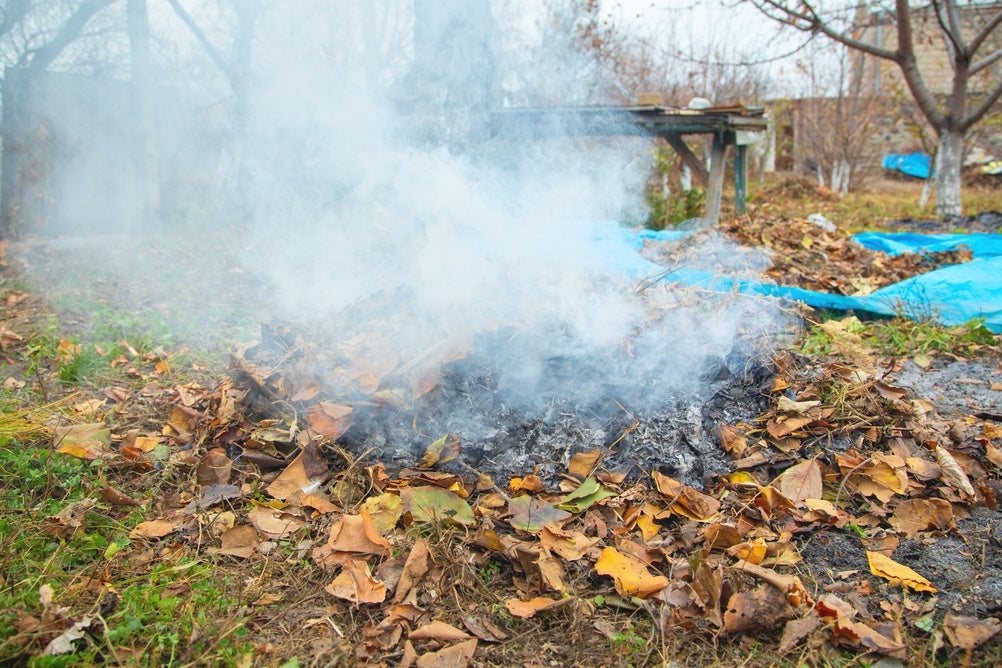
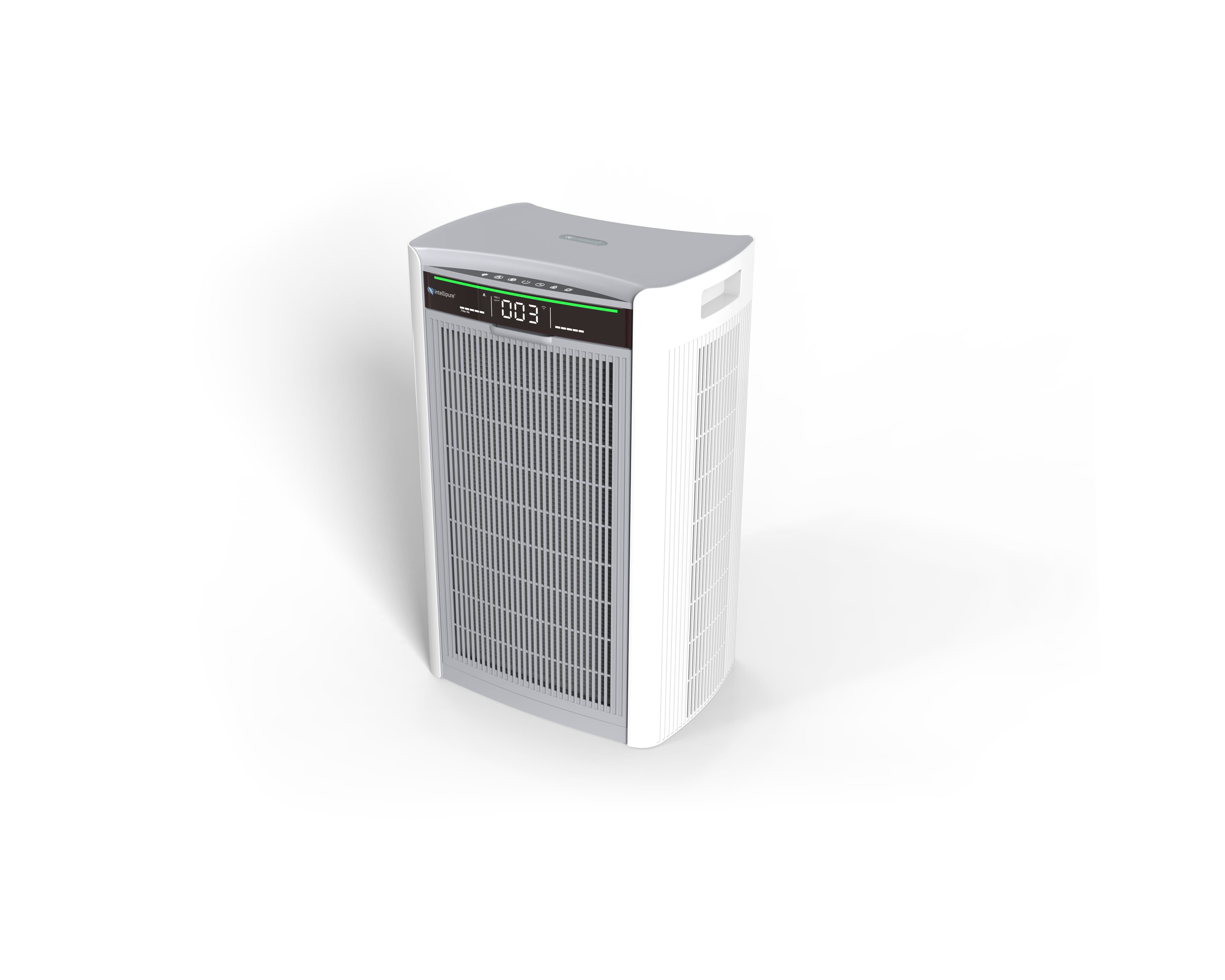
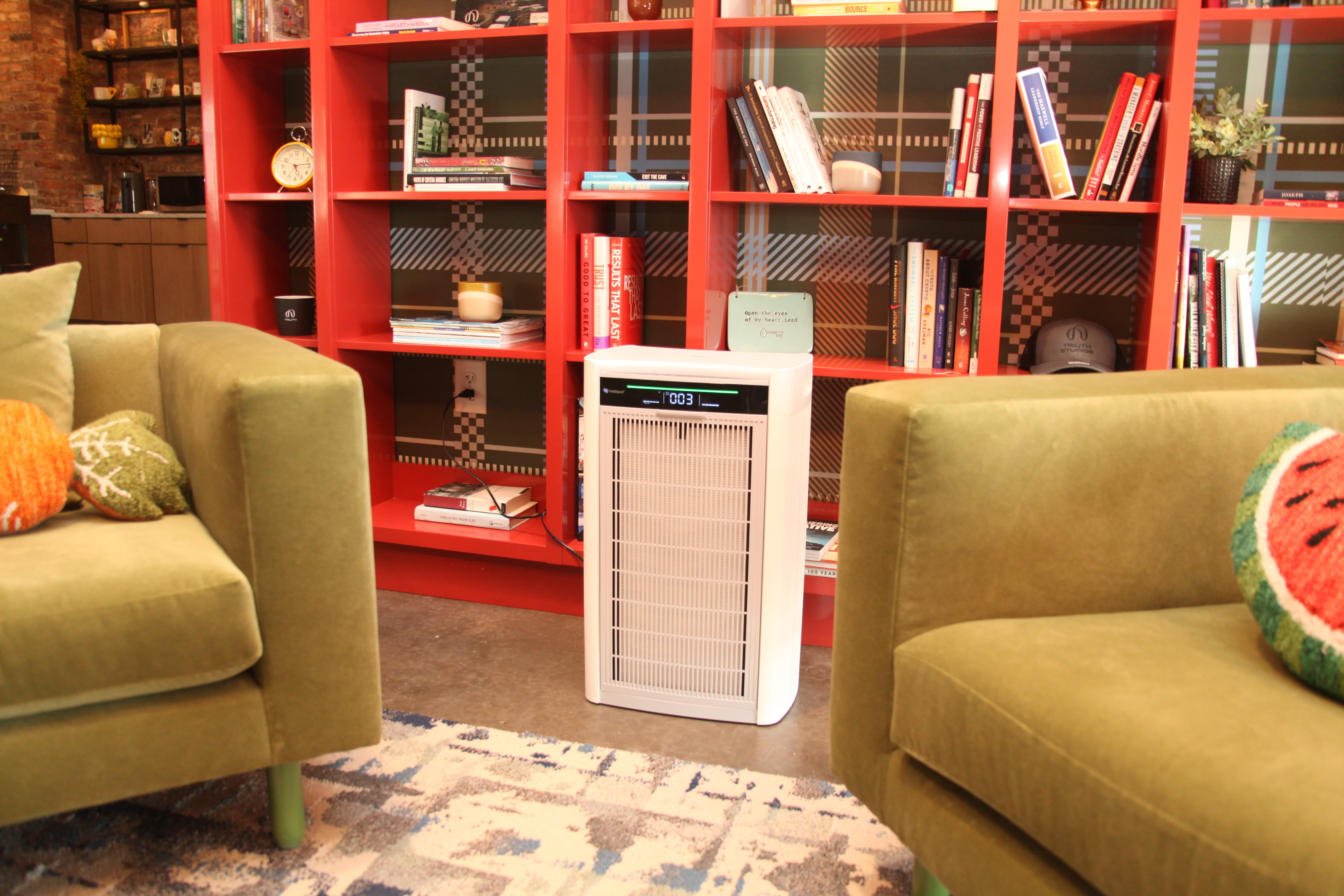
Hear me out: Grill smoke goes where it wants to (or it did before I installed my beloved H-1000 air purifier), which means that grilling outside can still become an indoor air issue. Especially when the grill is close to a door, window, patio slider, garage, or outdoor gathering space that opens into the house.
In a study of air pollutants from indoor charcoal barbecue, researchers tested 10 types of commercial charcoal and found that charcoal combustion emitted pollutants including PM2.5, PM10, hydrocarbons, carbon monoxide, carbon dioxide, nitrogen oxides, formaldehyde, and acetaldehyde [3]. One charcoal briquette sample produced the highest emission factors for several pollutants, including PM2.5, PM10, formaldehyde, and acetaldehyde, among the charcoals studied [3]. Ew.
Of course, not every charcoal grill is the same. Fuel type, airflow, temperature, ventilation, and setup all matter when it comes to grilling (as any jeans-shorts wearing, tongs-clicking grillmaster in a "Kiss The Cook" apron will tell you). But it does mean charcoal smoke is more than just a classic summer scent.
This is also where experiencing some cooking pollution indoors becomes relevant. Even if the cooking happens outside, smoke can and will follow people, plates, and airflow right back into the kitchen or living room.
Clean-air tip: Set up grills away from open windows and doors, and pay attention to wind direction. If the smoke is blowing toward the house, close things up until it passes. And, of course, don't use grills indoors.
Skeeter Season
No, seriously, that's what we call mosquitoes in the South. Makes you itchy just thinking about it. We've created ways to put plenty of space between ourselves and the little suckers, but it's worth scrutinizing the benefits and drawbacks of one of the more common tools at our disposal: citronella oil.
Lining the shelves of your local home improvement store in cheerful shades of orange and yellow, citronella candles feel like a harmless patio helper. They're working extra hard in summer, especially in the evening, when everyone is trying to keep mosquitoes away. Although they can be effective at pest control, they still emit a flame, vapors, and particles.
One study looked at organic aerosol formation in citronella candle plumes and found that citronella candle vapors can form secondary organic aerosol when exposed to ozone [4]. That matters because ozone can be elevated outdoors on summer evenings, right when citronella candles are often in use [4].
To be clear, the study did not claim citronella candles are automatically hazardous. The point is more specific: the air chemistry around scented outdoor candles can change after the candle is lit, and those changes may affect what people are actually exposed to in the candle plume [4].
Clean-air tip: Use fewer candles at once, keep them away from open doors and windows, and avoid placing them where smoke or vapor drifts directly toward seating areas.
What's a Safe PM2.5 Level Indoors?
People often seek a safe PM2.5 level indoors, but during smoky summer moments, the more useful question is: how quickly can you reduce avoidable particle buildup inside?
You can't control every firework, every neighbor's grill, or every shift in the wind. But you can control how much smoke you invite indoors.
Start with the basics:
- Keep doors and windows closed during smoky periods.
- Move grills, candles, and other combustion sources away from entry points.
- Avoid pulling smoky outdoor air inside with fans.
- Ventilate when the outdoor air is actually clearer.
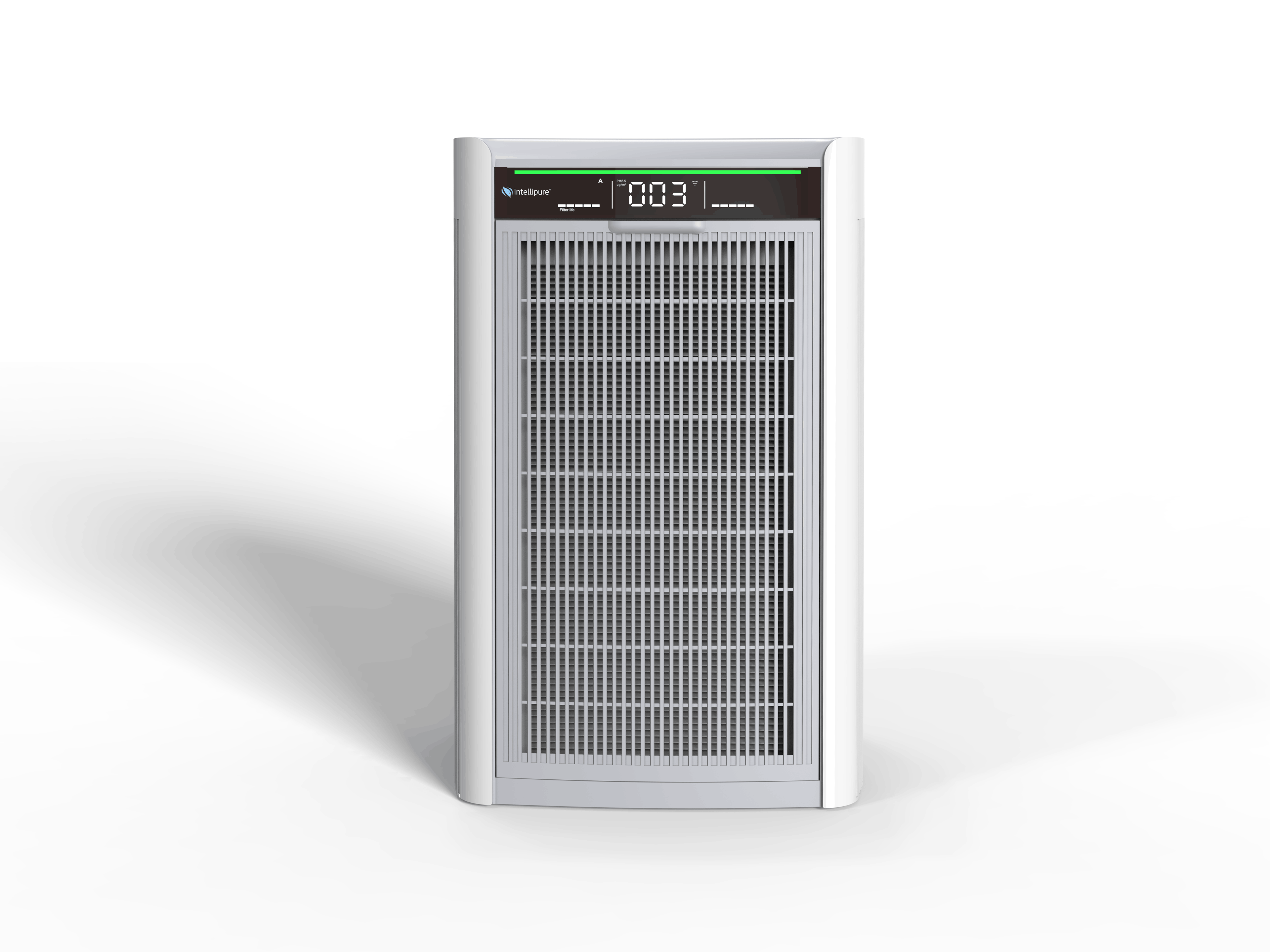
- Run a high-quality air purifier before, during, and after smoke-heavy events.
The goal isn't to fill your life with perfect, particle-free air. It's less exposure, less lingering smoke, and air that feels fresher when you come back inside.
Keep the Summer from Going Up In Smoke
Summer should smell iconic. To some of us (especially this Florida girl!) July is the season of sunscreen, fresh-cut grass, dinner on the grill, and trips to the beach. Not stale smoke in the living room.
You don't have to skip the fireworks, lock up the grill, or ban every citronella candle from the patio. Just remember that many beloved July traditions create particles and pollutants your lungs would rather not host, and plan accordingly.
Create distance. Watch the wind. Close the house when smoke is heavy. Filter what gets in. Clean your air. Because the best summer activities are the kind you can enjoy outside, without bringing traces of it home with you.
References
- Salma I, Á F, Weidinger T, Balogh M. Firework smoke: Impacts on urban air quality and deposition in the human respiratory system. Environmental pollution (Barking, Essex : 1987). 2023;328:121612. doi:10.1016/j.envpol.2023.121612.
- Gouder C, Montefort S. Potential impact of fireworks on respiratory health. Lung India. 2014;31(4):375. doi:10.4103/0970-2113.142124.
- Huang HL, Lee WG, Wu FS. Emissions of air pollutants from indoor charcoal barbecue. Journal of hazardous materials. 2016;302:198-207. doi:10.1016/j.jhazmat.2015.09.048.
- Bothe M, Donahue NM. Organic aerosol formation in citronella candle plumes. Air Quality, Atmosphere & Health. 2010;3(3):131-137. doi:10.1007/s11869-009-0061-z.




 Expert reviewed & certified


 Verified by CertREV
Breathing Activities to Help Kids Keep Their Cool
Summer Staples That Threaten Clean Indoor Air