


Each year the American Lung Association (ALA) puts out their “State of the AIR” report to bring awareness about particulate and ozone pollution across the United States. This report helps people understand not only what exposure risks are like in their area, but also which at-risk groups need to pay attention to outdoor air quality. While many times the focus is put on cities, we think it is important to look at the larger picture of an area at a county wide level. According to the ALA these counties rank the top 10 in the United States for ozone and particle pollution.
Counties With The Worst Air 2024
Mono, California
It may sound strange but the main cause for the terrible air in Mono, California isn’t some sort of large-scale industrial complex, but a lake. This is no ordinary lake though. Mono Lake is a saline soda lake which has been shrinking in size for decades due to large scale diversion of water that once resupplied it. The shrinking lake left huge areas of lake bed now exposed to winds and erosion. The now dried lake bed is the source of fine PM10 salt particles (10 microns in diameter) that are easily kicked up by the wind. It is so bad that PM10 levels of up to 100 times greater than the allowable federal standard have been recorded.
Kern, California
Unfortunately Kern, California suffers from an unlucky mix of bad geography and bad weather. Bakersfield is pretty much in a bowl surrounded by mountains, which makes it hard for winds to disperse pollution. Combine that with the hot weather and lots of sunshine and you have a perfect place to form lots of ozone. Oil and gas production is prominent in the area adding to the air pollution. Farming also adds to the airborne fine particulates from dust and crop burning. Throw in the occasional wildfire and you have a recipe for some of the worst outdoor air quality in the United States.
Tulare, California
Being surrounded by mountains traps the air in Tulare making it hard for winds to disperse it. The area is also very hot and dry, receiving barely any rainfall. That means rain can’t help remove particles from the area and while heat helps form ozone. Highway 99 runs straight through the area adding a constant supply of vehicle emissions into the air. The area is dominated by farmland which contributes to both vehicle emissions and particulate pollution. Luckily the county has been working for several years on a plan to help improve air quality.
Fresno, California
Fresno suffers from the same unfortunate geography as several other areas on this list: being surrounded by mountains and effectively in a bowl. During the winter months when the atmospheric winds die down air pollution simply sits in the “bowl” with little chance of being dispersed. Several highways criss-cross the area contributing vehicle pollution to the mix. Wildfires add more pollution to the air and are becoming more common. The area is heavily populated with farms which contribute a large amount of airborne pollution from equipment, chemicals, and dust.
Plumas, California
Air quality issues have plagued Plumas county for decades. Like many other areas on our list the local mountainous terrain makes it difficult for wind to disperse pollution, which tends to get trapped in valleys. Wildfires are a major contributor to unhealthy air quality, creating large amounts of fine particulate matter. Adding to the air quality issues are burning firewood and even trash. Outdoor air quality can be even worse in winter due to air patterns that keep pollution near the ground.
Kings, California
Kings County is yet another area of the San Joaquin Valley that can partly blame its air quality issues on the surrounding mountains. Busy Interstate 5 cuts across the lower half of the county bringing increased vehicle emissions. Farming activity is prominent across the entire area, contributing dust, equipment exhaust, and chemicals to the air. There is hope though. The Valley Air District has been working to clean up outdoor air quality and has made steady improvement over the years.
Klamath, Oregon
Klamath County is dominated by national parks and forests, but that doesn't mean the air quality is as beautiful as the views. A large number of area residents rely on burning wood for heat during the winter, which produces the bulk of the airborne particulate pollution. Making things worse is the local geography, as Klamath is surrounded by mountains which trap the air. Like several other counties on our list wildfires contribute even more particulates to the air. Recently the EPA awarded $4.5 million to help the county move away from wood burning heating sources and improve home insulation.
Lane, Oregon
Lane County, Oregon is home to beautiful forests, water falls, beaches, and some of the worst airborne particulate matter in the country. Yet another victim of geography, air pollution is trapped in the area valleys with no escape. Burning wood for heat and disposing of trash via incinerator has caused increased particulate matter in the air for decades. During the summer high amounts of VOC lead to increased ground level ozone. Finally vehicle emission from Interstate 5 and equipment emissions from local farming add to the overall air pollution problem.
Stanislaus, California
It is no secret that air pollution in the San Joaquin Valley has been a problem for decades, and Stanislaus county is no different. Hemmed in on all sides by mountain ranges, airborne pollution simply sits in the valley with no way to dissipate. Busy Interstate 5 and the Golden State Highway contribute a large amount of vehicle pollution to the area. High levels of ozone pollution have plagued the area multiple times. Asthma related breathing issues have been directly linked to the area's poor air quality. UC Berkeley reports that pollution levels have been dropping over the last 20 years, but there is still a long way to go.
San Bernardino, California
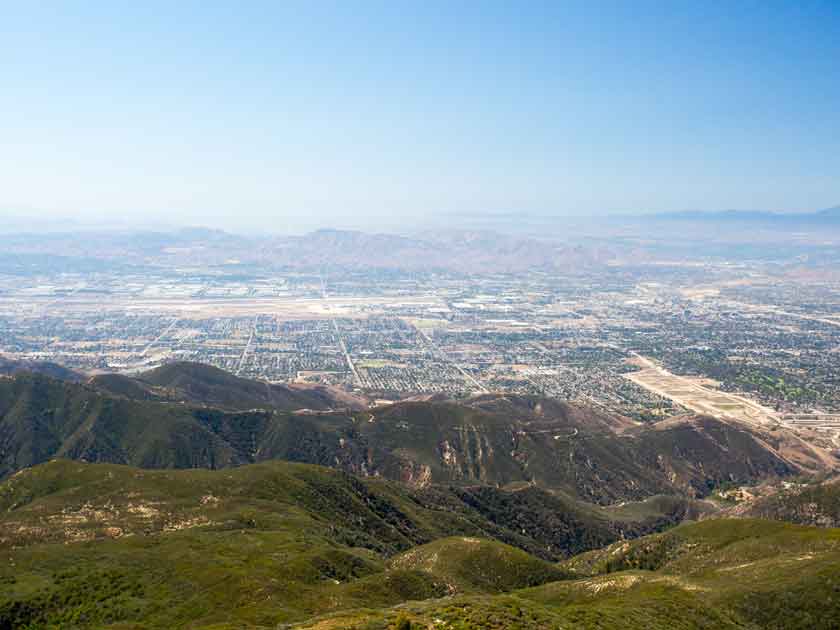
San Bernardino is the largest county in the United States, spanning nearly the entire width of southern California. Although having plenty of wide open, flat areas the surrounding geography still creates a “bowl” effect that traps air pollution. The city of San Bernardino itself in the southwest corner is an extremely busy transportation hub thanks to multiple roadways coming together in the area as well as rail freight hubs. This leads to much higher levels of vehicle emissions and ground level ozone. Like many other areas San Bernardino county is also affected by local wildfires driving airborne particulate levels higher.
Better Air Awareness Thanks To The ALA
Thanks to the ALA we have a better understanding of what is in the air around us, and what we can do about it. The “State of the AIR” report isn’t just bad news, it gives ways we can all help. An entire section is dedicated to ways that federal, state, local and even individuals can help make our air better.
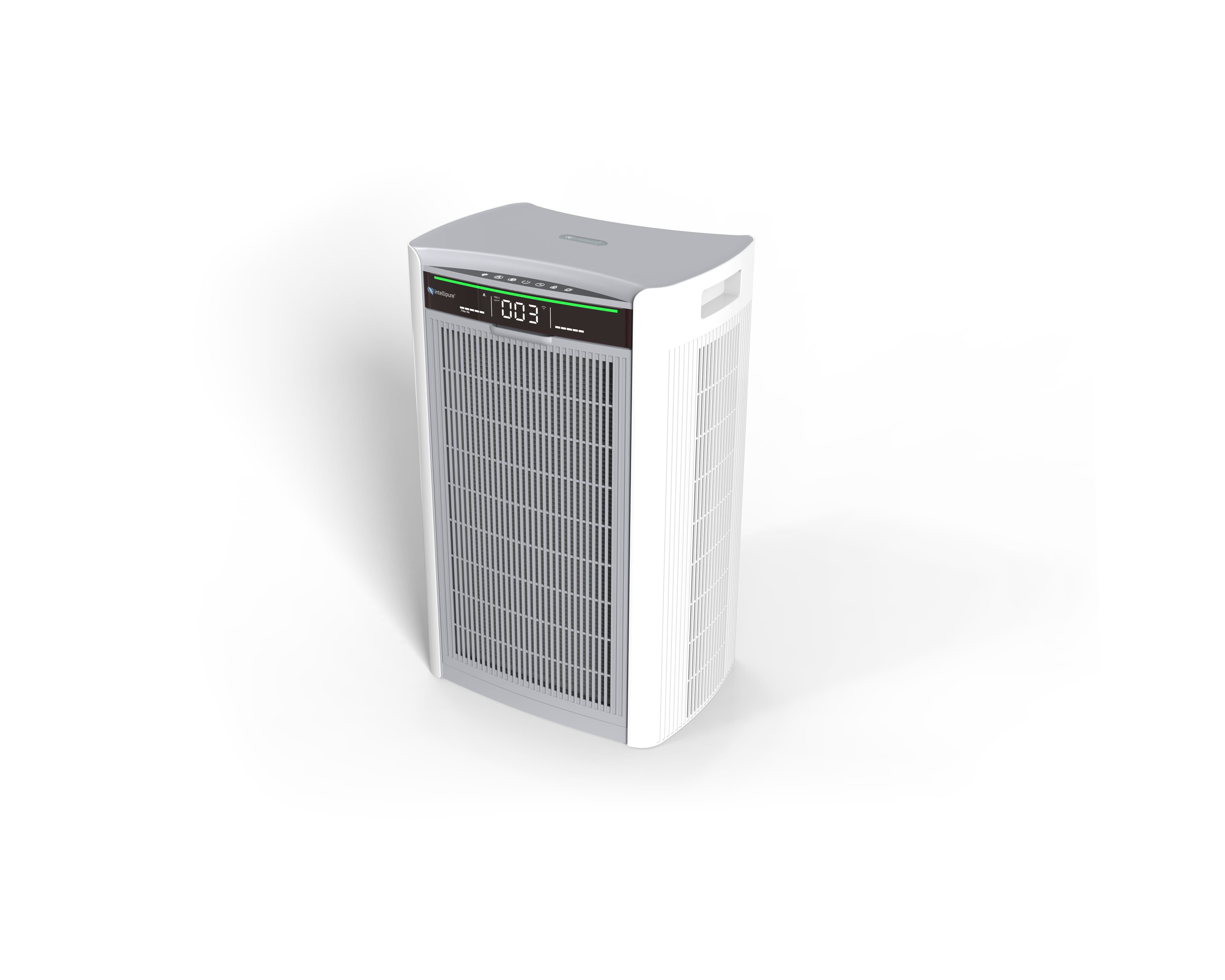
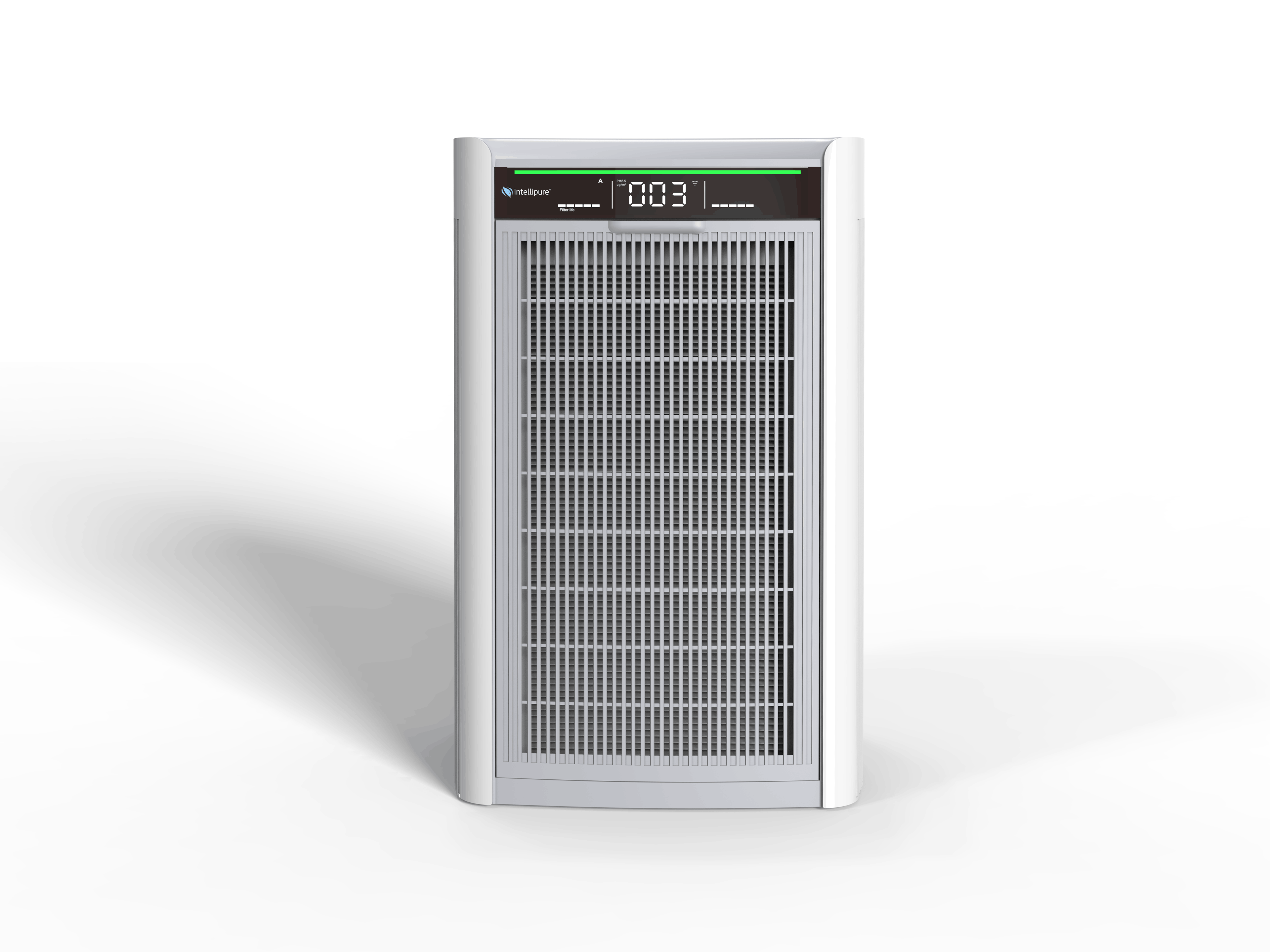
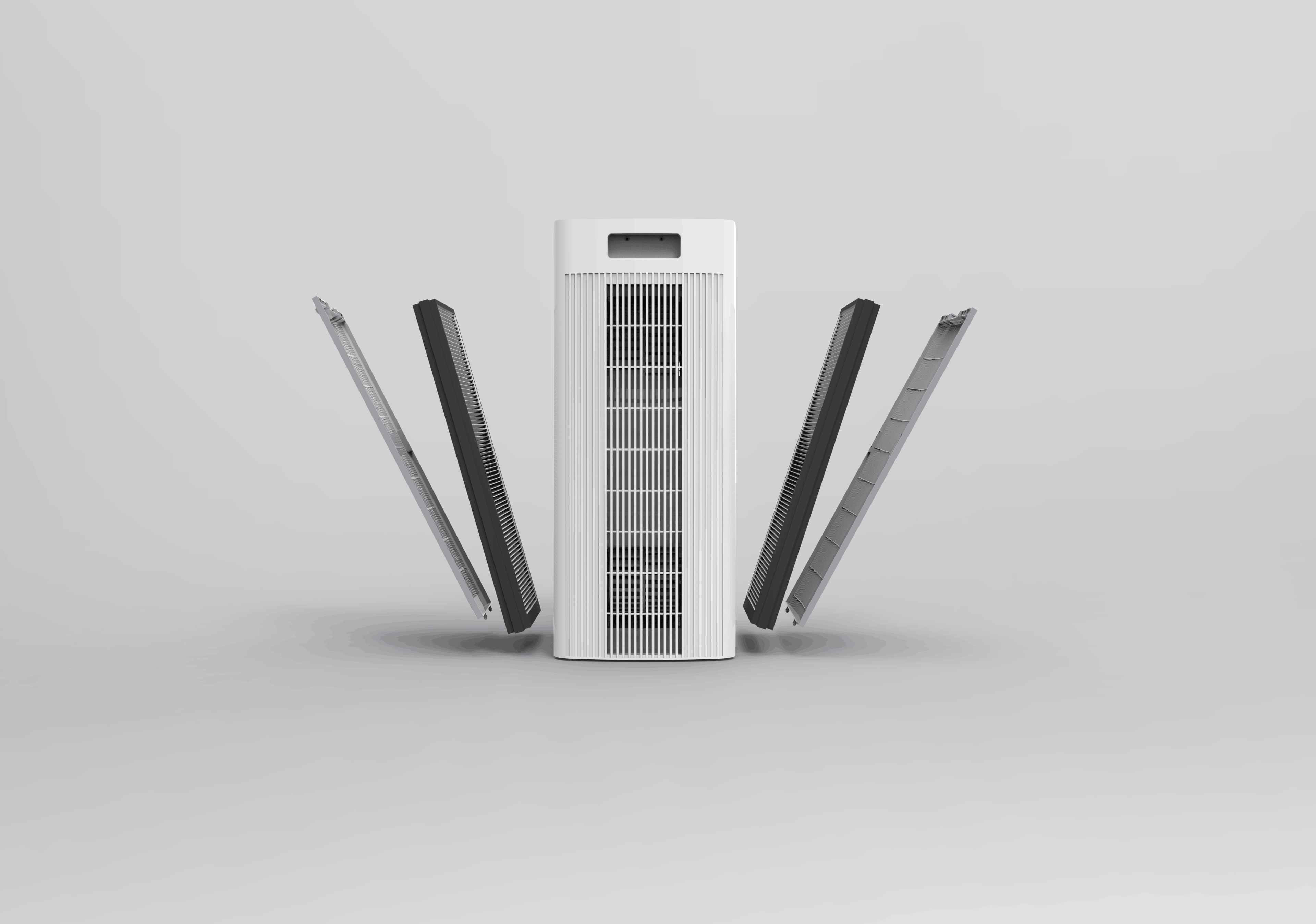
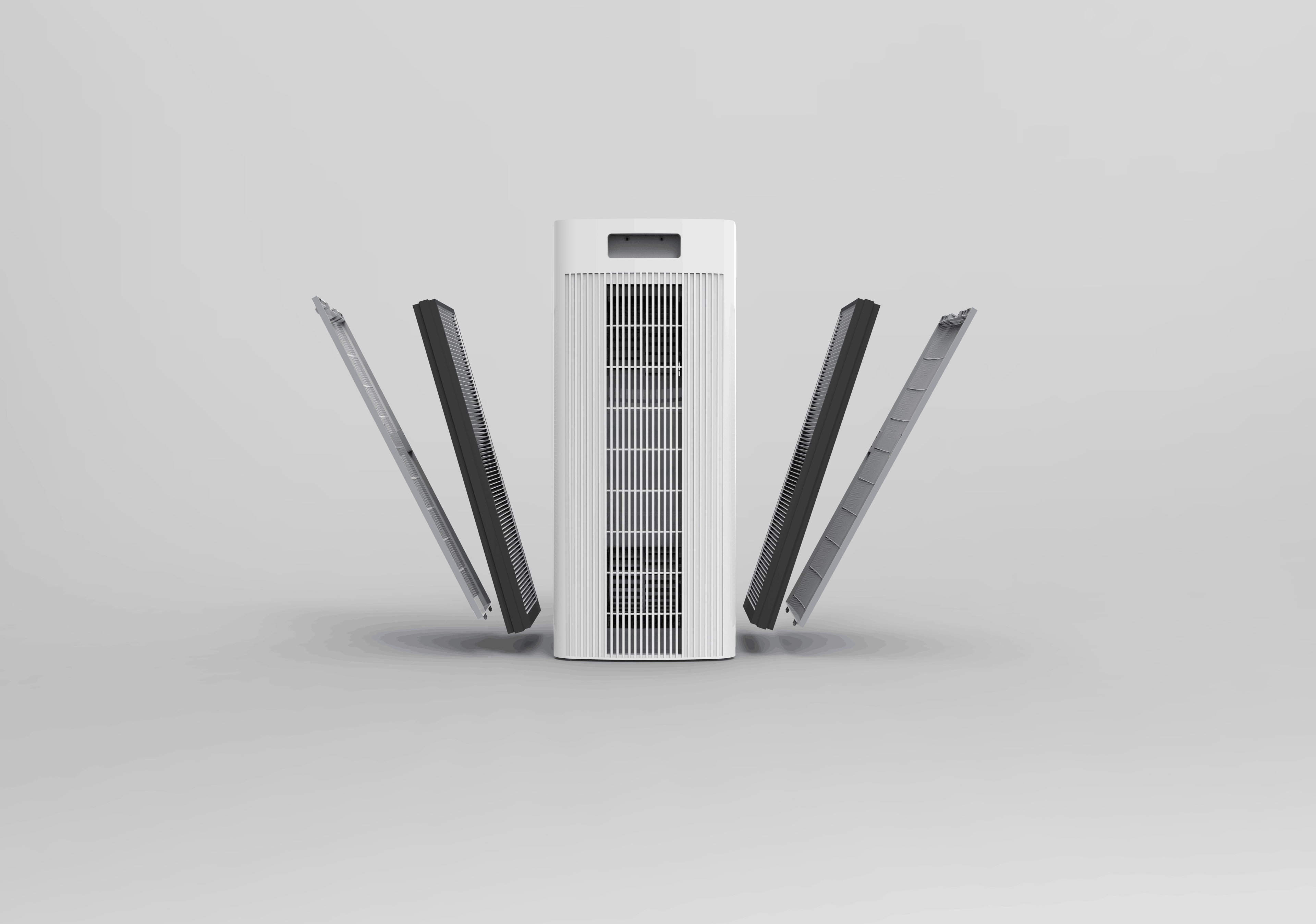
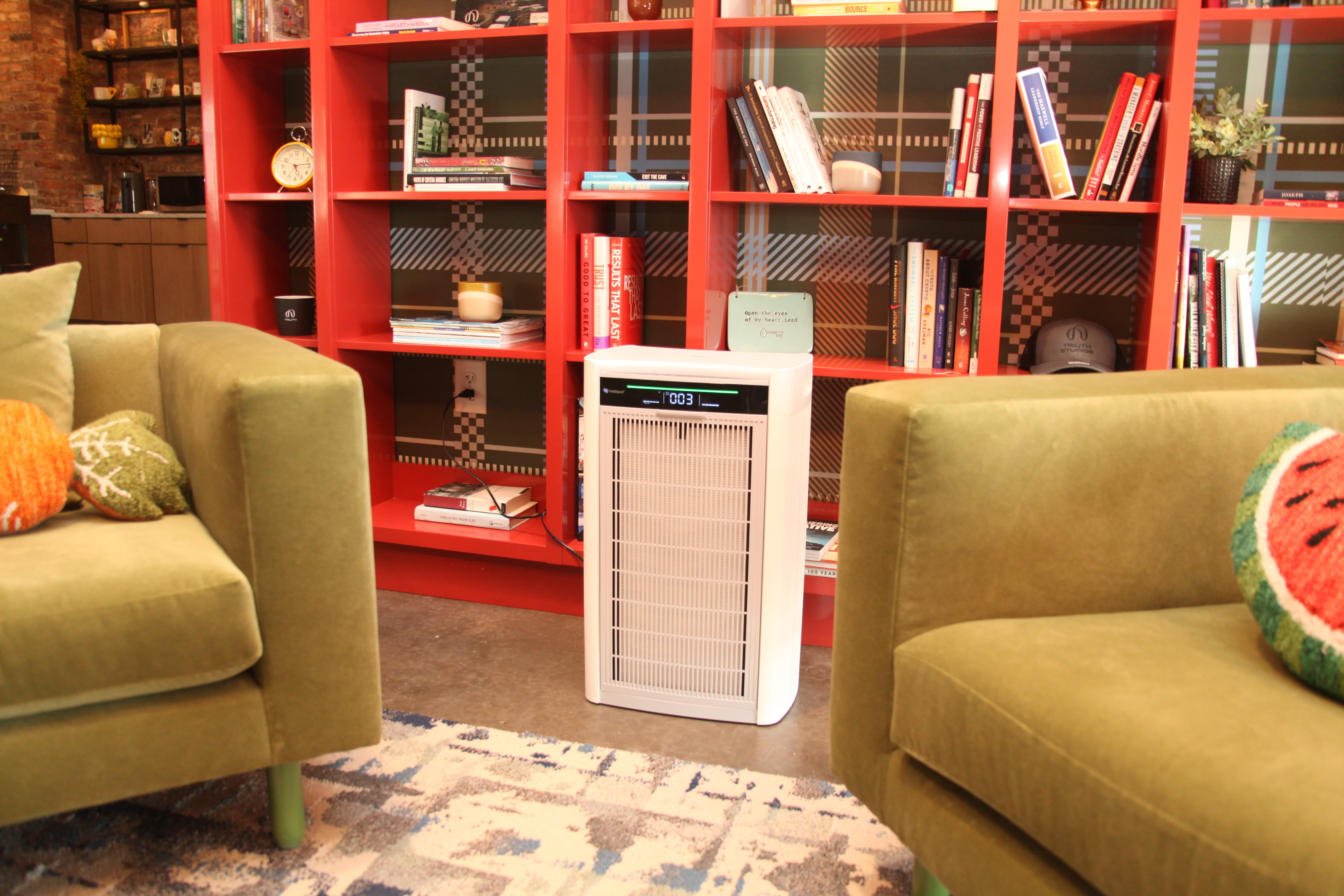
Intellipure also believes that we can make the air we breathe better. That’s why we’ve partnered with the ALA to spread the word about indoor air quality. Outdoor air quality directly affects indoor air quality, which is why it is important to protect your home’s air with a high-quality air purifier.








Urban Wildfire Smoke Is A Greater Threat Than You Think
How To Detox Your Home Effectively and Safely