

Summary
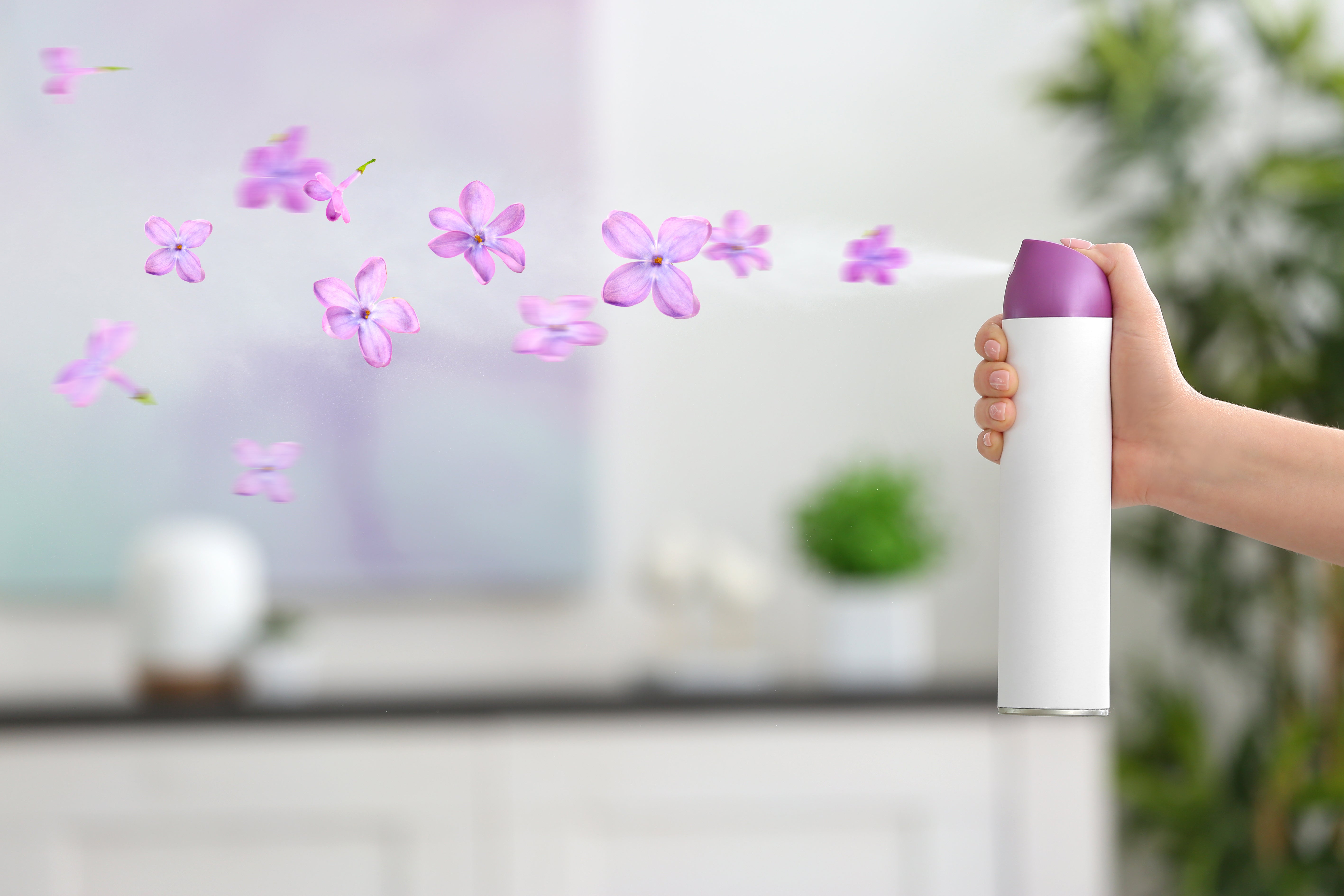
Synthetic fragrances are designed to smell good, but once they’re in the air, they don’t always behave as harmlessly as we assume. This article explores how fragranced products can contribute to indoor air pollution, why some people experience fragrance sensitivity, and what actually helps reduce lingering odors at home. Sometimes, the cleanest-smelling air is the kind you barely notice at all.
In This Article
We've been taught that a good-smelling home is a clean one. Citrus means fresh. Linen means tidy. Vanilla means cozy. If it smells pleasant, the air must be fine—right? Not always.
When a smell is derived from a natural fragrance, it's often botanical sources or, in some cases, animal-derived extracts. Those natural sources can even be organic (usually, with a price tag to boot). And they do the same things a synthetic fragrance (artificial, lab-created scents that replicate natural aromas or create entirely new, long-lasting smells) would do: cover up odors and fill the air with a pleasant aroma. The problem is that they can be more expensive to make, and they don't always last as long as their lab-created counterparts.
Synthetic fragrances are designed to smell nice and disperse into the air. That's their job. But once they've gone airborne, they don't just disappear. They mix with the rest of your indoor air, linger in enclosed spaces, and, for some people, trigger uncomfortable physical responses. Understanding why requires looking past the scent itself and into what's actually floating around your home.
What "Fragrance" Really Means
When a label lists "fragrance" or "parfum," it rarely refers to a single ingredient. Instead, it's a complex chemical mixture, often made up of dozens of individual compounds. Many of those compounds are classified as volatile organic compounds, or VOCs [1].
VOCs are chemicals that easily become gases at room temperature. The U.S. Environmental Protection Agency notes that common indoor sources include cleaning products, air fresheners, candles, and personal care items—many of which rely heavily on synthetic fragrance [1].
Once released, VOCs contribute to overall indoor air pollution. And because homes are enclosed environments, VOC concentrations can be higher indoors than outdoors, especially when ventilation is limited [1].
Fragrance Sensitivity Is Not Uncommon
Some people notice synthetic fragrances and move on. Others don't.
This isn't a trade secret. Fragrance sensitivity is a well-documented phenomenon in which exposure to fragranced consumer products (candles, plug-ins) is associated with negative physical and sensory symptoms.
That's right. The effects of fragrance sensitivity can extend beyond the bodily ailments others can see (sniffles, sneezing, wheezing, and the rest of the bad-time bunch). Invisible symptoms are particularly prevalent in neurodivergent individuals. Over 80% of people on the autism spectrum report hyperosmia (heightened smell sensitivity), where common odors like perfume, cleaning agents, or food become overwhelming, triggering headaches, nausea, anxiety, or sensory shutdowns. Heightened odor sensitivity can be especially burdensome for some neurodivergent individuals, but fragrance-triggered symptoms are also seen in patients with migraine, asthma, and chronic nasal/sinus issues like allergies [2]
It's not a rare phenomenon, either. Population-based research has found that a substantial portion of adults report adverse effects from fragranced products used in everyday environments [3].
Commonly reported symptoms include:
- Headaches
- Eye and upper respiratory irritation
- Sneezing
- Coughing
- Runny nose
- Dizziness
- Respiratory discomfort
Importantly, these effects are associations, not diagnoses. But they do help explain why fragranced spaces feel tolerable to some people and overwhelming to others.
The Centers for Disease Control and Prevention (CDC) has also acknowledged fragrance sensitivity as a legitimate issue in occupational and indoor environments, particularly for individuals with asthma or other respiratory conditions [4].
Why Synthetic Fragrances Stink More Indoors
Indoor air behaves differently than outdoor air. It has fewer opportunities to dilute and disperse pollutants, which means whatever gets released tends to stick around like an unwanted houseguest.
Synthetic fragrances add VOCs directly into the air. If multiple fragranced products are used in the same space—candles, cleaners, laundry products, personal care items—the total chemical load increases. Over time, this can elevate background exposure, even if no single product feels overpowering on its own [1].
Ventilation matters here. In tightly sealed homes or during seasons when windows stay closed, fragranced VOCs can accumulate more easily, contributing to persistent indoor odors and irritation.
Masking Odors vs. Improving Air Quality
One of the biggest misconceptions about fragrance is that it "fixes" bad air.
In reality, many fragranced products mask odors rather than remove their source. The EPA consistently emphasizes source control as a primary strategy for improving indoor air quality—meaning it's usually more effective to go ahead and reduce (or remove) what's causing the odor than to cover it up [1].
Odors often come from:
- Moisture buildup
- Biological growth (mold, fungus, and mildew)
- Poor ventilation (this one's a big deal)
- Residual chemicals from cleaning products
Adding fragrance doesn't address these issues. It simply layers additional compounds into the air, increasing the overall VOC burden.
When Smell Is a Clue
Stinks can be full of useful information. Our nose is a valuable resource when investigating the source of smells both good and bad.
Persistent musty or chemical smells may indicate moisture problems, material off-gassing, or ventilation issues. Public health guidance on indoor environments often treats odor as a signal—not something to be ignored or covered up with a different, better-smelling scent.
This is especially relevant for people who notice symptoms only in certain indoor spaces. That's a big indication that the air itself may be to blame, not just someone's elevated personal sensitivity.
Reducing Exposure, Not Enjoyment
Living with fewer synthetic fragrances doesn't mean living without the comfort of fresh smells. Small, practical changes can significantly reduce fragrance-related VOCs indoors.
Effective strategies include:
- Using fewer fragranced products overall.
- Ventilating during and after cleaning or candle use.
- Managing indoor humidity to prevent odor buildup.
- Choosing unscented or low-emission options when possible.
These approaches align with EPA guidance on improving indoor air quality (IAQ) through a combination of source control, ventilation, and air cleaning [1]—you know, the usual suspects in better IAQ.
Where Air Purifiers Filter Into the Mix
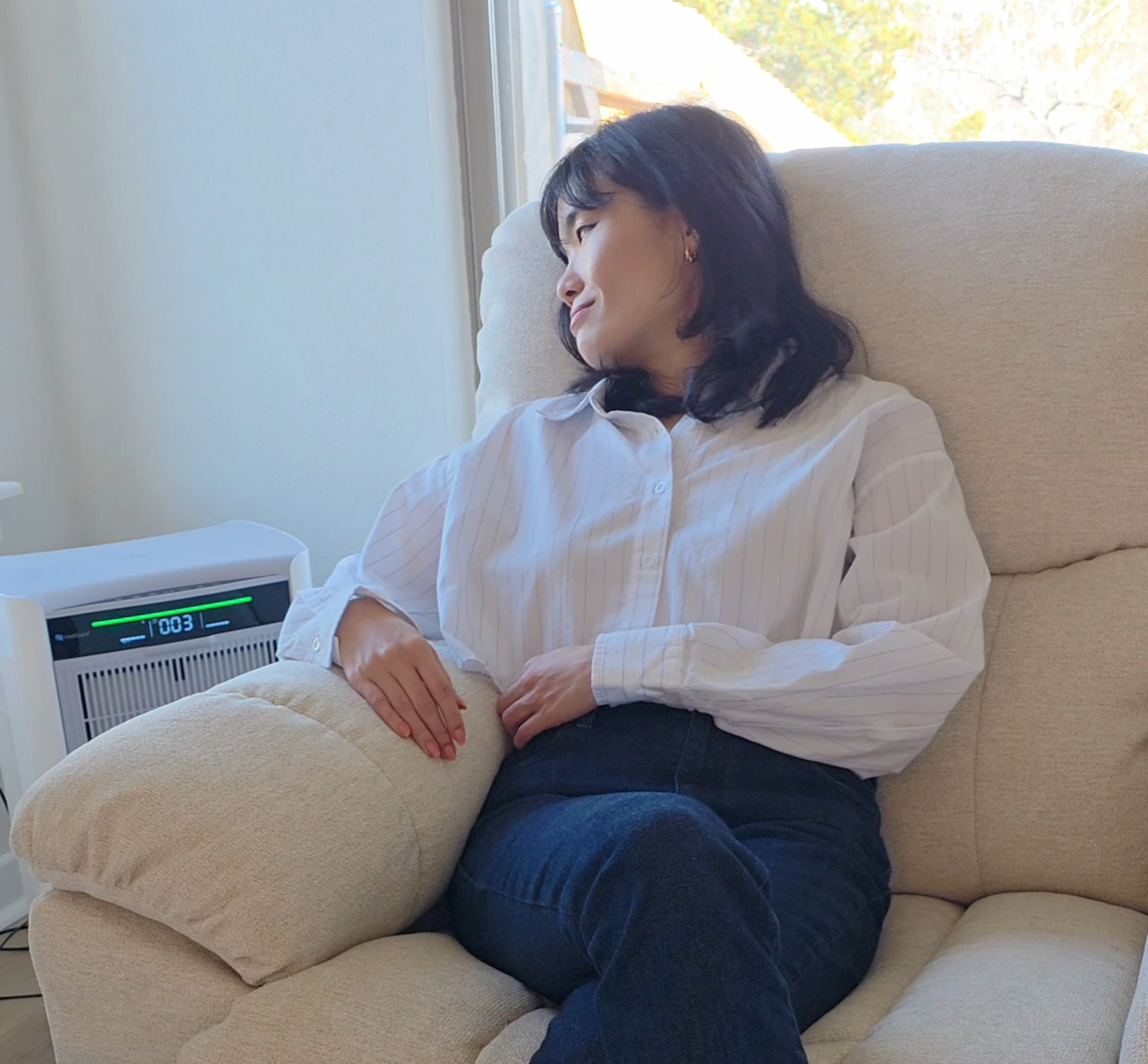
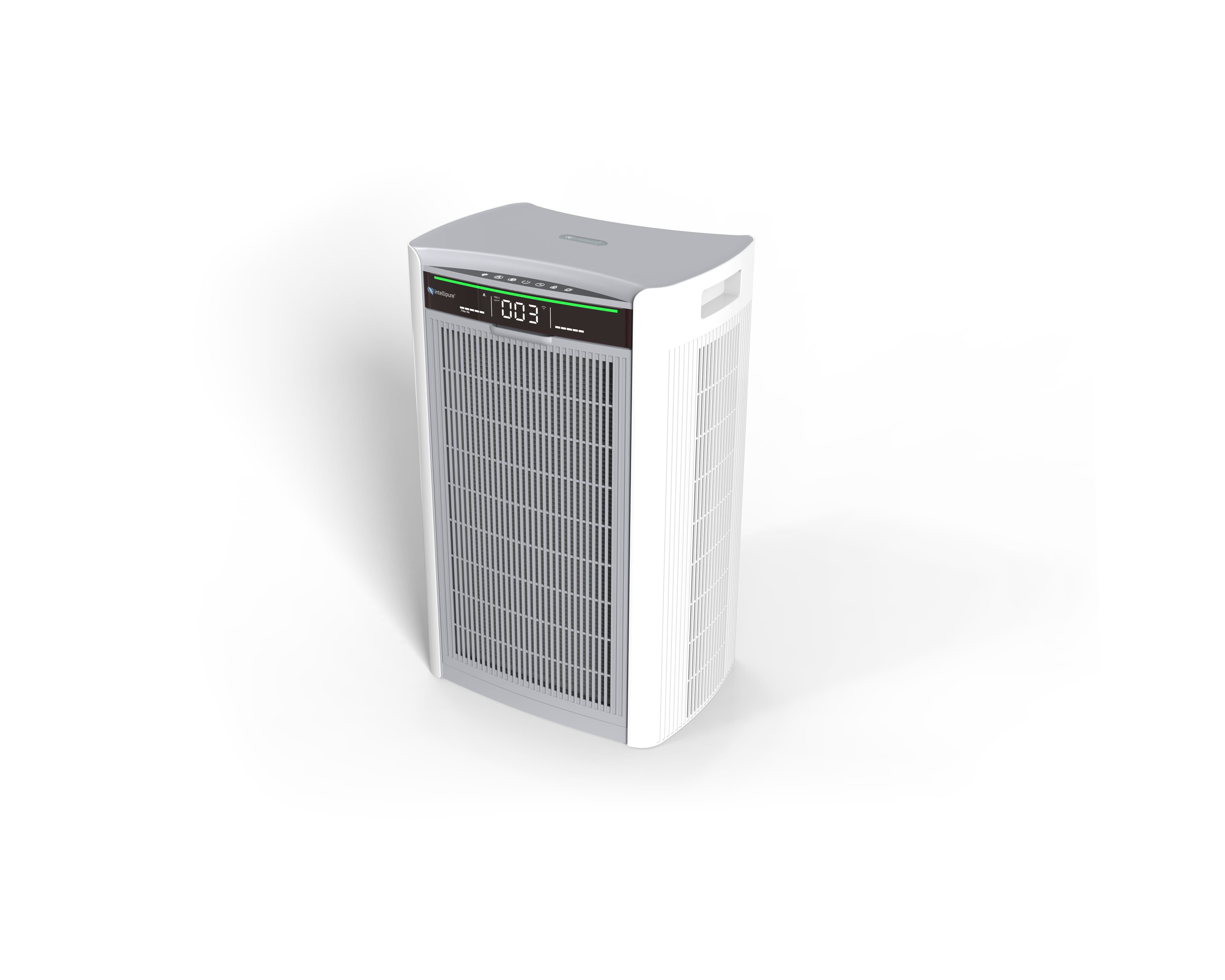
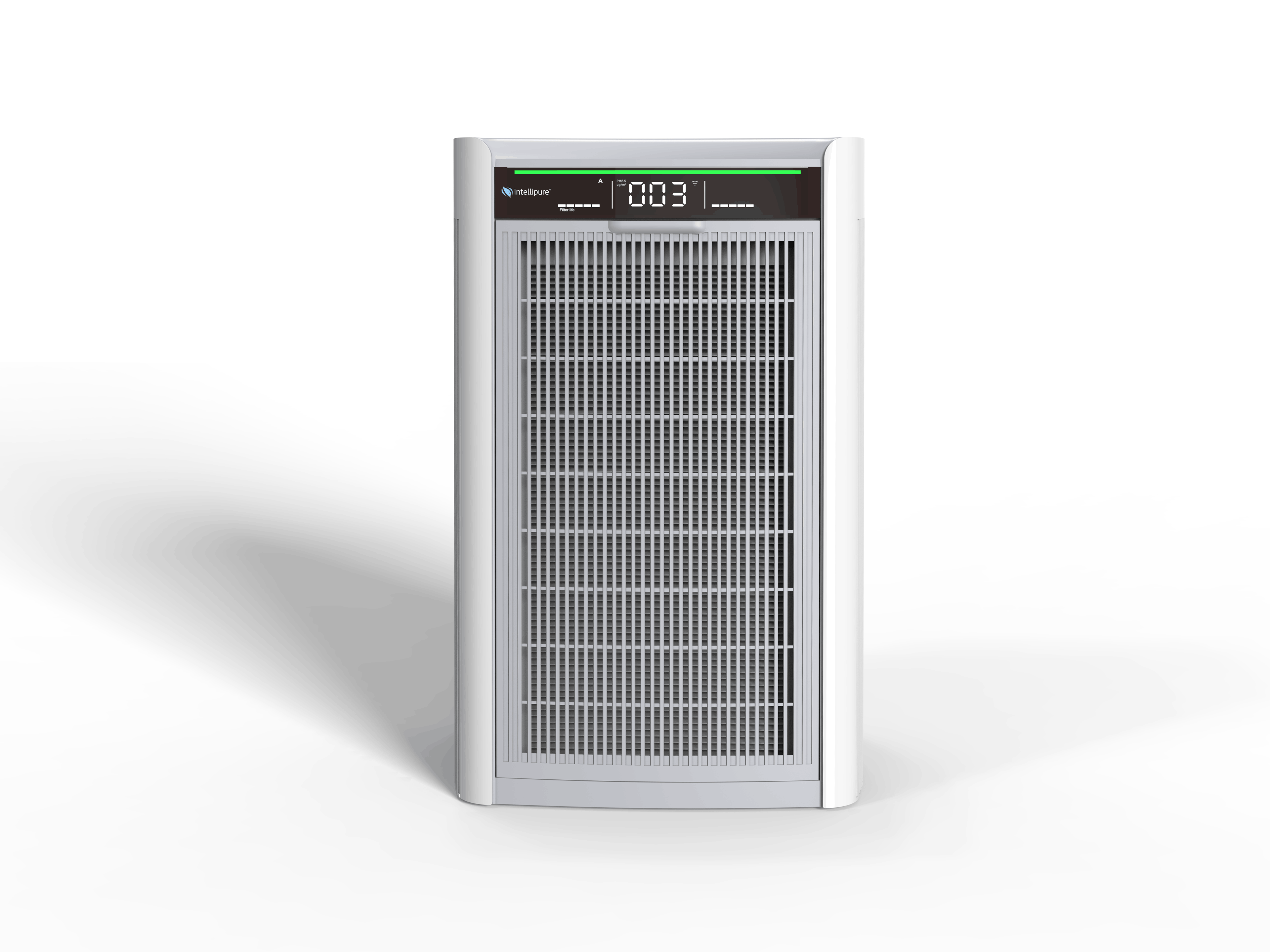
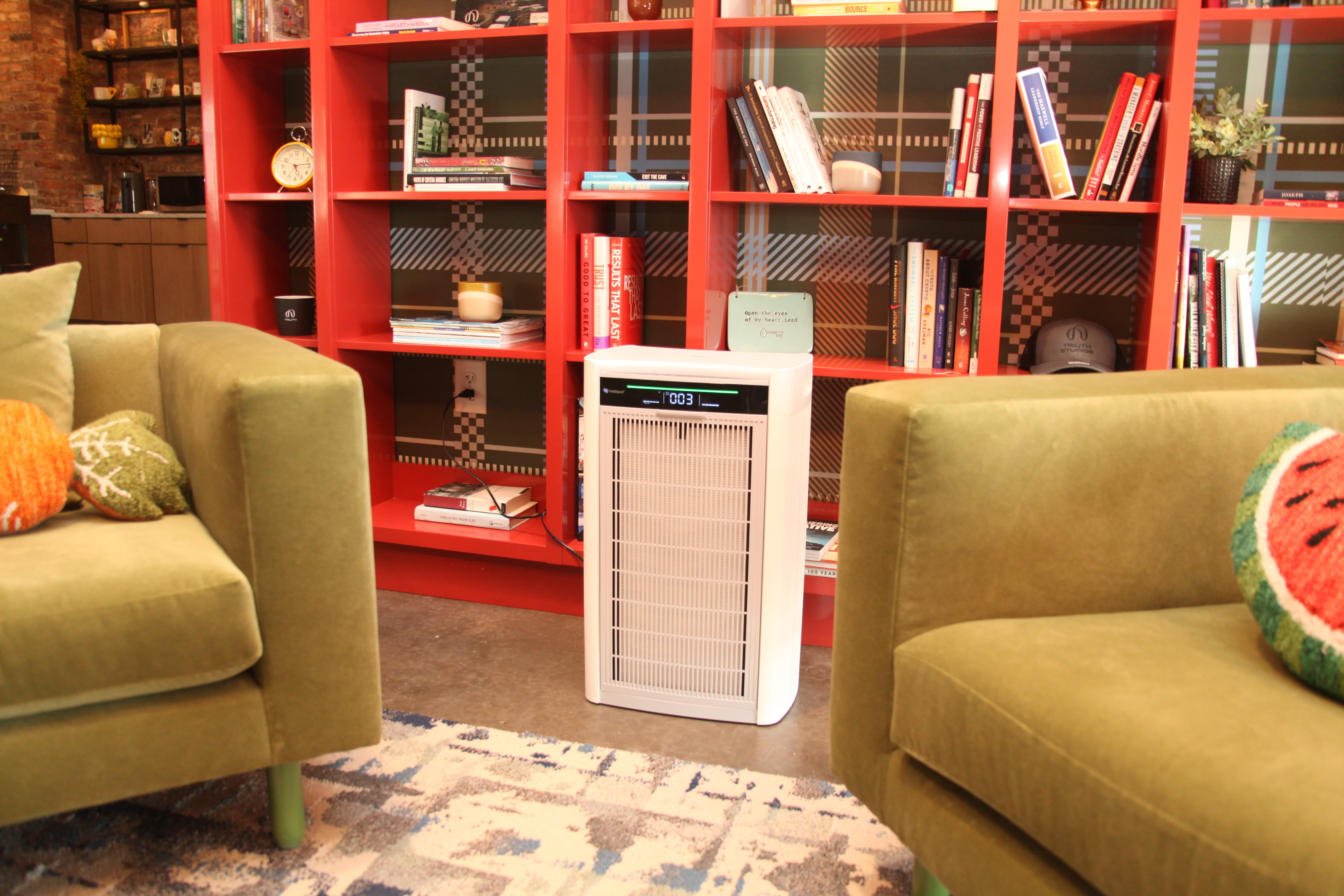
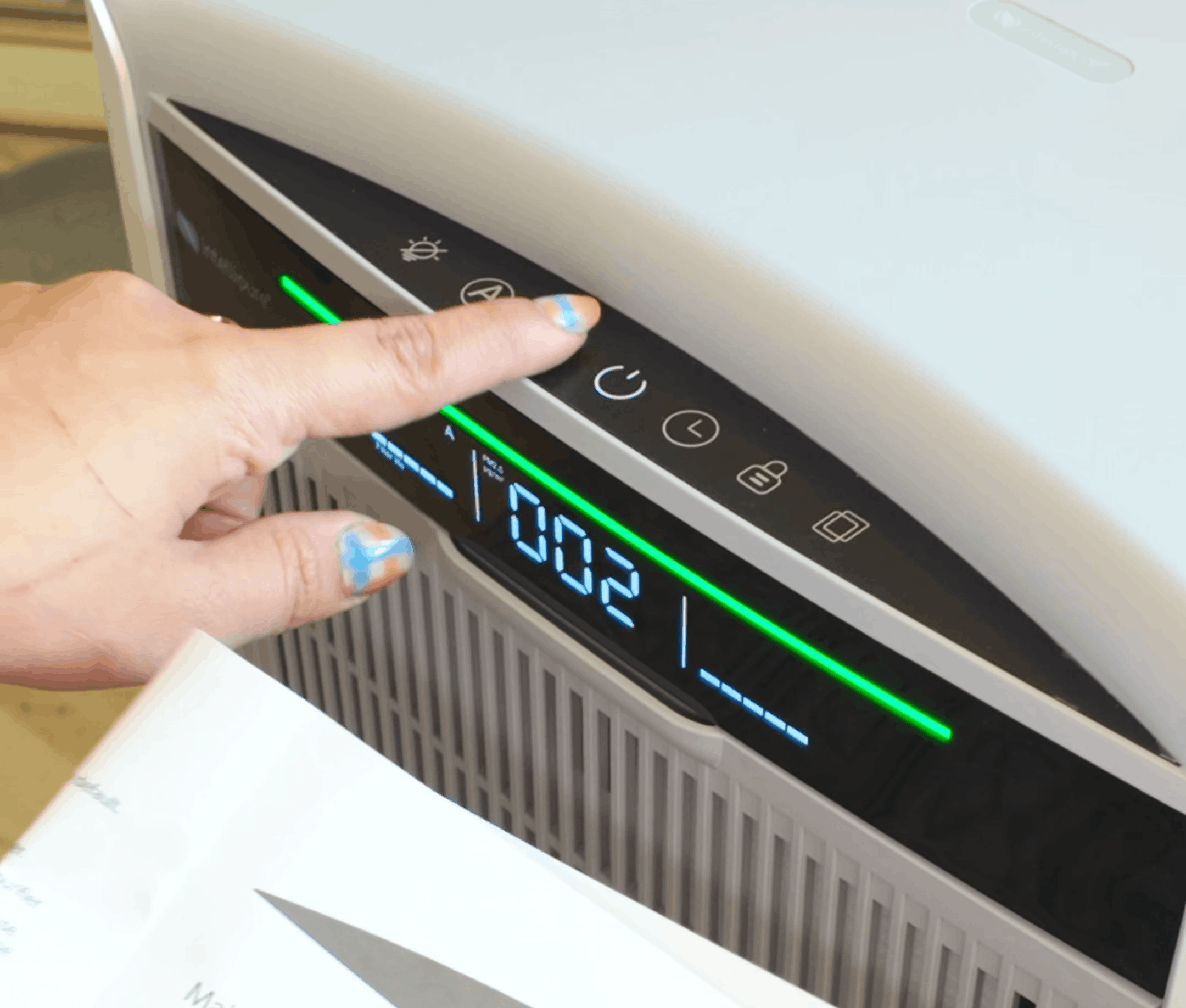
An air purifier can play a major role in managing fragrance-related indoor air pollution, but only if it's designed for the job.
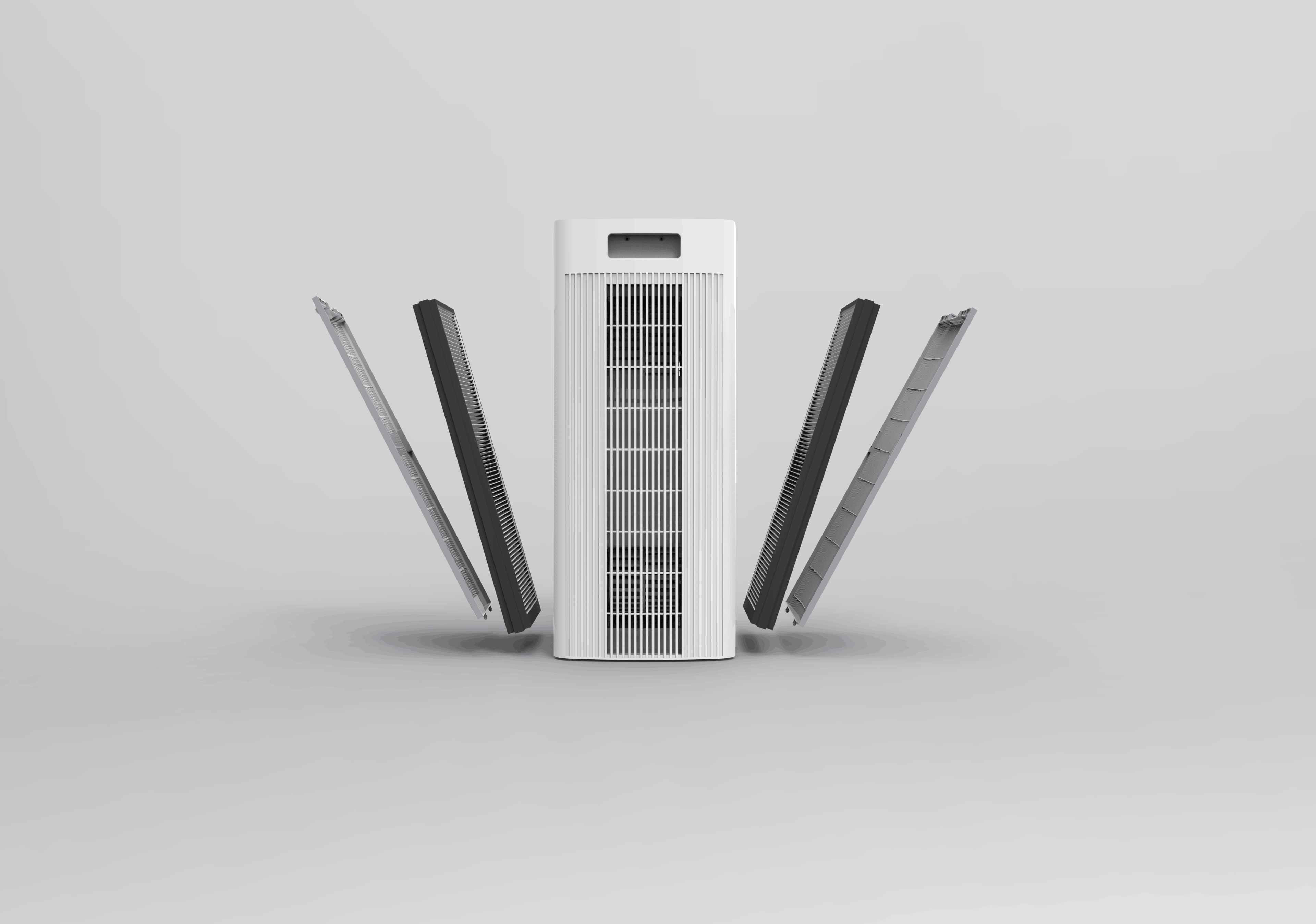
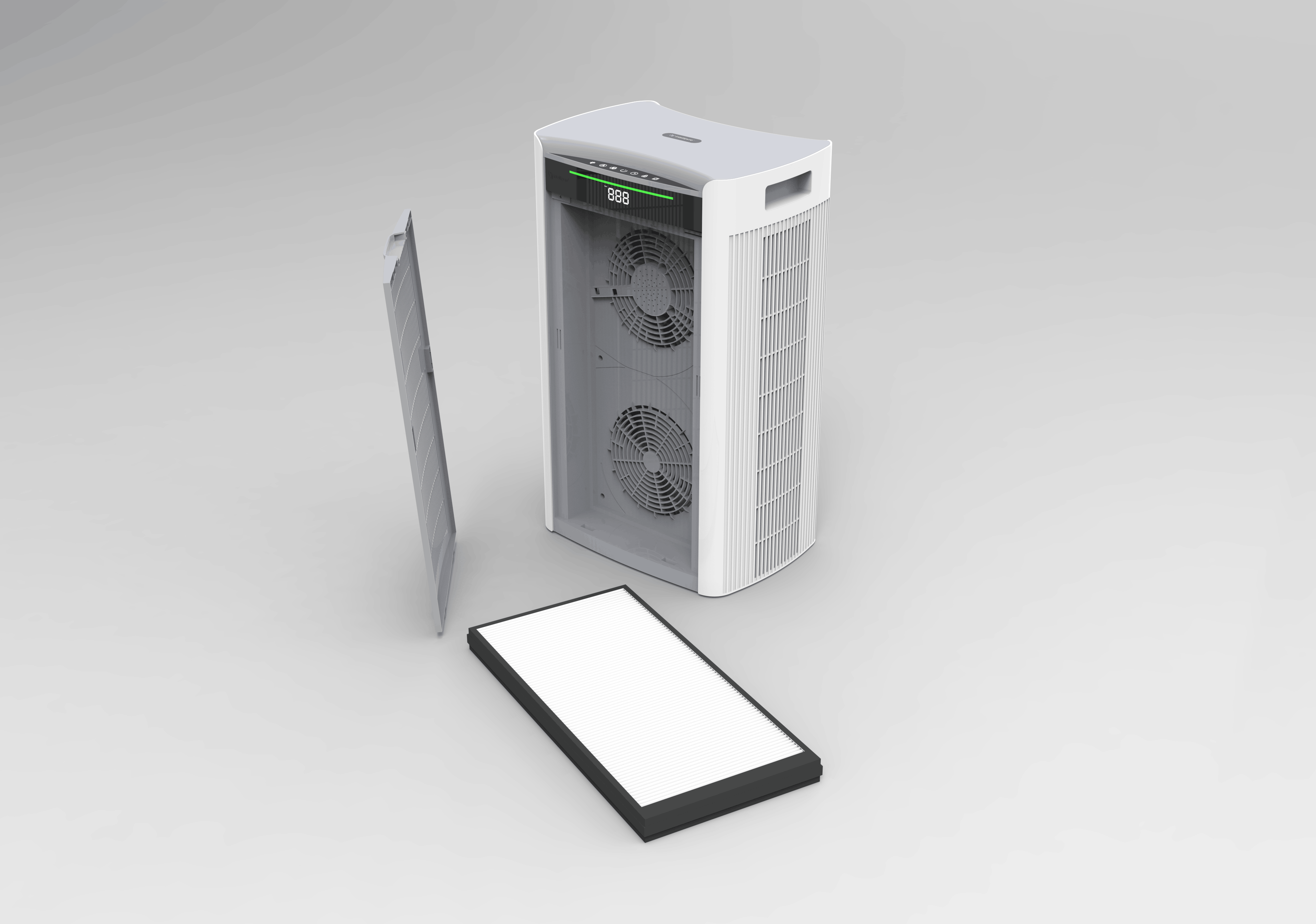
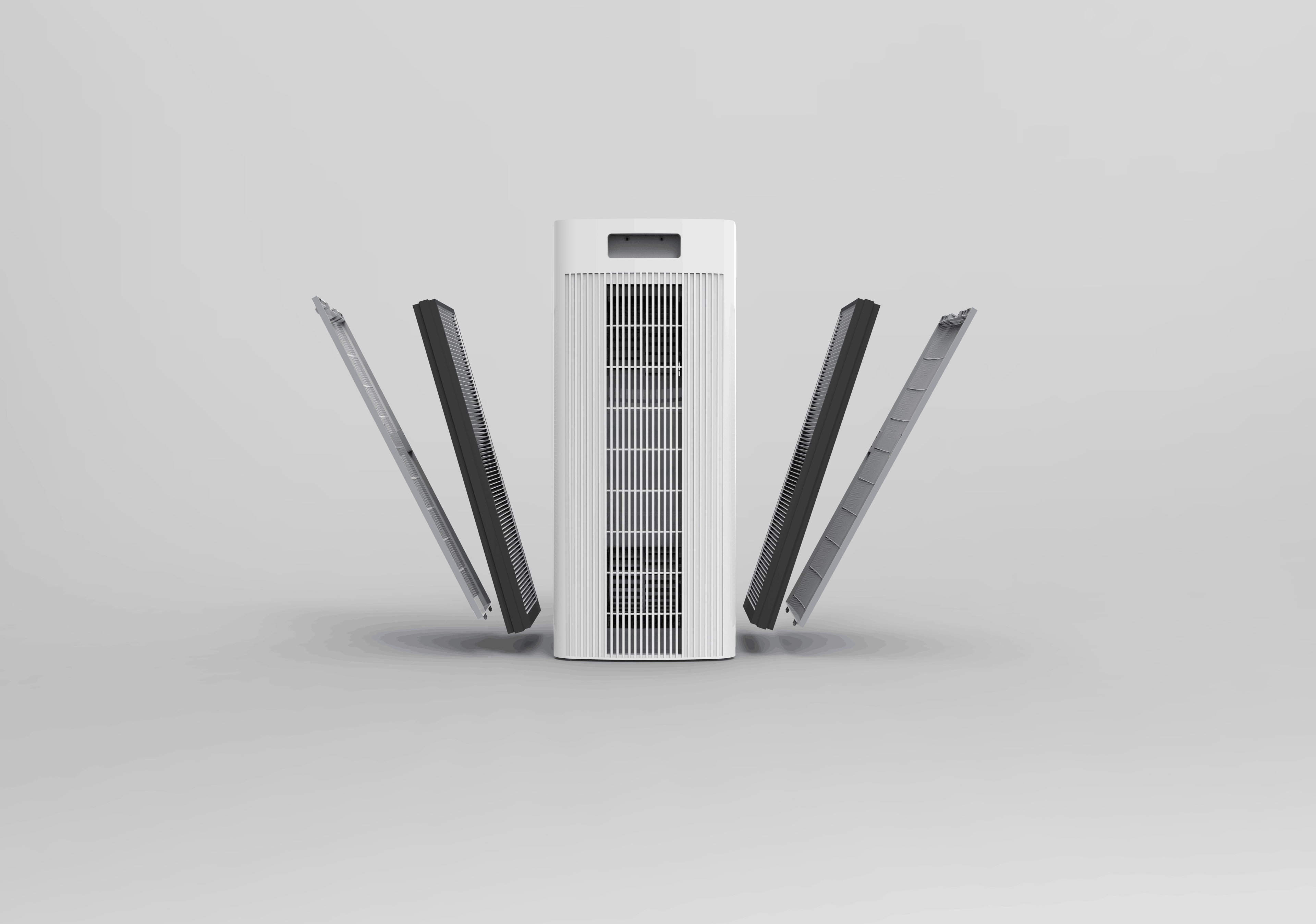
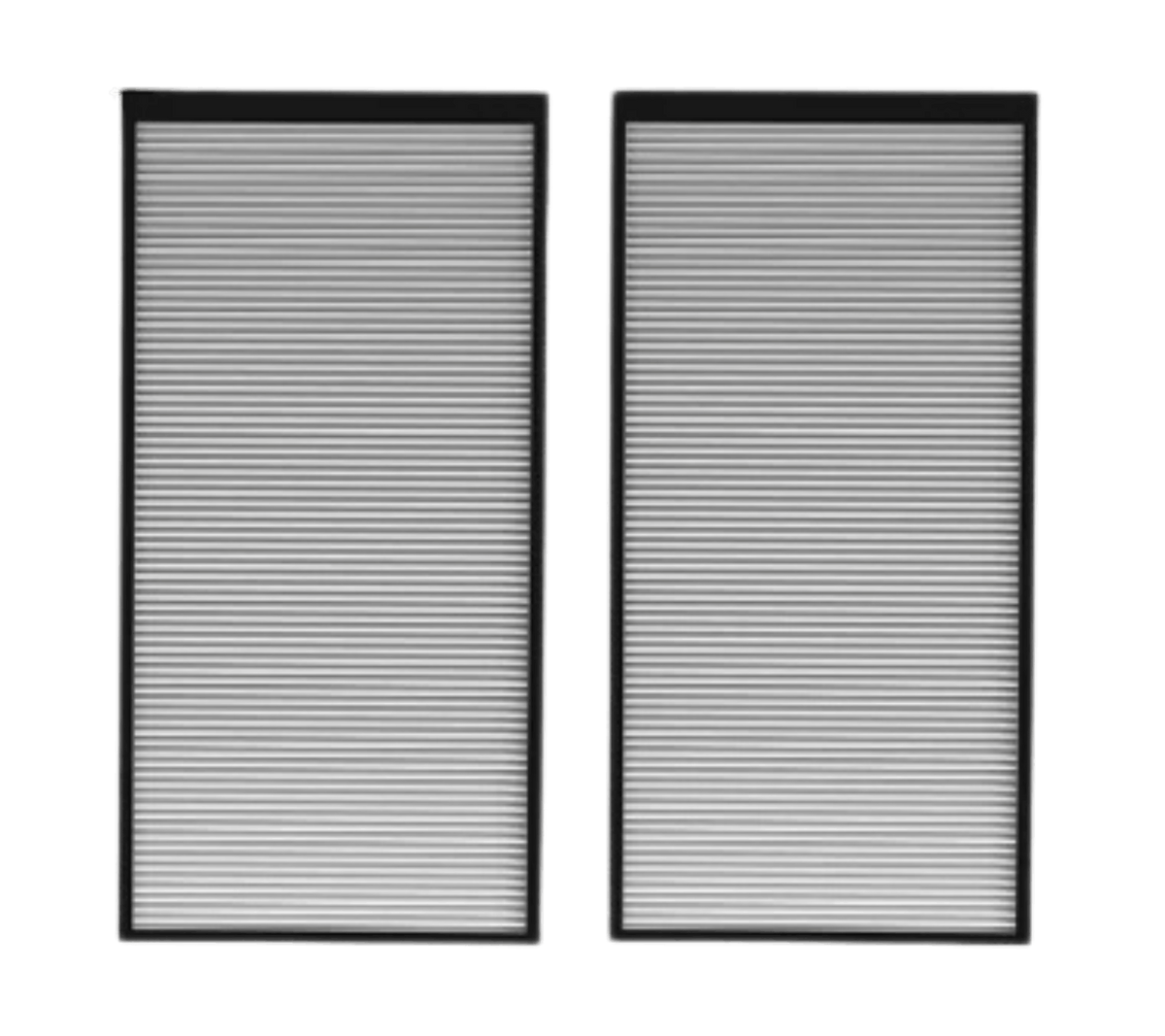
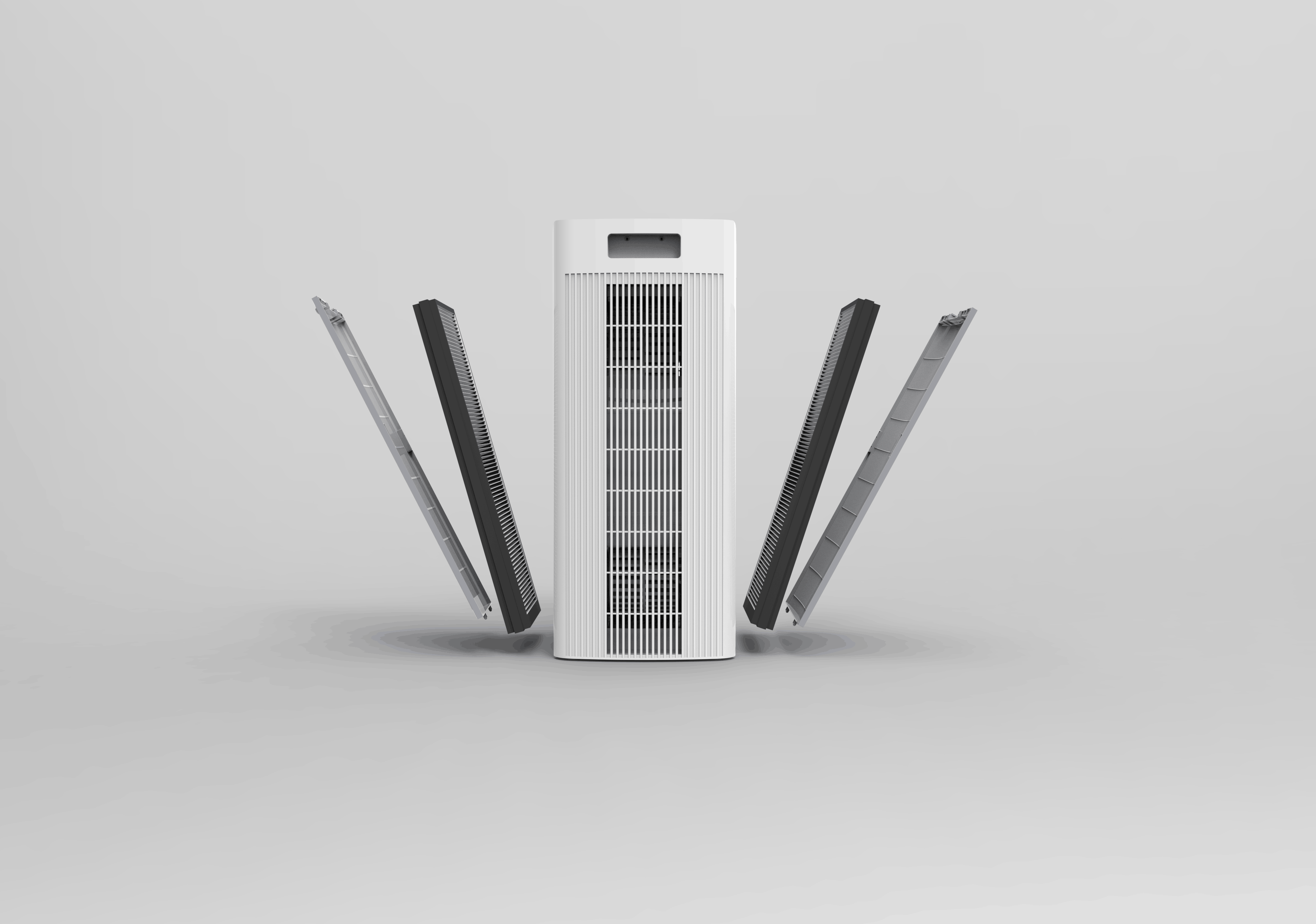
HEPA filters are very effective at capturing particles like dust and pollen. Fragrance-related VOCs require adsorbent materials (not to be confused with absorbent materials, adsorbent materials hold liquids or gases on its surface rather than soaking them up), such as activated carbon, to be reduced from the air [5].
Research also shows that the amount of activated carbon matters as much as its presence. Small quantities can become saturated quickly, limiting their effectiveness for VOC removal.
Used appropriately, a high-quality air purifier can support broader efforts to reduce indoor odors without the nasty chemical exposure. It'll pull all kinds of smells from your air, including perfumed ones, so it works best alongside reduced fragrance use and adequate ventilation.
The Takeaway
Synthetic fragrances are not automatically harmful, but they are something you should be aware of when thinking about your indoor air quality. They contribute VOCs to indoor air, linger in enclosed spaces, and can affect people differently depending on sensitivity, ventilation, and overall exposure.
Cleaner indoor air often doesn't smell like anything at all. And for many people, nothing is the most comfortable thing to breathe.
References
- U.S. Environmental Protection Agency. (2025, February 24). What are volatile organic compounds (VOCs)? Indoor Air Quality (IAQ).
- Steinemann, Anne. (2018, September 25). Fragranced consumer products: effects on autistic adults in the United States, Australia, and United Kingdom. Air Quality, Atmosphere & Health.
- Steinemann, Anne. (2016, October 20). Fragranced consumer products: exposures and effects from emissions. Air Quality, Atmosphere & Health.
- Centers for Disease Control and Prevention (CDC). (2017, August 1). Fragrances & work-related asthma. California Department of Public Health.
- U.S. Environmental Protection Agency. (2024). Guide to air cleaners in the home. Indoor Air Quality (IAQ).






5 Ways to Show Your Air Some Love This Month
The Nitty-Gritty on Carbon Filters