

Summary
We've all been there. You're crammed in a room for an office happy hour or some other gathering, huddled up with old friends and fresh faces, and you notice the person whose hand you've just shaken...
In This Article
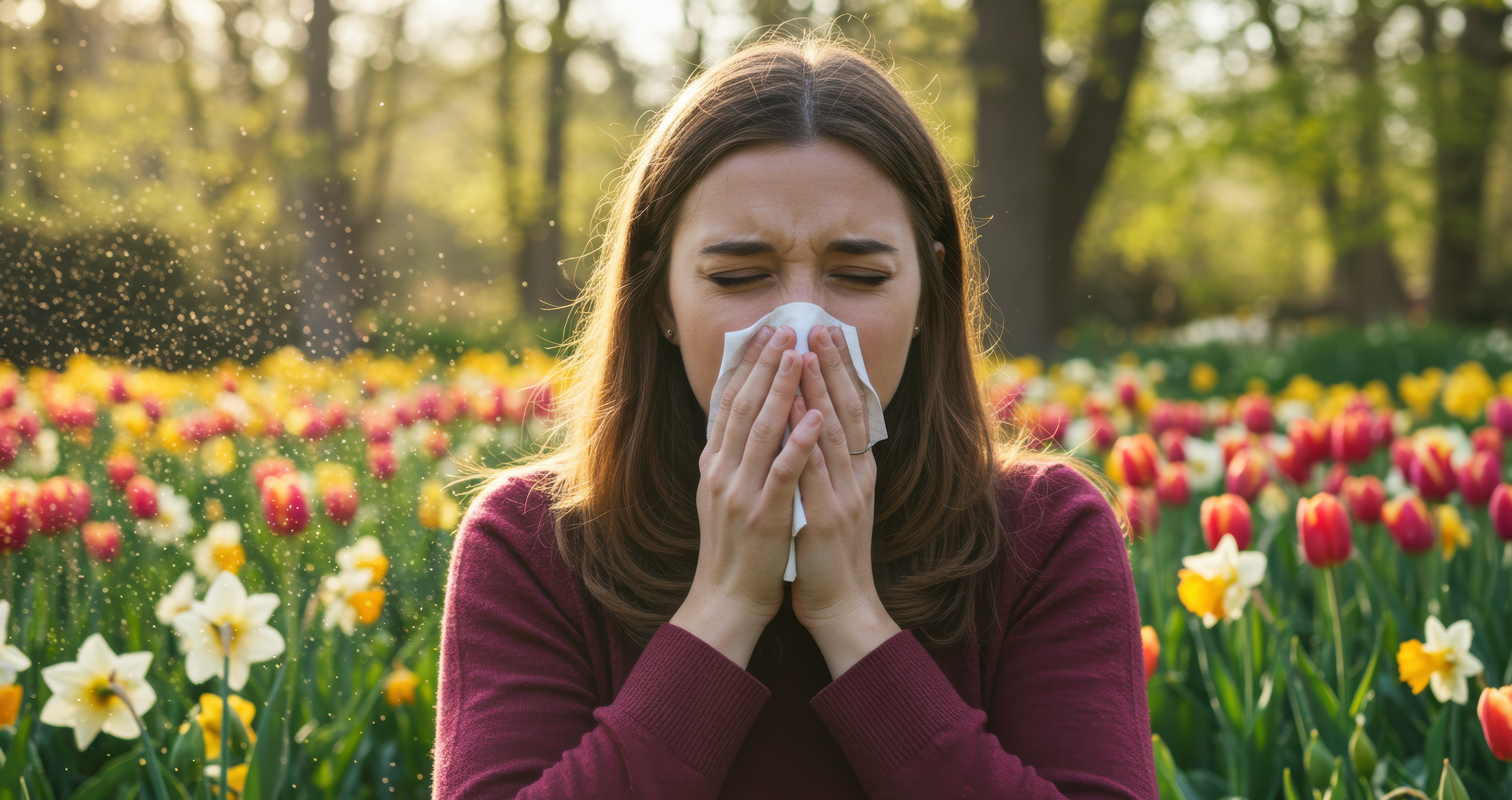
We've all been there. You're crammed in a room for an office happy hour or some other gathering, huddled up with old friends and fresh faces, and you notice the person whose hand you've just shaken is clearing their throat an awful lot. They're sniffling too. And is that a rasp in their voice?
It's spring break season, and your family has a big trip planned. A cold—or worse, the flu—could ruin everything, especially if it spreads to your partner and kids.
Your sudden internal panic must be showing on your face because the sniffly new acquaintance pauses mid-sentence to say, "Oh, don't worry. This is just allergies."
But how do they really know? How could anyone really know?
Sneezing? Could be a cold. Or it could be allergies. Depends on how frequently you're sneezing. [1]
Is your nose more runny or more stuffy? Trick question: Both allergies and colds can cause a stuffy and/or runny nose, so that doesn't help you rule either out. [2]
But it's spring. The peak season for common allergens, like tree pollen. That must be what's going on.
Then again, temperature changes can stress out your immune system, making it easier to catch a cold, influenza (flu), or even COVID-19... [3]
Confusing, right?
If you don't already have a headache, trying to sort out your symptoms and self-diagnose might just give you one. Anyway, why bother trying to solve whether you're suffering from allergies, a cold, a flu, or something else entirely? Whatever you've got, it'll go away soon. Won't it?
(psst: As you're about to find out, assessing the differences between illnesses and allergies is tricky. The best way to pinpoint whether you're dealing with allergies, a cold, flu, some combination of the above, or something else entirely, is by making an appointment with your doctor. The information we share here is science-backed and expert-approved, but it's no substitute for medical advice from a healthcare professional. Now, on to the article!)
Why You Should Care Whether It's Really "Just Allergies"
Cold symptoms happen when your immune system responds to a virus you've caught. Seasonal allergy symptoms also stem from an immune system reaction—but to an allergen in your environment, like pollen or dust, versus a virus. [2]
Allergies are NOT contagious. Viruses are. Viruses spread through handshakes, coughs, sneezes, and contaminated surfaces. [4] This distinction matters because when you have a virus, you'll want to limit your interactions with other people, or at least take plenty of precautions like washing your hands extra frequently.
You can make health-related judgment calls more confidently if you know what you have (or what your family member has). This includes tricky decisions like:
Do I Need to Keep My Kid Home from School or Daycare?
Most kids catch at least six colds every year (yikes!), so this is a question that comes up a lot.
According to the American Academy of Pediatrics: "After a cold, make sure your child stays home until they're fever-free for 24 hours. If no fever is present, wait until symptoms are manageable. Make sure your child has enough energy to get through the day before returning to usual routines." [1]
Since allergies aren't contagious, you don't really have to worry about your child passing along symptoms to other kids in the classroom or at their play date. That said, allergies can cause fatigue and general crumminess, so listen to your gut and go ahead and RSVP "no" to that birthday party if you think your little one needs some rest instead. [4]
What's the Best Way to Treat These Symptoms?
A doctor can give you guidance on the best medication options and action plans for when you find yourself struggling with allergies, a cold, or flu. What you don't want to do is play around with different at-home treatments willy-nilly. As Dr. Teresa Hauguel, a National Institutes of Health (NIH) expert on infectious diseases that affect breathing, says: "If you know what you have, you won't take medications that you don't need, that aren't effective, or that might even make your symptoms worse." [5]
Do I Need to Cancel My Plans Because I'm Sick?
Being able to read your symptoms and detect whether it's truly "just allergies" you're grappling with helps you determine when it's best to stay home. (Of course, self-diagnosing can only take you so far, and you should always consult your doctor when you have health concerns.)
Colds and flus can cause pretty severe symptoms, and as mentioned, are contagious. They rarely last more than two weeks, though. Allergy symptoms, on the other hand, tend to last as long as you're exposed to the allergen. For example, if it's pollen season and you're allergic to pollen, you could be fighting the sniffles and sneezes all spring, summer, and fall. [5]
If a virus is to blame, go ahead and cancel tonight's dinner date plans. But hold off on selling your tickets to a show a couple weekends away. Most viruses will have run their course by then.
If your doctor confirms you have allergies, and only allergies, weigh your symptoms and mood and consider what, if any, triggers might be present at the event in question. Then make the best decision for you.
It's More Likely to Be Allergies If …
As temperatures rise in the spring, outdoor air becomes full of allergens, namely pollen. Over 50 million people in the United States experience some degree of spring allergies. Depending on what region you live in, symptoms might start up as early as February, and they can drag on through the fall, especially if you're allergic to ragweed. [3]
You can help distinguish between a seasonal allergy and a cold by paying close attention to your combination of symptoms, as well as how regularly the symptoms appear. [2] According to the NIH, "Each condition has key symptoms that set them apart." [5]
Telltale signs it's allergies and not a cold:
- You have itchy and/or watery eyes [5]
- Your eyelids are puffy
- Your under-eye areas appear dark [2]
- The drainage from your runny nose is thin, clear, and watery
- You're sneezing frequently or in rapid bursts [1]
- Your symptoms get worse around your triggers (like pollen, pet dander, or mold) [3]
- Your symptoms carry on for entire seasons (or as long as the allergen is present in the air) [4]
- Antihistamines, nasal steroid sprays, and nasal saline rinses make you feel better [2]
Allergies occur year-round. While pollen allergies often ease during the colder winter months, sensitivities to indoor triggers—like mold, pet dander, and dust mites—can actually worsen. People tend to spend much more time sealed up in their homes in the winter, trapped in with common indoor air irritants. On top of this, your furnace dries out the air in your home and circulates allergen particles throughout. [4]
For science-backed tips on how to protect your body and your home from allergens and irritants, be sure to check out our Official Home Allergy-Proofing Checklist.
It's More Likely to Be a Virus If …
Colds, flu, and COVID-19 are all contagious respiratory illnesses caused by distinct viruses. Rhinovirus is usually to blame for the common cold, but there are lots of different strains out there. [1]
If you think the symptoms you're experiencing are viral, you'll need to get checked out by your doctor to get a specific diagnosis. But there are a few clues that might help you rule out allergies, at least.
Signs that point to a virus instead of allergies:
- Your throat is more sore than itchy
- You're coughing a lot
- You have a fever [2]
- You're experiencing body aches
- You feel discomfort in your chest
- You notice a loss of taste or smell [3]
- Nasal drainage is thick
- You're sneezing, but only occasionally and with pauses in between (not rapid bursts) [1]
- With treatment, your symptoms mostly go away after a couple weeks [5]
If you have the flu, be sure to get lots of rest and drink plenty of fluids. Over-the-counter (OTC) decongestants or pain relievers might help you feel a bit better, but do consider visiting your doctor to find out if an antiviral medication or other treatment is a smarter path for you.
Or Maybe It's Both! (Allergies on Top of a Virus)
Bad news: It's possible to have allergies and a cold at the same time. In fact, seasonal allergies can make you more likely to contract a cold, flu, or other respiratory illness because your nasal passages are already irritated and vulnerable. What's worse is that the symptoms you experience from an illness are usually more severe if you're already suffering from allergies. [3]
Your Doctor Knows Best
We know we sound like a broken record, but we really want to drive this point home: Always choose your doctor over the internet for medical advice. The point of being able to tell the difference between allergies and sickness isn't so that you can self-diagnose and treat your illness at home; it's so that you know when to seek help from your healthcare provider.
According to the American Lung Association (ALA), "If you have a respiratory virus like the cold or the flu, watch symptoms closely and if they continue for more than a week or two, let your healthcare provider know. If symptoms continue to get worse, you need to see a doctor as something as seemingly minor as the flu can develop into bronchitis, pneumonia, or become life-threatening."
Getting your annual flu shot and maintaining good hygiene significantly reduce your risk of getting severe influenza. [3]
Clean Air Helps, No Matter What
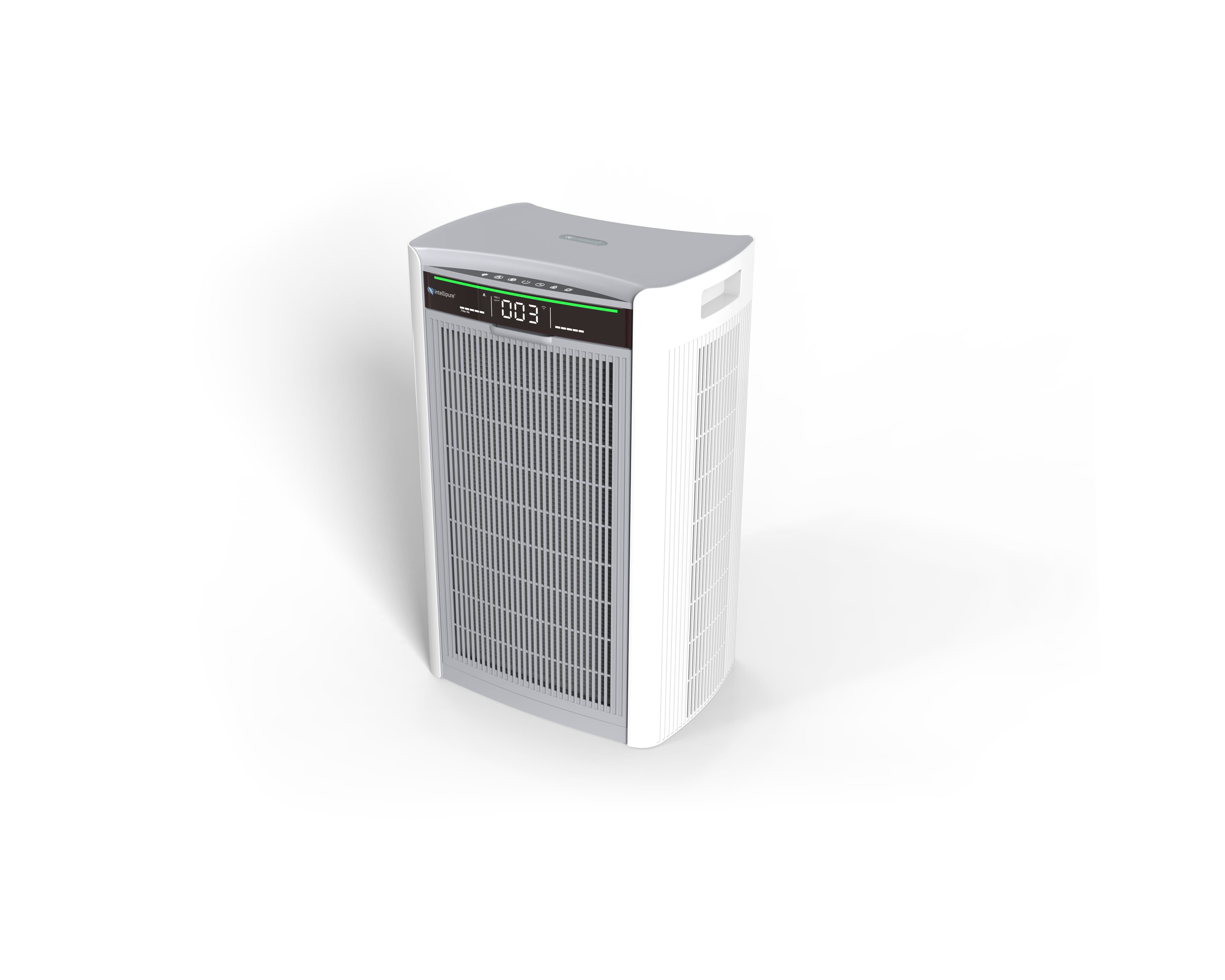
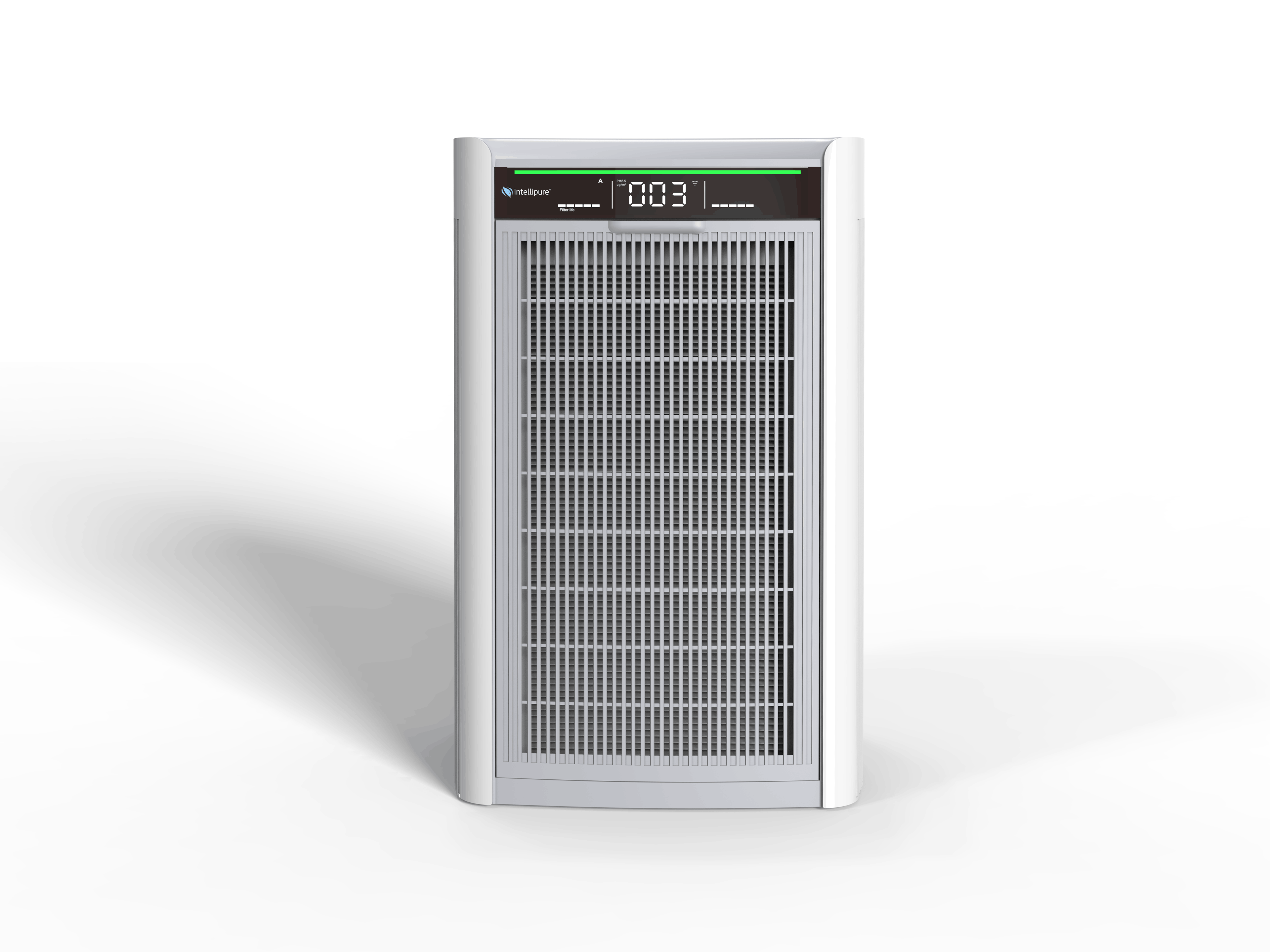
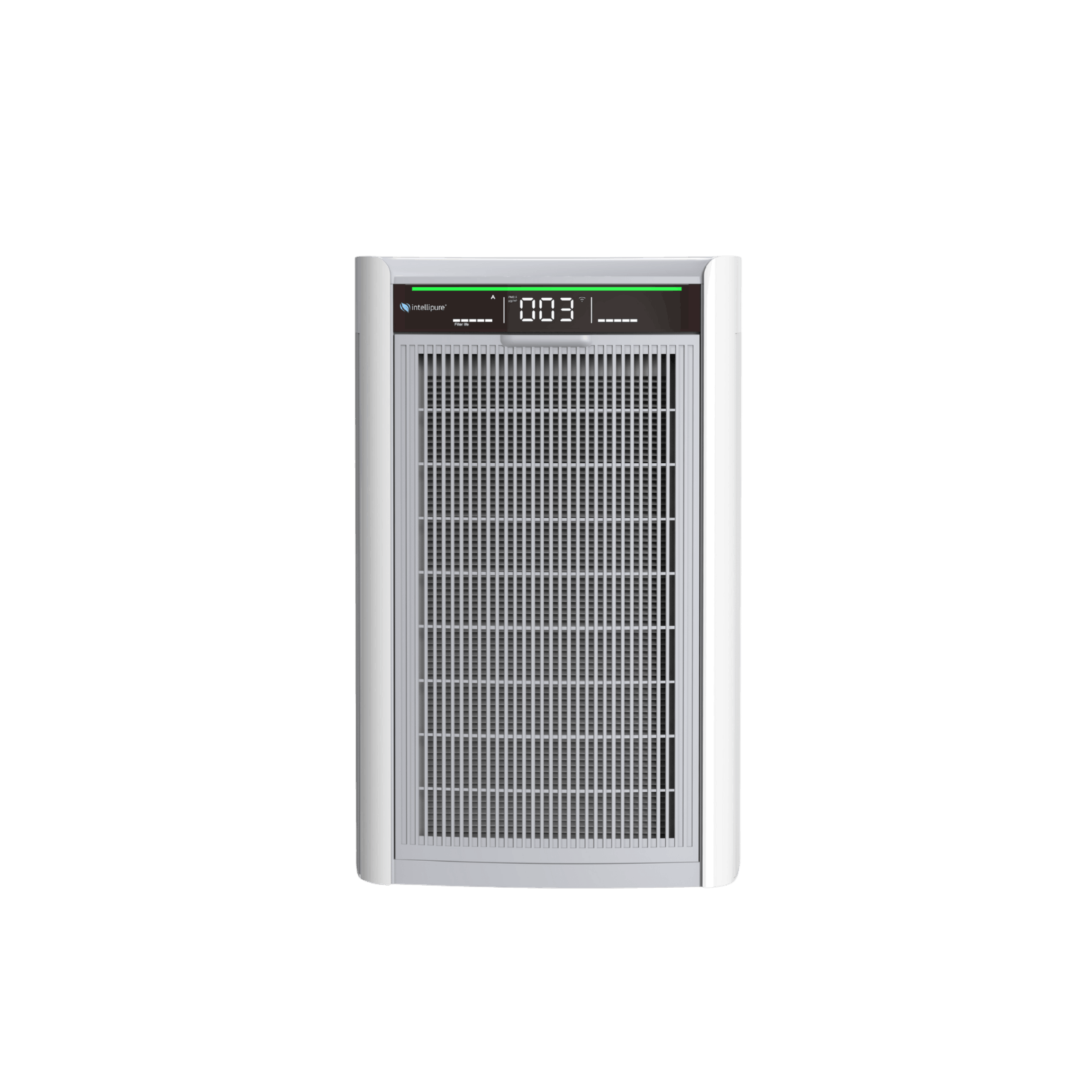
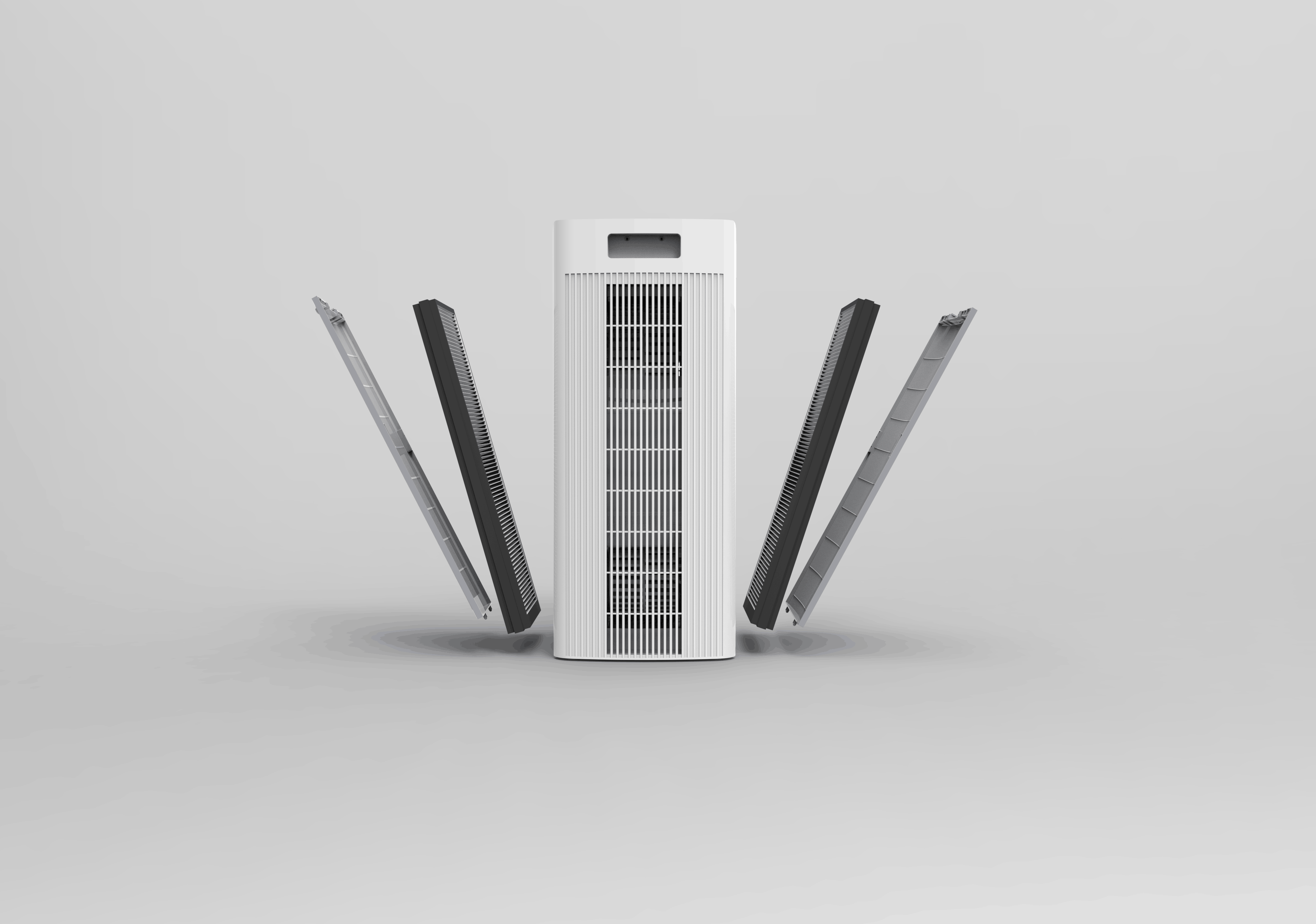
Lots of people turn to an air purifier for allergies, and for good reason. Allergies, cold, and flu all affect your respiratory system, making it harder to breathe. [5] While air filtration can't eliminate all health risks, indoor air purifiers do provide an important layer of protection against airborne viruses AND allergens in your home.
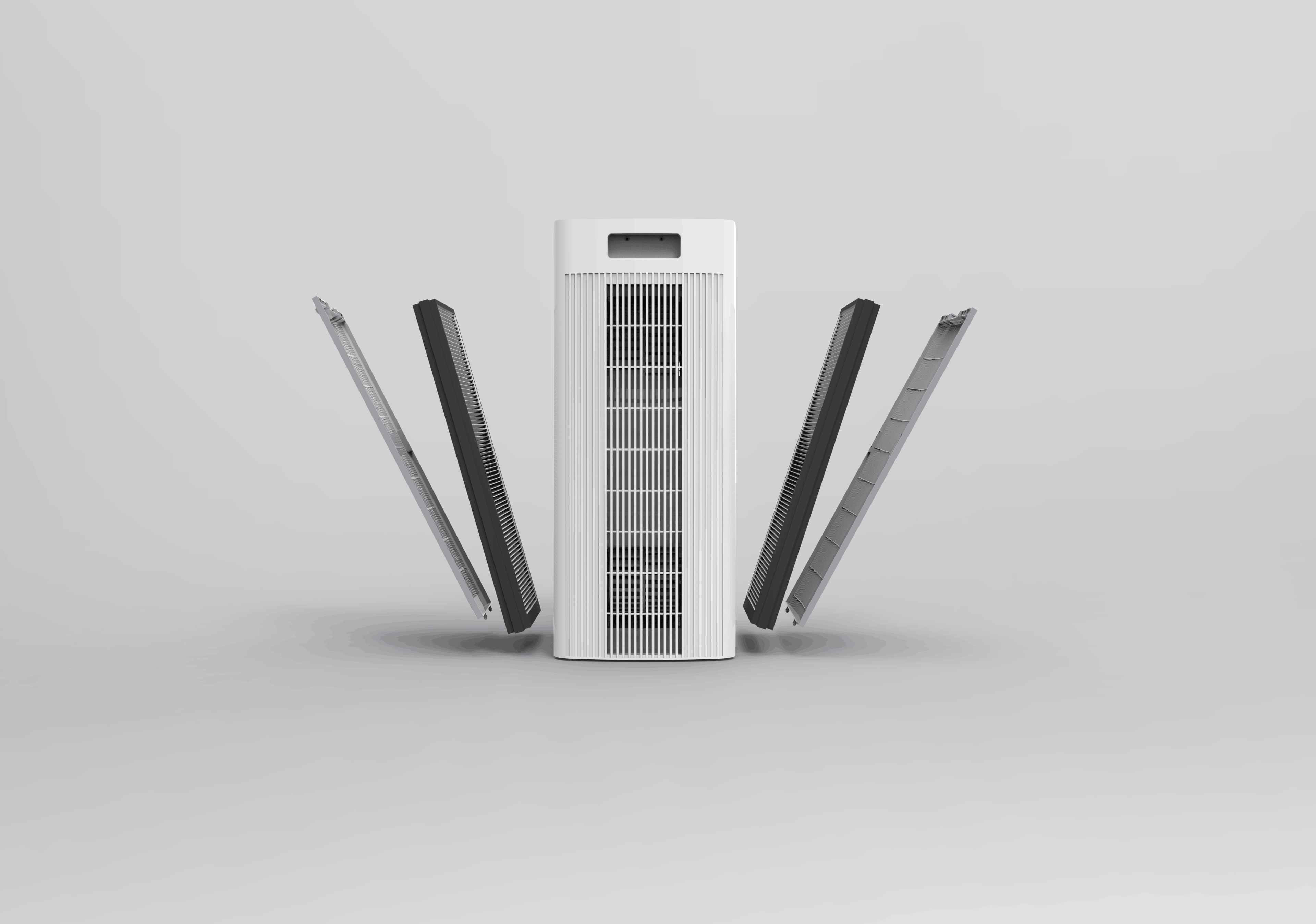
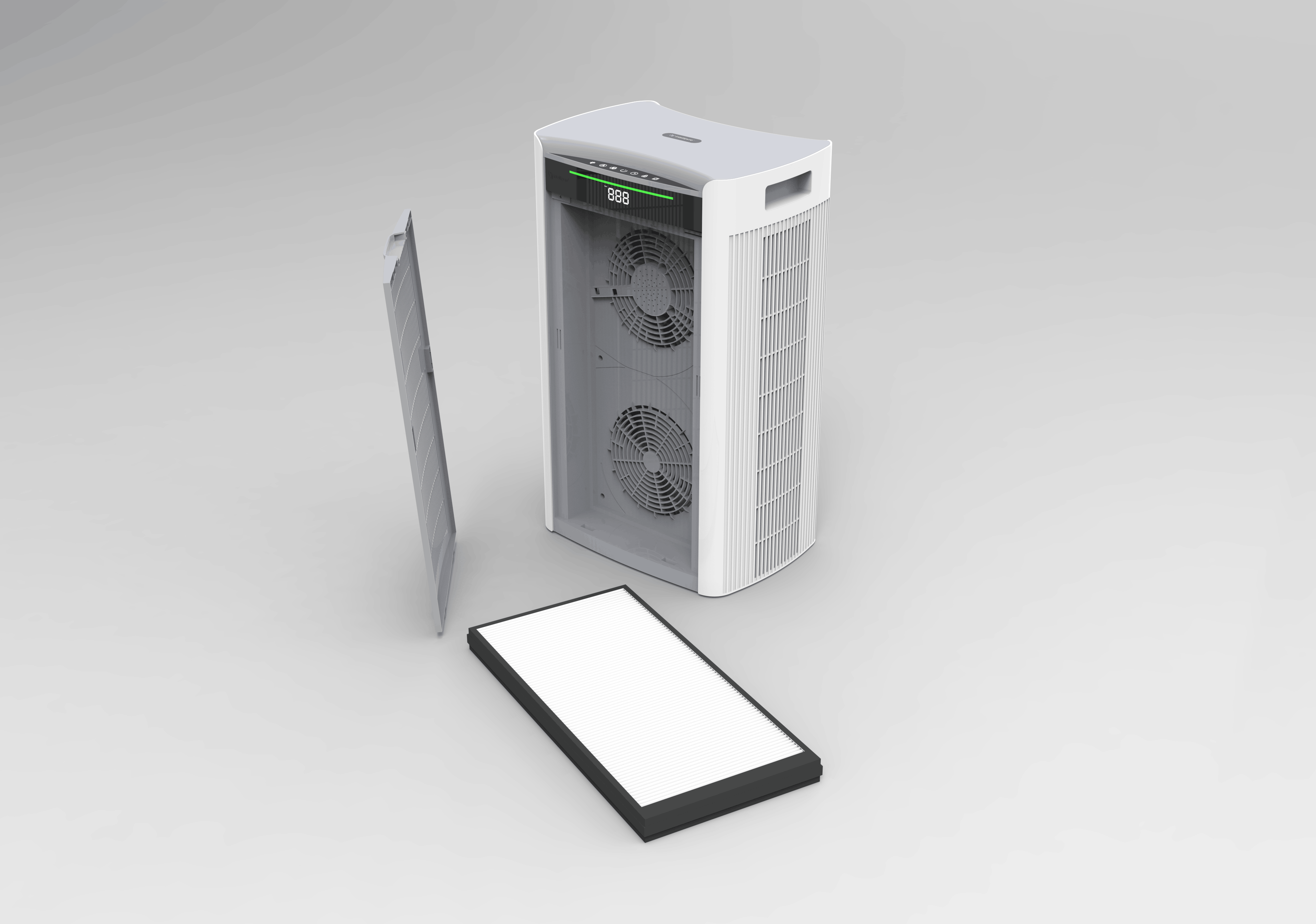
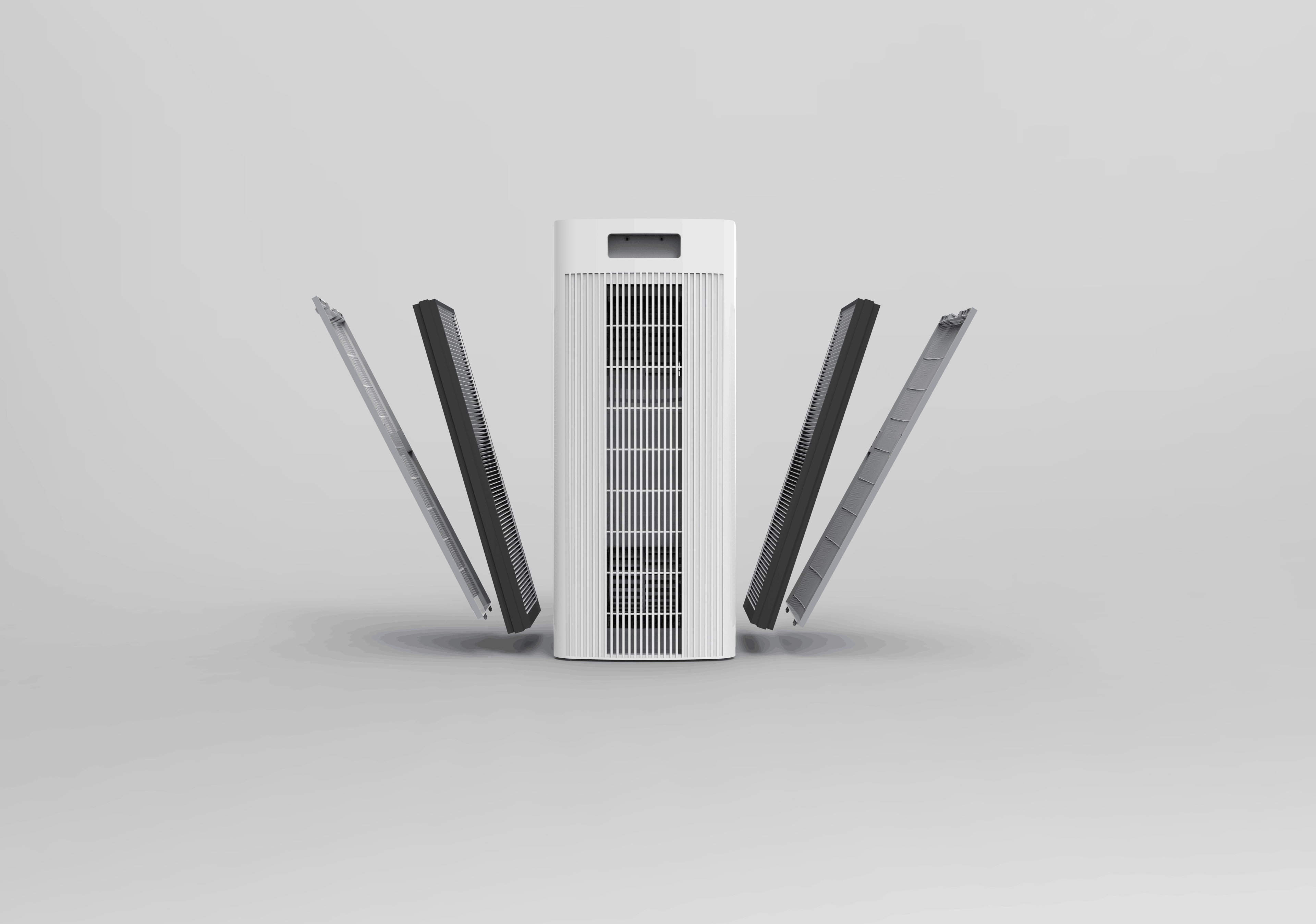
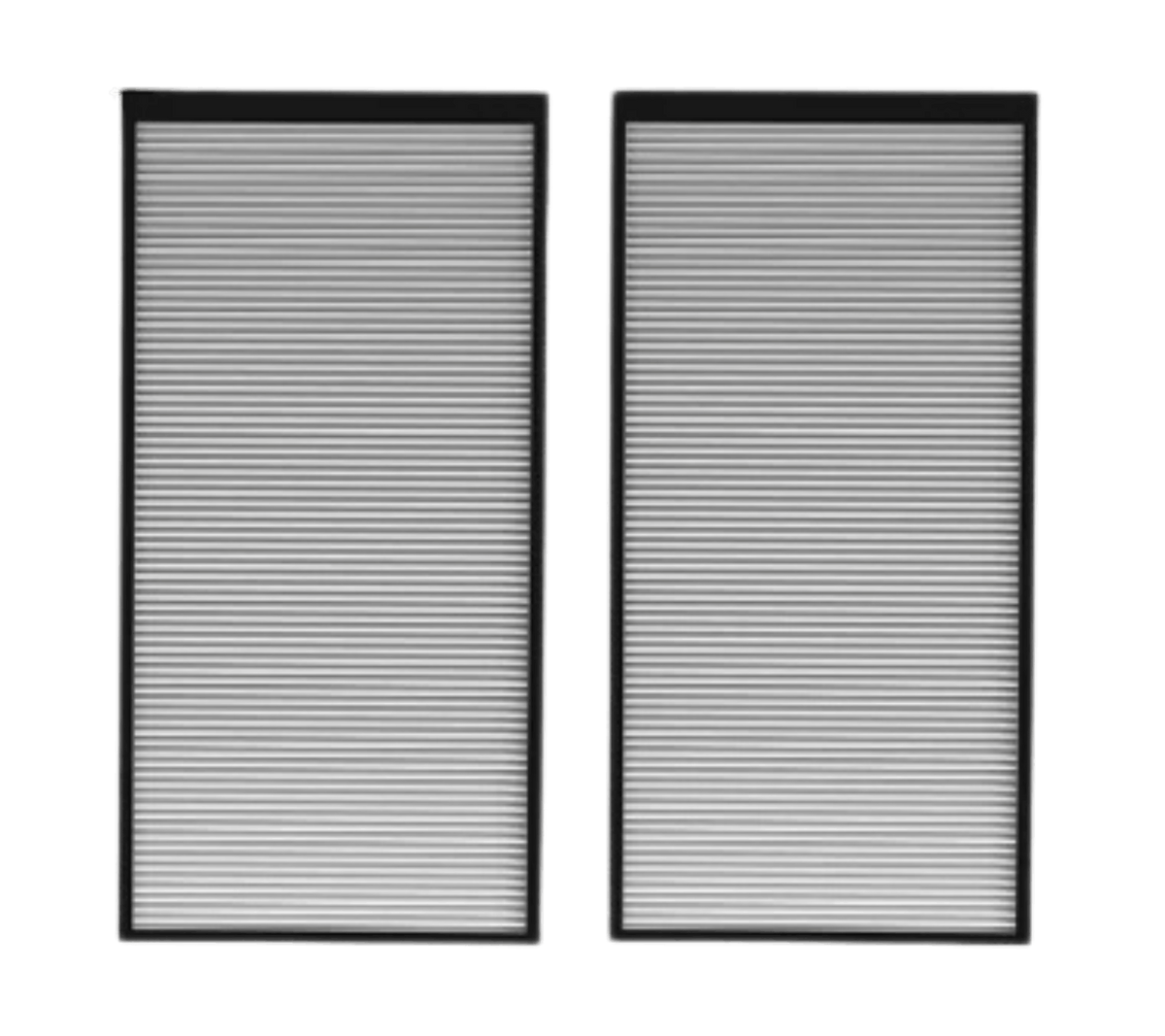
High-efficiency particulate air (HEPA) filters are designed to remove common allergens—like pollen, dust, and pet dander—as well as microscopic germs in the air that can make you sick. You can find HEPA filters in portable air purifiers, vacuum cleaners, and HVAC systems. They only work when the device is running, though, so factor that in when deciding how frequently to turn it on. Also, regular cleaning and filter replacement are key for maintaining your purifier's effectiveness.
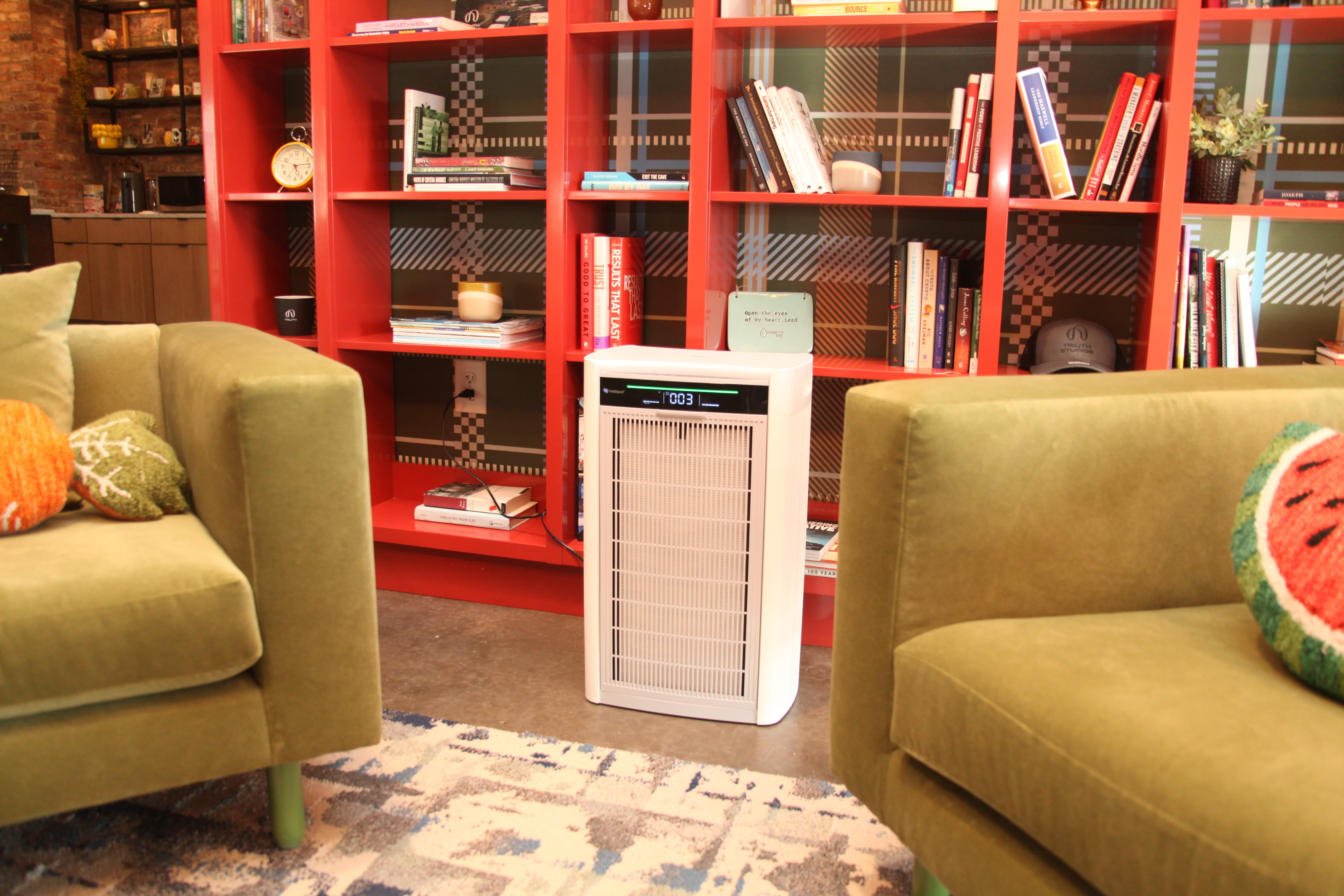
Improving your home's air quality through proper filtration can help prevent illness, reduce transmission of viruses, including COVID-19 and influenza, and alleviate seasonal allergy symptoms. For maximum benefit, place portable air purifiers where you and your family spend the most time, or in rooms where vulnerable people—like young children, elderly family members, or people with compromised immune systems—tend to hang out.
Air purification works best as part of a comprehensive approach to health. Combining improved indoor air quality (IAQ) with other preventive measures, including frequent handwashing and staying current on vaccinations, can really make a difference. [6]
So, while you're asking yourself if it's a seasonal cold or a seasonal allergy you're fighting, why not also ask the bigger question:
What can you do to better protect your health and your home from airborne bacteria, allergens, and other respiratory irritants in the first place?
(When you're feeling better, of course.)
References
- American Academy of Pediatrics. Is It a Cold or Allergies? How to Tell the Difference [Internet]. HealthyChildren.org; 2025. Available from: https://www.healthychildren.org/English/health-issues/conditions/allergies-asthma/Pages/Is-It-Allergies-or-a-Cold-How-to-Tell-the-Difference.aspx. .
- Mayo Clinic. Cold or Allergy: Which Is It? [Internet]. 2024. Available from: https://www.mayoclinic.org/diseases-conditions/common-cold/expert-answers/common-cold/faq-20057857. .
- American Lung Association. How to Know If It’s Allergies or an Illness [Internet]. 2024. Available from: https://www.lung.org/blog/allergies-vs-illness.
- Mayo Clinic. Is It an Allergy or a Common Cold? [Internet]. Speaking of Health; 2024. Available from: https://www.mayoclinichealthsystem.org/hometown-health/speaking-of-health/is-it-an-allergy-or-the-common-cold. .
- National Institutes of Health. Cold, Flu, or Allergy? [Internet]. NIH News in Health; 2014. Available from: https://newsinhealth.nih.gov/2014/10/cold-flu-or-allergy. .
- Mayo Clinic. Cleaner Air: Another Layer of Protection from Airborne Particles [Internet]. Speaking of Health; 2023. Available from: https://www.mayoclinichealthsystem.org/hometown-health/speaking-of-health/cleaner-air-layer-of-protection-from-covid-19.







 Expert reviewed & certified


 Verified by CertREV
HealthWay Unveils Fresh Perspective in Air Purification
Clean Air Month Starts at Home