


Summary
Summer is all about getting outside and having fun, but for many families, it also means a rush of indoor air pollutants that go largely unnoticed.
In This Article
Summer is all about getting outside and having fun, but for many families, it also means a rush of indoor air pollutants that go largely unnoticed.
From sunscreen sprays to insect repellents to beachy scented candles, the products we use to help us enjoy summer can measurably degrade our indoor air quality (IAQ). Volatile organic compounds (VOCs) from these everyday items can accumulate to concentrations much higher indoors than outdoors, triggering everything from mild irritation to more serious long-term health consequences [1][1].
The kicker? Lots of people don't even realize or think twice about how they're breathing in these chemicals while using them indoors, standing near someone who's applying them, or simply storing them.
Whether you're preparing for epic pool days, backyard barbecues, or just trying to keep your home smelling fresh for visitors and friends, it's worth understanding what certain summer staples are actually doing to the air you and your family breathe day in and day out.
In this article, we'll dive into three categories of popular summer products (sunscreens, bug sprays, and home fragrances) and discover practical ways to enjoy the season without sacrificing indoor air quality.
What Even Are VOCs?
Volatile organic compounds (VOCs) are gases released from thousands (yes, thousands!) of everyday products, including aerosol sprays, pesticides, air fresheners, cleaning supplies, disinfectants, paints, building materials, home furnishings and decor, and more.
Concentrations of certain VOCs tend to be higher indoors than outdoors, and sometimes, they're ten times higher. Products can emit organic compounds not only while you're using them, but also while they're being stored.
Health consequences from VOCs in your home depend on the specific chemical, the concentration, and the duration of the exposure. Symptoms can include eye, nose, and throat irritation, headaches, dizziness, nausea, fatigue, and allergic skin reactions. According to the U.S. Environmental Protection Agency (EPA), higher or prolonged exposure has been linked to damage to the liver, kidneys, and central nervous system. Some VOCs are even suspected or known to increase cancer risk [1][1].
Sunscreen Products
When it comes to sun protection, there truly are so many choices. If you start digging into the different options (and the often conflicting advice about those options), it's easy to feel overwhelmed.
Research is still evolving, but some sunscreen ingredients have raised concerns about hormone disruption, cancer risk, and long-term absorption into the bloodstream. This is heavy stuff, so the stakes might feel alarmingly high.
Quick online research surfaces lots of warnings about aerosol (spray-on) sunscreens in particular. According to Victoria Piane, NP, a pediatric nurse practitioner who specializes in pulmonology at Columbia University's Irving Medical Center, inhaling spray sunscreens can irritate the mouth, throat, and lungs and may cause coughing. For people living with asthma, exposure to the chemical ingredients in sunscreen sprays could trigger an attack [2][2].
The U.S. Food and Drug Administration (FDA) has even proposed additional testing on spray sunscreens to verify the absence of small particles that can possibly penetrate and damage the lungs [3][3].
Top Tips
Be sure to talk to your dermatologist, or other doctors and professionals, if you have questions about your sun exposure and the best ways to protect your skin and overall health.
In the meantime, here are some directional tips:
- Opt for a lotion, cream, or stick sunscreen (versus a spray).
- Find a mineral sunscreen that you like. Mineral sunscreens have ingredients that some researchers think are safer: zinc oxide and/or titanium dioxide.
- If someone close by has started to spray sunscreen, cover your mouth and nose and move away from them, if you can [2][2].
Tips for Sunscreen Spray Loyalists
Listen, I get it. If you prefer sprays, you prefer sprays. We use a mineral sunscreen lotion on our one-year-old, but with our older kids, a spray feels like the only realistic option during the two minutes they're willing to stay with us before cannonballing into the pool.
Everyone weighs the risks and decides what's best for them. Ultraviolet (UV) radiation from the sun can cause cancer, so protection is crucial for your health [2][2]. According to the American Academy of Dermatology Association, "Research suggests that regular sunscreen use—when used correctly—may reduce the risk of melanoma. This is why dermatologists advise their patients that the best sunscreen is the one they'll wear [4][4]."
In short, spray sunscreen is better than nothing. Here's how to spray the most responsibly:
- Do the nice thing, and keep your distance from other people [2][2].
- Try spraying the sunscreen into your hands and applying it like a lotion. This technique lowers your risk of inhalation [3][3].
- Hold the nozzle close to your skin before pressing down. This way, more sunscreen lands on your body and less goes into the air.
- Avoid spraying sunscreen directly onto your face (or someone else's face).
- Don't spray around anyone with lung issues, including asthma and environmental allergies [2][2].
Whoops! What should you do if you accidentally inhale a lungful of sunscreen spray? The National Capital Poison Center says, "The best initial treatment is to breathe fresh air. In most instances, this is all that is necessary. If you have trouble breathing, seek medical attention [5][5]."
Bug Sprays & Pest Control Products
Time for a hard pivot from fun in the sun to … roaches and rodents.
Pesticides are chemicals that we use to control or kill pests, including insects, rodents, bacteria, fungi, and other organisms. They're sold as liquids, sprays, powders, sticks, crystals, balls, and foggers.
Pesticides are, by definition, toxic. The "-cide" in pesticides means "to kill." The products can be seriously dangerous if you don't use them correctly.
It may come as a surprise that around 75% of U.S. families have used at least one pesticide product inside their homes during the past year. Insecticides and disinfectants are the most common.
Another potential shocker is that 80% of most people's exposure to pesticides happens indoors, not outdoors. In fact, measurable levels of up to a dozen different pesticides have been found in the air inside people's homes [6][6].
The levels of pesticides found in homes appear to be larger than can be explained by recent pesticide use in those households. Some other possible sources besides basic usage might be:
- Contaminated soil or dust that drifts, floats, or is tracked into the home from outside
- Stored pesticide containers that emit chemicals into the air
- Household surfaces that collect and then gradually release the pesticides
The EPA cautions that chronic exposure to some pesticides can cause damage to your liver, kidneys, and central nervous system, in addition to an increased risk of cancer. Potential short-term symptoms include dizziness, headache, nausea, muscular weakness, and eye, nose, and throat irritation. It's important to note, however, that researchers still aren't totally clear on how high pesticide concentrations must be to cause these effects [6][6].
Top Tips
To reduce your exposure to chemicals in pesticides that might harm you, try to:
- Use non-chemical methods of pest control whenever you can.
- If you use a pest control company, do your research and select it carefully.
- Follow the directions for household pesticide products. The EPA requires pesticide manufacturers to put comprehensive information on the label about when and how to use it [6][6].
- When spraying or applying the products indoors, be sure to increase ventilation.
- Don't use treatments inside your home that are intended for outdoor use [7][7].
- Apply treatments in the recommended quantities.
- Take pets (and plants!) outdoors when applying pesticides, including flea and tick treatments.
- Avoid storing pesticides inside your home when you're not using them [6][6].
Insect Repellent Sprays
Unfortunately, summer is the season of mosquitos. I can't spend more than 45 seconds in my yard right now without spotting at least one on my arms, legs, or feet.
If repellent sprays are a part of your plan of attack, you should know that the active chemicals in bug sprays can stick around in your home's air for much longer than you're probably imagining.
A study by researcher Lia Nakagawa published in Environmental Toxicology and Chemistry found that pyrethroids, a common pesticide used in lower concentrations to repel bugs, can last in household dust for more than a year. When you spray these repellents outdoors, rain, sun, and microorganisms help break down the chemicals. But inside? They extend their welcome.
Although pyrethroids are generally considered safe when used as directed, they may cause skin irritation, headaches, or nausea in some people.
Kids can be especially vulnerable to pesticide exposure. "Children spend a lot more time on the floor, near areas where dust accumulates, and kids tend to be engaged in more hand-to-mouth activity," says Kenneth Spaeth, MD, director of the Occupational and Environmental Medicine Center at North Shore University Hospital. "Their dose of whatever you're dealing with, chemically, is going to be much higher."
To reduce exposure, experts recommend applying insect sprays outdoors and using no more than you need. Spaeth says, "When it's no longer necessary to have bug repellant on your body, remove it from the skin. However, I don't think it's worth making yourself crazy about. If you need bug repellant, use it, and when you're no longer in a setting where you need it, don't [8][8]." What practical, well-balanced advice!
Summer Fragranced Products
I'm going to keep this section brief because Savannah Green, another contributing writer at Intellipure, has already written a thorough, educational article on fragrances that can harm your indoor air. It's a must-read, especially if you live with anyone with fragrance sensitivity at home.
Savannah's post focuses on fall-scented products, but you can pretty much swap out "pumpkin spice" with "summer breeze," and all the same cautions and recommendations apply.
I'll admit, I read and absorbed (or so I thought) all her well-researched info and tips last September, but then earlier this summer, I found myself searching the internet and asking, "What smell do they spray on Disney cruises?" Our family went on a trip and got hooked on the scent.
I mentioned my search to a couple of friends, and they'd also tried to hunt down specific fragrances from hotels and resorts where they'd vacationed recently. Apparently, signature scents are common in the hospitality industry.
Claudia Miller, an allergist and immunologist at the University of Texas Health Science Center at San Antonio, might have the simplest words of wisdom on fragranced products and indoor air fresheners: "The best smell is no smell."
An expert in chemical sensitivity, Miller believes that recent studies "strongly suggest that we need to find unscented alternatives for cleaning our homes, laundry, and ourselves." According to her, products that are meant to keep our homes smelling fresh can actually "set people up for a lifetime of chemically induced illness." On top of this, repeated exposure to even small amounts of household chemicals can trigger reactions to chemicals that you were able to tolerate previously [9][9].
Have a Clean Air Summer
There's a big difference between air that smells clean and air that is clean. Unlike tropical-scented sprays, candles, and plug-ins, a good, high-quality air purifier doesn't mask odors; it physically traps and removes VOCs and the particles that cause them.
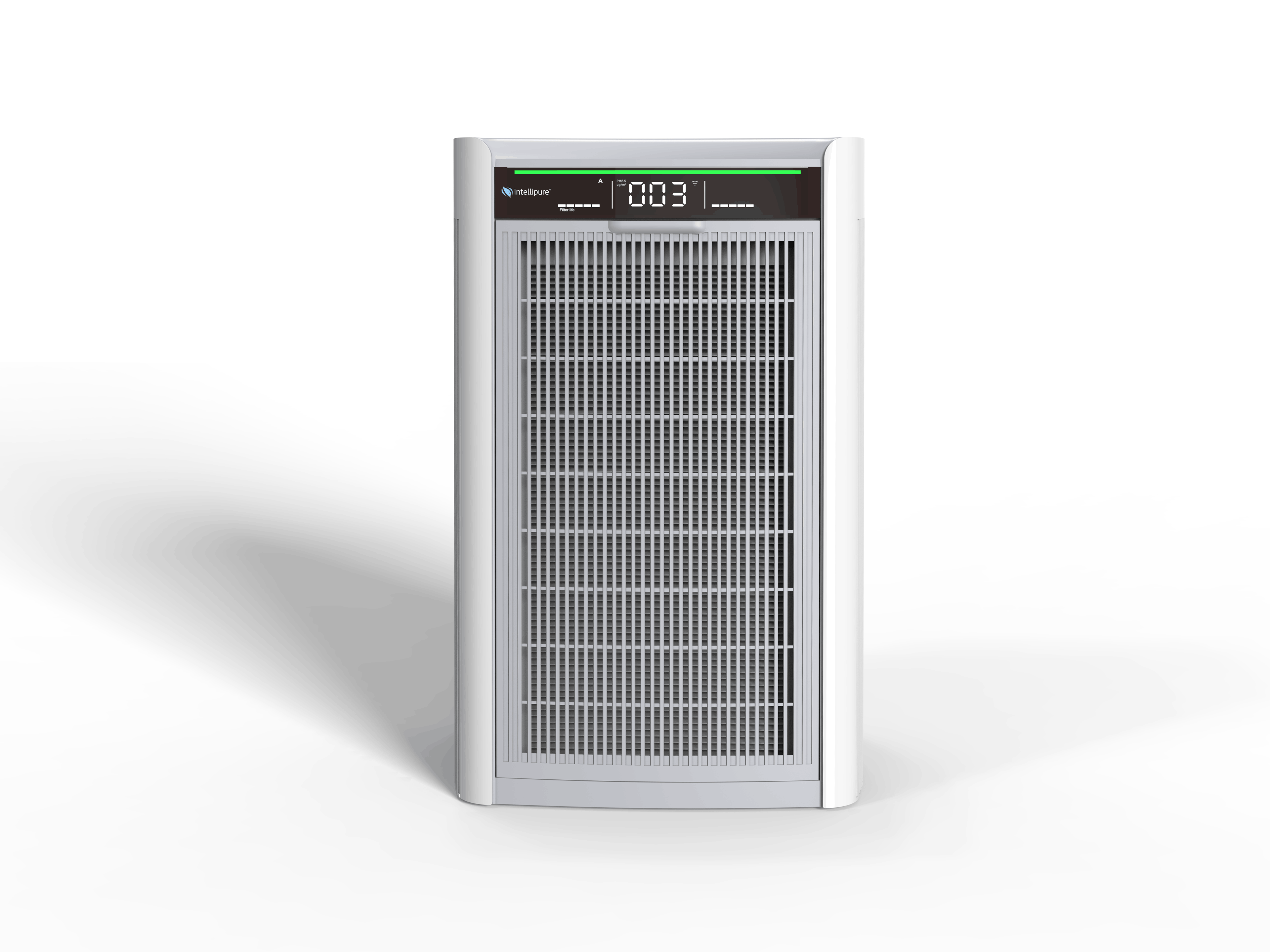
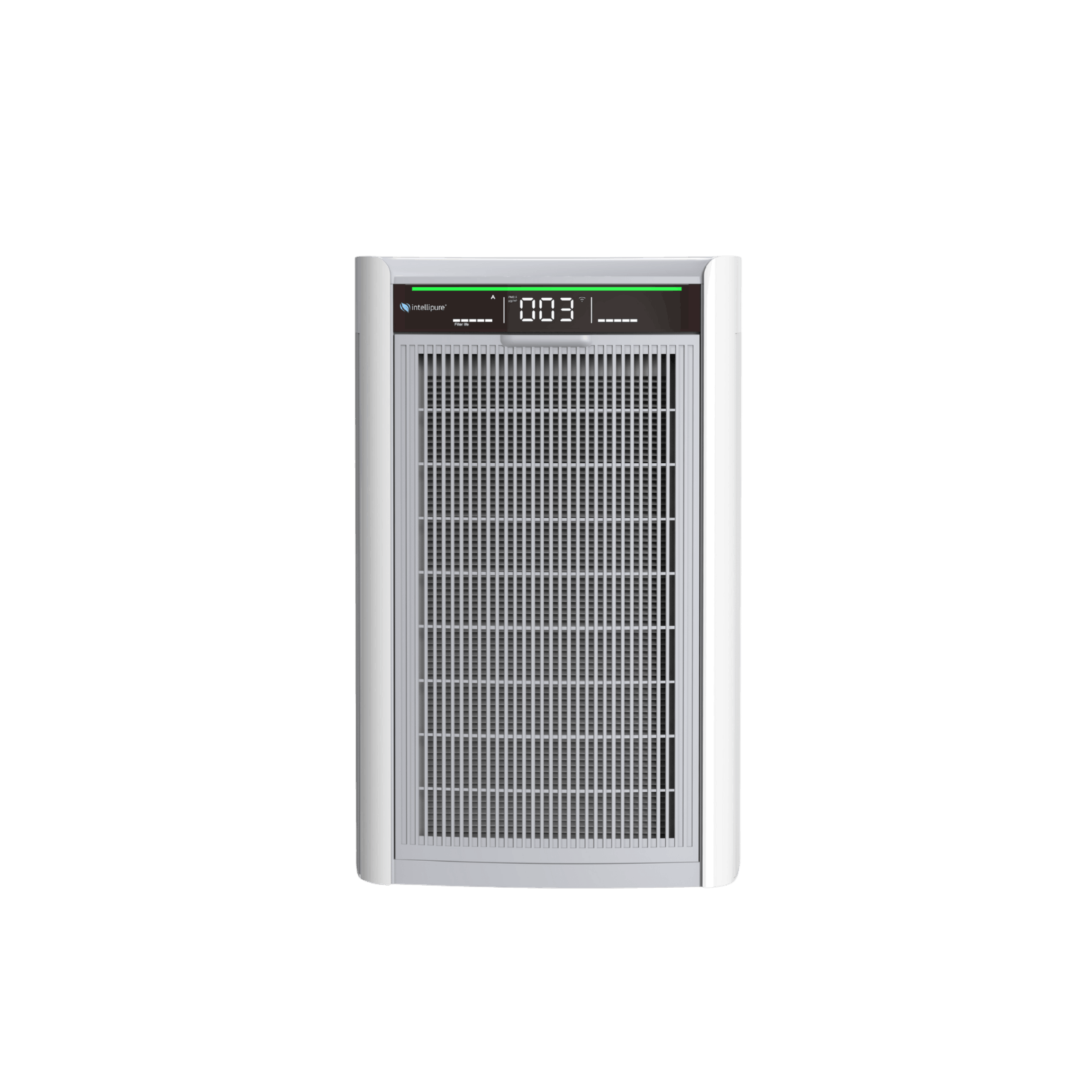
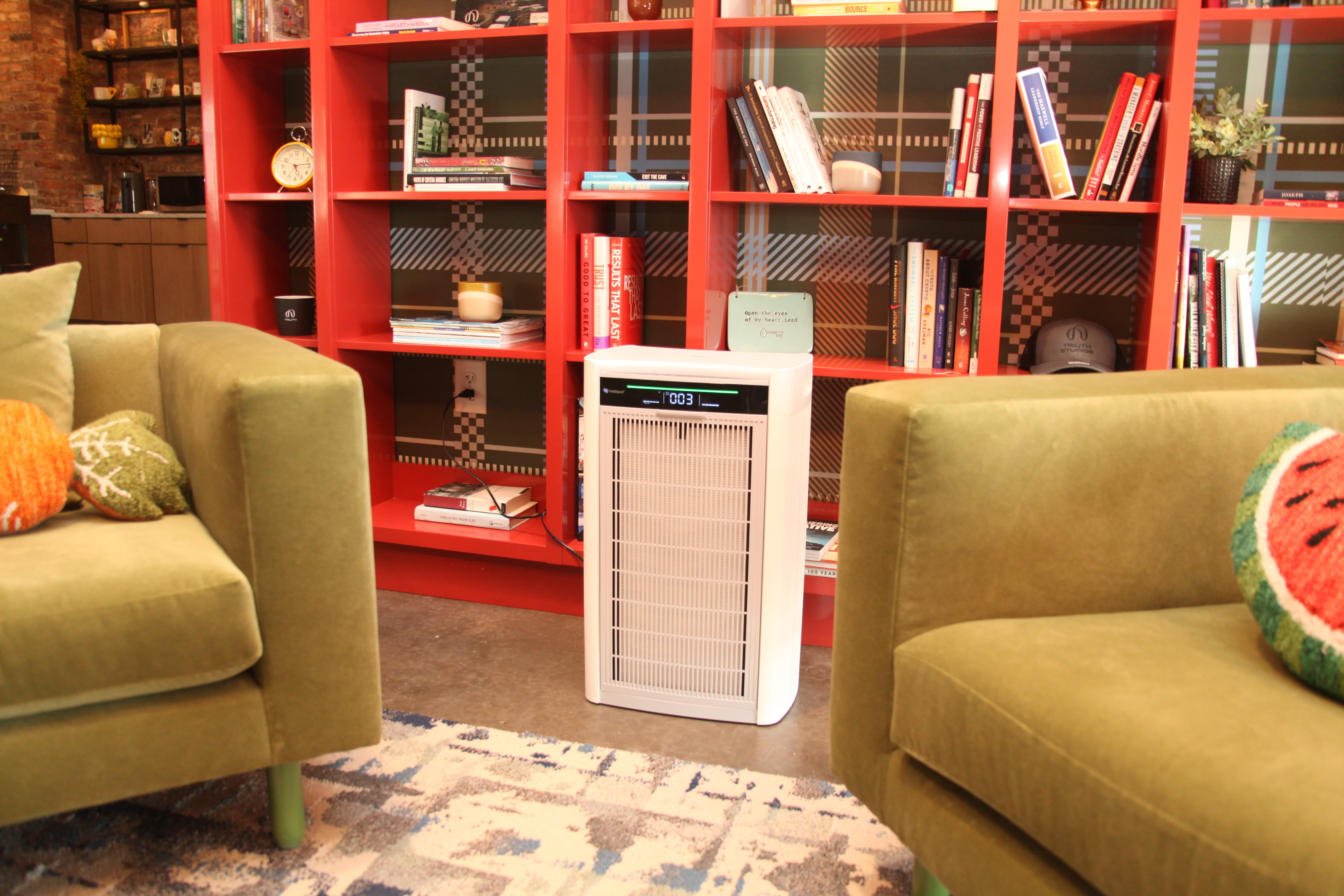
Intellipure's H1000 Air Purifier has a proven, near-perfect particle capture rate, filtering out more than 99.9% of airborne particles with a powerful dual intake system and two HEPA filters. It purifies areas up to 2,200 square feet in just 30 minutes.
In the summer, the H1000 can provide the perfect extra layer of protection for the air in your home, in case you do decide to spray a bit of sunscreen on in the bathroom (or, if you're like me, you catch your kids coating their bodies in mosquito repellent before they head out to jump on the trampoline). After all, you and your family shouldn't be stressing too much over indoor air quality. It's summer vacation. Relax and enjoy, and let your purifier do the hard work!
References
- U.S. Environmental Protection Agency. Volatile organic compounds impact indoor air quality [Internet]. EPA. Available from: https://www.epa.gov/indoor-air-quality-iaq/volatile-organic-compounds-impact-indoor-air-quality.
- Piane V. Safety Tips for Sunscreen Sprays [Internet]. Columbia University Irving Medical Center; 2024. Available from: https://www.columbiadoctors.org/news/safety-tips-sunscreen-sprays.
- Sunscreens EGT. Sunscreen: How it works, what it means [Internet]. Available from: https://www.ewg.org/sunscreen/faqs-your-sunscreen-questions-our-answers/.
- American Academy of Dermatology. How to use stick spray sunscreens [Internet]. Available from: https://www.aad.org/public/everyday-care/sun-protection/shade-clothing-sunscreen/how-to-use-stick-spray-sunscreens.
- Klein-Schwartz W. Are Sunscreen Products Safe? [Internet]. National Capital Poison Center. Available from: https://www.poison.org/articles/sunscreen.
- U.S. Environmental Protection Agency. Pesticides impact indoor air quality [Internet]. EPA. Available from: https://www.epa.gov/indoor-air-quality-iaq/pesticides-impact-indoor-air-quality.
- Indoor Air and Pesticides [Internet]. National Pesticide Information Center; 2024. Available from: https://npic.orst.edu/envir/inair.html.
- Sokol R. Why You Should Never, Ever Spray Bug Spray in the House [Internet]. The Healthy; 2017. Available from: https://www.thehealthy.com/respiratory/why-you-should-never-spray-bug-spray-in-the-house/.
- Potera C. Scented products emit a bouquet of VOCs. Environmental health perspectives. 2011;119(1):A16. doi:10.1289/ehp.119-a16.


















 Expert reviewed & certified


 Verified by CertREV
The Smoky Side of Summer
The Skin-Deep Side of Summer IAQ