

Summary
Wildfire smoke doesn’t stop at the front door. It lingers in the air, on surfaces, and in the systems that circulate it through your home. This guide breaks down what’s left behind after a smoke event and how to properly clean, reset, and maintain your indoor air, from surface cleaning to filtration and filter replacement.
In This Article
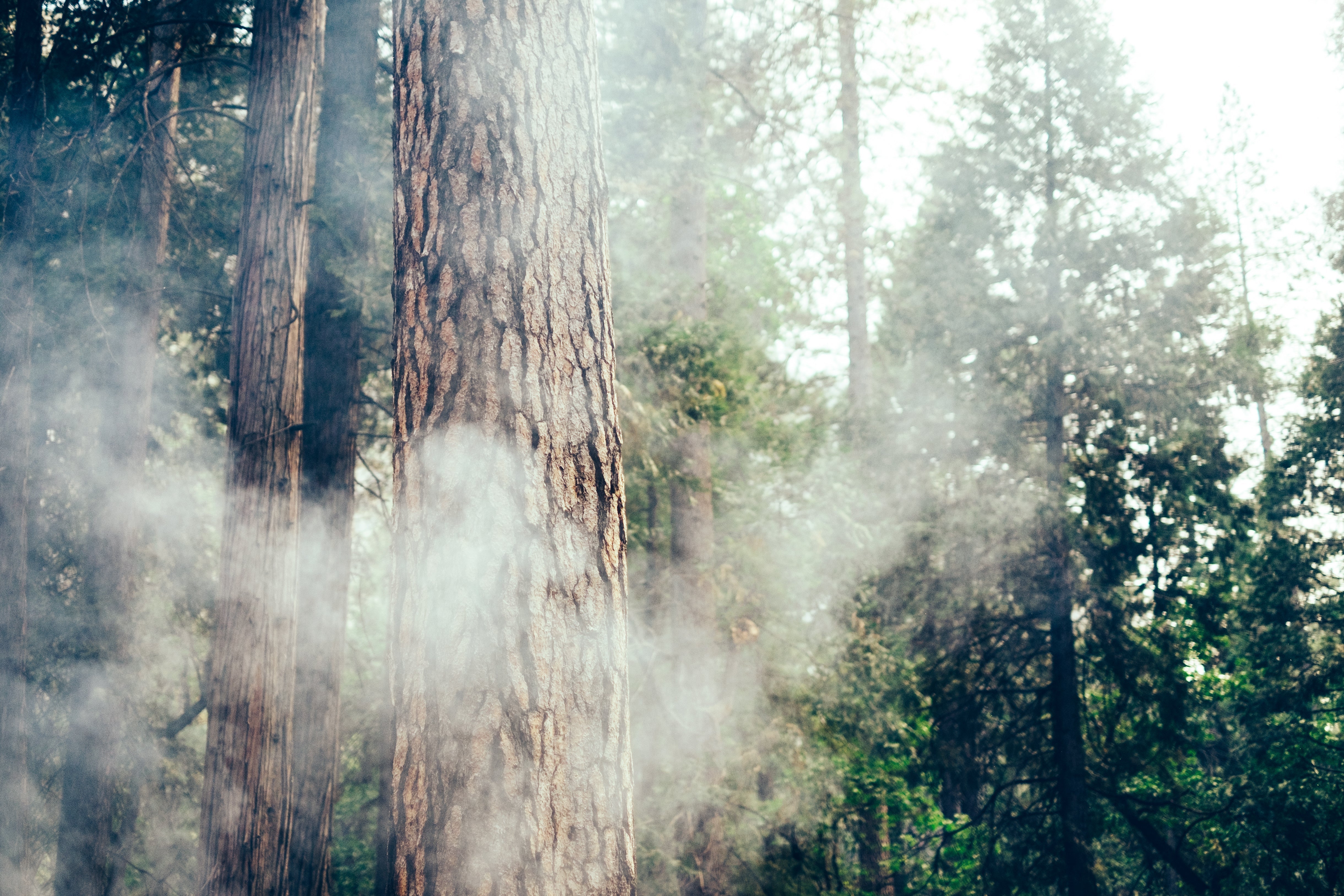
When wildfire smoke finally clears outdoors, it's easy to assume the problem has passed. But indoors, the story is often different. Smoke particles don't simply disappear once the air looks clear. They settle into surfaces, circulate through HVAC systems, and linger in the air long after the wildfire itself.
If you've already taken air-cleaning steps during an active smoke event, you're ahead of the game. (If not, it's definitely worth reviewing your wildfire preparedness guidance and IAQ resources before the next season.)
Spare yourself the additional work. This guide focuses on what happens in the aftermath; what wildfire smoke leaves behind indoors and how to properly clean, reset, and maintain your space afterward.
What Wildfire Smoke Actually Leaves Behind
Wildfire smoke is a complex mixture of fine particles and gases. The most concerning component for indoor environments is fine particulate matter (PM2.5)—particles small enough to penetrate deep into the lungs and remain suspended in the air for extended periods [1].
Once smoke enters your home, it can settle onto surfaces like floors, walls, and furniture; become embedded in soft materials such as carpets, curtains, and upholstery; circulate through HVAC systems and ductwork; and continue to re-enter the air when disturbed.
But that's not all. (It's never that simple, is it?) Smoke also carries gases and volatile organic compounds (VOCs), which contribute to lingering odors and indoor air quality concerns [2].
Kids are particularly sensitive to these exposures. The Environmental Protection Agency (EPA) notes that children breathe more air relative to their body weight than adults, which can increase their exposure to airborne pollutants like wildfire smoke [3]. That makes indoor cleanup especially important for households with kids.
Why Smoke Lingers Longer Indoors
Unlike outdoor air, which disperses pollutants over time, indoor spaces tend to trap them. Aside from the obvious lack of wind and free-flowing natural air, there are several factors that contribute to this.
- Limited ventilation: Homes are designed to retain conditioned air, which also means they retain contaminants
- Soft surfaces: Fabrics and porous materials act like reservoirs for smoke particles
- Re-aerosolization: Everyday movement—walking, sitting, vacuuming—can re-release particles back into the air
- HVAC circulation: Without proper filtration, systems can redistribute smoke particles throughout the home
This is why simply "airing out" your home is often not enough. Effective cleanup requires addressing both airborne particles and settled residue.
How to Clean Your House After Wildfire Smoke
A thorough reset doesn't have to be complicated, but it does need to be intentional. The order of operations matters.
1. Start with filter replacement
Before cleaning anything else, address your filtration systems.
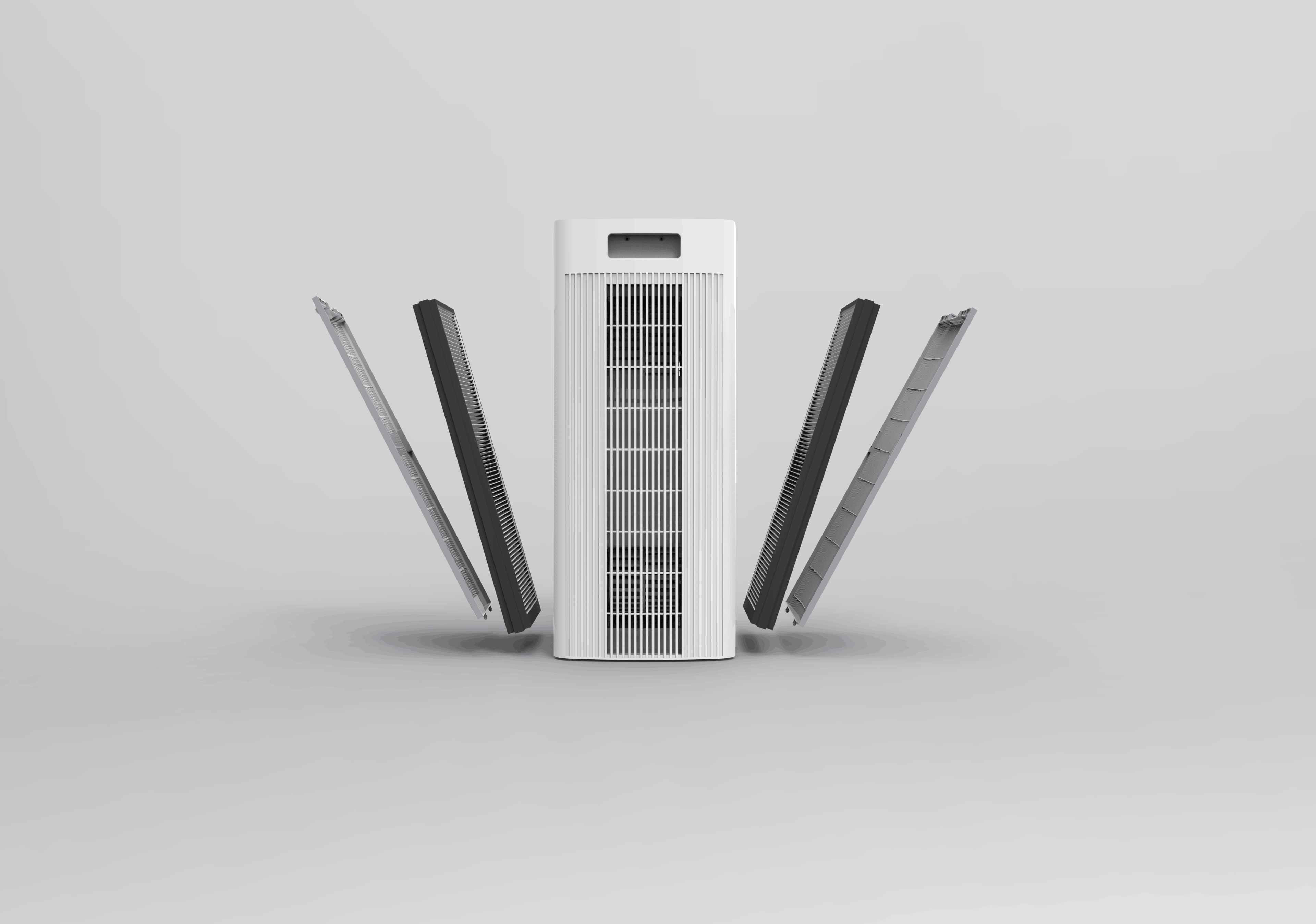
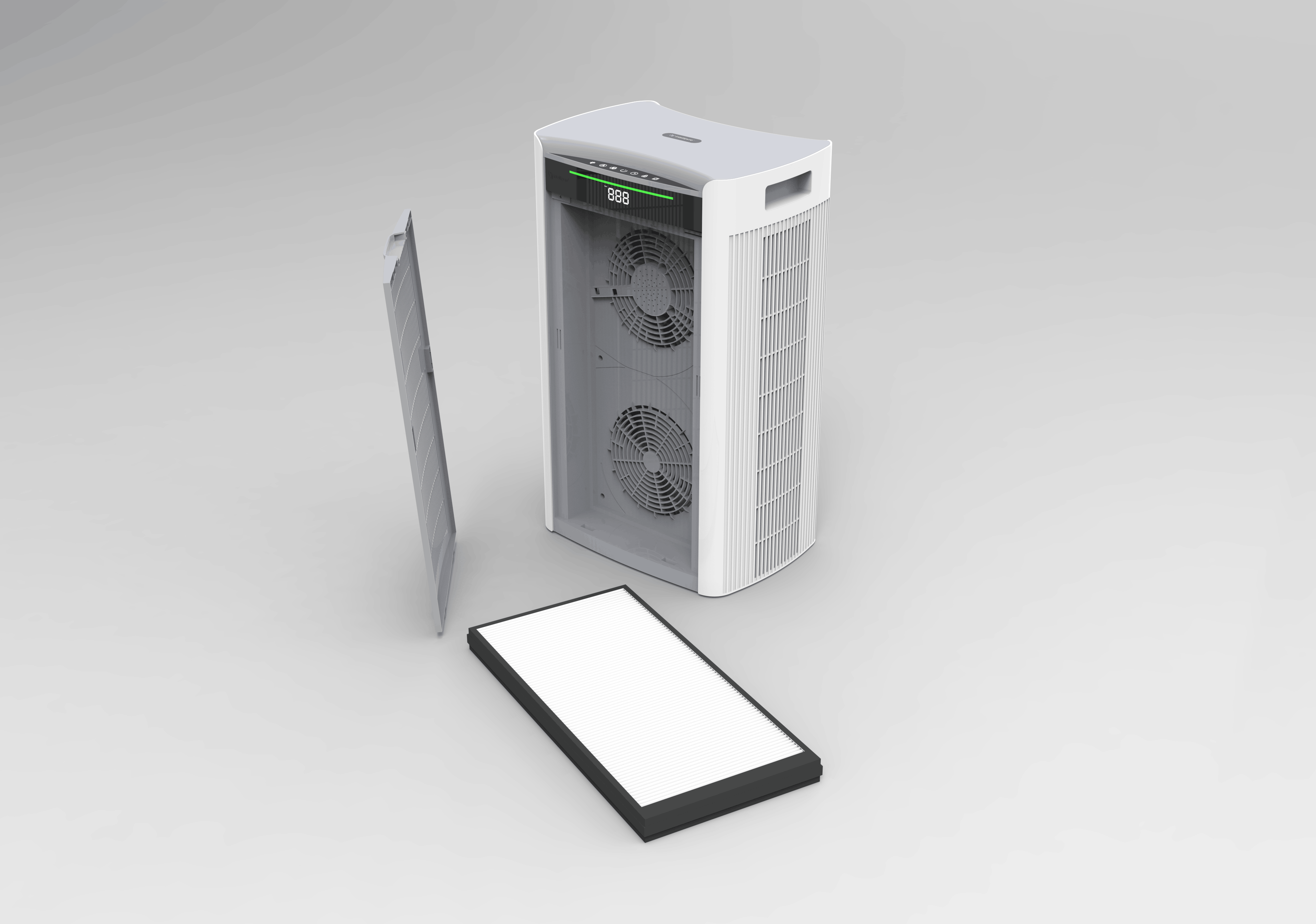
- Replace your HVAC filter regularly.
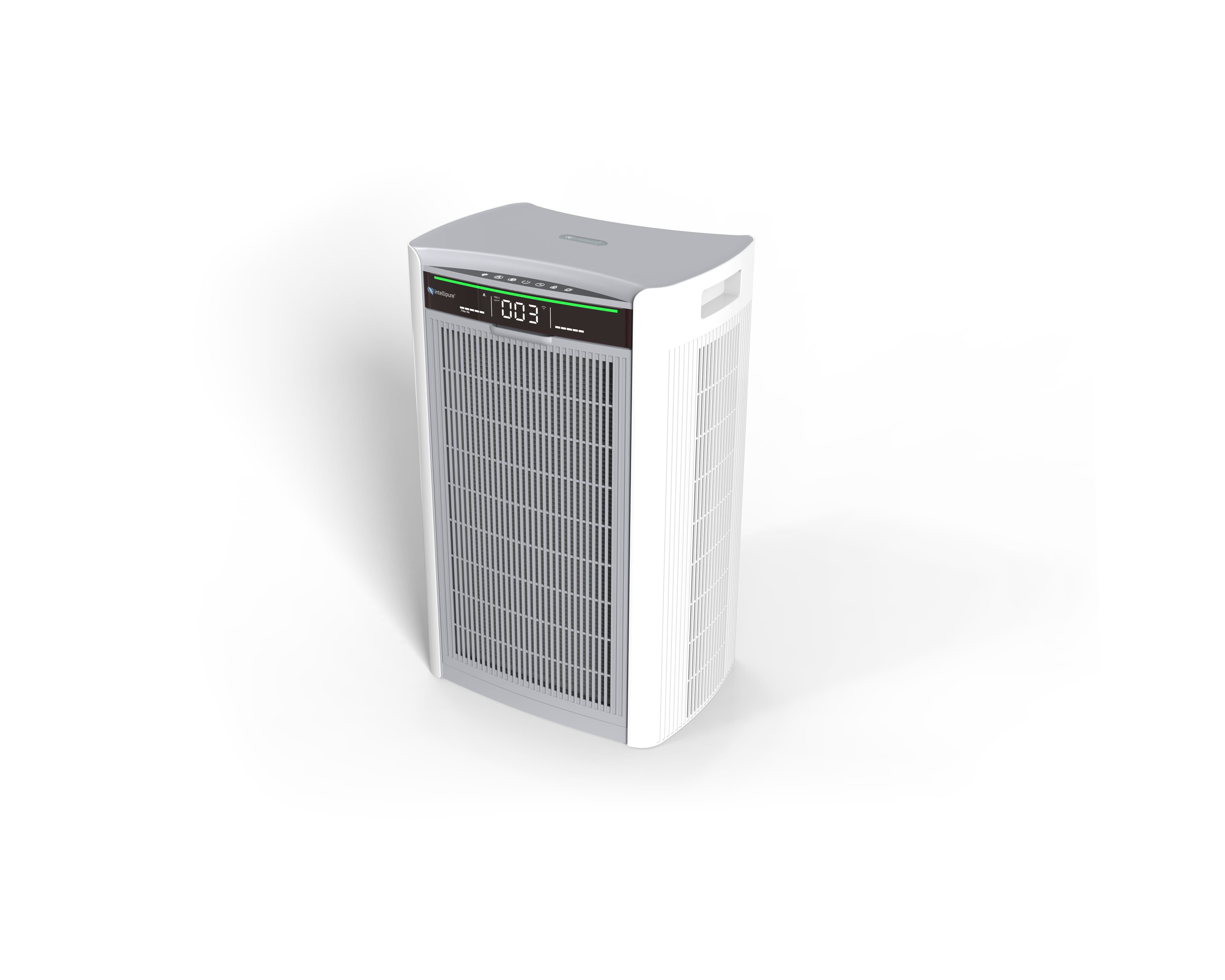
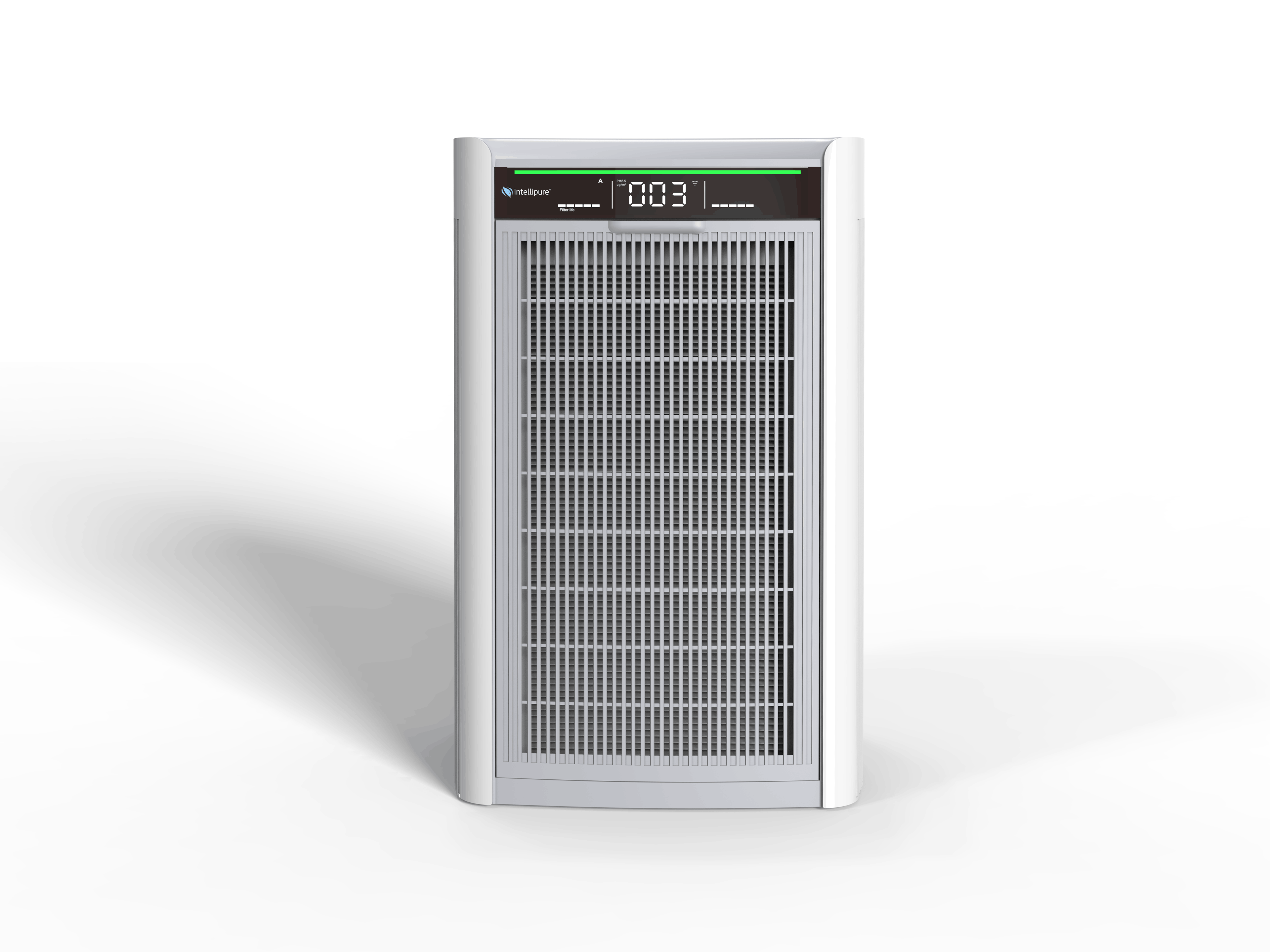
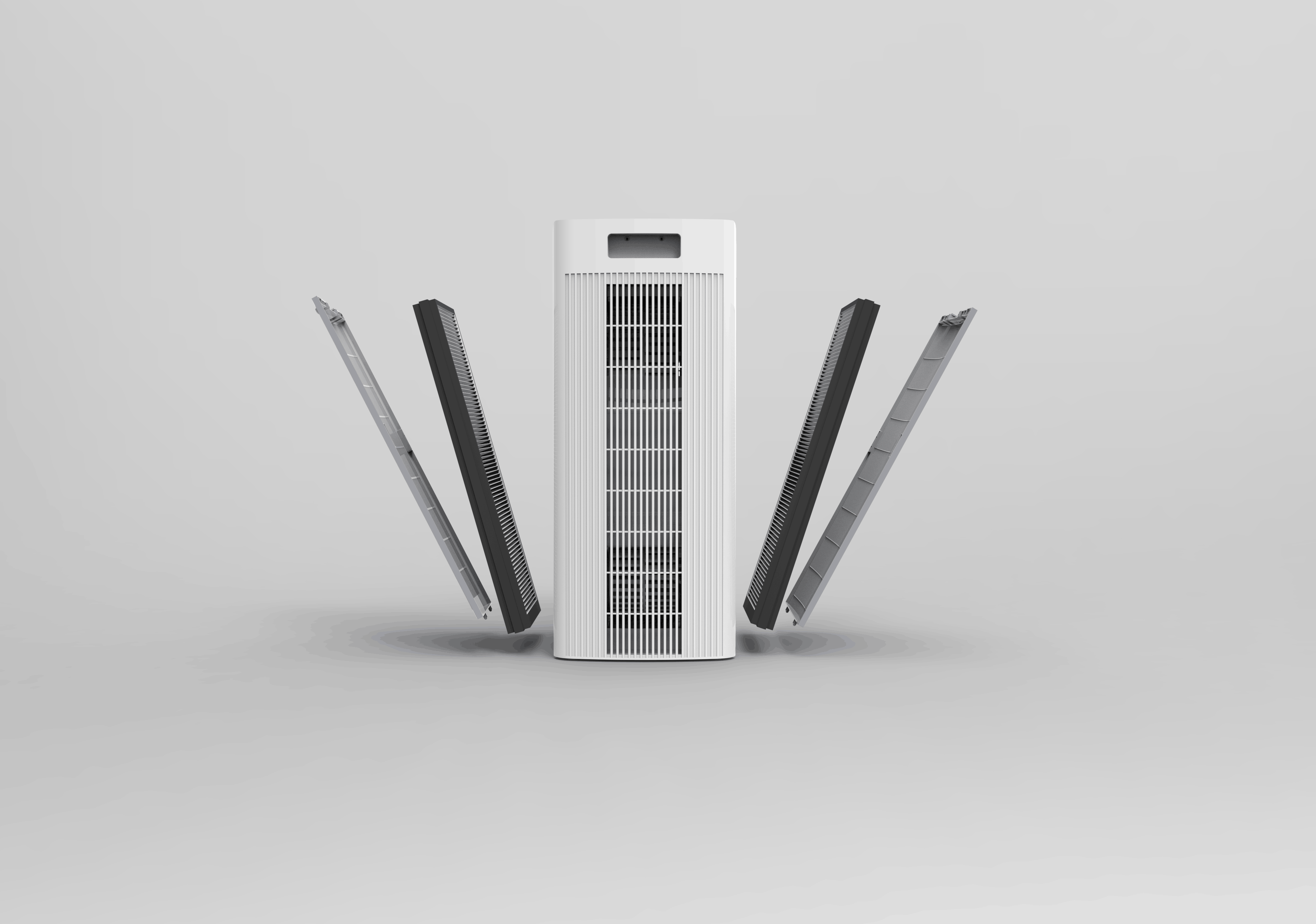
- Check and replace your air purifier filter if needed.
Smoke events can load filters quickly, reducing their effectiveness. The EPA emphasizes that properly maintained filtration systems are essential for reducing indoor particulate levels [1].
Starting here helps prevent particles from being redistributed while you clean.
2. Ventilate—when it's safe
Only begin ventilation once outdoor air quality has improved.
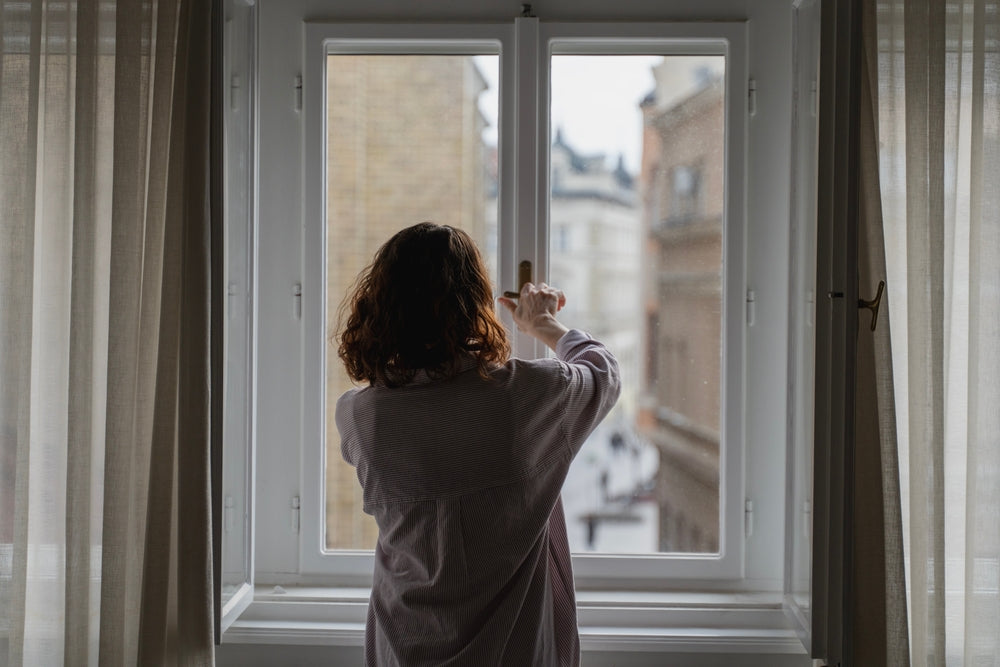
- Open windows for short, controlled periods.
- Use exhaust fans to move indoor air out.
The goal is dilution, not prolonged exposure. Bringing in clean outdoor air can help reduce lingering indoor pollutants when conditions allow.
As an added bonus, you can check your local air quality at AirNow.gov.
3. Clean surfaces from top to bottom
Smoke particles settle on surfaces throughout the home, often in places you don't immediately notice. As we discussed with post-holiday cleanup, using a damp cloth or mop is preferable over dry dusting, which can send particles right back into the air.
Focus on:
- Walls and ceilings
- Shelving and furniture
- Baseboards and hard surfaces
Working top-down prevents recontamination of areas you've already cleaned.
4. Address fabrics and soft materials
Soft materials are some of the biggest culprits when it comes to lingering smoke.
- Wash your bedding, blankets, and curtains.
- Launder any removable cushion covers (don't forget the throw pillows, too).
- Deep clean your carpets and upholstery.
These materials can trap both particles and odors, making them a key part of any post-smoke cleanup.
5. Finish with proper floor cleaning
- Vacuum using a HEPA-equipped vacuum.
- Avoid sweeping, which can stir up and redistribute particles. If you have to clean something off your floors, mopping is a great alternative.
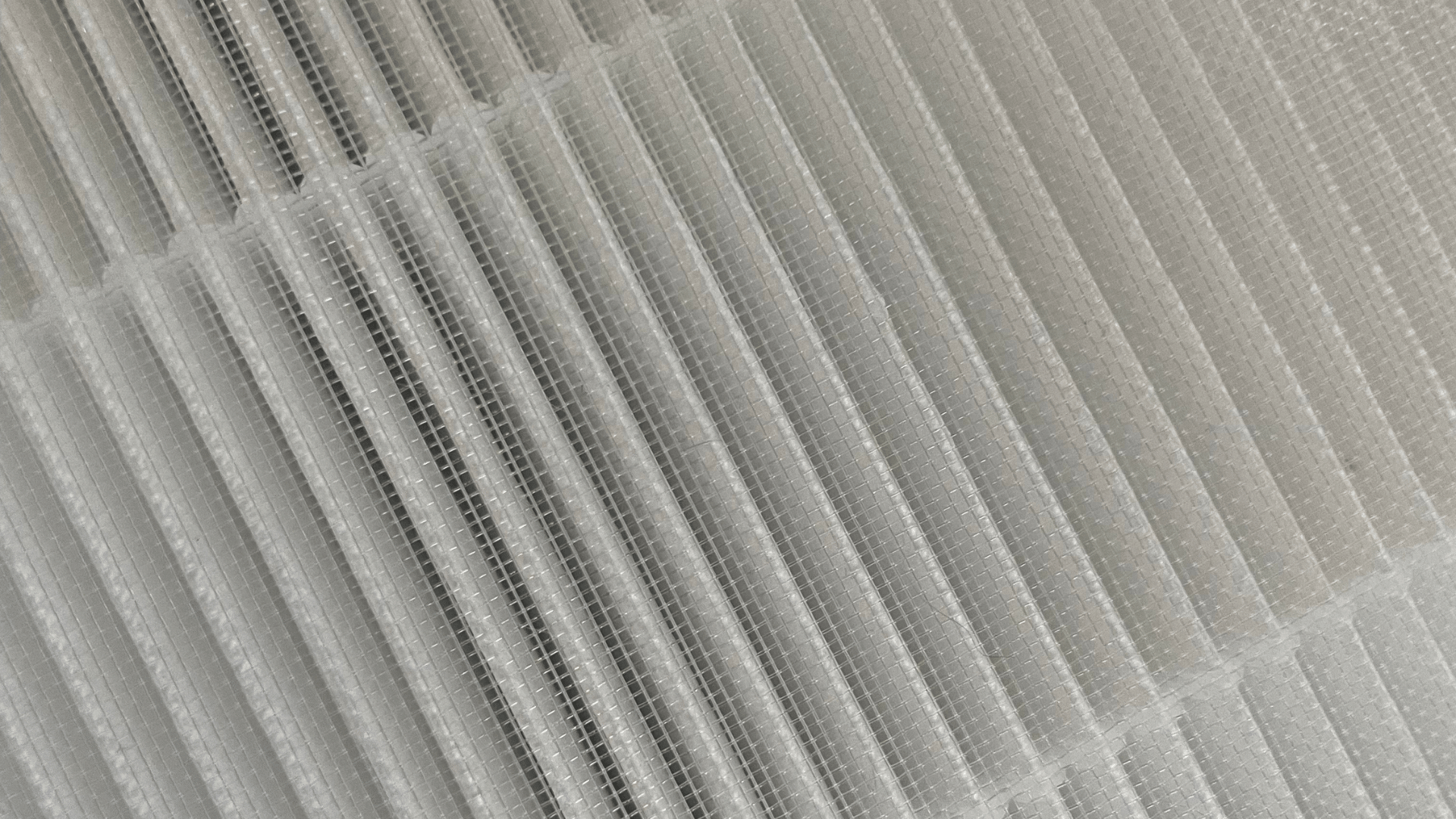
HEPA filtration is designed to capture fine particles like those found in wildfire smoke, helping prevent them from re-entering the air.
The Role of Air Re-Purification
Even after a really thorough cleaning, some particles can remain airborne or continue to be released from surfaces long after the smoke has cleared.
This is where air purification plays an ongoing role.
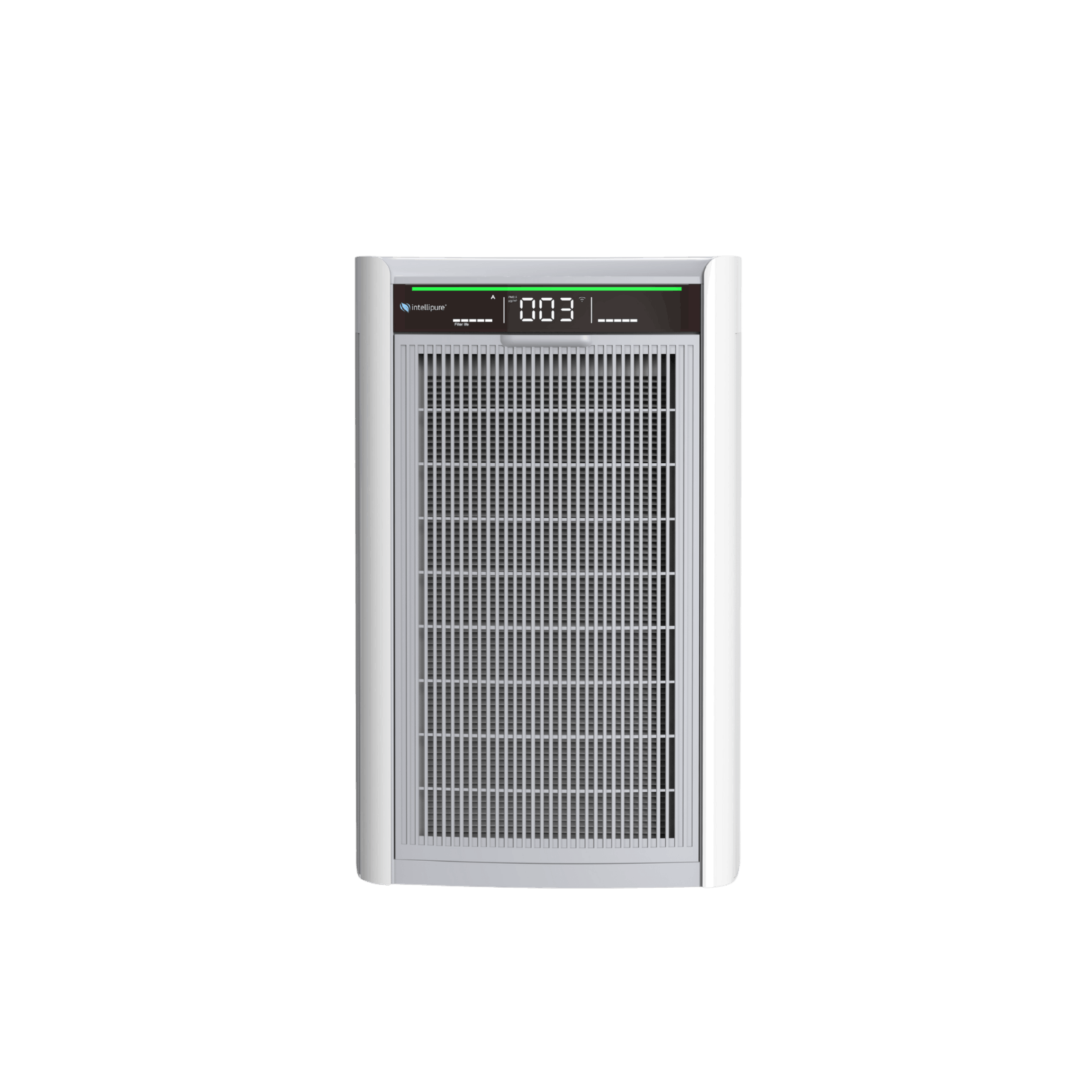
The EPA notes that air cleaners and purifiers with high-efficiency filtration can help seriously reduce indoor particulate matter, including fine particles that come from smoke [1]. Continuous operation helps remove what cleaning alone cannot fully address.
Air purification works best as part of a layered approach, one that involves source control (removing contaminated materials), surface cleaning, and ongoing filtration. Together, they support a more complete recovery of indoor air quality.
Why Maintenance Matters More After Smoke Exposure
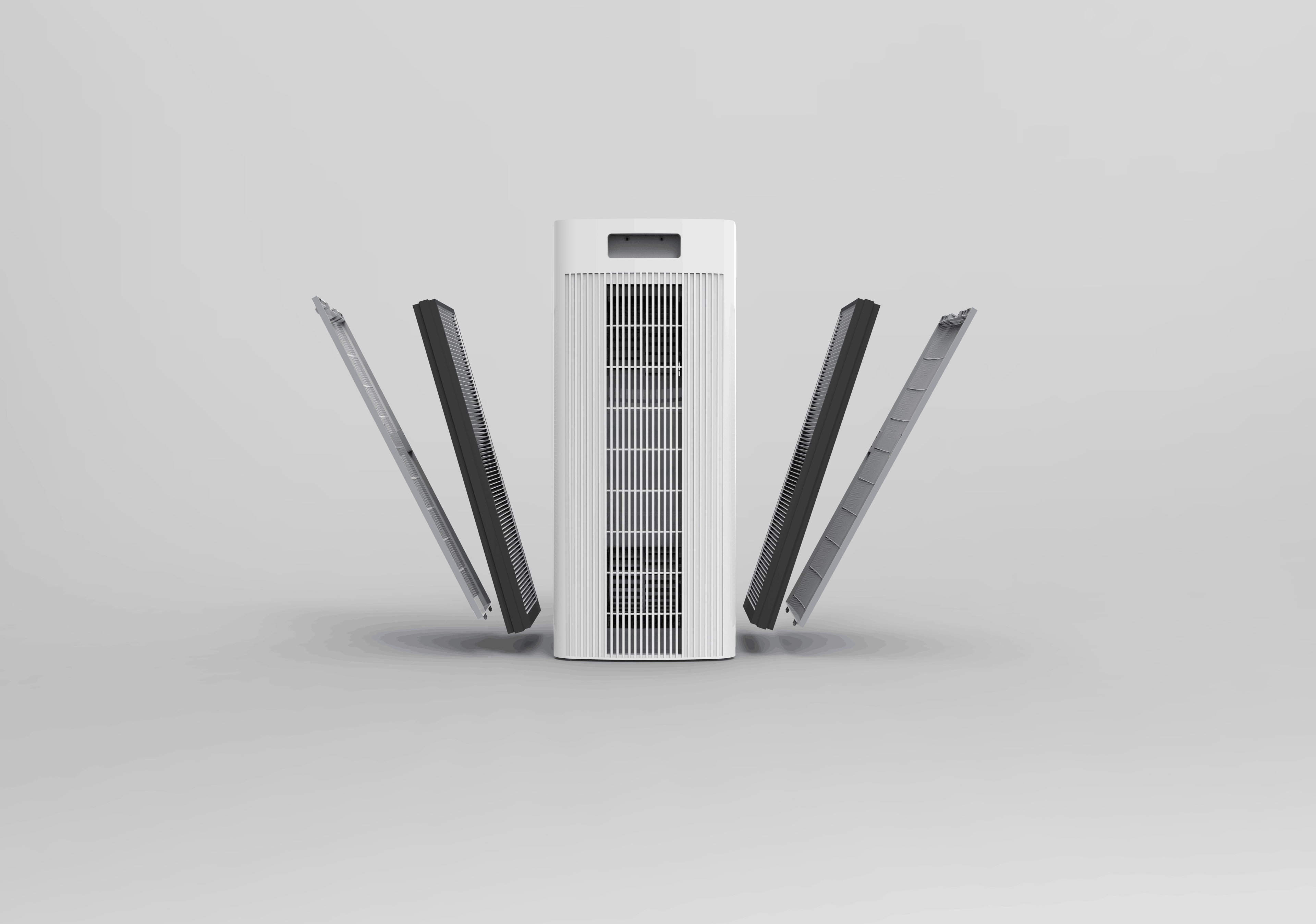
Wildfire smoke places a heavier-than-normal load on filtration systems. Over time, filters collect fine particulate matter, residual smoke particles, and other airborne contaminants.
As filters become saturated, their ability to capture additional particles decreases.
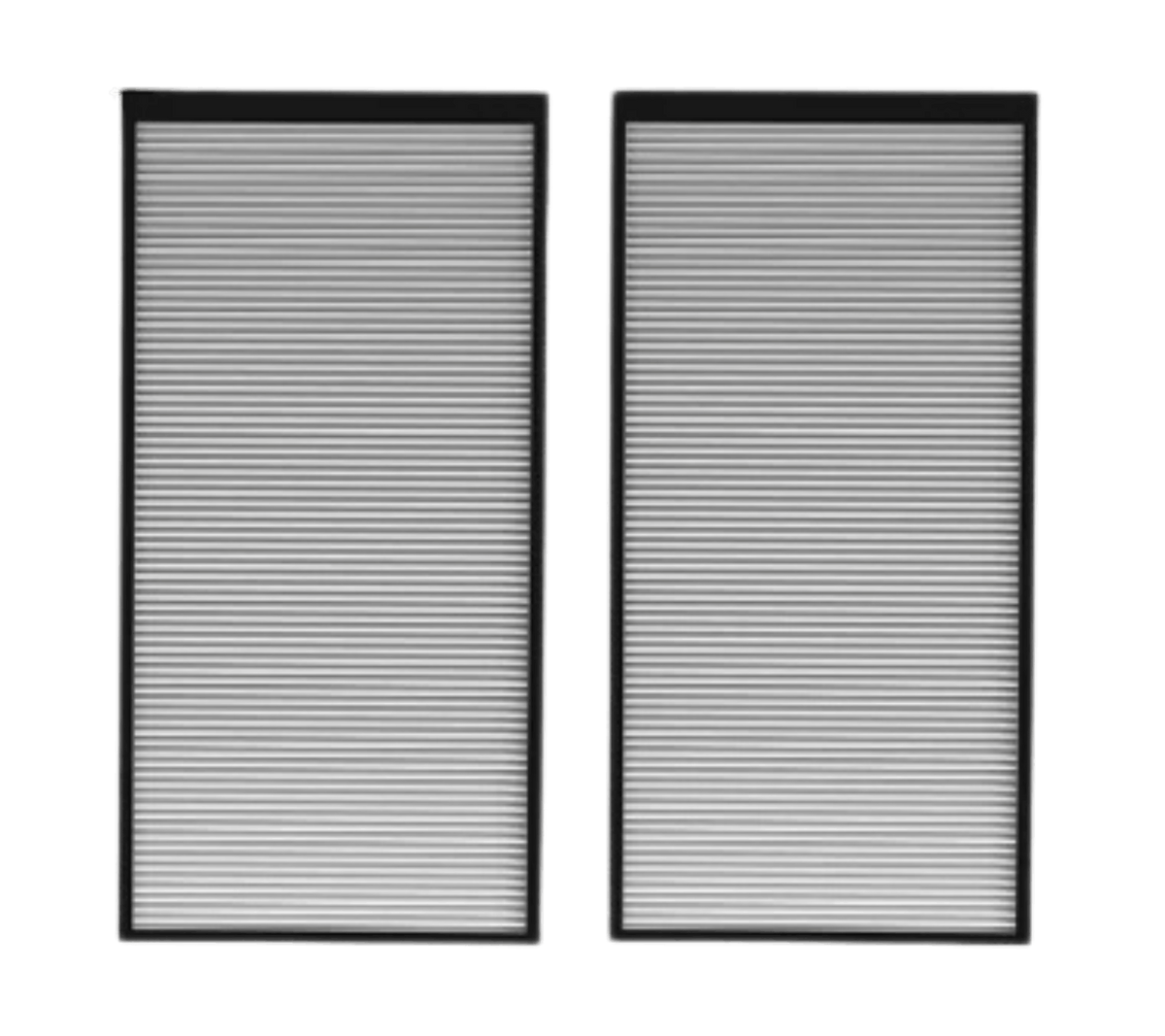
This is why post-event filter replacement is important. Even if a filter appears clean, its performance may be reduced after significant smoke exposure.
Regular maintenance helps ensure that your air purification system continues to operate as intended, especially during and after high-impact air quality events.
Special Considerations: Households with Kids
Children are often more affected by poor indoor air quality, particularly during smoke events.
The EPA highlights that children's developing respiratory systems and higher breathing rates can increase their exposure to pollutants like PM2.5 [3].
To support cleaner air for kids:
- Prioritize air purification in bedrooms and sleeping areas.
- Maintain consistent filtration and filter replacement.
- Keep surfaces and fabrics clean to reduce ongoing exposure.
Focusing on the spaces where children spend the most time can make a meaningful difference.
Getting Your Home Back to Normal
It's not always obvious when indoor air has fully recovered. Sometimes, the sniff test just isn't enough (though it's always a positive to have a home that doesn't smell so… smoky.)
Some common signs that additional cleanup or filtration may still be needed include:
- Irritation in the eyes or throat
- Dust or particles settling quickly on surfaces
- And yes, persistent smoke odors
It's also important to note that visible cleanliness does not always reflect air quality. Fine particles can remain present even when a space looks clean.
Continued filtration and maintenance can help ensure that indoor air returns to a more stable, comfortable baseline (otherwise lovingly known as normal).
A Clean Reset After Wildfire Smoke
Wildfire smoke doesn't end when the skies clear. Indoors, its effects can linger in the air, on surfaces, and within the systems that circulate air throughout your home.
A complete reset comes from a layered approach:
- Remove what you can through cleaning
- Replace and maintain filtration systems
- Continue filtering the air to capture what remains
With the right steps, your home can recover from smoke exposure and return to a cleaner, more comfortable environment, ready for whatever the next season brings.
References
- U.S. Environmental Protection Agency. (2023). Wildfires and Indoor Air Quality (IAQ). U.S. Environmental Protection Agency.
- U.S. Environmental Protection Agency. (n.d.). Wildfire Smoke and Your Patients’ Health. U.S. Environmental Protection Agency.
- U.S. Environmental Protection Agency. (n.d.). Health and Environmental Effects of Particulate Matter (PM). U.S. Environmental Protection Agency.



 Expert reviewed & certified


 Verified by CertREV
Ragweed Guide: When, How, and Why You Should Protect Your Home from Pollen
“The Pollening”: Yellow Air, Here, There, and Everywhere