


Key Insights
-
Allergists recognize air quality as an important factor in allergy management, since common triggers like pollen, dust mites, pet dander, mold, and air pollution are all present in the air we breathe.
-
Poor air quality can worsen allergic conditions by increasing inflammation, irritating the respiratory tract, and making the immune system more sensitive to allergens.
-
Air pollution may contribute to more frequent or severe symptoms for conditions such as allergic rhinitis (hay fever), asthma, and environmental allergies.
-
Reducing exposure to airborne allergens and pollutants can be an important part of managing allergy symptoms and supporting long-term respiratory health.
-
Creating a cleaner indoor environment may help limit exposure to common allergy triggers, complementing other strategies recommended by allergists to improve comfort and overall well-being.

About the Field
Allergists are physicians who specialize in diagnosing, treating, and managing allergies, asthma, and other conditions involving abnormal immune responses. They help patients identify triggers that may contribute to symptoms such as sneezing, congestion, itchy eyes, skin irritation, respiratory discomfort, and allergic reactions [1].
Because allergic conditions are often influenced by environmental exposures, allergists frequently evaluate how factors such as pollen, mold, dust mites, pet dander, and air pollution may affect symptom severity. In addition to treating existing conditions, allergists work with patients to develop strategies that help reduce exposure to triggers and improve long-term symptom management.
Research suggests that air quality can play an important role in allergic health. Airborne pollutants and particulate matter may contribute to inflammation, increase sensitivity to allergens, and worsen symptoms in individuals with existing allergic conditions [2,3].
Air Quality & Allergic Health
Air quality can have a significant impact on allergic health. Airborne pollutants such as particulate matter, ozone, and traffic-related pollution may irritate the respiratory tract and interact with the immune system in ways that increase inflammation and allergic responses [2,3].
For individuals with allergies, exposure to pollutants may worsen existing symptoms and increase sensitivity to common environmental triggers. Pollutants can also interact with allergens such as pollen and mold, potentially increasing their ability to provoke allergic reactions.
Because allergic conditions are closely connected to the environment, understanding and reducing exposure to airborne irritants can be an important part of supporting respiratory comfort and long-term allergic wellness.
Allergic Rhinitis
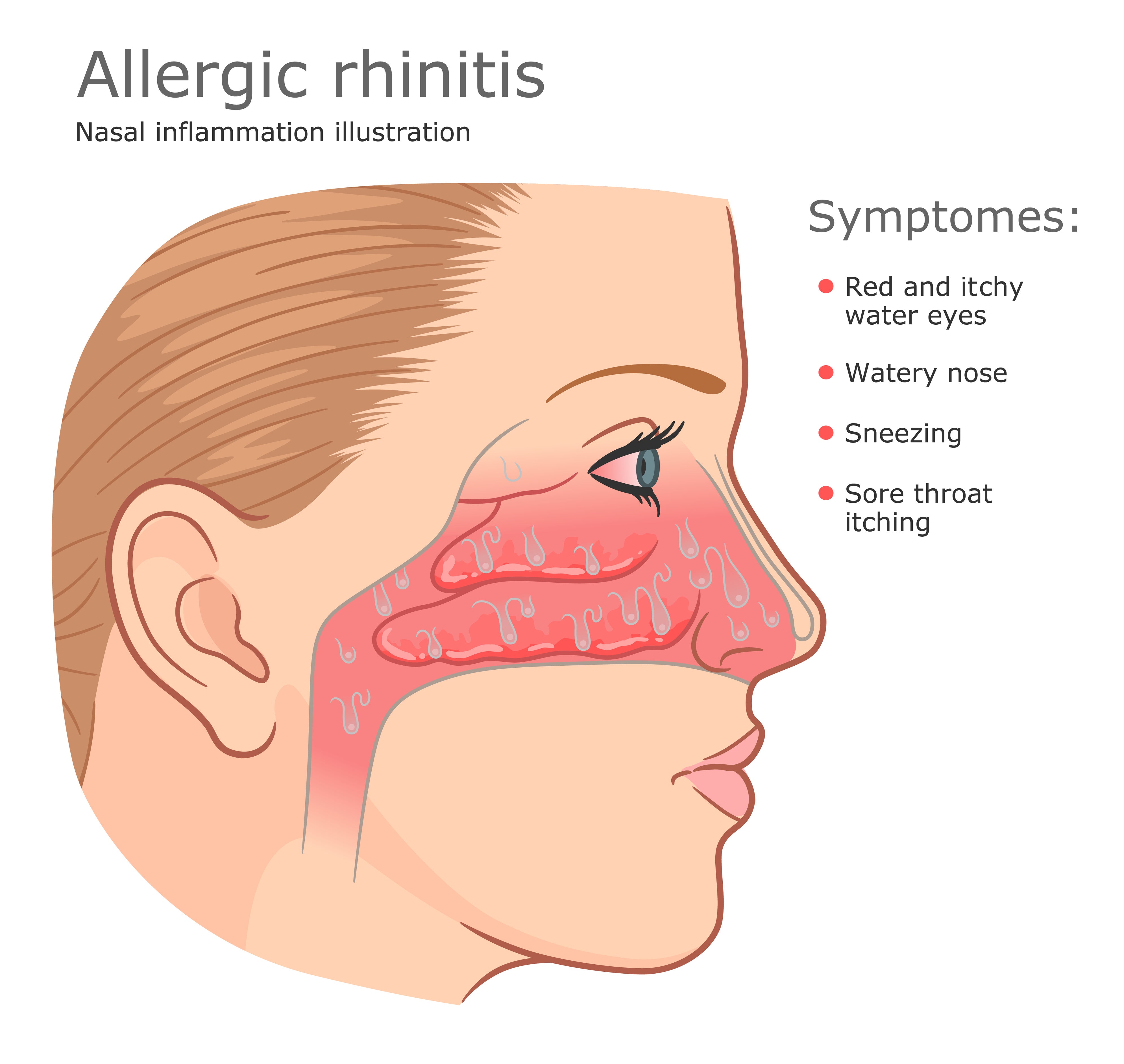
Allergic rhinitis, commonly known as hay fever, occurs when the immune system reacts to airborne allergens such as pollen, dust mites, mold, or pet dander. Symptoms often include sneezing, nasal congestion, runny nose, and itchy eyes.
Research suggests that exposure to air pollution may worsen allergic rhinitis symptoms by increasing inflammation within the nasal passages and enhancing the body’s response to allergens [2,3]. For many individuals, both outdoor and indoor air quality can influence the frequency and severity of symptoms throughout the year.

Asthma
Asthma is a chronic respiratory condition that frequently occurs alongside allergies. In many cases, exposure to allergens or airborne irritants can trigger airway inflammation, wheezing, coughing, and shortness of breath.
Studies have linked air pollution exposure with worsening asthma symptoms and an increased risk of asthma exacerbations [2,3]. Because pollutants and allergens often coexist in the air, individuals with allergic asthma may be especially sensitive to poor air quality and environmental triggers.

Environmental Allergies
Environmental allergies develop when the immune system overreacts to substances commonly found in the surrounding environment. Common triggers include pollen, mold spores, dust mites, and pet dander.
Air pollution may influence how the immune system responds to these allergens and may increase susceptibility to allergic sensitization over time [2,3]. Pollutants can also irritate the airways and weaken natural protective barriers, potentially making allergic reactions more pronounced. As a result, air quality is increasingly recognized as an important factor in the development and management of environmental allergies.
Expert Perspective - Q&A with Experts
How does air quality influence allergy symptoms?
What are the most common airborne triggers you see in patients?
How can indoor air contribute to ongoing allergy issues?
Are some individuals more sensitive to airborne allergens than others?
What is one thing people often overlook when trying to control allergies?
In your experience, what are the most effective ways people can manage allergies and reduce exposure to airborne triggers?
Meet the Experts

Dr. Justin Rashtian
Dr. Justin Rashtian, MD, is an allergist and immunologist practicing at NY Allergy & Sinus Centers, specializing in the diagnosis and treatment of allergic and immunologic conditions.
Background: Dr. Justin Rashtian earned his Doctor of Medicine from Drexel University College of Medicine and completed internal medicine residency training at Montefiore Medical Center in New York. He then completed subspecialty fellowship training in Allergy and Immunology at National Jewish Health, a nationally recognized center for respiratory and immunologic disease. Dr. Rashtian currently practices as an allergist at NY Allergy & Sinus Centers, where he evaluates and treats patients with asthma, allergic rhinitis, food allergies, and other immunologic disorders. His combined training in internal medicine and allergy/immunology provides a broad clinical foundation for reviewing content related to allergic disease, immune-mediated conditions, and general adult medicine. Dr. Rashtian brings direct clinical experience and academic fellowship training to the review of allergy and immunology-related health content.

Reducing Airborne Allergy Triggers at Home
Indoor air can carry many of the allergens that trigger sneezing, congestion, and irritation. Improving air quality helps remove airborne particles that contribute to allergy symptoms, creating a more comfortable living space for those with sensitivities.
References
-
[1]
Bernstein DI, Pacheco K, Lemiere C. How Allergists Can Perform an Occupational History in Every Patient. The Journal of Allergy and Clinical Immunology: In Practice. 2024 Aug;12(8):1951–8. Available from: https://pubmed.ncbi.nlm.nih.gov/38761860/
-
[2]
Sergio Del Giacco, Rosenwasser LJ, Crisci CD, Frew AJ, Kaliner M, Bee Wah Lee, et al. What is an Allergist? World Allergy Organization Journal. 2008 Jan 1;1(1):19–20. Available from: https://pmc.ncbi.nlm.nih.gov/articles/PMC3650953/
-
[3]
Shaker M, Mauger D, Fuhlbrigge AL. Value-Based, Cost-Effective Care: The Role of the Allergist-Immunologist. The Journal of Allergy and Clinical Immunology: In Practice [Internet]. 2022 Aug 6 [cited 2022 Aug 20]; Available from: https://www.sciencedirect.com/science/article/pii/S2213219822007474


