


Key insights
-
Clinically proven to remove 99.99% of airborne particles
-
Advanced DFS technology captures ultrafine particles
-
Recommended by healthcare professionals worldwide

About the Field
Gynecology is the field of medicine centered on the female reproductive system, while obstetrics more specifically focuses on care during pregnancy, childbirth, and the postpartum period. Gynecologists and obstetricians work closely together, and some doctors have certifications in both fields, under the OB/GYN title [1]. Gynecologists can provide everything from breast and pelvic exams, pap tests, cancer screenings, and vaccines to guidance on birth control and family planning. Because your gynecologist offers care for your reproductive health from puberty through menopause, they’ll be by your side during major seasons of your life [2].
Air Quality and Gynecology
Indoor and outdoor air quality plays a significant but sometimes overlooked role in gynecologic and reproductive health.
Environmental factors, including indoor air quality, can influence hormonal regulation, ovarian function, and general reproductive health. If you’re living with a menstrual disorder or chronic gynecologic condition like endometriosis, polycystic ovary syndrome (PCOS), or fibroids, reducing your exposure to environmental risks is especially important. Since toxic chemicals can accumulate inside people’s homes, the International Federation of Gynecology and Obstetrics (FIGO) recommends that “patients should be advised to improve indoor air quality by ventilating living spaces and using high-efficiency particulate air (HEPA) filters” [3].
Research has linked exposure to fine particulate air pollution (PM2.5) among pregnant women with altered immune responses that can lead to adverse birth outcomes. There are also proven associations between PM2.5 exposure and maternal and child health complications, including preeclampsia, low birth weight, and developmental delays in early childhood. Youn Soo Jung, research associate at Harvard T.H. Chan School of Public Health and co-author of a 2024 study on PM2.5 and birth outcomes, says, “Policy interventions to improve air quality, as well as clinical guidelines to help pregnant women reduce their exposure to pollution, could have a direct impact on reducing pregnancy complications” [4].
Feminine hygiene products, and specifically douching and feminine powders, may be a source of volatile organic compounds (VOCs), research shows [5]. According to the United States Environmental Protection Agency (EPA), VOCs contain a variety of chemicals, some of which may have short- and long-term adverse health effects including cancer; damage to the liver, kidney, and central nervous system; nausea; eye, nose, and throat irritation; allergic skin reaction; dizziness; fatigue; and other symptoms [6]. Recommendations from the American College of Obstetricians and Gynecologists and the U.S. Department of Health and Human Services Office suggest that douching and using feminine deodorant powder be discouraged, especially during pregnancy [5].
Fertility
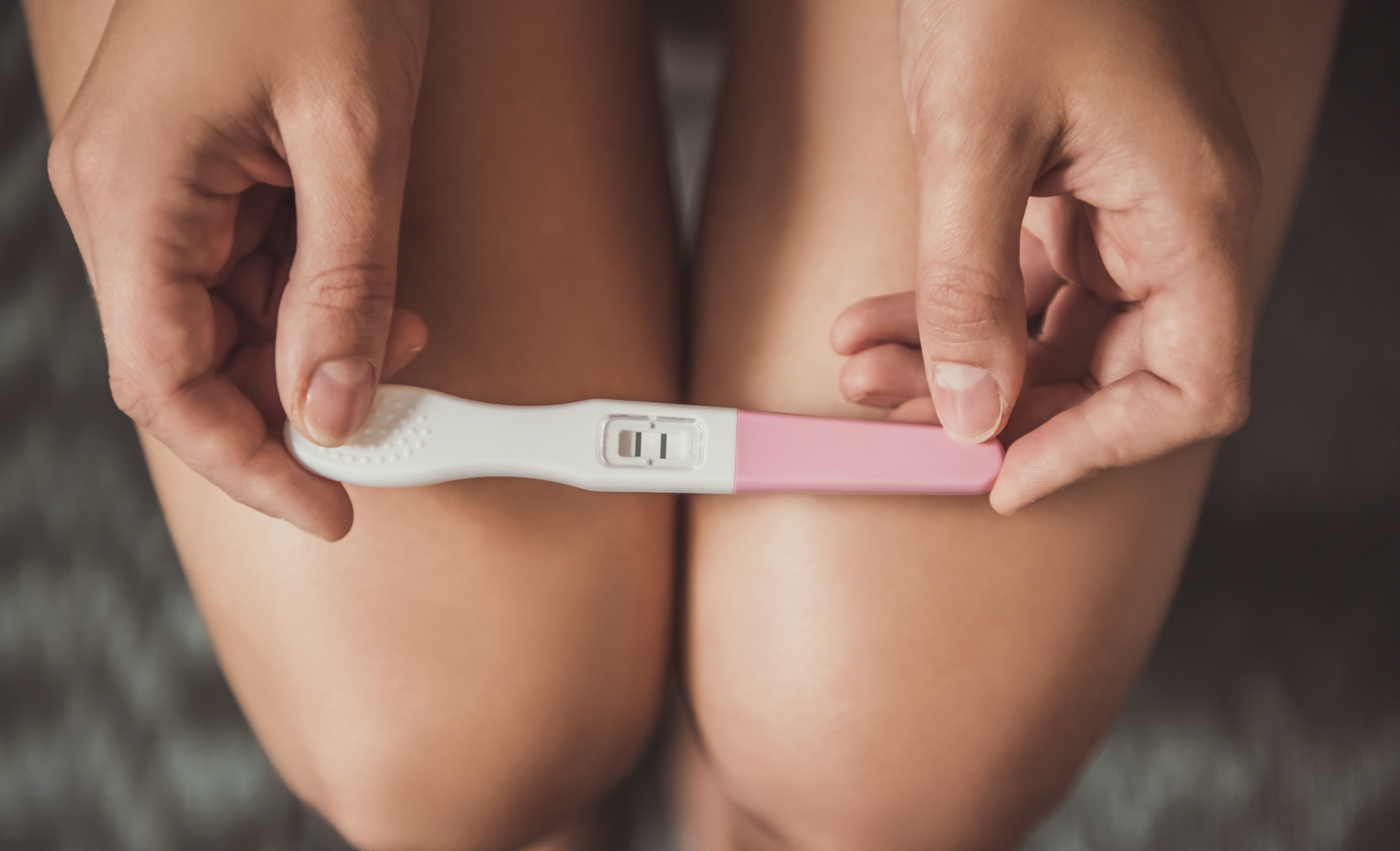
According to research studies, there is a close association between air pollution and female infertility [7]. If you’re experiencing unexplained infertility, your healthcare provider may recommend screening for exposure to persistent organic pollutants, especially if you live near an industrial site or in an older home [3].
Pregnancy and Birth Outcomes
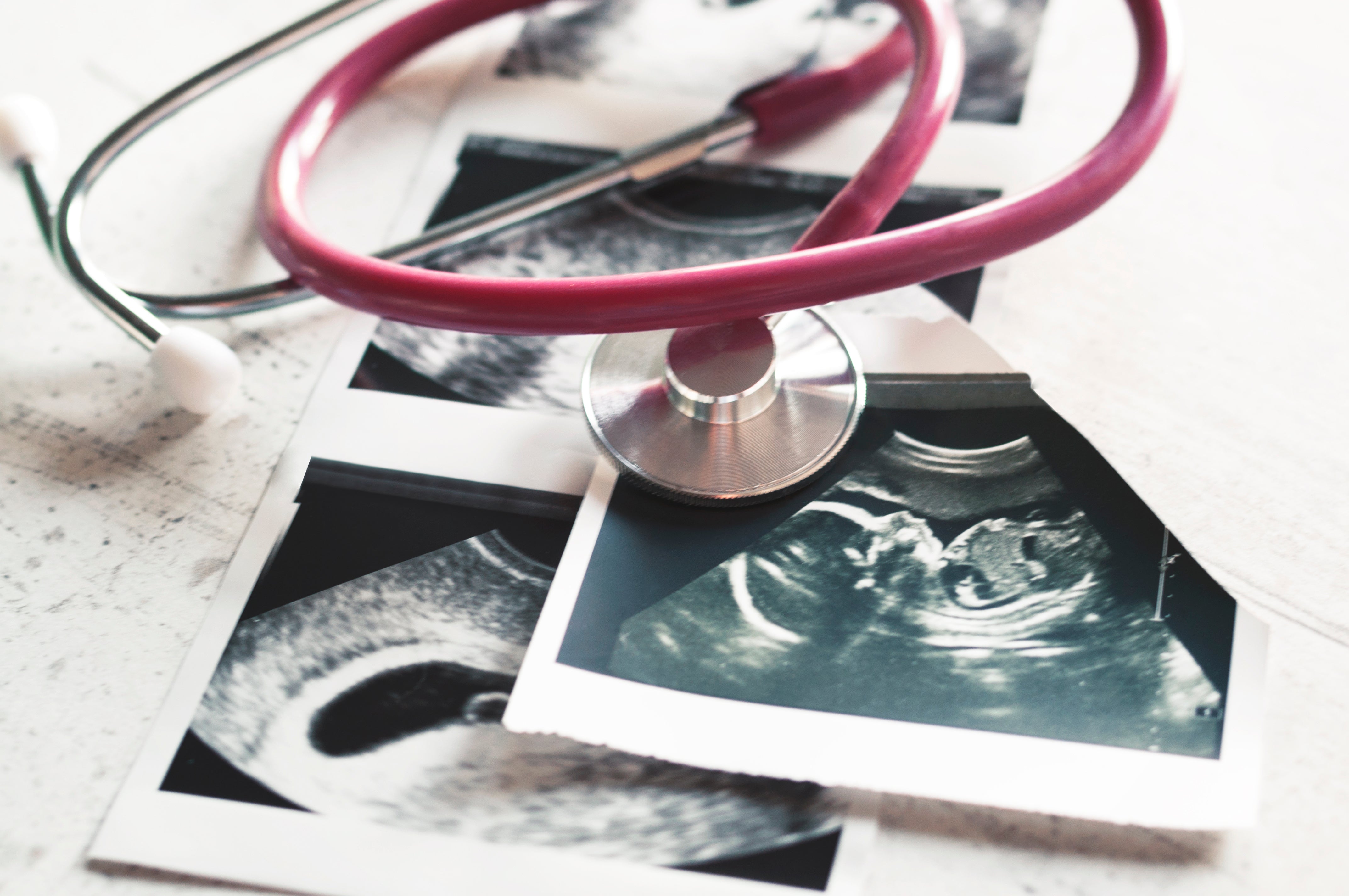
Pregnant women are particularly susceptible to the effects of air pollution. Many physiological changes occur during pregnancy, including a 20% increase in oxygen consumption that allows more pollutants to be inhaled and circulated [8]. When you’re pregnant, exposure to toxic gases, VOCs, particulate matter, and other air pollution can increase your risk of diabetes (high blood sugar) in pregnancy, high blood pressure in pregnancy, miscarriage, low birth weight, preterm birth, and stillbirth [9].
Expert Perspective : Q&A with Experts
What are the key benefits of this product?
How does this compare to alternatives?
Dr. Jane Smith
Dr. Jane Smith is a board-certified allergist with over 15 years of experience helping patients manage their allergies and improve their quality of life.
Dr. John Doe
Dr. John Doe specializes in environmental allergies and asthma treatment, bringing innovative approaches to patient care.

Supporting Healthier Indoor Environments for Women
Airborne pollutants can come from a variety of sources within the home. Improving indoor air quality can help reduce exposure to unwanted particles and create a healthier living space that supports overall wellbeing.
References
-
[1]
WebMD. What Are Obstetricians and Gynecologists? [Internet]. 2025. Available from: https://www.webmd.com/a-to-z-guides/what-are-obstetricians-gynecologists
-
[2]
Cleveland Clinic. Gynecologist? [Internet]. 2025. Available from: https://my.clevelandclinic.org/health/articles/24489-gynecologist
-
[3]
DeNicola N, et al. FIGO Committee Opinion: Environmental Drivers of Gynecologic and Reproductive Health [Internet]. International Journal of Gynecology & Obstetrics; 2025. Available from: https://obgyn.onlinelibrary.wiley.com/doi/full/10.1002/ijgo.70547
-
[4]
Harvard T.H. Chan School of Public Health. Fine Particulate Air Pollution May Play a Role in Adverse Birth Outcomes [Internet]. Harvard University; 2024. Available from: https://hsph.harvard.edu/news/fine-particulate-air-pollution-may-play-a-role-in-adverse-birth-outcomes/.
-
[5]
Schwartz B. How Common Are Volatile Organic Compounds in Feminine Hygiene Products? [Internet]. Contemporary OB/GYN; 2019. Available from: https://www.contemporaryobgyn.net/view/how-common-are-volatile-organic-compounds-feminine-hygiene-products
-
[6]
U.S. Environmental Protection Agency. Volatile Organic Compounds' Impact on Indoor Air Quality [Internet]. 2025. Available from: https://www.epa.gov/indoor-air-quality-iaq/volatile-organic-compounds-impact-indoor-air-quality
-
[7]
Conforti A, et al. Air Pollution and Female Fertility: A Systematic Review of Literature [Internet]. PubMed; 2018. Available from: https://pmc.ncbi.nlm.nih.gov/articles/PMC6311303/
-
[8]
Aguilera J, et al. Air Pollution and Pregnancy [Internet]. PubMed; 2024. Available from: https://pmc.ncbi.nlm.nih.gov/articles/PMC10843016/
-
[9]
The Collaborative for Women’s Environmental Health. Air Quality and Pregnancy [Internet]. Columbia Department of Obstetrics and Gynecology; 2022. Available from: https://www.obgyn.columbia.edu/file/23641/download?token=R1laP4oK


