


Key insights
-
Clinically proven to remove 99.99% of airborne particles
-
Advanced DFS technology captures ultrafine particles
-
Recommended by healthcare professionals worldwide
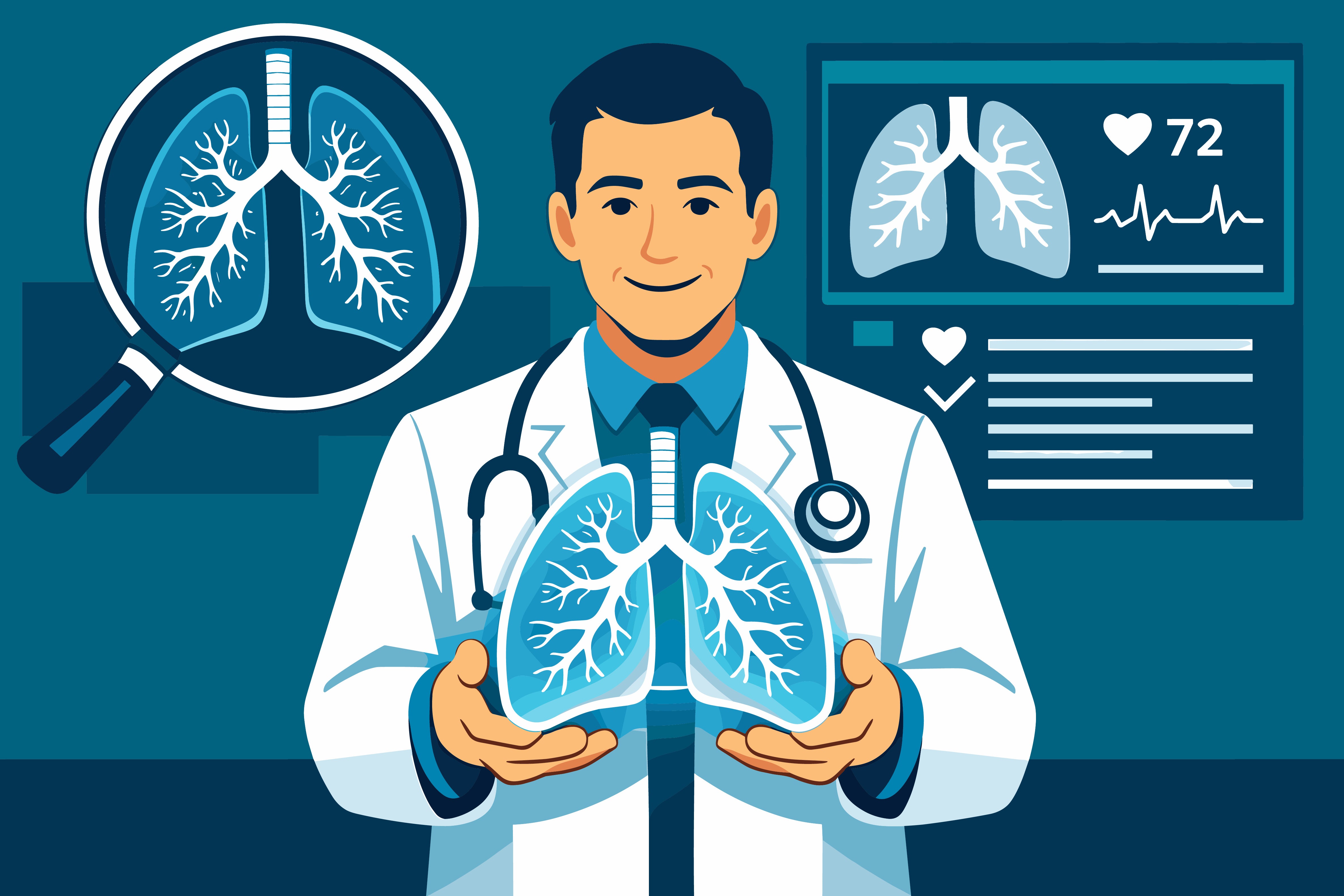
About the Field - Pulmonology
Pulmonology is a medical field of study within internal medicine that focuses on the respiratory system. If you’re experiencing breathing issues or have a concern about your lungs, windpipe, or any part of your respiratory system, a pulmonologist is the type of physician you’ll want to see. Some pulmonologists specialize in certain diseases and conditions, like asthma, pulmonary fibrosis, and chronic obstructive pulmonary disease (COPD). Pulmonologists frequently work with cardiologists to diagnose patients because lung and heart conditions can present similar symptoms [1].
Air Quality and Pulmonology
Indoor air quality is closely tied to the field of pulmonology because pulmonologists diagnose and treat conditions that are directly impacted by the air people breathe. Exposure to volatile organic compounds (VOCs), particulate matter (PM), dust mites, mold, pet dander, and other irritants can contribute to or aggravate symptoms of asthma, chronic obstructive pulmonary disease (COPD), bronchitis, and other lung conditions. Because people spend most of their time inside, keeping your indoor air as clean and fresh as possible can be an important component of protecting your lungs and minimizing respiratory symptoms [2].

Asthma
According to the Asthma and Allergy Foundation of America (AAFA), people spend more than 90% of their time indoors, and indoor air can be two-to-five times more polluted than outdoor air. Indoor air quality plays a critical role in asthma management, as common household pollutants like dust, pet dander, mold, pollen, and volatile organic compounds (VOCs) are common triggers for asthma symptoms [2].

Chronic Obstructive Pulmonary Disease (COPD)
Indoor air quality influences health and wellness for everyone, especially people living with COPD. This long-term condition, which includes chronic bronchitis and emphysema, limits airflow and makes breathing more difficult. Indoor air pollutants and particulate matter (PM) can worsen COPD symptoms, increase lung tissue inflammation, and reduce lung function. If you have a chronic lung disease like COPD, the American Lung Association (ALA) recommends using a portable air purifier with a high-efficiency particulate air (HEPA) filter to clean the air in your home [3].
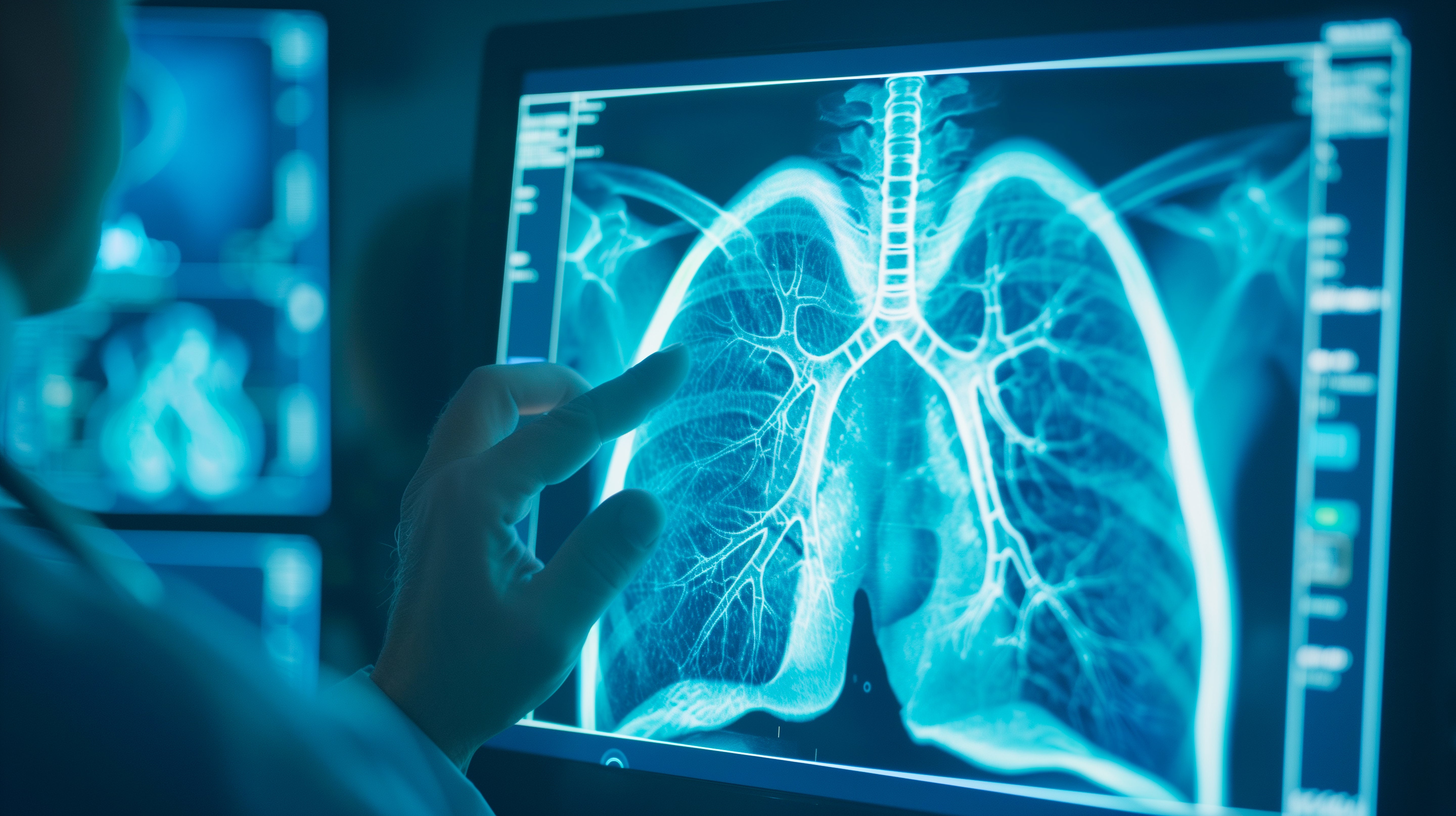
Lung Health
Dirty air can either cause or worsen respiratory symptoms, including coughing, difficulty breathing, and upper airway congestion. Pulmonologist Rachel Taliercio, DO explains how indoor air purifiers can promote health: “Airborne toxins are irritants. … To the extent that you could eliminate some of those particles in the air and reduce the exposure, you’re going to reduce effects on health.” Air purifiers are especially beneficial to young children, elderly people, and people living with heart and/or lung disease, for example, cystic fibrosis and conditions of the immune system [4].
Expert Perspective : Q&A with Experts
What are the key benefits of this product?
How does this compare to alternatives?
Dr. Jane Smith
Dr. Jane Smith is a board-certified allergist with over 15 years of experience helping patients manage their allergies and improve their quality of life.
Dr. John Doe
Dr. John Doe specializes in environmental allergies and asthma treatment, bringing innovative approaches to patient care.

Protecting the Lungs Starts Indoors
We breathe thousands of gallons of air every day, much of it indoors. Pollutants such as dust, smoke, mold spores, and microscopic particles can affect respiratory health and worsen conditions like asthma or chronic lung disease. Improving indoor air quality helps reduce exposure to these irritants and supports healthier breathing.
References
-
[1]
Kimble B. Know Your Providers: What Does a Pulmonologist Do? [Internet]. American Lung Association; 2019. Available from: https://www.lung.org/blog/know-your-providers-pulmonologist
-
[2]
Asthma and Allergy Foundation of America. Healthier Home [Internet]. Available from: https://aafa.org/allergies/prevent-allergies/healthier-home-indoor-air-quality/
-
[3]
COPD and Particulate Matter [Internet]. American Lung Association; 2023. Available from: https://www.lung.org/blog/copd-particulate-matter
-
[4]
Health Essentials. Can Air Purifiers Improve Your Lung and Heart Health? [Internet]. Cleveland Clinic; 2020. Available from: https://health.clevelandclinic.org/can-air-purifiers-improve-lung-heart-health


