


Key insights
-
Clinically proven to remove 99.99% of airborne particles
-
Advanced DFS technology captures ultrafine particles
-
Recommended by healthcare professionals worldwide

About the Field - Pediatrics
Pediatricians are doctors who care for the physical, mental, and emotional well-being of their patients, who are usually babies, children, adolescents, or young adults. Typically, pediatricians treat patients from birth through age 21. They can assist with preventative health, maintenance, and monitoring for healthy children in addition to providing medical care for children who are acutely and chronically ill. They can also coordinate care for kids after hospital discharge [1].
Air Quality and Pediatric Care
Children, particularly babies and younger kids, are more susceptible than adults to the health impacts of poor air quality. Since respiratory system growth isn’t complete until adolescence, children’s airways and lungs are small and vulnerable as they’re still developing. Babies and children also breathe more quickly and inhale more air relative to their size.The younger the child, the faster they breathe and the greater their exposure to air pollutants in relation to their body weight. Newborns average about 45 breaths per minute, versus about 31 breaths for 6-month-olds, and 24 for 2-year-olds. Meanwhile, adults usually take 12–14 breaths per minute.
On top of this, babies, toddlers, and even older kids tend to spend a lot of time on the floor and ground, where there’s more dust, pollen, and heavier toxic gases to breathe in, including aerosolized pesticides, carbon monoxide, mercury vapor, and radon [2]. All of these pollutants and irritants reduce air quality and have the potential to contribute to health concerns and discomfort.

Asthma
Asthma is a lifelong disease that makes it harder to move air in and out of your lungs. There’s no cure for asthma, but certain actions can help manage symptoms [3]. Around 4.9 million children in the United States have asthma, making it one of the most common chronic diseases in children. It’s also frequently the cause of missed school days.
Dust mites, pet dander, pollen, smoke, mold, chemicals, fragrances, and other types of indoor and outdoor air pollution and irritants can trigger asthma symptoms [4]. Exposure to these pollutants can increase medication use, emergency department visits, and hospitalizations [3].
Respiratory Infections
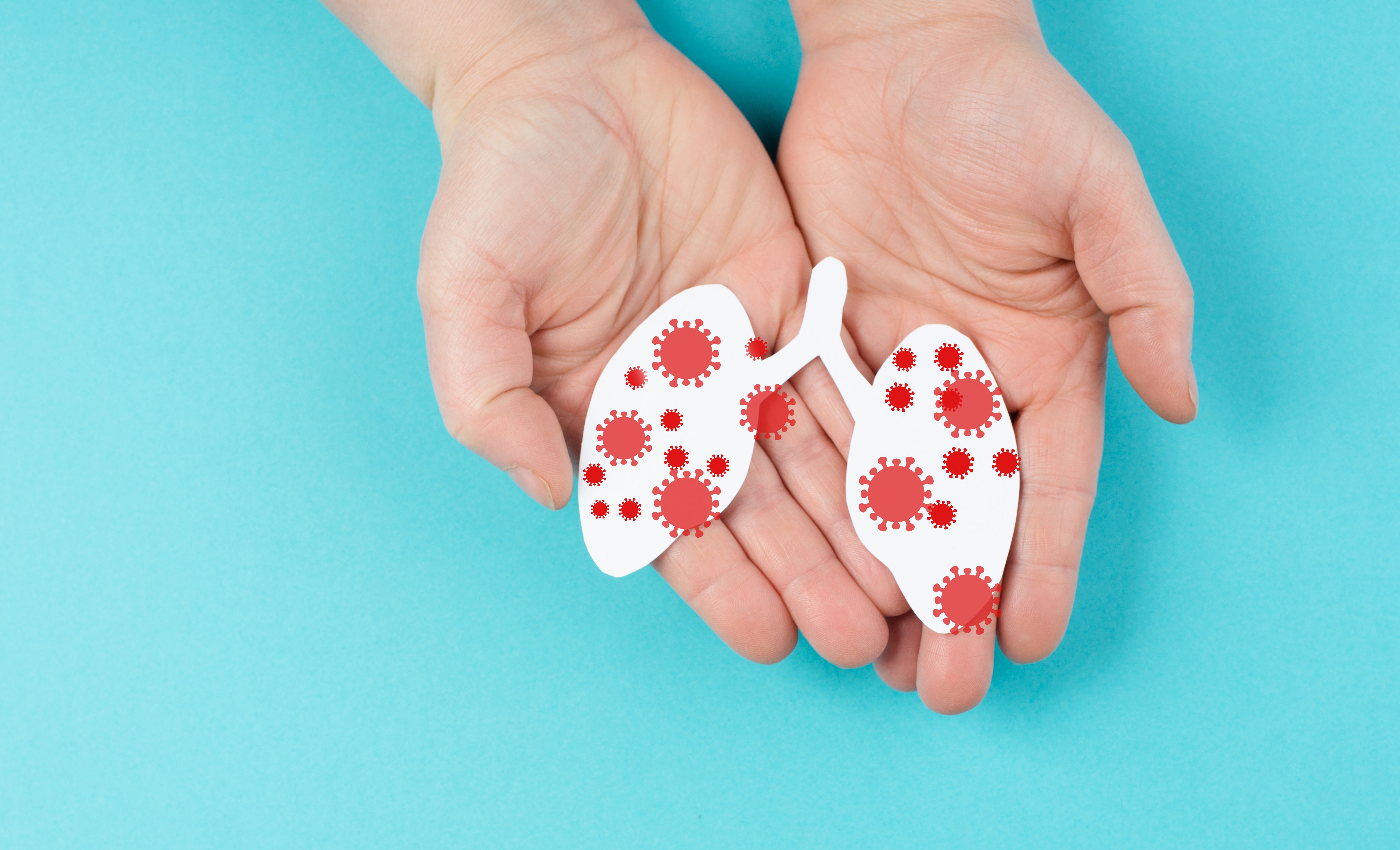
Respiratory illnesses including colds, flu, RSV, and COVID-19 can spread from person to person (or, more specifically, from kid to kid) through the air. The COVID-19 pandemic brought worldwide attention to how crucial good ventilation and effective air filtration are in limiting the transmission of viruses [5].
Allergies
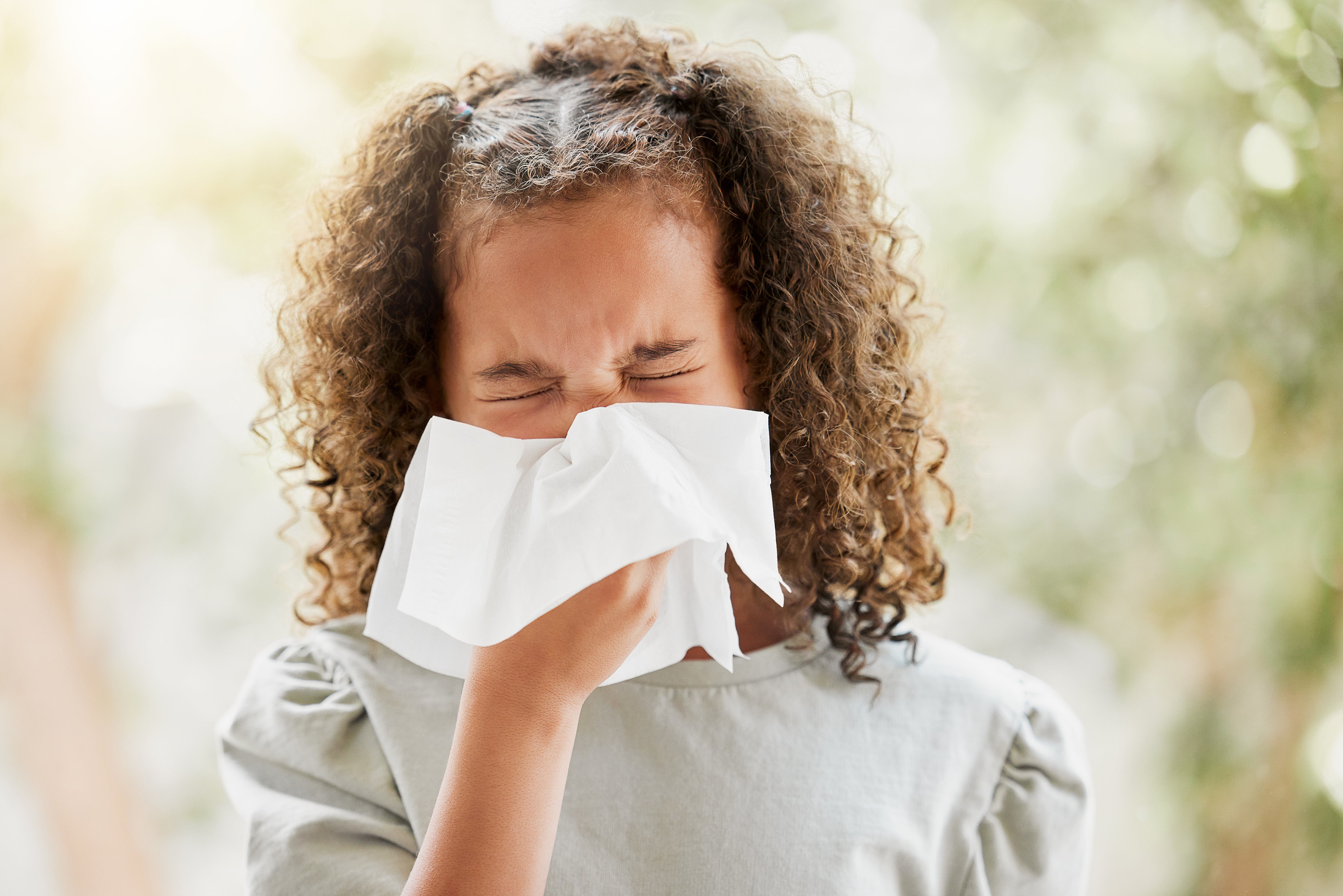
About one in five children has a seasonal allergy [6]. Fortunately, according to the Asthma and Allergy Foundation of America, better air quality in your home can reduce allergy triggers. Some of the top sources of indoor allergens are wall-to-wall carpet, soft furniture, bedding, mattresses, pillows, soft toys, pets, indoor plants, and damp areas. In addition removing the sources of allergens and irritants from your home, using an air cleaning device can help capture allergens [7].
Expert Perspective : Q&A with Experts
What are the key benefits of this product?
How does this compare to alternatives?
Dr. Jane Smith
Dr. Jane Smith is a board-certified allergist with over 15 years of experience helping patients manage their allergies and improve their quality of life.
Dr. John Doe
Dr. John Doe specializes in environmental allergies and asthma treatment, bringing innovative approaches to patient care.

Creating Healthier Air for Growing Lungs
Children spend a significant amount of time indoors—at home, at school, and during sleep. Reducing airborne irritants in indoor environments can help support healthier breathing and provide a more comfortable environment for children as they grow and develop.
References
-
[1]
Johns Hopkins Medicine. The Pediatrician [Internet]. Available from: https://www.hopkinsmedicine.org/health/wellness-and-prevention/the-pediatrician
-
[2]
Centers for Disease Control and Prevention. How Are Newborns, Infants, and Toddlers Exposed To and Affected by Toxicants? [Internet]. Agency for Toxic Substances and Disease Registry; 2023. Available from: https://archive.cdc.gov/www_atsdr_cdc_gov/csem/pediatric-environmental-health/newborns_infants_toddlers.html
-
[3]
American Lung Association. Indoor Air Quality and Asthma [Internet]. Available from: https://www.lung.org/getmedia/be634477-0c05-4f46-9fa6-50902d8994b1/FY25_Indoor-Air-Quality-and-Asthma_Final.pdf.
-
[4]
Asthma and Allergy Foundation of America. Asthma in Children [Internet]. 2024. Available from: https://aafa.org/asthma/living-with-asthma/asthma-in-children/
-
[5]
Early Childhood Scientific Council on Equity and the Environment. Air Quality Affects Early Childhood Development and Health: Working Paper No. 3 [Internet]. Harvard University Center on the Developing Child; 2025. Available from: https://developingchild.harvard.edu/wp-content/uploads/2025/05/HCDC_ECSCEE-Air-V4-1.pdf
-
[6]
Ng A, Giri A, Bottoms-McClain L. Diagnosed Allergic Conditions in Children Ages 0−17: United States, 2024 [Internet]. National Center for Health Statistics; 2026. Available from: https://www.cdc.gov/nchs/products/databriefs/db546.htm
-
[7]
Asthma and Allergy Foundation of America. How Can I Control Indoor Allergens and Improve Indoor Air Quality? [Internet]. Available from: https://aafa.org/allergies/prevent-allergies/control-indoor-allergens/


