


Key Insights
-
Naturopathic medicine takes a whole-body approach to health, recognizing that environmental factors like indoor air quality can influence overall wellness, alongside nutrition, sleep, stress, and lifestyle.
-
Poor air quality may impact more than just the lungs, with research linking airborne pollutants to changes in immune function, increased inflammation, disrupted sleep, and added physiological stress.
-
Supporting cleaner indoor air may help reduce environmental stressors, creating an environment that promotes the body's natural healing processes and long-term resilience.
-
Key areas influenced by air quality include immune health, sleep quality, and chronic inflammation, all of which are interconnected and play an important role in overall well-being.
-
Maintaining good indoor air quality is one part of a comprehensive wellness strategy, complementing healthy habits and preventive care to support whole-body health.

About Naturopathic Medicine
Naturopathic medicine is a form of whole-person healthcare that focuses on prevention, lifestyle support, and noninvasive approaches to wellness [1]. Naturopathic doctors often consider how nutrition, sleep, stress, movement, and environmental factors may affect overall health. Care may include evidence-informed recommendations related to diet, supplementation, stress management, and healthy living habits designed to support the body’s natural healing processes [3].
Rather than focusing on isolated symptoms, naturopathic care looks at how different systems of the body interact and influence one another over time. This approach often emphasizes supporting foundational aspects of health, such as immune function, metabolic balance, and recovery, through sustainable daily habits and personalized care strategies.
Environmental exposures are an important part of this broader health picture. Research suggests that factors such as air quality may influence inflammation, immune response, and overall physiological stress, all of which can impact long-term wellness and resilience [2,3]. From a naturopathic perspective, addressing these environmental inputs is often considered part of a comprehensive approach to supporting the body’s natural healing processes.
Air Quality & Naturopathic Medicine
Whole-body health looks at how multiple systems of the body work together rather than viewing symptoms in isolation [1]. From a whole-person perspective, environmental factors such as air quality can influence immune response, sleep quality, inflammation, and overall well-being.
Research increasingly shows that airborne pollutants and fine particulate matter (PM2.5) may contribute to stress on the body beyond the lungs alone, affecting cardiovascular, immune, neurological, and restorative processes. Because sleep, inflammation, and immune function are deeply interconnected, cleaner indoor air can be an important part of supporting overall wellness and resilience.

Immune Function
Air quality can directly influence immune function by triggering inflammatory and immune responses throughout the body [2]. Research suggests that airborne pollutants may stimulate immune cells and increase the release of pro-inflammatory signals, which can place ongoing stress on the body’s natural defense systems. Over extended periods, repeated exposure to pollutants may contribute to immune dysregulation, increased sensitivity to allergens, and reduced resilience against environmental stressors.

Sleep Quality
Poor air quality may also affect sleep quality [2]. Studies have linked air pollution exposure with disrupted sleep patterns, reduced sleep duration, and increased nighttime respiratory irritation. Because restorative sleep is so closely tied to hormone regulation, immune health, and recovery, poor indoor air quality may indirectly affect whole-body wellness by interfering with the body’s ability to rest and repair itself.
Chronic Inflammation
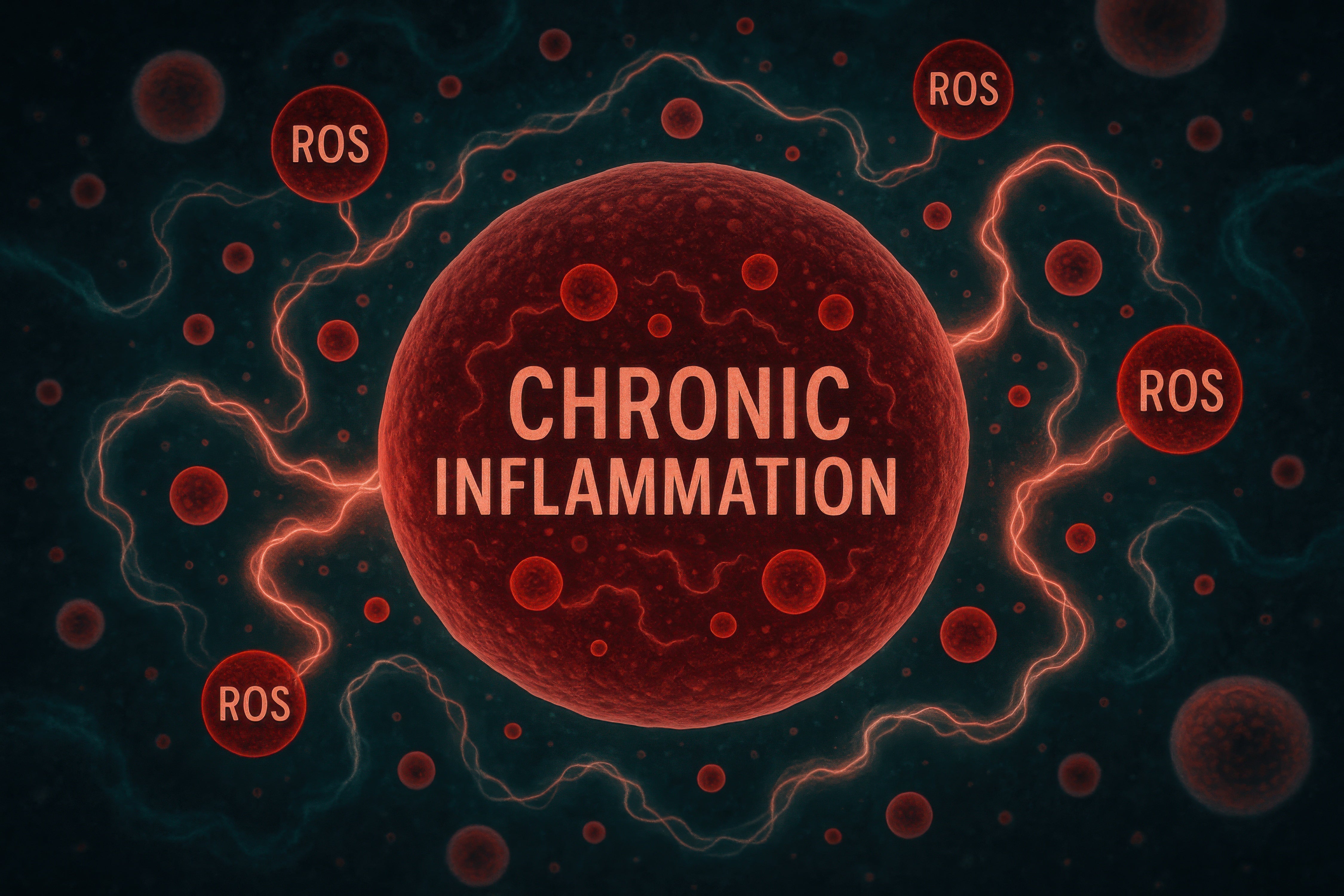
Long-term exposure to airborne pollutants may contribute to chronic low-grade inflammation throughout the body. Fine particulate matter has been associated with oxidative stress and inflammatory responses that extend beyond the respiratory system. Chronic inflammation is often linked to broader health concerns such as cardiovascular disease, fatigue, and systemic stress. Therefore, reducing exposure to indoor pollutants can be an integral part of a whole-body wellness approach [3].
Expert Perspective - Q&A with Experts
How does air quality impact the body’s natural balance?
What role do environmental toxins play in overall health?
How can improving air quality support wellness naturally?
What are natural ways to improve indoor air quality?
How important is reducing environmental stress in daily life?
In your experience, what are practical ways people can reduce environmental stressors at home?
Is there anything about air quality and natural health we haven’t asked that you’d like to expand on?
Meet the Experts

Dr. Rachel Harmon
Dr. Rachel Harmon CMO, Naturopathic Physician, Licensed Acupuncturist & East Asian Medicine Practitioner
Dr. Rachel Harmon is a licensed Naturopathic Physician and Acupuncturist with advanced training in Fascial Counterstrain (CSC1), Lyme disease (ILADS-trained), and mold-related illness (Crista Certified Practitioner). She also serves as a Teaching Assistant with the Jones Institute, where she enjoys mentoring fellow Fascial Counterstrain practitioners.
Rachel believes that lasting health comes from identifying and addressing the root causes of illness while restoring the body's natural ability to heal. Her approach combines the Principles of Naturopathic Medicine with Traditional Chinese Medicine, Fascial Counterstrain, nutrition, botanical medicine, specialty laboratory testing, and evidence-informed conventional diagnostics to create highly individualized treatment plans.

Dr. Renee Hubka, ND, LAc
Dr. Renee Hubka, ND, LAc, is a board-certified naturopathic doctor and licensed acupuncturist specializing in women's health, hormonal balance, autoimmune disorders, and digestive health, with clinical expertise in botanical medicine, Chinese herbal medicine, and homeopathy.
Background: Dr. Renee Hubka holds a Doctor of Naturopathic Medicine and a Master of Acupuncture from the National College of Natural Medicine in Portland, Oregon, and a Bachelor of Science in Biology with a minor in Nutrition from the University of Georgia. She is board-certified as a naturopathic doctor and holds licensure as an acupuncturist, practicing at Golden Heart Medicine in Portland, Oregon. Her clinical work centers on chronic disease management across women's health and fertility, hormone balancing, autoimmune disorders, dermatology, digestive health, and emotional recovery from trauma. Dr. Hubka carries additional clinical training in botanical medicine, herbalism, homeopathy, biotherapeutic drainage, Chinese herbal medicine, and clinical nutrition. She has also served as a corporate wellness provider at Nike, and brings broad cross-sector clinical experience to health content review.

Reducing Environmental Toxins at Home
Naturopathic medicine often focuses on minimizing exposure to environmental stressors. Improving indoor air quality can help remove airborne irritants and pollutants, contributing to a cleaner and more supportive home environment.
References
-
[1]
Sadowski A, Garofalo L, Welsh A, Bradley R. Naturopathic Doctors: An Underutilized Resource of Whole Health Delivery in Primary Care. Global Advances in Health and Medicine. 2022 Jan;11:2164957X2210797.
-
[2]
Manisalidis I, Stavropoulou E, Stavropoulos A, Bezirtzoglou E. Environmental and health impacts of air pollution: A review. Frontiers in Public Health. 2020 Feb 20;8(14):1–13.
-
[3]
Building a Path to Whole Person Health [Internet]. NCCIH. Available from: https://www.nccih.nih.gov/about/nccih-strategic-plan-2021-2025/introduction/building-a-path-to-whole-person-health


