

Key insights
-
Clinically proven to remove 99.99% of airborne particles
-
Advanced DFS technology captures ultrafine particles
-
Recommended by healthcare professionals worldwide
About the Field - Dentistry
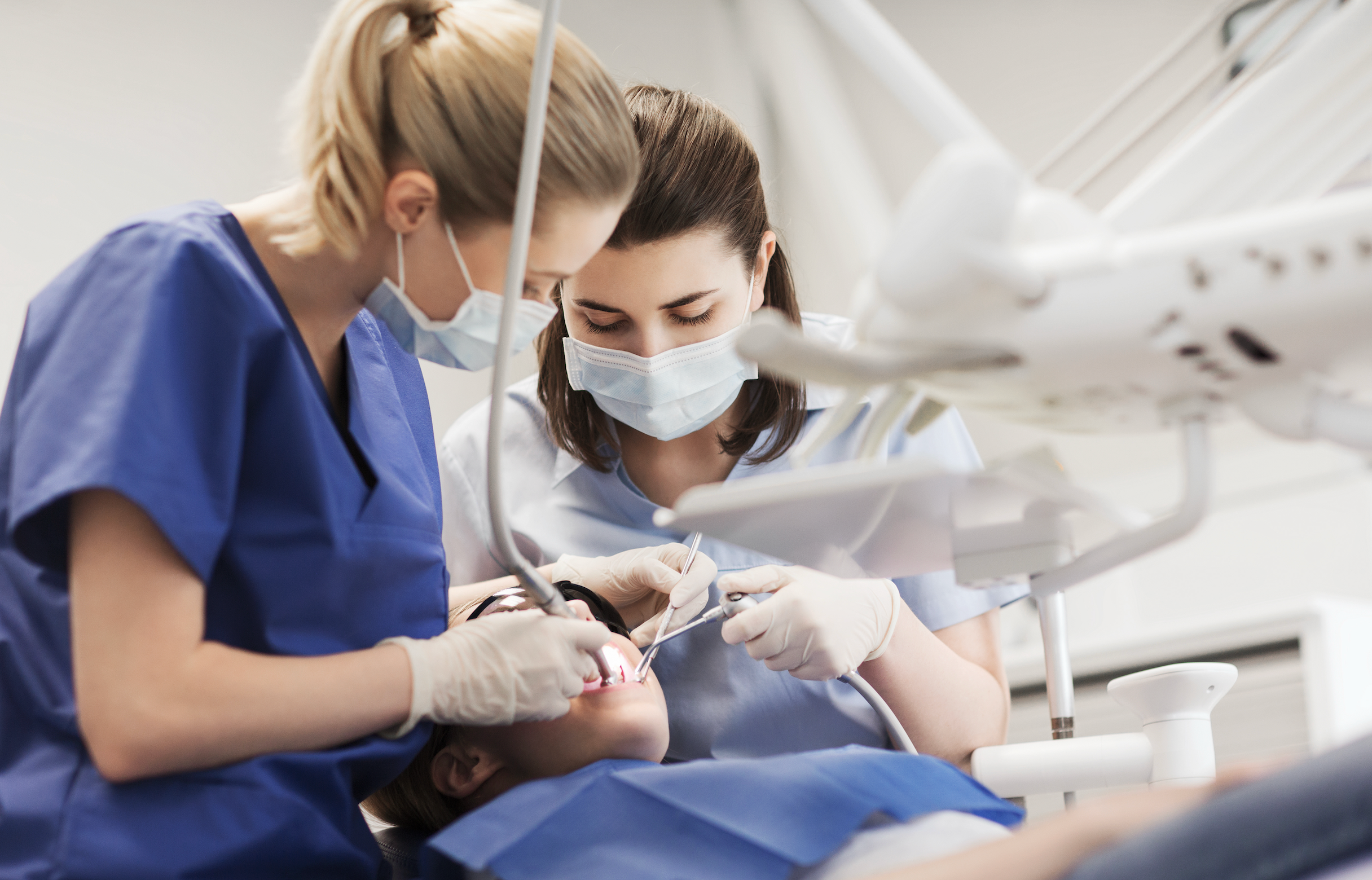
Dentists are healthcare providers who diagnose, treat, and help prevent oral health conditions. General dentists, who often practice family dentistry, offer services like cleanings and preventative care, fillings, dental implants, sealants, and whitening. At check-ups, they assess your teeth and gums and support you in keeping your mouth healthy.
Other types of dental specialists include endodontists, who focus on treating conditions inside your tooth, and oral surgeons, who perform extractions and other surgeries involving your mouth and teeth. There are also orthodontists, pediatric dentists, periodontists, prosthodontists, public health dentists, and forensic dentists [1].
Air Quality and Dentistry
It’s natural for people to worry about the effects air pollution might have on their lungs, but breathing bad air can also impact your mouth, gums, and teeth. When indoor and outdoor air quality is poor, due to dust, pollen, smog, or nearby wildfires, the particles in the air can make your mouth dry, irritate your gums, and potentially cause dental problems [2].
The relationship between air quality and dentistry goes both ways. Air quality influences your oral health, and oral healthcare can influence air quality, too. Modern dental tools produce aerosols and can play a role in spreading airborne infections [3].
Dry Mouth (Xerostomia)
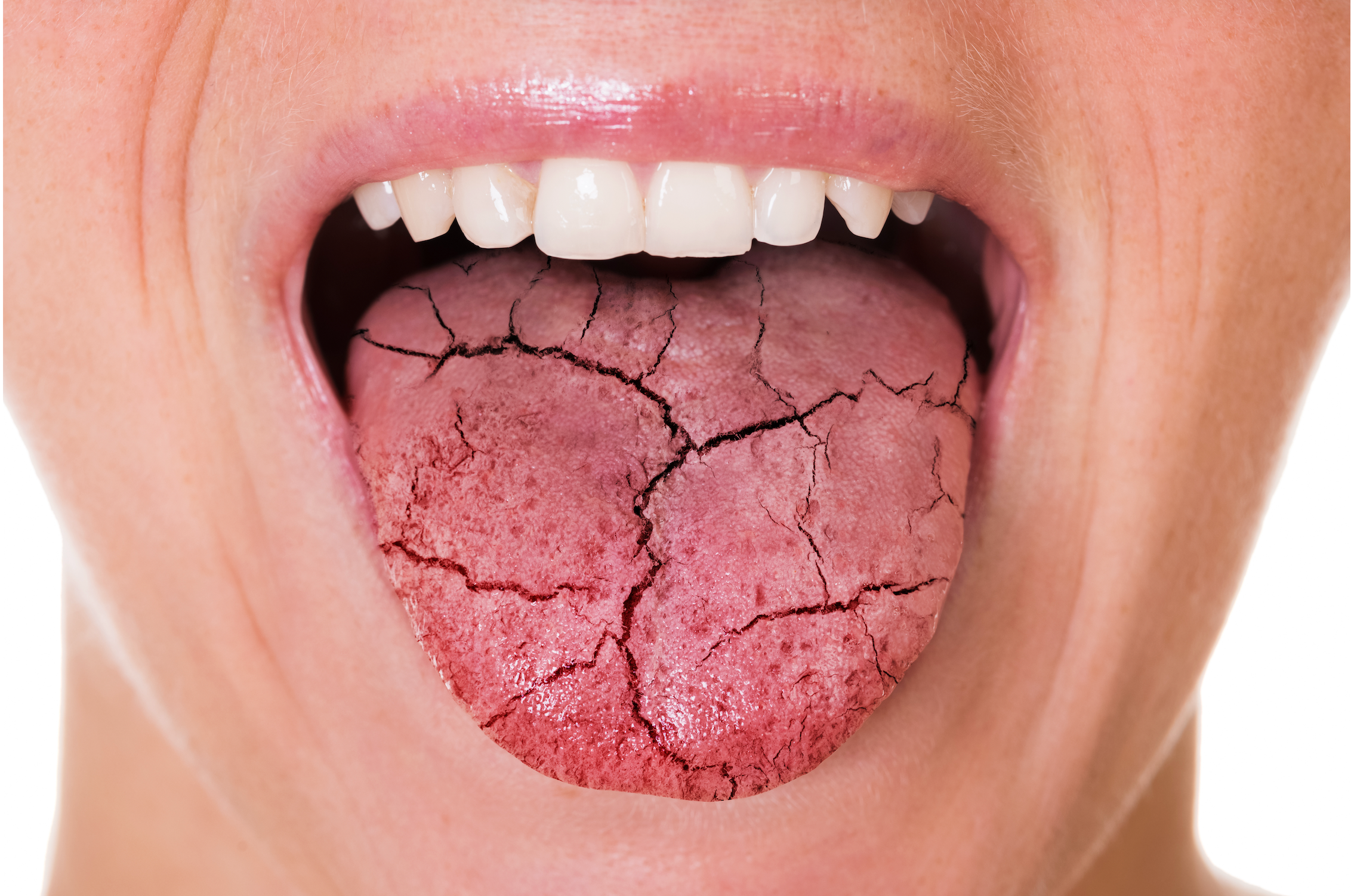
Air pollution and low humidity can contribute to dry mouth, or xerostomia, particularly in people who breathe through their mouths rather than their noses. Saliva is your mouth’s natural defense against gum disease and cavities, so when your mouth is dry and there’s less saliva, your dental health is more at risk.
Gum Inflammation & Irritation
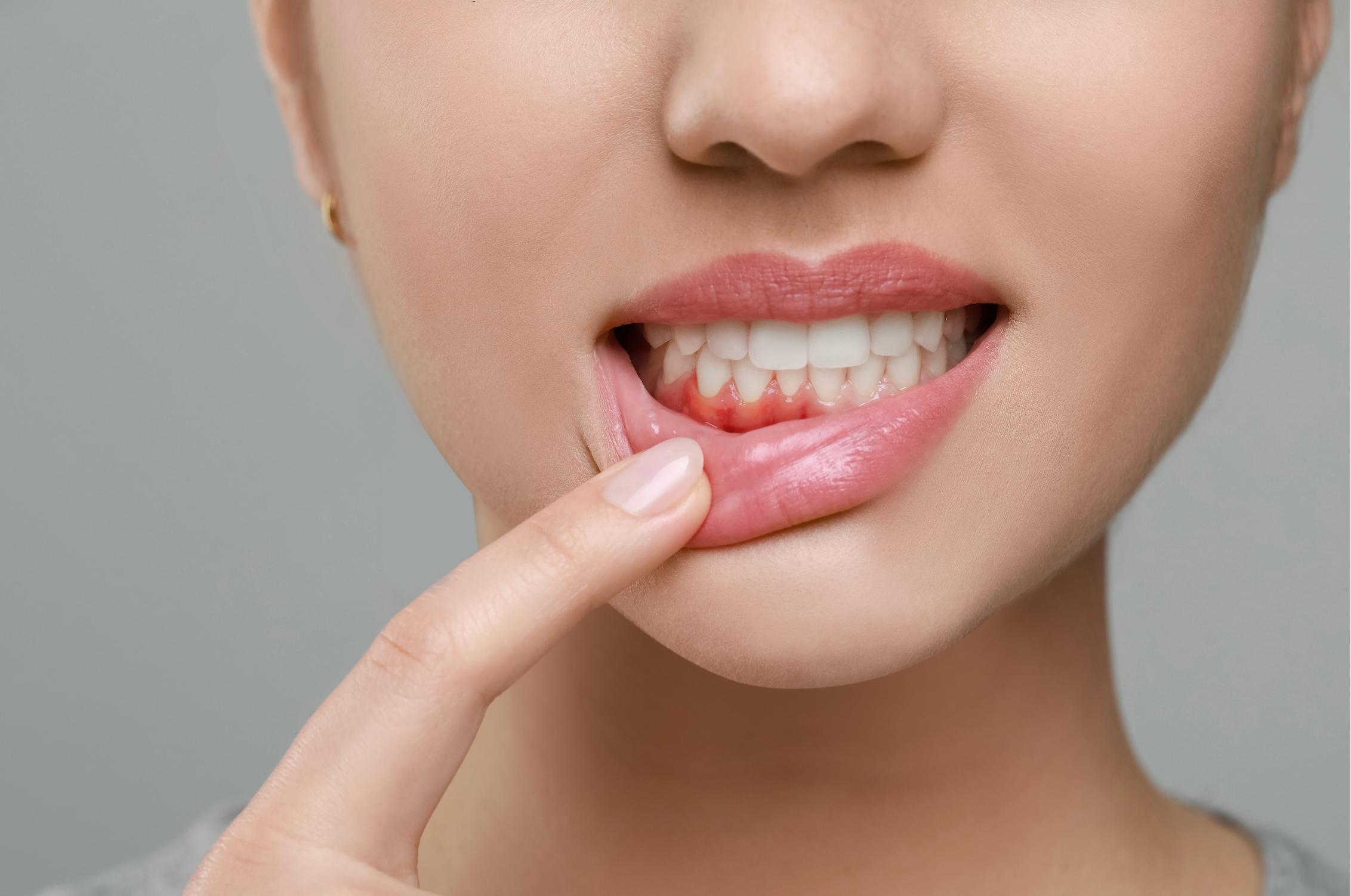
Polluted air often contains tiny particles and chemicals that can settle on your teeth and gums, making your gums swollen, red, irritated, or more prone to bleeding.
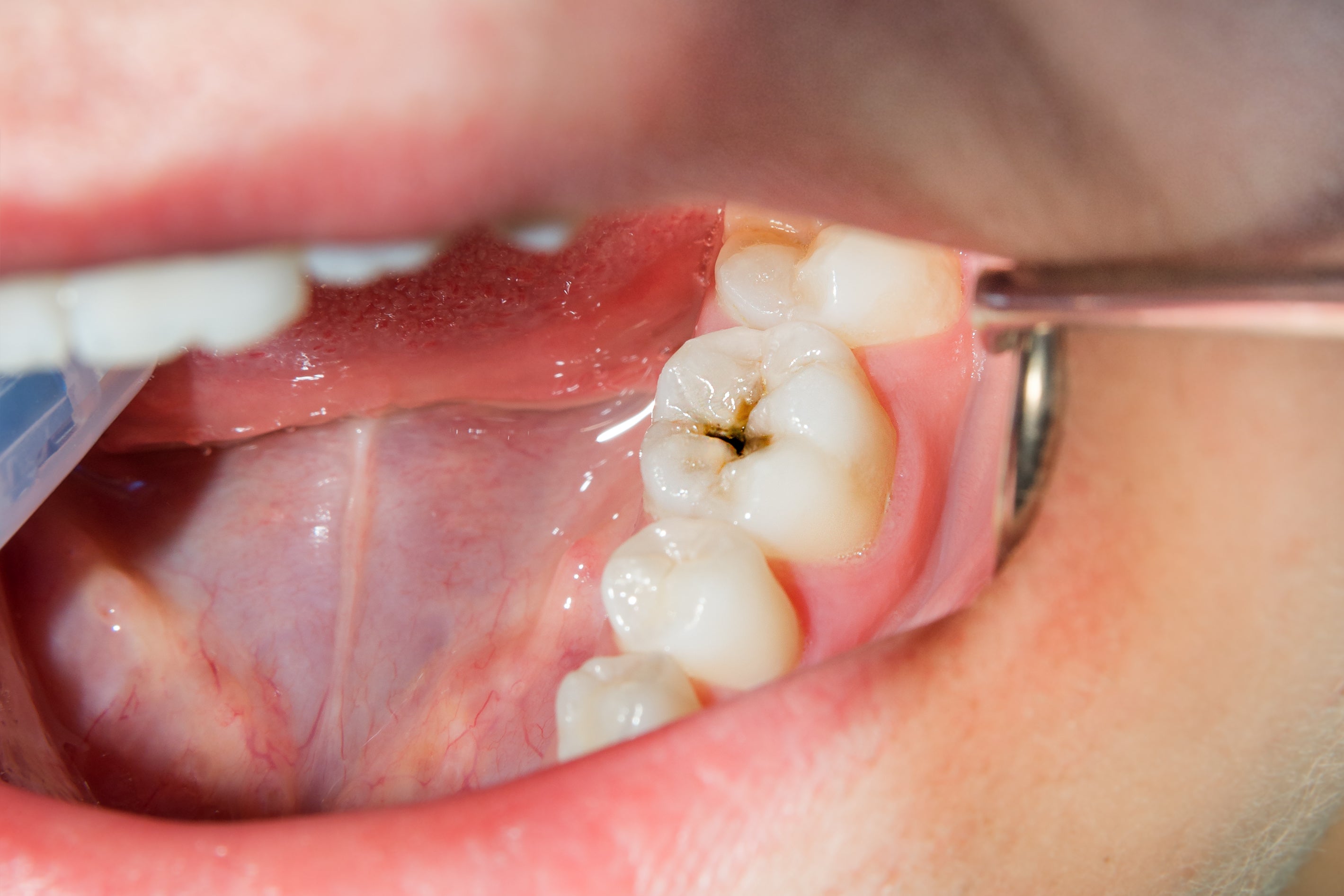
Cavities
Saliva helps remove food particles and neutralize acids in your mouth. When air pollution or low humidity decrease saliva levels in your mouth, acids can damage tooth enamel more easily and increase the likelihood of cavities [2].
Indoor Air Quality (IAQ) in Dental Offices
Since the late 1960s, scientists have recognized that IAQ is critical in dental offices to help prevent the spread of airborne infections and protect both patients and staff. Modern dental procedures and tools, including high-speed dental handpieces, air-powder cleaning devices, and air-abrasive decontamination technology, generate aerosol particles that can linger in the air in treatment areas.
Research highlights that running indoor air purifiers continuously during and after dental procedures reduces particulate matter (PM2.5, PM10) and volatile organic compounds (VOCs), improving overall air quality. Air purifiers are recommended in dental practices to help reduce the spread of infections, including vaccine-preventable diseases.
To maximize effectiveness, dental offices should maintain their air purifiers by cleaning filters regularly and replacing them on time when they’re dirty. It’s also beneficial to supplement mechanical air purification with natural ventilation, including opening windows, when outdoor air quality permits [3].
Expert Perspective : Q&A with Experts
What are the key benefits of this product?
How does this compare to alternatives?
Dr. Jane Smith
Dr. Jane Smith is a board-certified allergist with over 15 years of experience helping patients manage their allergies and improve their quality of life.
Dr. John Doe
Dr. John Doe specializes in environmental allergies and asthma treatment, bringing innovative approaches to patient care.

Cleaner Air for a Healthier Smile
A healthier home environment extends beyond brushing and flossing. Indoor air can carry dust, pollutants, and other airborne particles that may contribute to irritation and affect overall well-being. Improving air quality helps create a cleaner indoor space that supports your family's health and comfort.
References
-
[1]
Health Essentials. Dentist [Internet]. Cleveland Clinic; 2024. Available from: https://my.clevelandclinic.org/health/articles/24448-dentist
-
[2]
Dr. Salim Kapadia Dental Centre. Can Air Quality Affect Your Dental Health? [Internet]. 2025. Available from: https://drsalimkapadiadental.com/can-air-quality-affect-your-dental-health/
-
[3]
Tzoutzas I, Karoussis I, Maltezou HC. Air Quality in Dental Care Facilities: Update to Current Management and Control Strategies Implementing New Technologies: A Comprehensive Review [Internet]. PubMed; 2022. Available from: https://pmc.ncbi.nlm.nih.gov/articles/PMC9227829/


