


Key insights
-
Clinically proven to remove 99.99% of airborne particles
-
Advanced DFS technology captures ultrafine particles
-
Recommended by healthcare professionals worldwide
About Otolaryngology (Ear, Nose & Throat)
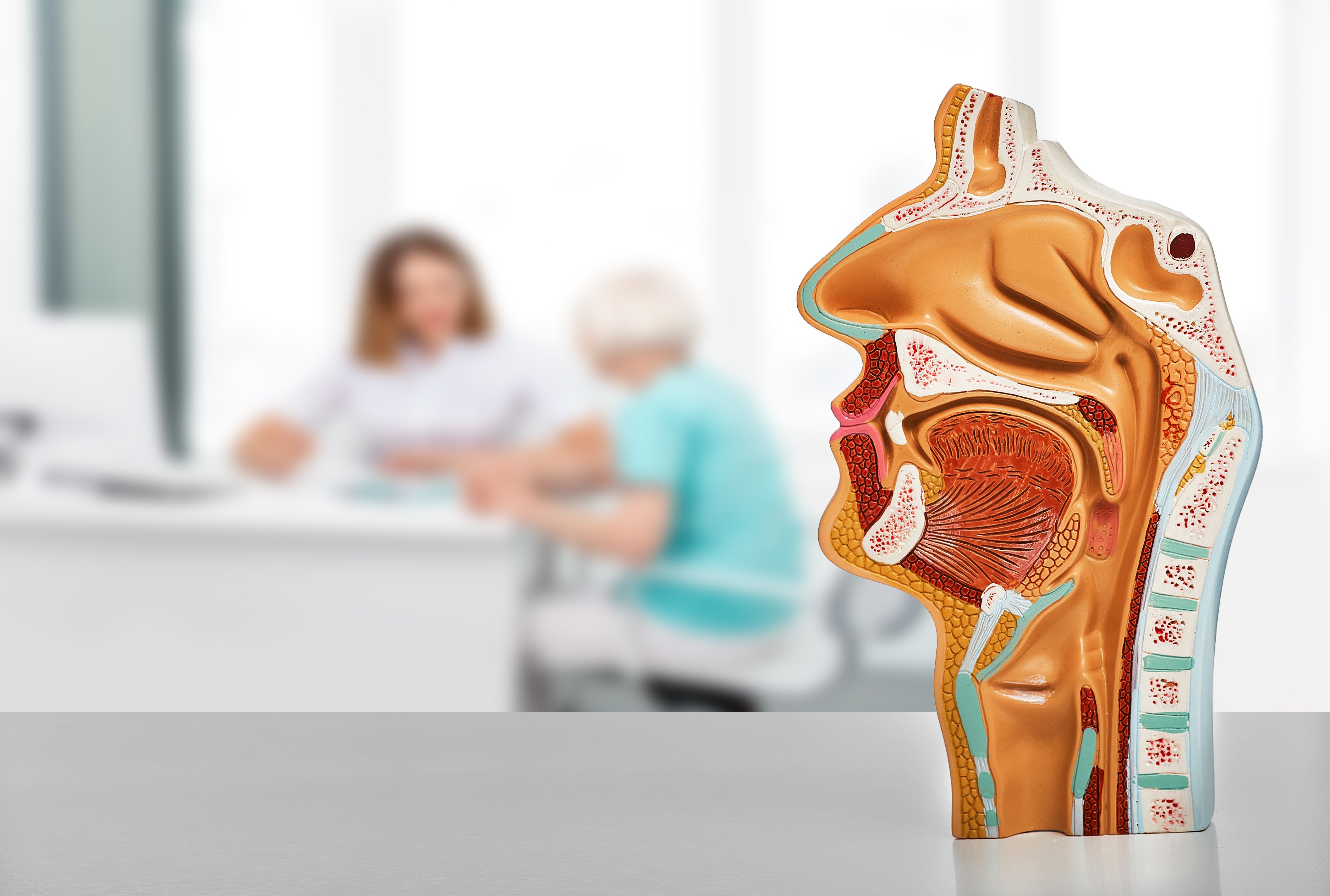
Otolaryngology is a medical specialty that focuses on the ears, nose, throat, and related structures of the head and neck. Known as ear, nose, and throat doctors, or ENTs for short, otolaryngology specialists are trained in both medicine and surgery [1]. They can treat everything from chronic cough, runny nose, and allergies to sleep apnea and snoring to vertigo [2].
ENTs are uniquely qualified to perform surgical procedures on the delicate and complex tissues of the head and neck. According to the American Academy of Otolaryngology, otolaryngology is the oldest medical specialty in the United States [1].
Air Quality and Otolaryngology
Most people don’t realize this, but your ears, nose, and throat are often even more susceptible to airborne irritants and allergens than your lungs. Air pollutants that accumulate indoors can contribute to a range of ENT disorders, including allergies, sore throat, persistent cough, and recurrent sinus and ear infections.
Everyday particles and chemicals can silently trigger or exacerbate ENT symptoms. Volatile organic compounds (VOCs), mold, dust mites, pet dander, tobacco smoke, and other allergens are just a few examples. Indoor air pollution is a growing concern because modern building materials and increasingly airtight homes reduce natural ventilation, leaving all those particles and irritants trapped inside.
Dr. Amy Williams, an ENT specialist, says, “Patients with unexplained chronic sinus problems often have a history of prolonged exposure to poor indoor air quality. Addressing the environment is key to successful treatment” [3].
Allergic Rhinitis
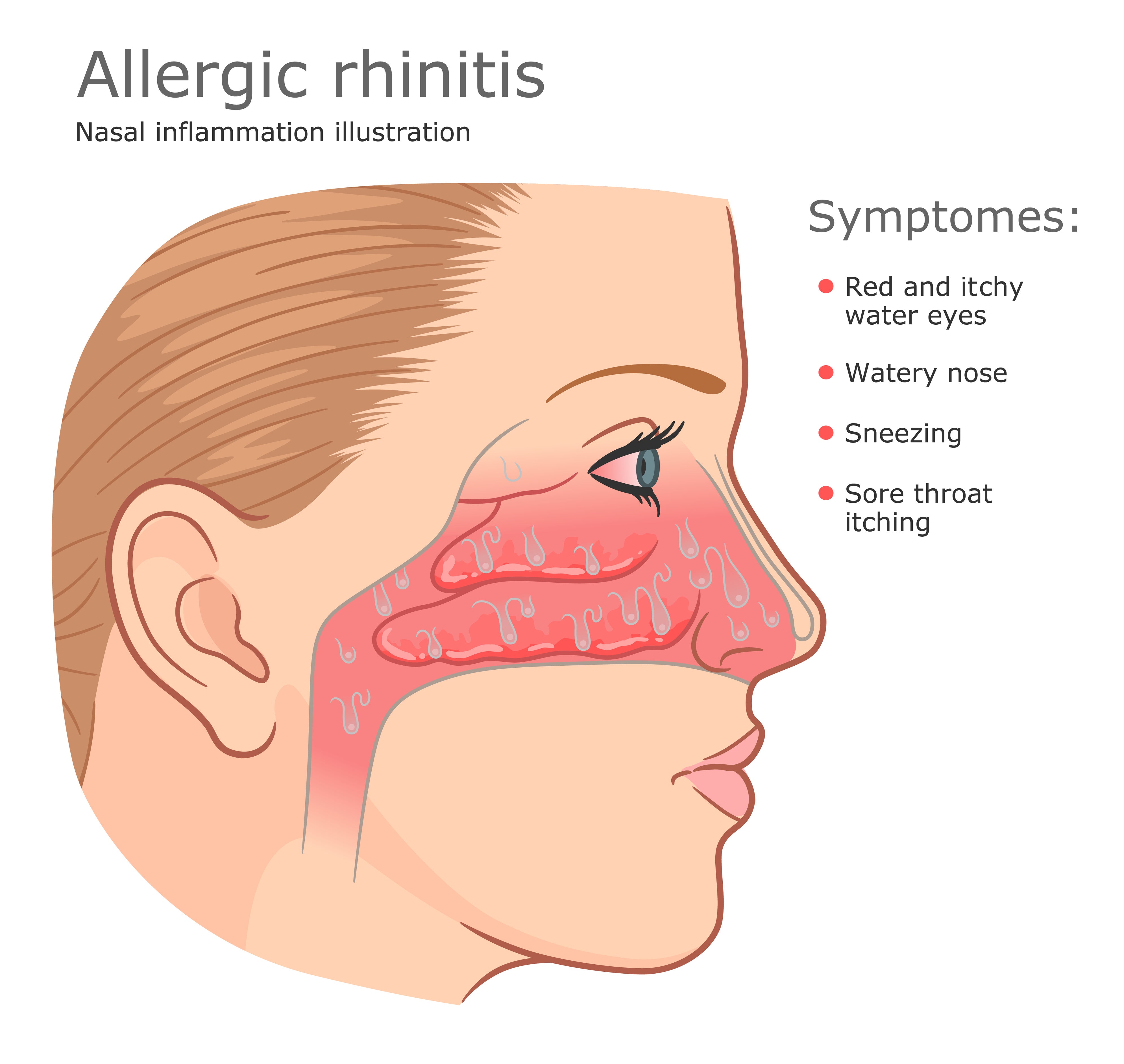
Exposure to high levels of traffic-related pollution and exhaust particles during the first year of life has been linked through research to an increased risk of sensitization to aeroallergens in early childhood. Additionally, studies on traffic-related air pollutant exposure during pregnancy reveal that exposure is positively associated with the development of allergic rhinitis (AR) in children [4].

Chronic Rhinosinusitis
Chronic rhinosinusitis (CRS) is a chronic inflammatory sinus disease that gets diagnosed when you have a sinus infection, called sinusitis, for 12 weeks or more. Research shows that CRS impacts 5% to 12% of the global population [5]. Scientific evidence to support an association between pollution and CRS is mixed, however, data on the topic has grown rapidly in recent years and points more and more to a link between the two [4].

Ear and Throat Health
Because the ears, nose, and throat are connected through the upper respiratory tract, inflammation in one area can affect the others. Air pollutants that cause nasal congestion or sinus inflammation can block the Eustachian tubes, which control pressure in the middle ear, leading to ear pain, pressure, or even infections. Meanwhile, throat lining irritation from pollutants can contribute to persistent sore throat, hoarseness, and chronic laryngitis, which can impact swallowing and voice quality [3].
Expert Perspective : Q&A with Experts
What are the key benefits of this product?
How does this compare to alternatives?
Dr. Jane Smith
Dr. Jane Smith is a board-certified allergist with over 15 years of experience helping patients manage their allergies and improve their quality of life.
Dr. John Doe
Dr. John Doe specializes in environmental allergies and asthma treatment, bringing innovative approaches to patient care.

Reducing Airborne Irritants at Home
Indoor air can contain dust, pollen, smoke, and other airborne particles that may contribute to nasal, sinus, and throat irritation. Improving air quality helps reduce these contaminants, creating a cleaner and more comfortable environment for everyday breathing and wellness.
References
-
[1]
Irving Medical Center. What is Otolaryngology? [Internet]. Columbia University. Available from: https://www.columbiadoctors.org/specialties/ear-nose-throat/patients/what-otolaryngology
-
[2]
Health Essentials. Otolaryngologist [Internet]. Cleveland Clinic; 2023. Available from: https://my.clevelandclinic.org/health/articles/24635-otolaryngologist
-
[3]
Dillard D. Indoor Air Pollutants and Their Impact on ENT Health Risks [Internet]. Sleep and Sinus Centers of Georgia; 2026. Available from: https://sleepandsinuscenters.com/blog/indoor-air-pollutants-and-their-impact-on-ent-health-risks
-
[4]
American Academy of Otolaryngology–Head and Neck Surgery. World Sinus Health Awareness Month: Growing Concern Regarding Air Pollution [Internet]. Bulletin; 2024. Available from: https://bulletin.entnet.org/clinical-patient-care/article/22917724/world-sinus-health-awareness-month-growing-concern-regarding-air-pollution
-
[5]
Allergy and Asthma Network. What is Chronic Rhinosinusitis with Nasal Polyps (CRSwNP)? [Internet]. Available from: https://allergyasthmanetwork.org/health-a-z/chronic-rhinosinusitis-with-nasal-polyps-crswnp/


