


Key insights
-
Clinically proven to remove 99.99% of airborne particles
-
Advanced DFS technology captures ultrafine particles
-
Recommended by healthcare professionals worldwide

About the Field - Neurology
A neurologist is a doctor who specializes in diagnosing and treating disorders of your body’s nervous system, which includes your brain, spinal cord, and nerves. Because the nervous system controls movement, sensation, thinking, and many automatic functions, neurological conditions can affect nearly every part of your body. Neurologists treat conditions like Alzheimer’s disease, epilepsy, migraines, multiple sclerosis, Parkinson’s disease, stroke, sleep disorders, nerve pain, as well as brain and spinal cord injuries. Neurosurgeons are specialists who perform surgery on the brain, spinal cord, and nerves [1].
Air Quality and Neurology
Air quality has become an increasingly important topic in neurology as research continues to reveal how air pollution may impact the brain and nervous system. Volatile organic compounds (VOCs), particulate matter (PM), ozone, and traffic-related pollution have been linked to harmful neurological effects, in addition to the more obvious respiratory and cardiovascular consequences.
Indoor air quality in particular may play a significant role in brain health. The average American spends about 90% of their time indoors, where cooking and home heating can generate PM and building materials, paints, carpeting, furniture, cleaning chemicals, and other products can emit VOCs. Plus, for lots of people, the majority of their exposure to outdoor air pollution actually occurs indoors (because icky outdoor air tends to find its way in) [2].

Brain Function
Researchers have connected poor air quality to reduced cognitive performance and “brain fog” in otherwise healthy people. Studies have found that short-term exposure to elevated levels of PM, VOCs, and carbon dioxide can impair concentration, attention span, productivity, and decision-making in both adults and kids. Meanwhile, low indoor pollutant levels and increased ventilation have been linked to better cognitive test performance, which suggests that cleaner air may support clearer thinking [2].

Neurological Disorders
Numerous studies involving diverse populations across multiple geographical regions have associated air pollution, particularly traffic-related pollution and PM2.5, with a greater risk of neurodegenerative disease. In 2019, six separate systematic reviews of epidemiological literature determined that data supports a strong connection between ambient PM2.5 and a range of neurological disorders, including Parkinson’s disease, Alzheimer’s disease, age-related dementia, stroke, depression, and anxiety disorders [2].

Neurodevelopmental Disorders
According to epidemiological studies, children’s developing brains are vulnerable to air pollution. Traffic-related air pollution, ambient fine particulate matter (PM2.5), and polycyclic aromatic hydrocarbons (PAHs), a group of different chemicals formed by burning organic material, are all environmental risk factors for neurodevelopment disorders, including autism spectrum disorder (ASD) and attention-deficit/hyperactivity disorder (ADHD) [2,3].
Expert Perspective : Q&A with Experts
What are the key benefits of this product?
How does this compare to alternatives?
Dr. Jane Smith
Dr. Jane Smith is a board-certified allergist with over 15 years of experience helping patients manage their allergies and improve their quality of life.
Dr. John Doe
Dr. John Doe specializes in environmental allergies and asthma treatment, bringing innovative approaches to patient care.
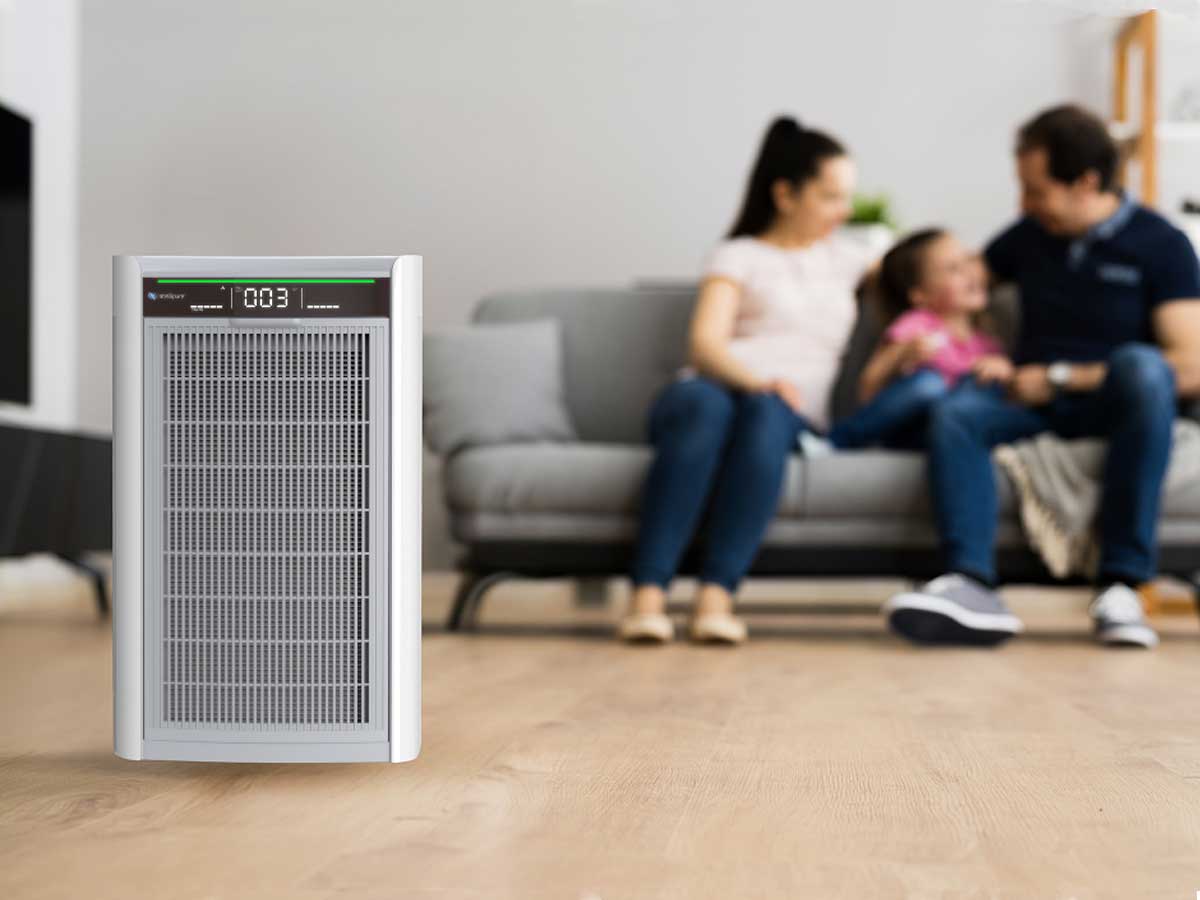
Supporting Brain Health Through Cleaner Air
Airborne pollutants can travel deep into the body and may influence inflammation and overall health. Maintaining cleaner indoor air may help reduce environmental stressors and support a healthier living environment for the brain and nervous system.
References
-
[1]
Cleveland Clinic. Neurologist [Internet]. 2022. Available from: https://my.clevelandclinic.org/health/articles/22277-neurologist
-
[2]
Lein P, Wexler A. Air Pollution's Surprising Target: Your Brain [Internet]. Environmental Health Sciences Center. University of California, Davis. Available from: https://environmentalhealth.ucdavis.edu/air-pollution/brain-health
-
[3]
Oregon State University. All About PAHs [Internet]. The Superfund Research Center. Available from: https://superfund.oregonstate.edu/resources/all-about-pahs


