

Summary
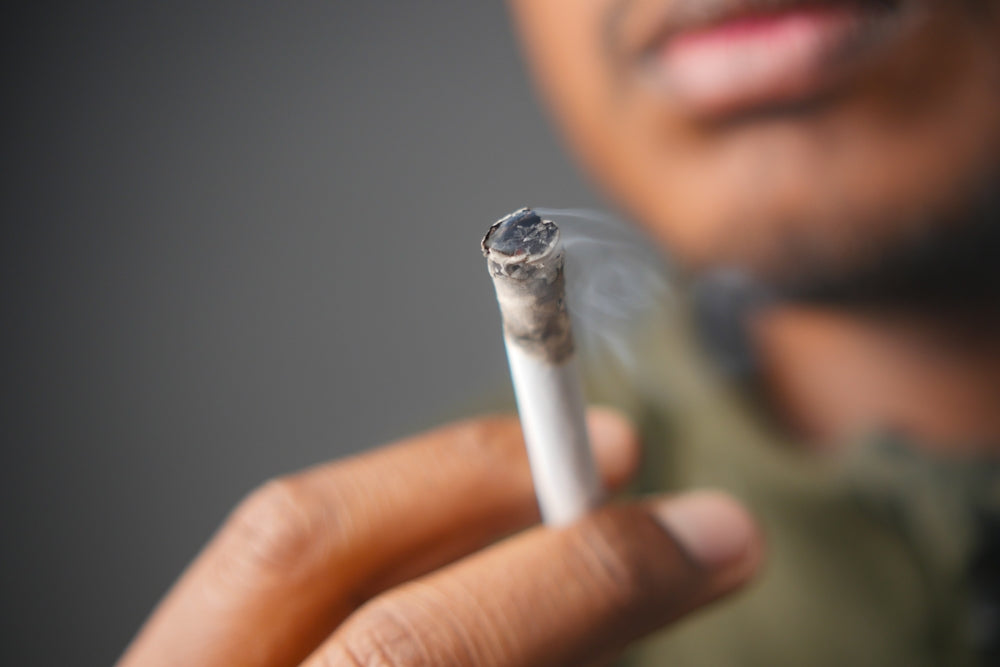
Cigarettes are having a cultural moment again. For a while, they seemed destined to become a relic of another era.
In This Article
Cigarettes are having a cultural moment again. For a while, they seemed destined to become a relic of another era. Then came vaping, sleek electronic devices, flavored nicotine, a way to smoke almost anywhere, and a whole new aesthetic.
Now, the pendulum appears to be swinging again.
Recent cultural coverage has pointed renewed interest in something trendsetters are calling analog smoking, especially among younger consumers. Cigarettes are showing up in fashion, celebrity imagery, nightlife culture, and social media feeds, alongside terms like cigfluencers, Gen Z smoking, and even vape fatigue.
Whether the fascination is nostalgic, ironic, aesthetic, or actually changing smoking preferences is another conversation. But from an indoor air quality (IAQ) perspective, there's one important thing to remember: The cigarette may look culturally different in 2026, but it hasn't changed its relationship with your lungs. Or the air.
Secondhand smoke creates an immediate exposure problem, but it can also leave behind airborne pollution that sticks around long after the cigarette is gone.
What Happens to Your Air When Someone Smokes?
When a cigarette burns indoors, it releases a mixture of gases and particles into the surrounding air.
One of the most useful ways researchers track that pollution is through fine particulate matter (PM2.5), teeny tiny airborne particles small enough to remain suspended in the air and travel throughout indoor spaces. In one study of multiunit housing, apartments with smoking residents had higher PM2.5 concentrations than nonsmoking apartments. Researchers also found a strong relationship between airborne nicotine and PM2.5 in smoking households, supporting the conclusion that tobacco smoke was driving much of the measured particle pollution .
This effect isn't limited to homes. Another study measured indoor PM2.5 in hospitality venues before and after smoke-free laws went into effect. When comprehensive smoke-free policies were introduced, average indoor PM2.5 concentrations dropped significantly .
In other words? Smoking indoors doesn't just create a smell. It changes the air for everyone in that space.
The Cigarette Is Gone, But the Smoke Isn't
Here's where secondhand smoke becomes an even bigger IAQ issue. Researchers analyzing minute-by-minute air quality data from 103 smoking households looked at what happened after participants smoked the final cigarette of the day.
The median time needed for the resulting secondhand smoke peak to drop by just 50% was 55 minutes. It took a median of 160 minutes for concentrations to fall back to the acceptable PM2.5 guidance level used in the study [1][1].
That's more than two and a half hours.
So while smoking itself may only take a few minutes, the particle pollution it creates can linger much longer. Basically, the cigarette goes out, but the air doesn't instantly reset. This matters especially in bedrooms, living rooms, cars, apartments, and other enclosed spaces where people spend extended periods of time.
Smoke Travels, Too
There's another catch. Smoke doesn't always stay where it started.
In a Boston Housing Authority study, researchers documented secondhand smoke moving from smoking apartments into neighboring nonsmoking units. Apartments directly across from smokers had higher PM2.5 levels during hours when their neighbors reported smoking, and shared hallways also showed measurable increases .
Smoking in a separate room, near a doorway, or in one designated indoor area isn't the same as keeping the rest of a building smoke-free.
A similar pattern showed up in public spaces. In one community studied before and after smoking restrictions, a partial smoke-free law did little to improve IAQ. PM2.5 dropped substantially only after the policy was expanded to comprehensively eliminate indoor smoking .
What About Vapes?
The current vape fatigue conversation makes this especially interesting. Some younger consumers may be reconsidering traditional cigarettes after years of disposable vapes and e-cigarettes dominating nicotine culture. But cigarettes and e-cigarettes don't produce the same exact emissions, and the research used here primarily examines secondhand smoke from combustible tobacco (the kind you light on fire to use). So, we won't pretend they're interchangeable.
What they do have in common is a simple IAQ reality: Anything intentionally released into indoor air becomes part of the environment for everyone nearby. If the resurgence of analog smoking is partly a reaction to vaping culture, it's still worth thinking beyond the person intentionally inhaling tobacco and nicotine products. Indoor air is communal.
Can an Air Purifier Help With Indoor Smoke?
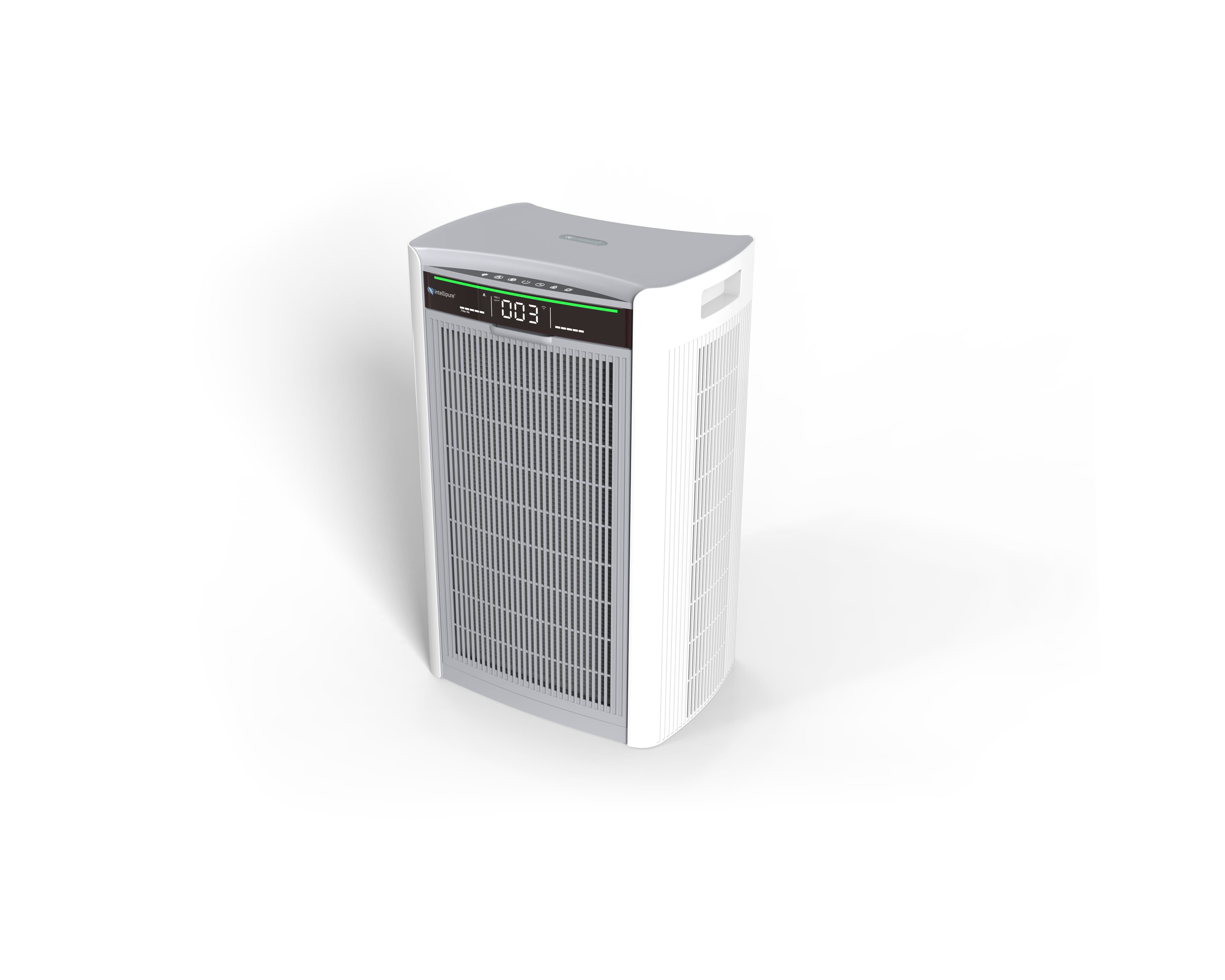
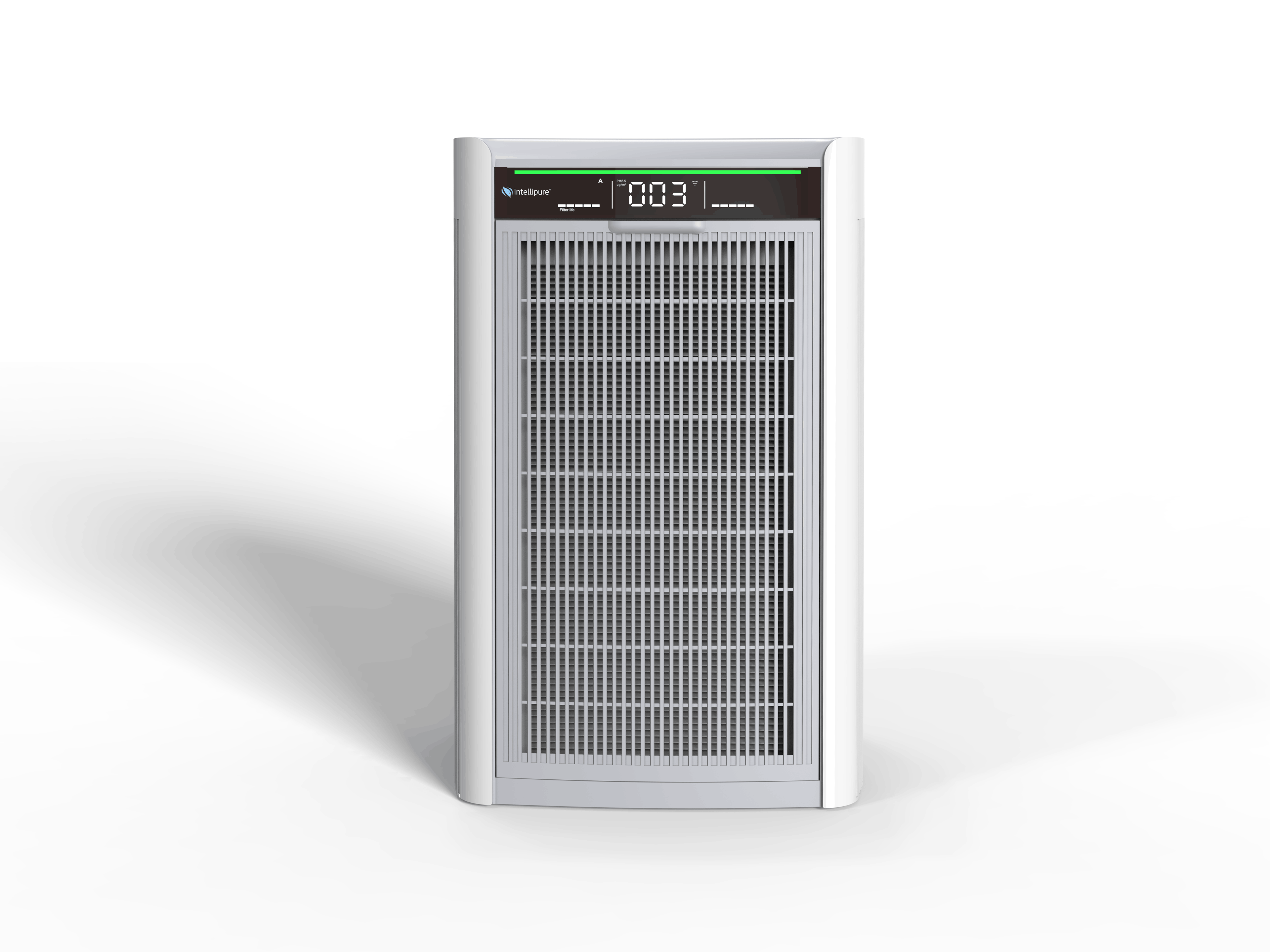
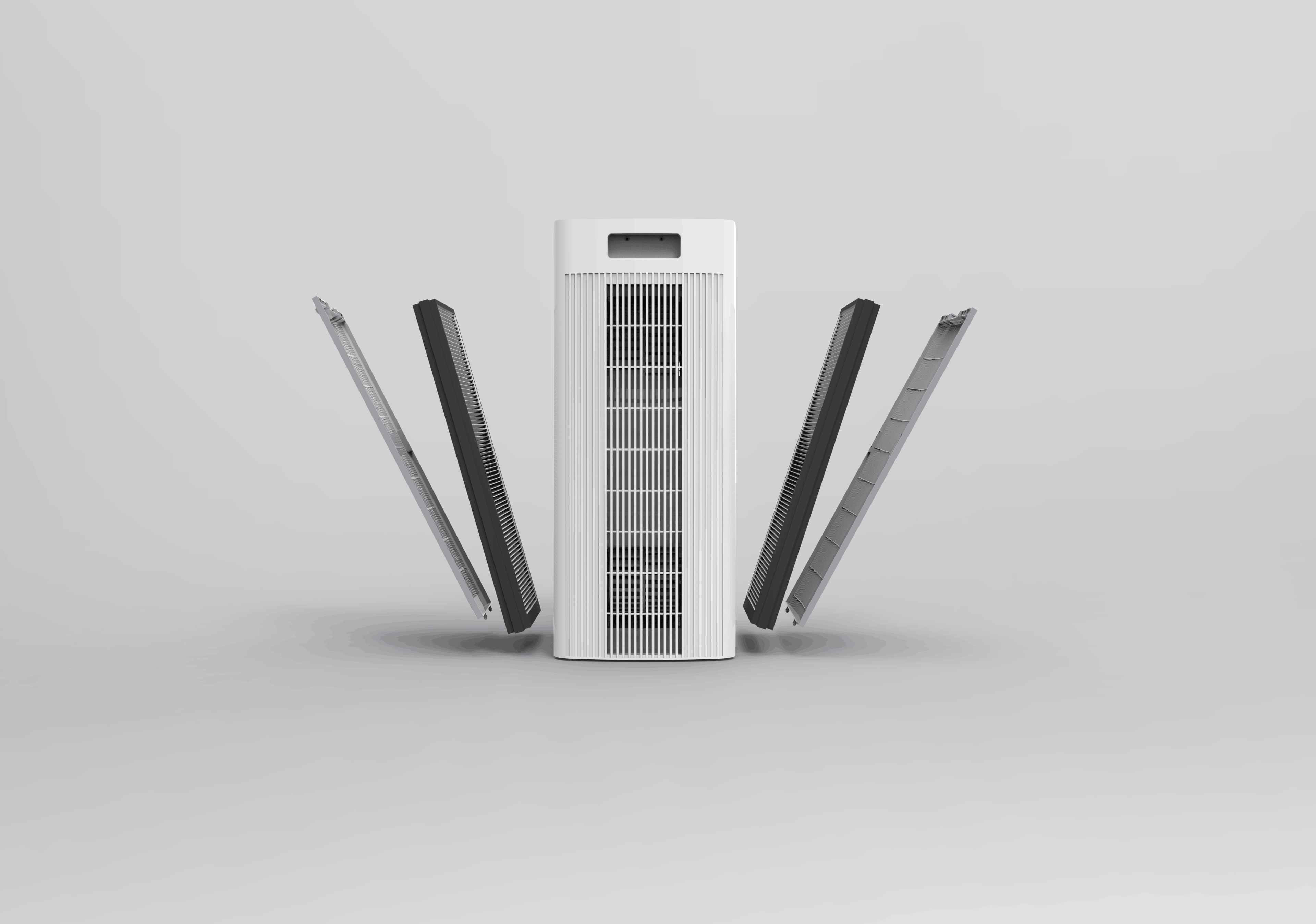
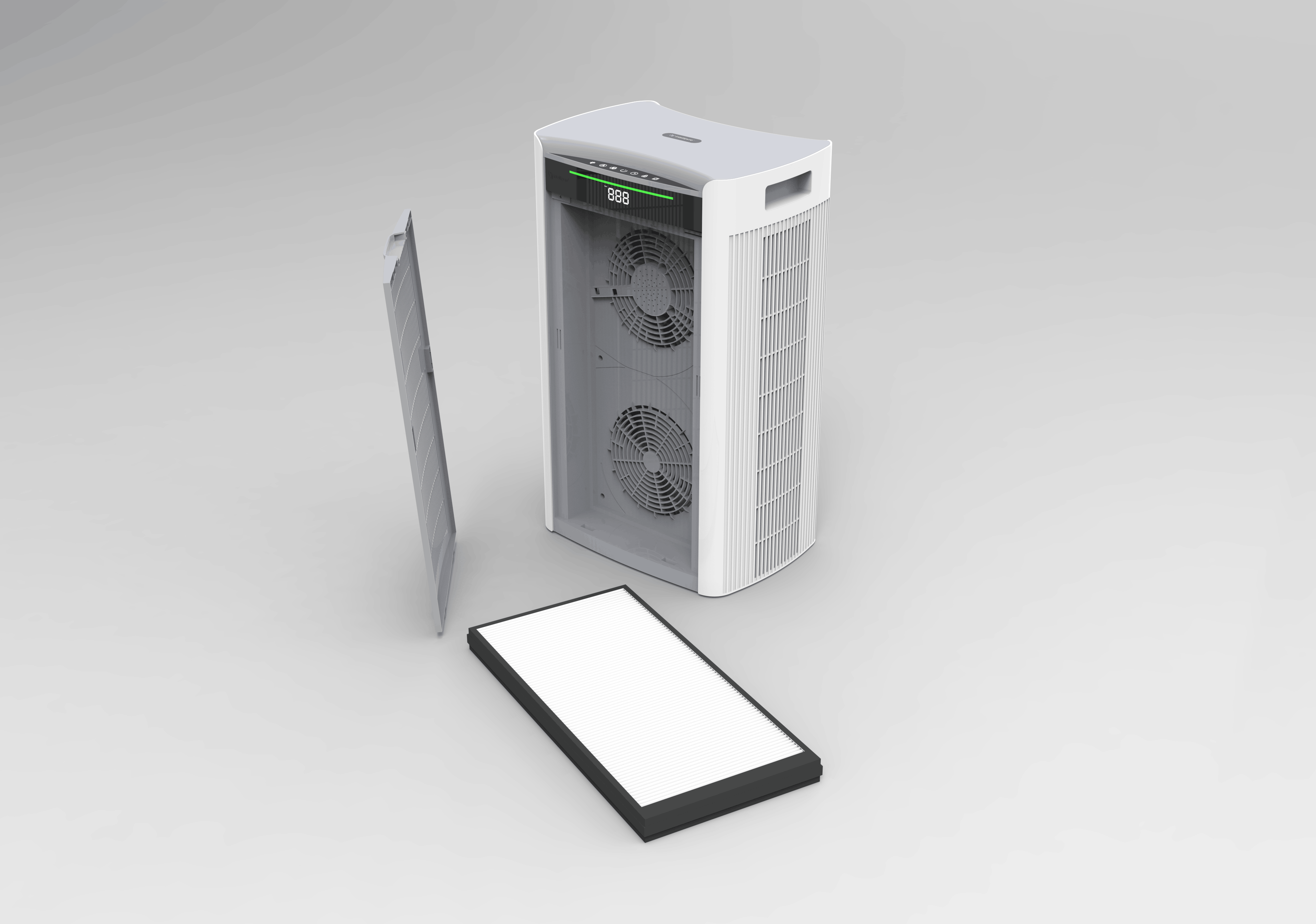
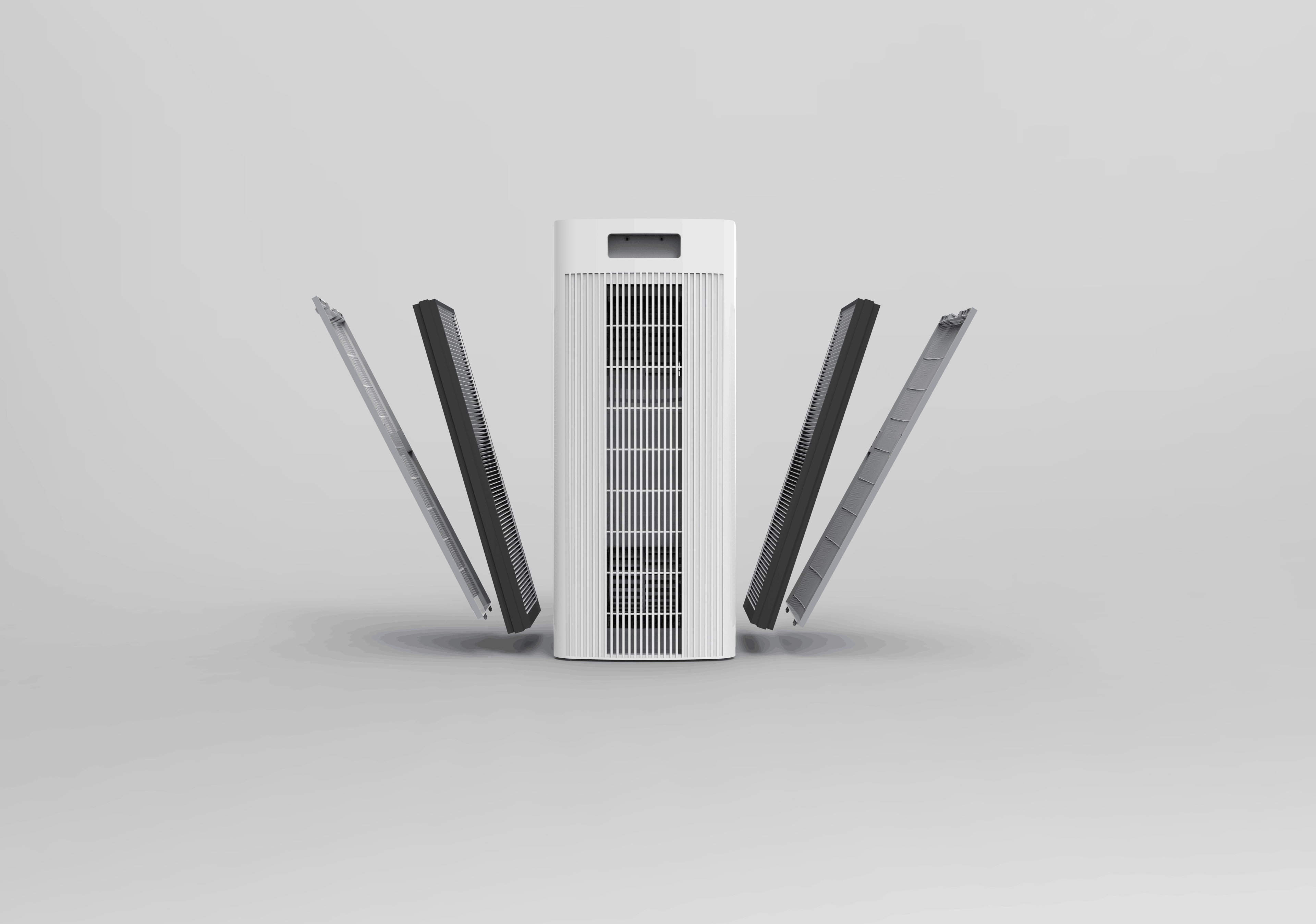
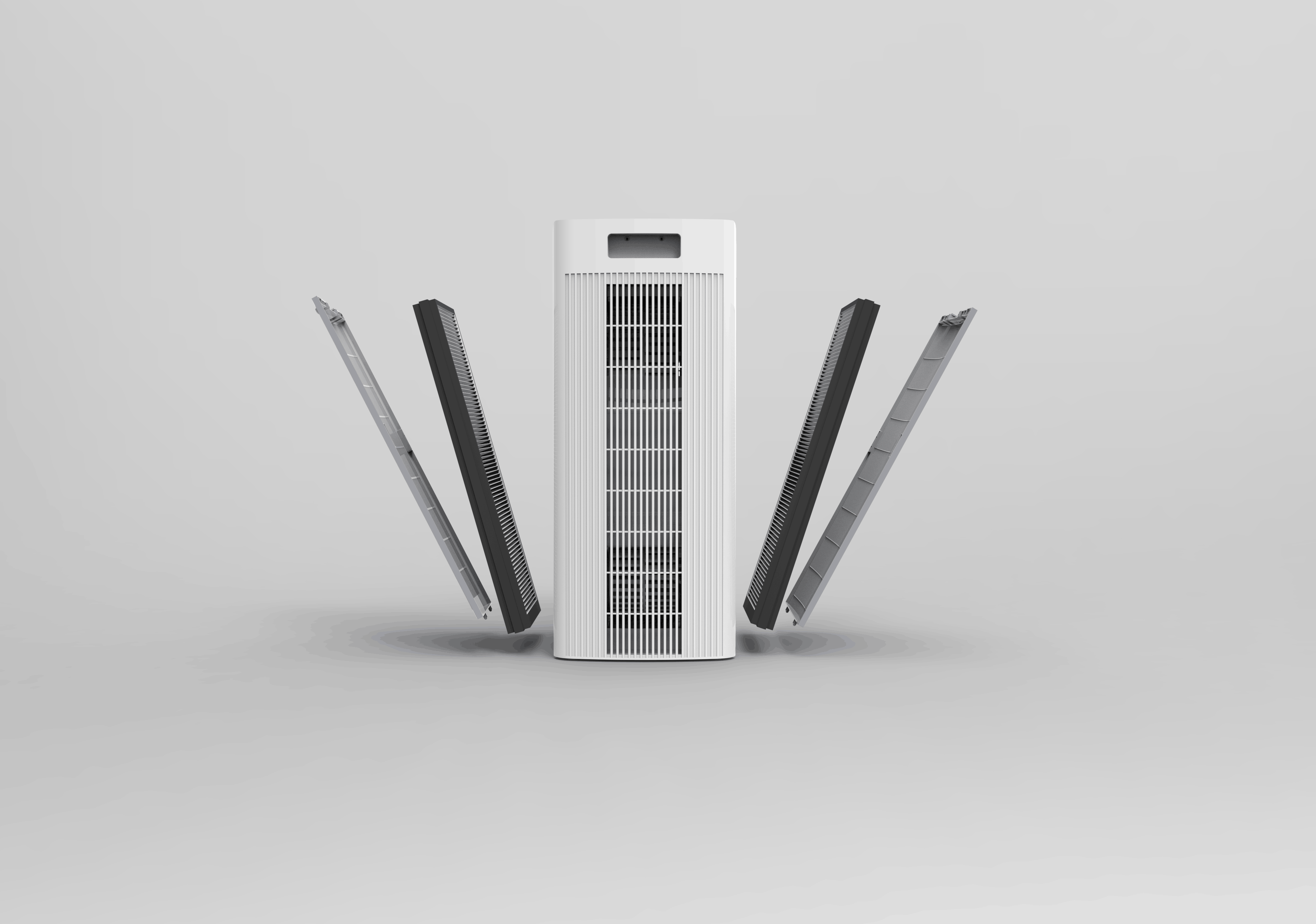
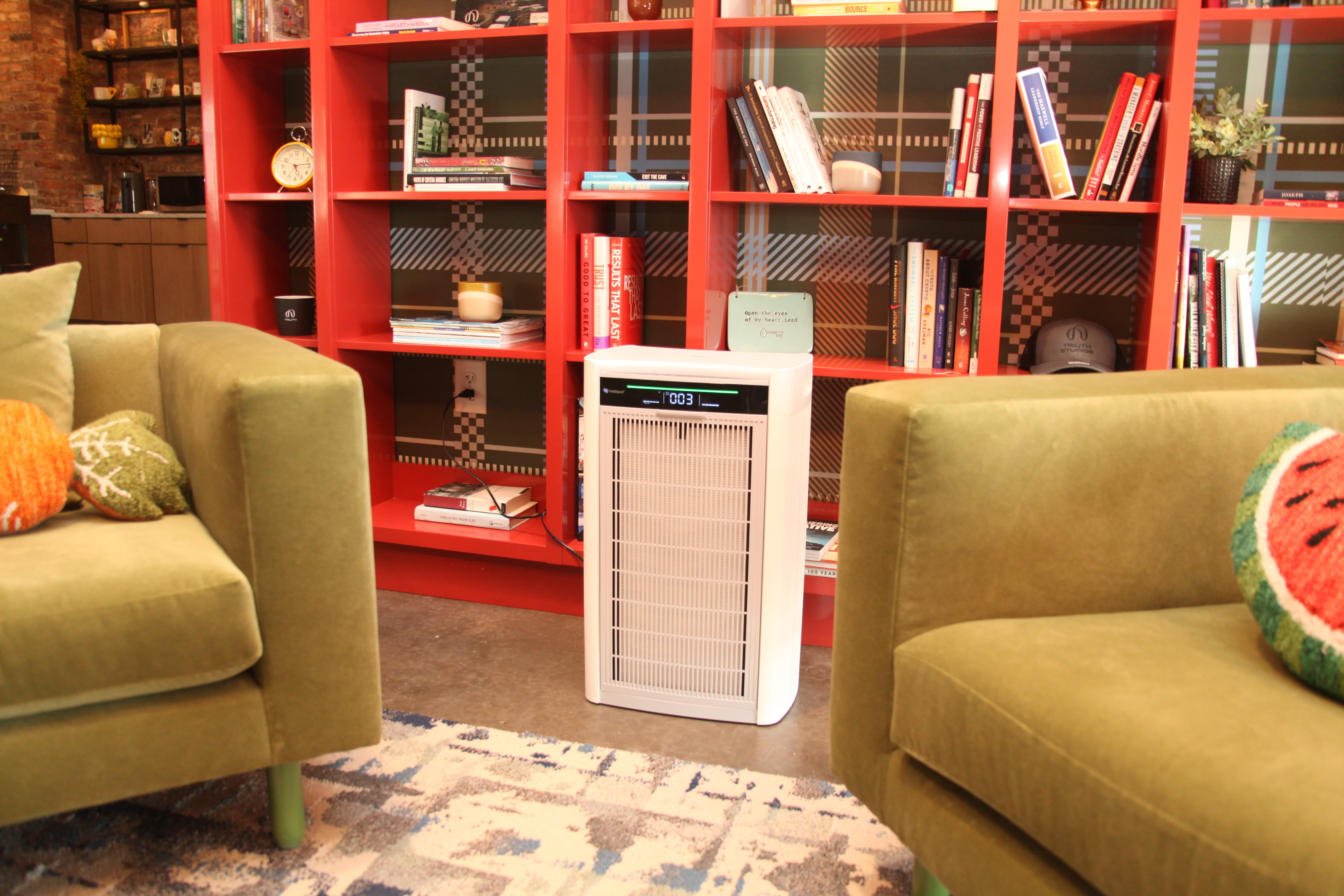
Yes, a really good air purifier can help reduce airborne particulate pollution, including some of the particles associated with secondhand smoke.
In a randomized trial involving children with asthma who live with smokers, homes using air cleaners saw significant reductions in fine and coarse particulate matter compared with control homes .
Another study involving pregnant women and infants living with smokers also found a significant decrease in indoor PM2.5 after households received air purifiers alongside secondhand-smoke education [2][2].
Knowledge is power, and filtration is a useful part of a good indoor clean-air strategy. But neither study treated air purification as a substitute for keeping cigarette smoke out of the home altogether [2][2].
A high-performance air purifier can help clean up airborne particles, but the cleanest strategy is still stopping the smoke at the source. Even so, it's always most beneficial to use an air purifier in concordance with a smoke-free environment whenever possible. And if smoke enters your home from a neighbor, an open window, wildfire conditions, or another source outside your control, powerful filtration can help give your air an extra line of defense.
Some Trends Are Better Left Outside
Fashion changes. Social media trends change. Even nicotine use changes. Indoor air science is timeless.
If Gen Z smoking, cigfluencers, or the return of cigarette-as-accessory keeps analog smoking in the cultural conversation, it's worth remembering what kind of damage happens beyond the vibey instagram photo. Because no matter what's trending, we all have to share the same air.
References
- Russo ET, Hulse TE, Adamkiewicz G, Levy DE, Bethune L, Kane J, Reid M, Shah SN. Comparison of indoor air quality in smoke-permitted and smoke-free multiunit housing: findings from the Boston Housing Authority. Nicotine & tobacco research : official journal of the Society for Research on Nicotine and Tobacco. 2015;17(3):316-22. doi:10.1093/ntr/ntu146.
- Semple S, Latif N. How long does secondhand smoke remain in household air: analysis of PM2.5 data from smokers' homes. Nicotine & tobacco research : official journal of the Society for Research on Nicotine and Tobacco. 2014;16(10):1365-70. doi:10.1093/ntr/ntu089.



Living and Breathing with Lyme Disease