

Summary
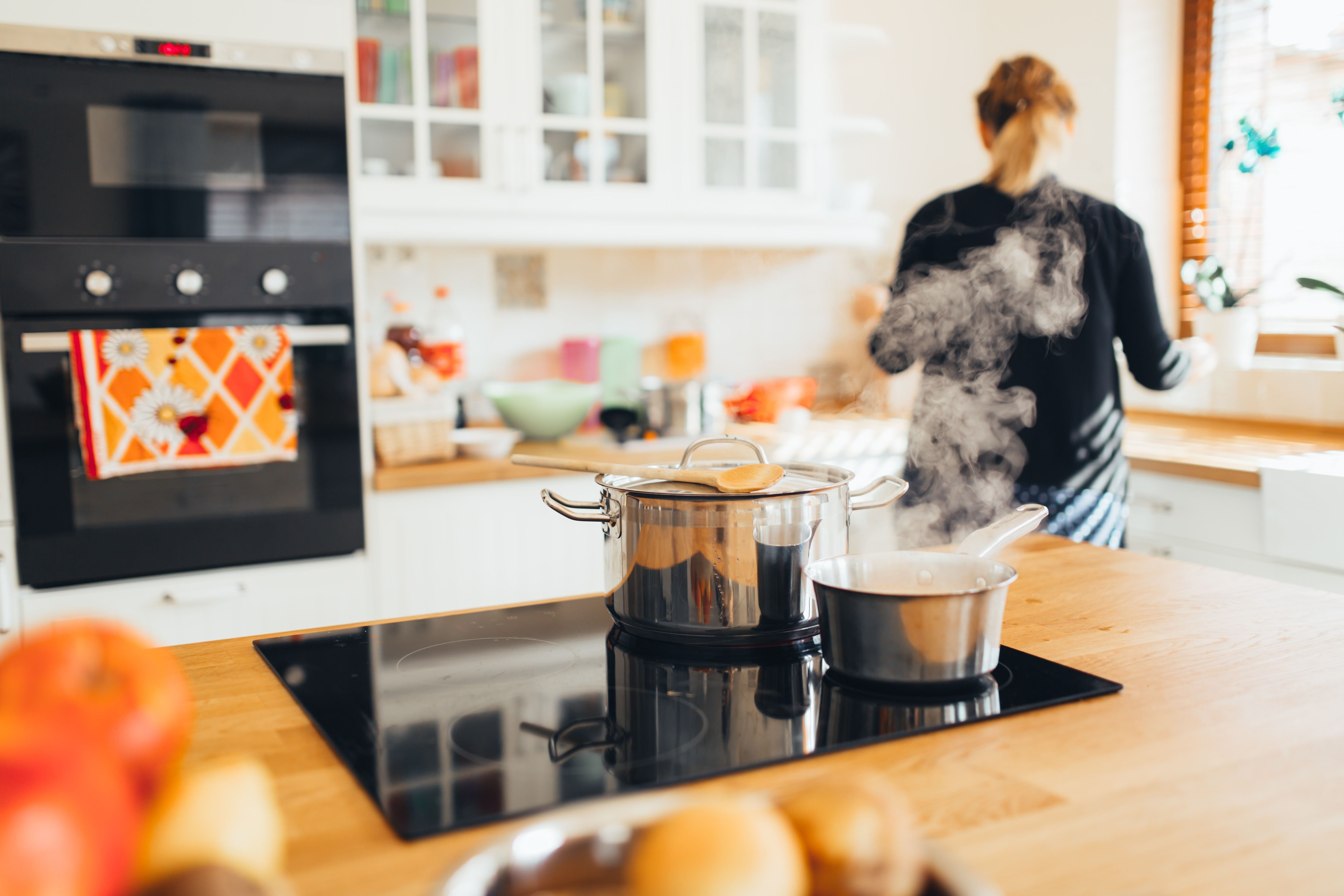
Everyday cooking releases pollutants including particulate matter, nitrogen dioxide, and volatile organic compounds into your home. Understanding what these emissions are and how to manage them through ventilation and filtration can help you protect your household's air quality.
In This Article
Key Takeaways
Everyday cooking releases pollutants into your home, particularly when using high heat, cooking with oils, or operating gas stoves. Common cooking-related pollutants include particulate matter, nitrogen dioxide, carbon monoxide, and volatile organic compounds (VOCs). Simple ventilation practices, including exhaust fans, lower cooking temperatures, and open windows, can significantly reduce exposure. For homes where ventilation alone is not sufficient, a quality air purifier can help capture particles and reduce lingering odors.
What Cooking Releases Into Your Air
A useful rule of thumb: if you can smell what is cooking, airborne compounds have entered your breathing space. This includes both pleasant aromas and less welcome byproducts.
How significant is this? A 2024 NOAA-led study found that cooking emissions may account for as much as 20% of the total anthropogenic volatile organic compounds observed in urban air, a contribution far exceeding what current emissions inventories predict [1]. While that research focused on outdoor air near restaurant-dense areas, it underscores how substantially cooking contributes to overall air pollution.
The specific pollutants in your kitchen depend on several factors: your stove type, cooking temperature, ingredients, and ventilation. Here is what research has identified.
Particulate Matter
Tiny particles are released when food is heated, especially at high temperatures or when oils reach their smoke point. Research shows that pan-frying produces dramatically more particulates than gentler methods. A 2024 study measured median peak PM2.5 levels of 92.9 micrograms per cubic meter for pan-frying compared with just 0.7 micrograms per cubic meter for boiling [2].
Nitrogen Dioxide
Nitrogen dioxide (NO2) is produced primarily by gas stoves during combustion. A simulation-based study from Lawrence Berkeley National Laboratory estimated that gas cooking burners contributed 25 to 39% of weekly average indoor NO2 concentrations, with higher contributions during winter months when home ventilation rates are lower [3]. At elevated levels, NO2 can irritate the mucous membranes of the eyes, nose, and throat and may increase the risk of respiratory infections [4].
Carbon Monoxide
Carbon monoxide (CO) is a colorless, odorless byproduct of incomplete combustion from gas appliances. The EPA notes that CO interferes with the delivery of oxygen throughout the body, and at high concentrations can cause headaches, dizziness, and nausea [4]. Proper ventilation keeps levels well within safe ranges, but awareness matters, especially in homes without CO detectors.
Volatile Organic Compounds
VOCs are released from heated oils and foods. Cooking temperature is the key factor: higher heat means more VOCs [2]. Some VOCs, like formaldehyde, can form during high-heat cooking. A California Air Resources Board study found that high-heat oven activities such as broiling fish produced formaldehyde concentrations comparable to those measured during oven self-cleaning cycles [5].
A Note on Gas Stoves
Approximately 35% of U.S. households use gas stoves for cooking [6], and recent research has drawn attention to their potential health effects. A 2023 analysis published in the International Journal of Environmental Research and Public Health estimated that gas stove use could be associated with approximately 12.7% of childhood asthma cases nationally (95% CI: 6.3 to 19.3%) [6]. This figure comes with important caveats: it is a modeled estimate derived from earlier meta-analysis data showing an odds ratio of 1.34, and the methodology has been debated among researchers.
What is well established is the underlying mechanism: gas stoves produce combustion byproducts, including NO2, CO, and formaldehyde, that electric and induction stoves do not generate at comparable levels. In one comparison, gas range use in New York City apartments caused kitchen NO2 levels to spike from a median background of 18 parts per billion to an average of 197 parts per billion, while induction stoves raised levels from just 11 to 14 parts per billion [7]. The practical takeaway is not necessarily to replace your stove, but to ensure adequate ventilation when cooking with gas, a practice that benefits air quality regardless of stove type.
Practical Steps for Cleaner Kitchen Air
Most cooking-related air quality concerns can be addressed with good habits.
Ventilate actively. Turn on your range hood before you start cooking, not after smoke appears. Hoods that vent outdoors are significantly more effective than recirculating models. A Lawrence Berkeley National Laboratory study found that pollutant capture efficiency for residential exhaust hoods ranged widely, from less than 15% to over 98%, depending on hood design, airflow rate, and burner position [8]. If you do not have an exhaust fan, open a window or run a nearby fan to create airflow. The EPA recommends installing exhaust fans vented to the outdoors over gas stoves [4].
Use back burners when possible. Research shows that capture efficiency is higher for back burners than for front burners, likely because most hood designs provide more complete coverage over the rear cooking surface [8].
Choose lower-heat cooking methods when practical. Steaming and boiling produce far fewer pollutants than high-heat methods like pan-frying or deep-frying [2]. When you do cook at high heat, ensure good ventilation.
Match oils to cooking temperature. Research demonstrates that oils with a higher smoke point generally produce lower particle concentrations when heated. In one study, soybean, safflower, and canola oils produced substantially lower PM2.5 emission rates than corn, coconut, and olive oils at the same temperature [9].
Keep burner flames blue. The EPA notes that blue flame tips indicate proper burner adjustment, while yellow or orange flames suggest incomplete combustion and higher pollutant output [4].
Clean as you go. Crumbs and residue on burners or in ovens create additional particulates when heated.
Skip the scented cover-ups. A survey of scented consumer products found that they emitted more than 100 volatile organic compounds, including some classified as toxic or hazardous under federal law [10]. Candles, plug-in air fresheners, and sprays add their own VOCs to your air rather than removing pollutants. If odors linger, address the source through ventilation or filtration.
When Ventilation Is Not Enough
Good ventilation handles most cooking-related air quality issues. But some situations call for additional support: apartments without vented range hoods, homes with limited window access, households with respiratory sensitivities, or kitchens that see heavy daily use.
Research shows that PM concentrations from cooking typically peak roughly 14 minutes after the end of the cooking process [2], meaning that running ventilation or filtration during and for some time after cooking provides the most benefit.
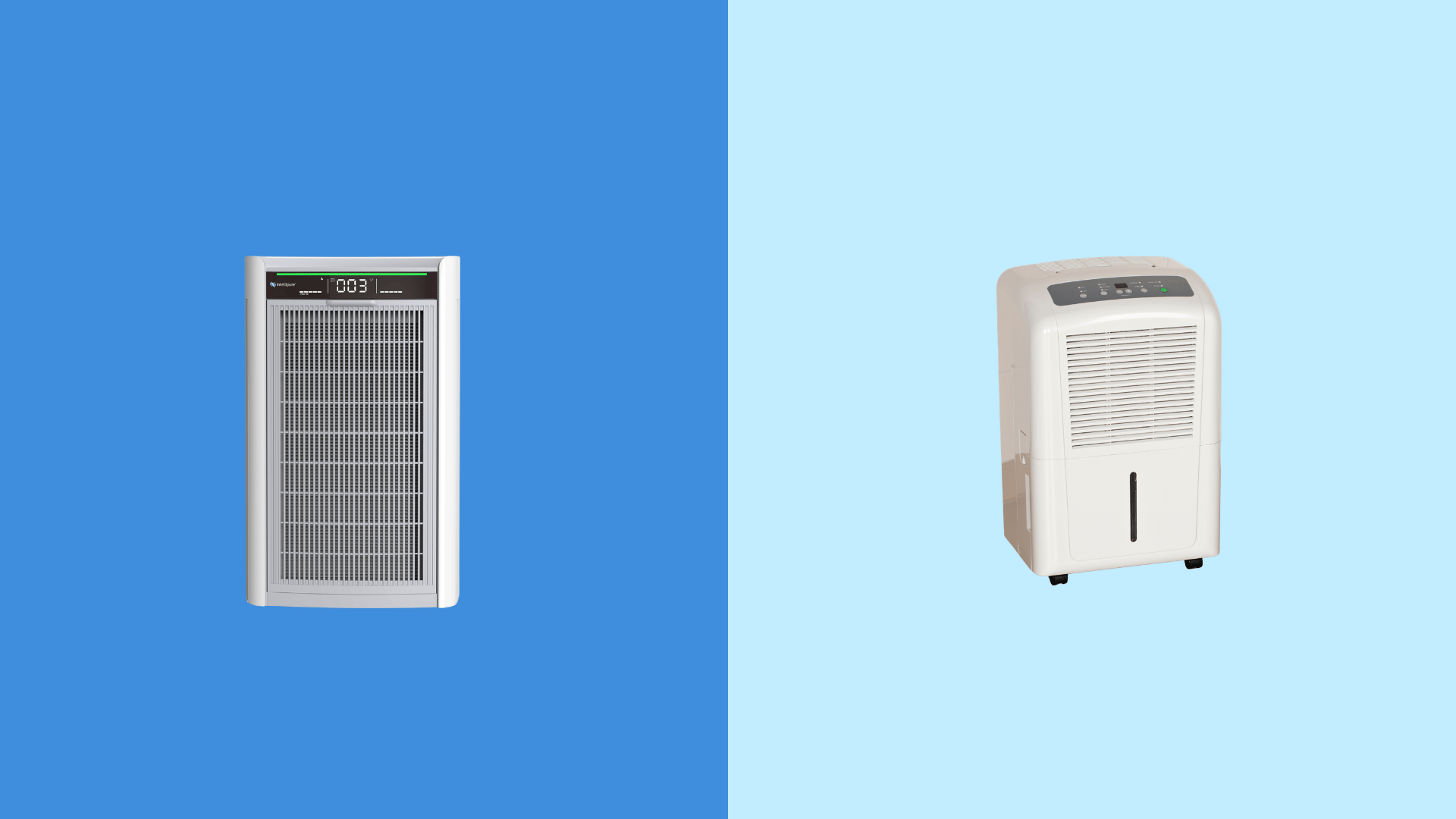
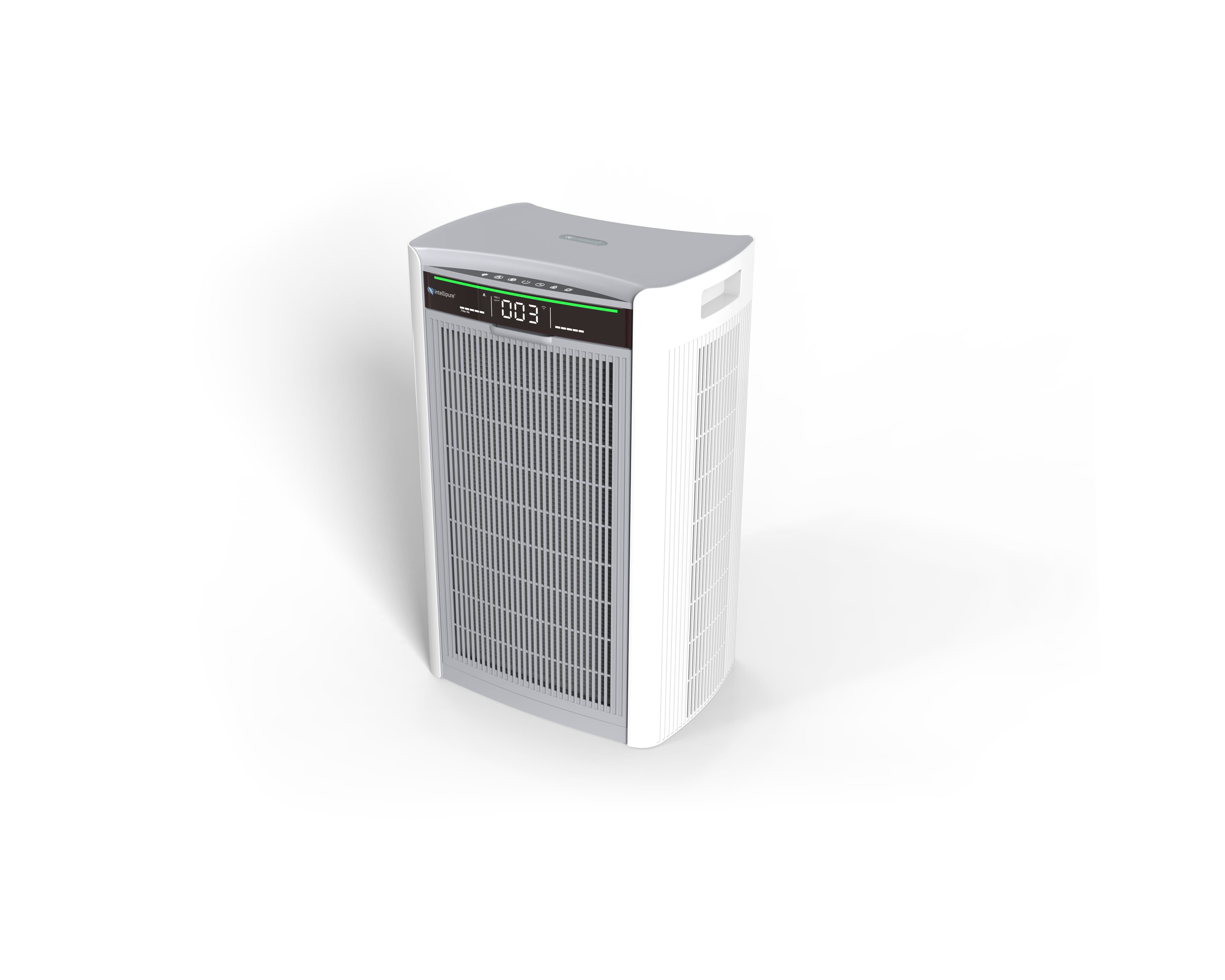
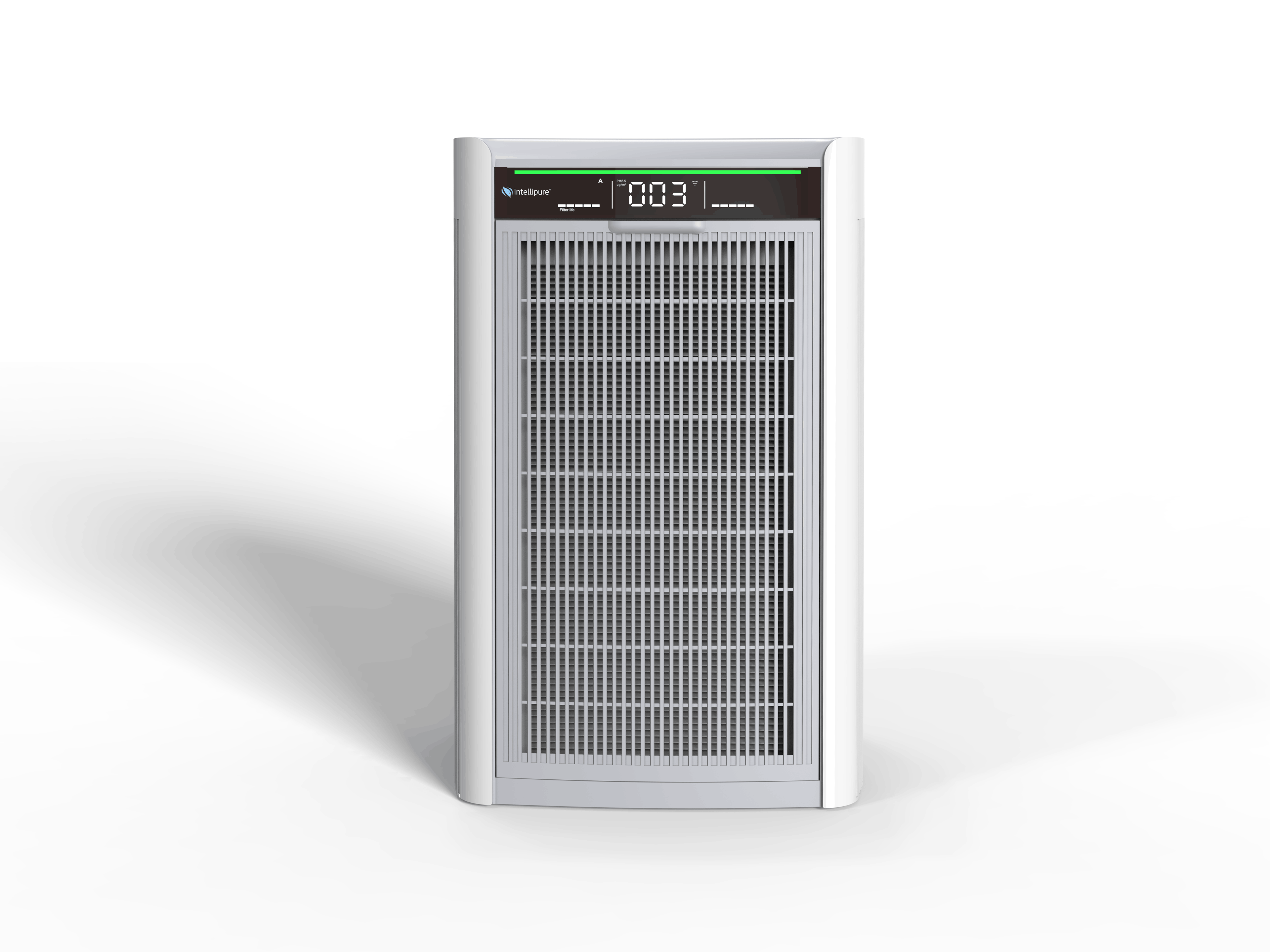
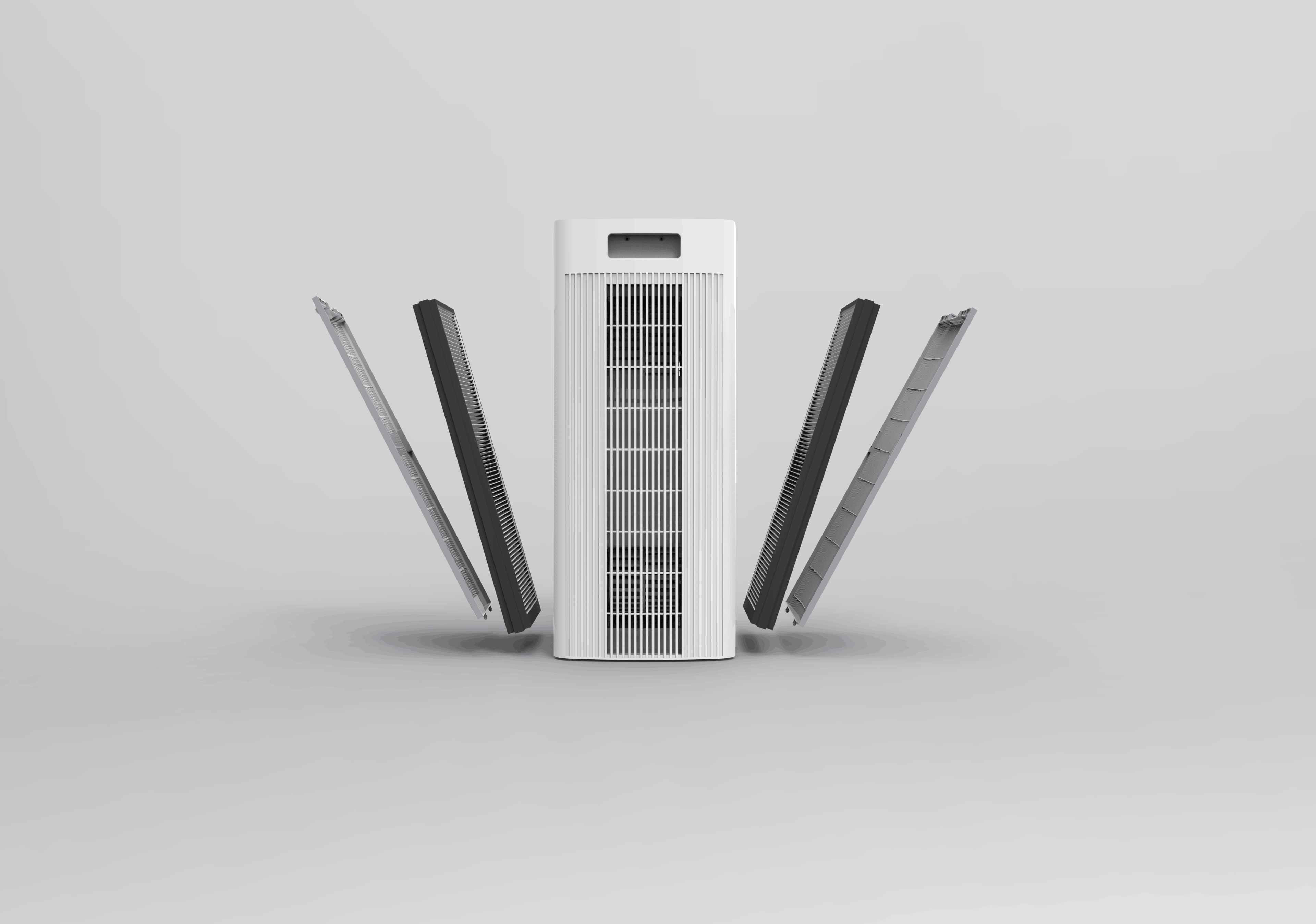
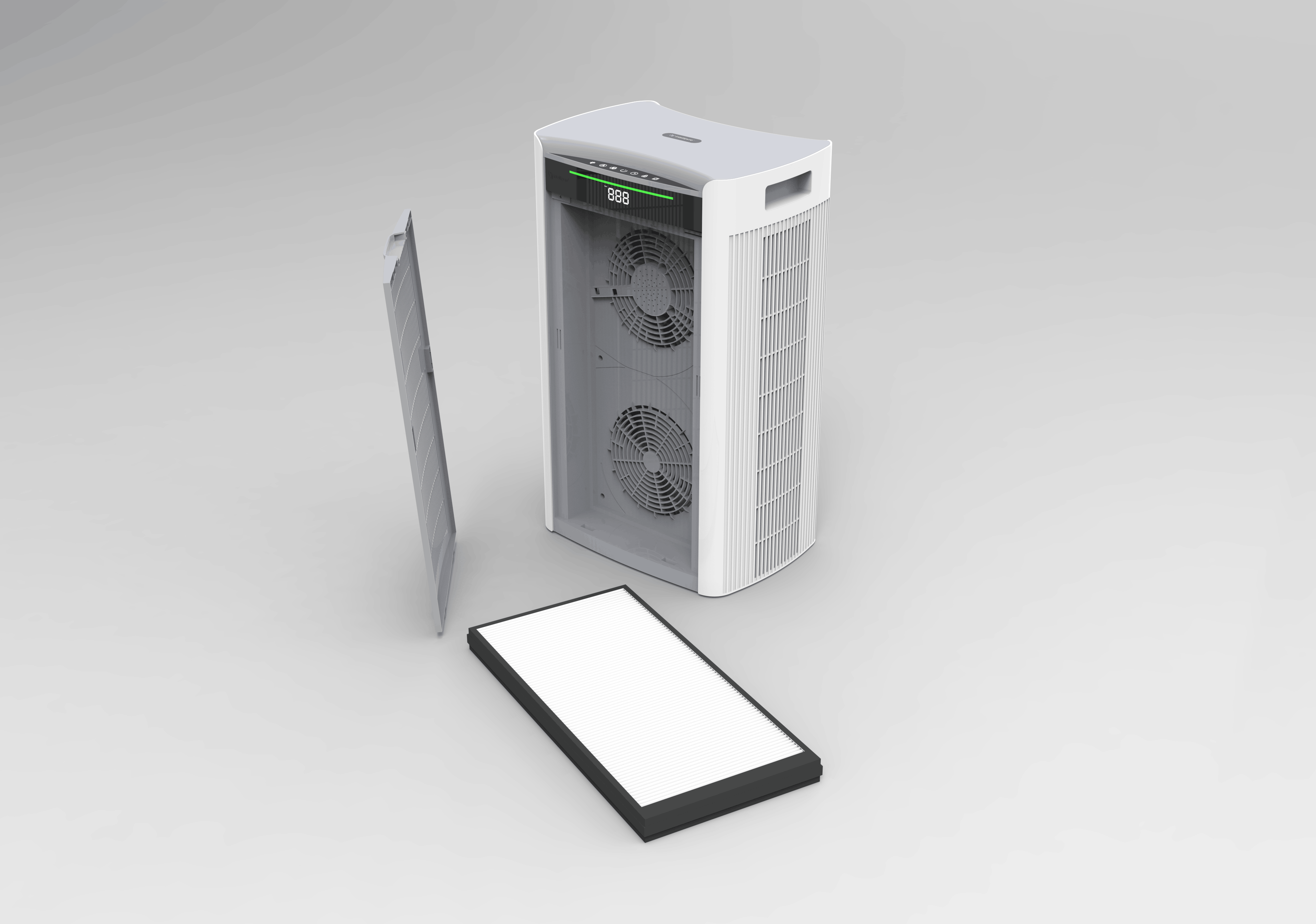
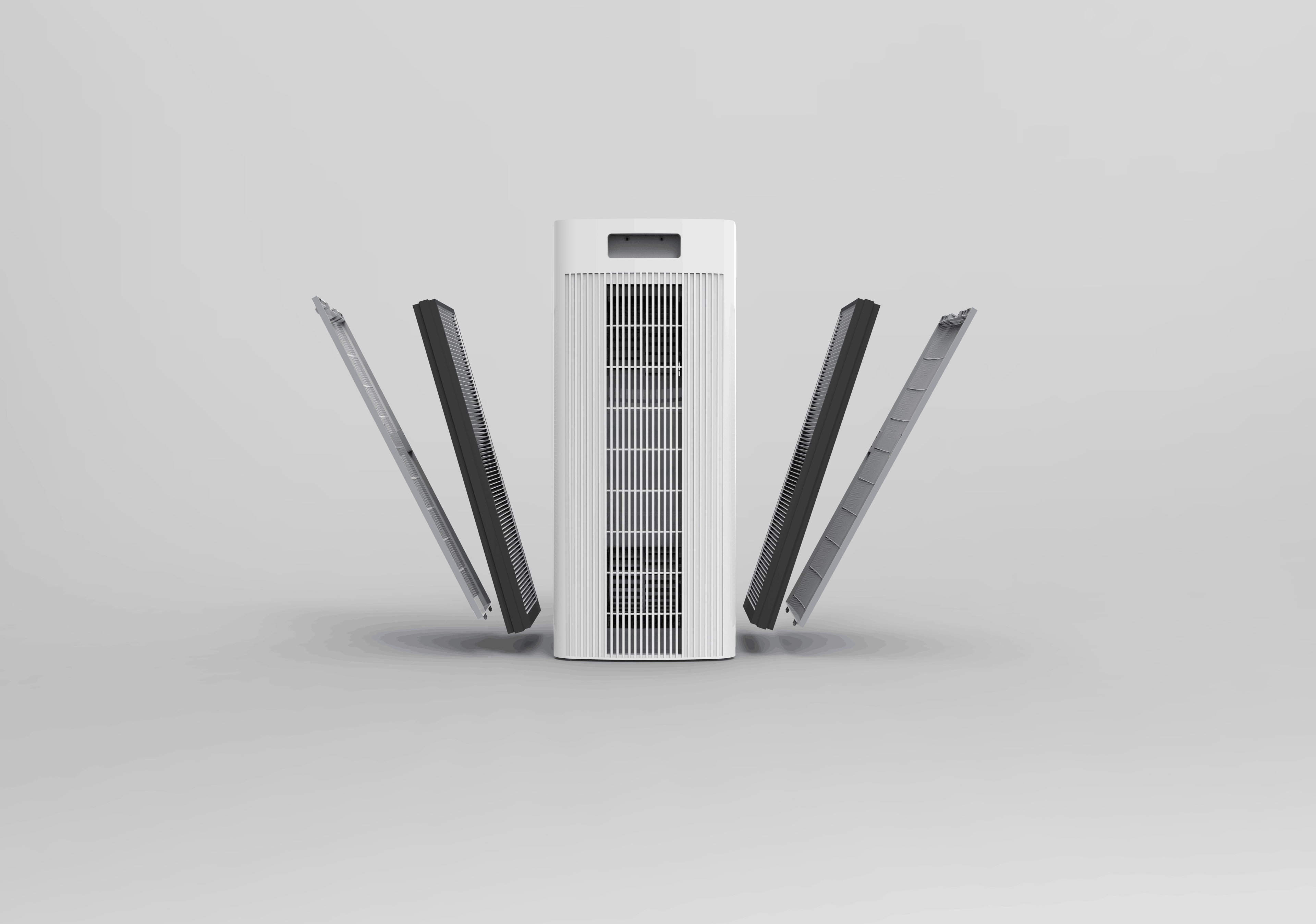
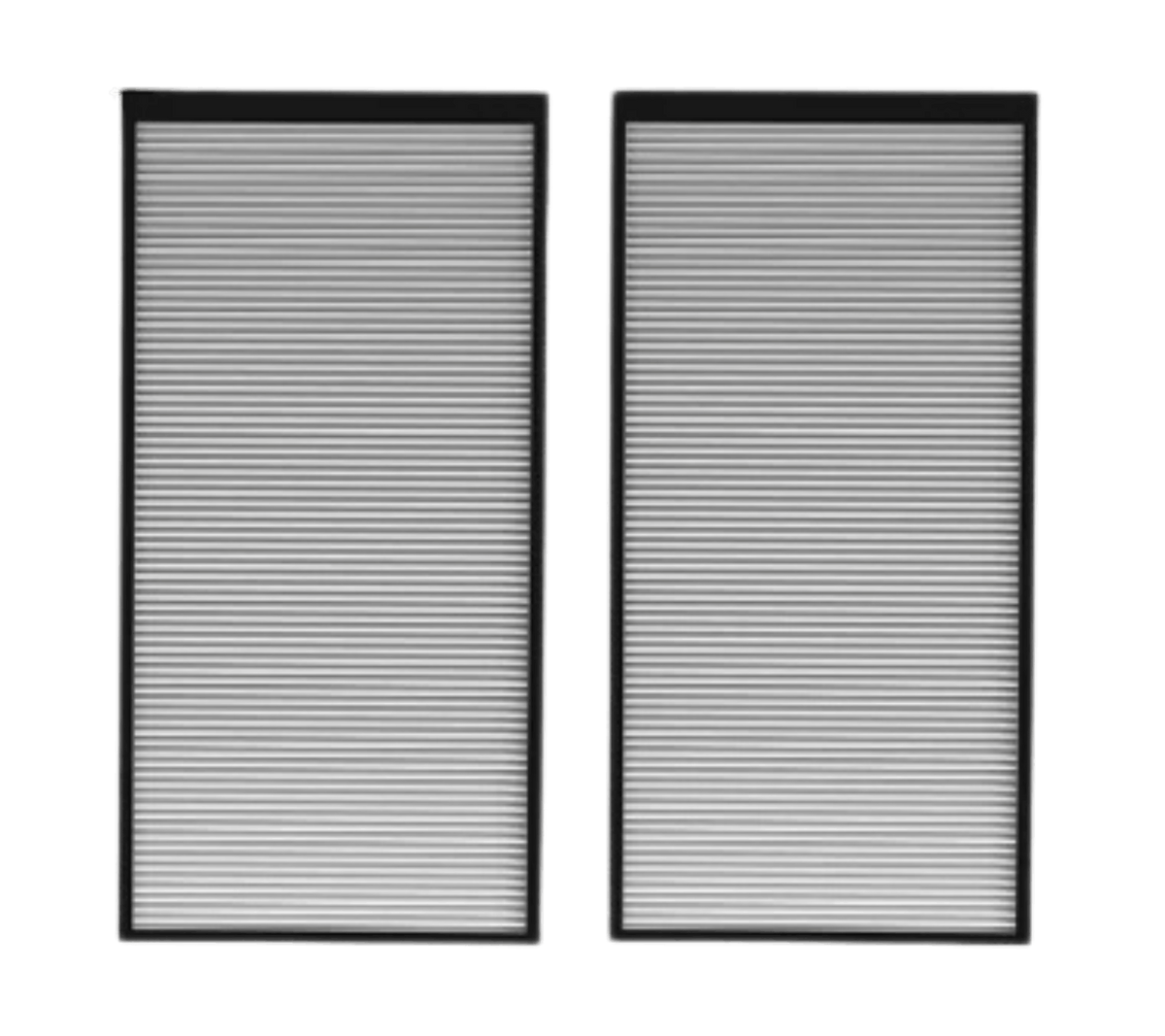
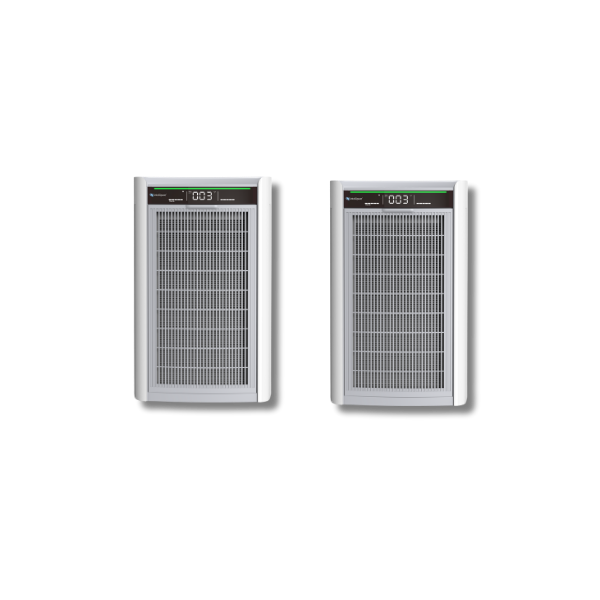
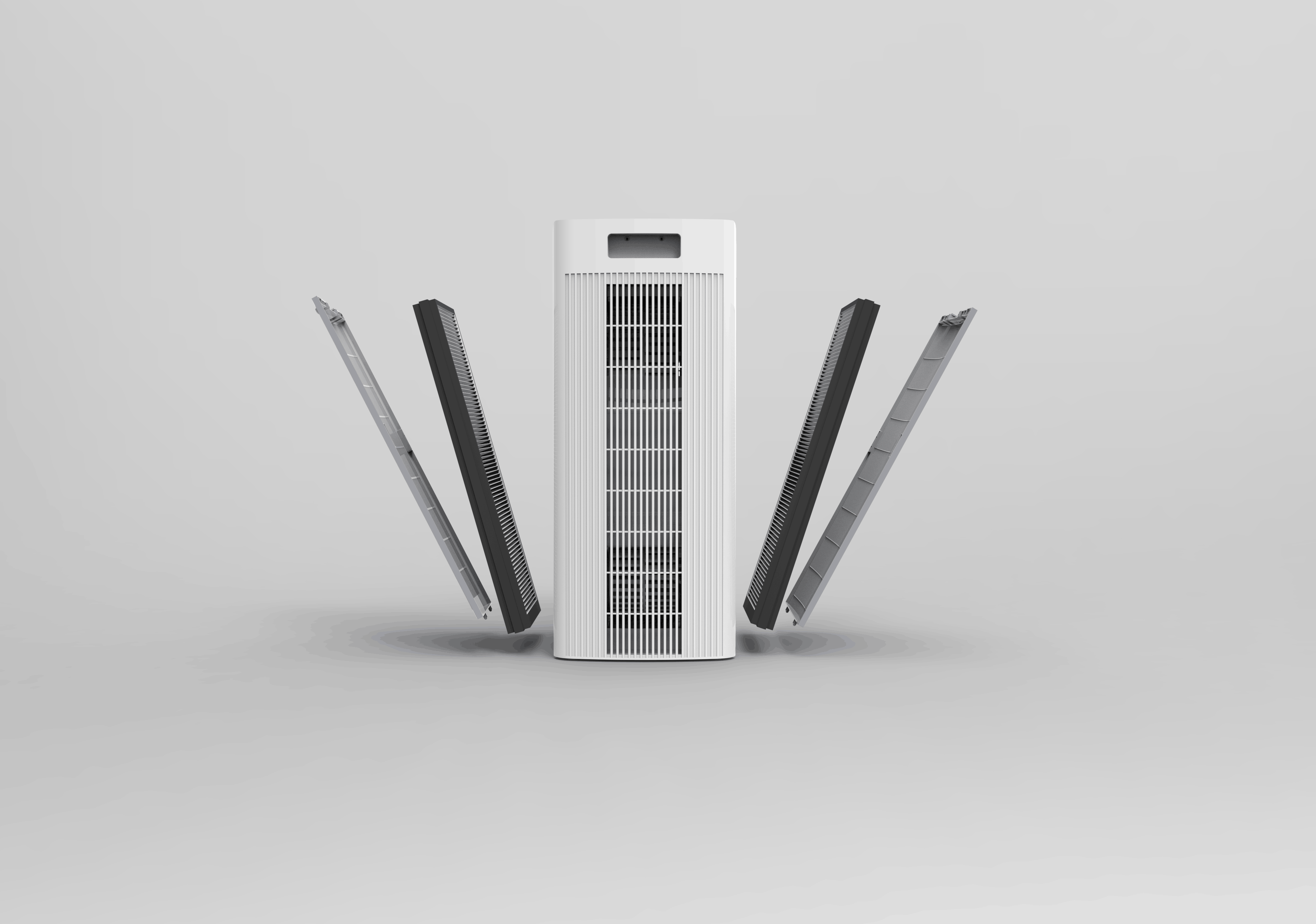
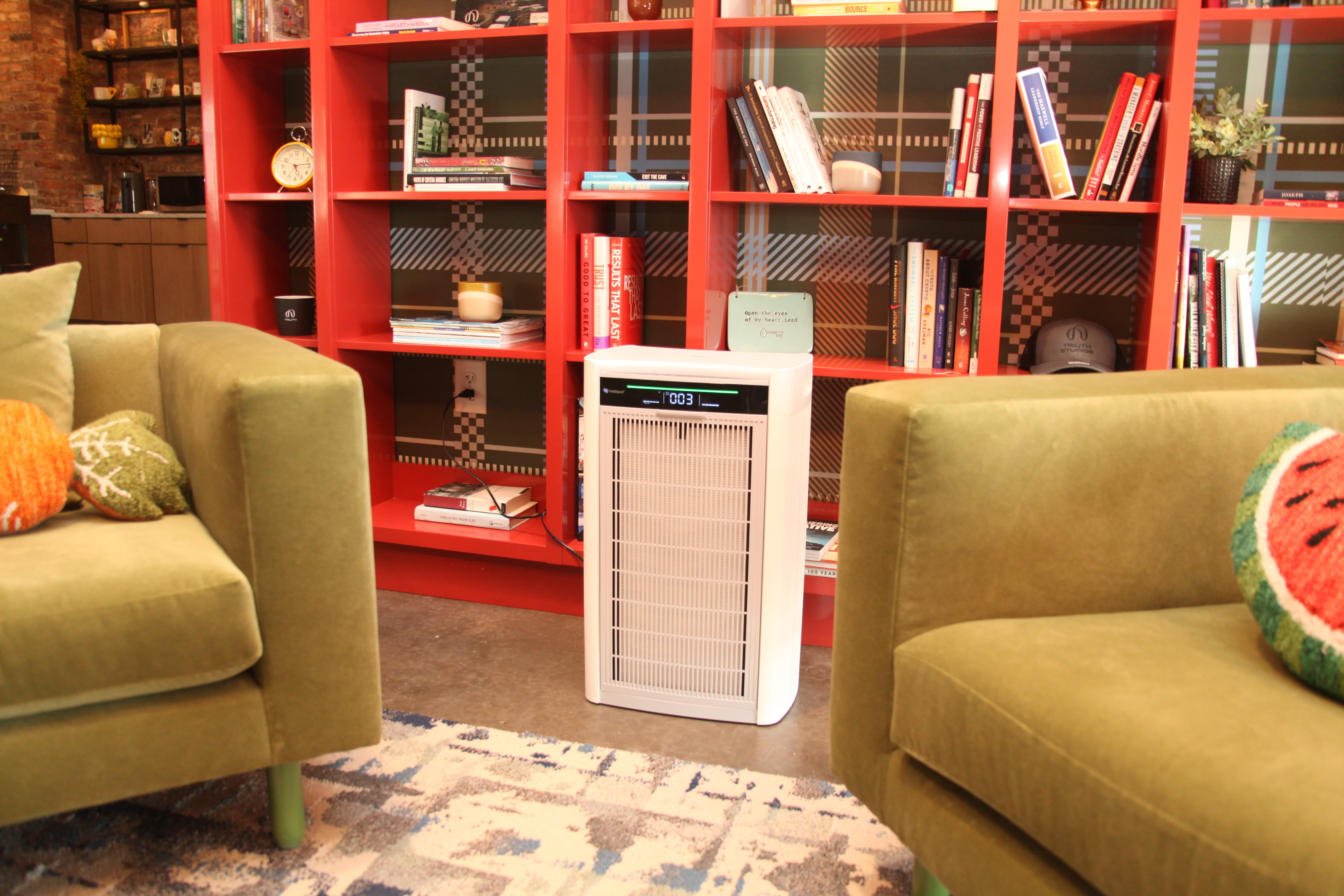
In these cases, a quality air purifier can complement your ventilation strategy. Look for units with HEPA filtration to capture particulate matter, and activated carbon to reduce odors and some VOCs. Whether you need a compact unit for the cooking area or whole-home coverage, effective filtration can help maintain cleaner indoor air during cooking-intensive periods and beyond.
References
- CoggonMM, StockwellCE, XuL, PeischlJ, GilmanJB, LamplughA, et al. Contribution of cooking emissions to the urban volatile organic compounds in Las Vegas, NV. Atmos Chem Phys. 2024;24(7):4289-4304. doi:10.5194/acp-24-4289-2024..
- TangR, SahuR, SuY, MilsomA, MishraA, BerkemeierT, et al. Impact of cooking methods on indoor air quality: a comparative study of particulate matter (PM) and volatile organic compound (VOC) emissions. Indoor Air. 2024;2024:6355613. doi:10.1155/2024/6355613..
- LogueJM, KlepeisNE, LobscheidAB, SingerBC. Pollutant exposures from natural gas cooking burners: a simulation-based assessment for Southern California. Environ Health Perspect. 2014;122(1):43-50. doi:10.1289/ehp.1306673..
- United States Environmental Protection Agency. Sources of combustion products [Internet]. Washington (DC): EPA; 2024 [cited 2026 Feb 10]..
- ARCADIS Geraghty & Miller Inc. Indoor air quality: residential cooking exposures. Sacramento (CA): California Air Resources Board; 2001. Contract No.: 97-330..
- GruenwaldT, SealsBA, KnibbsLD, HosgoodHD 3rd. Population attributable fraction of gas stoves and childhood asthma in the United States. Int J Environ Res Public Health. 2023;20(1):75. doi:10.3390/ijerph20010075..
- SeltenrichN. Clearing the air: gas stove emissions and direct health effects. Environ Health Perspect. 2024;132(2):022001. doi:10.1289/EHP14180..
- DelpWW, SingerBC. Performance assessment of U.S. residential cooking exhaust hoods. Environ Sci Technol. 2012;46(11):6167-73. doi:10.1021/es3001079..
- TorkmahallehMA, GoldastehI, ZhaoY, UdochuNM, RossnerA, HopkePK, FerroAR. PM2.5 and ultrafine particles emitted during heating of commercial cooking oils. Indoor Air. 2012;22(6):483-91. doi:10.1111/j.1600-0668.2012.00783.x..
- PoteraC. Indoor air quality: scented products emit a bouquet of VOCs. Environ Health Perspect. 2011;119(1):A16. doi:10.1289/ehp.119-a16..




12 Tips for Better, More Restorative Sleep
Allergen Report: What's in Your Air This February