

Summary
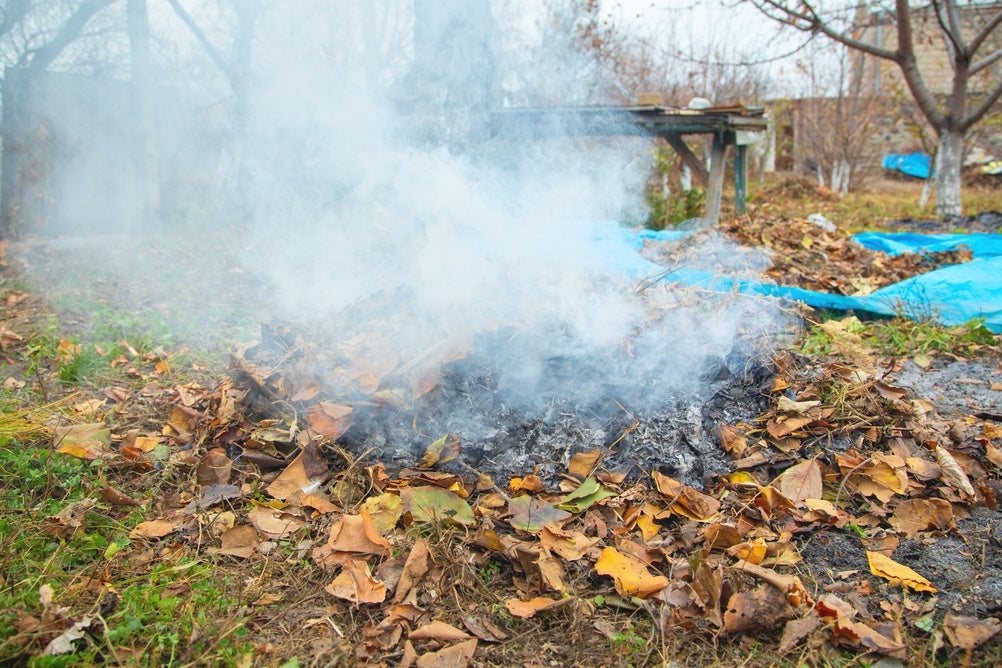
Backyard burning is pretty much exactly what it sounds like. On their own properties, people burn vegetative waste or household trash that would typically be recycled or sent to a landfill.
In This Article
Backyard burning is pretty much exactly what it sounds like. On their own properties, people burn vegetative waste or household trash that would typically be recycled or sent to a landfill. Burning can happen in a barrel, homemade burn box, wood stove, outdoor boiler, or an open pit [1][1].
Some people think of backyard burning as a nostalgic autumn tradition and convenient, affordable way to get rid of leaves and waste. Others don't think about it at all … until the smoke from their neighbor's burn pile shows up in the air around and inside their home.
No matter which camp you fall into (or if you're somewhere in between), you might be wondering about the legality, health effects, and other considerations surrounding backyard burning.
In this particular article, we're going to keep things fall festive and focus on leaf burning. But you know us! We won't be able to resist sharing scientific research and practical tips on other types of backyard burning. If your questions are more about non-vegetative materials, keep your eyes peeled for a separate blog post in the coming weeks.
Potential Effects of Leaf Burning
Open burning refers to any outdoor fire that releases smoke directly into the air without a chimney. Leaf burning is a specific type of open burning that, like all types of open burning, can have both environmental and public health impacts.
Ash from open burning can harm soil, groundwater, lakes, rivers, and streams, while smoke harms the air we breathe. Not to mention, burning anything outdoors poses a risk of starting a wildfire [2][2].
Some people might assume that burning plastics and human-made materials is the only big no-no to try to avoid, but residential leaf burning specifically has been linked to all sorts of medical, emotional, environmental, and economic issues, including:
- Significantly poorer urban and suburban air quality
- Serious burns and injuries to people and wildlife
- Higher rates of asthma and other respiratory problems [3][3]
- Potential contributing factor to lung damage
- Increased risk of heart disease
- Increased risk of carbon monoxide poisoning [4][4]
- Triggered allergy and asthma symptoms
- Increased hospitalizations for respiratory illnesses
- Decreased visibility from intense leaf burning, which can raise the potential for car accidents
- Forest and grass fires caused by out-of-control leaf fires [5][5]
- Property damage
- Potentially accelerated global warming (caused by large quantities of dark particulates from leaf burning) [3][3]
Is It Legal to Burn Leaves in the Fall?
With so many risks associated with open burning, it's easy to see why people commonly search whether leaf burning is even legal.
Turns out, the answer is somewhat complex. In the U.S., there are no federal laws banning leaf burning, and regulations can vary based on location and time of year.
A number of U.S. states have imposed total bans on leaf burning, and several European countries have national bans. Some of these communities offer free or affordable community leaf pickup and composting services as an alternative to burning [3][3].
You can check your local ordinances and regulations by searching "fire restrictions" followed by your location, local public lands agency, or fire department. Your city will have guidelines for recreational fires and open burning on private properties. Be sure to find out whether you'll need a permit to burn leaves in your area [6, 4][6, 4].
Even if backyard burning is legal where you live, some people feel that the health and environmental risks outweigh the few positives of disposing of leaves that way.
Why Leaf Smoke Affects Air Quality
The backyard burning of leaves, grass, brush, and vegetation is a major source of super small particulates known as PM2.5, carbon monoxide, and other air pollutants, including hydrocarbons such as benzo(a)pyrene, a known carcinogen [3][3]. On average, one ton of leaves will produce 38 pounds of fine particulate matter, 26 pounds of hydrocarbons, and 112 pounds of carbon monoxide. The plume of the fire can also distribute mold spores that might trigger allergies [5][5].
It's worth noting that the leaves don't cause pollution on their own. According to the U.S. Environmental Protection Agency (EPA), it's the smoke produced by burning leaves that contains potentially toxic and irritating particles [4][4]. And unfortunately, smoke and soot can travel really far, spreading odors and residue to other people's yards and homes [2][2].
If you're curious, here's a bit more info on some of the air pollutants that leaf burning generates:
- Particulates: These make up the majority of leaf smoke. Particulates that are tiny enough can reach the deepest part of the lungs, the pulmonary region, and can even be absorbed directly into the bloodstream. They can also carry toxic chemicals that pose a serious health risk [5][5].
- Carbon Monoxide: Burning leaves can produce carbon monoxide (CO) when they don't fully combust. Once inhaled, CO enters the bloodstream and reduces the body's ability to carry oxygen. Relatively low levels of CO can lead to headaches, fatigue, and dizziness [5, 7][5, 7].
- Hydrocarbons: Leaf smoke contains unburned chemicals called hydrocarbons, including several, like benzo(a)pyrene, that have been linked to cancer. Up to 85% of the hydrocarbons given off by leaf smoke are tiny enough to reach a person's lungs and enter their bloodstream [5, 7][5, 7]. Hydrocarbons become dangerous when they get into your lungs because they cause irregular heart rhythms, seizures, and kidney and lung damage [4][4].
- VOCs: Backyard burning of leaves can release volatile organic compounds (VOCs). These chemicals can contribute to the formation of ground-level ozone, which can cause people to have breathing difficulties, especially more vulnerable populations like children, seniors, and anyone with existing respiratory conditions [7][7].
How Leaf Smoke Gets into Your Body
Your lungs have a built-in cleanup system for the particles you breathe in. The largest particles are usually caught in the nose and sinus passages, while medium-sized particles are trapped by mucus and moved out by tiny, hairlike projections called cilia.
The smallest particles are a different story. Particles less than one micron can travel deep into your lungs, and some may even make their way into your bloodstream. About 85% of the particles produced by leaf burning are small enough to reach these deeper parts of the lungs, putting extra stress on your respiratory system. Over time, a buildup of particles can interfere with airflow and contribute to respiratory issues [5][5].
Who's Most at Risk
About one in every six people is susceptible to the irritating and potentially harmful effects of smoke from burning leaves. (Which is a lot, when you think about it!) The most vulnerable groups include:
- People over age 65
- Children under age 10
- Pregnant women
- Smokers [5][5]
- People with chronic respiratory diseases (including emphysema and chronic bronchitis)
- People with heart disease
- People with asthma
- People with allergies [2][2]
Tips to Help You Burn Fall Leaves Safely (If It's Legal Where You Live)
Obviously, step one is to check whether there are any laws preventing you from burning leaves in your yard. Once you know you're in the clear from a legal perspective, proceed with these well-researched words of caution in mind:
- Learn as much as you can. Research leaf burning so you can make informed decisions. Find out about cost effectiveness, health effects, and other solutions for disposing of leaves. You might decide backyard burning isn't a smart choice for you, your family, or your neighborhood, and that's okay! [5][5]
- Only burn when the conditions are right. Local laws and burn bans can be influenced by high winds, drought, and other weather conditions [6, 7][6, 7].
- Be careful about what you burn. Burning trash, treated lumber, plastic, and tires presents a whole different set of issues and risks.
- Watch out for fire hazards. To stay safe, don't start burn piles or place metal burn barrels on or near dry vegetation.
- Stay focused. Keep an eye on your children and pets, and make sure no one is playing around too close to the flames [6][6].
- Do your part to avoid wildfires. Never leave a fire unattended, and make sure you have immediate access to water and a rake or shovel. Remember: The smaller the fire, the easier it is to control [7][7].
- Know when to call for help. If there's an emergency, don't hesitate to dial 911. If embers ignite surrounding vegetation, it's time [6][6].
- Extinguish your fire completely. Rule of thumb: If it's too hot to touch, it's too hot to leave [7][7].
- Check back in. For the next several weeks, keep an eye on the burn area for signs of smoldering or burning, especially if the weather is windy, dry, or warm [6][6].
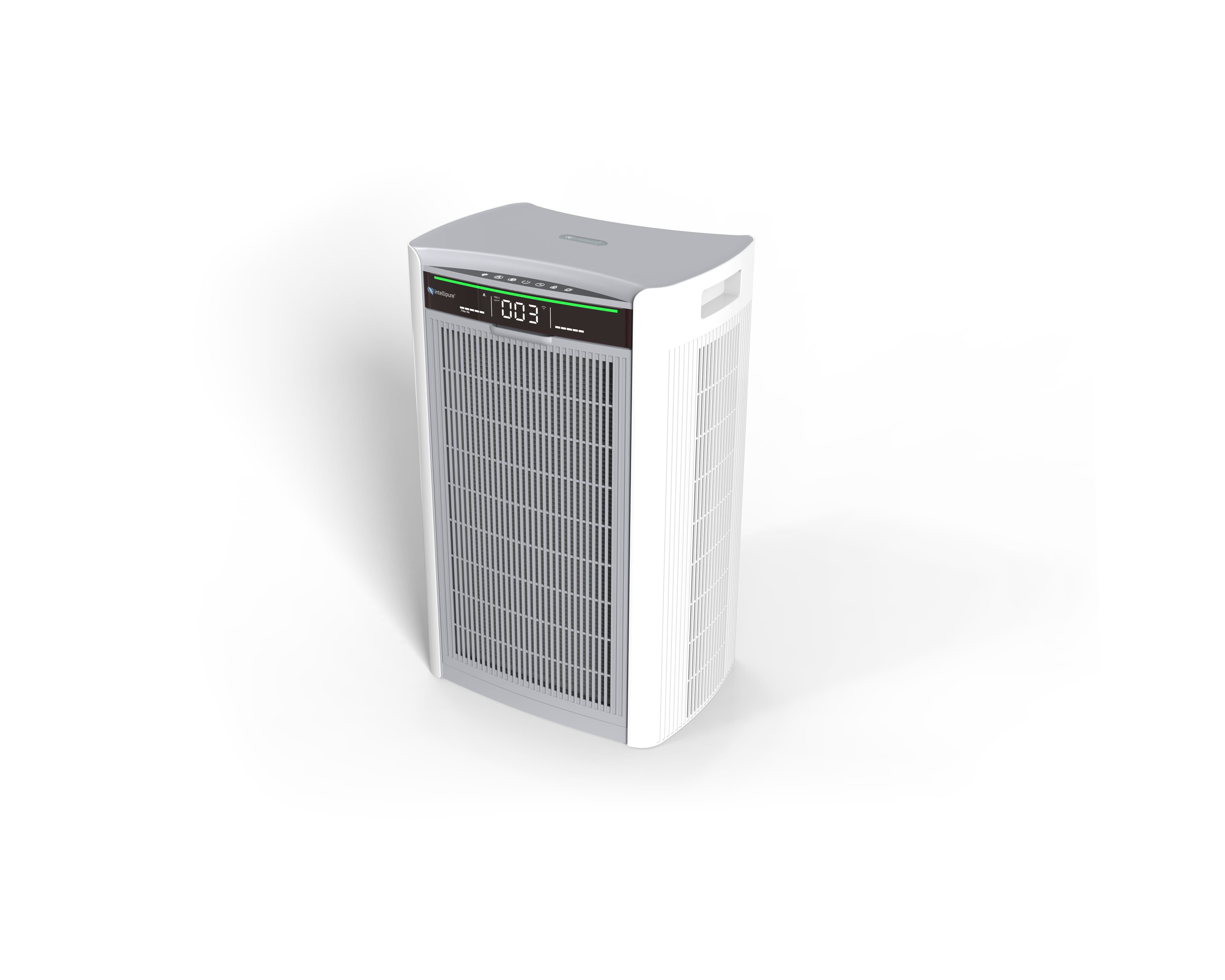
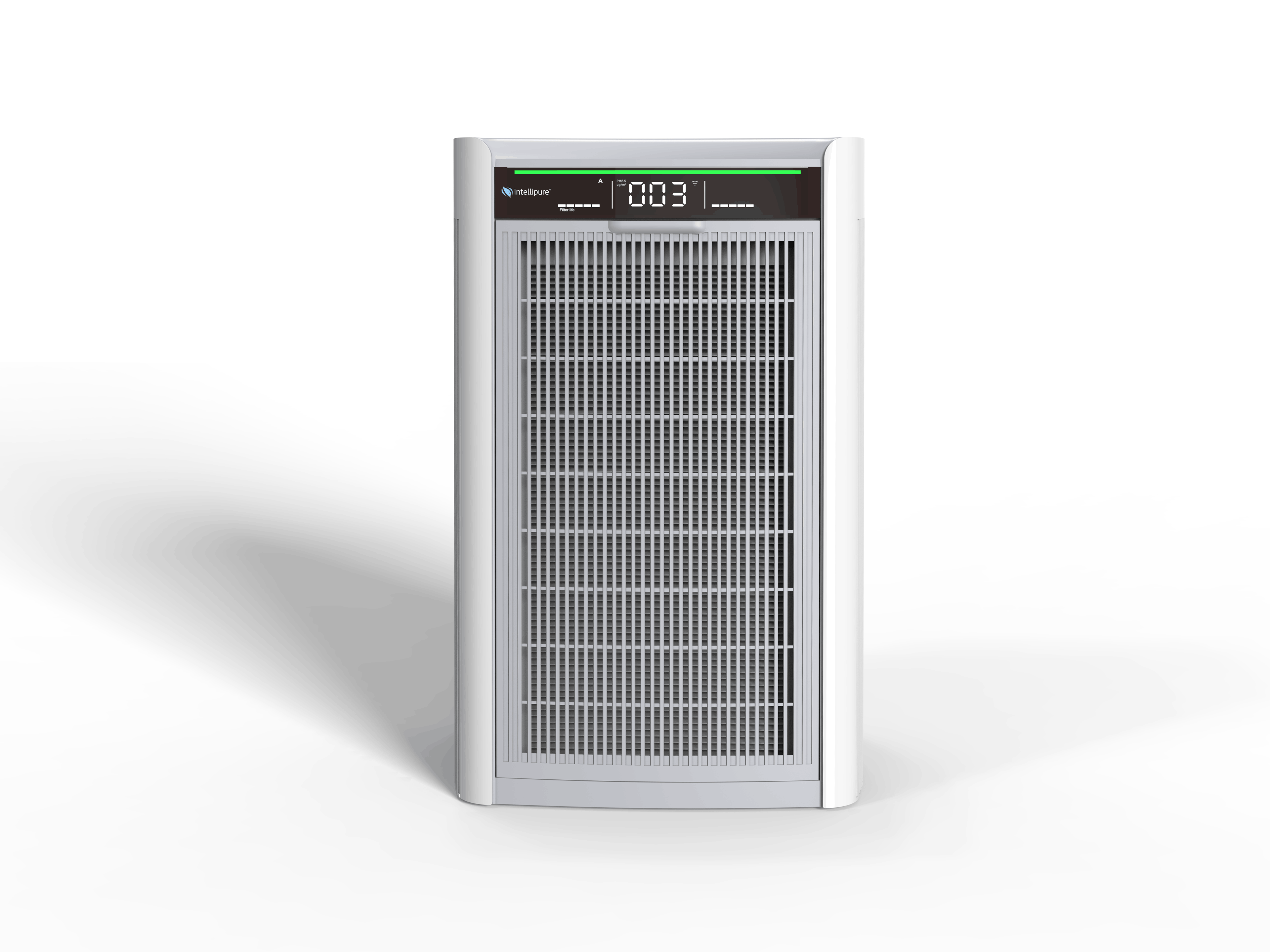
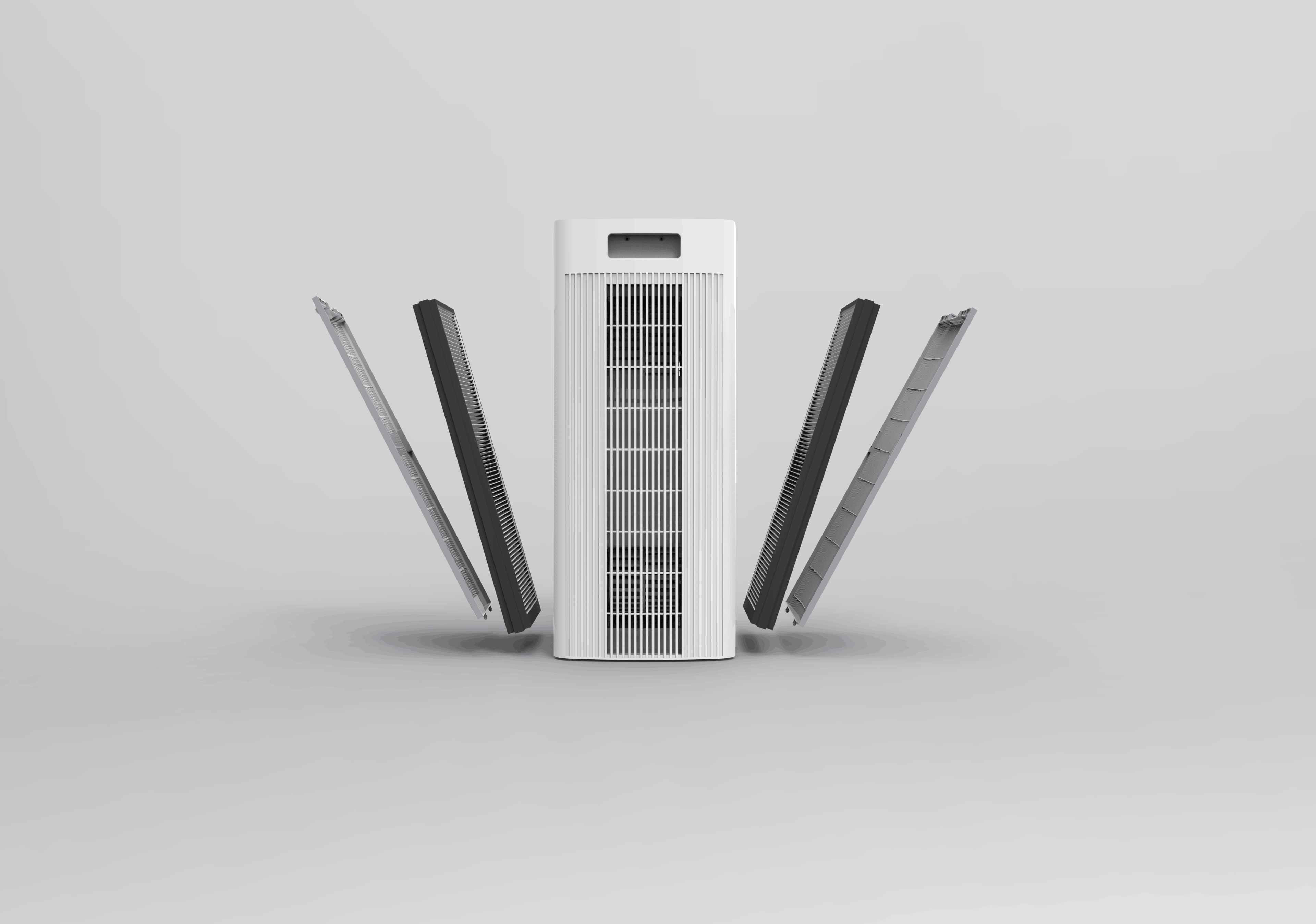
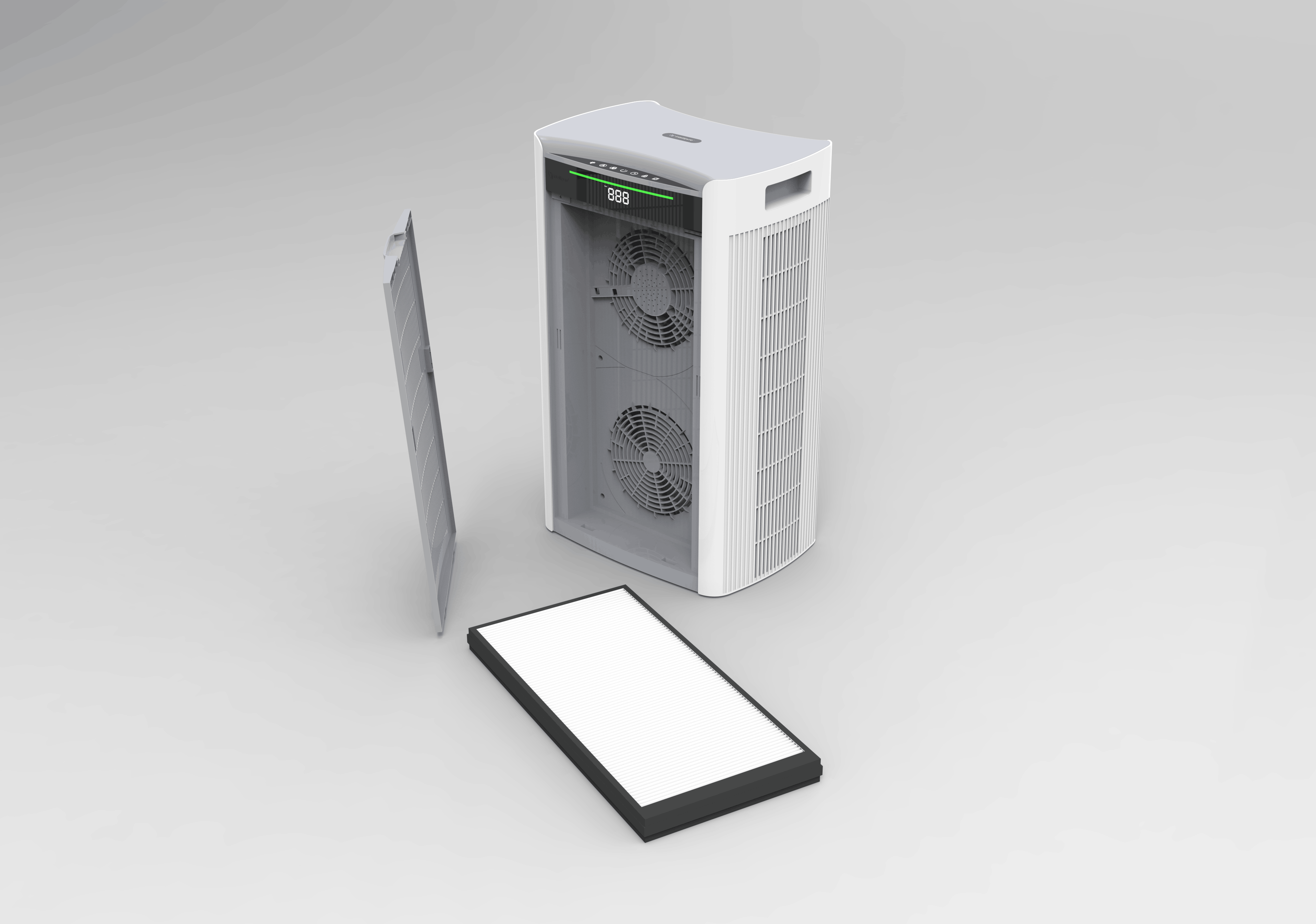
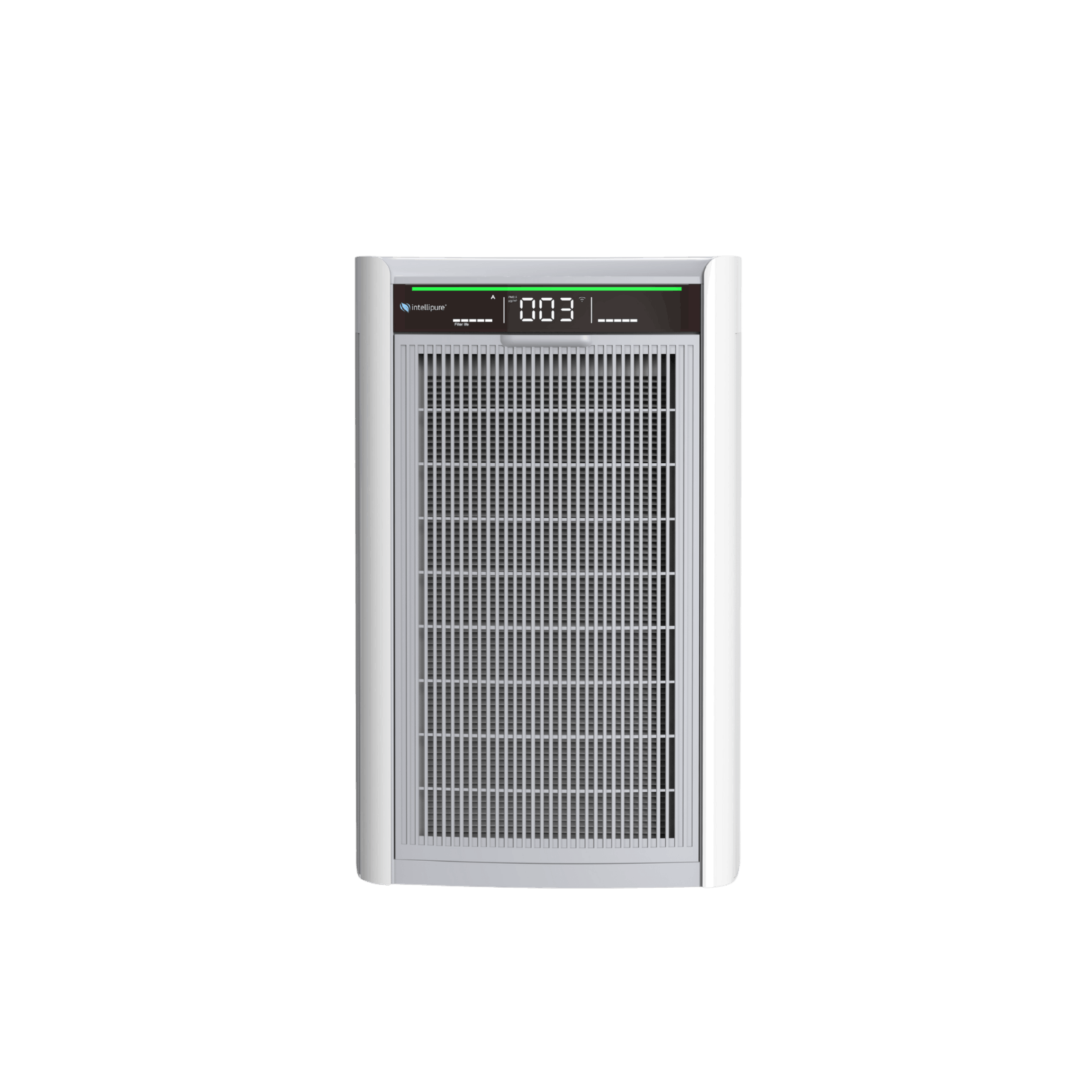
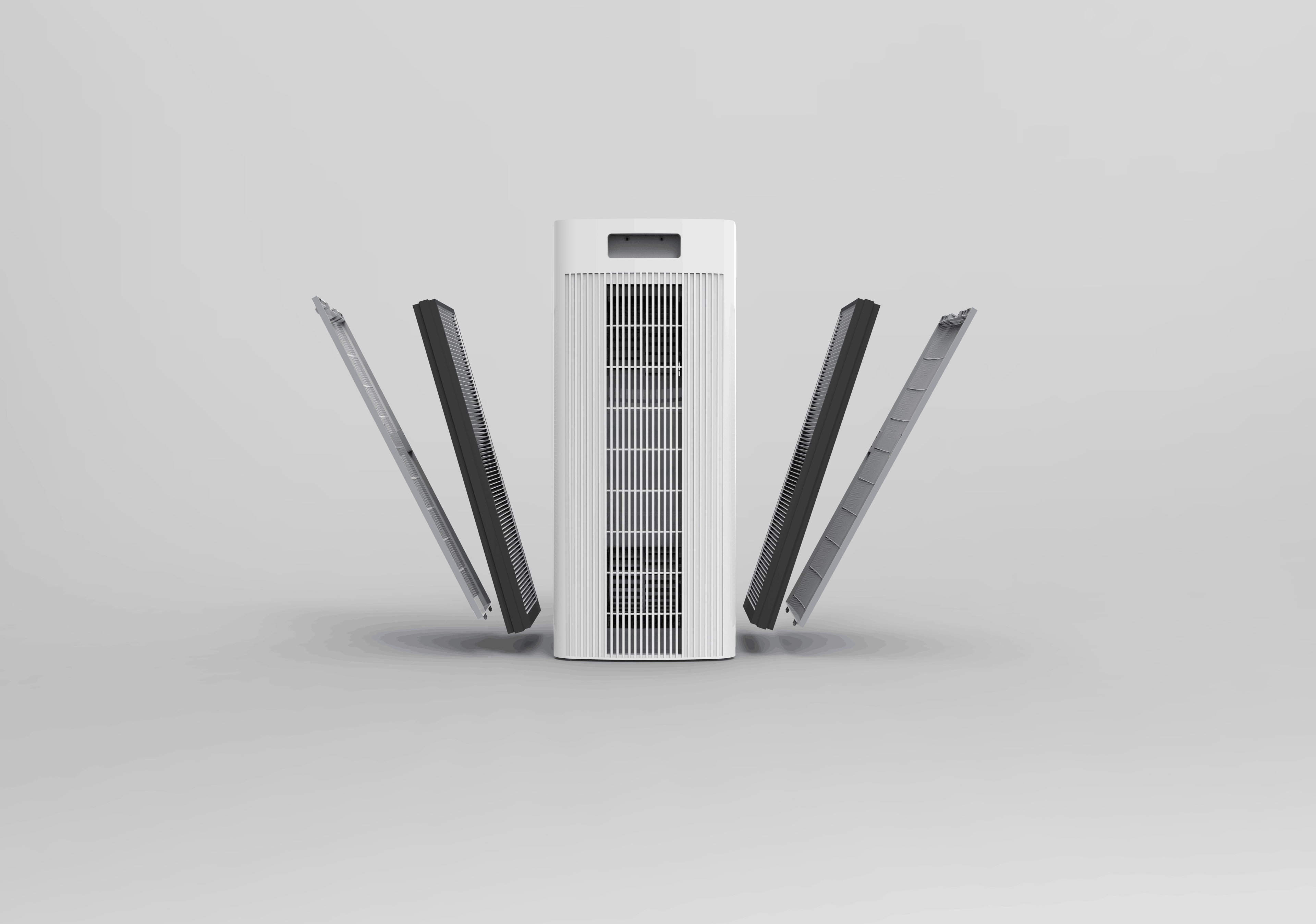
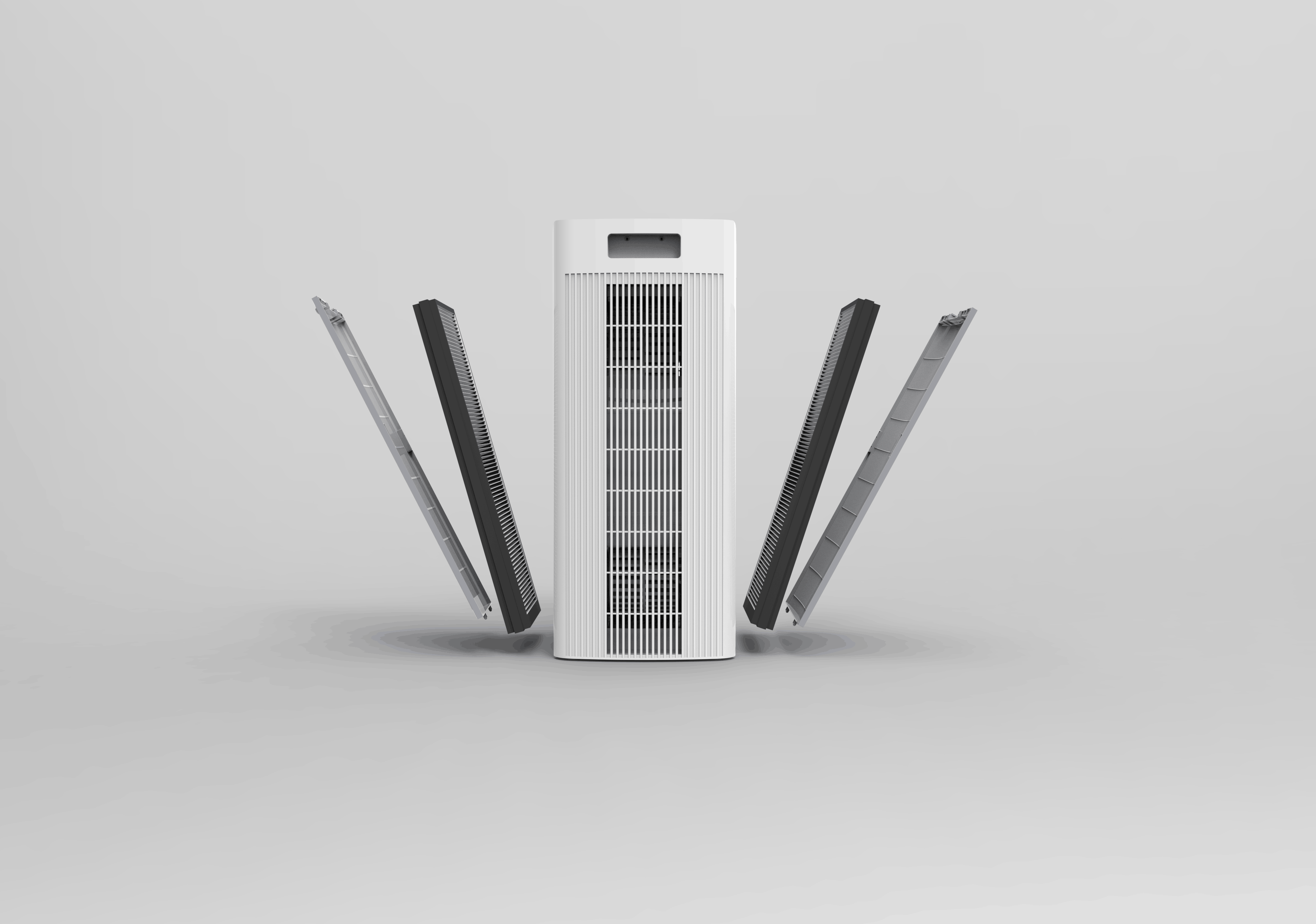
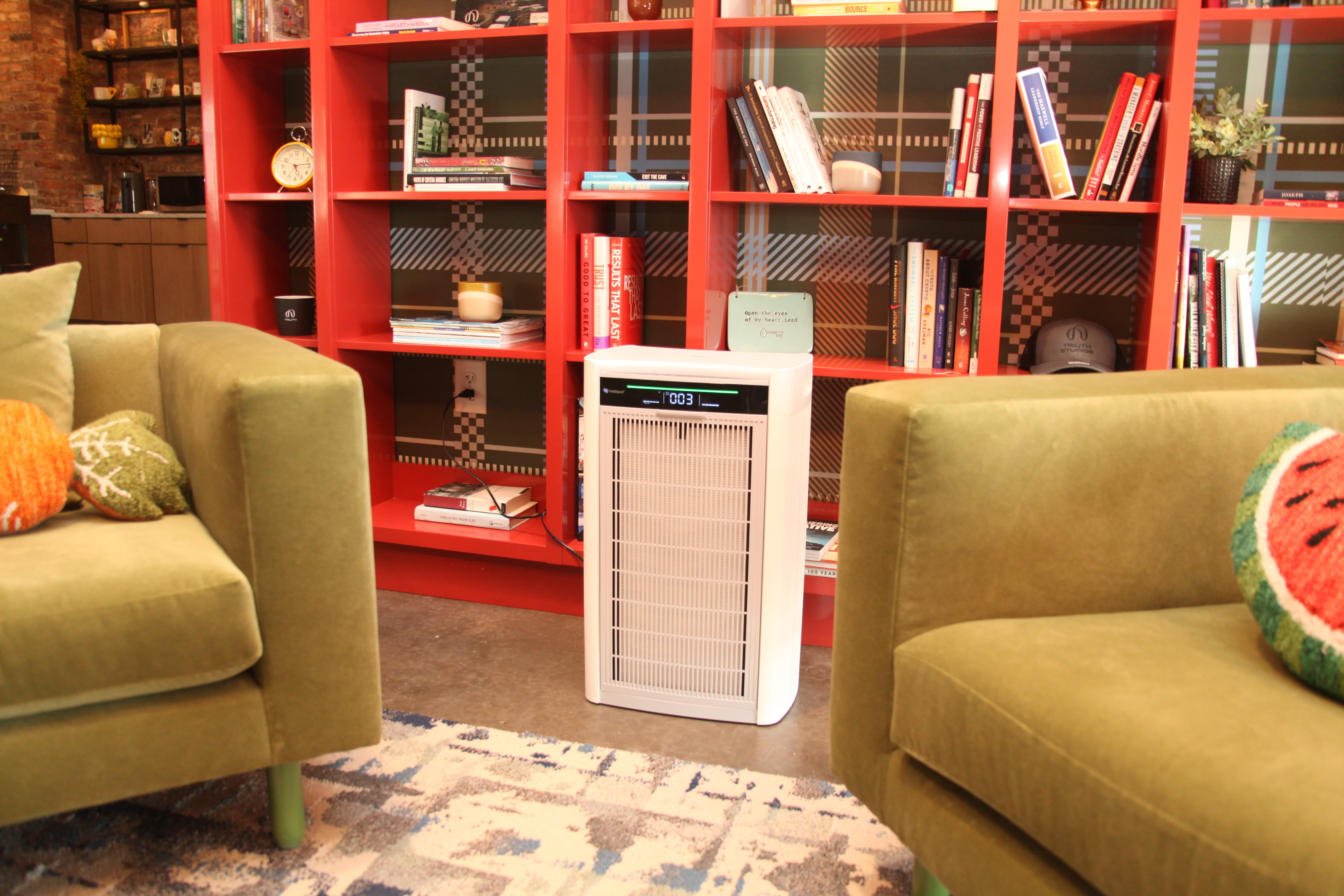
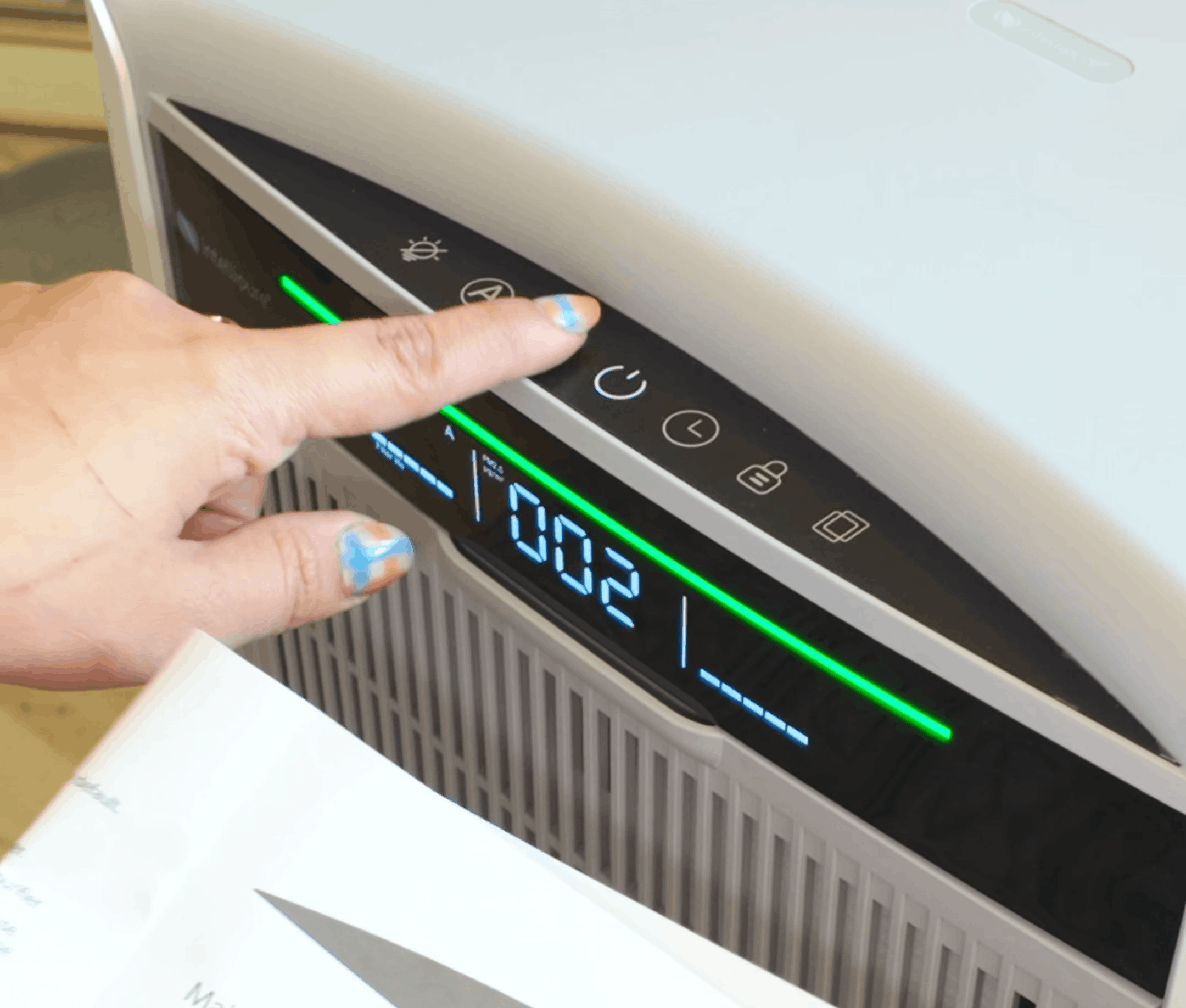
- Protect your indoor air from outdoor smoke. When paired with other air quality best practices (including following your local leaf burning guidelines and regulations), a high-quality indoor air purifier can help you keep the air in your home fresher and safer.
Alternatives to Leaf Burning
There are quite a few ways to put leaves, grass clippings, and other vegetative yard waste to good use instead of burning them. Here are some of the most popular methods:
- The "Let It Be" Approach: Sometimes, the easiest option is to simply leave grass clippings and some leaf debris where they fall. As they break down, they return valuable nutrients and organic matter to the soil [1][1].
- Municipal Management and Collection: If you have more leaves and yard waste than you can manage at home, check with your local municipality. Many communities offer curbside collection or drop-off sites for vegetative waste [5][5]. Depending on the program, collected material may be composted, chipped, spread on agricultural land, or handled at a licensed wood-burning facility. Research what municipal services are available to you, or look for licensed composting and wood-burning facilities in your area [1, 5][1, 5].
- Mulching: Mulching is another simple way to put leaves to work. Shredding leaves with your lawn mower and leaving them on the grass can return nutrients to the soil while helping reduce wind and water erosion. Many mowers come with a mulching blade, or you can usually add one without much expense. You can also use shredded leaves as mulch around shrubs and garden plants. Leaf mulch helps discourage weeds, reduce moisture loss, regulate soil temperature, and give garden beds a neat, finished look [5][5].
- Chipping: For larger amounts of wood waste, a professional wood-waste chipping service may be your best option. Many companies offer either drop-off or pickup services and can turn the material into useful products like landscaping mulch, boiler fuel, erosion-control material, and even animal bedding [1][1].
- Home Composting: Lastly, you can always compost your leaves yourself to use as a natural fertilizer and soil conditioner [5][5].
How to Make a Leaf Compost Pile
Composting can help grow plants and build up your soil by adding vital organic matter.
Worried about the smell? If you manage your compost pile effectively, it won't emit any strange odors [3, 5][3, 5].
Here are some quick instructions to set up your compost pile:
- Choose a good spot. Pick an out-of-the-way area that's easy to access with a hose or other water source.
- Set up your compost pile. Dig a pit about two feet deep, or contain the compost pile with fencing or some other framework. (If you live in an area with wildlife, you might want to consider buying a self-contained composter.)
- Layer your materials. Add loose layers of leaves, alternating them with soil and other vegetative waste.
- Add a high-nitrogen fertilizer. If added to each layer, this will help the leaves break down faster.
- Keep it moist. The pile should stay damp but not soaking wet.
- Cover the pile. Use straw, a tarp, or plastic to help hold in heat and moisture.
- Give it some air. After a few weeks, turn the pile frequently to mix everything together and keep it well aerated. This helps all parts of the pile decompose evenly [5][5].
To Recap
The American Lung Association of Iowa says it best: When You Can't Breathe, Nothing Else Matters® [5][5].
Sure, leaf burning might be convenient or even sentimental for families who make it a tradition. But there's no denying it comes with a list of things to watch out for. If you're looking for a cleaner, safer, and more air-quality-friendly way to handle your fall leaves, there are plenty of alternatives worth considering.
Whether you choose to compost, mulch, chip, or let those leaves break down naturally, you can lock useful nutrients into your soil and help keep unnecessary smoke out of the air we all share.
References
- Wisconsin Department of Natural Resources. Alternatives to Burning [Internet].
- Wisconsin Department of Natural Resources. Environmental and Health Impacts of Open Burning [Internet]. Available from: https://dnr.wisconsin.gov/topic/OpenBurning/Impacts.html.
- Theodore Curtis L. Implications of leaf burning for adverse respiratory conditions and release of fine particulates and air pollutants. Explora: Environment and Resource. 2024;1(1):4040. doi:10.36922/eer.4040.
- Trotti M. 7 Reasons You Should Never Burn Leaves in Your Fire [Internet]. A-Z Animals; 2023. Available from: https://a-z-animals.com/blog/reasons-you-should-never-burn-leaves-in-your-fire/.
- American Lung Association of Iowa. Leaf Burning: Effects & Alternatives [Internet].
- Smokey Bear. Wildfire Prevention Tips: Debris Burning Safety [Internet].
- U.S. Environmental Protection Agency. Barrelburn addl info.html [Internet]. EPA. Available from: https://archive.epa.gov/airquality/community/web/html/barrelburn_addl_info.html.


Smoking Is Making a Comeback. What Does That Mean for Your Air?