

Summary
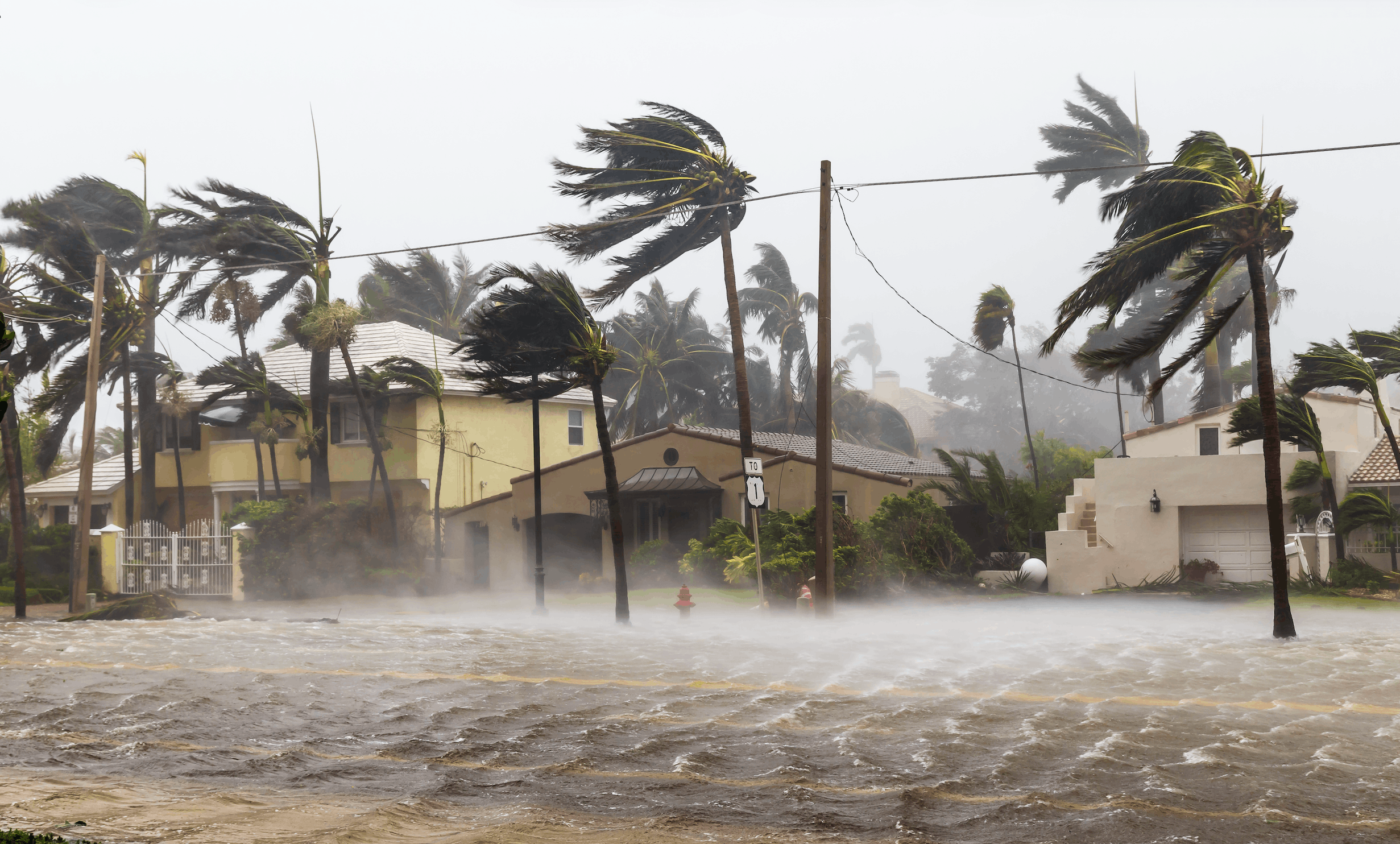
When El Niño makes headlines, the conversation usually centers on rain, drought, storms, and temperature swings.
In This Article
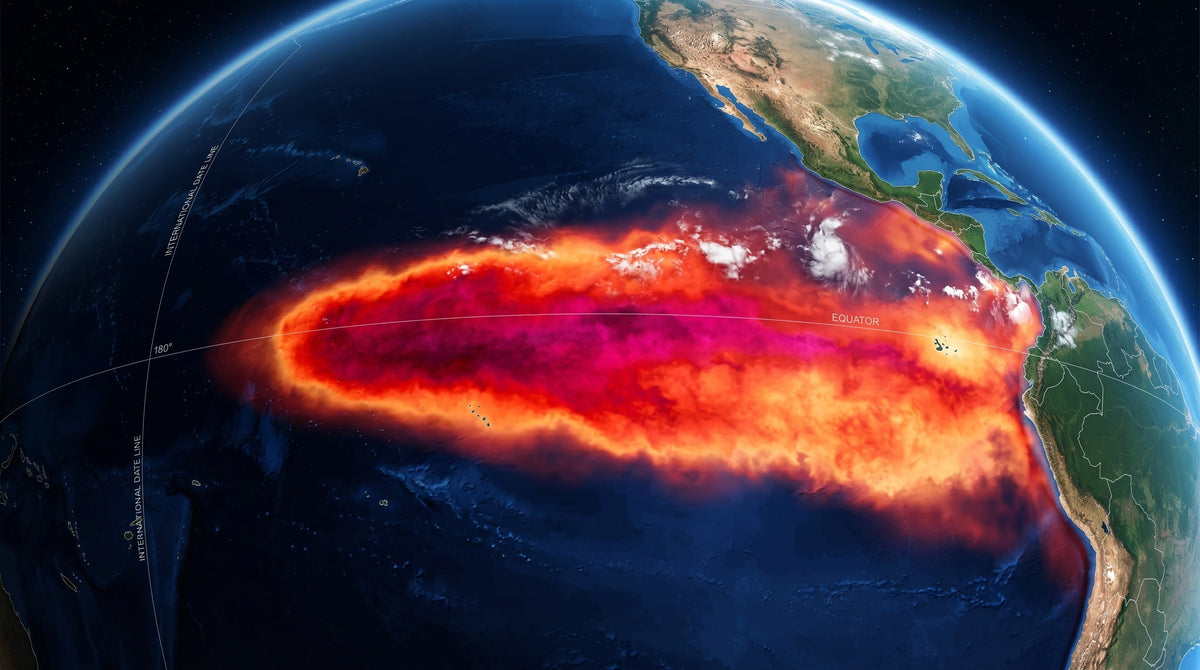
When El Niño makes headlines, the conversation usually centers on rain, drought, storms, and temperature swings. This year, there's good reason for the extra attention: El Niño is strengthening, and the National Oceanic and Atmospheric Administration (NOAA) now says there's a greater than 90% chance it will become a very strong event during fall and winter 2026–2027 [1][1].
But weather and air quality don't exactly live separate lives. Changes in heat, rainfall, drought, and wildfire activity can all affect the air outside your home and, eventually, the air inside it, too.
First, What Makes an El Niño Super?
El Niño is one phase of the El Niño Southern Oscillation (ENSO), a naturally occurring climate pattern tied to changes in ocean temperatures and atmospheric circulation across the equatorial Pacific.
During El Niño, sea surface temperatures in parts of the central and eastern tropical Pacific become warmer than average, affecting weather patterns far beyond the ocean itself .
"Super El Niño" isn't a separate type of weather event so much as it is a way of describing an exceptionally strong one. NOAA's September outlook gives the developing event a 75% chance of reaching a magnitude that would exceed previous El Niño events in its record dating back to 1950 during the October to December period [1][1].
That doesn't mean every typical El Niño impact is guaranteed. Stronger events can make certain patterns more likely, but the effects still depend on location, season, and other atmospheric conditions [1][1].
The West Could Feel the Heat
For North America, the Pan American Health Organization (PAHO) identifies the western and central United States among the areas at higher risk for warmer and drier conditions during the 2026–2027 El Niño period . That distinction matters for air quality.
Hot, dry conditions can increase drought and wildfire risk. PAHO specifically lists wildfire activity and smoke exposure affecting air quality among the potential public health impacts for North America, while also noting that the effects of El Niño can vary considerably from place to place .
So, no, El Niño doesn't automatically equal smoky skies across the entire West Coast. But where prolonged heat and dryness do contribute to wildfire conditions, the air quality can decline quickly.
Wildfire Smoke Doesn't Stay Put
Wildfire smoke contains a complex mixture of pollutants, including fine particulate matter. Particulate matter 2.5 (PM2.5) refers to teeny tiny particles measuring 2.5 micrometers or smaller, which can remain suspended in the air and travel far beyond the fire itself.
PAHO notes that prolonged dry periods can increase wildfire and smoke exposure, and that smoke can travel long distances, raising exposure to fine particulate pollution even in places far from an active fire .
In other words, a wildfire doesn't have to be in your backyard to affect the air you breathe. Plus, outdoor air doesn't necessarily stop at the front door. Smoke and other fine particles (pollen, etc.) can make their way indoors, which is why paying attention to outdoor air conditions becomes especially important during wildfire season.
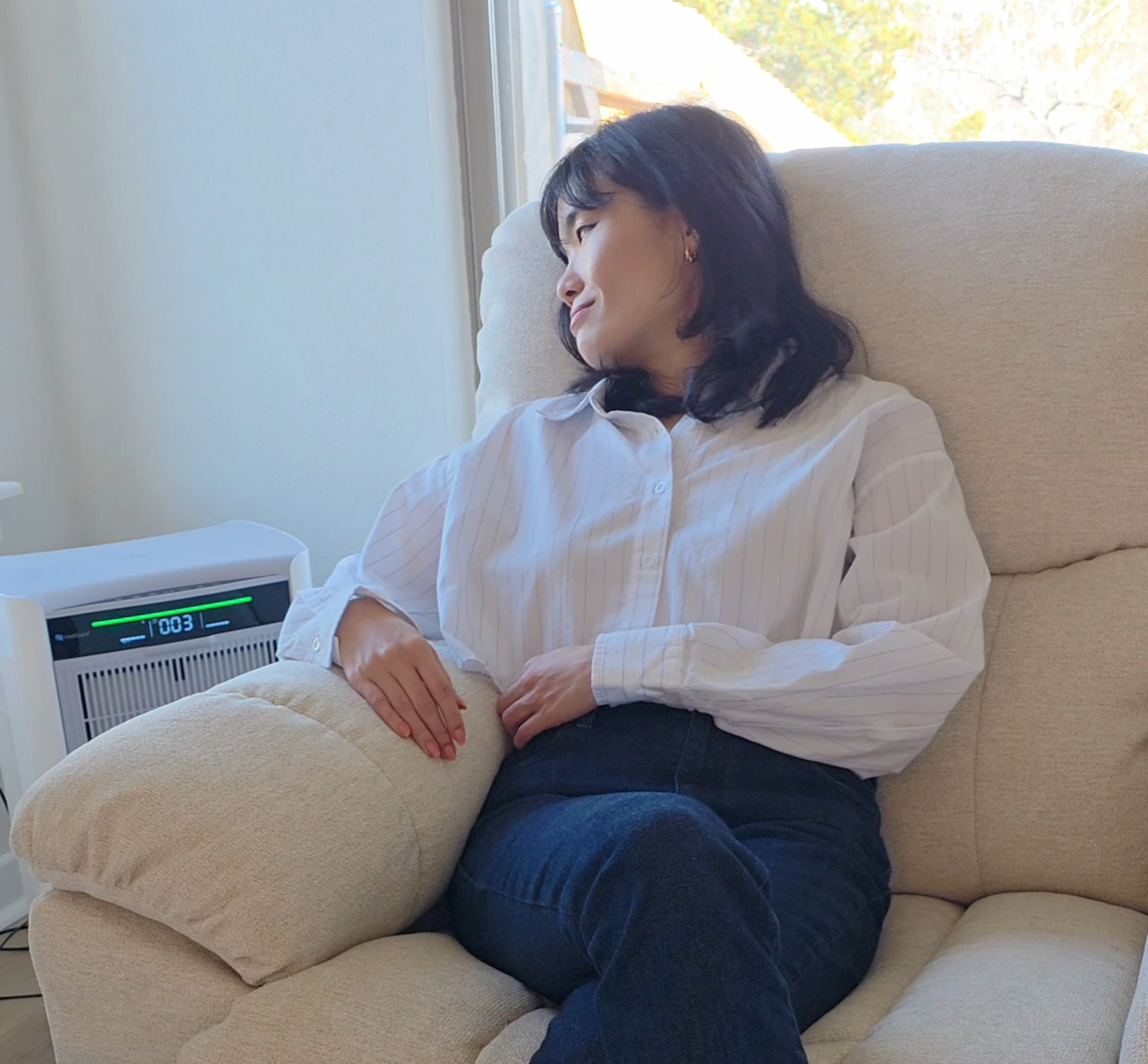
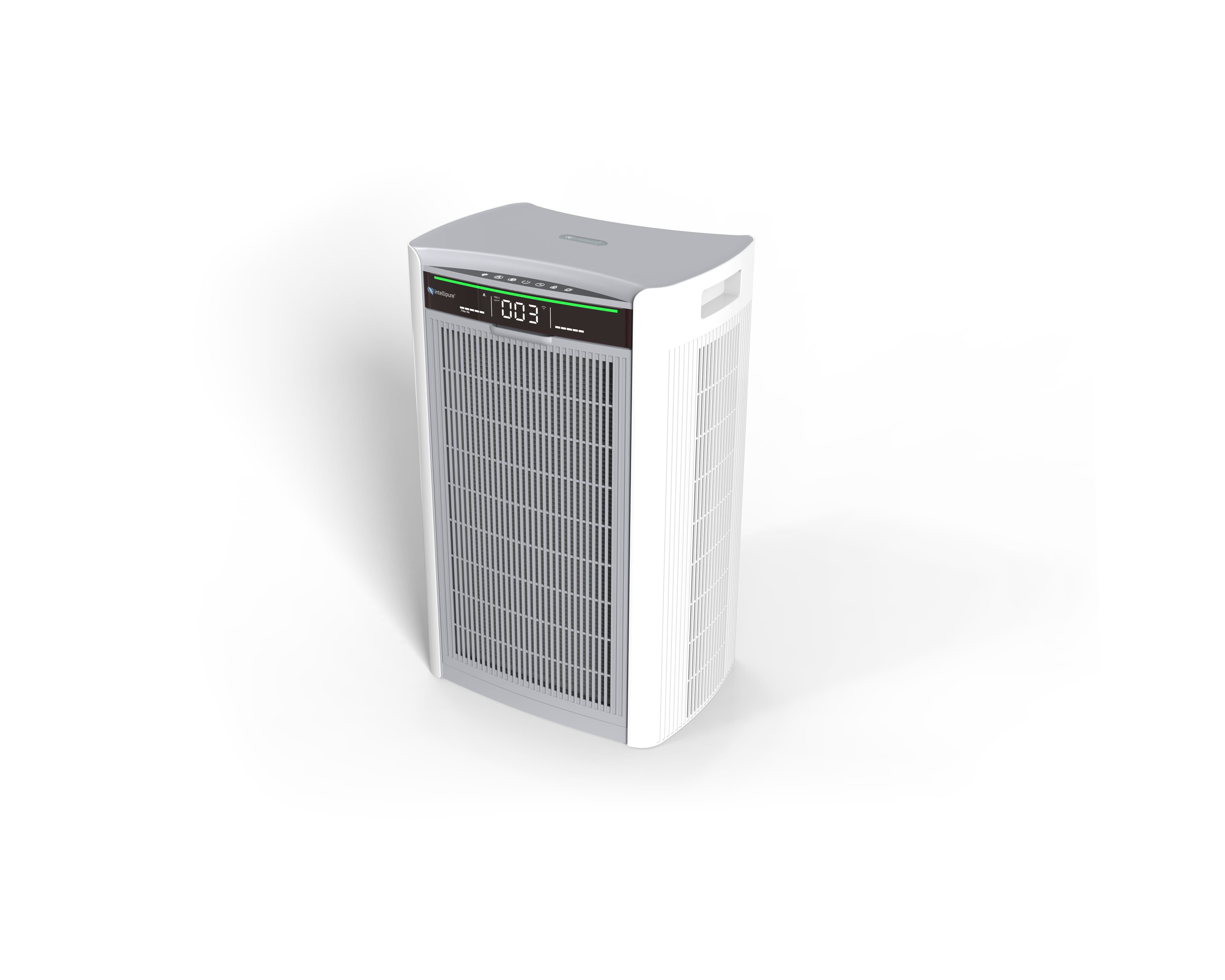
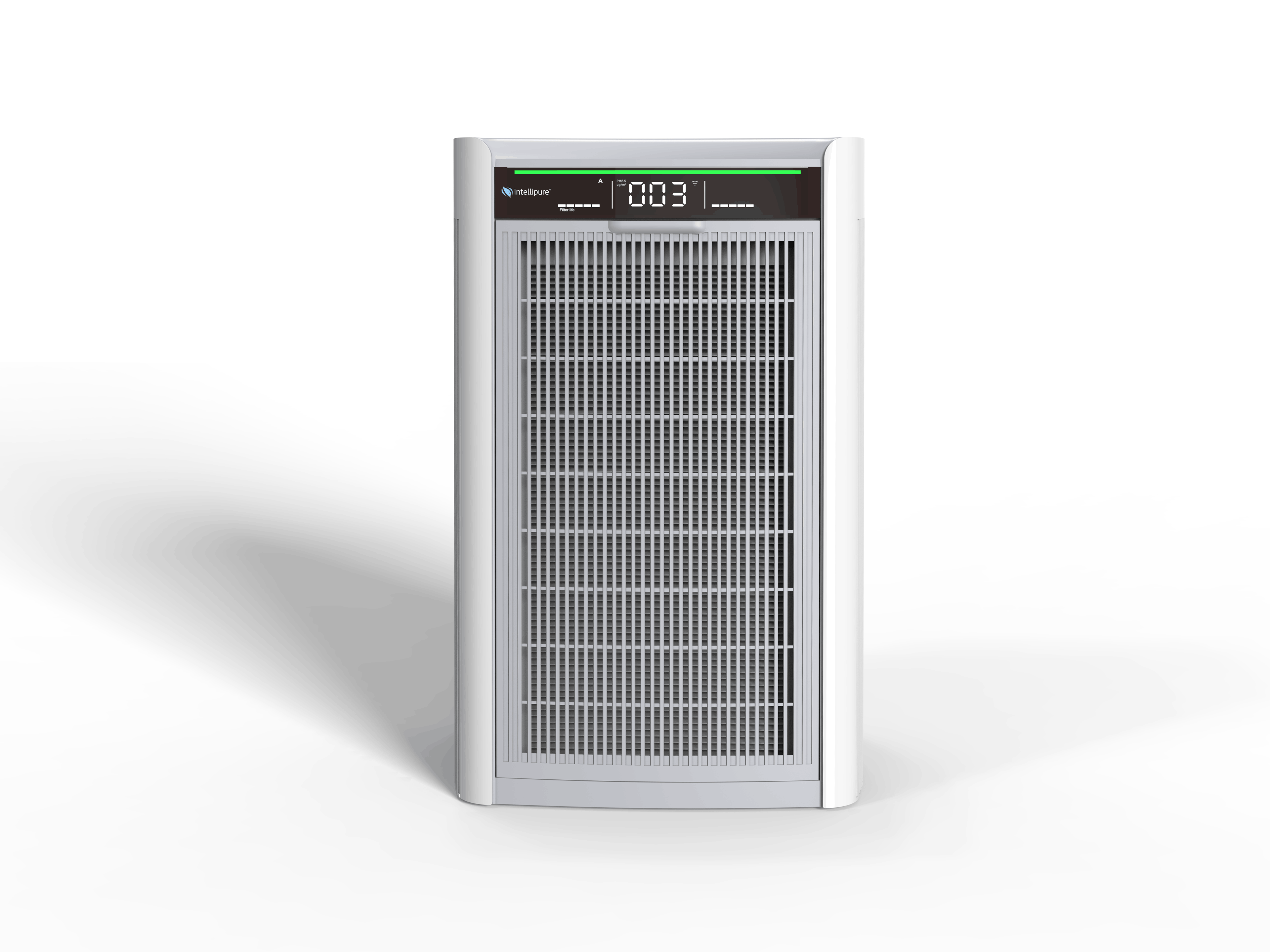
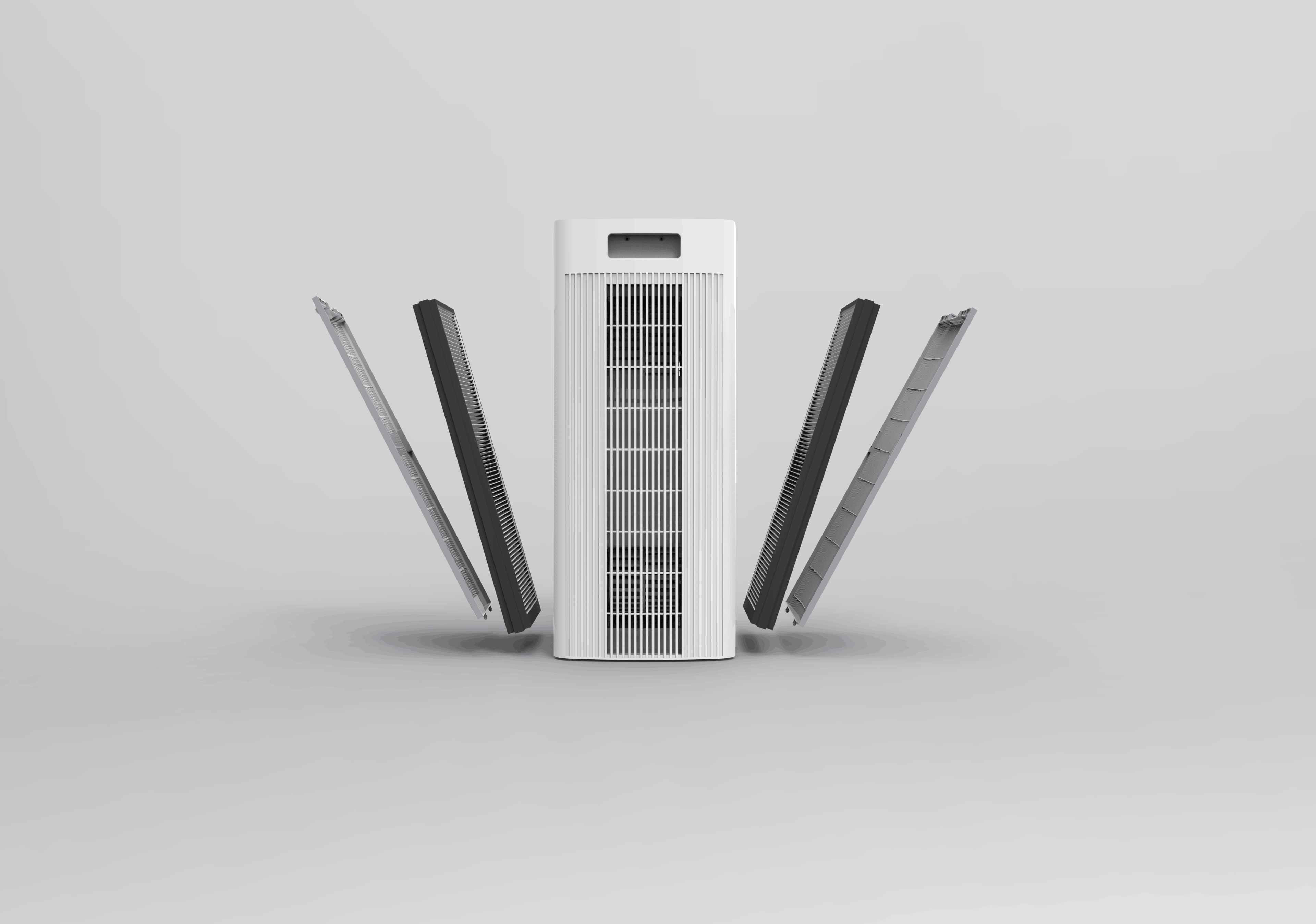
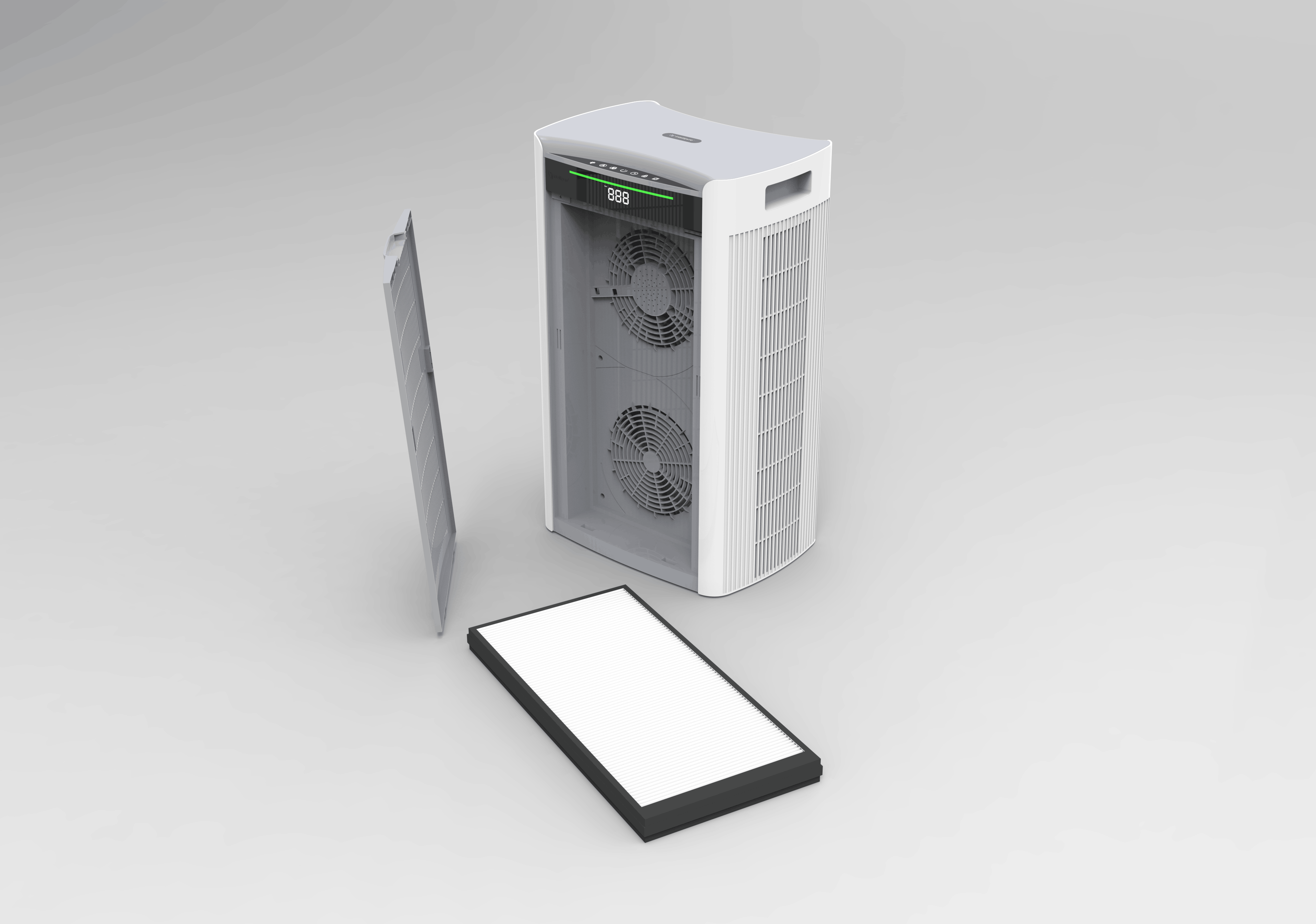
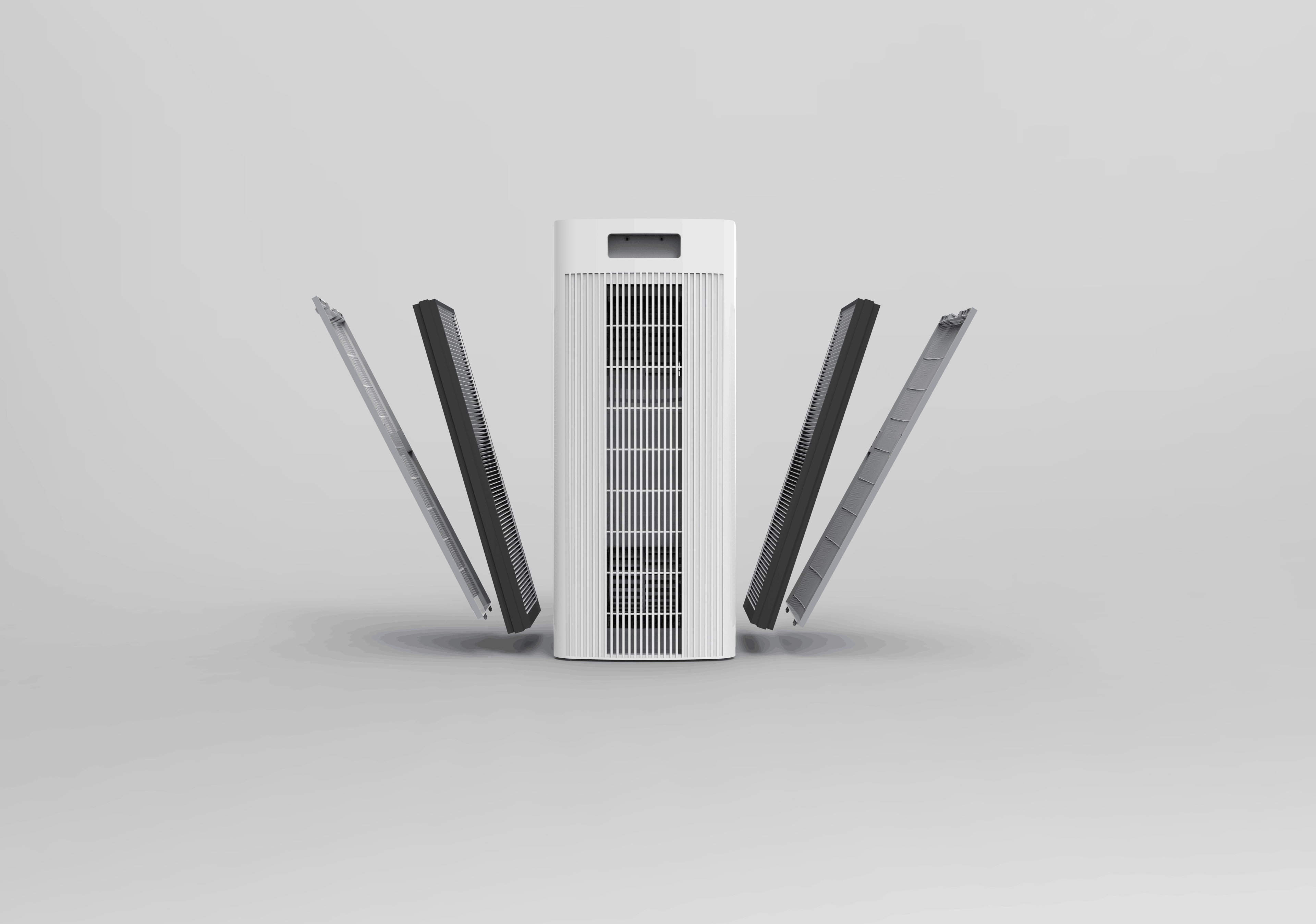
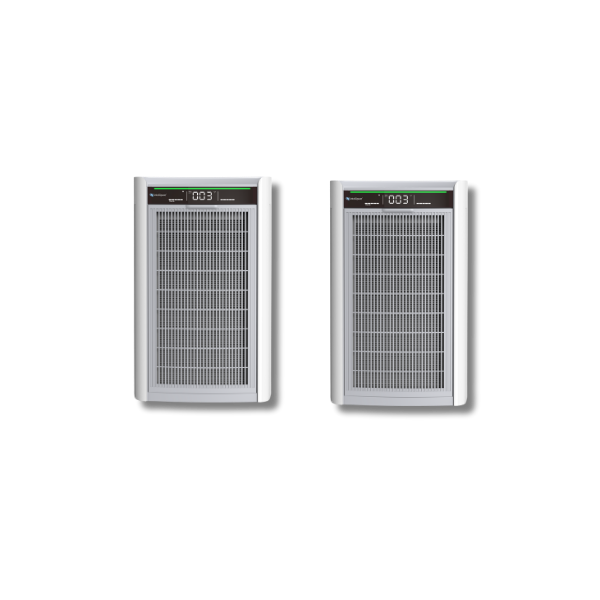
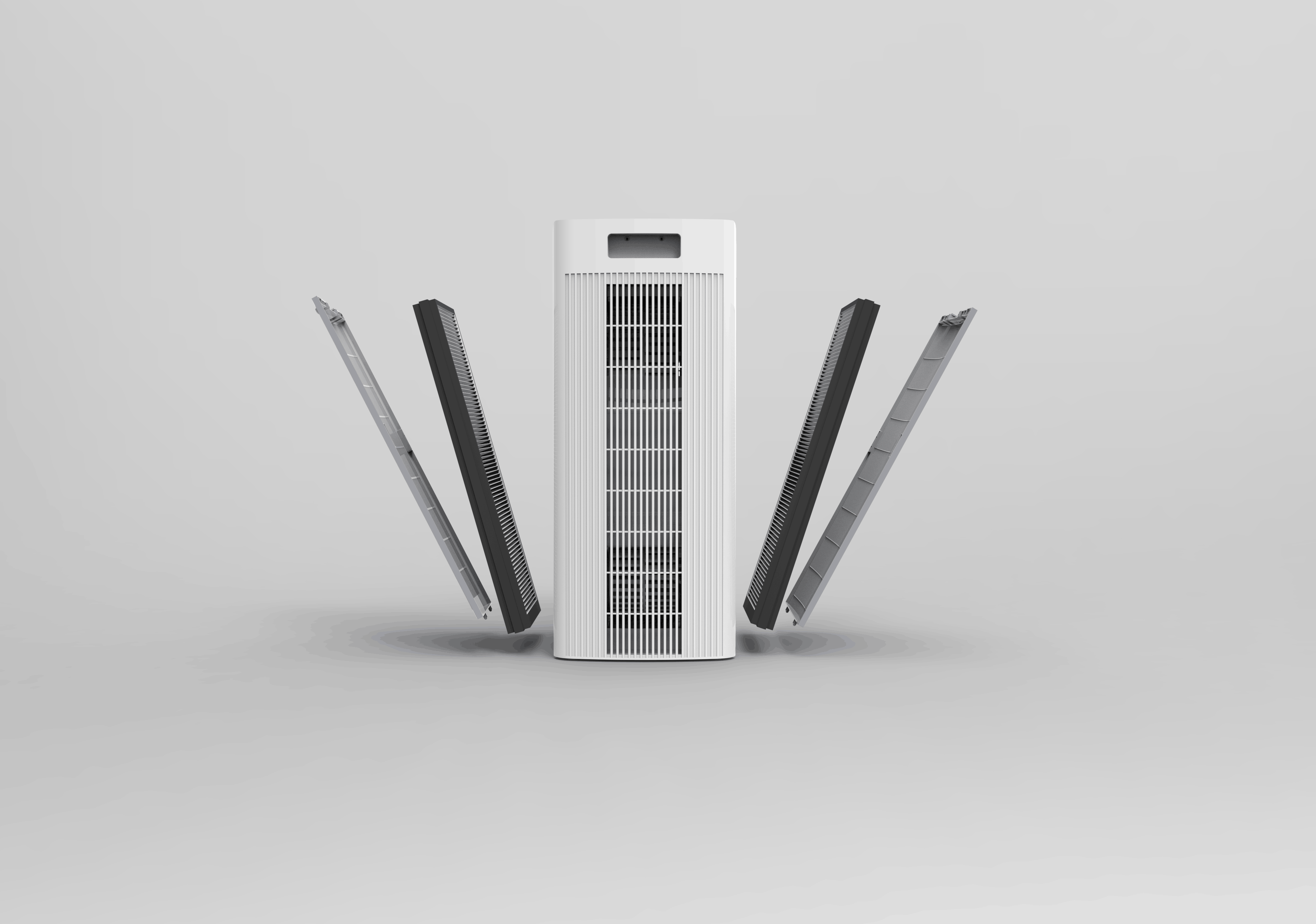
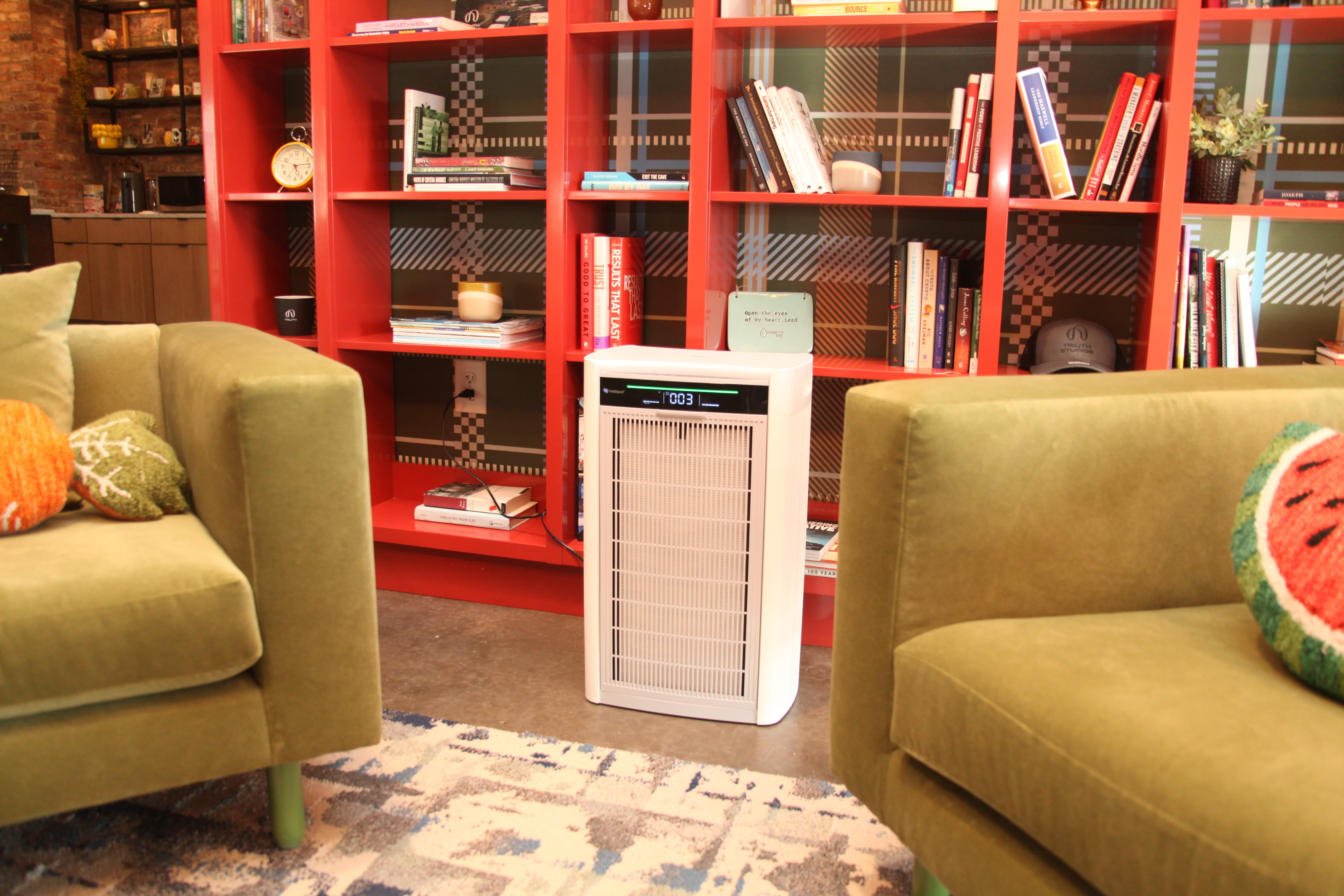
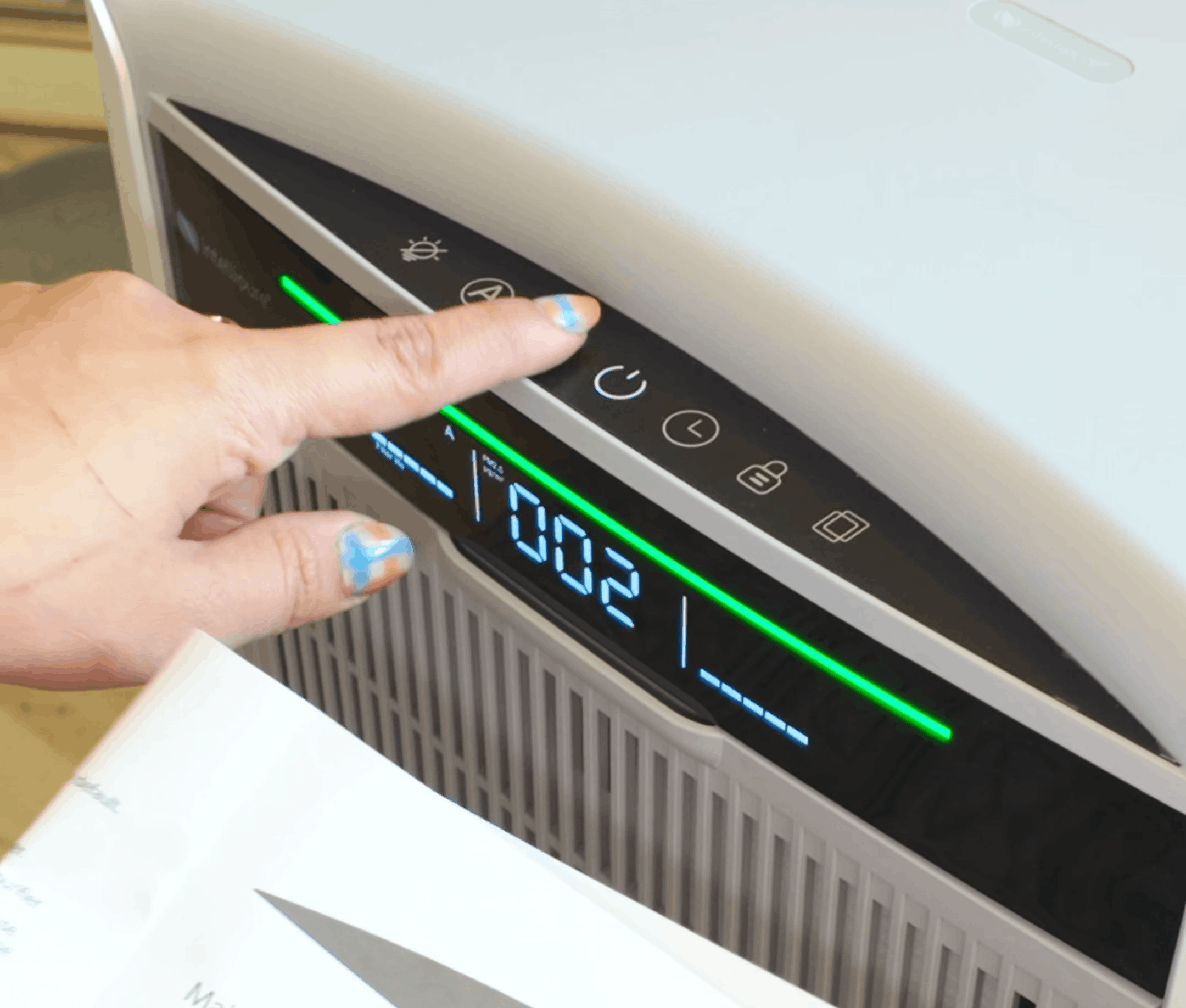
A high-quality air purifier can help reduce airborne particulate pollution indoors when conditions outside take a turn.
There's More to Air Quality Than What You Can Smell
Smoke is obvious when skies turn hazy or your neighborhood starts smelling like a campfire. Fine-particle pollution isn't always so noticeable. And its effects may extend beyond the respiratory system.
A 2025 study using data from 3,100 U.S. counties found that even moderate annual PM2.5 exposure was associated with higher rates of insufficient sleep. Researchers also found that the ENSO phase significantly modified the relationship between PM2.5 exposure and sleep .
That study offers yet another reminder that the air around us can influence more aspects of everyday health than we might realize.
You Can't Control the Weather. You Can Control More of Your Indoor Air.
There's no need to treat every El Niño forecast as a guarantee of bad air. What happens will depend on where you live and how regional weather conditions develop.
But if wildfire smoke or particle pollution does become an issue in your area, a little preparation goes a long way. Keep an eye on local air quality forecasts, limit outdoor air entering your home when smoke levels are elevated, and keep your air purifier running consistently during poor-air-quality periods.
You can't filter the Pacific winds or rewrite the daily forecast. You can, however, pay attention to what makes its way into your home.
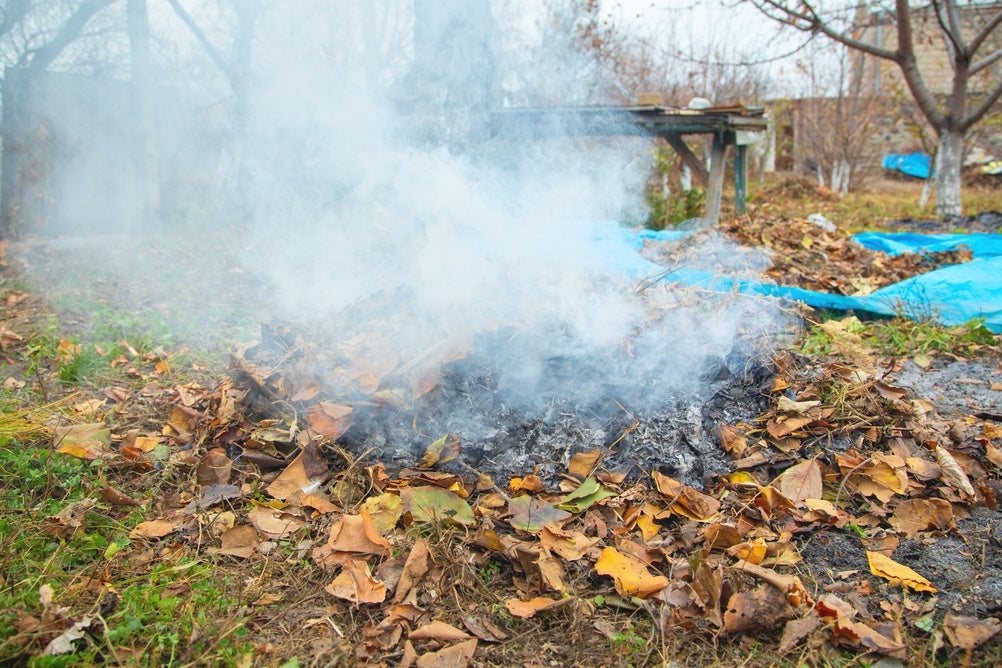

Fall Leaf Burning and Air Quality