

We all need to vent sometimes. And your home is no exception.
The exchange of indoor and outdoor air in residential and commercial buildings is known as ventilation. Without good ventilation, harmful pollutants and moisture can get trapped inside your insulated, airtight house [1][1].
Whether you're here because you're experiencing an air quality, air comfort, or mold growth problem in one or more of your rooms, or because you simply want to learn more about the topic, you've come to the right place to get an overview of all things ventilation. (Well, almost all things. There's always more to discover when it comes to the air we breathe.)
Types of Ventilation
You might be wondering what it means to have "good ventilation" in your home. At a high level, ventilation includes letting in fresh air, filtering the air that's already there, and improving overall airflow [2][2].
If you start to research ventilation, you may come across some terms and techniques that aren't so familiar. We've broken down a few of the common ones below.
Natural Ventilation
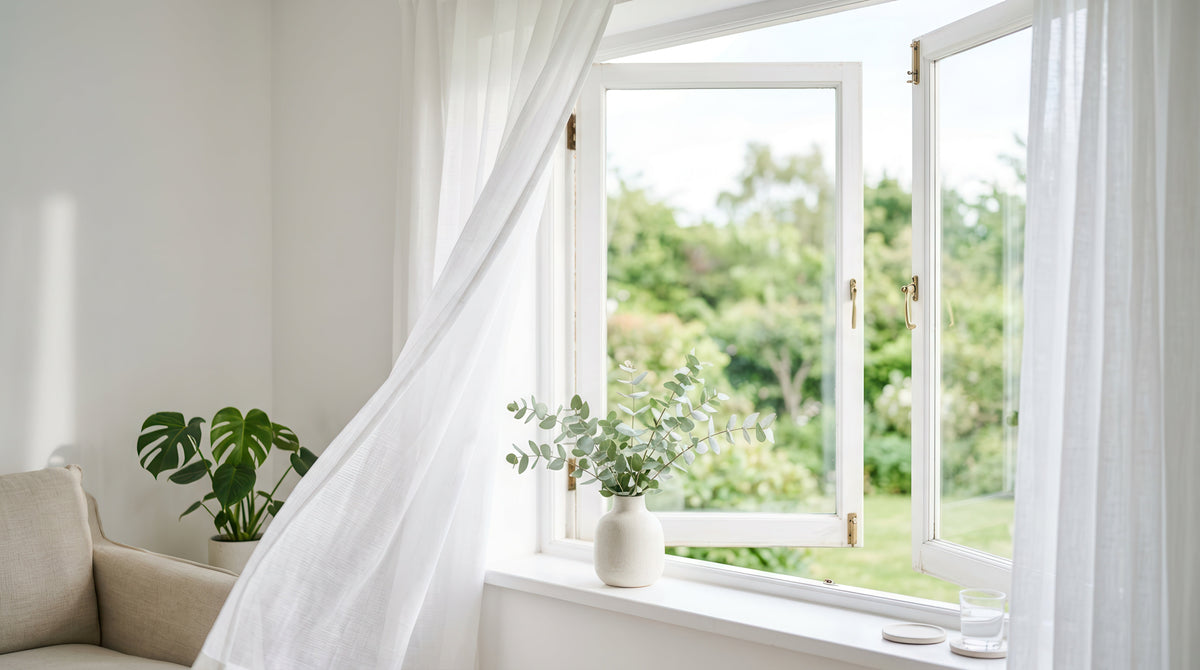
When you open a window in your kitchen while you're cooking or crack open your back door because the air inside is feeling a bit stale, that's natural ventilation [3][3].
According to the United States Centers for Disease Control and Prevention (CDC), bringing fresh, outdoor air into your home through open windows and doors can help keep virus particles from accumulating inside. The approach isn't for everyone, though. If you have young children or rambunctious pets in your home, or if you or a houseguest are at an increased risk of falling, opening a window isn't automatically a good idea. The CDC also advises that you pay attention to air quality outside your home before willingly letting that air in, especially if you live with anyone who has asthma or another respiratory condition.
If, after learning about these warnings, you feel that you're all clear to lean on natural ventilation methods in your home, you should know that the CDC recommends opening multiple doors and windows. This creates cross-ventilation, or continuous, directed flow of air through a room. Also, when it's safe to do so, opening windows nice and wide is more effective than just cracking them a bit [2][2].
Mechanical Ventilation
Mechanical ventilation circulates air through ducts and fans versus open windows, doors, or small cracks in your home.
Air intakes associated with heating, ventilation, and air conditioning (HVAC) systems are a form of mechanical ventilation, but it turns out that most residential heating and cooling systems (including forced-air heating systems) do not mechanically bring fresh air into the house.
Meanwhile, exhaust fans that remove contaminants directly from the room where the fan is located, such as a bathroom or kitchen, are common in homes, and they can increase overall ventilation rates [3][3]. If your exhaust fan vents outdoors, then it can help move some air outside, and thus help remove indoor contaminants. But even internally vented exhaust fans that don't send air outside have some benefits: They can boost airflow and help prevent virus particles from concentrating in one area [2][2].
Infiltration
Infiltration sounds a bit nefarious, doesn't it? But in the context of ventilation, all it refers to is the flow of outdoor air into your home through cracks and joints in the walls, floors, and ceilings and around windows and doors. Some homes have more of these tiny cracks than others, but according to the United States Environmental Protection Agency (EPA), infiltration happens in all homes to some degree [3][3].
Spot Ventilation
If you're ventilating a specific room or area, that's spot ventilation. You might use an exhaust fan to quickly remove pollutants and excess moisture right where they're produced in your bathroom, for example. Range hoods over stoves and attic fans also provide spot ventilation.
You can pair spot ventilation with natural ventilation to improve your indoor air quality (IAQ). But if that combo still isn't enough to meet your home's needs, you might consider adding in a whole-house ventilation system [1][1].
Whole-House Ventilation
Whole-house ventilation systems use fans and ductwork to remove stale air from your home, bring in fresh air, or do both. Unlike spot ventilation, which targets specific areas, these systems help provide consistent, controlled airflow throughout the entire house. They come in three main types: exhaust-only systems, which pull stale air out and rely on leaks in the home to let fresh air in; supply-only systems, which bring fresh air inside and push stale air out through existing leaks; and balanced systems, which use separate components to both exhaust stale air and bring in fresh air [1][1].
Continuous Ventilation
As the name implies, continuous ventilation refers to mechanical systems that run 24/7. The Center for Energy and Environment (CEE) recommends choosing an ENERGY STAR-rated bathroom exhaust fan or kitchen range hood designed to run quietly and continuously. Ideally, you should install a continuous ventilation fan in the most frequently used bathroom on the top floor of your home, replacing the existing fan if there is one. If the bathroom's layout or structure makes that swap difficult, a kitchen range hood rated for continuous operation may be a good alternative. In most homes, just one continuously running fan, either in the bathroom or kitchen, is enough [4][4].
Rooms to Focus On
As evidenced by the fact that "whole-house ventilation" is a thing, every single room in your house can improve its IAQ when you ventilate it effectively. That said, certain rooms tend to need some extra ventilation love.
Bathrooms
Bathrooms can get incredibly humid during a bath or shower, creating the perfect conditions for mold, mildew, and bacteria to grow. According to the Home Ventilating Institute (HVI), excess moisture can also damage your home, causing warped doors, rusted fixtures, peeling paint, and even deterioration of the wood framing [5][5].
A bathroom exhaust fan vented to the outdoors can help remove moisture, odors, and airborne pollutants before they become a problem. This keeps the air both healthier and more comfortable, while helping prevent potentially costly home repairs.
Using spot ventilation in just one bathroom in your home can help keep contaminants from spreading throughout the whole house [5][5].
Kitchens
Lots of people think of the kitchen as the heart of their home. (Personally speaking, I know that whenever we host, everyone crowds into our galley kitchen to chat, even if I've taken the time to tidy our more spacious living room with cozier seating options.)
Unfortunately, kitchens can also be a major source of air pollution in your house. Cooking releases grease, smoke, odors, moisture, and by-products of gas cooking that can linger in the air and settle on walls, carpets, and furniture.
A range hood or kitchen exhaust fan that vents directly outdoors can help remove these pollutants and keep your kitchen air fresher. Just keep in mind that recirculating range hoods don't provide true ventilation. They send air back into the kitchen, don't do much to control moisture, and have limited effectiveness at removing odors [5][5].
Laundry Rooms
Laundry rooms can be a hotspot for moisture, thanks to damp clothes, splashing water, and other everyday laundry tasks. Installing an exhaust fan near the washing machine can help remove excess heat and humidity, lowering the risk of mold and mildew.
Clothes dryers should always vent directly outdoors. In some homes, especially newer ones, the laundry room is far from an exterior wall, which can mean long dryer ducts and restricted airflow. In these cases, a booster fan may help keep air moving properly [5][5].
Other Rooms Benefit from Ventilation, Too
Workshops, hobby areas, recreation rooms, and family rooms can come with unique IAQ challenges, whether it's odors, fumes, tobacco smoke, allergens, volatile organic compounds (VOCs) like benzene and formaldehyde, or humidity. Encouraging air movement in these spaces can help protect your home and everyone inside it [5][5].
And don't forget the places in your home where you spend the least amount of time: your attic, basement, and crawl space. Vents and fans in these areas need to be properly secured and kept unblocked to allow sufficient airflow. If you're worried about pests getting inside, you might choose to fit these vents with grates or screens that don't restrict air movement [6][6].
Ventilation in Newer Homes
Newer homes and recently air-sealed homes tend to have fewer gaps around doors, windows, and foundations, which means less fresh air naturally moves in and out. Because of this, indoor pollutants can build up instead of getting flushed out. The problem isn't that these homes are too airtight: It's that they need proper ventilation [4][4].
Fortunately, to combat this issue, many modern homes are incorporating mechanical ventilation systems that bring outdoor air in through the HVAC system. Some use energy-efficient heat recovery ventilators (HRVs), also called air-to-air heat exchangers, to help reduce the energy costs of heating or cooling incoming air [3][3].
Benefits of Better Ventilation
Ventilation isn't super complicated and, as we've covered, there are several ways you can go about it. But finding what works for your family and your home does require a bit of practice. Is it worth your effort?
In a word: Yes!
These are a few of the biggest reasons ventilation really does matter:
Less Moisture and Mold
Poor ventilation can allow moisture, odors, and pollutants to build up in your home, potentially leading to mold growth (including black mold) and property damage over time. Removing excess moisture from everyday activities like cooking and showering is an important part of preventing these problems [4][4].
When warm, moist air hits a cold surface, some of the moisture condenses into water droplets. You've probably seen this effect on a glass of iced tea. The same thing can happen inside your home's walls or in your attic, where trapped moisture can cause wood rot, mold growth, damaged insulation, and even structural damage [5][5].
Mold exposure can affect people differently. Some experience immediate symptoms like coughing, a sore throat, or headaches, while others may not notice any problems at all. Children, pregnant people, older adults, and people who spend the majority of their time at home may be more vulnerable to health risks from mold. Another issue to watch out for: Mold can worsen allergy and asthma symptoms. If you have health concerns related to mold exposure, be sure to talk with your healthcare provider.
In most cases, mold testing isn't necessary. If you can see or smell mold in your home, focus on fixing the moisture or ventilation problem that allowed it to grow, then clean it up safely [6][6]. If the area affected by mold is larger than about 10 square feet, or if you've experienced a major flood in your home, it's best to seek help from a mold remediation professional [7][7].
Fewer Airborne Pollutants and Viruses
Good ventilation can help improve IAQ by removing or diluting airborne pollutants from everyday household activities. Even natural ventilation, like opening windows when outdoor conditions allow, can be effective for minimizing indoor contaminants [3][3].
Cooking, cleaning, and other activities and hobbies can release harmful fumes into your home's air, including VOCs. Proper ventilation helps clear these pollutants before they build up. It also fights lingering odors [6, 4][6, 4].
Ventilation can also help limit the spread of airborne illnesses and respiratory viruses, including COVID-19, by lowering the concentration of infectious particles in your home. Since you may not always know whether a household member or visitor is contagious, maintaining good ventilation (combined with other preventative measures) can help keep you and others from getting sick [2][2].
Indoor Air Comfort
Air comfort is different from air quality, but it matters, too.
Ventilation can help both control and evenly distribute indoor air temperatures [6, 3][6, 3]. When there's a power outage or you've lost access to air conditioning, natural ventilation can often help moderate the temperature of the air in your home [3][3].
Sharper Thinking
Research suggests that airtight buildings might threaten brain function. A study published in Environmental Health Perspectives found that office workers in well-ventilated spaces with lower pollutant levels performed significantly better on cognitive tests than those working in typical, stuffy office conditions [8][8].
Lead researcher Joseph Allen, director of Harvard's Healthy Buildings program, described the results as "striking." Although researchers already suspected that air quality could affect thinking and job performance, Allen was surprised by just how much better participants performed in environments with cleaner air. His team's research showed that high air quality could double cognitive test scores [9][9].
Practical Ventilation Tips
We'll leave you with some actionable recommendations to help you enjoy all the benefits of good ventilation. You'll see that most of these require little effort, but they have big rewards.
- For a few minutes per day, open your windows. As long as outdoor air conditions are good, and doing so is safe for everyone (including pets!) in your home, it's best to open multiple windows and doors wide to let in as much fresh air as you can [6, 2][6, 2].
- Keep doors between rooms open to improve airflow throughout your whole home.
- Turn on the exhaust fan in your bathroom (or open a window) whenever you shower or take a bath. Leave it on for at least 30 minutes afterward.
- Turn on the exhaust fan in your kitchen (or open a window) whenever you're cooking or boiling water. Leave it on for 30 minutes afterward [6][6].
- When hosting visitors, keep your exhaust fans running. It's a smart idea to leave them on for an hour or so after your guests leave to help remove virus particles that might be lingering in the air [2][2].
- Make sure kitchen and bathroom vents lead directly outside. If they're vented into the attic, moisture can cause big problems, including health risks [1][1].
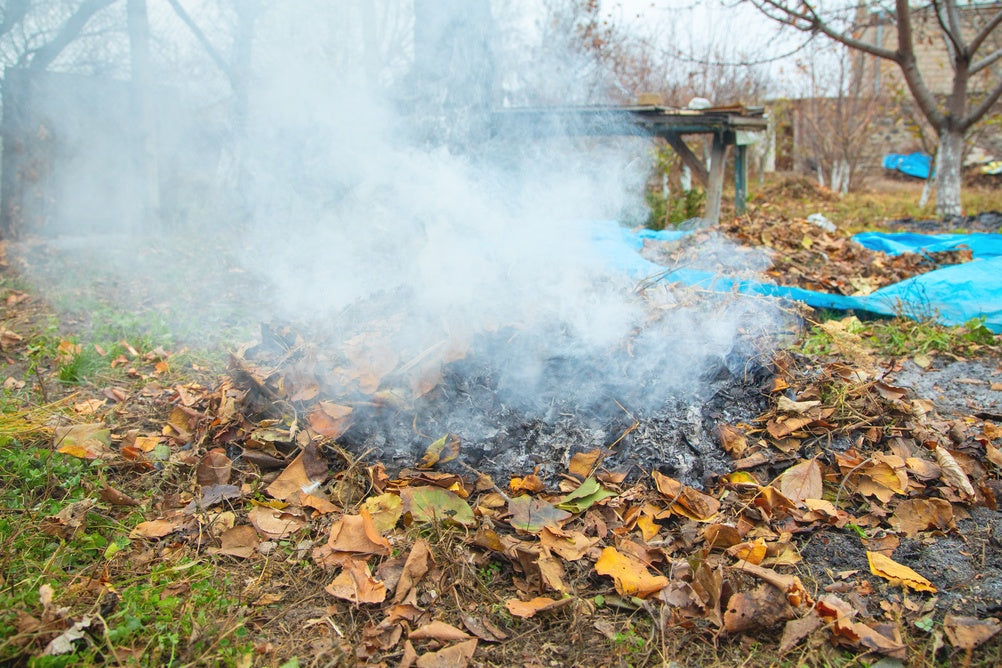
- Do your best to pay attention to outdoor air quality. If there are sources of pollution outside, like wildfire smoke, it's not the right time to let that air into your home deliberately. Ventilate later when it's safe [3][3].
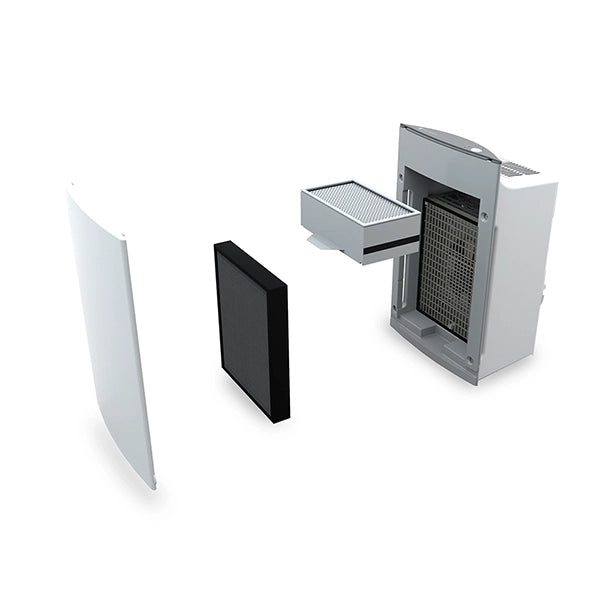
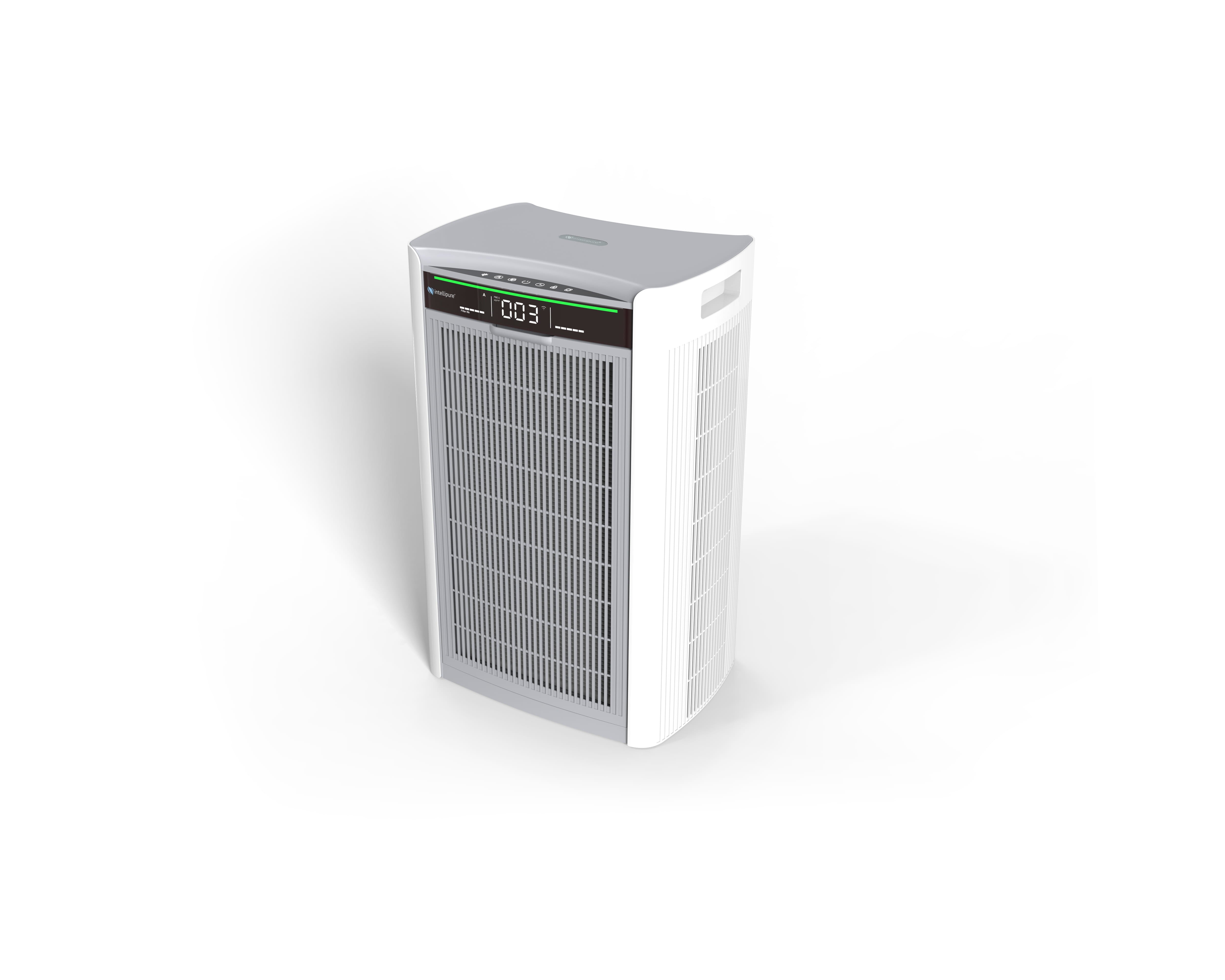
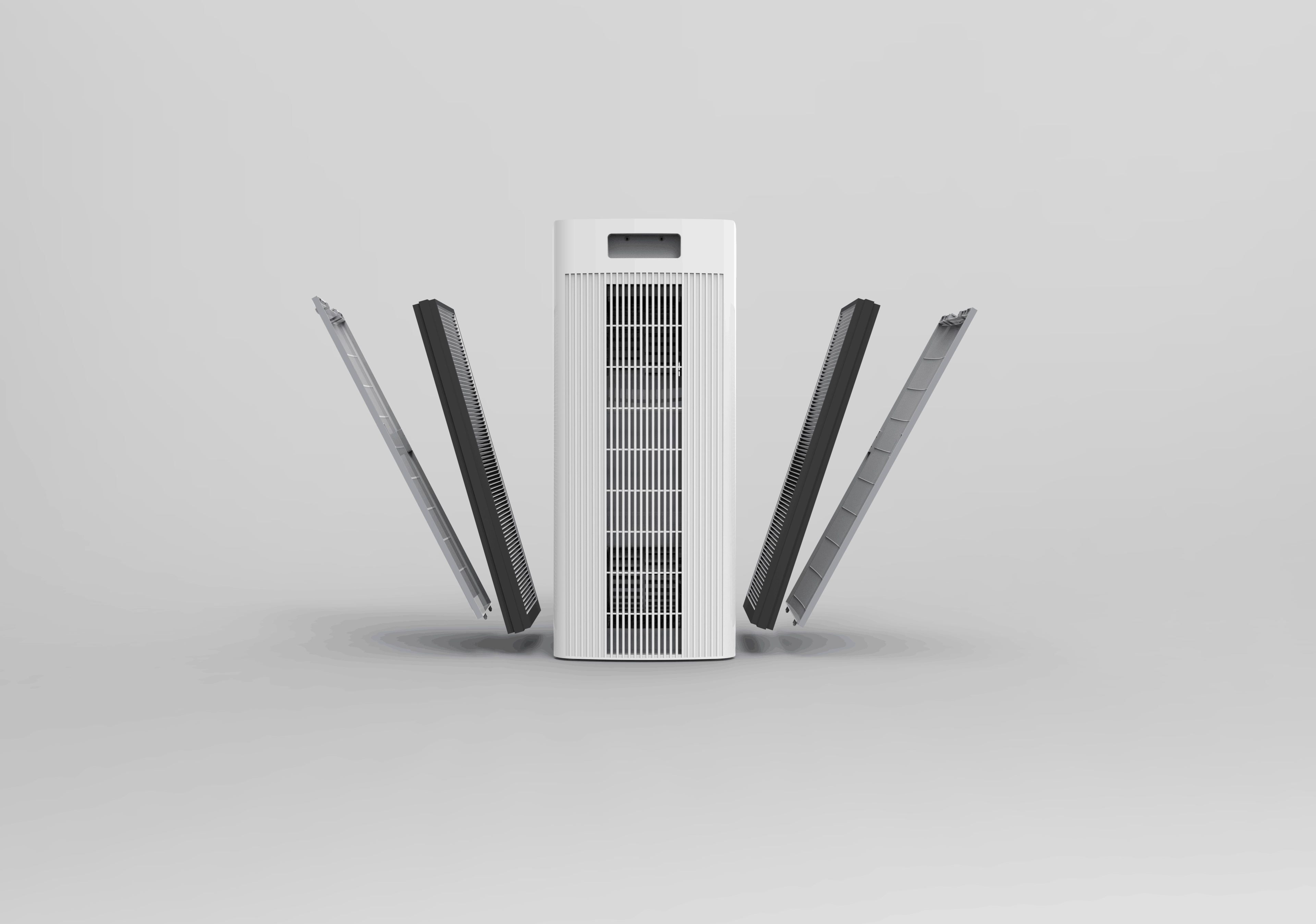
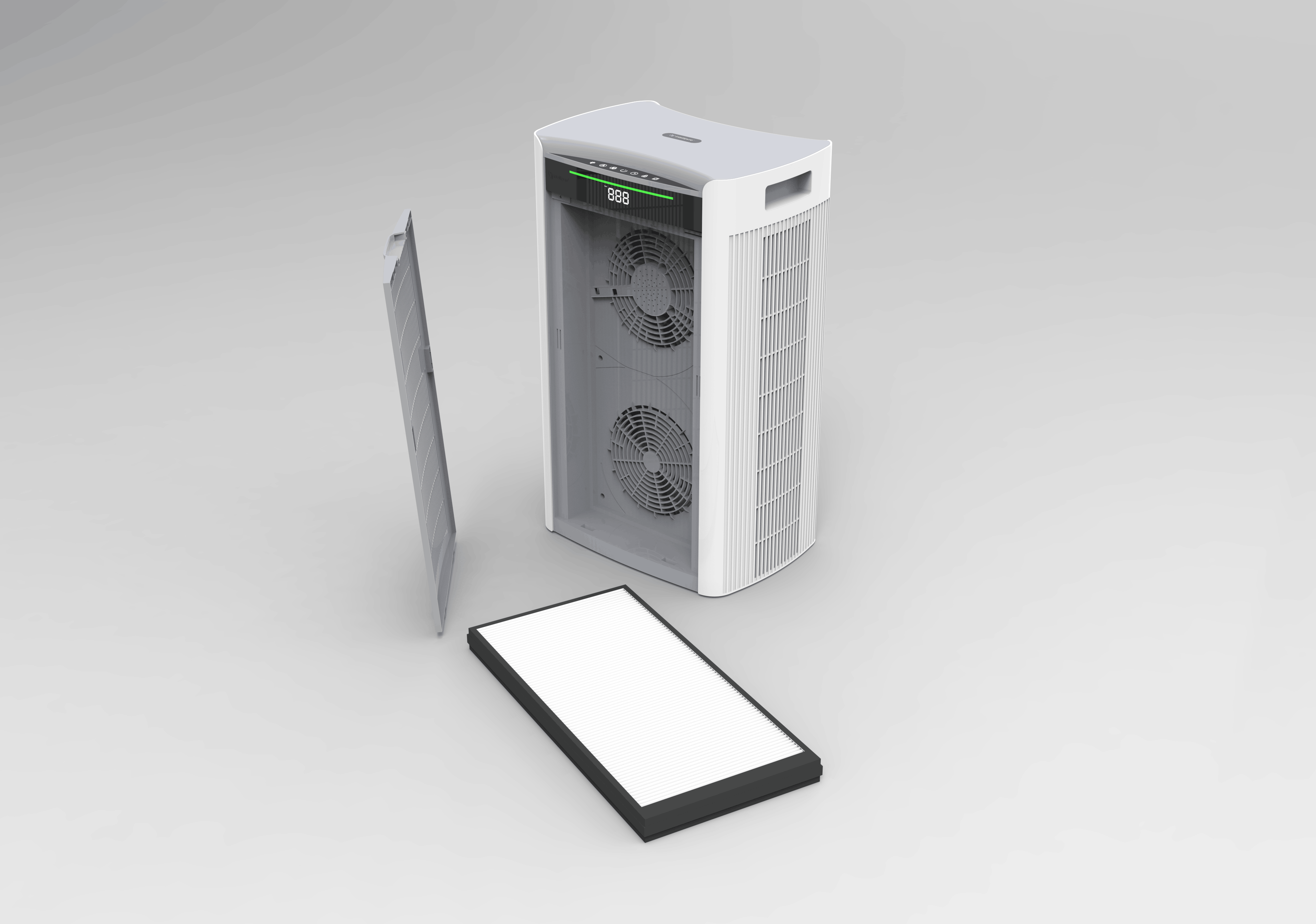
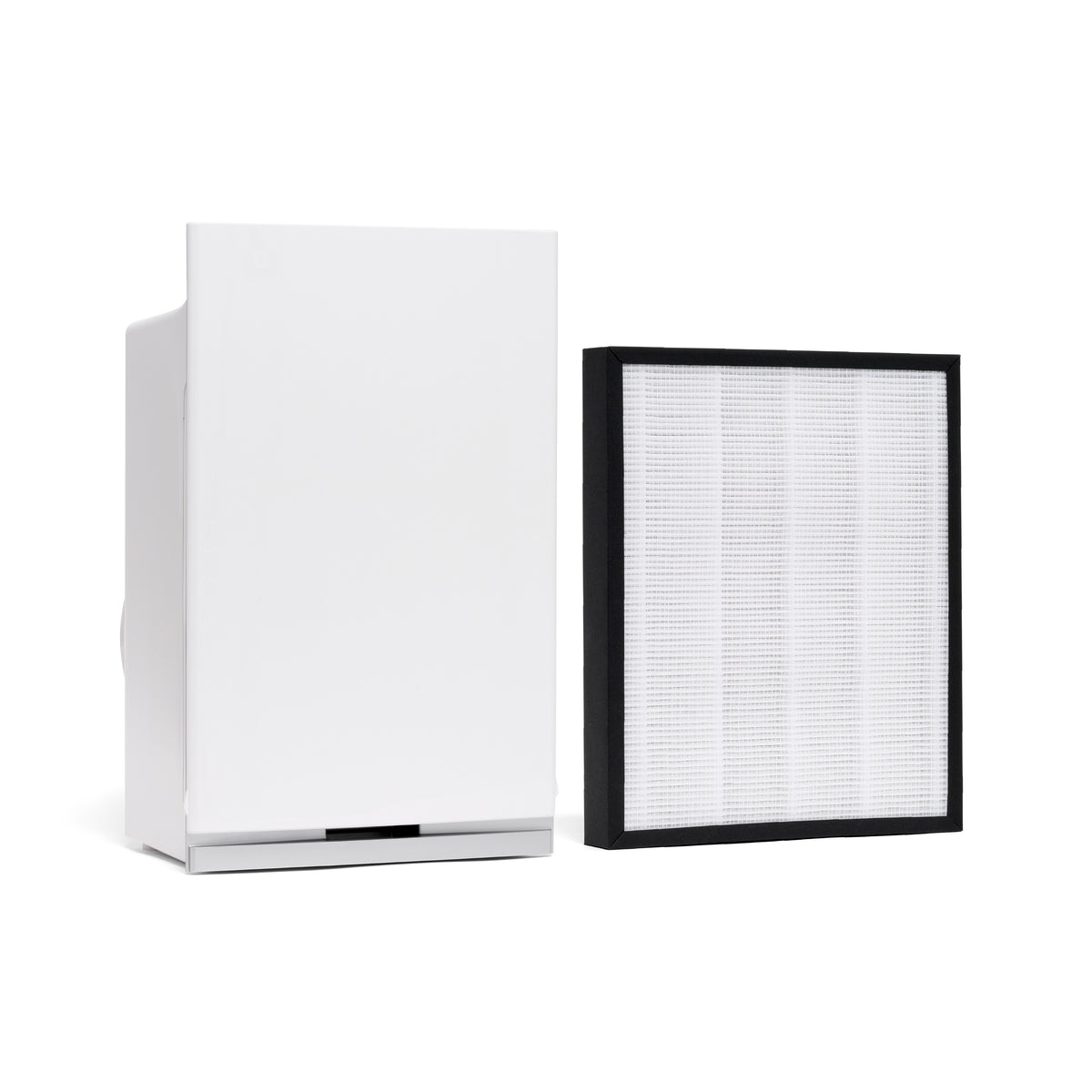
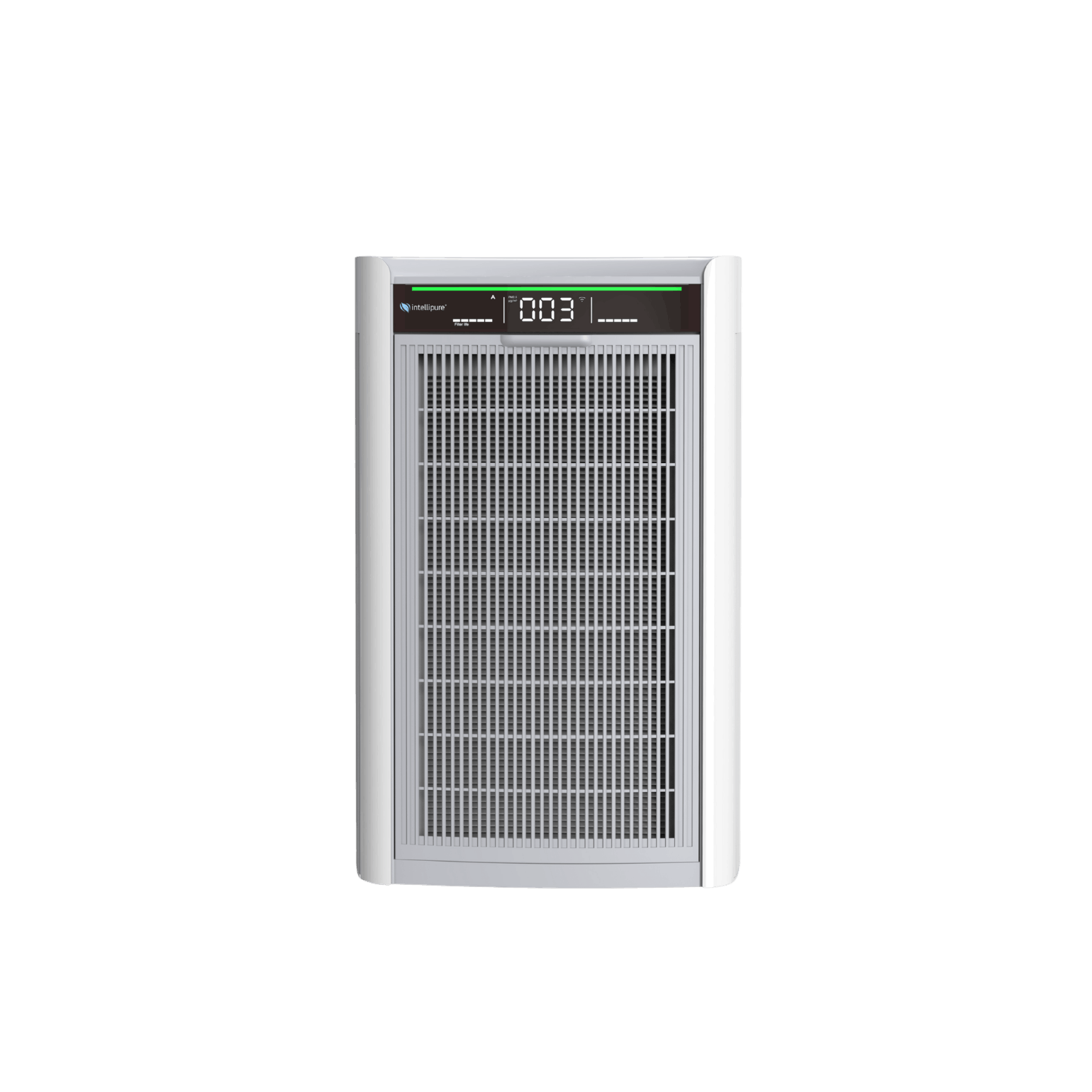
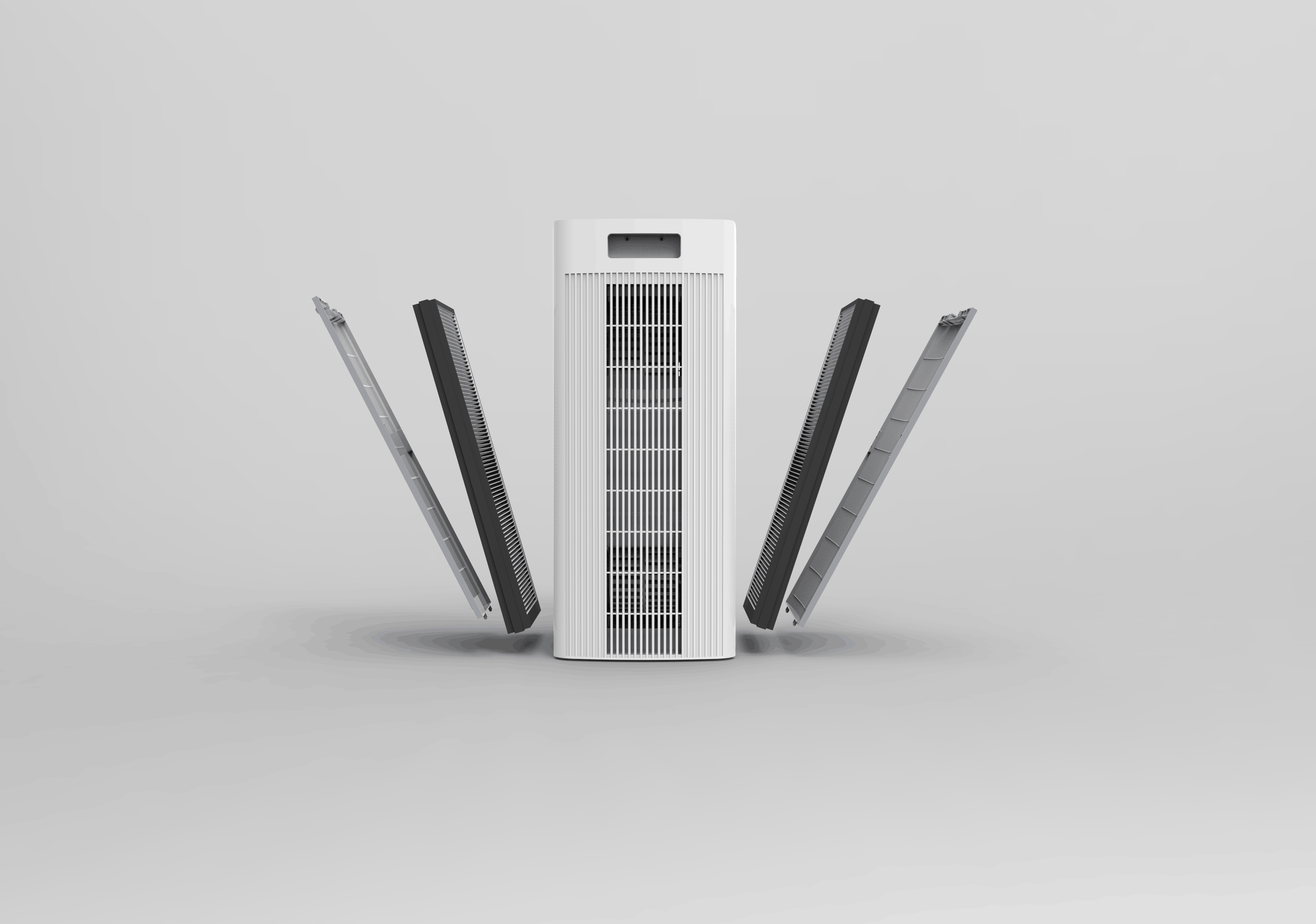
- Use filtration as a complement to ventilation. Portable high-efficiency particulate air (HEPA) cleaners can trap particles that people exhale when breathing, talking, singing, coughing, and sneezing. The CDC reminds readers to choose a HEPA cleaner that's the right size for the room [2][2]. Intellipure's H1000, for example, purifies areas up to 2,200 square feet.
- Ventilate more when there's more pollution inside. Things like painting, stripping paint, cooking, using kerosene heaters, or doing projects like welding, soldering, and sanding can raise pollutant levels. When it makes sense and the weather cooperates, consider working outside.
- Don't forget source control. Keep in mind that good ventilation is no substitute for getting to the bottom of what's really causing air pollution in your home [3][3].
References
- United States Department of Energy. Guide to Home Ventilation [Internet]. Energy Efficiency & Renewable Energy; 2010. Available from: https://www.energy.gov/sites/prod/files/guide_to_home_ventilation.pdf.
- United States Centers for Disease Control and Prevention. Improving Ventilation in Your Home [Internet]. 2023. Available from: https://www.cdc.gov/coronavirus/2019-ncov/prevent-getting-sick/improving-ventilation-home.html.
- United States Environmental Protection Agency. Improving Indoor Air Quality [Internet]. 2026. Available from: https://www.epa.gov/indoor-air-quality-iaq/improving-indoor-air-quality.
- Center for Energy and Environment. House Ventilation 101: A Homeowner’s Guide to Continuous Running Exhaust Fans [Internet]. 2026. Available from: https://www.mncee.org/house-ventilation-101-homeowners-guide-continuous-running-exhaust-fans.
- Home Ventilating Institute. Ventilating Living Areas [Internet]. HVI's Fresh Ideas Home Ventilation & Indoor Air Quality Guide Articles. Available from: https://www.hvi.org/resources/publications/home-ventilation-guide-articles/ventilating-living-areas/.
- Thurston County Washington. Mold & Ventilation [Internet]. Healthy Homes. Available from: https://www.thurstoncountywa.gov/departments/public-health-and-social-services/community-wellness/healthy-home-yard/healthy-homes/mold-ventilation.
- Levine H. Mold in the Home: Identifying and Treating the Issue to Prevent Health Problems [Internet]. Harvard Health; 2025. Available from: https://www.health.harvard.edu/staying-healthy/mold-in-the-home-identifying-and-treating-the-issue-to-prevent-health-problems.
- Brazier Y. Airtight Buildings Threaten Cognitive Function [Internet]. Medical News Today; 2015. Available from: https://www.medicalnewstoday.com/articles/301668.
- Gibson S. Stuffy Offices Lower Cognitive Function [Internet]. Green Building Advisor; 2015. Available from: https://www.greenbuildingadvisor.com/article/stuffy-offices-lower-cognitive-function.












How Do Airborne Viruses Spread? A Guide to Sharing Air, Not Germs