


Summary
Most schools in our country are old enough to have a mid-life crisis. According to the U.S.
In This Article
Most schools in our country are old enough to have a mid-life crisis. According to the U.S. Department of Education, the average school building is 42 years old, which is significant because after about 40 years, buildings start to deteriorate quickly unless they're maintained well [1][1]. And, spoiler alert, many aren't.
Up to one-fourth of the nation's schools have at least one building in need of extensive repair or replacement. Among the usual upkeep issues are problems related to an often-overlooked yet fundamentally essential topic: indoor air quality (IAQ).
Comparative risk studies conducted by EPA's Science Advisory Board (SAB) consistently name IAQ among the top five environmental risks to public health, and still, nearly half of schools in the U.S. report IAQ-related issues [2, 1][2, 1].
This fact is especially disheartening when you consider that by the time a kid graduates high school, they've usually spent about 15,600 hours in school buildings [3][3]. (You could drive across the country more than 300 times in that many hours.) If pollutants are present in those buildings, that's a lot of exposure. To add to the risk, kids are more vulnerable than adults to environmental hazards because their bodies are still growing and developing [4][4].
Fortunately, there's a ton of research on IAQ in school environments and the effects of poor IAQ on health, cognition, productivity, and academic performance. School officials, facility managers, teachers, staff, parents, and even ambitious, IAQ-curious students can work together to brainstorm and implement changes to help everyone in their community breathe better.
How Bad Air Affects Children's Wellbeing
Good IAQ can make a space feel more comfortable. Qualitative and quantitative evidence increasingly shows it can also help improve people's productivity and performance during mental tasks, like concentration and recall. Cognitive boosts from good air have been noted in both adults and children [4][4].
A working paper by the Center on the Developing Child at Harvard University, titled Air Quality Affects Early Childhood Development and Health, highlights that while air is important to everyone, the impacts of bad air might matter more when students, children, and babies are the ones breathing it in. Polluted air has the potential to influence a kid's learning, health, and development.
The authors write, "Not only are young children exposed to more indoor air pollutants, but they are also more affected by this pollution than most adults because they breathe more rapidly, they inhale a larger volume of air relative to their body size, and their respiratory, reproductive, endocrine, immune, digestive, and neurological systems are still developing, making them especially sensitive to exposures" [3][3].
According to the paper, tiny particles and chemicals in the air can make their way through the lungs and into the body, where they can trigger an immune system response. While inflammation is one of the body's natural ways of protecting itself, too much inflammation over time can put a strain on the immune system. Since their organs are still developing, babies, toddlers, and school-aged kids are at a particularly high risk of weakening their immune systems [3][3].
The School Environment
Since the air that children breathe is so crucial to their physical and mental wellbeing, it makes sense to prioritize keeping air as clean as possible in the places where they spend the most time.
According to the United States Environmental Protection Agency (EPA), "The health and comfort of students and teachers are among the many factors that contribute to learning and productivity in the classroom, which in turn affect performance and achievement." Improving IAQ in school buildings not only has the potential to enhance the health of students and staff, but it can also reduce the number of student visits to the nurse's office as well as absences due to illness [1][1].
IAQ Concerns in School Buildings
The types and levels of pollutants in a school depend on indoor sources of pollution, the exchange of air inside the school with outdoor air (ventilation), and the quality of the air surrounding the school [3][3].
In other words, there are lots of reasons a school building might have substandard environmental conditions. This list is far from comprehensive but captures some of the biggest factors and offenders:
- Elevated pollutant concentrations from overcrowding [5][5]
- Mold and moisture [4][4]
- Inadequate ventilation causing pollution to leak in from outside air (especially in older buildings and ones located near busy roads or wildfires) [4, 3][4, 3]
- Chemicals released from synthetic carpets and fabric
- Flame retardants used in common building materials
- Phthalate chemicals found in vinyl tiles and PVC piping
- Carbon dioxide from everyone's breath
- Dust mites
- Mice, cockroaches, and pests [3][3]
- Excessive use of cleaning chemicals
- And on the flip side: insufficient cleaning [4][4]
Let's double-click on carbon dioxide (CO2) for a moment. It might sound confusing that the simple act of breathing can contribute to poor IAQ, which in turn makes it harder to breathe. But it's true. When dozens or even hundreds of students, teachers, and staff are all inside the same building, carbon dioxide levels in that school environment can get quite elevated.
To get more specific, the American Society of Heating, Refrigerating, and Air-Conditioning set standards that say CO2 levels should be less than 1,000 parts per million (ppm). Researchers note that if you take a look at schools across the country, it's common to see CO2 levels at 1,500 ppm or higher [3][3].
As it turns out, raised CO2 levels in schools, and their consequences, are connected to ventilation problems.
Lindsey Burghardt, one of the authors of the Center on the Developing Child paper, explains, "If you've ever become sleepy while driving in a car for long distances, this is in large part because of the CO2 buildup inside of the vehicle. When ventilation is poor in classrooms, CO2 builds up. Cognitive testing in students shows a 5% decrease in the 'power of attention' in poorly ventilated classrooms; in that study, that difference is equated to the same effect as kids skipping breakfast" [3][3]. What a relatable comparison! Whether you're a parent of a picky eater or someone who likes to eat breakfast on the regs, you probably know the brain fog (and rage?) that can come from missing it all too well.
Sadly, ventilation rates at most schools are below recommended levels. School communities would benefit from prioritizing effective ventilation in classrooms because doing so can help minimize the transmission of infectious diseases, reduce student and teacher absences, improve productivity, and even improve student performance, including test scores.
One study found that students in classrooms with higher outdoor air ventilation rates scored nearly 15 percent higher on standardized tests than children in classrooms with lower outdoor air ventilation rates [4][4]. Another research paper highlights that "poor ventilation can lead to increased exposure to airborne pollutants … impairing concentration, memory, and academic performance" [5][5].
The ability to focus during a test means nothing if a student is ill and not present to take the test in the first place. Overall health is even more imperative than mental focus, but unfortunately, low IAQ can impact that, too.
General Health Effects of Poor IAQ
Bad air quality can cause asthma symptoms to flare up. According to the Centers for Disease Control and Prevention (CDC), asthma is one of the leading causes of school absences, and multiple studies show that students' overall performance drops based on illnesses and absences from school [4][4].
Of course, health is important for reasons beyond academic performance. According to research, schools with more particulate matter in the air report a 15% increase in asthma-related hospital visits among their students [5][5].
Possible health consequences from IAQ issues can range from short-term to long-term and from mild to severe. They include:
- Eye irritation
- Headaches
- Coughing
- Allergic reactions
- Aggravated asthma symptoms
- Respiratory illnesses
- In rare cases, potentially life-threatening conditions like Legionnaire's disease or carbon monoxide poisoning [2][2]
Vulnerable Populations
Some people are more susceptible than others to the effects of indoor air pollutants and particulate matter. You might be more at risk if you:
- Live with asthma (Nearly 1 in 13 school-aged children does.)
- Experience allergies or chemical sensitivities
- Have a respiratory or heart disease
- Have a suppressed immune system due to radiation, chemotherapy, or disease
- Wear contact lenses [2][2]
- Are a child [3][3]
Research suggests that indoor air pollution disproportionately impacts families with fewer resources and families of color. This is likely due to discriminatory housing and zoning practices and other hurdles to accessing healthy, affordable housing [3][3].
IAQ Could Be to Blame If …
Has your child been complaining about itchy eyes, coughing, or headaches? You might be wondering if bad air at school (or elsewhere) is contributing to their symptoms. You could be on to something if any of the following statements are true:
- Symptoms are worse on weekdays and during school hours.
- Their friends and peers in the same environment are experiencing similar problems.
- Their school has been renovated or refurnished recently.
- They've started working with new or different materials or equipment at school.
- Their school has introduced new cleaning products or pesticides.
- Smoking is allowed in the school.
- Their school welcomed a new class pet (especially a warm-blooded animal) [1][1].
If this list confirms your fears, try not to worry too much. Schools can take action to improve IAQ in their buildings and help members of their community feel and breathe better.
Practical Tips to Improve IAQ in Schools
Most of these action items are for school administrators, teachers, and staff members, but parents can certainly do their part to help make sure the spaces where their children spend the most time away from home are both safe and comfortable.
- Educate staff, students, and parents about the importance of good IAQ and their unique role in making the school environment as healthy as possible [1][1].
- Remove clutter that might interfere with the effectiveness of ventilation units.
- Be on the lookout for IAQ issues and maintenance problems in classrooms and hallways. Report any red flags.
- Relocate your class pet away from affected student(s) if it seems to be triggering allergic reactions or asthma symptoms. You could consider replacing it with a classroom fish (or some other allergy-friendly animal).
- Reduce the number of cloth items in your classroom, including furniture, draperies, and stuffed animals. Cloth can attract dust mites and cause allergy and asthma issues.
- Start a parent IAQ committee for your school [1][1].
- Establish an IAQ management program. It can be implemented in conjunction with other health programs, like physical education, nutrition, and counseling services [4][4].
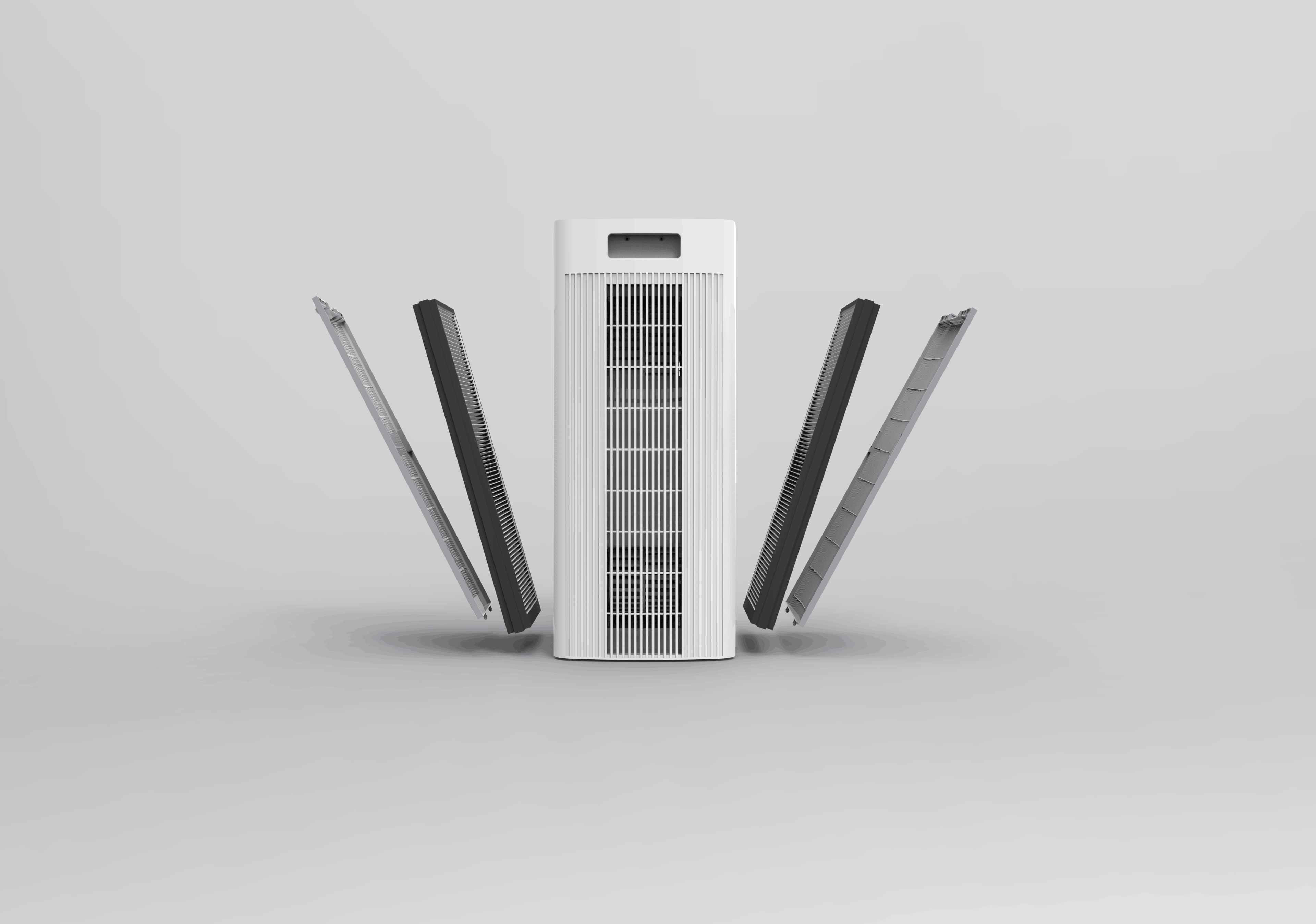
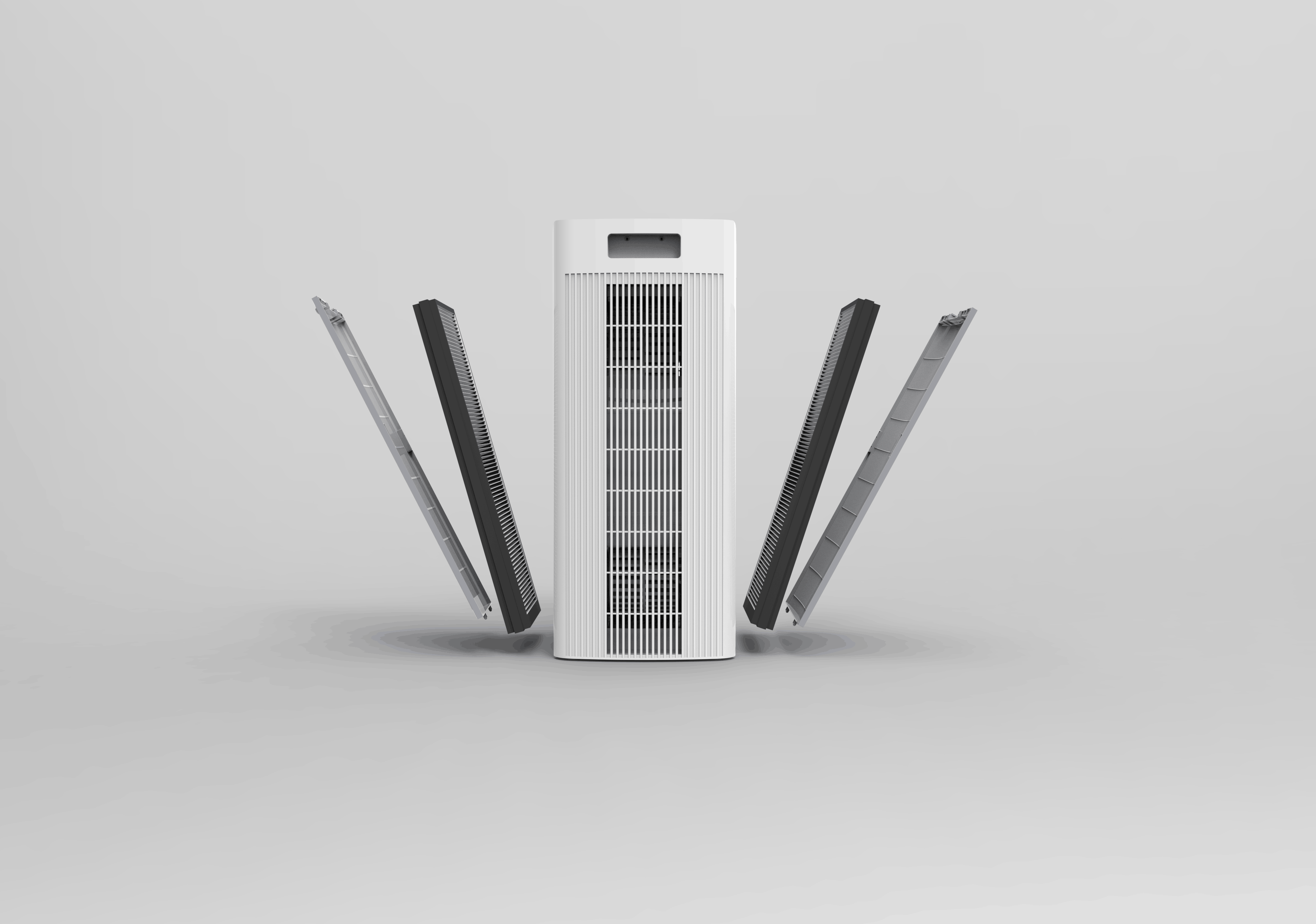
- Upgrade the school's purifying filters, and control dust.
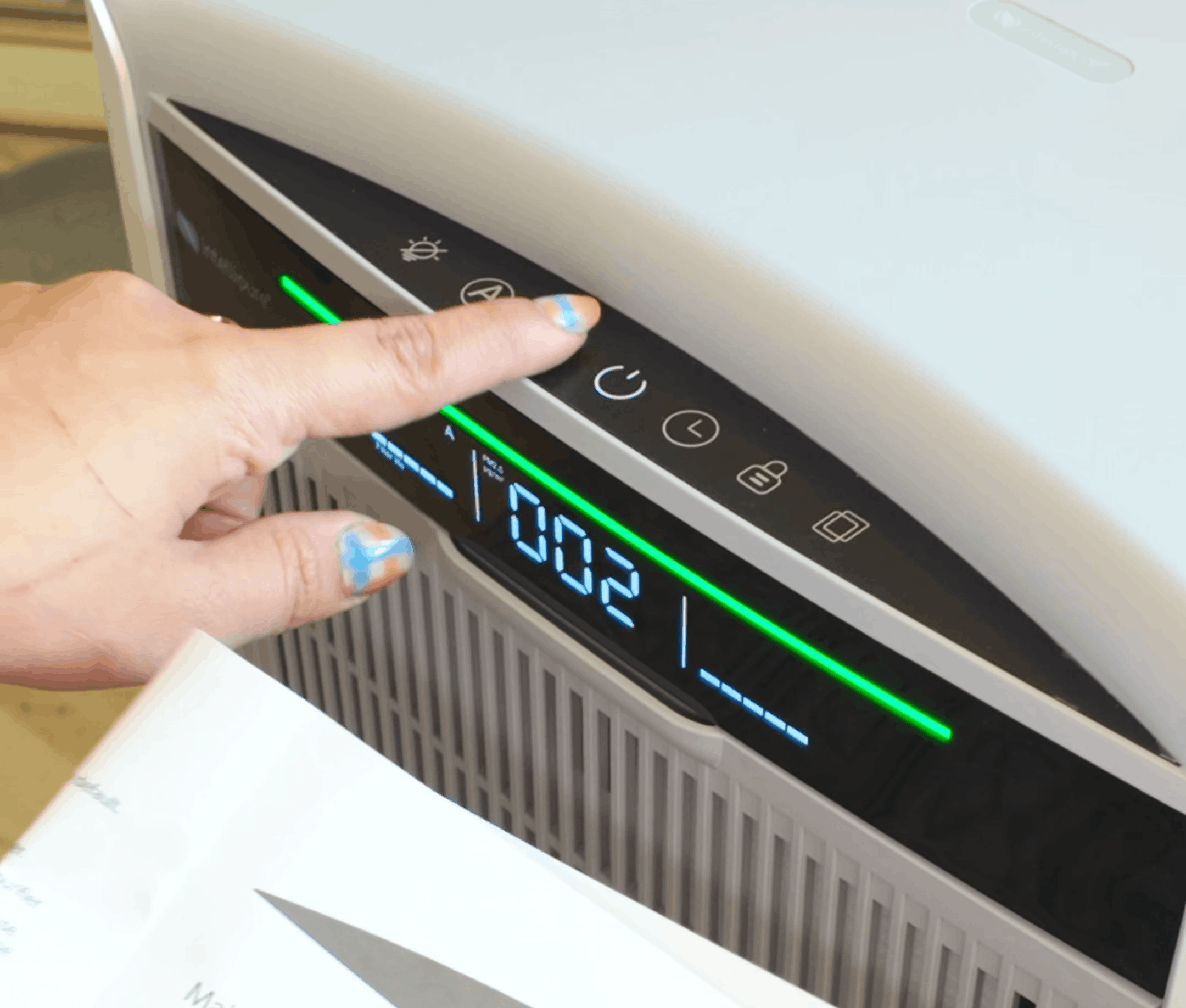
- Monitor and measure IAQ.
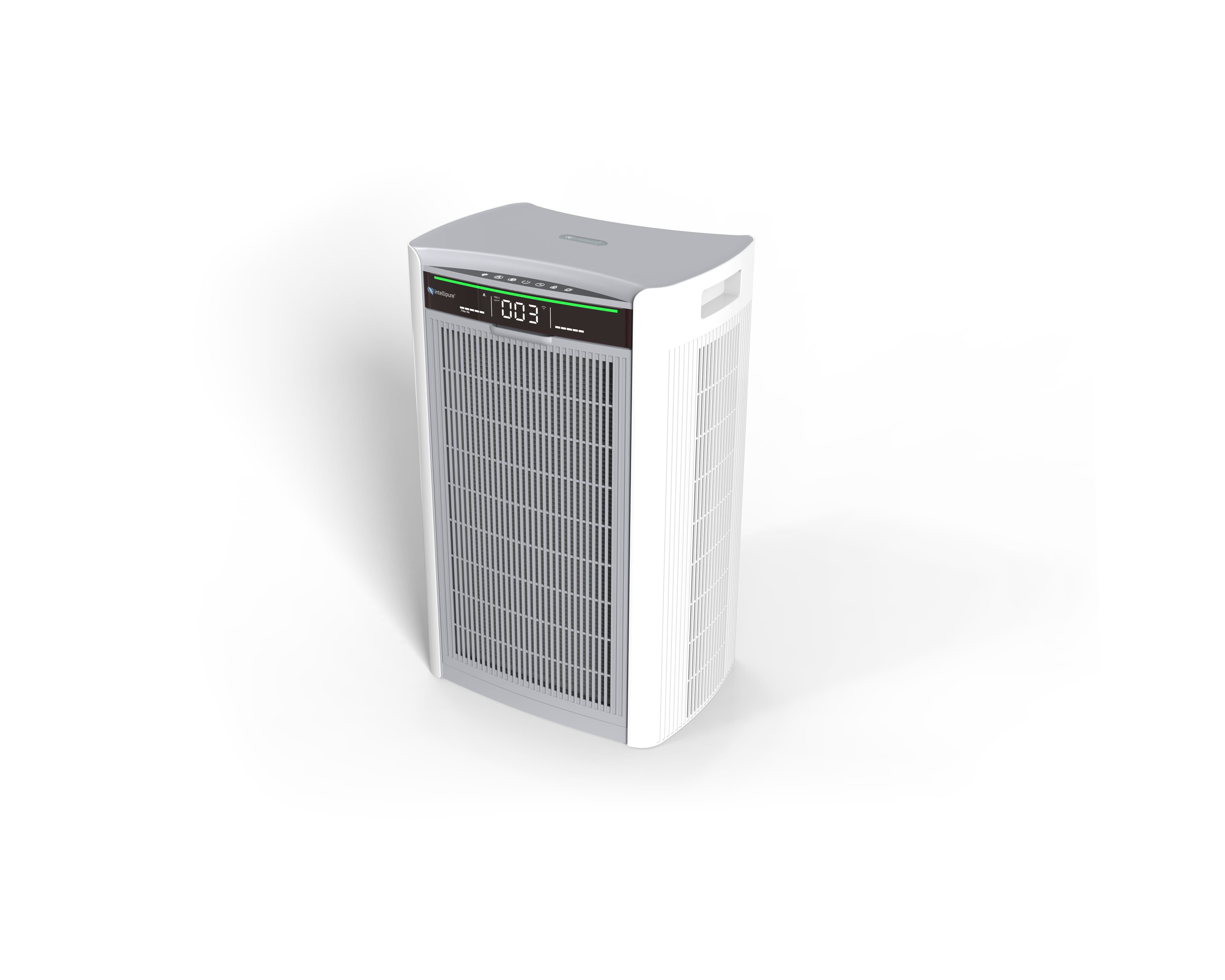
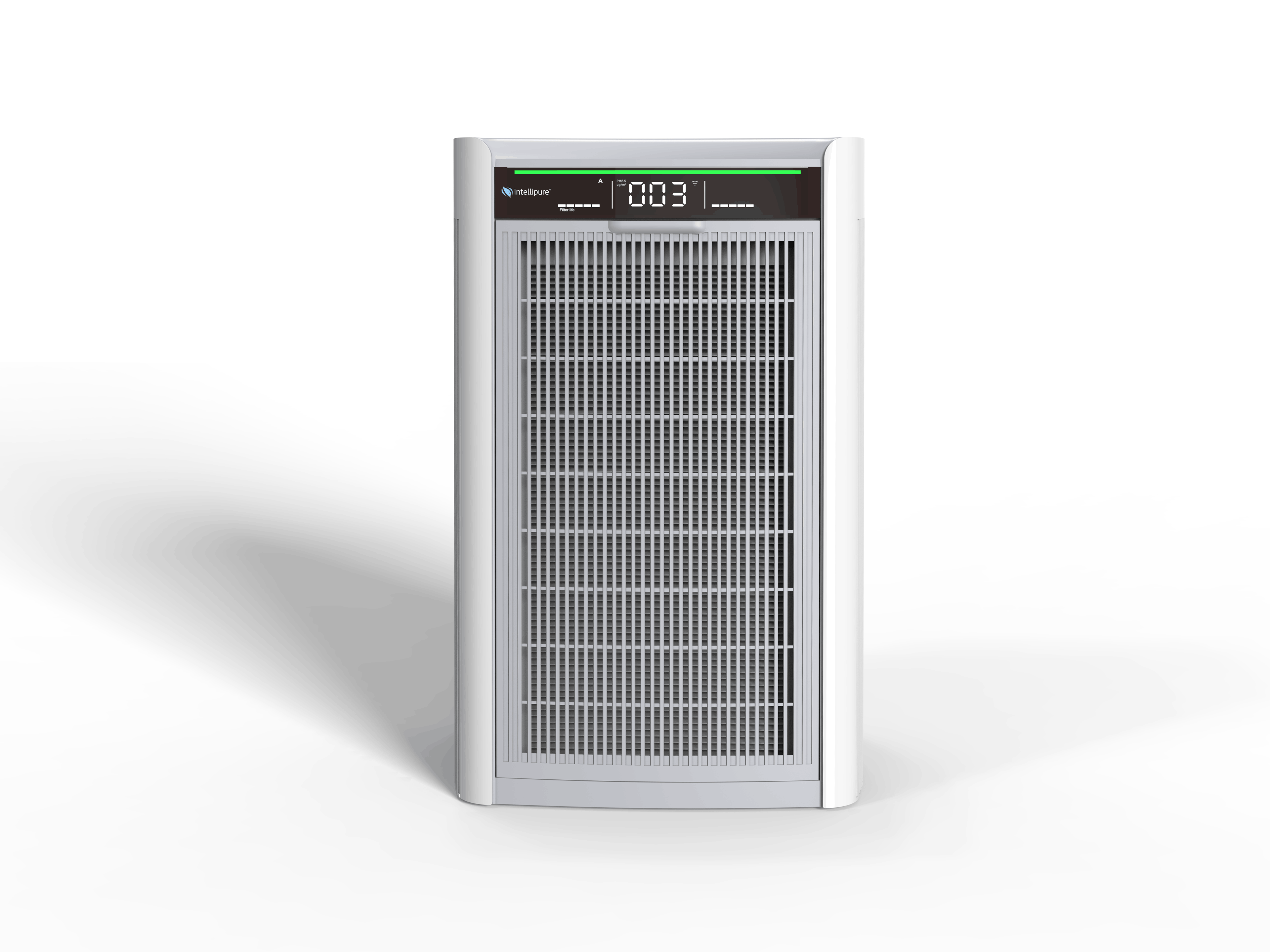
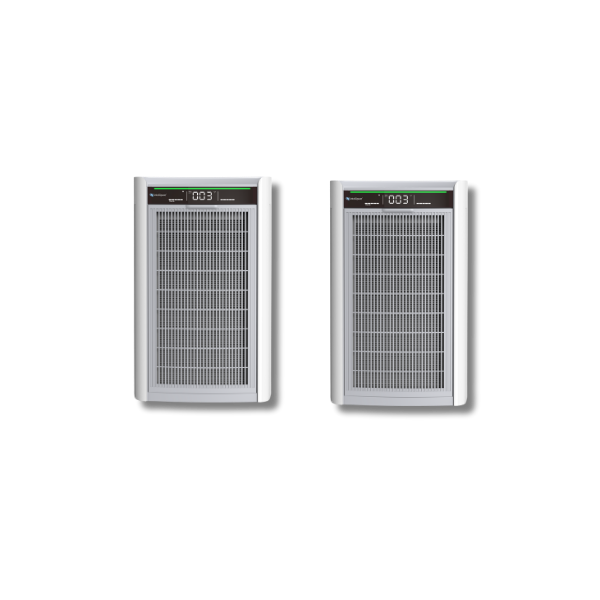
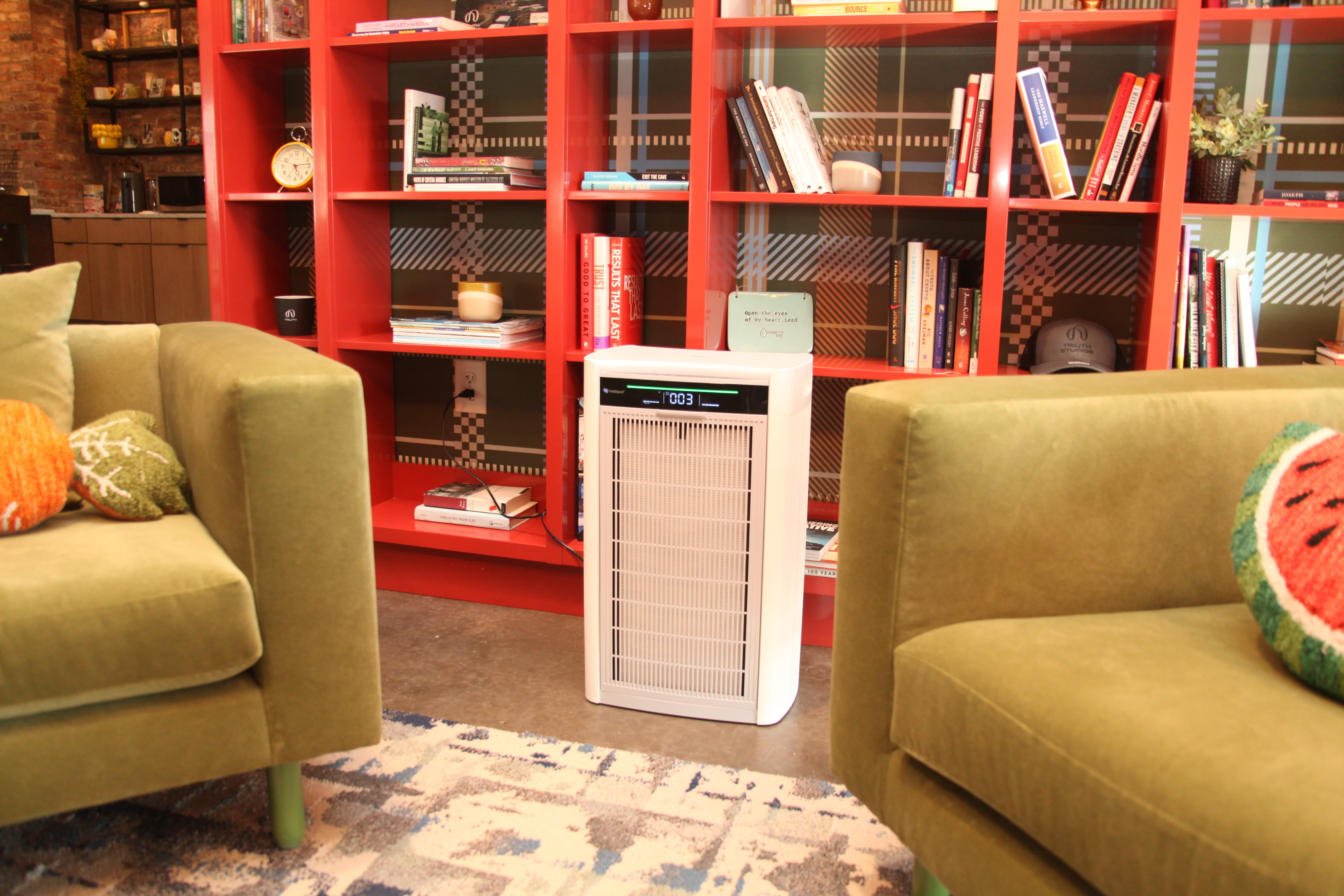
- Use portable, room-based air purifiers, which, according to Harvard Graduate School of Education, "are relatively inexpensive, but make a big difference in improving air quality for students and school staff" [3][3].
Portable Air Cleaners in Classrooms
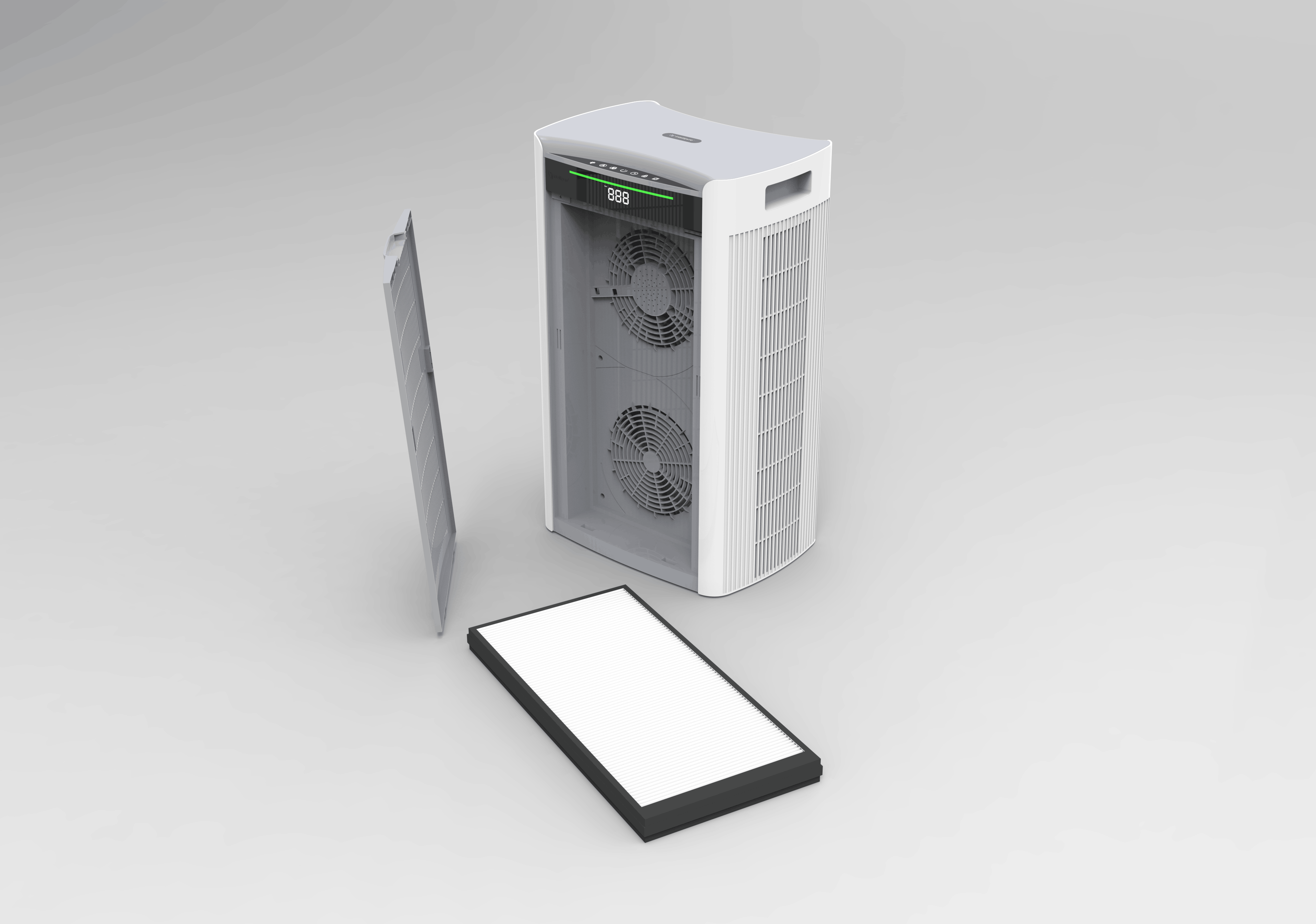
A high-quality indoor air purifier can serve as an extra layer of defense against air pollutants and particles in classrooms and other learning environments. Researchers led by Dr. Gen Pei, a research associate with the Healthy Buildings Program at Harvard T.H. Chan School of Public Health, used computer modeling to look at how portable air cleaners (PACs) can remove airborne pathogens and help reduce the spread of disease in classrooms.
Their findings? When paired with ventilation systems, PACs can improve air circulation and filter out airborne particles that may carry viruses, promoting health and wellbeing for students and teachers.
Placing PACs in classrooms can decrease the spread of airborne diseases significantly. PACs with a clean air flow rate of 2.6 air changes per hour (ACH) can also reduce the average amount of aerosol inhaled by students by up to 66% [6][6].
Placement of the air cleaner can make a big difference. PACs tend to be more effective when they're located near potential sources of infection. Since it's tricky (if not impossible) to know where a source of infection might be, researchers recommend placing the air cleaner near the center of the room.
The height of the PAC matters, too, especially in rooms where air mixing and ventilation are limited. Researchers in the Healthy Buildings Program study suggest adjusting the PAC's discharge height to match the breathing height of a room's occupants.
Overall, the research suggests that properly sized and positioned PACs can be a useful supplement to a classroom's existing ventilation system. By filtering the air and helping circulate it more effectively, they can reduce exposure to airborne pathogens and support healthier spaces for learning [6][6].
The Home Environment
The EPA estimates that every year, poor IAQ contributes to nearly 14 million missed school days due to asthma-related issues [5][5]. When you see a statistic that high, it's natural to want to do everything you can to help bring the numbers down and keep your own children as healthy as possible.
We've already been over the ways that schools can take a more thoughtful and effective approach to optimizing IAQ in their buildings. Now, let's take a quick look at how the air in your home might be affecting your school-aged kids (and every member of your household).
FYI: This is a rich topic that we could go on and on about. To save time, we'll focus on how IAQ influences sleep quality.
School-Night Sleep
You already know this, but good sleep is so important, especially for kids who are juggling homework, extracurricular activities and sports, and busy social calendars on top of long days at school.
Unfortunately, about one-third of the general population reports sleep-related problems.
When your sleep duration is too short, you're more susceptible to illnesses and chronic diseases and can damage your physiological and cognitive functions. But it's not just about how long you sleep. How well you sleep matters just as much. Poor sleep can make it harder for your brain to consolidate new information, remove information you don't need, and repair its muscles [7][7]. (It goes without saying that processing and consolidating new information is an enormous part of childhood!)
Lack of sleep also increases people's risk of mood changes, diabetes, obesity, cardiovascular diseases, and cognitive decline, including blows to memory, attention span, and processing speeds [7][7].
Recent publications identify a link between exposure to indoor air pollutants and multiple indicators of poor sleep, including short sleep duration, poor sleep quality, and disordered breathing while sleeping. Keeping air clean and fresh in all the bedrooms in your home is a great place to start, but it's worth mentioning that the air you and your family members breathe throughout the day, at work, at school, and in the other rooms of your house, can play a role in your sleep quality as well [8][8].
To Recap
Indoor air quality is a huge part of creating a healthy and happy school environment. From supporting concentration and learning to reducing exposure to pollutants and airborne viruses, cleaner air can benefit students and teachers alike.
Many schools still have a long way to go in terms of IAQ, but fortunately, improvements don't always require a massive overhaul. Better ventilation, regular maintenance, air cleaning, and a little awareness can make a substantial difference.
Think we're candy-coating the problem? Listen to an expert instead. Joe Allen, an associate professor of exposure assessment management at the Harvard T.H. Chan School of Public Health, believes that polluted air in schools is fixable. "I chased sick buildings for years. It doesn't take much to turn sick buildings into healthy buildings" [3][3].
References
- U.S. Environmental Protection Agency. Take action improve indoor air quality schools [Internet]. EPA. Available from: https://www.epa.gov/iaq-schools/take-action-improve-indoor-air-quality-schools.
- U.S. Environmental Protection Agency. Why indoor air quality important schools [Internet]. EPA. Available from: https://www.epa.gov/iaq-schools/why-indoor-air-quality-important-schools.
- Harvard University. Healthy schools need healthy air [Internet]. Available from: https://www.gse.harvard.edu/ideas/news/25/06/healthy-schools-need-healthy-air.
- U.S. Environmental Protection Agency. Student performance findings.pdf [Internet]. EPA. Available from: https://www.epa.gov/sites/default/files/2014-08/documents/student_performance_findings.pdf.
- Ezeamii VC, Egbuchiem AN, Obianyo CM, Nwoke P, Okwuonu L. Air Quality Monitoring in Schools: Evaluating the Effects of Ventilation Improvements on Cognitive Performance and Childhood Asthma. Cureus. 2025;17(5):e83306. doi:10.7759/cureus.83306.
- Harvard Healthy Buildings. Clearing the Air: Evaluating Critical Factors that Determine Effectiveness of Portable Air Cleaners in Classrooms [Internet]. Harvard Healthy Buildings; 2024. Available from: https://healthybuildings.hsph.harvard.edu/clearing-the-air-evaluating-critical-factors-that-determine-effectiveness-of-portable-air-cleaners-in-classrooms/.
- Ayta S. The Effect of Air Pollution and Climate Change on Sleep. Noro psikiyatri arsivi. 2024;61(1):73-76. doi:10.29399/npa.28523.
- Liu J, Wu T, Liu Q. Air Pollution Exposure and Adverse Sleep Health Across the Life Course: A Systematic Review. Environment International. 2020. doi:10.1016/j.envint.2019.105248.




What a Super El Niño Could Mean for the Air You Breathe