

Summary
This comprehensive ragweed guide explores ragweed pollen basics; allergy symptoms, diagnosis methods, and treatments; and ragweed pollen's potential impact on indoor air quality (IAQ). Ragweed pollen is the leading cause of fall allergies, and its peak season is lengthening due to climate change. Controlling outdoor pollen levels is impossible, but you can protect your home's IAQ through source control strategies like keeping windows shut and removing shoes before entering the house, plus using air purifiers to capture allergens and create a refuge from ragweed season.
In This Article
Did you know that ragweed pollen is the leading cause of hay fever (or "seasonal allergic rhinitis," if you want to be fancy)? [1] When ragweed pollen levels are at their highest in the late summer and early fall, up to 1 in 5 people in the U.S. experience some type of allergic reaction. [2]
For some reason, people tend to focus on spring as the season of allergies. In reality, for the almost 50 million people in the U.S. who have allergy symptoms from ragweed pollen, surviving grass and tree pollen season in the spring and early summer is basically just a practice run for what's to come in the fall.
Ragweed symptoms can range from mild and moderate to severe and, for some people with allergic asthma, life threatening. [3]
If your symptoms are bad enough, you might be willing to go through measures as extreme as relocating just to get away from ragweed. But unfortunately, unless you're willing to live outside the U.S. and Canada, there's pretty much no escaping it. Ragweed can be found in nearly every state and province. [4]
So what is this plant that can cause so much suffering? And if you're not willing to learn a new language to move away from it, what can you do to breathe better during ragweed season and keep symptoms at a minimum?
All About Ragweed
According to the American Academy of Allergy Asthma & Immunology (AAAAI), "A ragweed plant only lives one season, but it packs a powerful punch."
Ragweed is the number one culprit of fall allergies, and a single plant can produce up to 1 billion lightweight pollen grains that float easily through the air. [4] There's even been a reported case of ragweed pollen travelling as far as 400 miles, which is about the distance from Chicago to Nashville. [1] This means that even if you live in an area with fewer ragweed plants, you can still get exposed to high levels of its pollen.
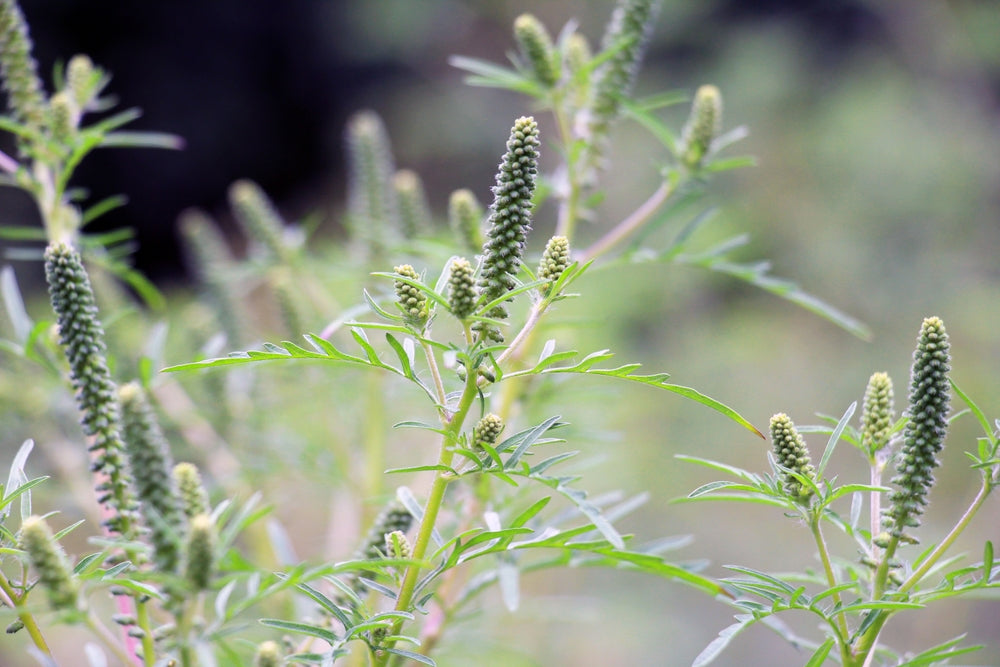
Ragweed plants are soft-stemmed weeds that grow wild and abundantly every year, particularly in the Eastern and Midwestern parts of the U.S. You may start to see them as early as the spring, but they don't begin flowering until August or September in most parts of the country. Conditions are perfect for ragweed to release pollen that time of year, especially when the weather is warm and dry with a slight breeze coming through. [2]
Considered the most allergenic of all pollens [5], ragweed pollen is a powdery substance made up of teeny-tiny particles, or grains. Those pollen grains help fertilize other ragweed plants. They can also cling to your clothes, skin, and hair and catch a free ride into your home or wherever else you're going. If the pollen grains end up in your eyes, nose, or mouth, they can make you feel bad and trigger allergy symptoms. [1]
Seventeen different kinds of ragweed grow in North America, but the one you need to pay the most attention to is called tooth-leaved ragweed. It causes allergy symptoms for more people than any other type.
Some people who are affected by ragweed pollen allergies feel symptoms when they're exposed to similar plants in ragweed's larger family that also rely on wind to spread their pollen. Members of this plant family include:
- Burweed marsh elder
- Eupatorium
- Groundsel bush
- Mugwort
- Rabbit brush
- Sage [3]
Pollen Seasons
To recap, here's a quick look at typical pollen seasons in the U.S., so you know when to be prepared:
January through April: Trees
April through early June: Grasses
August through the first hard frost: Weeds (Yes. This means ragweed!) [3]
Symptoms of Ragweed Pollen Allergy
Whether you want to call it seasonal allergic rhinitis, hay fever, or a ragweed pollen allergy, symptoms happen because your body's immune system treats the allergen, in this case ragweed, like it's a foreign invader. A chemical reaction begins, creating and sending histamine throughout your blood stream. The release of histamine kicks off a chain reaction in your body that leads to allergy symptoms. [4]
If you have an allergy to ragweed, you may feel the following symptoms after breathing in or touching it:
- Runny nose
- Coughing or itchy throat
- Nasal congestion and stuffy nose
- Red, itchy, or watery eyes
- Swelling around the eyes
- Rash or hives [2]
- Sneezing
- Coughing
- Postnasal drip (when mucus runs from the back of your nose down your throat—yuck!)
- Moodiness, irritability, or tiredness
- Disturbed sleep [3]
The number of symptoms you experience and the degree to which you feel them can vary person to person. But even if you're struggling with only one or two, it can really wreck your day.
Pollen Food Allergy Syndrome (PFAS) or Oral Allergy Syndrome (OAS)
For people who have what's known as pollen food allergy syndrome (PFAS) or oral allergy syndrome (OAS), a ragweed pollen allergy can also cause itching or swelling in or around your mouth when you eat certain foods. It happens because your immune system confuses proteins in some specific raw fruits, vegetables, and seeds with similar proteins in ragweed, grass, or tree pollen. [3]
Foods to watch out for in the ragweed family are:
- Artichoke
- Banana
- Chamomile
- Cucumber
- Echinacea
- Mango
- Melon (watermelon, cantaloupe, honeydew)
- Sunflower seed
- Zucchini [1]
Diagnosis
Talk to your healthcare providers if you think you might have a ragweed allergy and want a diagnosis. They can go over your symptoms with you and order an allergy test if needed.
Scratch Test
The most dependable and common type of allergy test is a scratch test, where an allergist will prick ragweed pollen onto your skin. Then, if you do in fact have an allergy, your skin will turn red, swell, or show bumps. You can find out your results as early as 15 minutes after the exposure to the allergen.
Blood Test
As an alternative to a scratch test, an allergist can collect a sample of your blood and test it for antibodies against ragweed pollen. You'll have to wait a while longer to get results back from this type of test compared to a skin test. [2]
Ragweed Is a Growing Problem
Climate change is extending and intensifying ragweed allergy season in multiple ways. Warmer spring and fall temperatures allow ragweed to start producing pollen earlier and continue later into the year. In many parts of the country, allergy symptoms now begin in early August and extend through October, compared to the traditional mid-August through September season [4]. Research shows that the ragweed pollen season now lasts up to three weeks longer than it used to, with northern regions seeing the biggest increases. [5]
Beyond longer seasons, warmer temperatures and increased carbon dioxide concentrations are allowing ragweed and other plants to produce more allergenic pollen in larger quantities. [6] This means allergy sufferers are dealing with a double impact: longer exposure periods and higher pollen counts overall.
Tips to Control Ragweed Allergies
Be sure to check out our Official Home Allergy-Proofing Checklist for science-backed advice, tips, tricks, and nitty-gritty details on how to protect your home from pesky allergens like ragweed pollen.
Keep in mind that according to the Allergy & Asthma Network, airborne pollen concentrations tend to be the highest in the morning (just after the dew dries) and on into late morning. Sometimes high levels can last until late afternoon. [1]
Treatment
Both over-the-counter (OTC) and prescription medications can be effective to reduce or eliminate symptoms from ragweed pollen allergies. The best treatment depends on your body and unique situation. Some medications work well for some people, but less so for others.
Lots of people respond well to over-the-counter antihistamines, and others find that nasal sprays get the job done. In some cases, allergen immunotherapy (or allergy shots or drops) are a smart choice. These treatments help your body build up a resistance to an allergen, like ragweed pollen. Tablets that dissolve under your tongue can work in a similar way.
Since there are so many different paths you can take to find relief, it's important for you to talk with your healthcare provider, get a diagnosis, and narrow in on the treatment plan that works best for you. [2]
How Ragweed Impacts Asthma
Ragweed is a major contributor to the "September Asthma Peak," a mid-September spike in asthma-related hospitalizations that coincides with children returning to school and increased exposure to respiratory illnesses and, you guessed it: allergens.
Ragweed pollen is a potent trigger for people with asthma because inhaling it can cause inflammation and swelling in their lungs and airways. The airway muscles tighten and spasm while producing excess mucus, making it harder to breathe and triggering classic asthma symptoms like coughing, wheezing, and shortness of breath.
Managing ragweed allergies is essential for controlling asthma symptoms during this peak season. At the very first sign of symptoms, use your prescribed quick-relief inhaler. It will relax your airway muscles and make breathing much easier within minutes. Using it early can prevent symptoms from escalating. That said, severe asthma attacks warrant calling 9-1-1 for immediate medical care.
A good asthma symptom prevention strategy is to avoid ragweed pollen exposure by checking daily pollen counts and limiting outdoor activities when counts are high. You should also work with your doctor to adjust your Asthma Action Plan, or your personalized written treatment plan, specifically for ragweed season to help you manage both asthma and allergy symptoms. [1]
How Ragweed Pollen Affects Indoor Air
As you're probably well aware from tree pollen season, pollen can get tracked into your home on your clothes, shoes, body, hair, and even your pets. If you aren't careful, pollen season indoor air can really get out of hand. This is one of the reasons the Asthma and Allergy Foundation of America (AAFA) advises that "allergy and asthma control begins at home."
Ragweed pollen is a type of allergen, and allergens are substances that can get spread around in both indoor and outdoor air, causing annoying, uncomfortable, and potentially dangerous allergic reactions and asthma symptoms. Allergens can settle onto furniture, fabrics, floors, and other surfaces in your home. They're measured in microns, or micrometers, and range in size. Even the tiniest allergens can wreak havoc on your sinuses. [7]
Allergens floating around in your home's air can be harmful to your family members if any of them have allergies or asthma. You have to consider your house guests, too. Chances are high that someone who lives in or visits your home frequently is among the 1 in 5 people in the U.S. who have an allergic reaction when ragweed pollen levels are high. [2]
How to Improve Indoor Air Quality
The Environmental Protection Agency (EPA) recommends source control as a method to improve indoor air quality. When ragweed pollen levels are high outside, keep your windows and doors shut to reduce how many allergens get into your home. [8] Take off your shoes and jacket before entering the house. You can even take a quick shower right when you come in, to be extra careful. You might also want to wipe down your pets after a play session outside. [3]
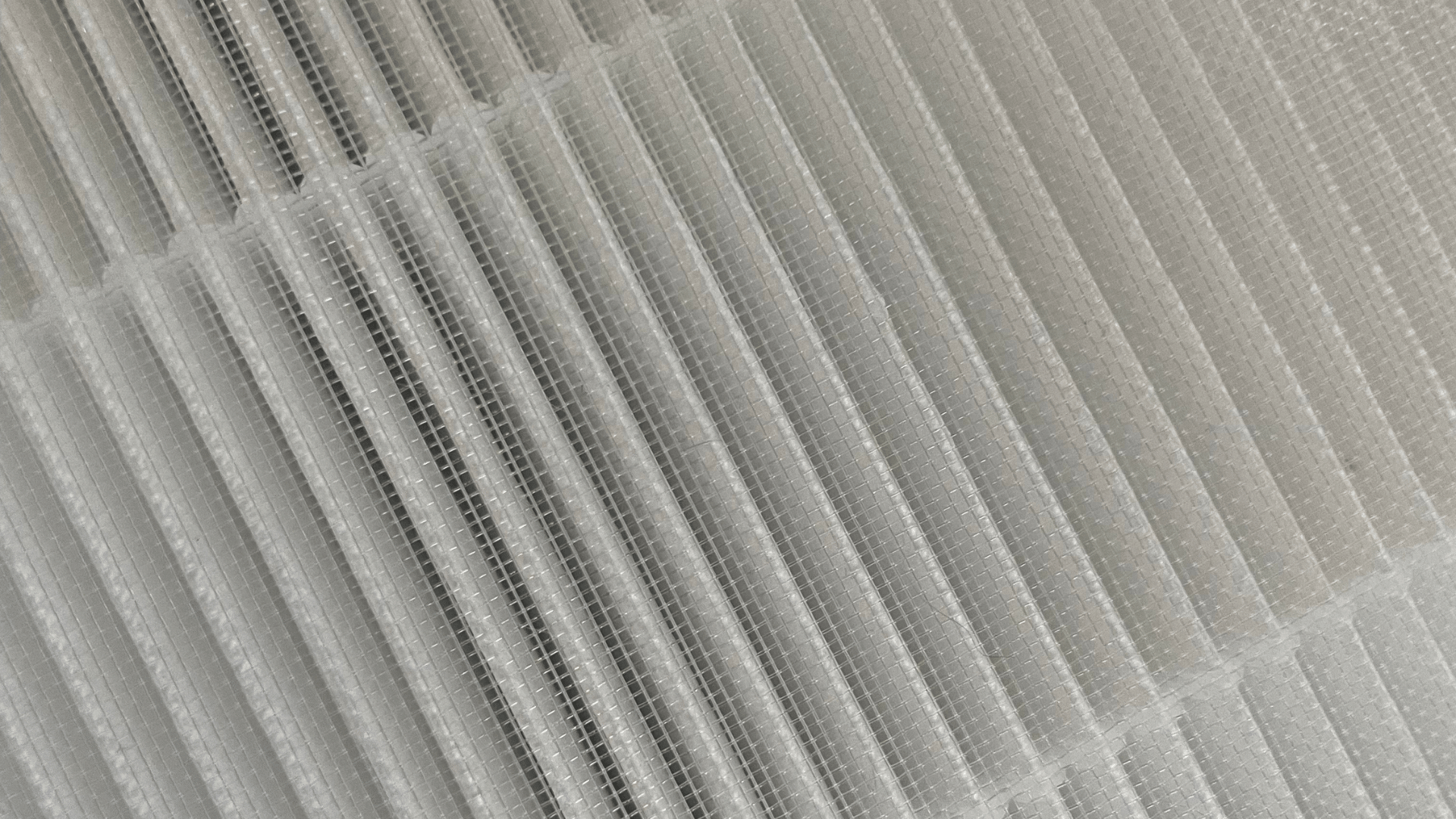
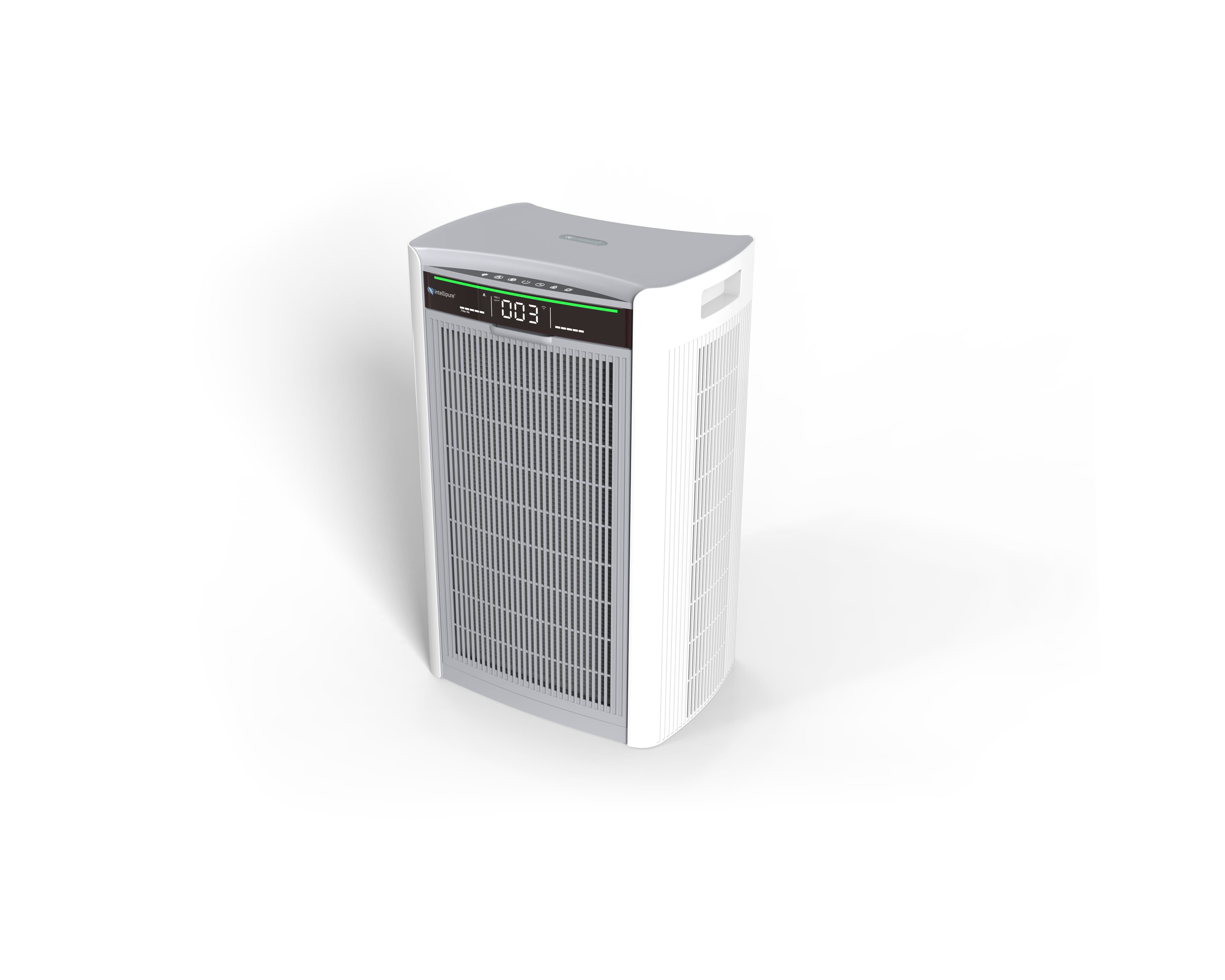
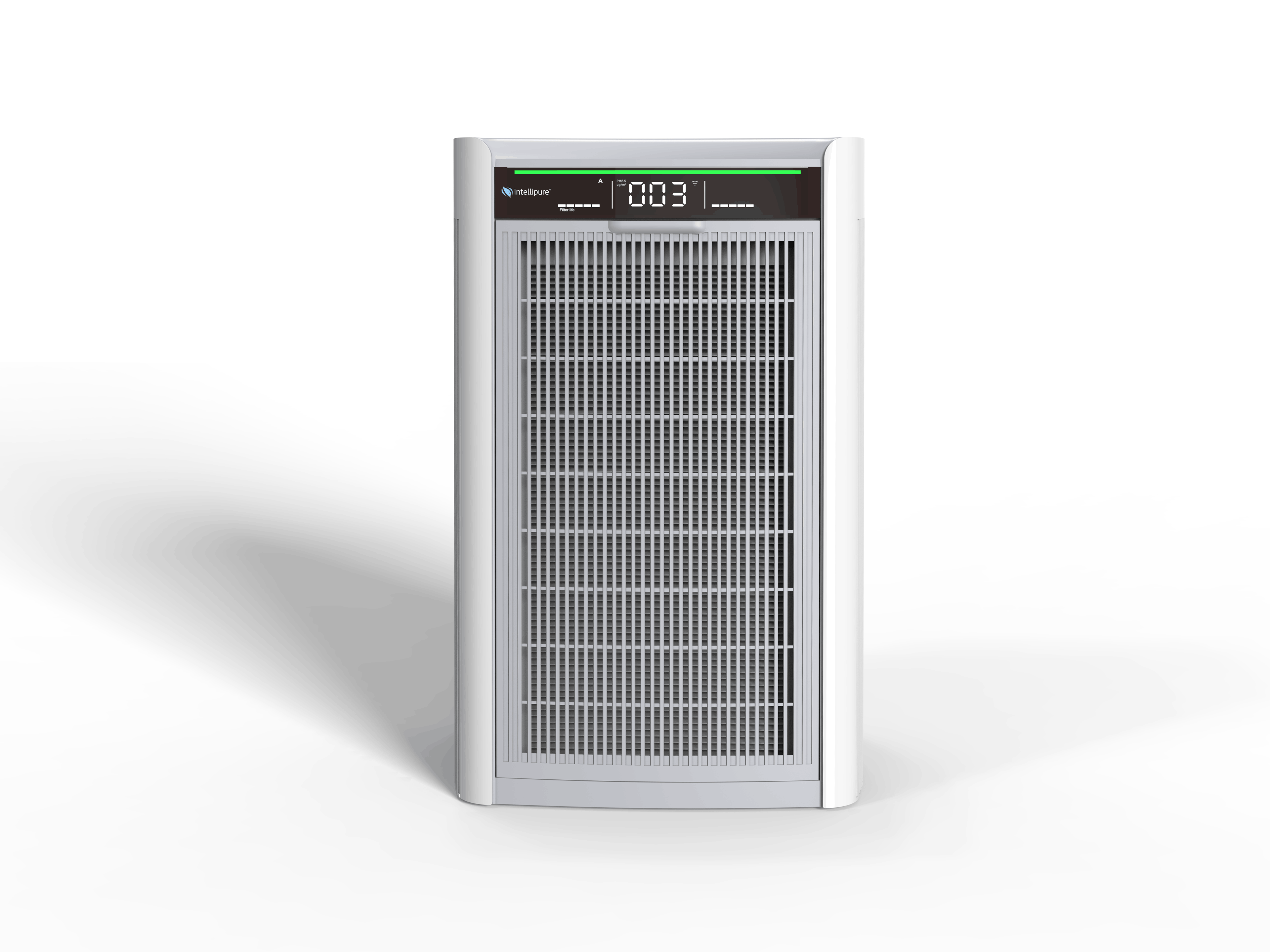
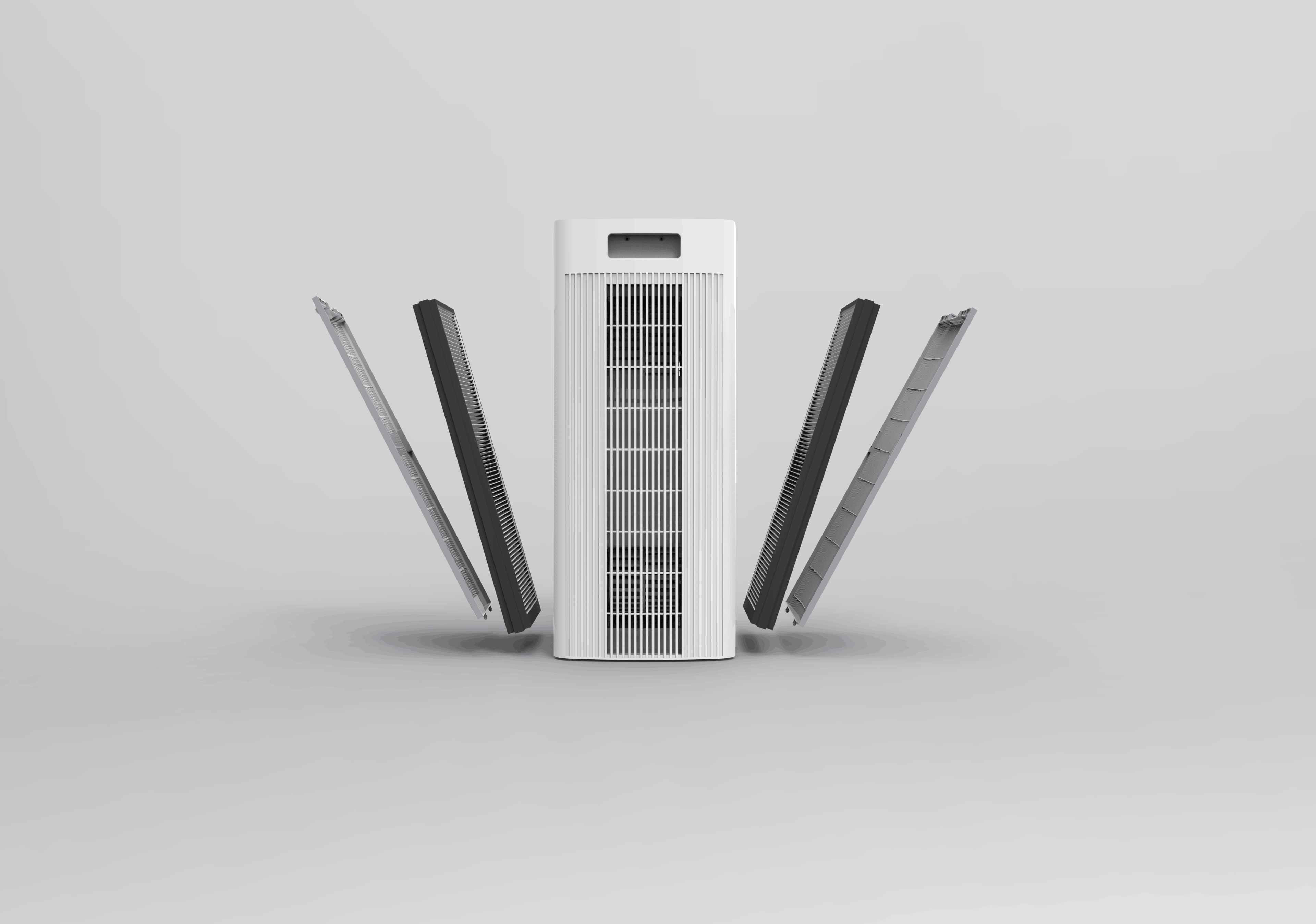
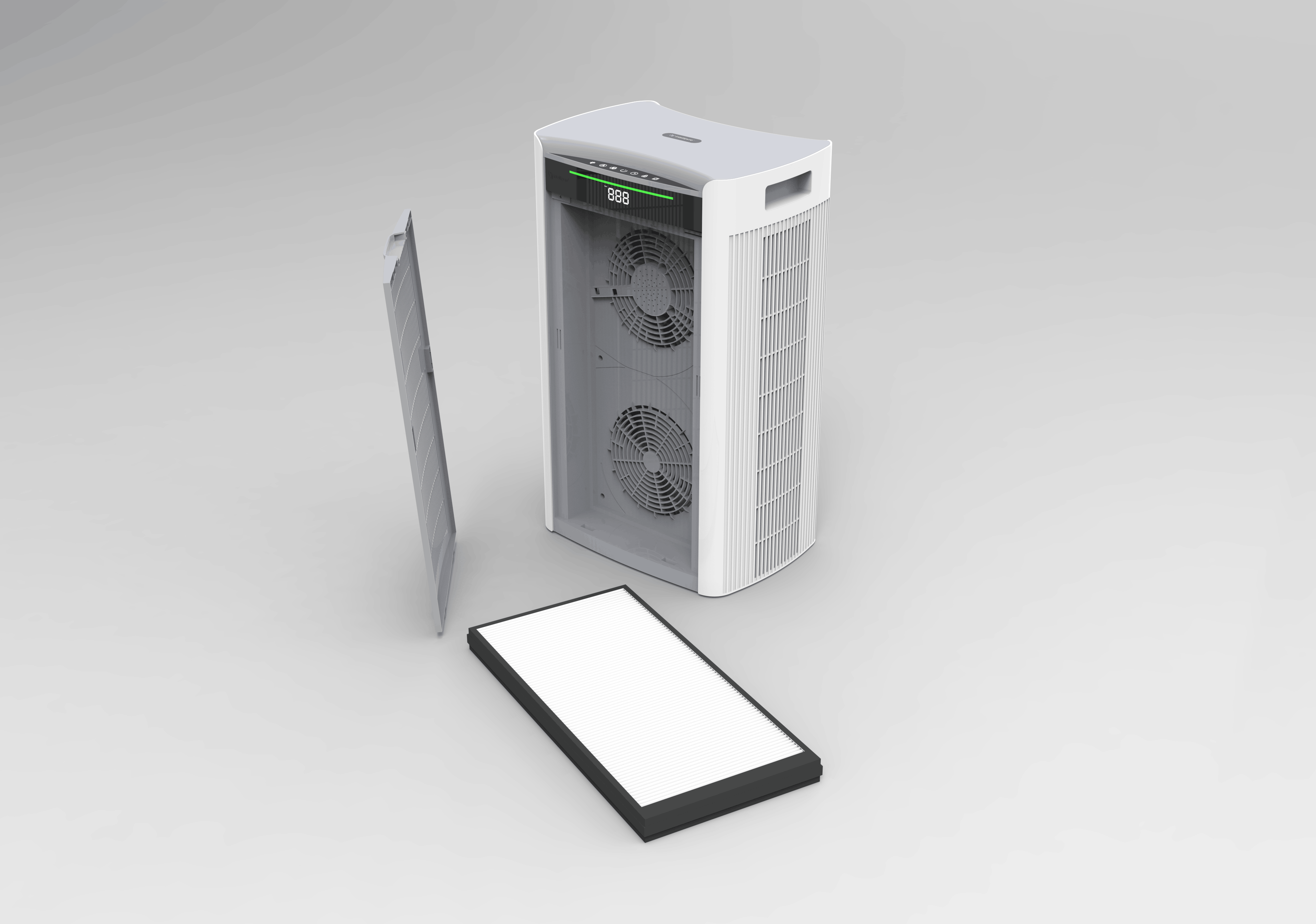
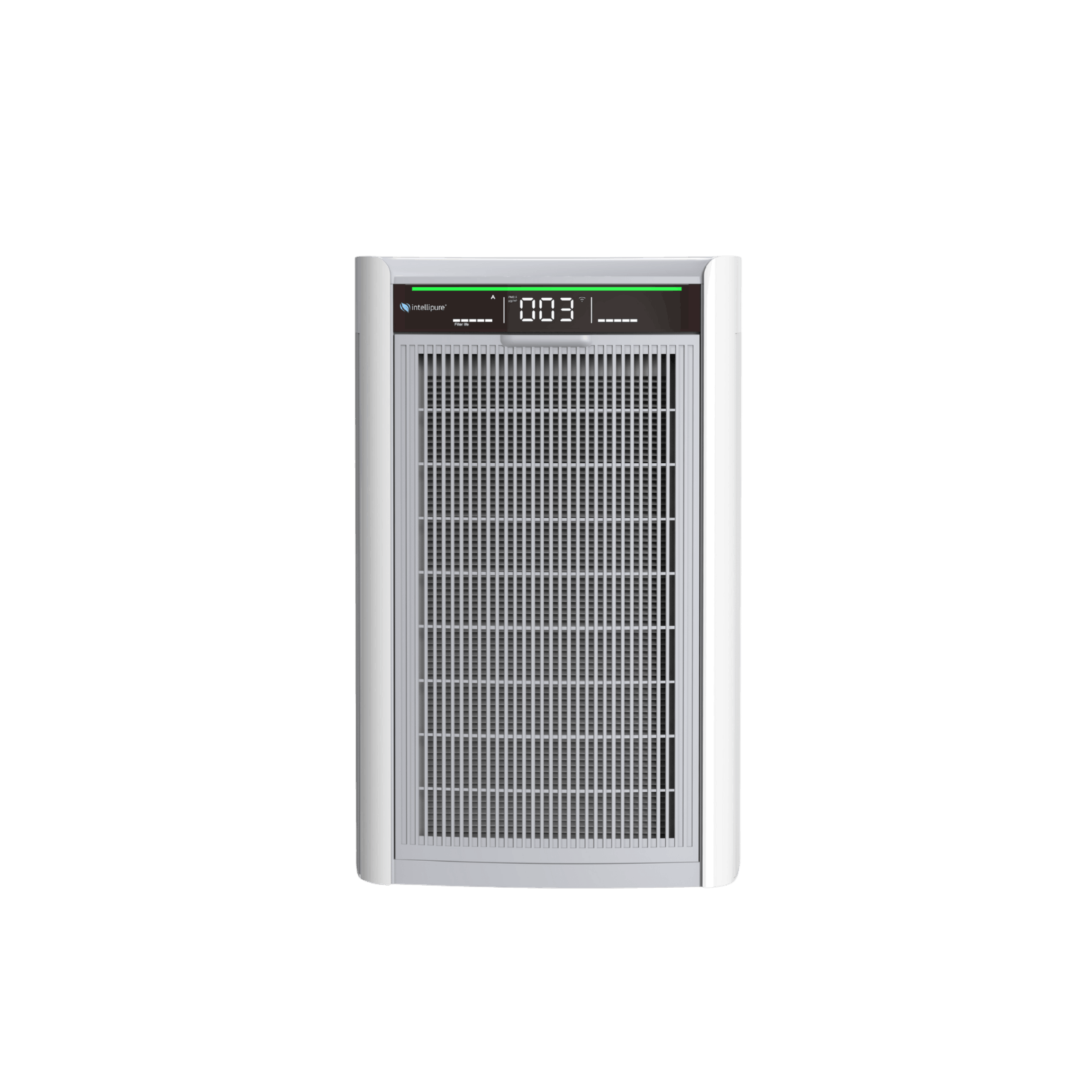
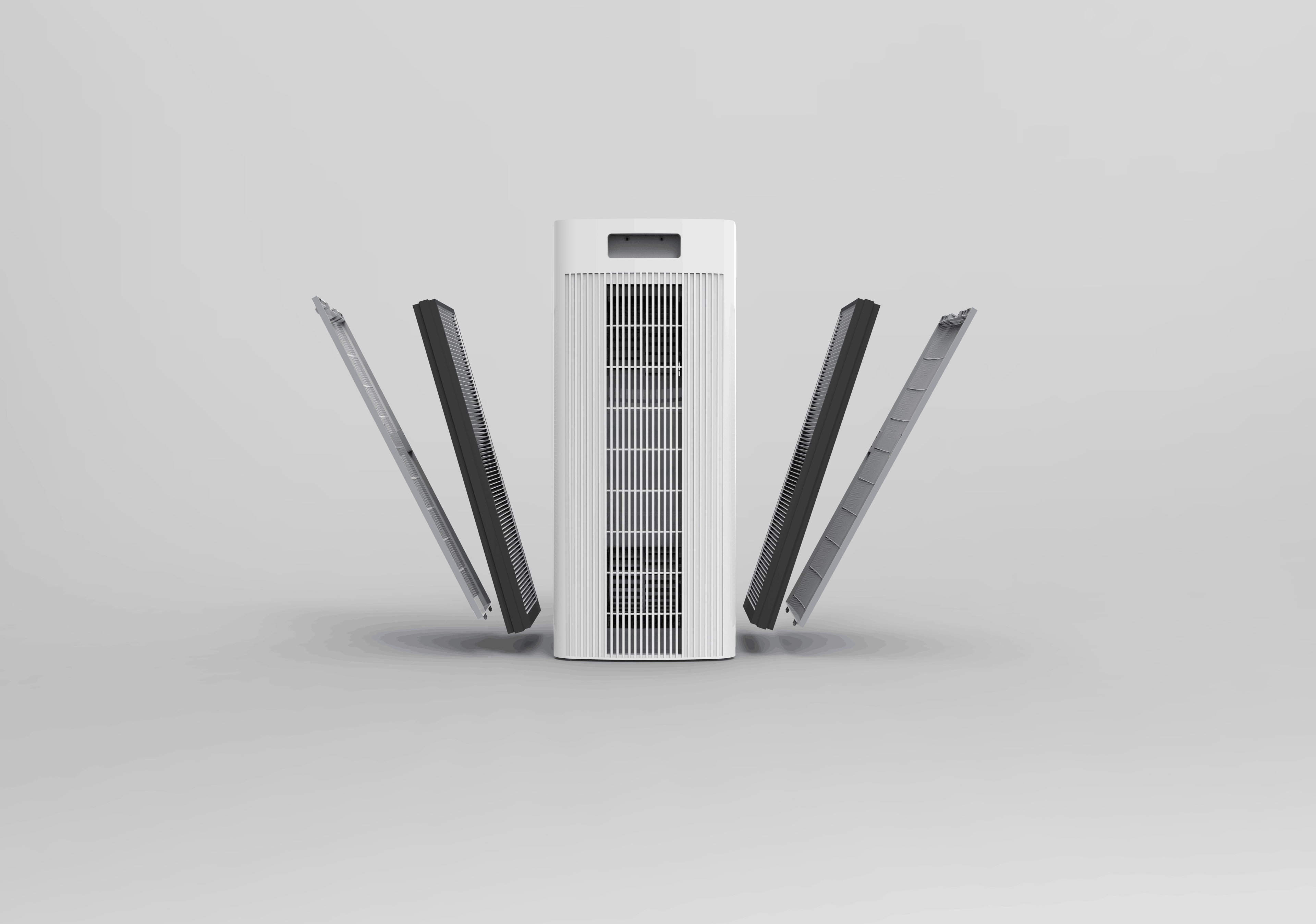
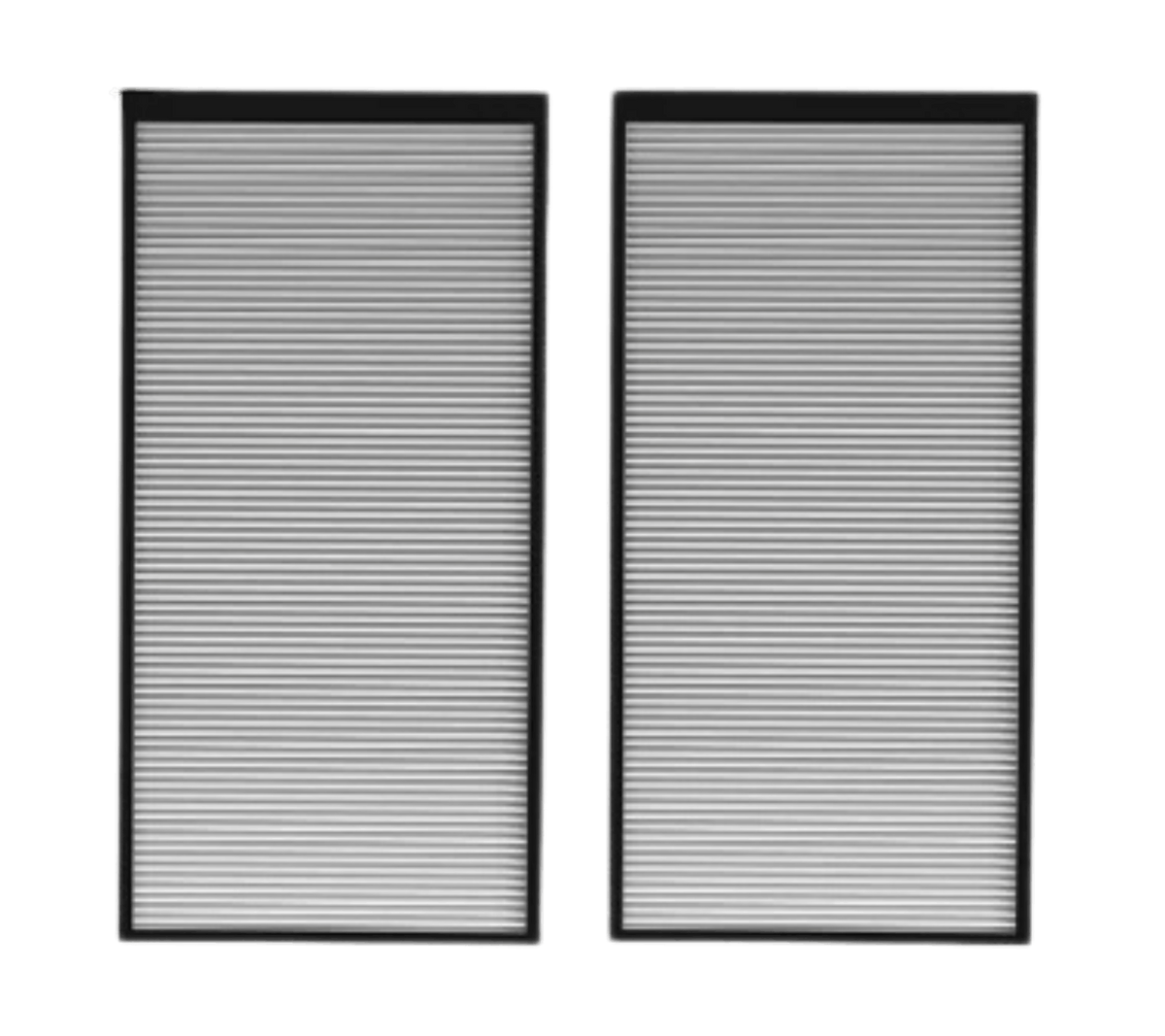
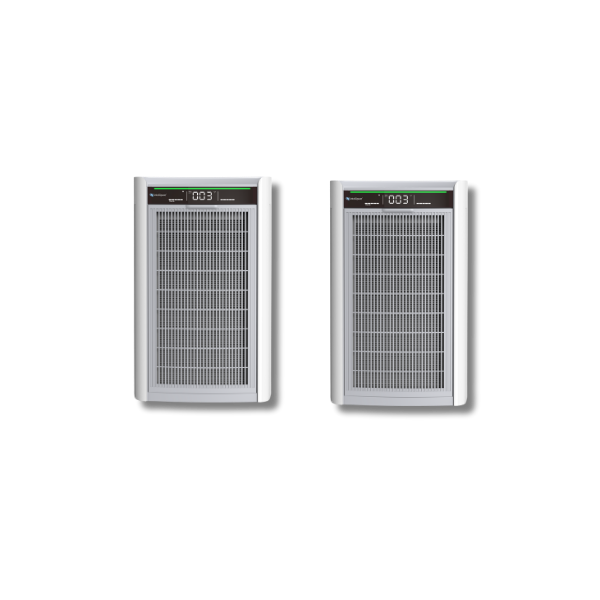
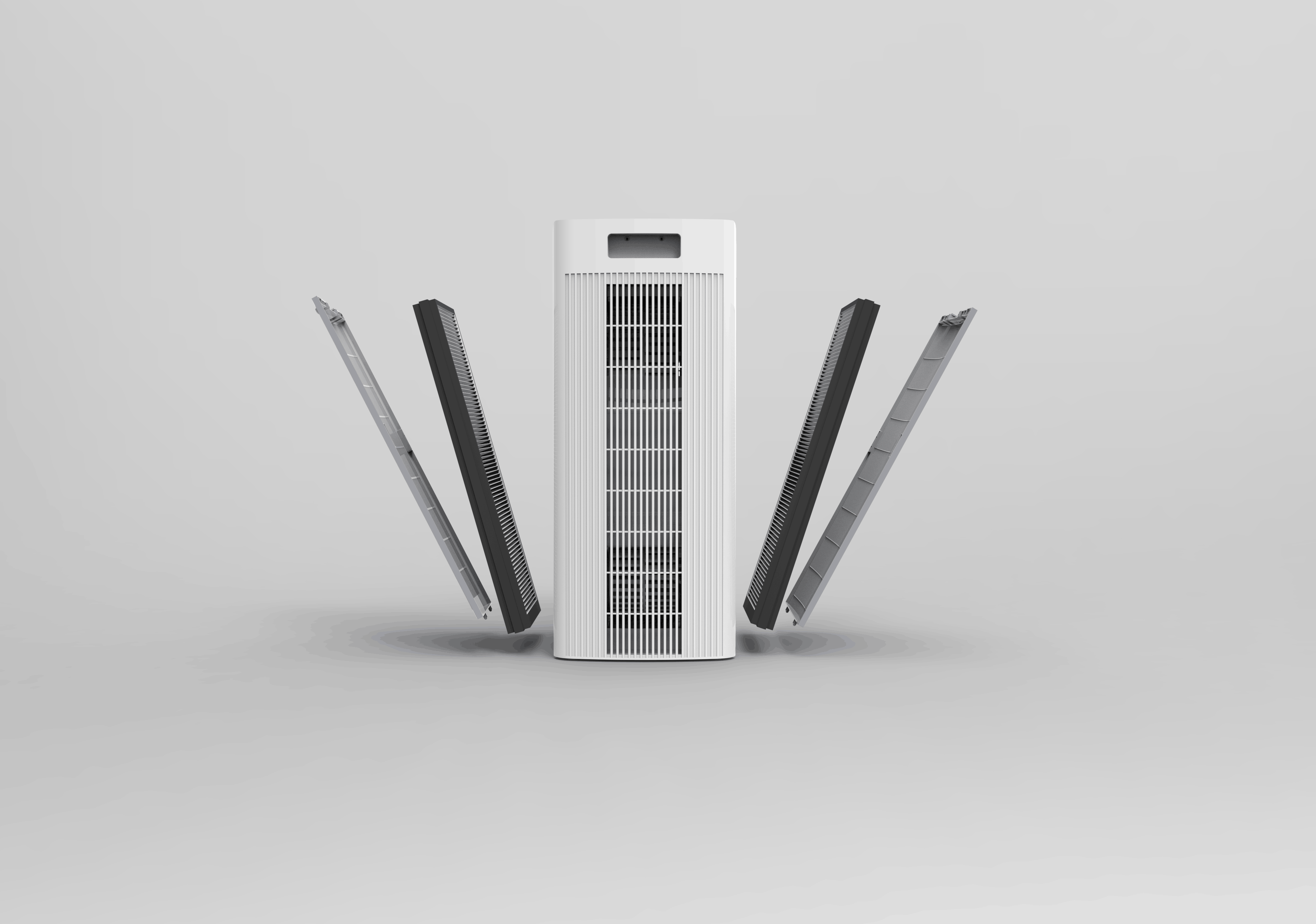
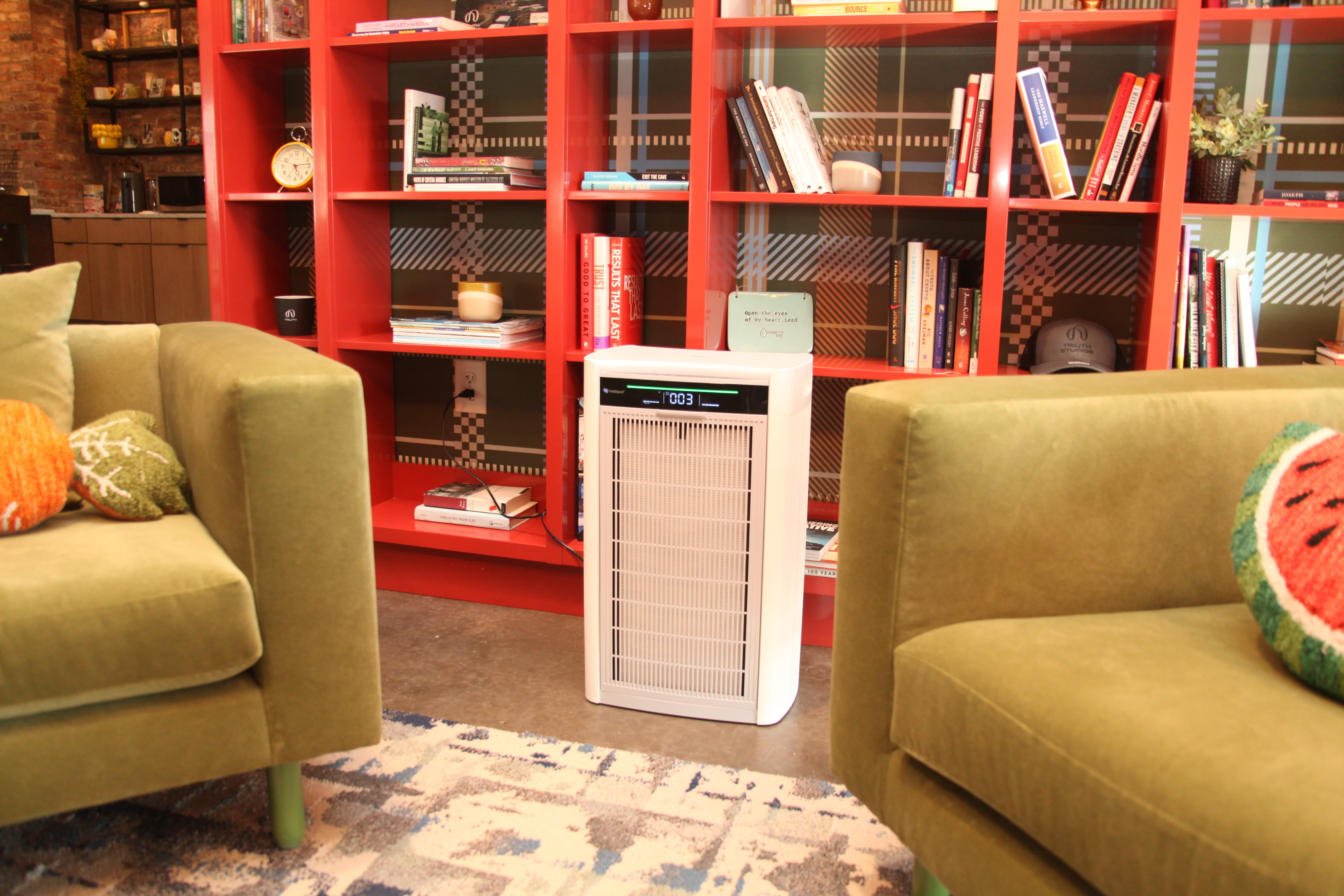
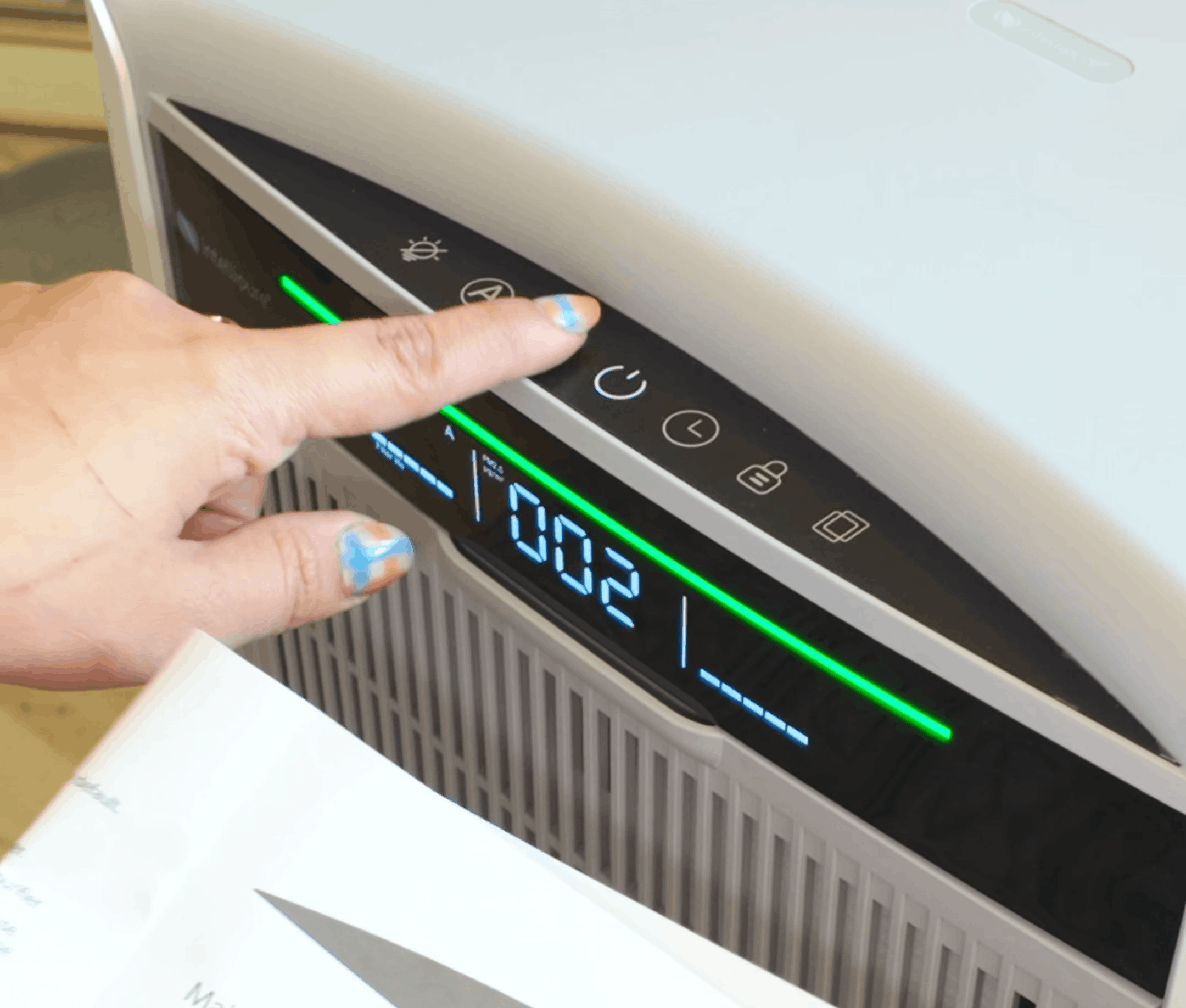
Air cleaners and filtration are another fresh indoor air strategy the EPA recommends. But not all air cleaners are created equally. The quality of the tech matters. [8] Intellipure's H1000, for example, captures and cleans more than 99.9% of airborne particles and can purify up to 2,200 square feet within 30 minutes.
Do Air Purifiers Help with Allergies?
You might be considering getting an air purifier for allergies but aren't sure how effective it will be for your unique situation and symptoms. The Sleep and Sinus Centers of Georgia suggest that you should "think of your air purifier as a hardworking teammate in your fight against allergies."
Air purifiers capture particles so small you can't even see them, and that includes allergens. During every allergy season—whether it's tree, grass, or ragweed pollen that gives you the most trouble—you should be mindful of where you place your indoor air purifier.
Pollen tends to settle within 10 feet of entry points, but that doesn't mean you should place your purifier right under an open window to filter incoming air. Air purifiers are made to clean the air that's already inside your home, and placing them too close to open windows or doors during high pollen days can overwhelm them.
It's best to position your purifier centrally in the room for comprehensive coverage. Aim to leave at least three-to-five feet of clearance around your unit, giving it enough space to do its thing. [9]
The Gist
If you take away one thing from this ragweed guide, it should be that ragweed season doesn't have to mean months of misery for you or the ones you love. You can't control the pollen counts outside or do much to stop climate change from intensifying and prolonging pollen season, but you absolutely can take charge and keep the air in your home fresh and safe for everyone, including people with allergies and asthma.
References
- Allergy & Asthma Network. Ragweed Allergies.
- Cleveland Clinic. Ragweed Allergy: Causes, Symptoms & Treatment [Internet]. Cleveland Clinic; 2023. Available from: https://my.clevelandclinic.org/health/diseases/ragweed-allergy.
- Asthma and Allergy Foundation of America. Ragweed Pollen Allergy [Internet]. Asthma & Allergy Foundation of America; 2022. Available from: https://aafa.org/allergies/types-of-allergies/pollen-allergy/ragweed-pollen/.
- American Academy of Allergy, Asthma & Immunology. Ragweed Plants Packed with Pollen [Internet]. Available from: https://www.aaaai.org/tools-for-the-public/conditions-library/allergies/ragweed.
- American College of Allergy, Asthma & Immunology. Late Summer is the Time to Start Preparing for Fall Ragweed Season [Internet]. 2022. Available from: https://acaai.org/news/late-summer-is-the-time-to-start-preparing-for-fall-ragweed-season/.
- U.S. Environmental Protection Agency. Climate Change Indicators: Ragweed Pollen Season [Internet]. US EPA; 2016. Available from: https://19january2021snapshot.epa.gov/climate-indicators/climate-change-indicators-ragweed-pollen-season_.html.
- Asthma and Allergy Foundation of America. Control Indoor Allergens to Improve Indoor Air Quality [Internet]. Asthma & Allergy Foundation of America; 2022. Available from: https://aafa.org/allergies/prevent-allergies/control-indoor-allergens/.
- U.S. Environmental Protection Agency. Improving Indoor Air Quality [Internet]. US EPA; 2014. Available from: https://www.epa.gov/indoor-air-quality-iaq/improving-indoor-air-quality.
- Dillard D. Best Allergy-Friendly Air Purifier Placement Tips for Cleaner Air [Internet]. Sleep & Sinus Centers of Georgia; 2026. Available from: https://sleepandsinuscenters.com/blog/best-allergy-friendly-air-purifier-placement-tips-for-cleaner-air.






 Expert reviewed & certified


 Verified by CertREV
The Official Home Allergy-Proofing Checklist
Aftereffects of Wildfire Smoke Indoors