

Summary
This practical home allergy-proofing checklist covers simple steps to reduce indoor pollen, from smarter cleaning habits and humidity control to using HEPA air purifiers effectively. A few seasonal adjustments can help keep your indoor air cleaner and more comfortable throughout allergy season.
In This Article
Prepping Your Home Against Spring Allergens
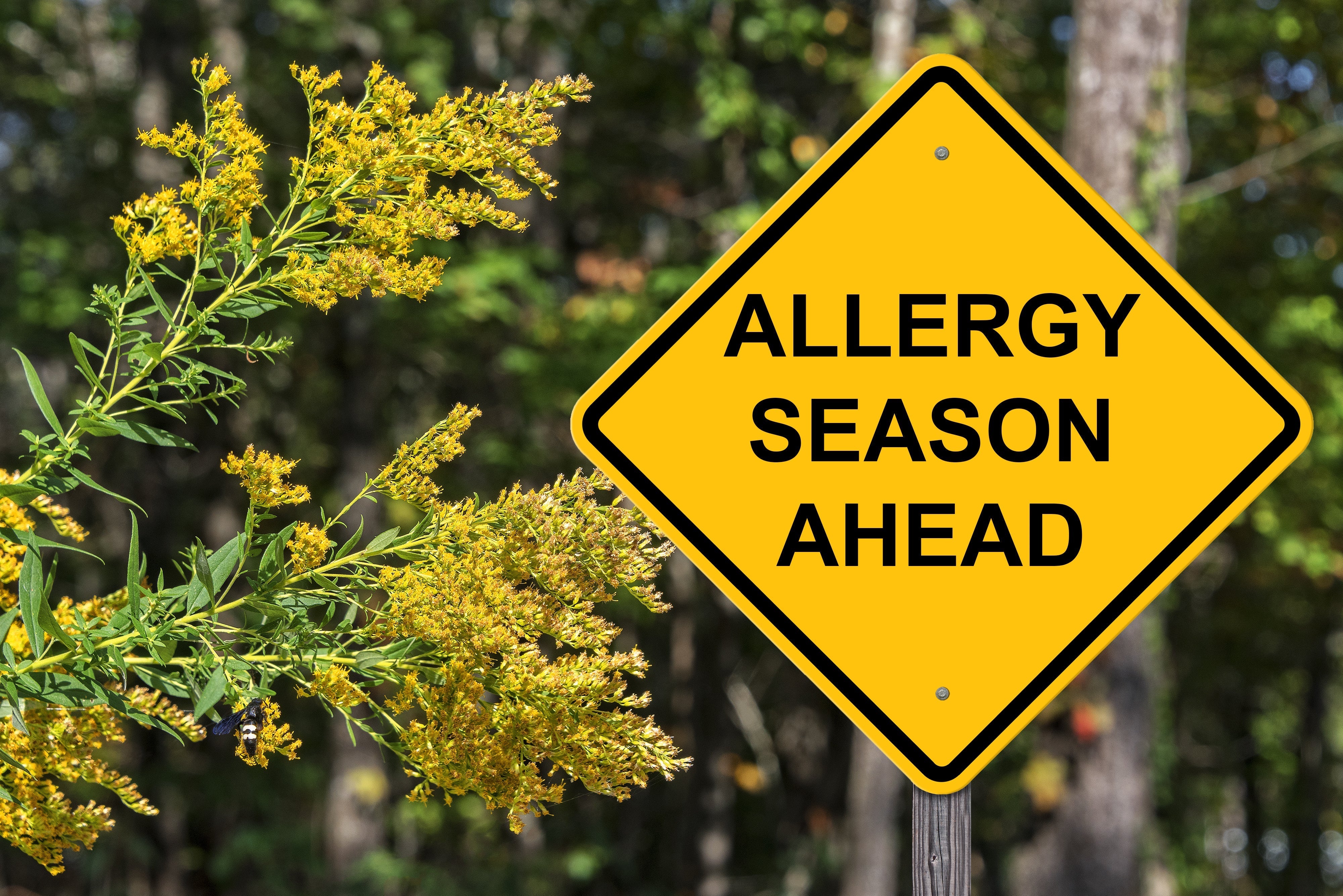
At long last, spring has sprung! This is the season that brings us longer days, open windows, and (for many households), a steady return of allergy symptoms.
Sniffling. Sneezing. Congestion. Dry, itchy eyes. Lots and lots of tissues.
While pollen is born outdoors, it certainly doesn't stay there. Once the pesky stuff is tracked inside—on clothing, shoes, pets, or through ventilation systems—it can circulate and settle all throughout your home.
According to the Centers for Disease Control and Prevention (CDC), pollen is one of the most common triggers of seasonal allergies, and exposure can worsen asthma and other respiratory symptoms in sensitive individuals [1]. Preparing your home before the arrival of peak pollen can help reduce exposure and support cleaner indoor air all season long.
So what counts as adequate preparation? It varies depending on where you live, but there are still major steps you can take to get ahead of the respiratory drama. Below is a super practical, DIY allergy-proofing checklist to keep you bright-eyed and breathing easy all season long.
1. Monitor pollen levels and plan accordingly
There's an app for that. No, seriously. Zyrtec AllergyCast, My Pollen Forecast, klarify, and many more pollen-tracking apps are available (and free) to download on your smartphone or tablet, so you can keep an eye on pollen levels from the comfort of your own home.
Treat allergy season like any other environmental event. Before making changes indoors, it's important to understand what's happening outdoors. Tree pollen typically peaks in early spring, followed by grasses, and then ragweed later in the season.
The American College of Allergy, Asthma & Immunology (ACAAI) notes that ragweed pollen is a particularly potent trigger and can travel long distances in the air [2].
Check local pollen forecasts during allergy season and adjust your habits accordingly. On high pollen days:
- Limit prolonged window opening.
- Plan outdoor activities earlier in the day if counts are lower.
- Shower and change clothes after spending time outside.
Reducing the amount of pollen brought into the home isn't just your first line of defense; it's one of the most effective first steps in allergy control.
2. Keep outdoor allergens from settling indoors
Speaking of tracking… Pollen enters homes more easily than many people realize. It redefines the term "sticky situation," clinging to stuff like clothing, hair, and pet fur. And it can find a way in even if you never step foot outside, drifting in through open windows and doors.
The Asthma and Allergy Foundation of America (AAFA) recommends keeping windows and doors closed during high pollen seasons and (if you've got it) using air conditioning instead, whenever possible [3]. This is a huge help when it comes to limiting the volume of outdoor allergens that enter your home.
Simple prevention strategies:
- Remove shoes at the door
- Change clothes after outdoor activity
- Wipe down pets that spend time outside
- Avoid line-drying laundry outdoors during peak pollen season
These small habits can significantly reduce how much pollen becomes part of your indoor environment.
3. Clean with allergen reduction in mind
Once pollen enters the home, it settles on floors, upholstery, and bedding. Pretty much anywhere you settle. Over time, these surfaces act as reservoirs that re-release allergens into the air with normal activity.
AAFA recommends vacuuming regularly with a vacuum that uses a HEPA filter, which is designed to capture fine airborne particles rather than recirculating them [3]. Damp dusting surfaces instead of dry dusting can also help prevent allergens from becoming airborne again.
Additional checklist items:
- Wash bedding weekly in hot water.
- Consider allergen-proof encasements for pillows and mattresses.
- Clean curtains, rugs, and other soft furnishings periodically during peak season.
Consistent cleaning reduces the overall allergen burden indoors, which can lessen symptom triggers.
4. Maintain healthy indoor humidity
Believe it or not, humidity influences how allergens behave indoors. While pollen itself is seasonal, other indoor allergens, such as dust mites and mold, can worsen symptoms year-round. But you can thwart those year-round annoyances with a touch of indoor climate control.
The Environmental Protection Agency (EPA) recommends keeping indoor humidity between 30 percent and 50 percent to help discourage mold growth and dust mites [4]. Excess moisture can create conditions where multiple allergens coexist (and not peacefully).
To manage humidity:
- Use bathroom and kitchen exhaust fans.
- Address leaks or condensation promptly.
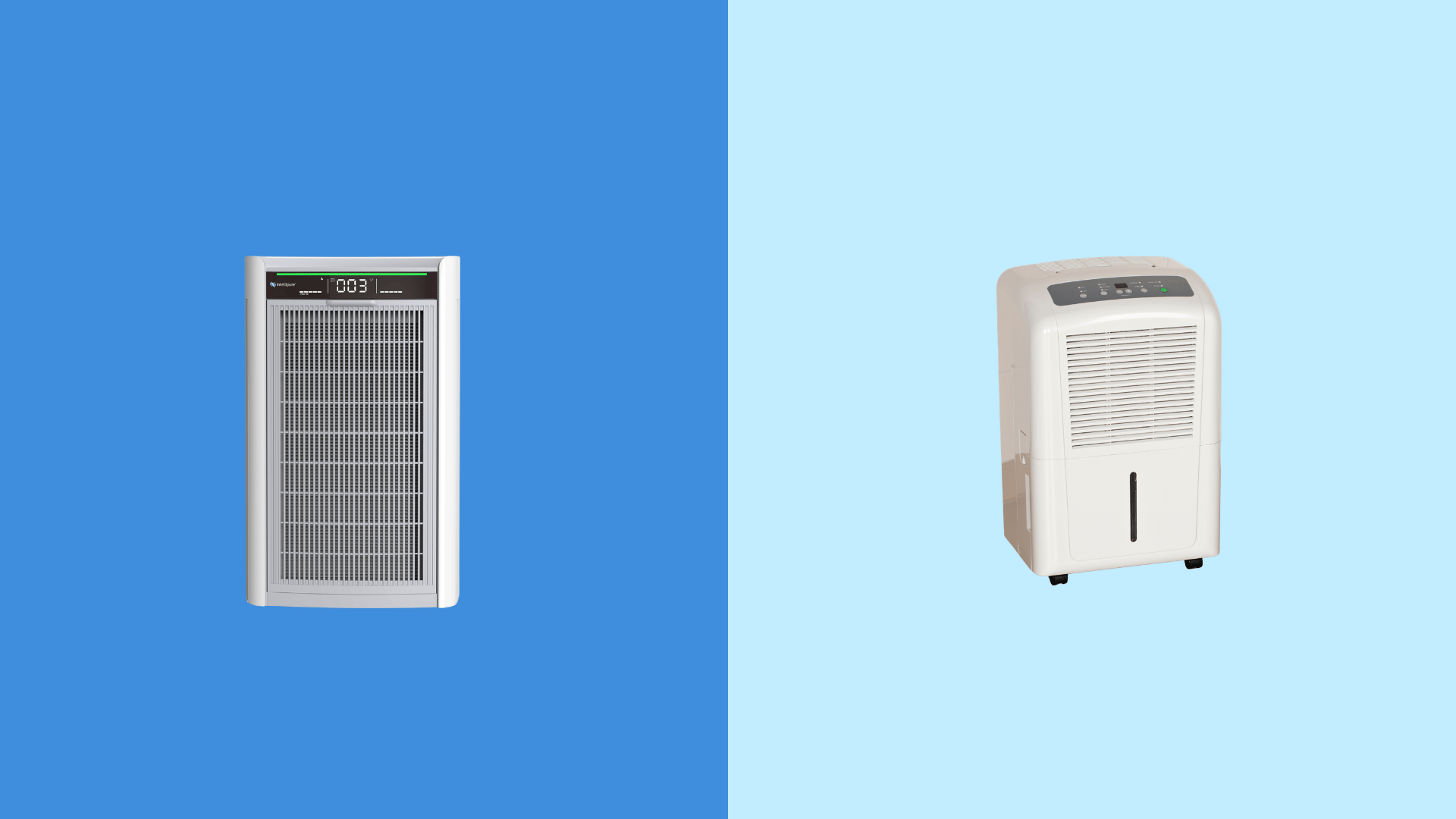
- Use a dehumidifier in damp areas such as basements.
- Monitor humidity levels with a hygrometer (which are sold at most hardware stores).
5. Optimize your HVAC filtration
Your central heating and cooling system plays a central role in your home's indoor air quality (IAQ). HVAC filters are great tools that help passively capture airborne particles before they circulate through living spaces (and your nose).
The EPA notes that higher-efficiency filters can improve particle removal when properly installed and regularly maintained [4]. During peak allergy season, check and replace HVAC filters according to manufacturer recommendations, and consider upgrading to higher-efficiency options that are compatible with your system.
Keep in mind:
- Replace filters regularly to keep them working effectively.
- Don't use overly dense filters that your system cannot support (it''l restrict airflow).
- Run your system's fan to help circulate air through filtration more consistently.
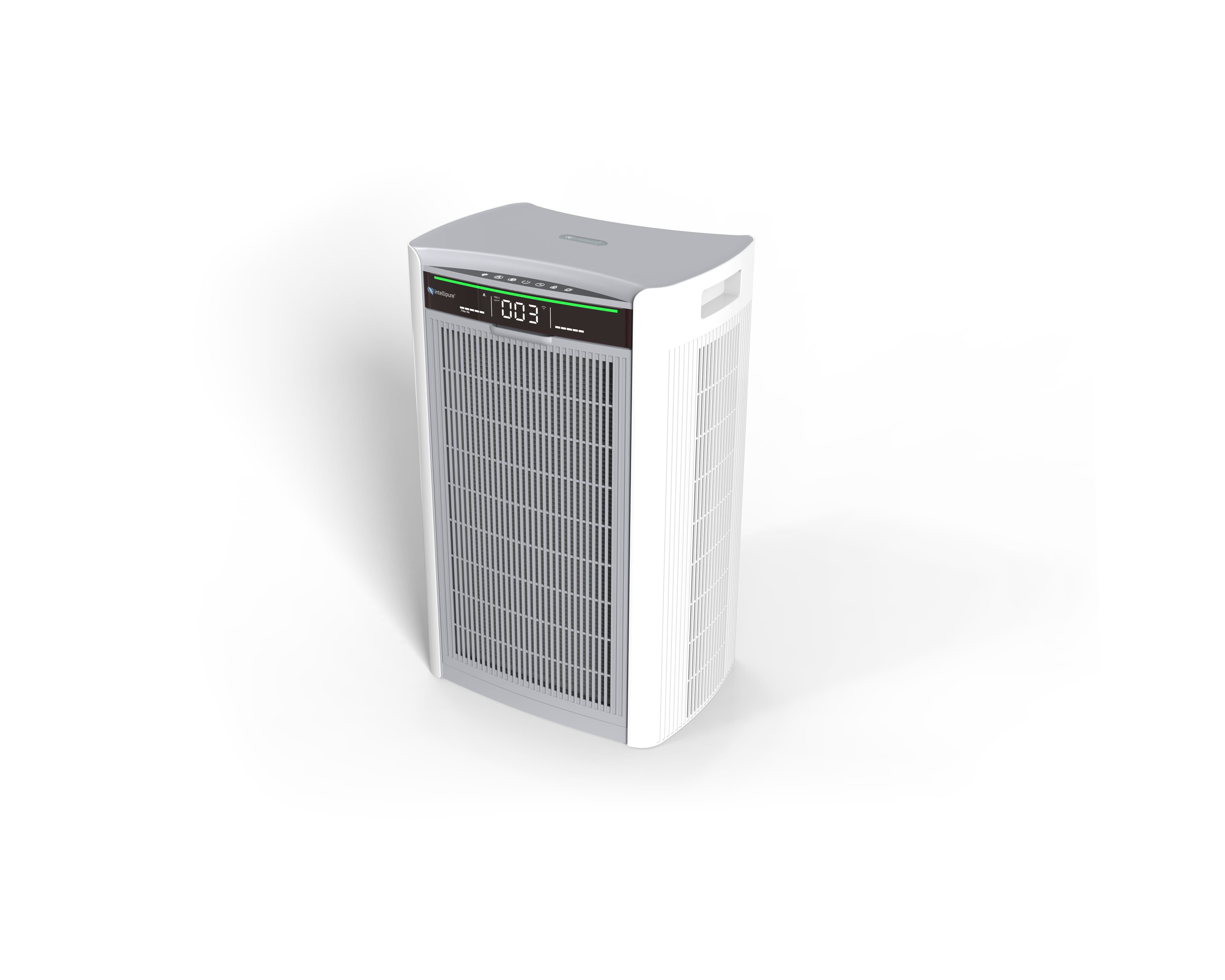
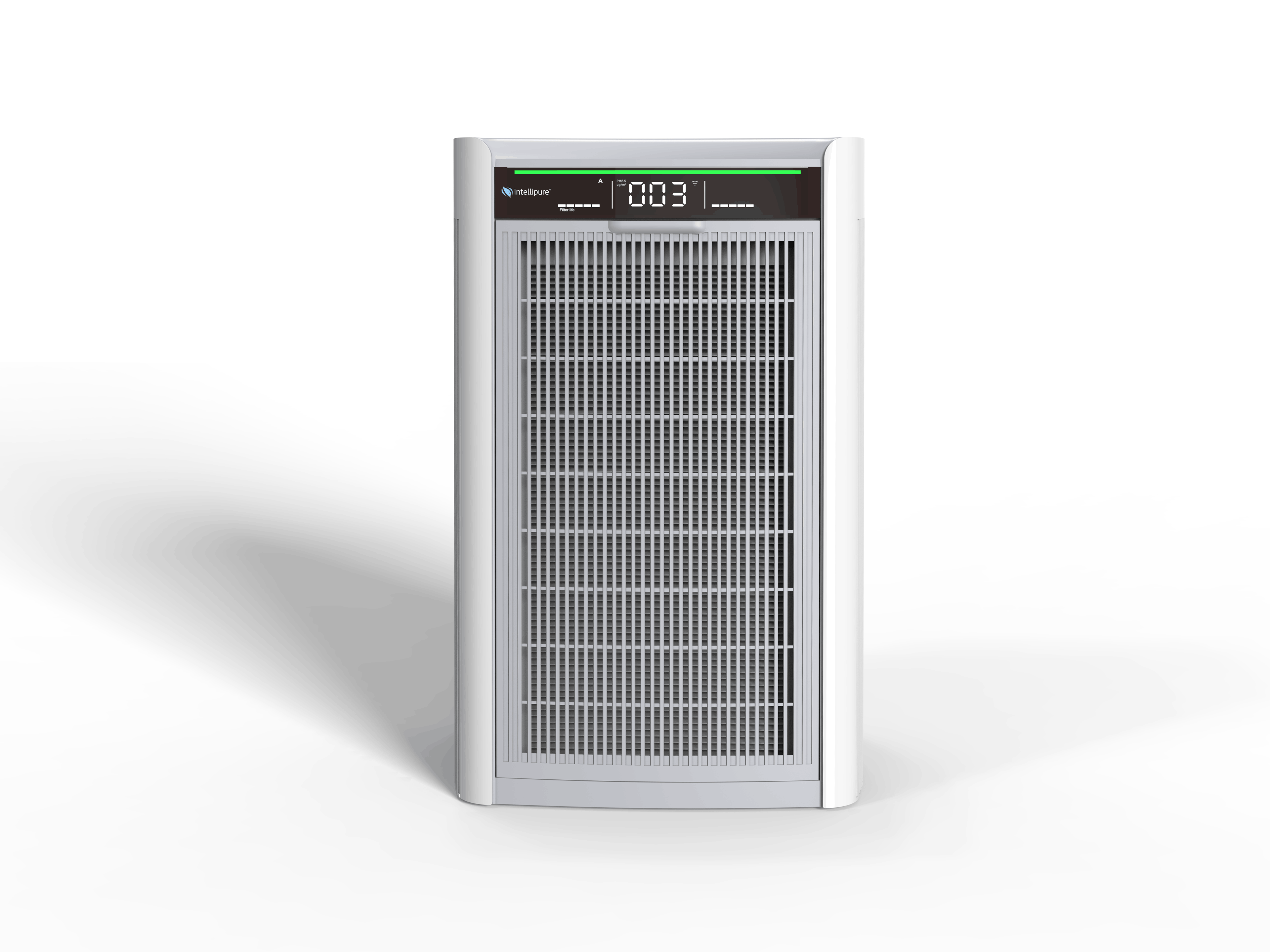
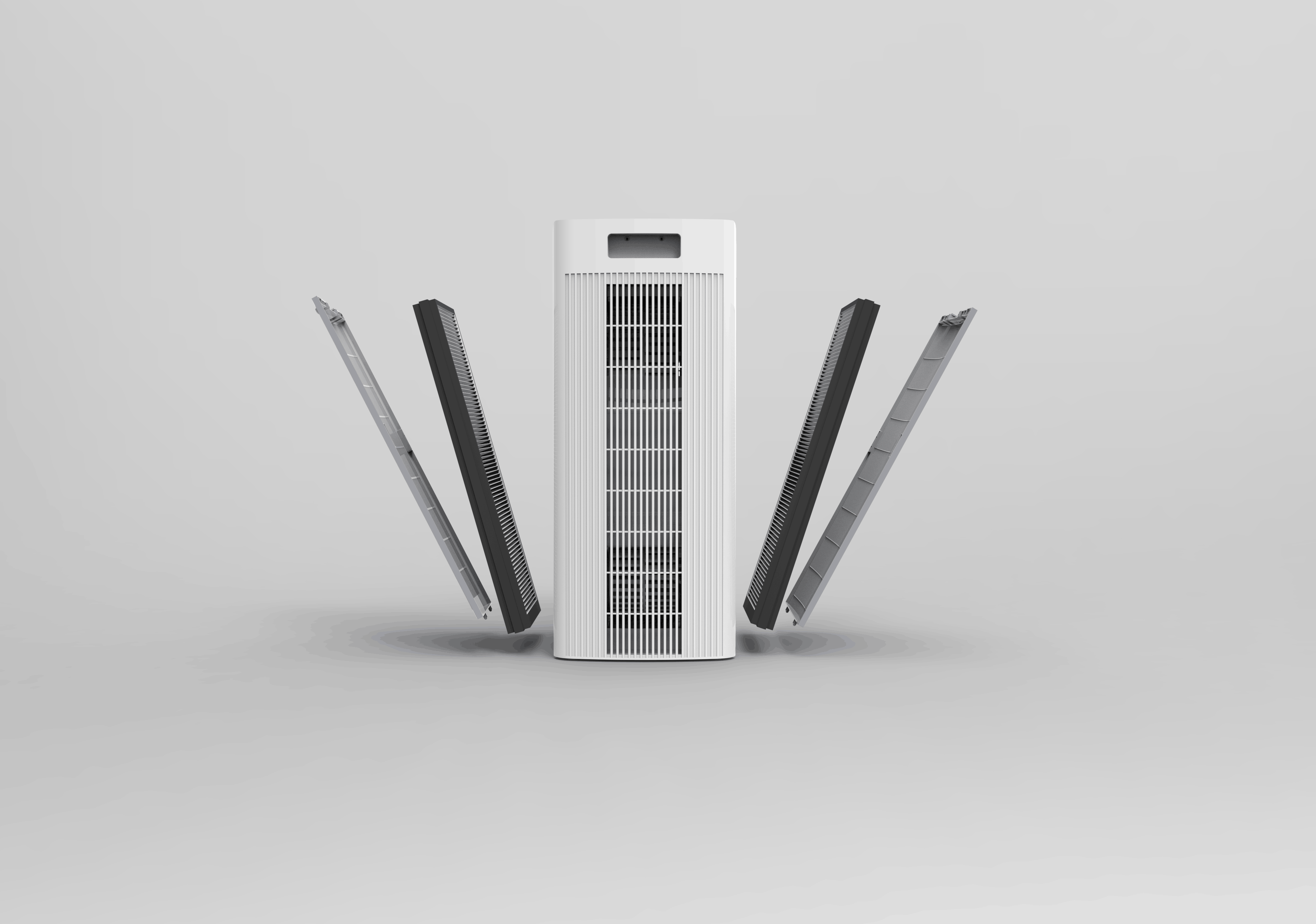
6. Install an air purifier for allergens
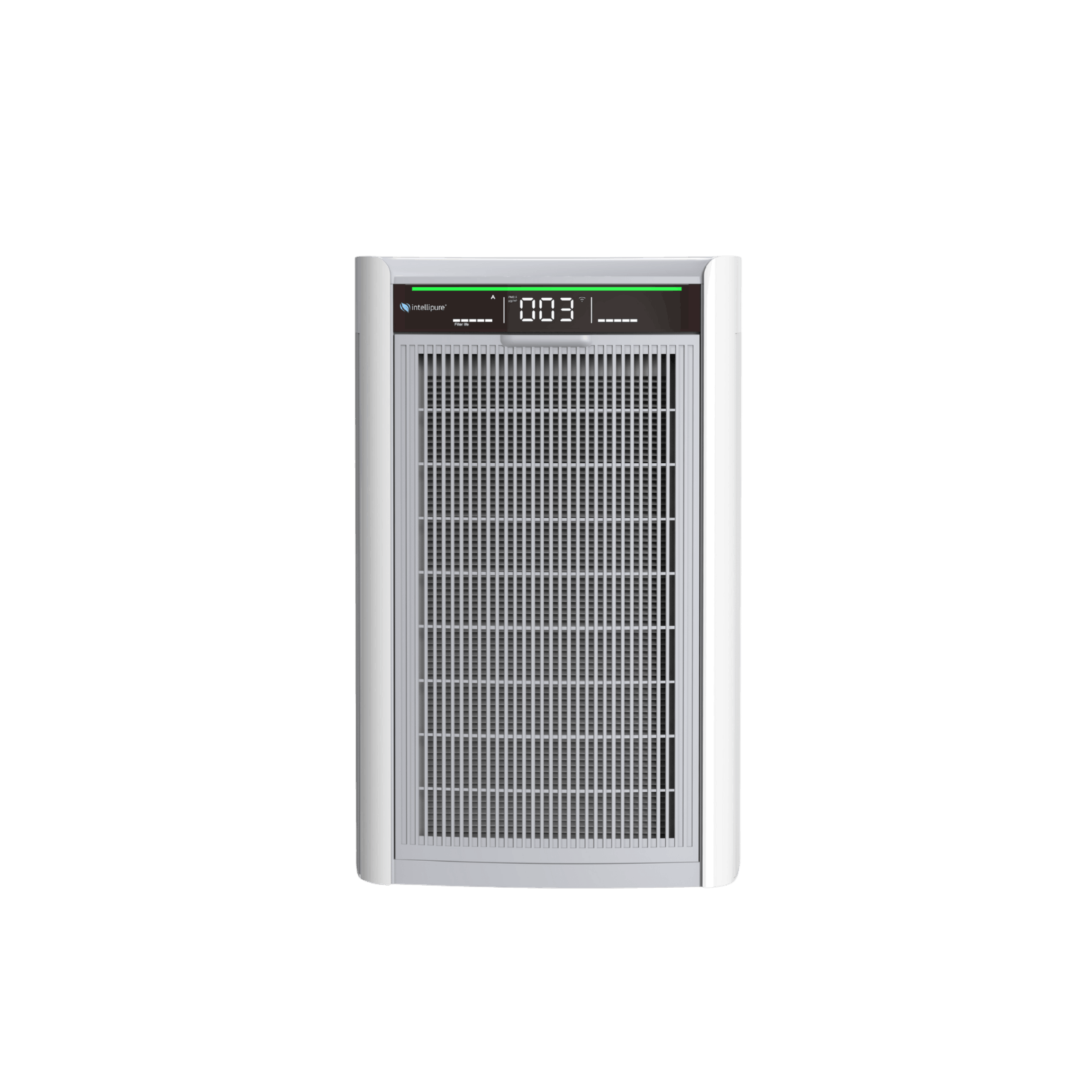
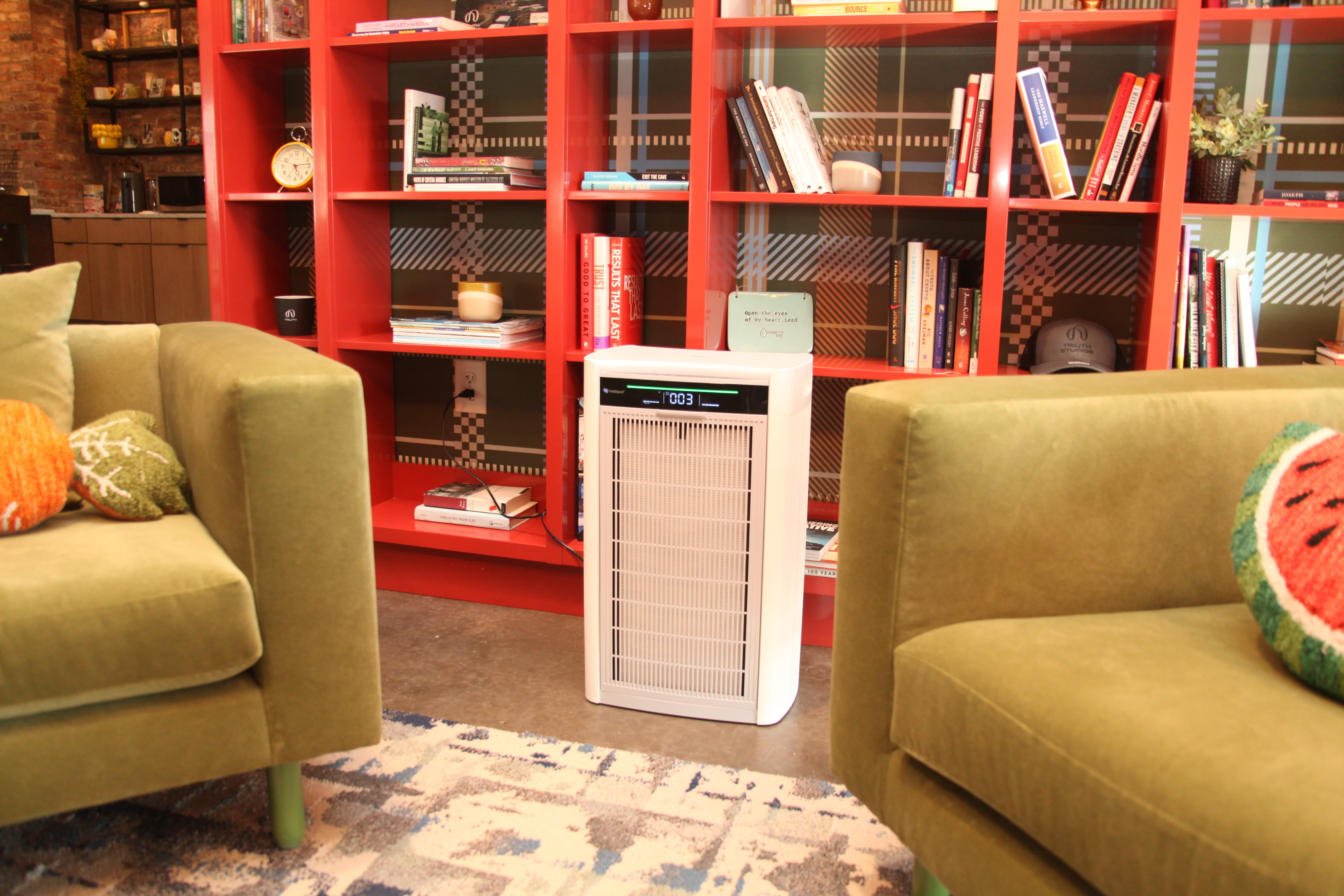
For many households, a high-quality air purifier is an excellent layer of protection during pollen season. The best air purifier for allergies will place emphasis on filtration and the ability to handle large spaces.
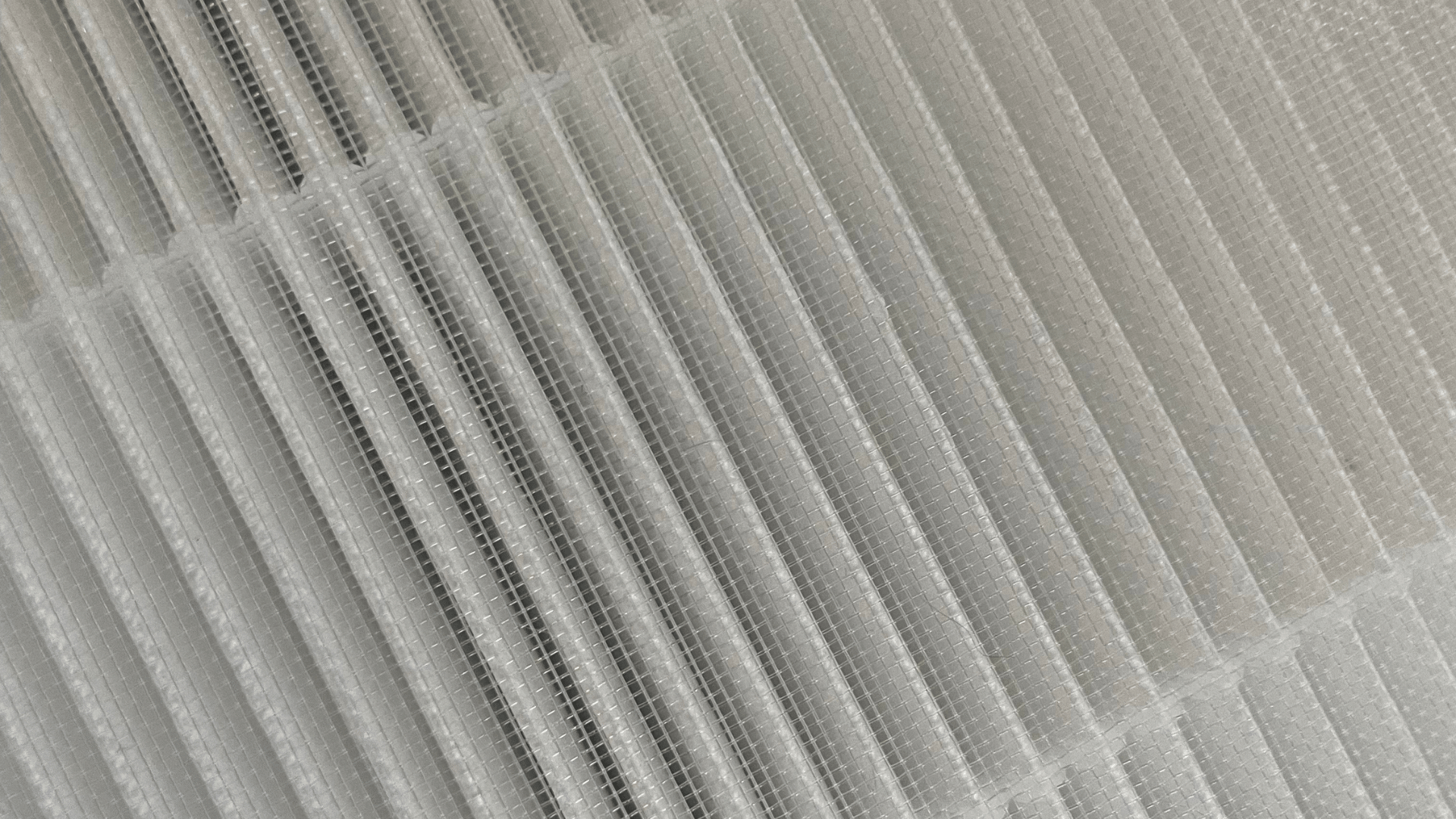
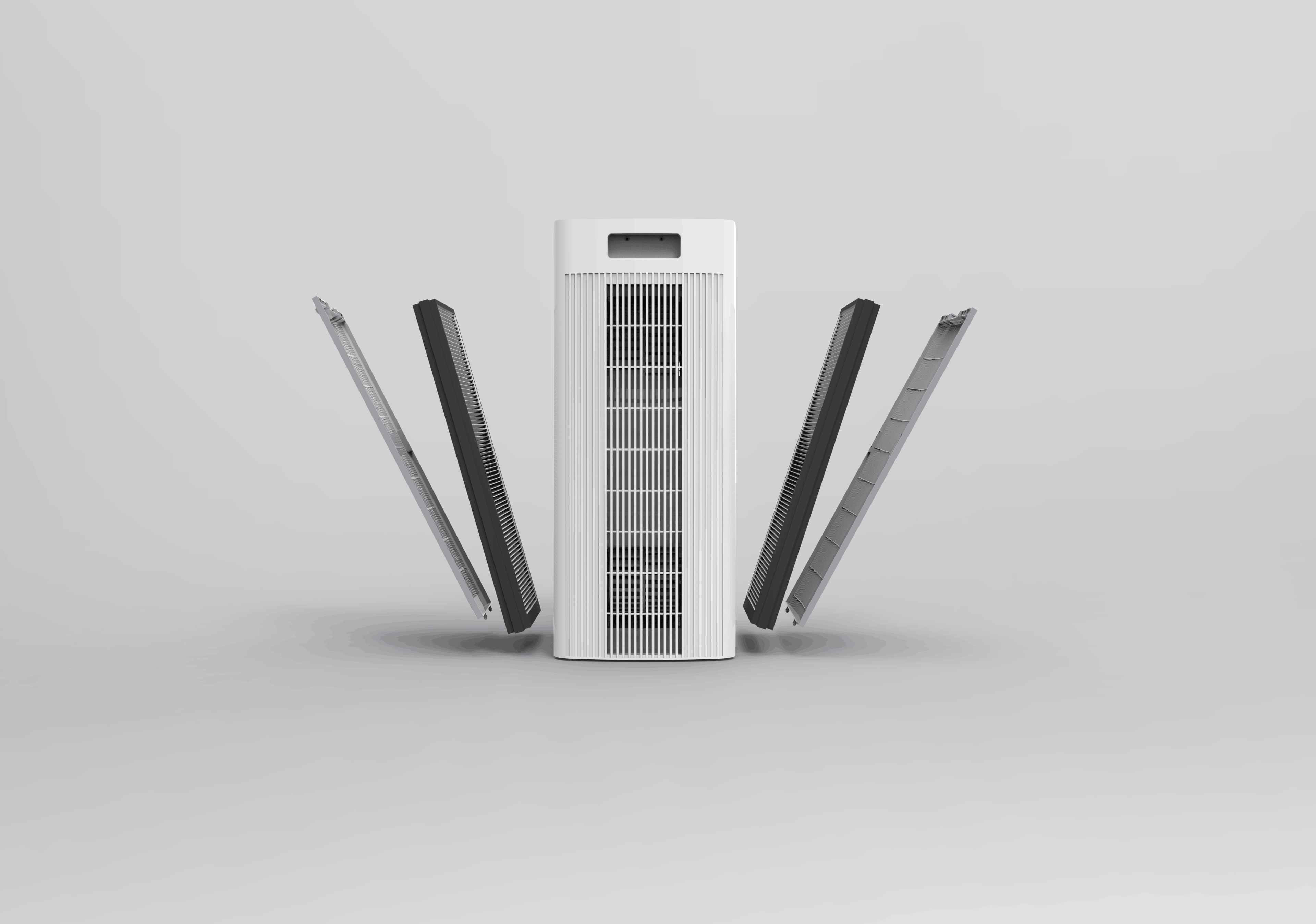
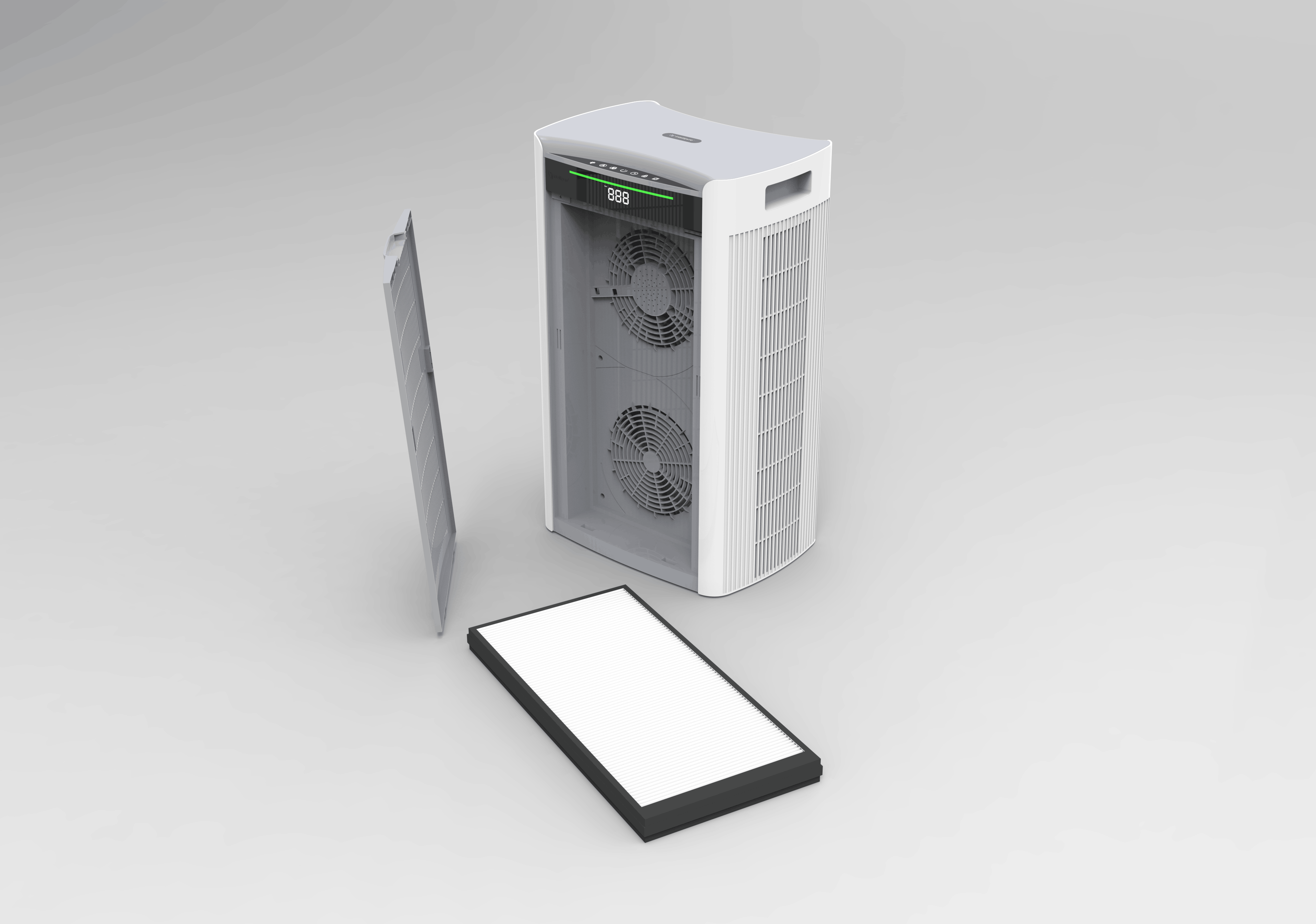
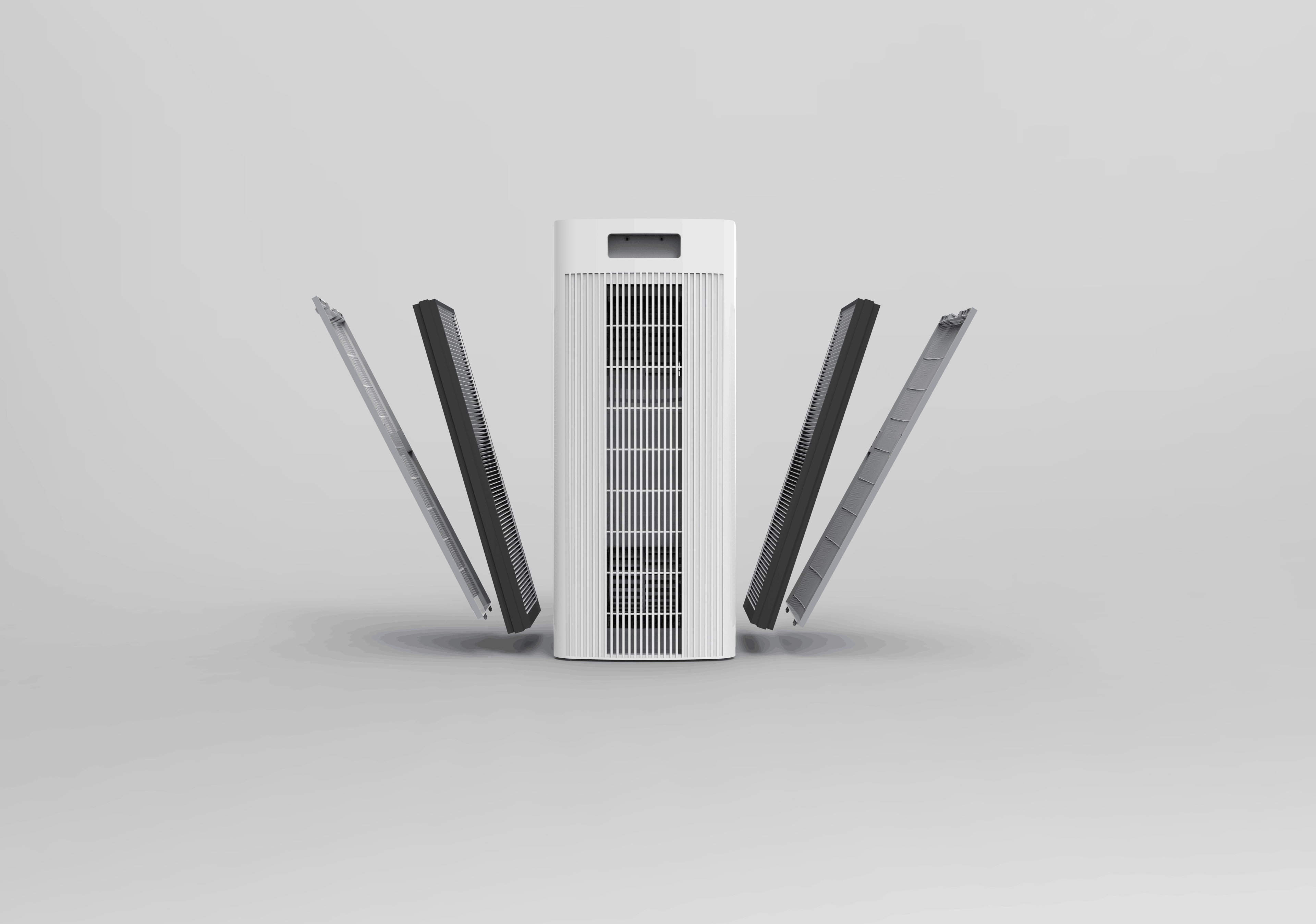
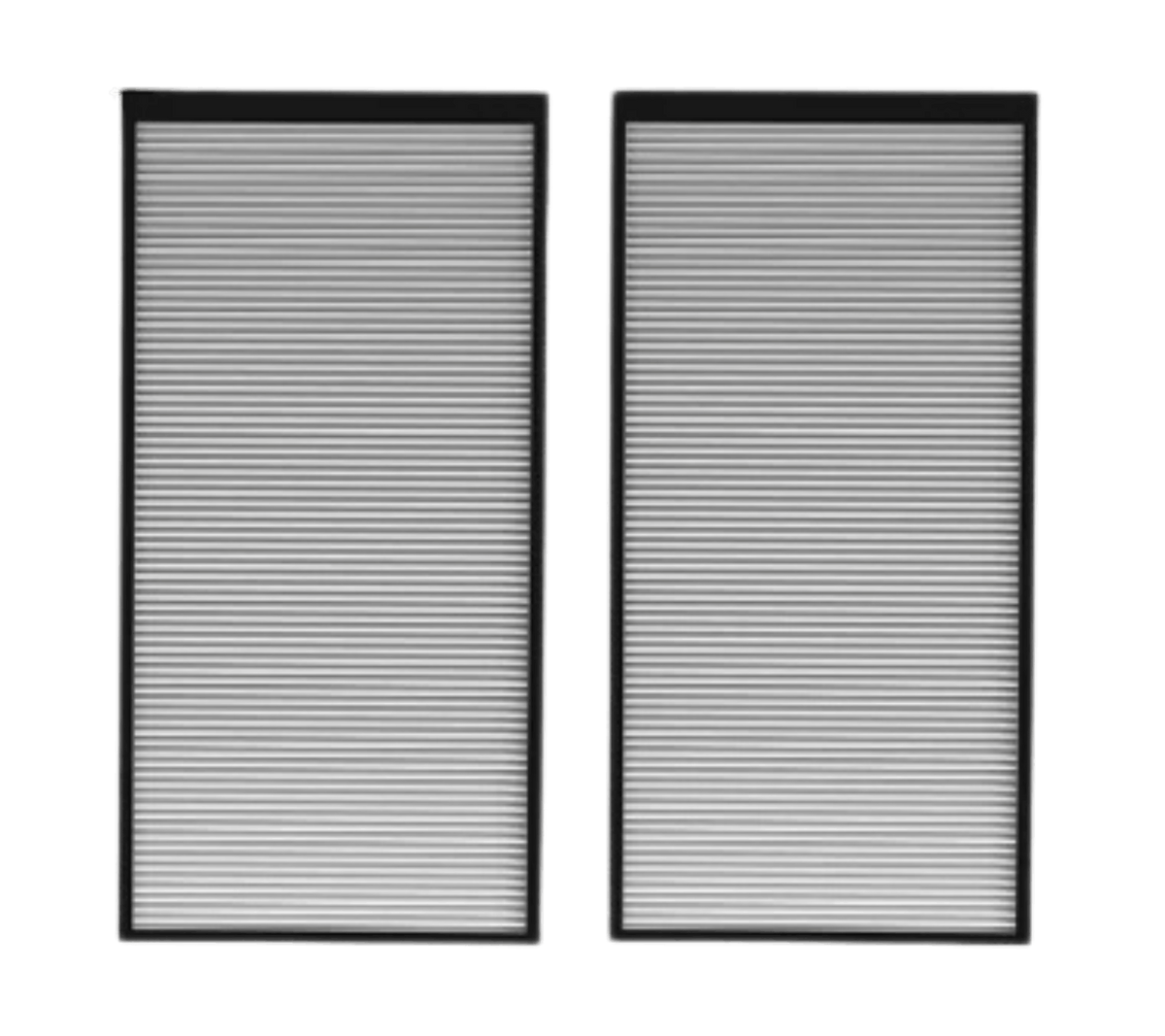
The ACAAI states that air purifiers with HEPA filters are crucial to effectively removing airborne allergens, such as pollen and pet dander, from indoor air [5]. HEPA filtration is designed to capture very, very small particles, including those in the size range of common airborne allergens.
When selecting an air purifier for allergies:
- Choose a unit sized appropriately for the room.
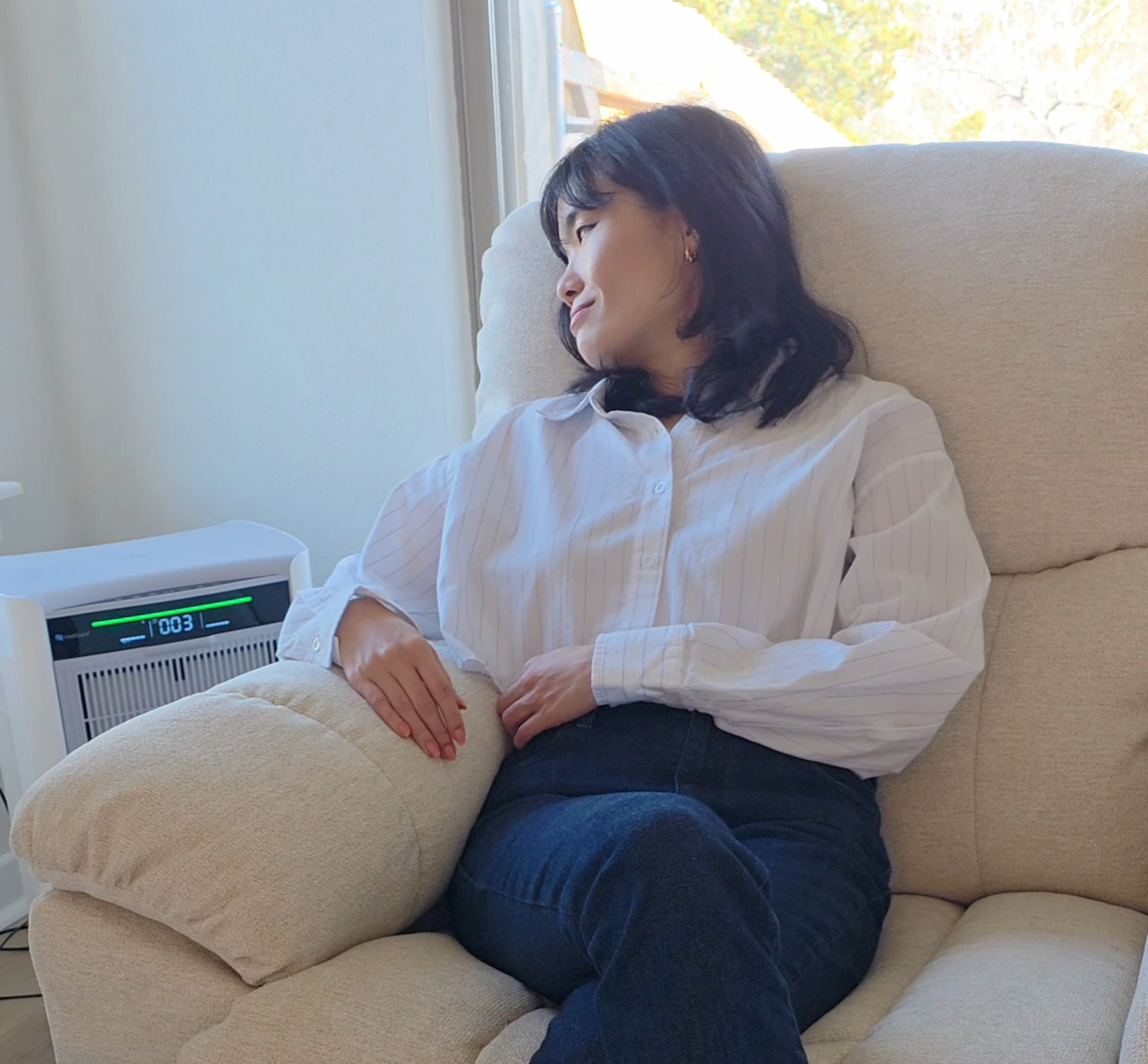
- Place it in the room where you spend the most time, such as a bedroom.
- Run it consistently during peak pollen periods.
- Replace filters as recommended to maintain performance.
Note: Air purifiers are most effective when properly maintained and used alongside source control, cleaning, and ventilation strategies.
7. Create a repeatable allergy-proofing routine
We've created the checklist, now it's up to you to put these tips into action. An allergy-proofing checklist works best when it becomes part of your weekly rhythm.
During spring and early summer:
- Check pollen forecasts several times per week.
- Wash bedding and high-contact fabrics weekly.
- Vacuum and damp dust (as opposed to dry dusting) high-traffic areas regularly.
- Inspect and replace filters on schedule.
- Monitor humidity levels and adjust as needed.
A cleaner start to allergy season
Seasonal allergies can't always be eliminated, but they don't need to interrupt your life. Indoor exposure can be significantly reduced by using the allergen-proofing tips listed above. (Of course, we encourage you to use them all, if you can.) By taking a layered approach that includes prevention, cleaning, humidity control, and air purification, you can support a home environment that is better prepared for pollen season.
Spring pollen may be inevitable, but how much of it lingers in your home is not. By limiting what comes inside, cleaning with intention, maintaining proper humidity, and supporting your space with effective filtration, you can reduce airborne allergens and create a more comfortable indoor environment.
An allergy-proofing checklist does not have to be complicated. A few consistent habits, combined with well-sized HEPA air purification, can make a meaningful difference during peak pollen season. Small adjustments now can help you breathe easier all spring long.
References
- Centers for Disease Control and Prevention. (2023). Climate Effects on Health: Allergens and Pollen. U.S. Department of Health & Human Services.
- American College of Allergy, Asthma & Immunology. (n.d.). Hay Fever (Allergic Rhinitis). American College of Allergy, Asthma & Immunology.
- Asthma and Allergy Foundation of America. (n.d.). Control Indoor Allergens. Asthma and Allergy Foundation of America.
- U.S. Environmental Protection Agency. (2023). Guide to Air Cleaners in the Home. U.S. Environmental Protection Agency.
- American College of Allergy, Asthma & Immunology. (n.d.). Air Filters and Air Purifiers. American College of Allergy, Asthma & Immunology.





What Really Happens If I Don’t Change My Air Filter?
Ragweed Guide: When, How, and Why You Should Protect Your Home from Pollen