

Summary
This guide explains that pollen, a powdery substance released by trees, grasses, and weeds to fertilize other plants, is one of the most common triggers of seasonal allergies. The article provides pollen season timelines, identifies common allergenic trees, and describes how factors like "botanical sexism" have contributed to more intense pollen seasons. It also provides practical pollen prevention and management strategies including monitoring pollen counts, keeping windows closed, using HEPA air purifiers, showering before bed, and starting allergy medications early to minimize symptoms during peak pollen months.
In This Article
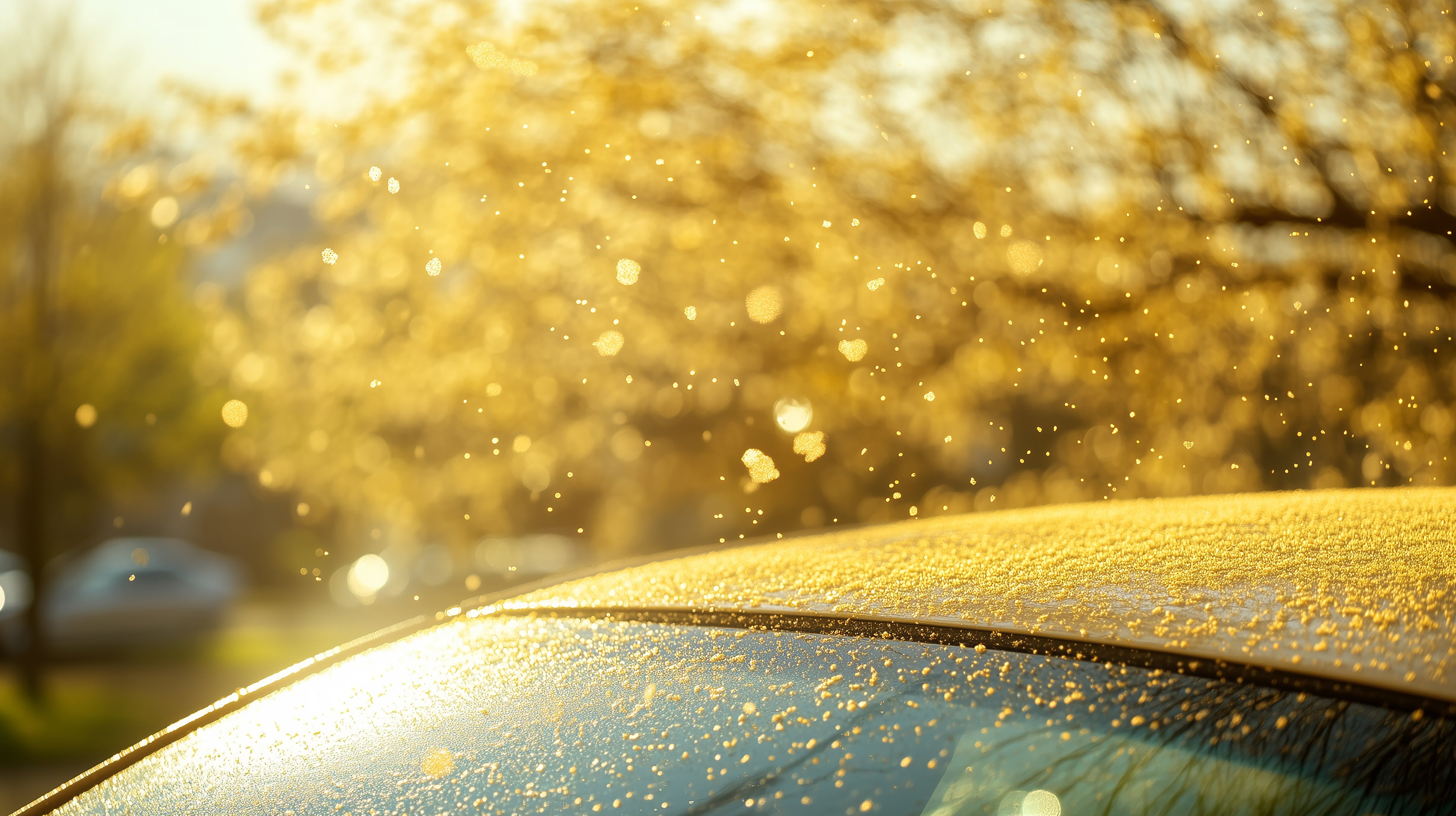
Spring has sprung, and you might be asking yourself: "What is that yellow dust on my car? And why does it keep coming back immediately after I wash it off?"
It's pollen. AKA, the springtime allergen that can cover every surface of your yard faster than you can say, "Gesundheit."
If it feels like everyone you know is sneezing right along with you, you're not imagining it. About 25.2% of adults and 20.6% of children deal with seasonal allergies, adding up to roughly 4.1 million doctor visits each year. [1]
So that persistent yellow dust isn't just annoying—it negatively impacts millions of people during what are supposed to be some of the most beautiful, enjoyable months of the year.
In the spirit of keeping your friends close and your enemies closer, let's get to know pollen on a deeper level.
What Is Pollen Exactly?
A yellow powder that floats through the air, pollen gets moved from plant to plant by insects, birds, other animals, or the wind. Its spread helps fertilize flowering plants, trees, grasses, and even weeds. [2]
Pollen's biggest claim to fame though? It's one of the most common triggers of seasonal allergies.
Pollen allergy has a few different names, from "hay fever" to the expert-preferred "seasonal allergic rhinitis," but they all mean the same thing. If you're a person who's allergic to pollen, when its tiny grains find their way into your nose, eyes, or lungs, you might experience a variety of symptoms, from sneezing and coughing to moodiness and fatigue.
Every spring, summer, and fall (and even winter in a few warmer states), plants release pollen to fertilize other plants of the same species. Lots of people don't realize this, but flowering plants, like roses and cherry trees, usually don't cause allergy symptoms. Their pollen is larger and waxier and gets spread by insects, like bees. [3] The biggest culprits of allergic reactions are grasses, weeds, and non-flowering trees. They make finer, lightweight pollen that wind currents disperse—seemingly everywhere during peak pollen months.
If you're allergic to pollen, you might notice that your symptoms are worse some days compared to others. A lot of the time, the difference has to do with the weather. Wind and humidity levels are two of the biggest factors. When outdoor air is humid, including during and after rain, pollen gets damp and keeps still on the ground. This is a good situation for your sinuses.
On the other hand, when the air outside is hot, dry, and windy, pollen moves freely and rampantly. Those are the days you might want to pack your tissues and eye drops when you leave the house. [4]
Pollen Season Timeline
Pollen counts, measurements that tell you how much pollen is in the air at a given time, don't just fluctuate based on the weather. The time of year really matters, too.
Here's a quick look at typical pollen seasons in the U.S., so you can plan accordingly.
February through April*: Trees (including birch, oak, and walnut trees)
April through early June: Grasses (including Bermuda grass and Kentucky bluegrass)
August through the first hard frost: Weeds (including ragweed)
*Across the U.S., trees produce the most pollen from February through April. But in some Southern regions, they might start up as early as December or January and peak several times throughout the year. [3]
Tree Pollen
In the U.S., tree pollen is the first pollen to appear each year. It's also the biggest trigger for spring pollen allergy symptoms.
In some regions, tree pollen season can overlap with grass pollen season in the spring and summer, which is just as fun as it sounds when it comes to your allergies. [3]
Some trees produce yellow pollen that is so large you can see it. It's a heavier pollen and tends to fall near the trees. (It's also the type of pollen that's coating your car and seemingly every other surface under the sun).
Other trees make pollen that's too small to be seen. The wind easily carries it from place to place—whether its final destination is other plants or your nostrils. [5]
Common Allergenic Trees
There's no specific type of tree that's known for wreaking the most havoc on our sinuses. That said, birch, cedar, and oak trees can all be found across the U.S., so they might be the top most common allergenic trees.
The mix of trees around you varies based on your region, so tree pollen allergies vary by region, too. [6]
Trees that cause the most allergy symptoms include:
- Ash (mostly found in Eastern and Southeastern states, but exists in most states except Alaska and Hawaii)
- Box elder (found in every state except Alaska and Hawaii)
- Hickory (found in the Midwest, Northeast, and Southeast)
- Mulberry (found in every state except Alaska and Nevada)
- Oak (found in every state except Alaska and Hawaii)
- Pecan (found in the Midwest, Northeast, and Southeast, as well as California and Arizona)
- Walnut (found in every state except Alaska, Arizona, Colorado, Hawaii, Idaho, Washington, Nevada, Oregon, and Utah
- Willow (found in every state except Alaska and Hawaii)
These are pretty big offenders too:
- Alder (found in every state except Nebraska and South Dakota)
- Aspen (found in every state except Hawaii)
- Beech (found in the Northeast, Eastern Midwest, and the South)
- Birch (found in every state except Hawaii)
- Cedar (found in coastal states in both the Eastern and Western U.S. and Oklahoma)
- Cottonwood (found in every state except Hawaii)
- Elm (found in every state except Alaska, Colorado, Hawaii, Montana, and Wyoming)
- Juniper (found in every state except Alaska and Hawaii)
- Maple (found in every state except Alaska and Hawaii)
- Olive (found in every state except Alaska and Hawaii)
- Poplar (found in every state except Hawaii) [5]
As you can see, the lists are extensive. This is why, although tempting, it usually doesn't make sense to move to try to escape your seasonal allergies. Pollen is pretty much everywhere.
What the Heck Is a 'Catkin'?
A rule of thumb: the prettier the flower, the less likely it's causing your allergies.
In the spring, you might hear people blaming pretty flowers like fluffy white Bradford pear blossoms, showy pink redbuds, or sunny daffodils for their allergies. But the real culprits are more likely to be catkins—inconspicuous, dangling blooms that are absolutely loaded with pollen (and not nearly as cute as their name makes them sound).
Catkins are wind-pollinated flowers, which is why they dangle from branches. Their worm-like structures are actually hundreds of tiny flowers strung together.
Each catkin is either "male" or "female," and depending on the tree species, a single plant can produce both sexes or just one sex. When wind shakes male catkins, they release pollen into the air. A LOT of pollen. [7]
Do Coniferous Trees Make Pollen?
Conifer trees, including cypress, fir, hemlock, pine, and spruce trees, are a group of trees that produce cones. (They're the trees that people like to decorate for Christmas.) And yes, "male" cones do produce pollen. [6]
Is a Pecan Tree Allergy the Same Thing as a Pecan Nut Allergy?
A pecan tree pollen allergy is a seasonal reaction to the proteins found in tree pollen. Typical symptoms affect the nose and eyes, and sometimes the respiratory system. On its own, tree pollen allergy is usually not life-threatening.
A tree nut allergy is a reaction to the protein found in a specific tree nut, like pecans. Symptoms are often sudden and serious and can affect your skin, mouth, throat, respiratory system, and stomach. A tree nut allergy can lead to anaphylaxis. [6]
Tree Pollen Counts Are on the Rise
Recent pollen seasons have 21% more pollen than they did back in 1990. That's a big difference!
What's changed? Hate to say it, boys, but male trees are to blame. Well, more specifically, "botanical sexism," or the preference to plant male trees, has really dialed up the pollen counts.
Confused? Let's pause for a quick botany lesson.
Lots of trees are monoecious, which simply means they have both pollinating flowers and seed-, nut-, or fruit-bearing flowers on the same plant. There are some seed-, nut-, or fruit-bearing trees, however, that do not release pollen. These are called "female" trees. On the flip side, there are "male" trees that do not produce seeds, nuts, or fruit at all and rely on the wind to carry their pollen to other trees for pollination.
Fruit-bearing trees can be messy. (Think piles of rotting crabapples or shoe-staining purple mulberries all over the sidewalk.) So historically, when designing parks, streets, and communities, urban planners have had a tendency to choose wind-pollinating "male" trees over fruiting "female" trees. The common practice creates more pollen in cities. And according to experts, it's part of the reason pollen counts have been on the rise over the past few decades. They also say that diversifying the types of trees in urban areas and parks could help cut back the amount of pollen in the air. [5]
What Causes Tree Pollen Allergies?
Allergens, like pollen, are totally harmless to most people. But some of us aren't so lucky.
If you have hay fever, your body's immune system reacts to certain irritants in the air. When you inhale the allergen through your nose or mouth, your immune system thinks it's intruding and tries to protect you from it. To do so, your body releases natural chemicals, primarily histamine, into your bloodstream. That histamine causes inflammation of the mucous membranes in your nose, throat, and eyes. These parts of your body might feel itchy as they work hard to rid your body of the allergen.
Allergies are inherited, so you're more likely to have them if you have a parent or immediate family member with allergies. If you have eczema or asthma, you're more likely to develop hay fever, too. [8]
Symptoms of Pollen Allergies
Pollen allergy symptoms aren't the same for everyone. If you have a pollen allergy and breathe in pollen-heavy air, you may feel one or more of these symptoms:
- Sneezing
- Nasal congestion
- Runny nose
- Red or watery eyes
- Itchy throat and eyes
- Wheezing [2]
- Headache
- Fatigue
- Disturbed sleep
- Moodiness or irritability [6]
If you have asthma, hay fever can make your asthma symptoms worse, including wheezing and coughing. Airborne allergies can also increase your risk of having an ear or sinus infection. [8]
Pollen Allergy Prevention & Management
You can help minimize your allergic reactions to pollen by reducing your exposure to it. This is called environmental control.
Here are some easy tips to follow:
- Stay informed about pollen counts and forecasts, and limit your outdoor activities when pollen counts are high. You can visit websites like pollen.aaaai.org for pollen reports.
- Keep windows and doors closed during pollen season, especially peak pollen times
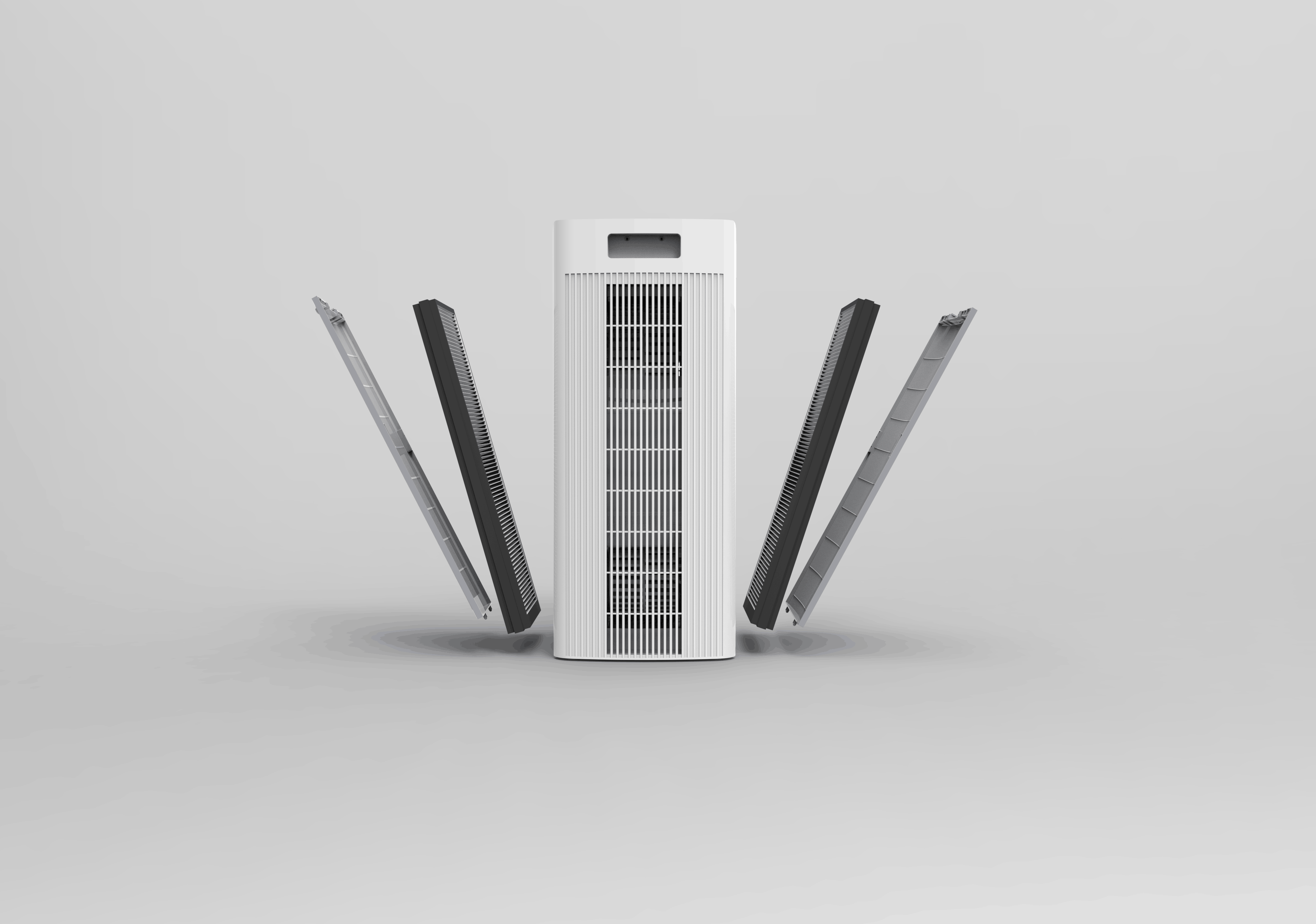
- Use central air conditioning or air cleaners with HEPA filtration to reduce indoor airborne allergens, including pollen
- Remove your shoes before entering your home
- Shower daily before going to bed to remove pollen from your body and keep it off your bedding
- Wipe down furry pets when they come inside, and bathe them weekly
- Change and wash clothes worn during outdoor activities [3]
- Avoid wooded areas in the early spring, when tree pollens are most prevalent
- Look for tree species that are less likely to cause symptoms if you're buying trees for your yard. Some smart choices are: crape myrtle, dogwood, pear, plum, and redbud trees. You might also want to consider female varieties of ash, maple, poplar, and willow trees. [6]
- Wear sunglasses and a hat to protect your eyes from pollen when you're outside
- Avoid touching your face and rubbing your eyes or nose
- Wash your hands often, especially after playing with your pets [8]
Check out our Official Home Allergy-Proofing Checklist for more science-backed advice and nitty-gritty details on how to protect your body and your home from pollen and other allergens and irritants.
Allergy Treatment Options
A really great tip is to start taking your doctor-prescribed or recommended allergy meds a couple weeks before pollen season kicks off. These treatments are most effective when begun early because they need time to prevent your body from releasing histamine and other chemicals that cause your allergy symptoms. Also, if the weather calls for a random few days of warm weather toward the end of winter, it's a good idea to start taking your medication right then, to make sure you're getting ahead of "the pollening." [2]
An allergist can help identify your specific allergy triggers and create a plan that works for you. Some treatment options they might suggest include both OTC and prescription medications like:
- Antihistamines
- Short-term decongestants
- Daily corticosteroid nasal sprays
- Eye drops or oral meds for eye symptoms
For more persistent or severe allergies, your allergist may recommend:
- Allergen immunotherapy, or allergy shots, to build long-term resistance
- Sublingual tablets (started around 12 weeks in advance of your anticipated symptoms)
- Leukotriene modifiers
- Mast cell stabilizers
- Anticholinergic medications (best for people with primarily nasal symptoms)
There's no cure for pollen allergies, but getting a head start on treatment and staying consistent can noticeably reduce symptoms, so you can properly enjoy the warmer seasons. [6]
As always, remember to consult with your doctor—and not just the internet—for information and decisions about your health.
Pollen Counts vs. Pollen Forecasts
Pollen counts measure how much pollen is in the air at a specific time. A device called an air sampler captures pollen and then identifies and counts the pollen types. The American Academy of Allergy, Asthma & Immunology's (AAAAI) National Allergy Bureau™ reports these counts around the U.S.
Some weather channels and websites report pollen forecasts, which is different from pollen counts because they're only estimates (just like a weather forecast). Pollen forecasts usually only cover the most common types of pollen. [3]
A high overall pollen count doesn't necessarily mean you're going to have a rough day in terms of allergies. There are lots of different types of pollen—from trees, grass, and weeds—and a high pollen count doesn't mean there's a strong concentration of the exact pollen(s) that irritate you. Similarly, the overall pollen count can be low, and you can still be sneezing your head off because concentrations are high for one of your triggers. [2]
Pollen counts tend to be highest early in the morning and on warm, dry, breezy days. [6]
Pollen and Air Purifier Filters
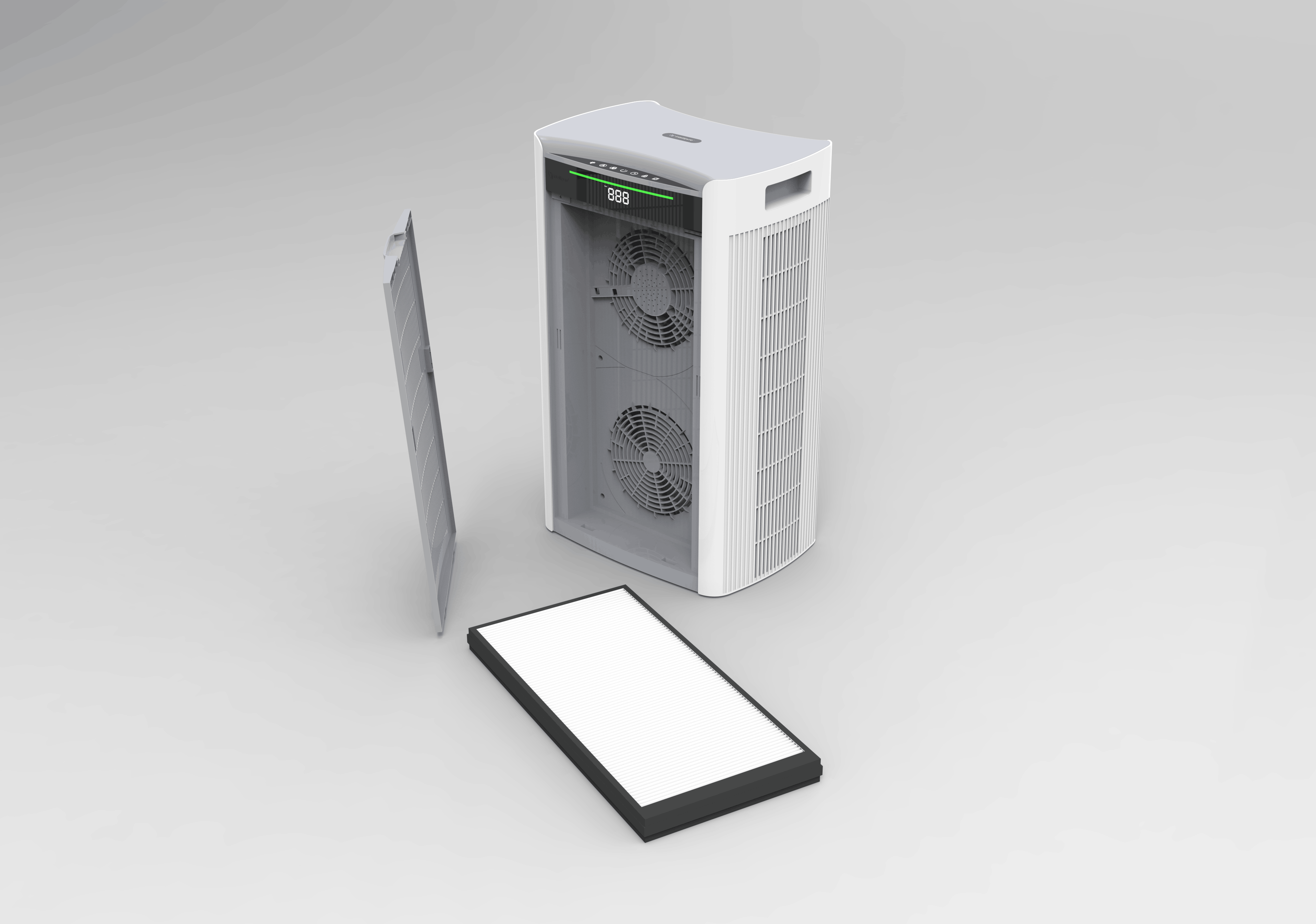
According to the United States Environmental Protection Agency (EPA), multiple studies have found that portable HEPA air cleaners can improve one or more allergy symptoms for people who experience hay fever.
If you use an air purifier for pollen, you should take note of the EPA's warning: "All filters need regular replacement. If a filter is dirty and overloaded, it won't work well." [9]
This advice is especially important during the warmer months because pollen season indoor air can dirty up your filters faster than usual and put extra strain on your air purifier.
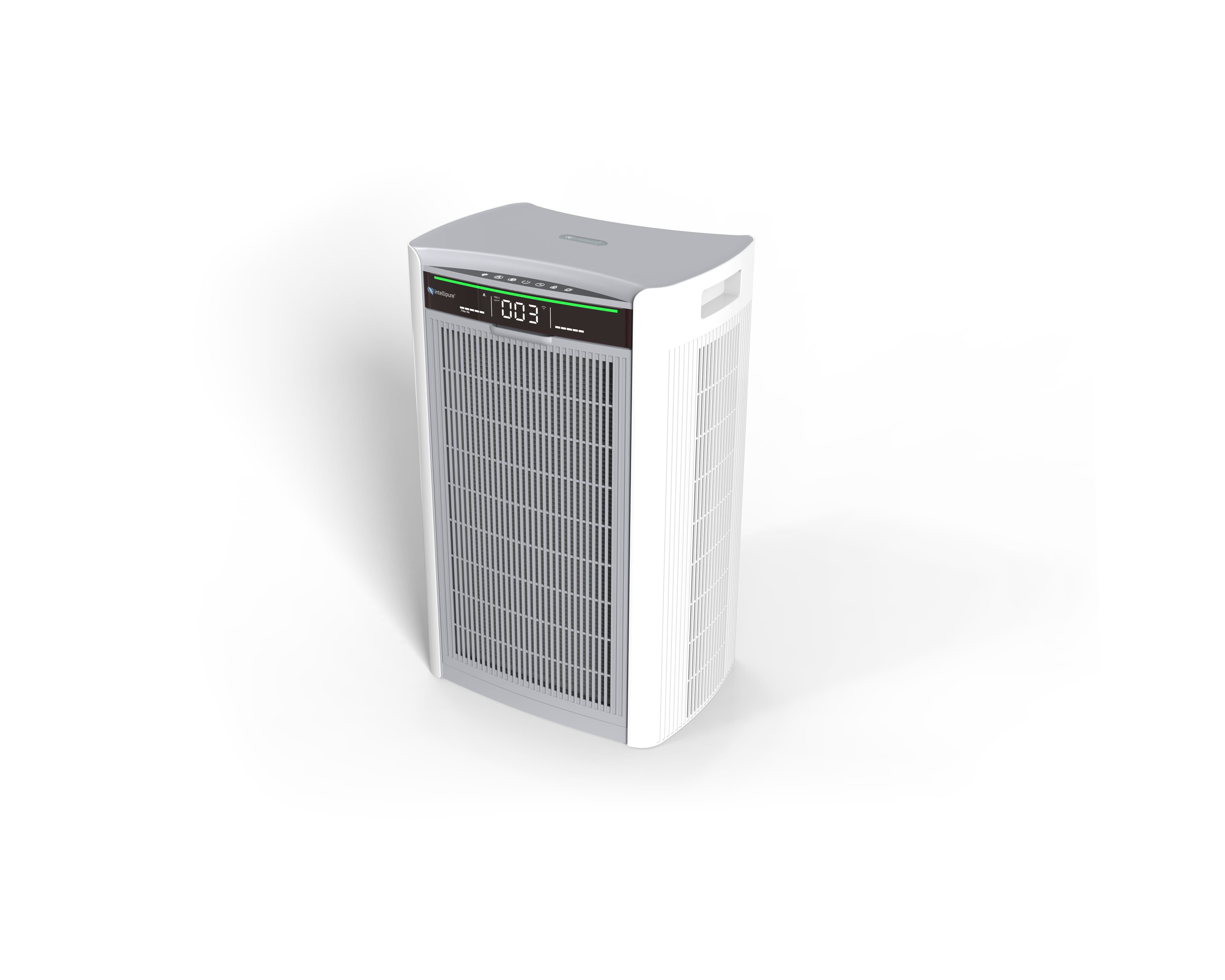
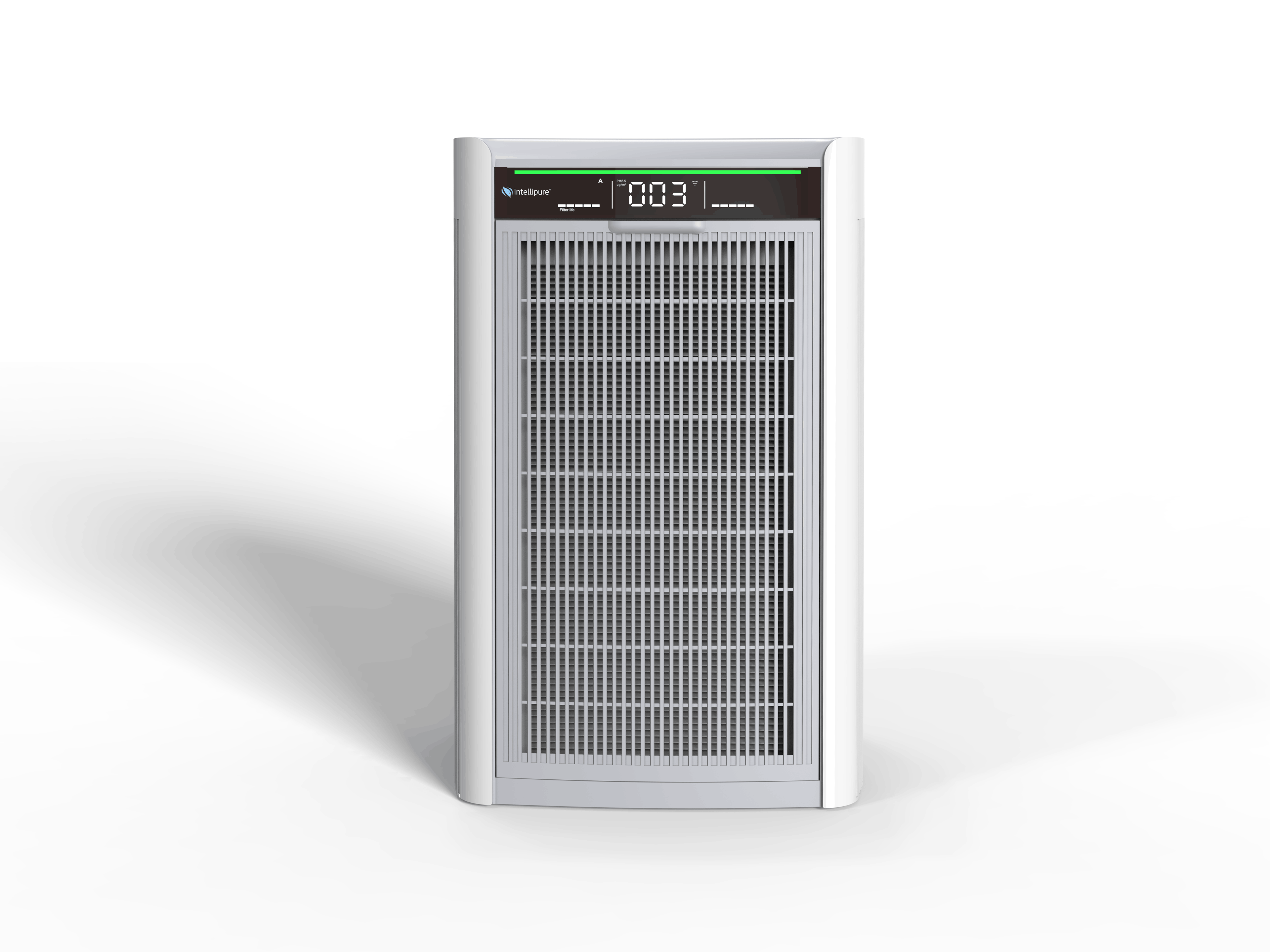
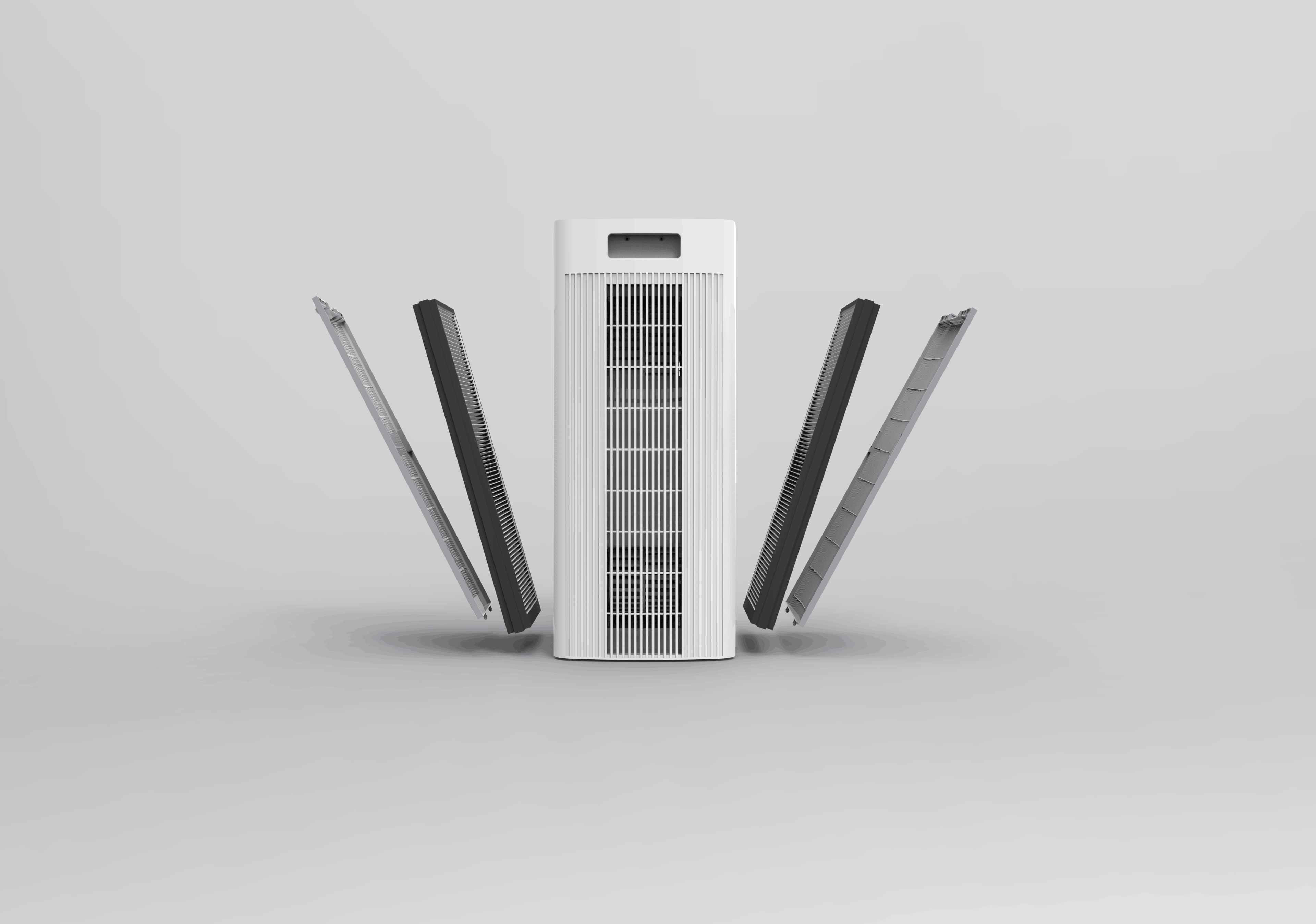
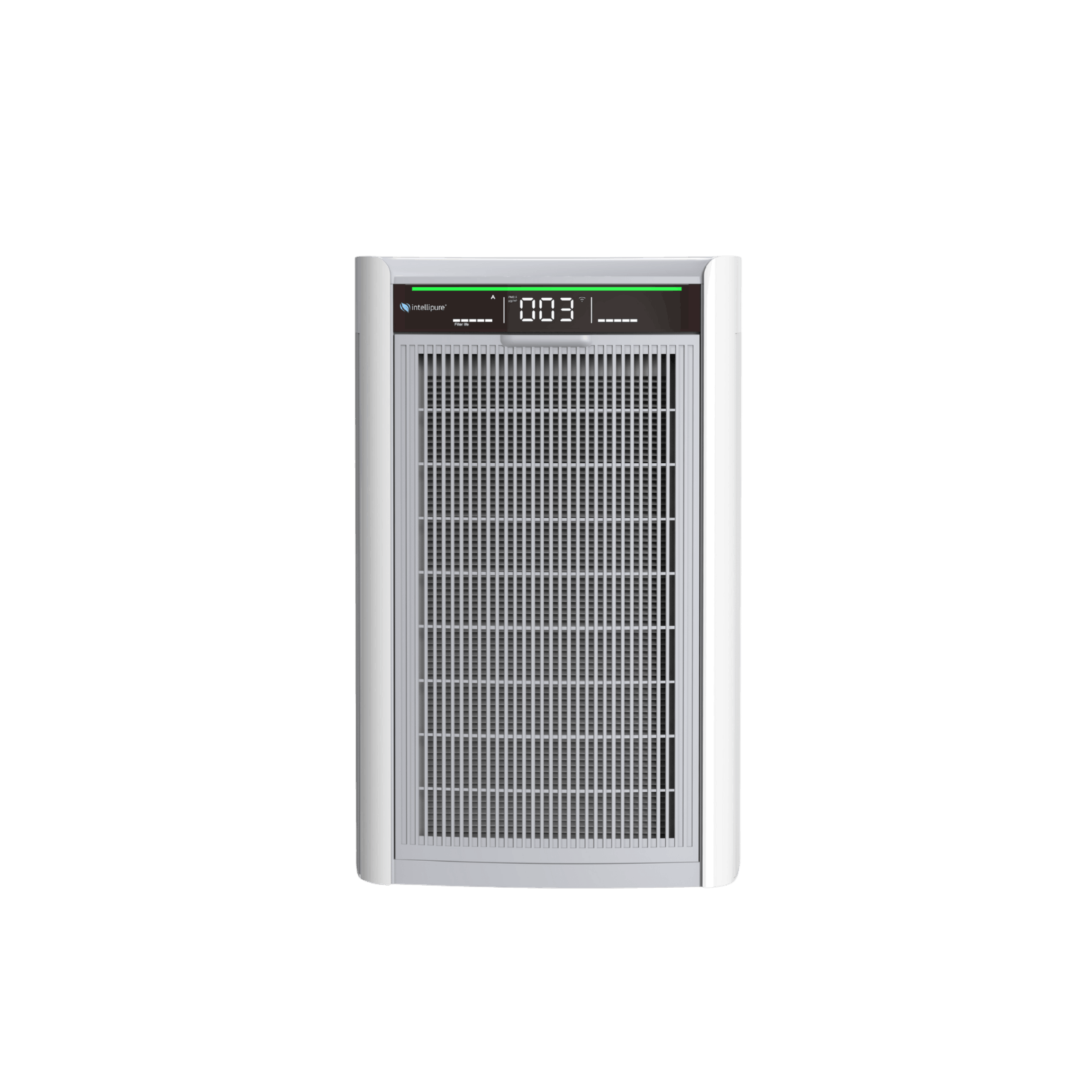
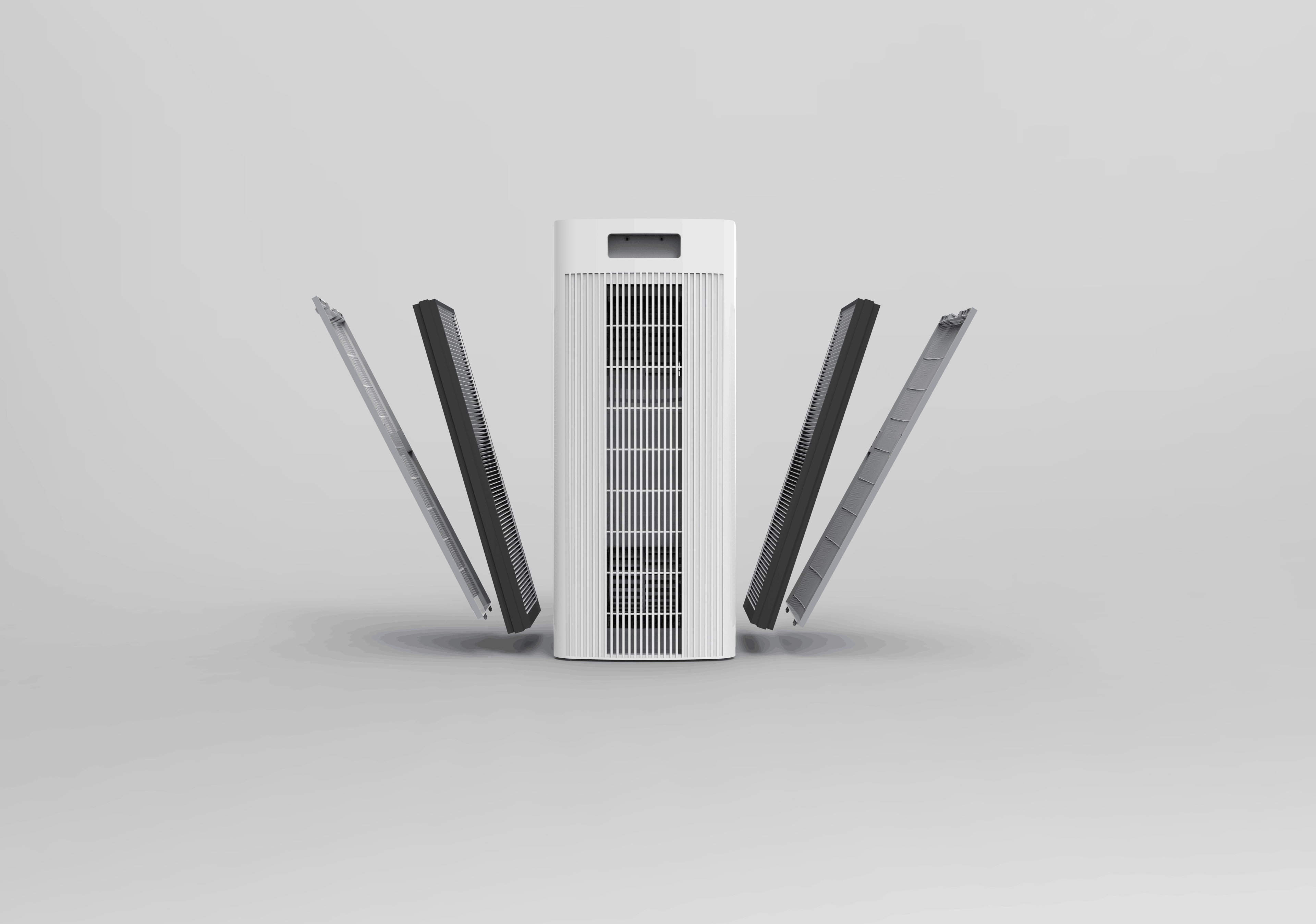
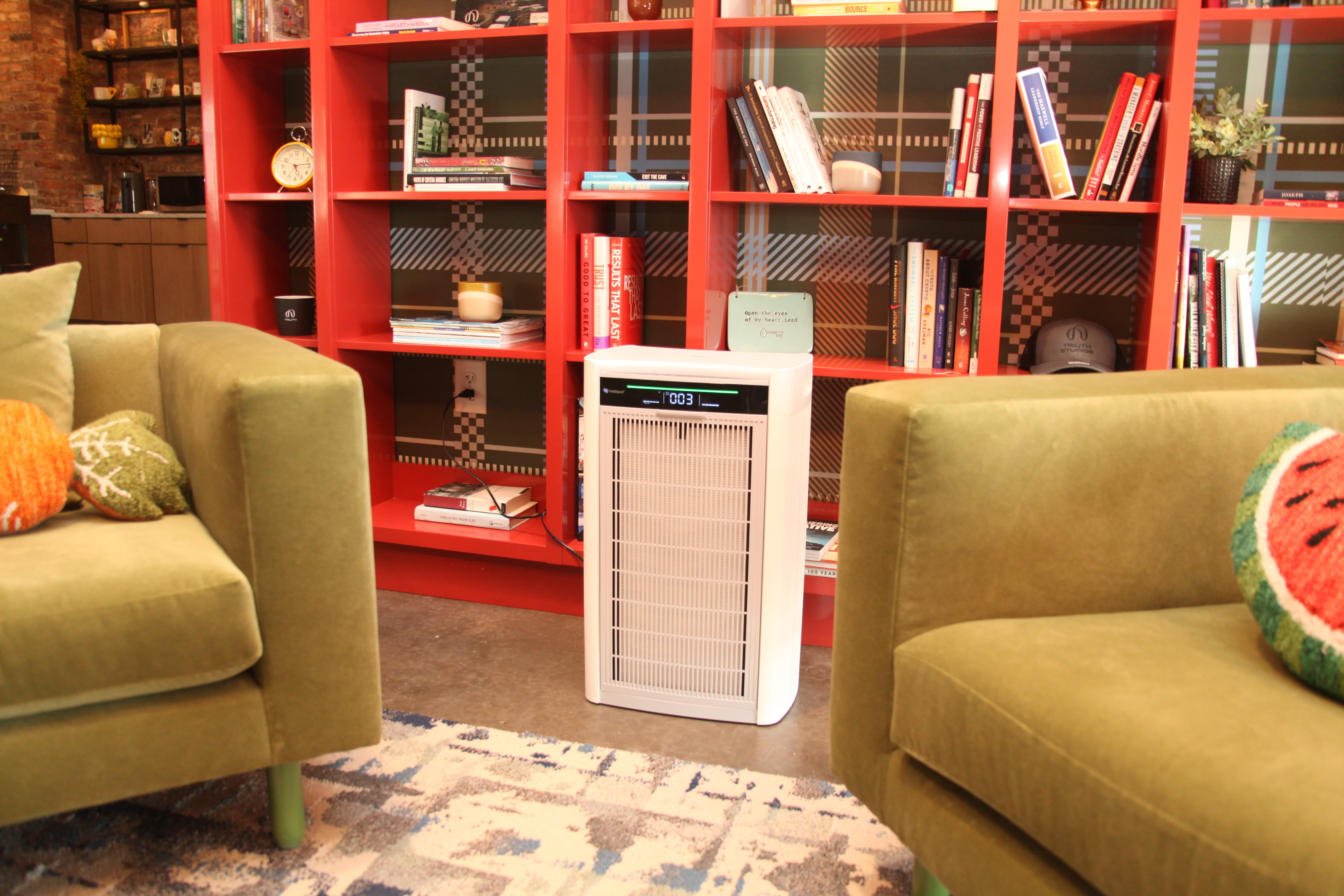
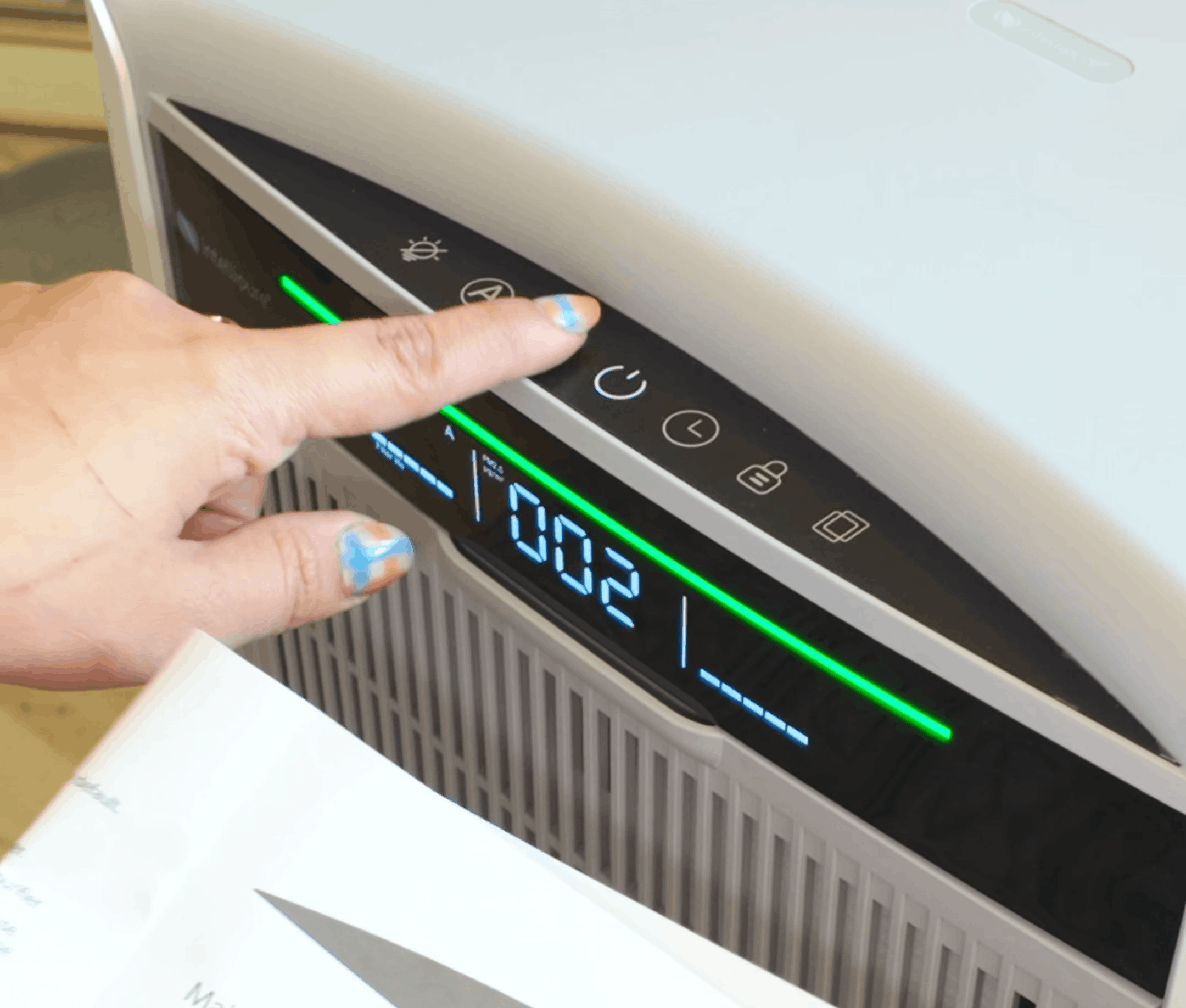
A quick look at your existing filter can tell you whether it's clogged. If it looks dirty, then it is dirty. Intellipure's H1000 takes the guesswork out of knowing when to replace your filters. The indicator light flashes to alert you when you're due for a new set, which should be about every 12 months.
Pollen Will Be Back
Pollen plays an essential role in nature, so fortunately for the birds, bees, and trees, it'll keep coming back year after year. The yellow dust may blanket your porch, your car, and basically your entire life for a few months in the spring, but understanding what it is, when it strikes, and how to limit your exposure can make a huge difference.
A few lifestyle adjustments, like starting to take your allergy meds before "the pollening" begins and keeping an air purifier with clean filters running in your home, can help you keep symptoms under control. As for your car? Just try not to stress about it too much. It'll return to its normal color soon enough.
References
- Centers for Disease Control and Prevention. Allergies [Internet]. 2026. Available from: https://cdc.gov/nchs/fastats/allergies.htm.
- American College of Allergy Asthma and Immunology. Pollen Allergies [Internet]. 2018. Available from: https://acaai.org/allergies/allergic-conditions/pollen-allergies/.
- Asthma and Allergy Foundation of America. Pollen Allergy [Internet]. 2024. Available from: https://aafa.org/allergies/types-of-allergies/pollen-allergy/.
- American Academy of Allergy, Asthma & Immunology. Pollen Defined [Internet]. 2024. Available from: https://www.aaaai.org/tools-for-the-public/allergy,-asthma-immunology-glossary/pollen-defined.
- Asthma and Allergy Foundation of America. Tree Pollen Allergy [Internet]. 2024. Available from: https://aafa.org/allergies/types-of-allergies/pollen-allergy/tree-pollen-allergy/.
- Allergy and Asthma Network. Tree Pollen [Internet]. Available from: https://allergyasthmanetwork.org/allergies/pollen-allergy/what-is-tree-pollen-allergy/.
- Katie Schmidt. Catkins: Spring’s Botanical Wonder [Internet]. Dyck Arboretum of the Plains; 2016. Available from: https://dyckarboretum.org/catkins-springs-botanical-wonder/.
- Cleveland Clinic. Allergic Rhinitis (Hay Fever) [Internet]. 2023. Available from: https://my.clevelandclinic.org/health/diseases/8622-allergic-rhinitis-hay-fever.
- United States Environmental Protection Agency. Guide to Air Cleaners in the Home [Internet]. 2026. Available from: https://www.epa.gov/indoor-air-quality-iaq/guide-air-cleaners-home.







 Expert reviewed & certified


 Verified by CertREV
Aftereffects of Wildfire Smoke Indoors
April Showers Bring… Mold and Mildew?