


What Experts Say Home – Intellipure

The Hidden Reality of Indoor Air

You can’t always see what you’re breathing, but your body can feel it.

Indoor air can carry:

  • Fine particles you don’t notice
  • Irritants that build sensitivity over time
  • Compounds that affect comfort, sleep, and breathing

And because exposure is constant indoors, your body never fully “turns off” from it.

How Air Interacts with Your Body

Air moves through multiple systems in your body, not just your lungs, which is why its effects can show up in different ways. Every breath passes through pathways that influence how you feel, function, and recover throughout the day.

Below, explore how air quality relates to different systems and how medical experts study its impact.

Respiratory System

Respiratory System

Air enters here first, your lungs and upper airway are the body’s first point of contact with every breath, and air quality can influence breathing comfort, airway sensitivity, and respiratory irritation over time. Click the buttons below to explore respiratory expert insights.
Cardiovascular System

Cardiovascular System

What you breathe doesn’t stop at your lungs, it interacts with circulation and overall cardiovascular strain, and research continues to explore how environmental air quality relates to heart and vascular function. Click the button below to explore cardiovascular expert insights.
Neurological & Cognitive Function

Neurological & Cognitive Function

Air quality may influence how clearly you think, focus, and function throughout the day, with even subtle environmental factors contributing to cognitive fatigue and changes in mental clarity. Click the button below to explore neurological expert insights.
Sleep & Recovery Systems

Sleep & Recovery Systems

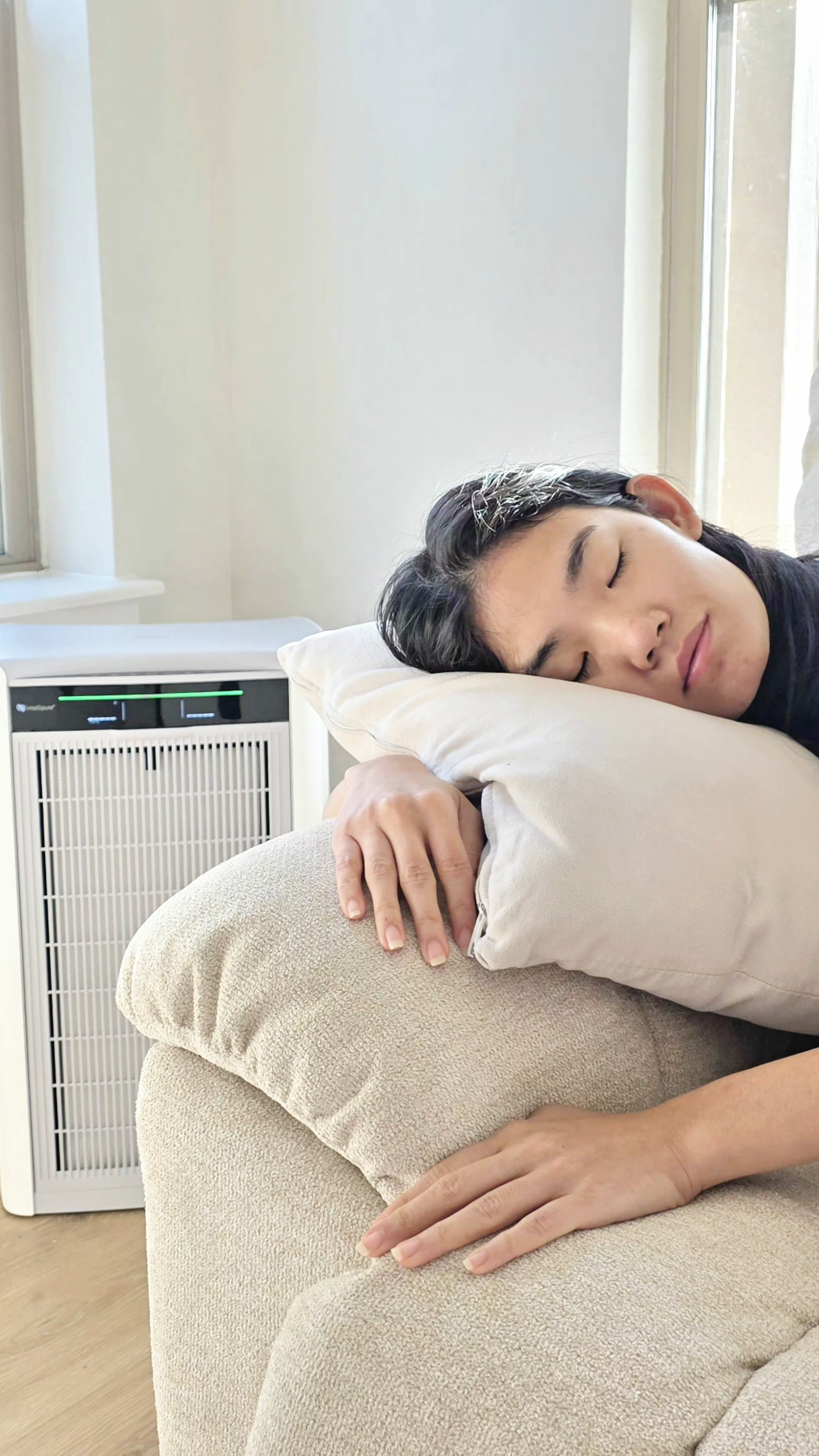
Your sleep environment is where you experience the longest uninterrupted exposure to indoor air, and air quality in the bedroom can influence nighttime comfort and perceived restfulness. Click the button below to explore sleep & recovery expert insights.
Immune System Response

Immune System Response

Your immune system is constantly responding to environmental exposure, including airborne particles and irritants, which over time may contribute to sensitivity or immune response patterns. Click the button below to explore immune system expert insights.
Pediatric Environmental Health

Pediatric Environmental Health

Developing bodies can be more sensitive to environmental conditions and airborne exposure, and air quality plays a role in children’s respiratory comfort and overall environmental health. Click the button below to explore pediatric health expert insights.
Whole-Body / Systemic Wellness

Whole-Body / Systemic Wellness

Air quality doesn’t affect just one system, it contributes to overall daily comfort and wellness by influencing how multiple systems interact under environmental exposure. Click the button below to explore whole-body health expert insights.
Oral Health

Oral Health

Your mouth and upper airway are part of the first line of contact with indoor air, and air quality can influence oral comfort and environmental conditions in the mouth. Click the button below to explore oral health expert insights.
Women's Health & Reproductive Wellness

Women's Health & Reproductive Wellness

Women's health can be influenced by a variety of environmental factors, including the quality of the air we breathe. Researchers continue to study how environmental exposures may relate to reproductive health, pregnancy, and overall wellness throughout different stages of life. Click the button below to explore gynecology expert insights.

Your body doesn’t experience air in isolation, it experiences it as a system

Each of these systems interacts with the air you breathe every day. Understanding these connections is the first step in recognizing how your environment may be influencing how you feel. And because most of that exposure happens indoors, the quality of your indoor air plays an even bigger role.

Why this Matters More Indoors

Most people assume air is “good enough” indoors.

But indoor air:

  • Recirculates continuously
  • Builds up over time
  • Becomes the air you spend the most time breathing

That means even small changes in air quality can have a constant, compounding effect on how you feel day to day.

Understanding how air affects your body is the first step.

The next step is recognizing that you are constantly interacting with the air in your home - and that means your environment plays a direct role in how your body feels every day.

Want better air where it matters most?

Explore solutions designed to improve the air your body depends on daily.

Find the right air purifier for your space