

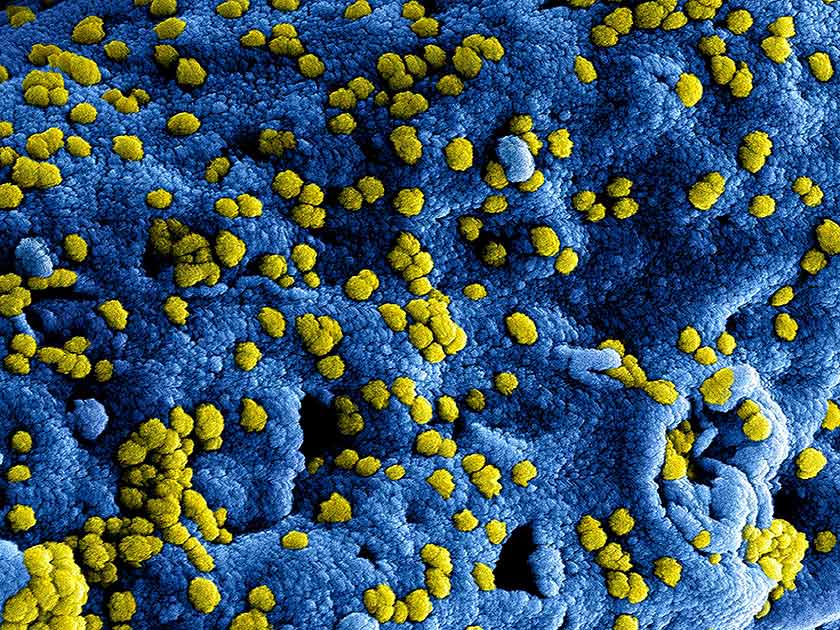
Air purifiers have been around for decades, but their popularity grew during the COVID pandemic. People were looking for more ways to reduce illnesses caused by airborne viruses and bacteria. But are air purifiers effective against airborne diseases? Let’s take a look.
Benefits of Using An Air Purifier
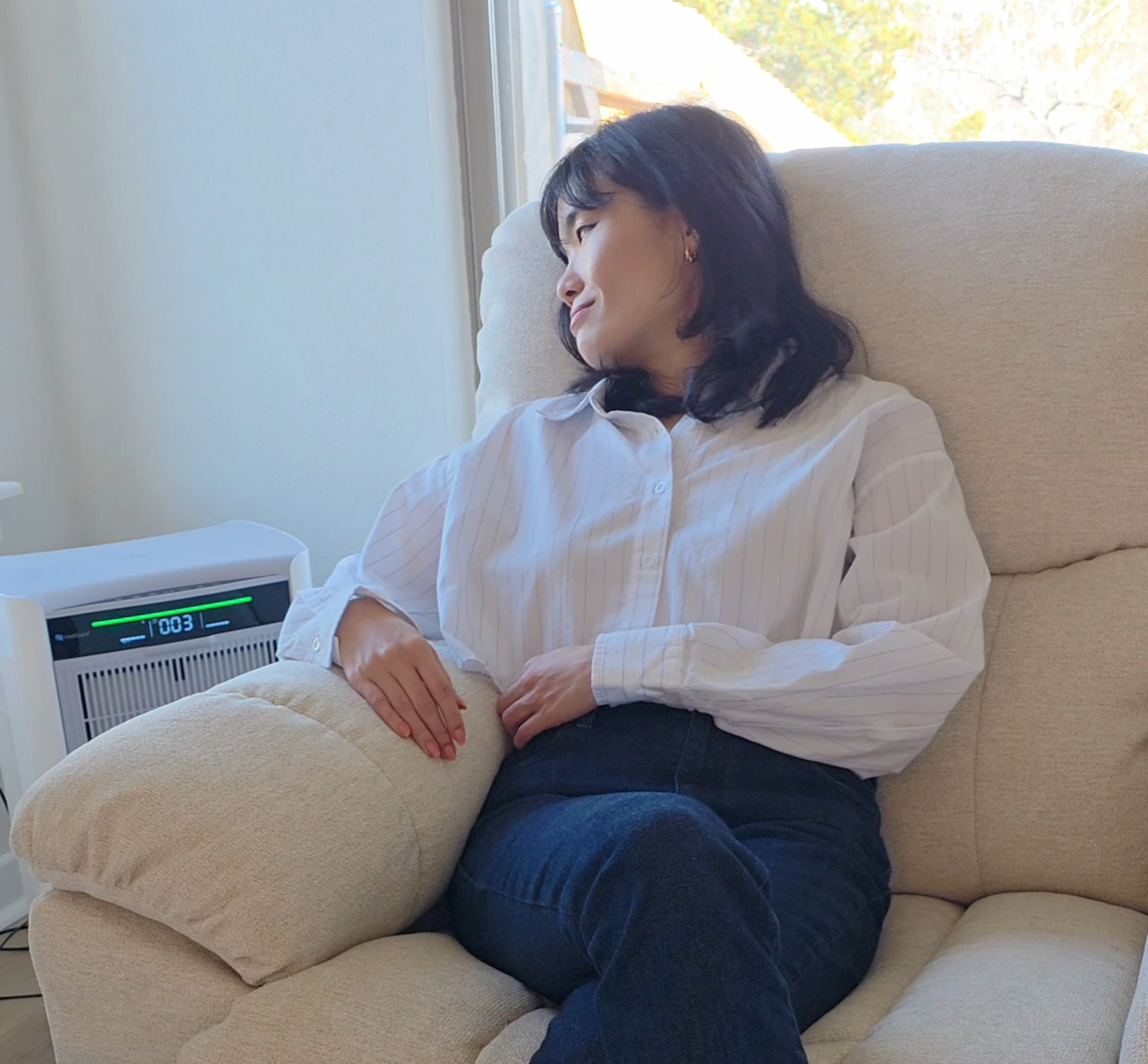
An air purifier is an excellent addition to your healthy home. According to the U.S. Environmental Protection Agency (EPA), an air purifier can help reduce the spread of airborne diseases. There are several benefits to having the cleanest air possible in your home.
Slowing The Spread
A major source of airborne germs is the people inside the building. That’s why cold and flu viruses multiply in winter—everyone is cooped up inside. Our immune system does a great job fighting off illness, but removing illness-causing particulates is a solid defense strategy too. Using an air purifier with a High Efficiency Particulate Air (HEPA) filter captures harmful droplets carrying bacteria and viruses.
Pushing Back Against Allergies
An air purifier can help relieve allergy symptoms throughout the year. Airborne allergens, such as pollen, pet danger, dust mites, and mold spores, can cause headaches, a stuffy nose, itchy throat, and watery eyes. It can even make asthma symptoms worse. Removing allergy causing particles from the air is the best way to avoid the discomfort of your immune system’s reactions.
Young Lungs Need Clean Air
Children’s rooms should be a safe space to play and rest. Keeping airborne germs away should be part of creating a healthy environment. Children’s lungs are still developing, which makes them more sensitive to airborne diseases and pollutants. They also have a higher respiratory rate than adults and take more breaths per minute. Clean air helps prevent nose and throat irritation, leading to better sleep quality, something every parent appreciates.
How Air Purifiers Work To Fight Microorganisms
If a sick person enters a room coughing and sneezing, everyone is now exposed to countless airborne bacteria and viruses. To prevent airborne diseases from spreading, you need to capture or kill (neutralize) the microorganisms that are the root cause. Depending on the model, an air purifier can capture, neutralize, or both.
Physical Capture
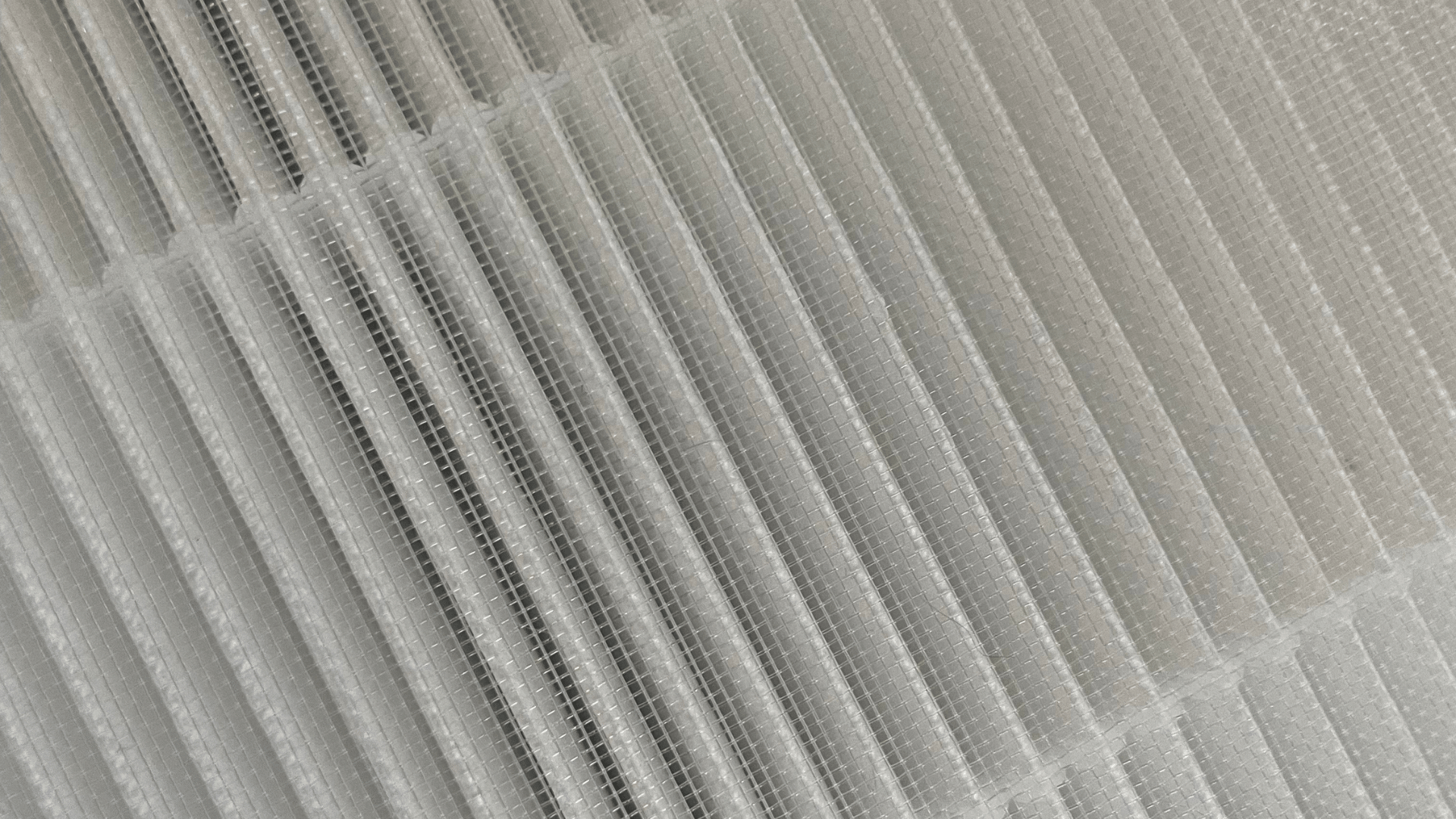
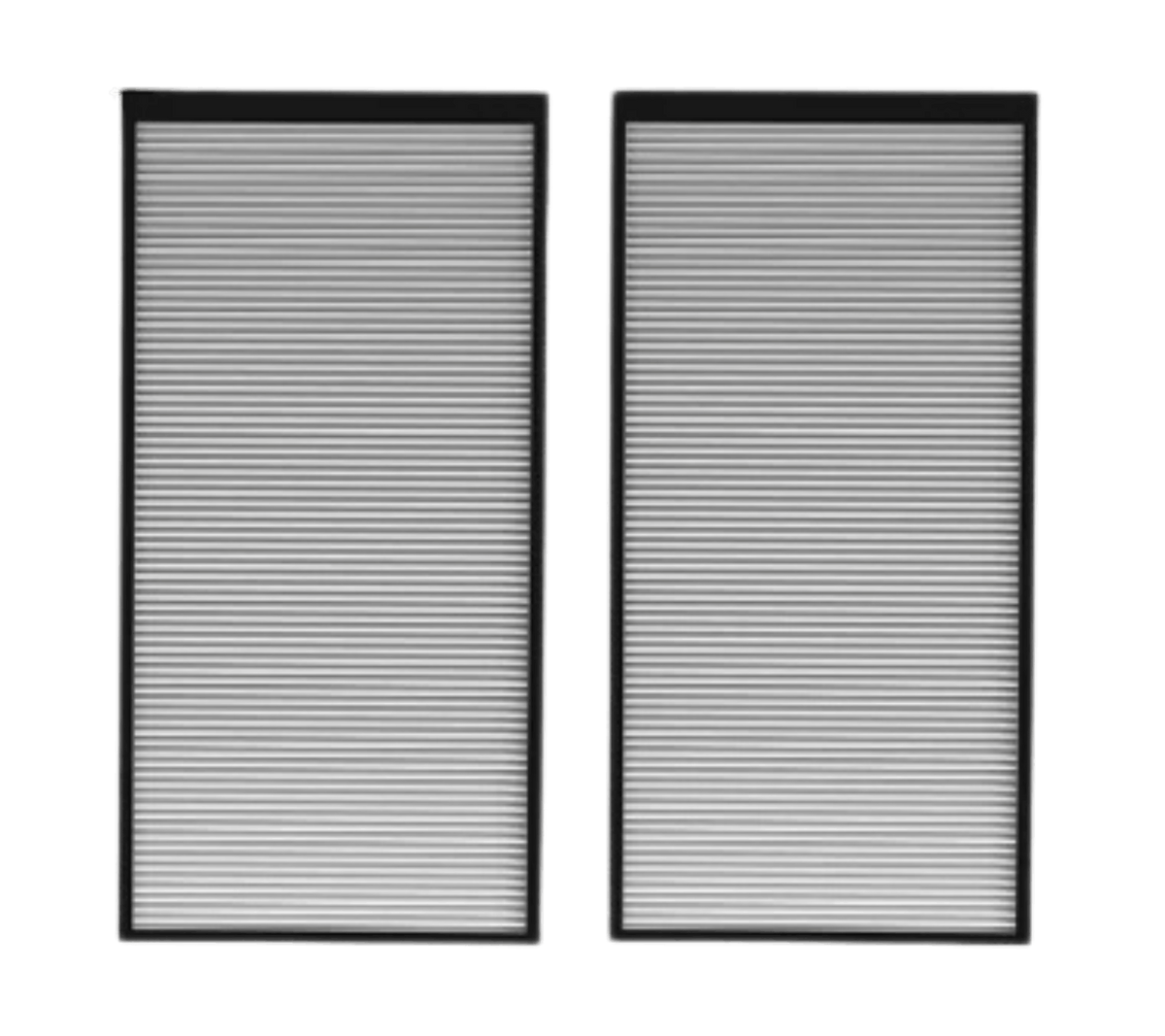
A very fine level of filtration is needed to capture and neutralize airborne viruses and bacteria. The most common type of air filter that can do this is a HEPA filter. Effective bacteria and virus filtration requires 99.97% of particles to be captured at the 0.3 micron level. Virus filtration is more difficult than bacteria filtration because viruses are typically much smaller.
Bacteria and viruses captured by filter media usually die after a few days (but the exact timing varies with humidity levels). Some filter media are treated with a special coating that prevents microorganisms from growing on the filter itself and spreading.
Neutralizing
Ultraviolet light (UV) neutralizes microorganisms by damaging the DNA so it can’t multiply. But for UV light to be effective in germ-killing, it has to shine on the microorganisms long enough to cause damage.
There are strict design, installation, and maintenance standards that must be met for a UV light source. In most cases, a UV bulb is mounted inside an HVAC unit so it can kill microbes on nearby surfaces. Over time, the UV bulb loses its germ-killing effect and must be replaced. UV light does not capture germs, which is why it should be used with a filtration system.
How Air Purifiers Help Clear The Air Effectively
Air cleaning and ventilation are both proven methods for lowering the amount of airborne germs indoors.
Airflow and Ventilation Matter
Dilution is an excellent way to fight against airborne bacterial and viral infections. It is usually done by changing out the air in the room. Having a high number of air changes per hour (ACH) speeds up the removal of infectious germs. The CDC recommends at least five air changes per hour for an average workplace to reduce infectious particles in the air. Hospitals may have up to 12 air changes per hour for high-risk areas.
Some building ventilation systems can switch between recirculating indoor air and bringing in fresh outside air. Unfortunately, there are times when outdoor air quality is worse than indoor air quality, which is when an air purifier is necessary. Since the goal is to remove airborne germs to reduce disease spread, cleaning the indoor air is an acceptable substitute for outdoor air ventilation. Using an air purifier to supplement the number of air changes per hour is known as the equivalent air changes per hour (eACH). Air purifiers can be used alongside or as a replacement for outside air to get the desired number of air changes.
Seasonal Air Purifier Benefits
During the peak of cold and flu season in winter when everyone is indoors, opening the windows lets in fresh air, but at the cost of losing heated air. Air purifiers clean the existing air, saving on heating energy bills.
Air Purifier Types
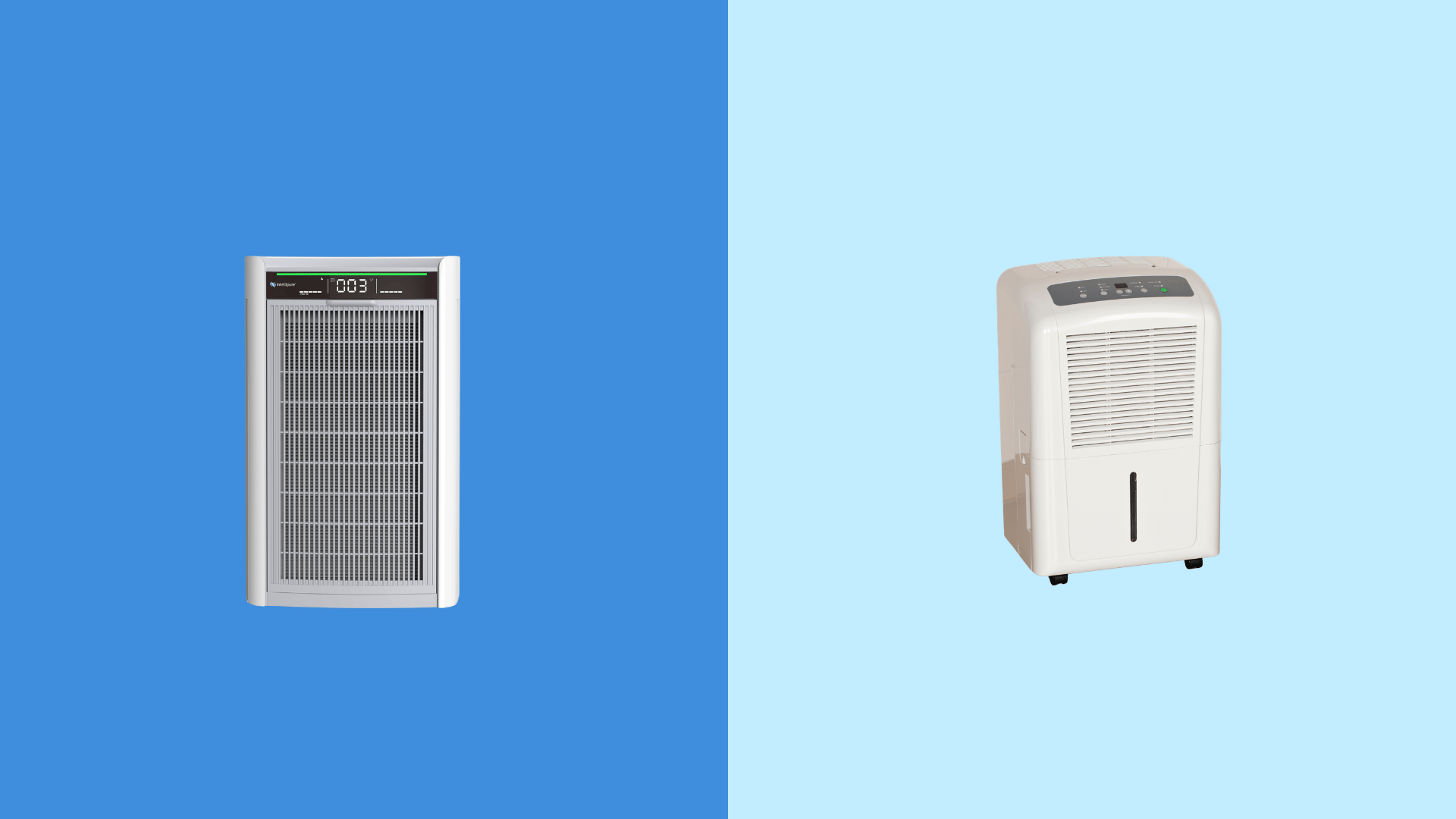
There are several different kinds of air purification on the market that can reduce airborne germs. Here are the most common types.
Mechanical Filter Air Purifier
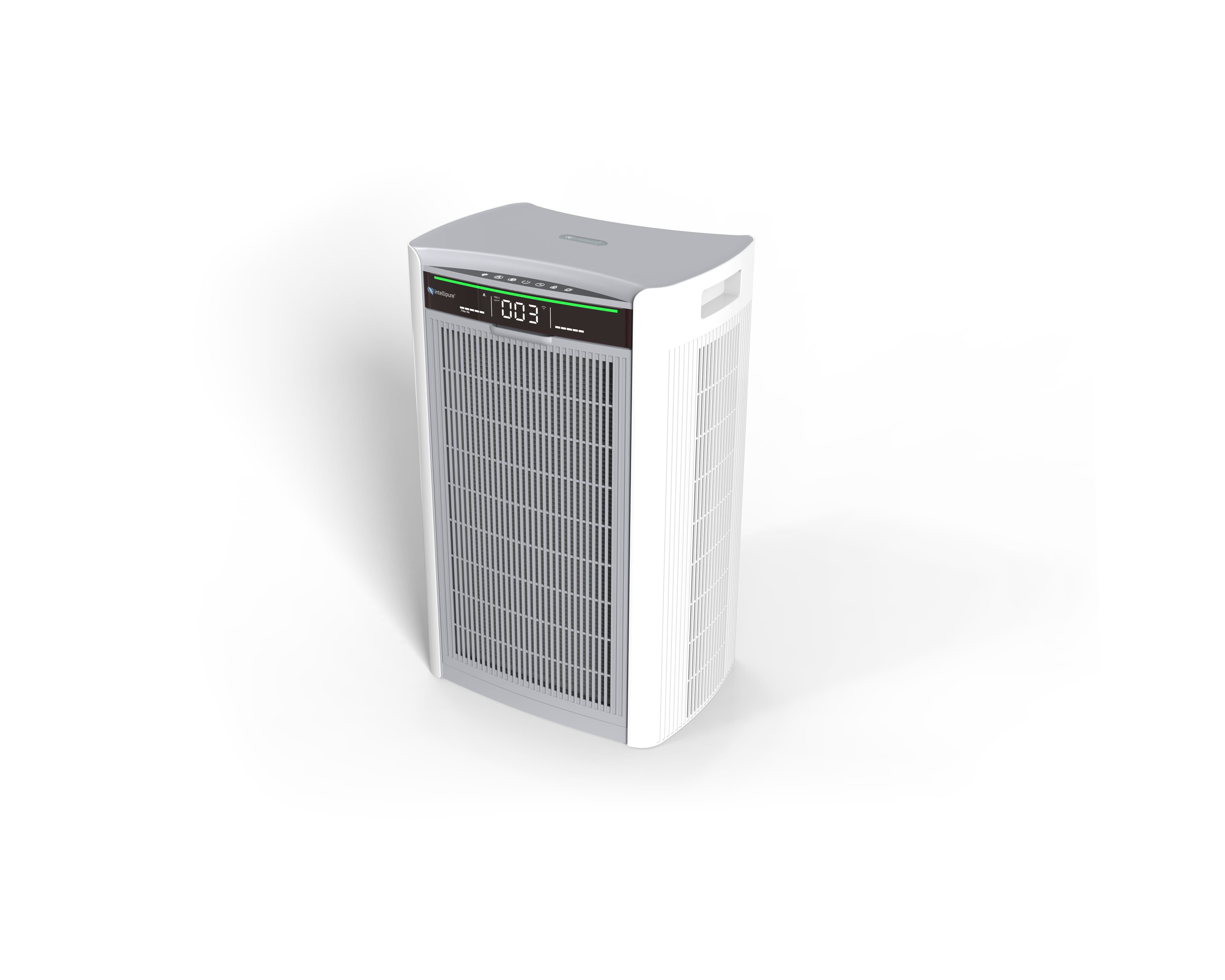
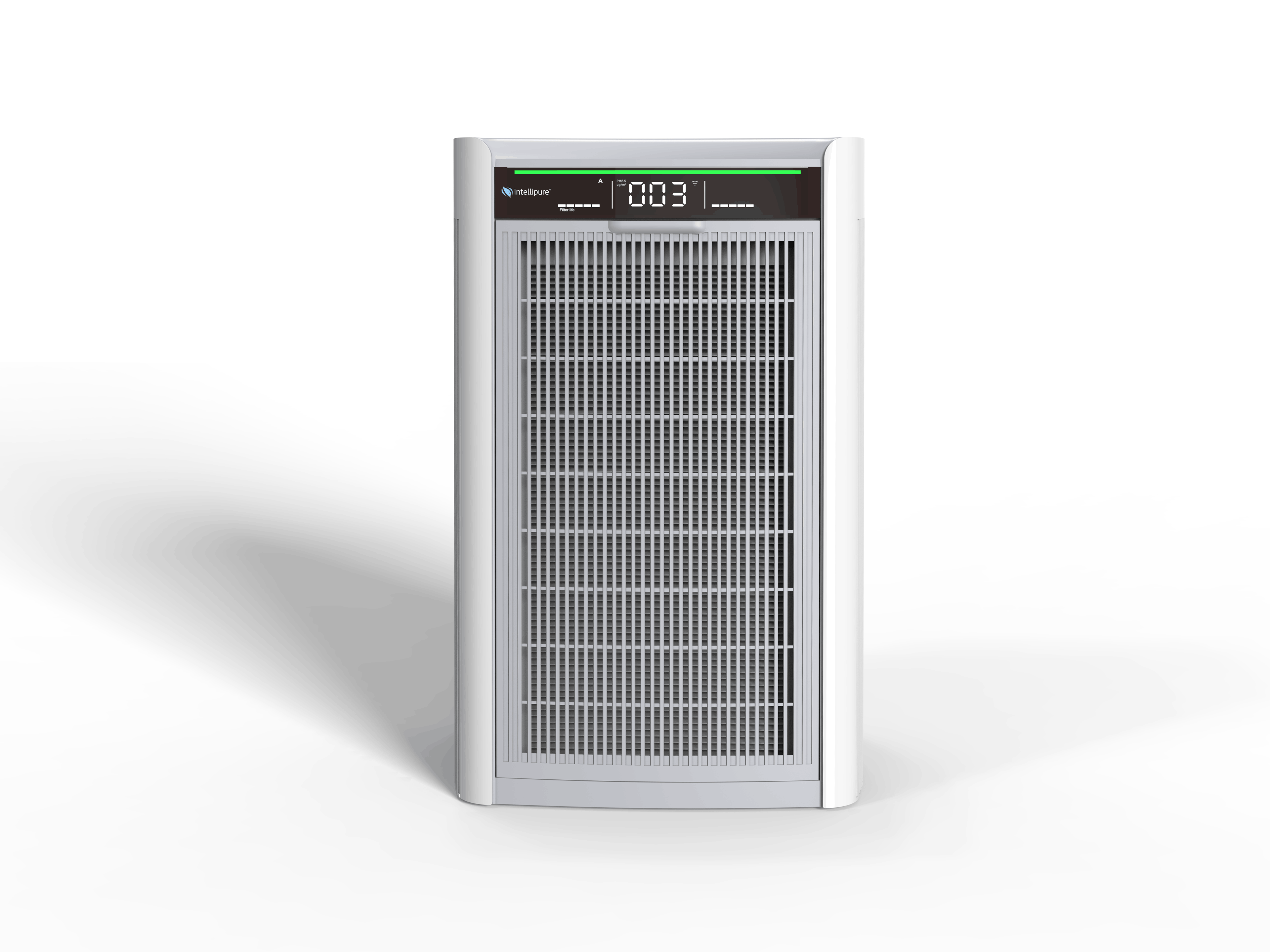
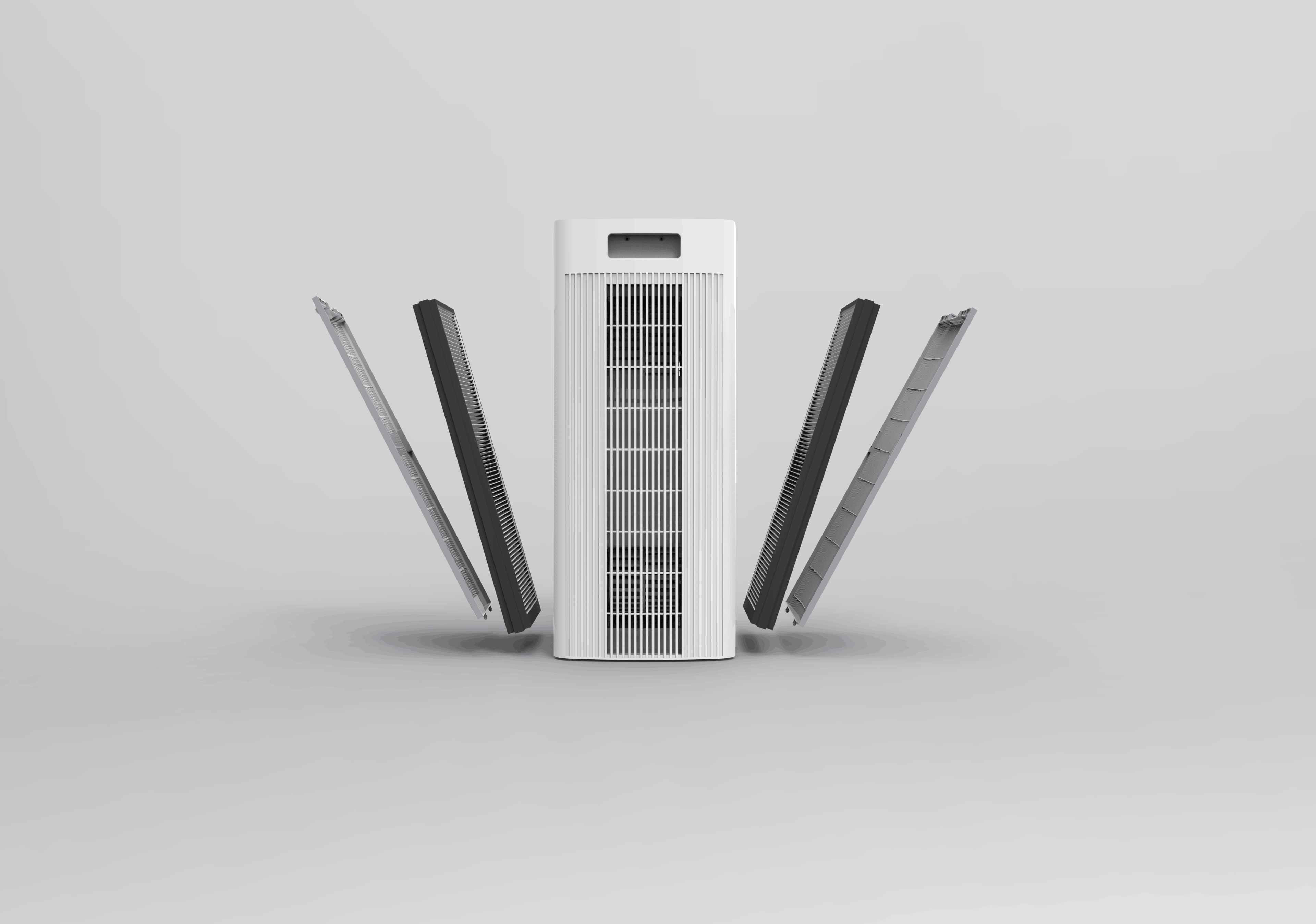
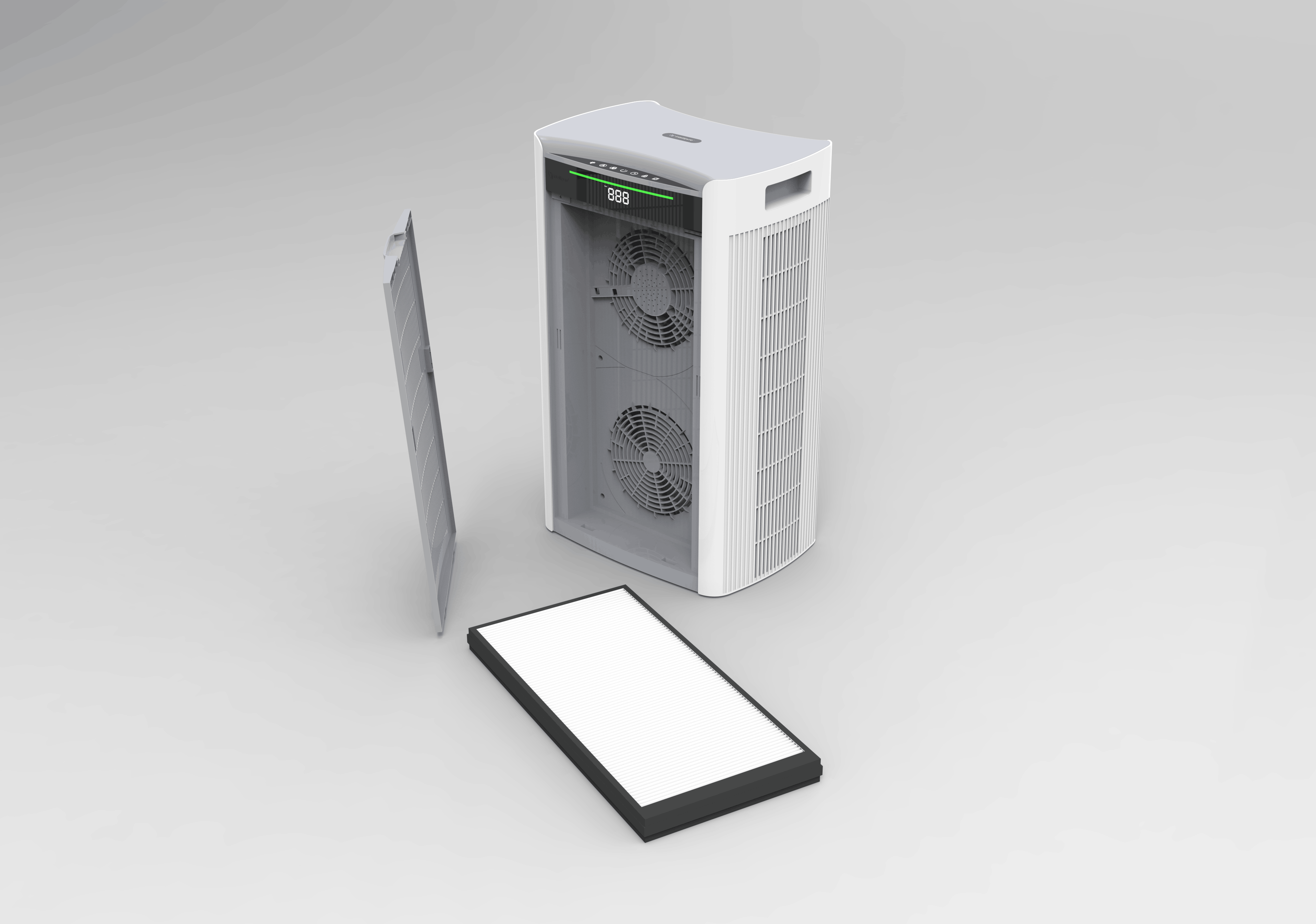
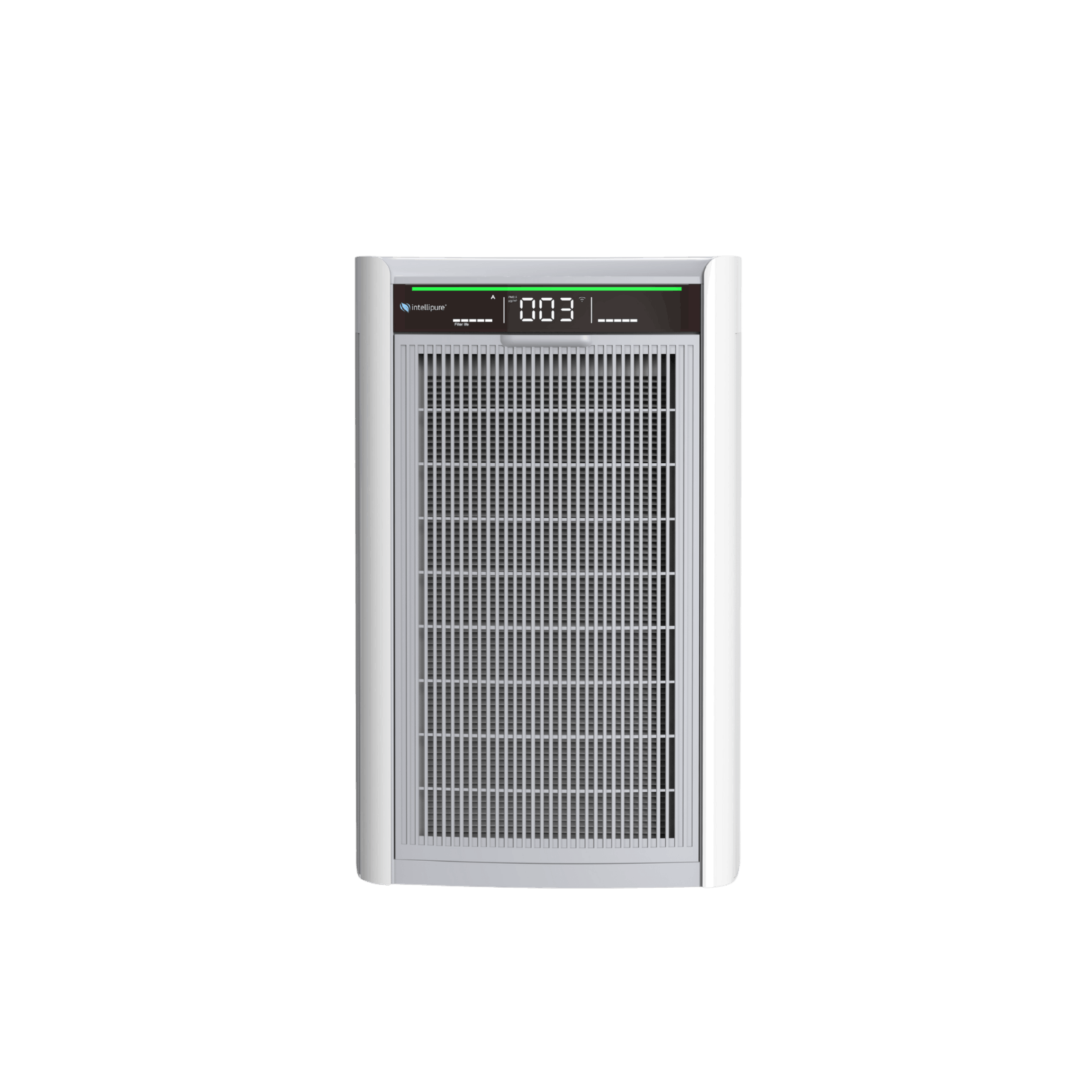
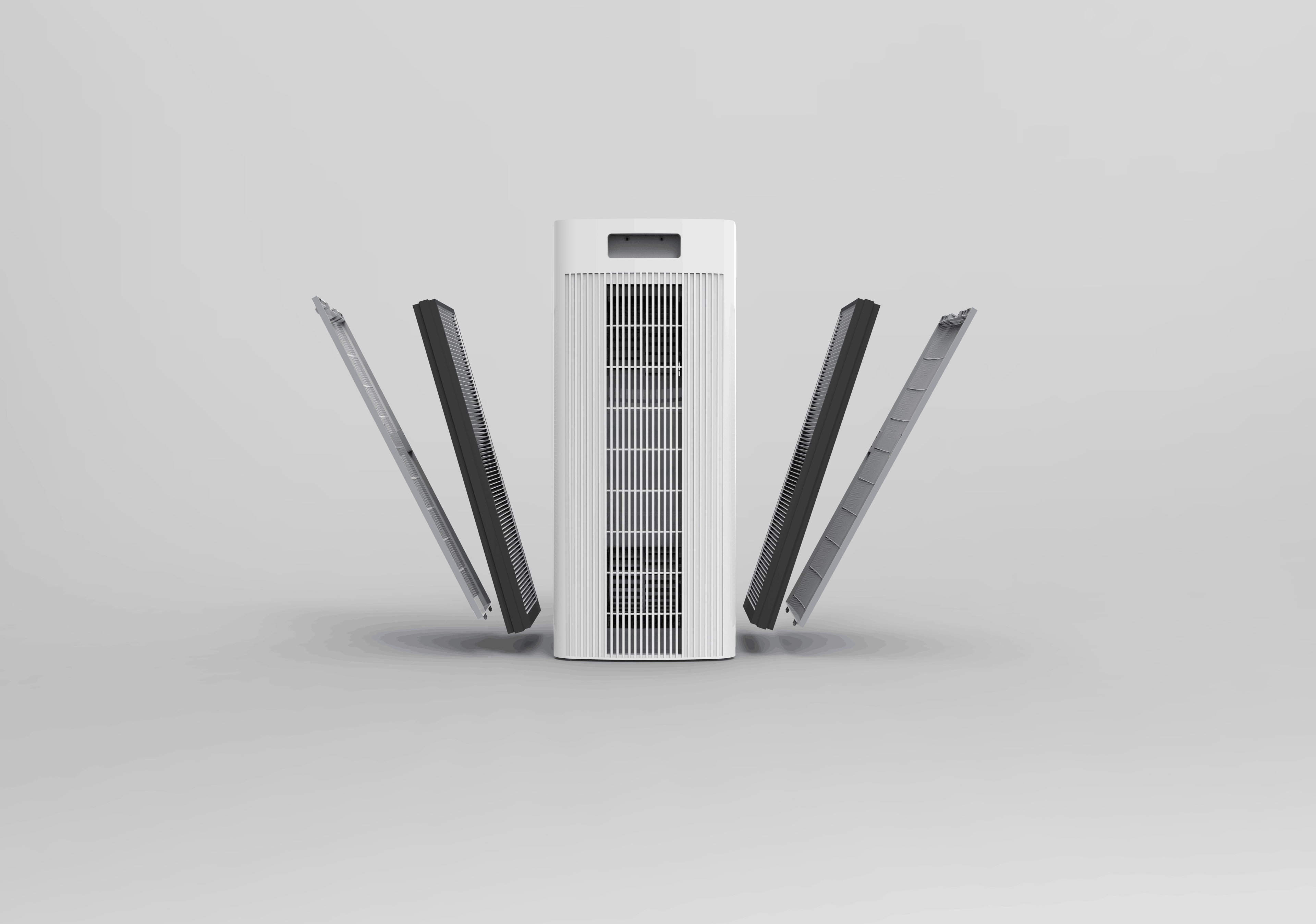
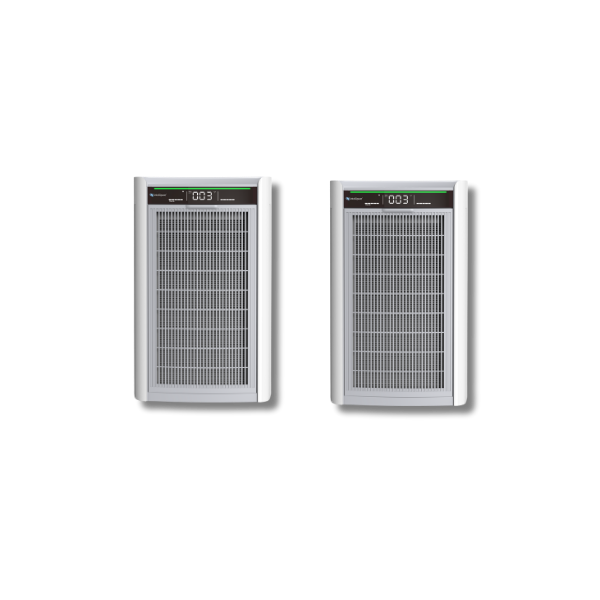
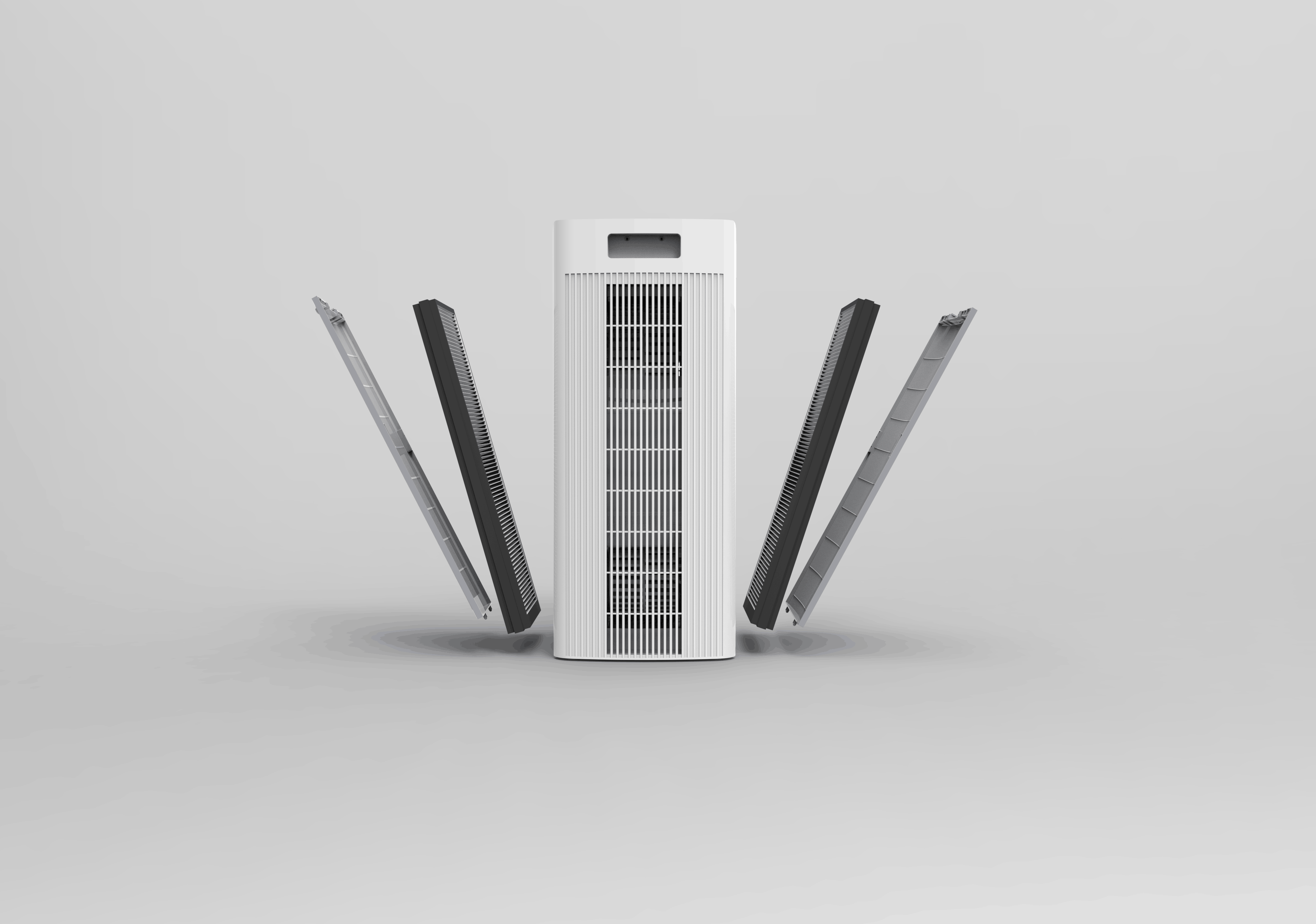
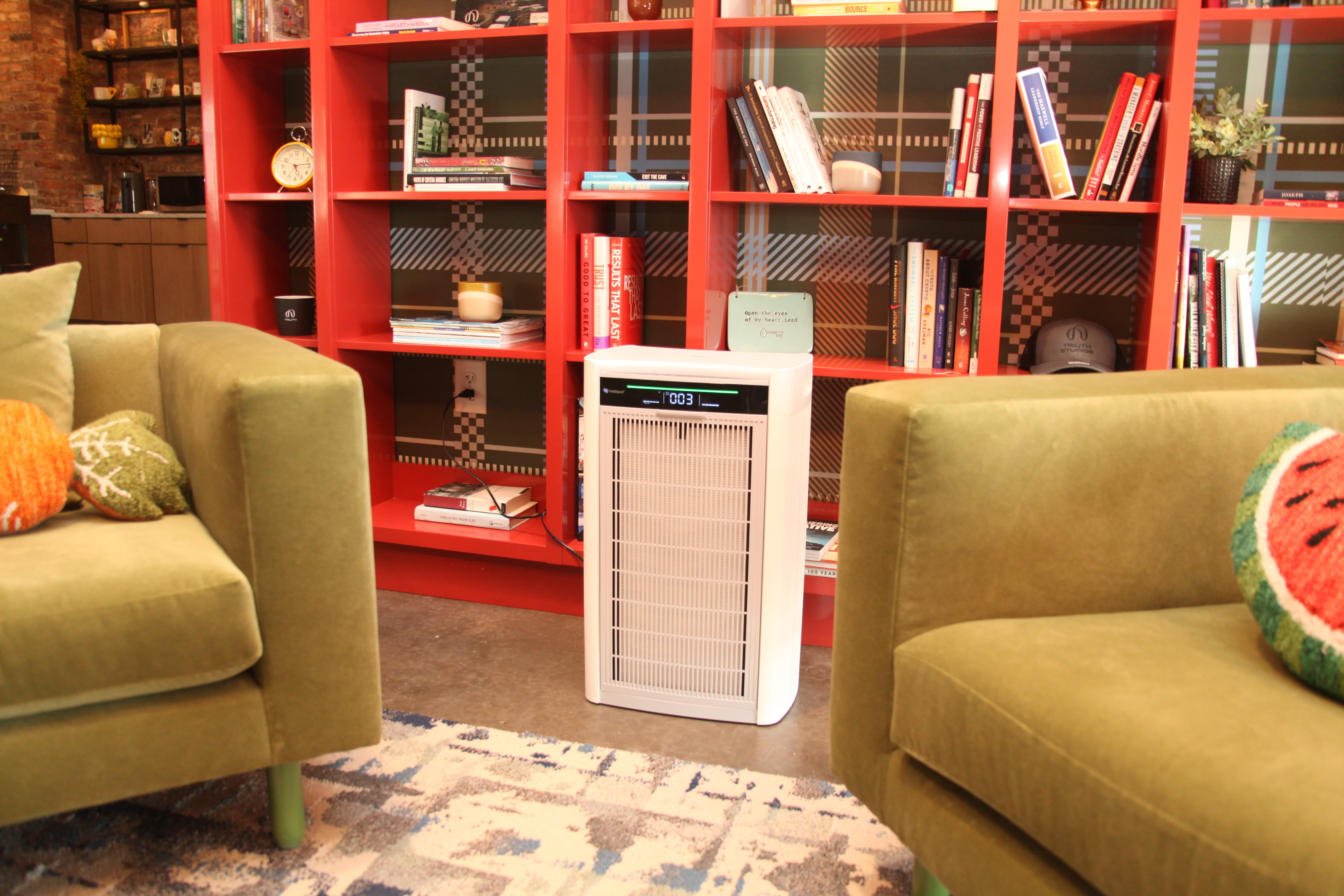
This is the typical air purifier most people think of with a HEPA filter. Air is drawn in through an intake where it passes through the air filter itself. The Intellipure H1000 filters out allergens, mold, and pet dander through it's dual intake filters. The clean air is then passed back into the room. The amount of air a purifier can clean is called the Clean Air Delivery Rate (CADR). The higher the CADR, the more air it can clean and the more likely it can help keep you well during cold and flu season.
Ultraviolet Light Air Purifier
UV air purifiers do not physically filter the air Instead they neutralize microorganisms that are in it. A special light source (either a lamp or LED) creates UV light. The most common light sources are in the 200-280 nm range, which was found to be the most effective at deactivating microorganisms. UV light can be used to disinfect a whole room or just part of an HVAC system. UV light is used to prevent bacterial and viral infections in hospitals and water treatment plants.
Some mechanical air purifiers include a UV light to compliment the physical air filter. Care must be taken around UV light sources because UV exposure can cause eye and skin damage. Some UV light sources create ozone, which is an air pollutant. The UV light source also needs to be replaced regularly since it becomes less effective over time.
Ionizing Air Purifier
This type of air purifier uses a high-voltage ion generator (ionizer) to create negative ions. The negative ions are dispersed into the room where they pass the negative charge onto particles in the air. The negatively charged particles are attracted to surfaces (walls, floor, curtains), which removes them from the air. If these particles carry microorganisms, they will no longer be floating around the room. Particles that have settled out of the air may be disturbed later and end up airborne again. Unfortunately, the ion generator can also create ozone as a byproduct.
Considerations When Choosing An Air Purifier
For a portable air cleaner to be effective in removing viruses from the air, the EPA recommends the following:
- The air purifier must be properly sized for the space
- A high Clean Air Delivery Rate
- Meets or exceeds the HEPA filtration standard
Let’s break down what each of these requirements means.
Matching An Air Purifier To The Room Size
It’s important to consider the room size when choosing an air purifier. Start by measuring to find out its square footage and cubic footage. Some air purifiers list the square footage they can clean, but the true measurement is the Clean Air Delivery Rate. CADR is measured in how many cubic feet of air an air purifier can clean per minute. It is a third-party performance verification of the efficiency of a product. Using an air purifier that is too small for a room means it might not keep up with new pollutants as they enter the air space.
Sufficient Clean Air Delivery Rate
It is important to choose an air purifier that can filter the air in the whole room. That is why knowing the room size and CADR matters. Most children’s rooms measure 132 square feet (1,056 cubic feet), so you need a minimum CADR of 70.4 CFM to reach four air changes per hour.
Filtration Capability
To capture the extremely small particles that harbor bacteria and viruses, an air purifier must have a filter that meets or exceeds the HEPA standard—99.9% capture of particles 0.3 microns in diameter. Make sure that any air purifier you are considering has supporting third-party testing results for air cleaning performance verification. While not required, having an activated charcoal filter can help reduce noxious odors and fumes (even though it does not help reduce virus or bacteria numbers).
Also think about ease of maintenance. If an air purifier is difficult to service, it may not be maintained regularly. Ideally, an air purifier’s filters can be replaced with either no tools or simple hand tools.
Final Thoughts
An air purifier is just one part of making your home a health sanctuary and keeping viruses and bacteria at bay. Make sure to wash your hands, cover your mouth/nose when coughing/sneezing, eat a healthy diet, and get plenty of rest to keep your body happy and healthy.


Do Air Purifiers Work? Your Questions Answered
Air Purifier Asthma Benefits and Tips