

Summary
Ionizer air purifiers use charged ions to make particles settle out of the air, but they don't truly remove pollutants and may generate ozone as a byproduct. Here's what the science says about ionizer safety, effectiveness, and why HEPA-based filtration is a more reliable choice for cleaner indoor air.
In This Article
What Is an Ionizer Air Purifier?
If you're shopping for a home air purifier, you've probably come across ionizer air purifiers. They've been on the market for decades and remain one of the more debated options in the air purification space. So what exactly are they, and how do they stack up?
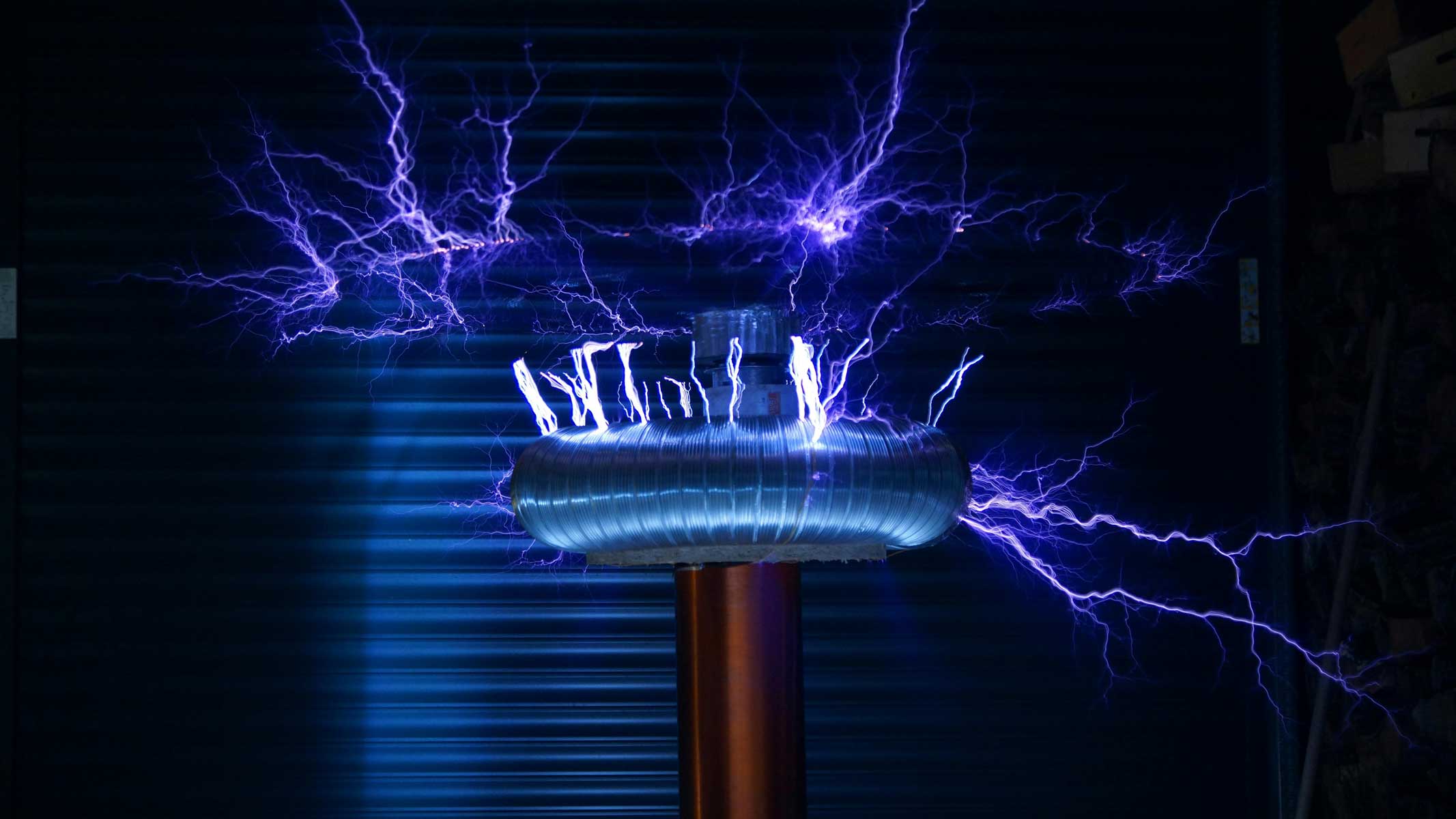
An ionizer air purifier works by charging the particles in a room so that they are attracted to walls, floors, tabletops, draperies, and other nearby surfaces [1]. According to the EPA, ion generators disperse charged ions into the air; these ions attach to airborne particles, giving them a charge [1]. Some models produce positively charged ions, but negative ion generators are the most common.
Here's the catch: unlike a mechanical filter, which physically traps and retains particles, an ionizer simply causes particles to deposit onto surfaces around the room. The EPA notes that abrasion can cause these deposited particles to become resuspended in the air [1]. A pet running by, a gust from an open window, or simply walking across a room can send those particles right back into the air you breathe.
What Can (and Can't) an Ionizer Do?
The main function of an ionizer air purifier is to charge airborne particles so they settle onto surfaces. That means ionizers primarily affect particle pollution. According to the EPA, ion generators do not remove gases or odors and may be relatively ineffective in removing large particles such as pollen and house dust allergens [1]. So while soot particles from smoke may settle, combustion gases like carbon monoxide or formaldehyde will remain untouched.
There's also a meaningful gap between laboratory results and real-world performance. Controlled lab tests may show efficient airborne particle reduction, but a 2024 peer-reviewed study found that bipolar ionization did not significantly reduce airborne bacteria in a real-world lecture hall setting, despite laboratory demonstrations of effectiveness [2]. The researchers noted that studies conducted in small, sealed chambers tend to overestimate performance compared to actual indoor environments.
When it comes to allergens like pet dander, dust mites, mold spores, and pollen, ionizers can cause these particles to settle out of the breathing zone, but they don't remove them from your home. One laboratory study found that a commercial ionizer could kill dust mites on exposed surfaces, but effectiveness dropped significantly for dust mites living inside mattresses and furniture, where ion penetration was limited [3]. And once settled particles lose their charge, any disturbance can send them airborne again.
For microbes, there is some laboratory evidence that air ions can reduce bacterial viability. A 2021 study found that after 12 hours of ion exposure under controlled conditions, S. aureus viability was reduced by approximately 95%, though E. coli showed a lower reduction of roughly 60 to 70% [4]. However, the same 2024 field study mentioned above found no significant reduction in culturable bacteria from ionization in a real-world setting [2], highlighting the gap between lab and home performance.
The Ozone Problem
This is where things get serious. Many ionizer air purifiers generate ozone (O3) as a byproduct of their operation. The EPA notes that ozone is produced indirectly by ion generators and some other electronic air cleaners [1]. The amount varies by device, but nearly all ionizers produce at least trace amounts.
While ozone in the upper atmosphere helps protect us from ultraviolet radiation, at ground level it is classified as a harmful air pollutant [5]. According to the EPA, short-term ozone exposure can cause coughing, throat irritation, chest pain, and shortness of breath, and can inflame airways [5]. Ozone exposure can also trigger asthma attacks and aggravate chronic respiratory conditions like bronchitis and emphysema [5]. Research has shown that long-term ozone exposure is associated with increased respiratory morbidity and a greater decline in lung function [6].
The EPA states clearly that no federal agency has approved ozone-generating devices for use in occupied spaces [7]. While there is no federal ozone limit specific to air purifiers, the state of California has taken action: under Assembly Bill 2276, the California Air Resources Board (CARB) requires all indoor air cleaners sold in the state to emit no more than 0.050 parts per million of ozone [8].
Children, older adults, people with asthma, and those with other chronic respiratory conditions are at heightened risk from ozone exposure [5]. If you begin to cough, feel tightness in the chest, or have difficulty breathing near an ionizer, leave the room.
Should You Sleep With an Ionizer On?
While near-silent operation is one positive trait of ionizer air purifiers, using one in a bedroom overnight is not recommended. Ozone produced by an ionizer can build up in an enclosed space while you sleep, potentially causing respiratory irritation that affects both sleep quality and long-term health [7]. This is especially concerning for children, older adults, and anyone with respiratory sensitivities [5].
There's also the issue of settled particles collecting on bedroom surfaces, ready to become airborne again at the slightest disturbance. For nighttime air cleaning, a HEPA-equipped air purifier captures and retains airborne contaminants rather than simply relocating them.
How Ionizers Compare to HEPA Filters
The differences between these two technologies are significant.
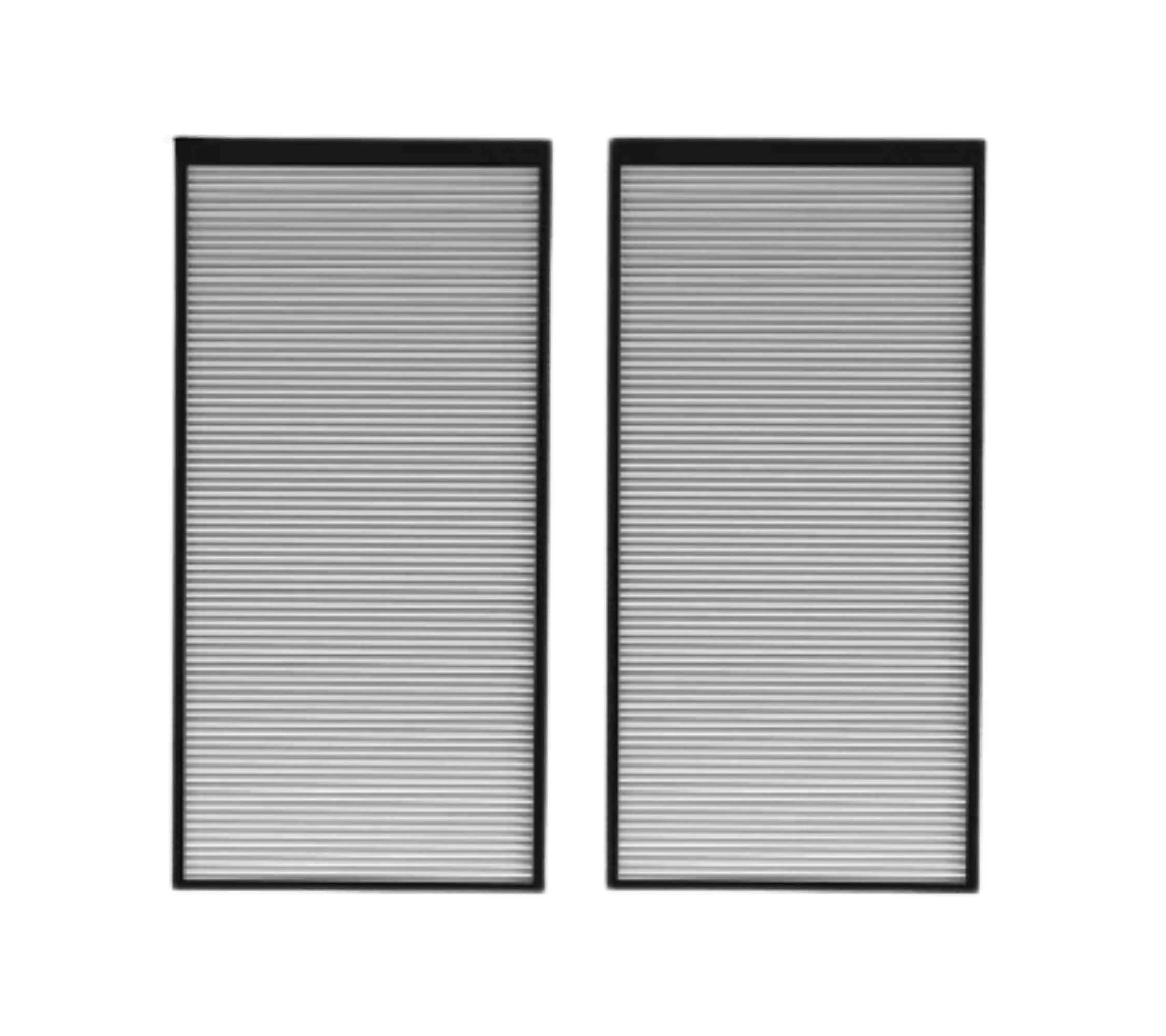
A HEPA (high-efficiency particulate air) filter physically captures particles in its filter media. To meet the standard, a HEPA filter must remove at least 99.97% of particles 0.3 microns in diameter [9]. That 0.3-micron threshold represents the most penetrating particle size; particles both larger and smaller are captured with even greater efficiency.
An ionizer, by contrast, has no capture rate of its own. It relies on charged particles sticking to surrounding surfaces around the room [1]. Ionizers use very little energy since they have no moving parts, while portable HEPA purifiers use a motorized fan to draw air through the filter. However, the trade-off in actual air cleaning performance is substantial.
HEPA filters do have a limitation: they don't address gases, chemicals, or odors. That's where activated carbon comes in. According to the EPA, choosing a portable air cleaner with an activated carbon filter can help remove gaseous pollutants, and a purifier with both a high clean air delivery rate and an activated carbon filter can address both particles and gases [10].
What to Look for Instead
If you've decided an ionizer isn't the right fit, here's the good news: proven alternatives exist.
HEPA filtration has decades of well-understood science behind it. The technology is straightforward: a sealed filter chamber and a fan that draws air through it. When filters are replaced on schedule, maintenance is minimal and performance stays consistent.
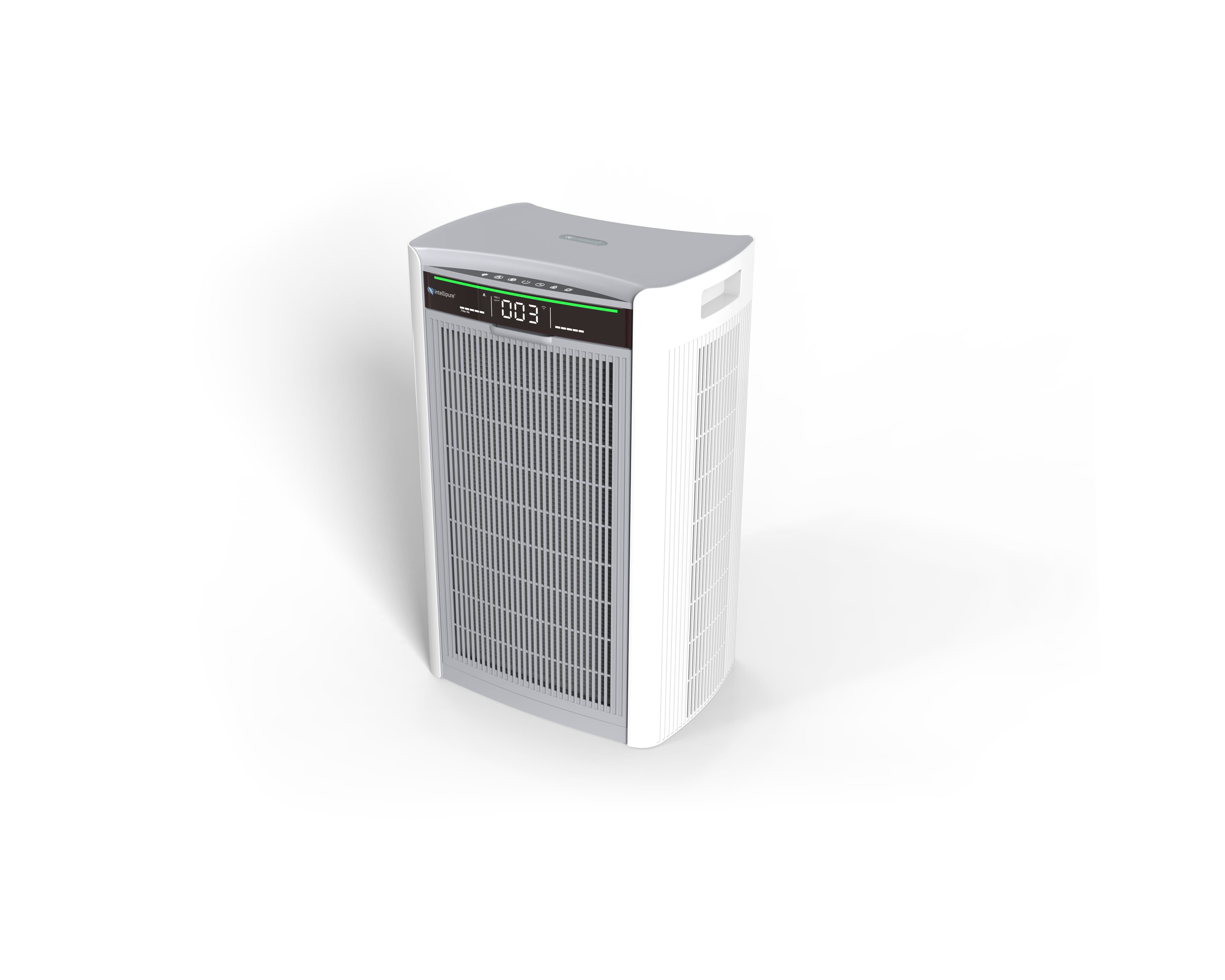
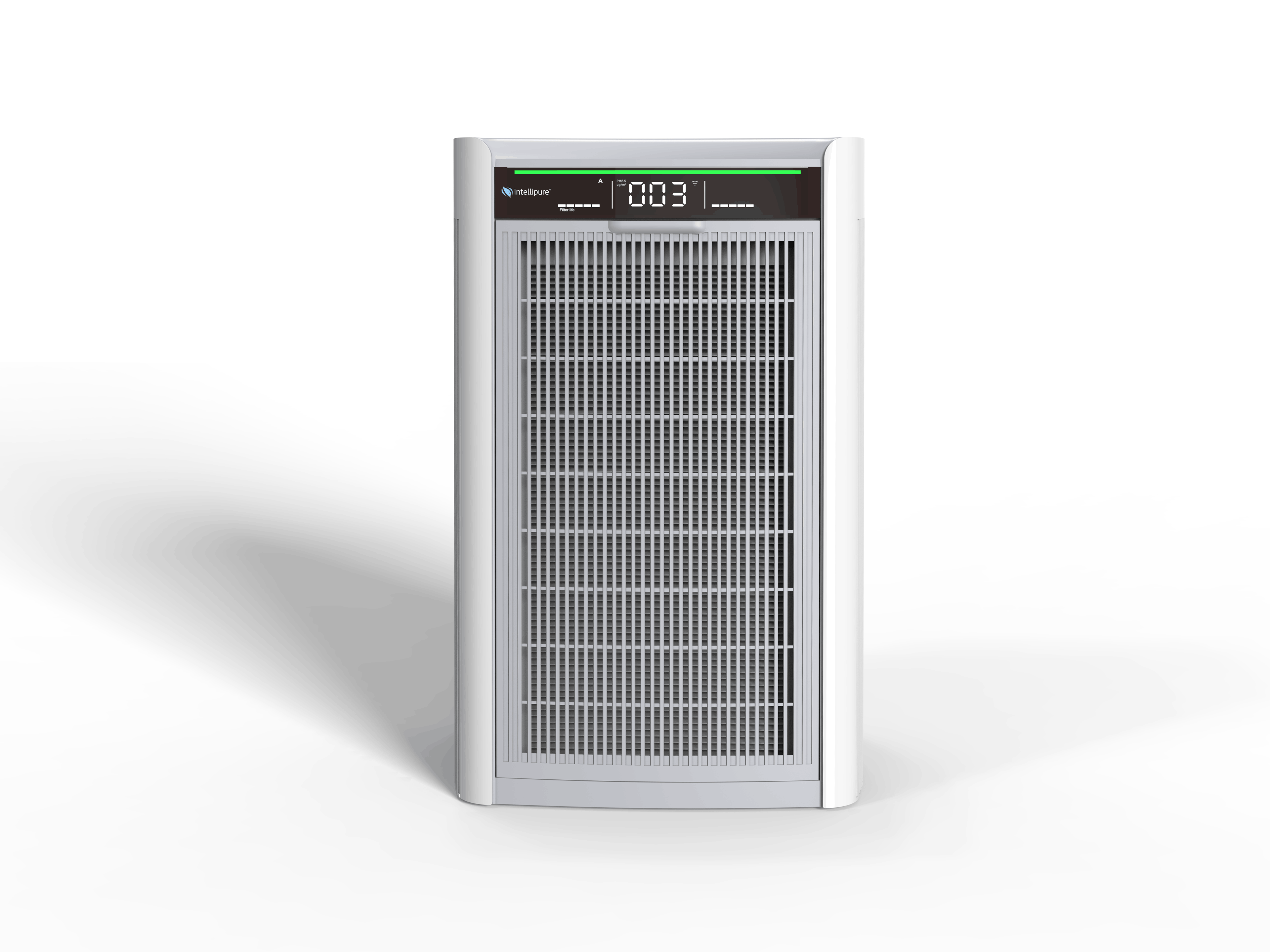
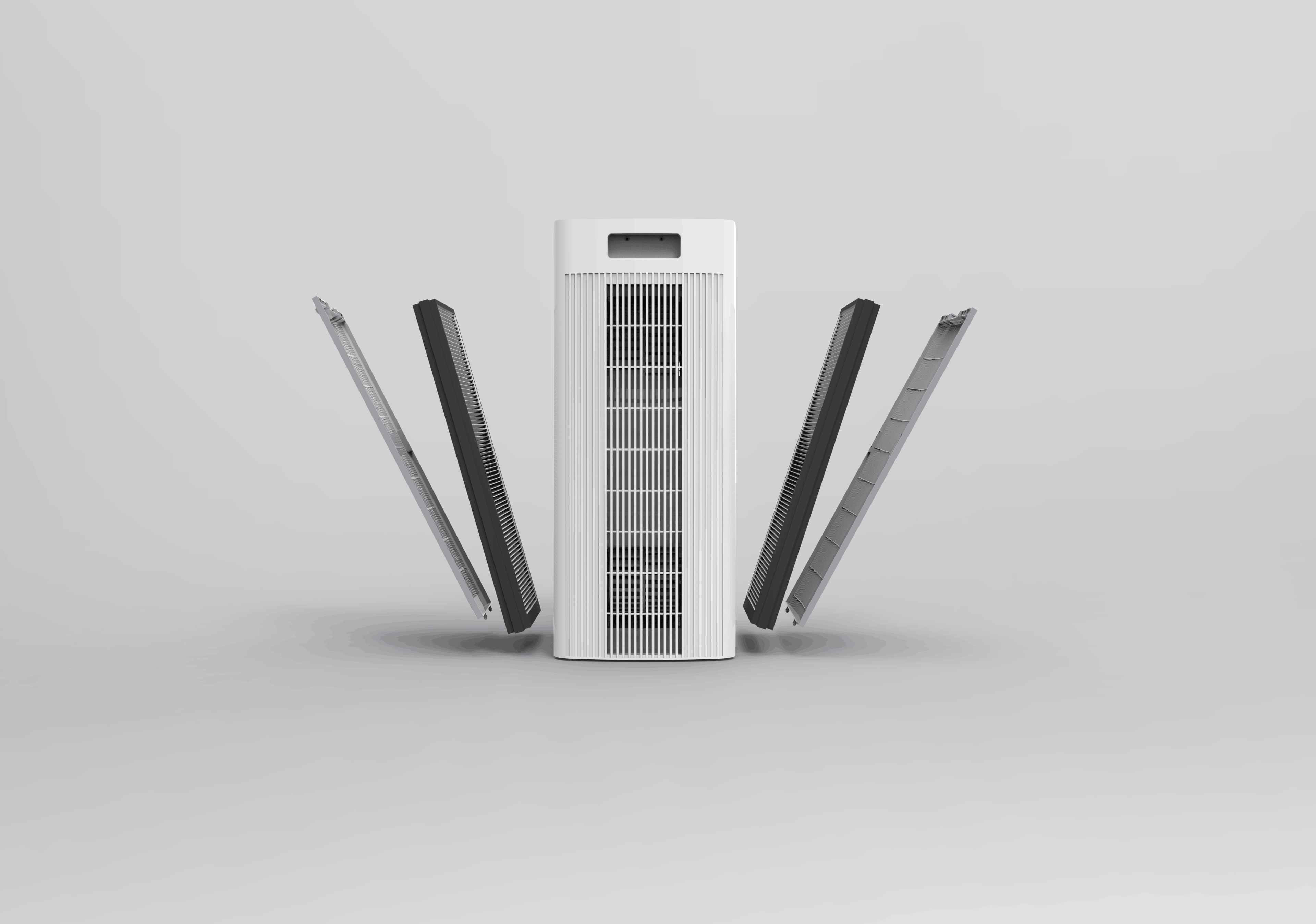
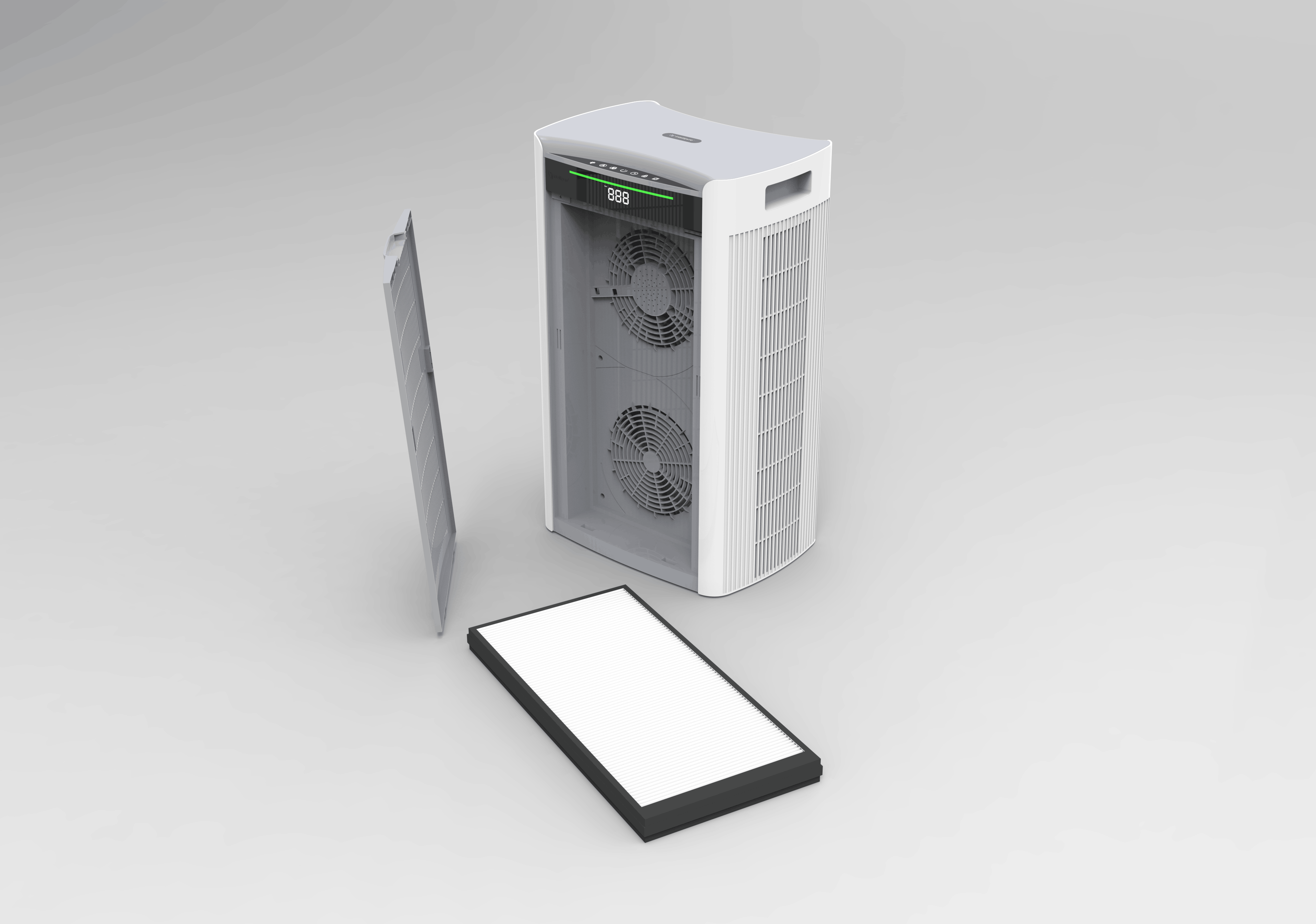
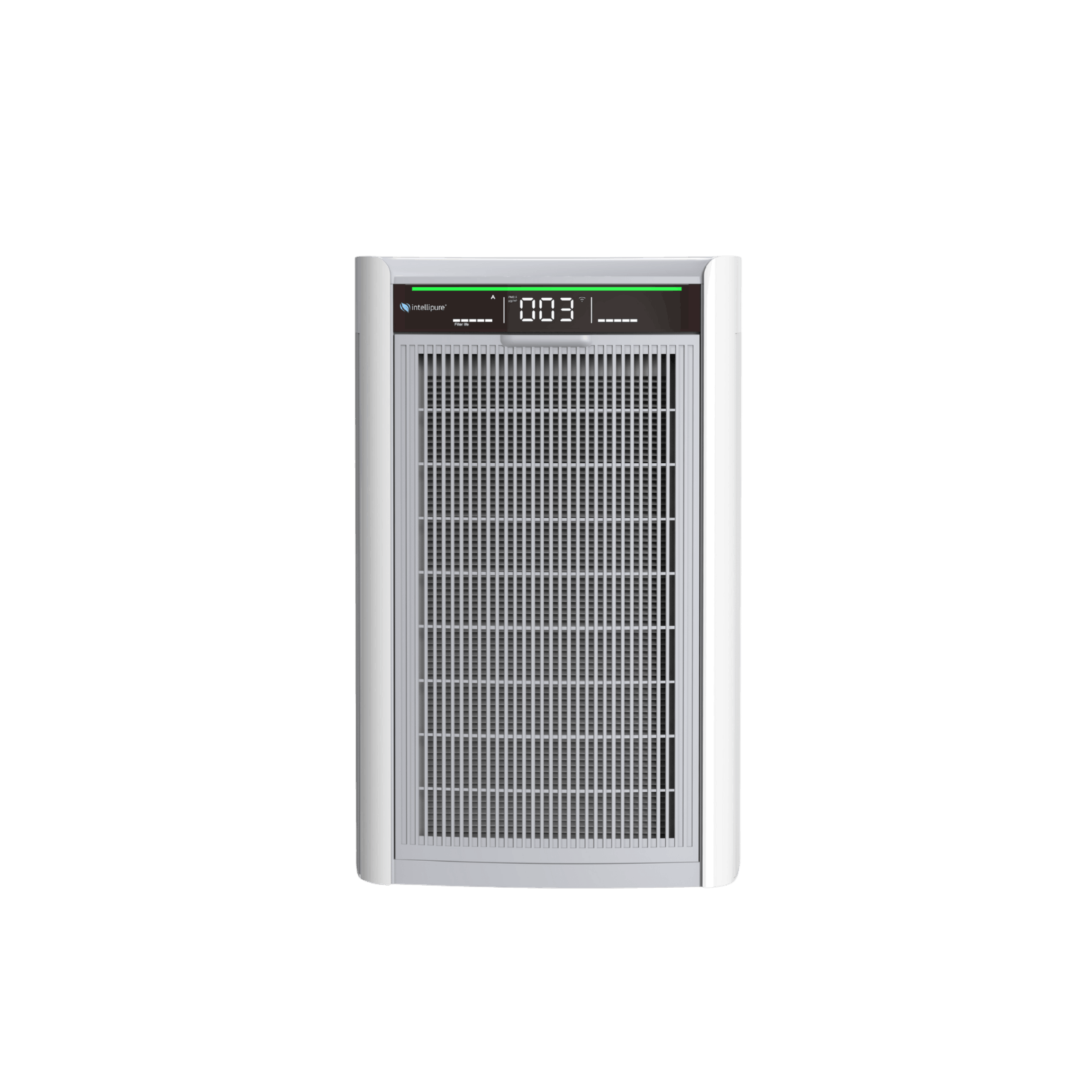
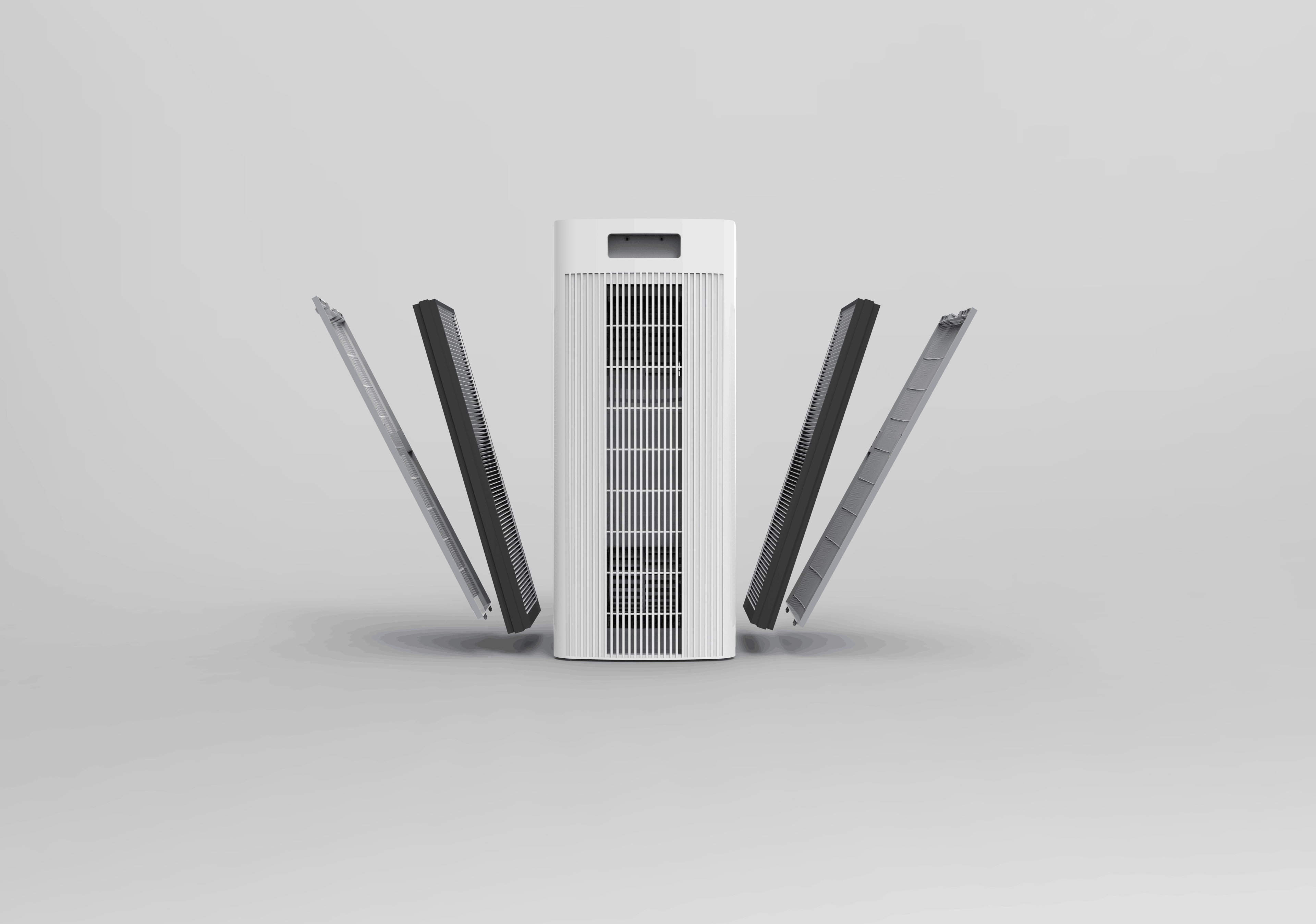
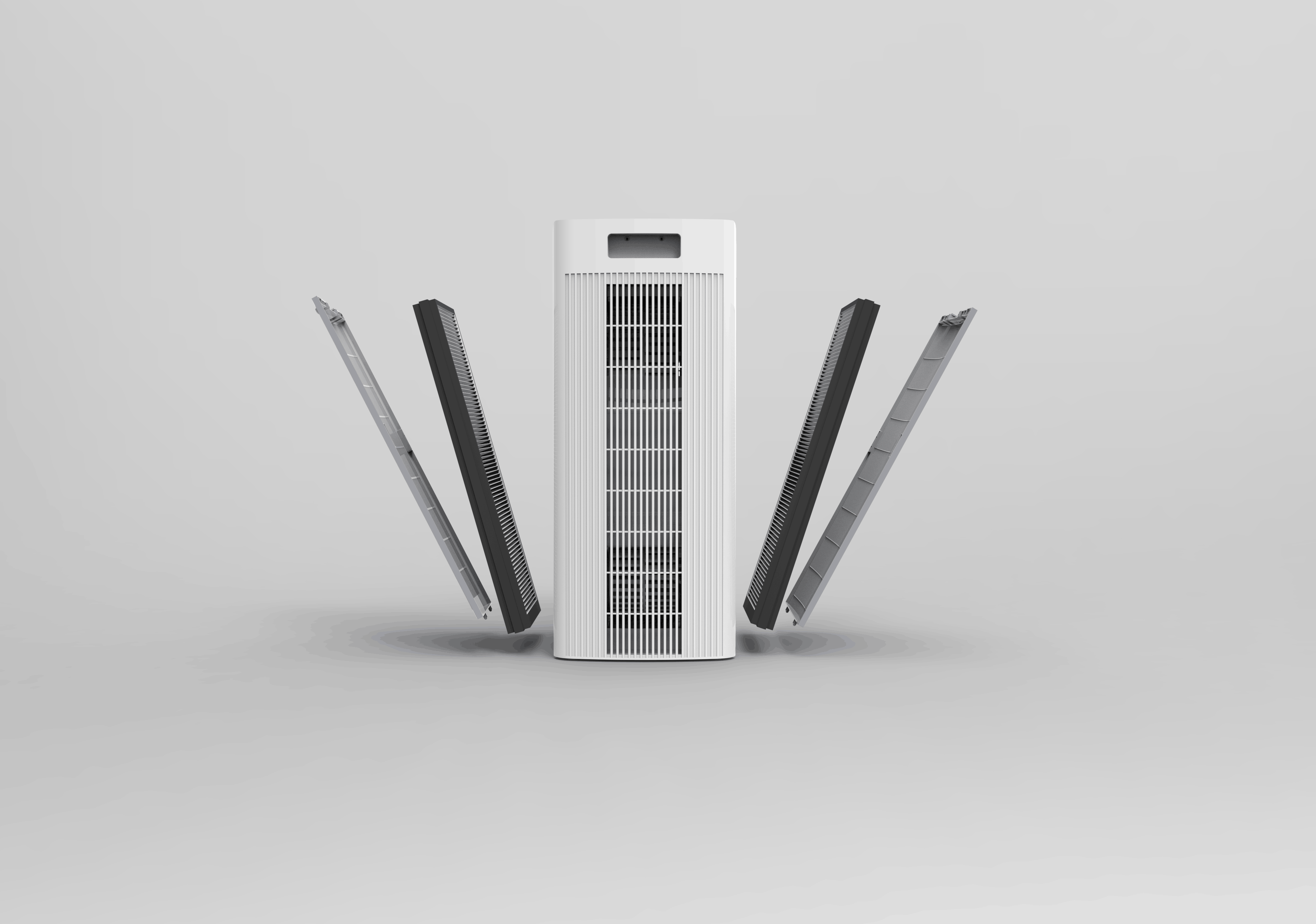
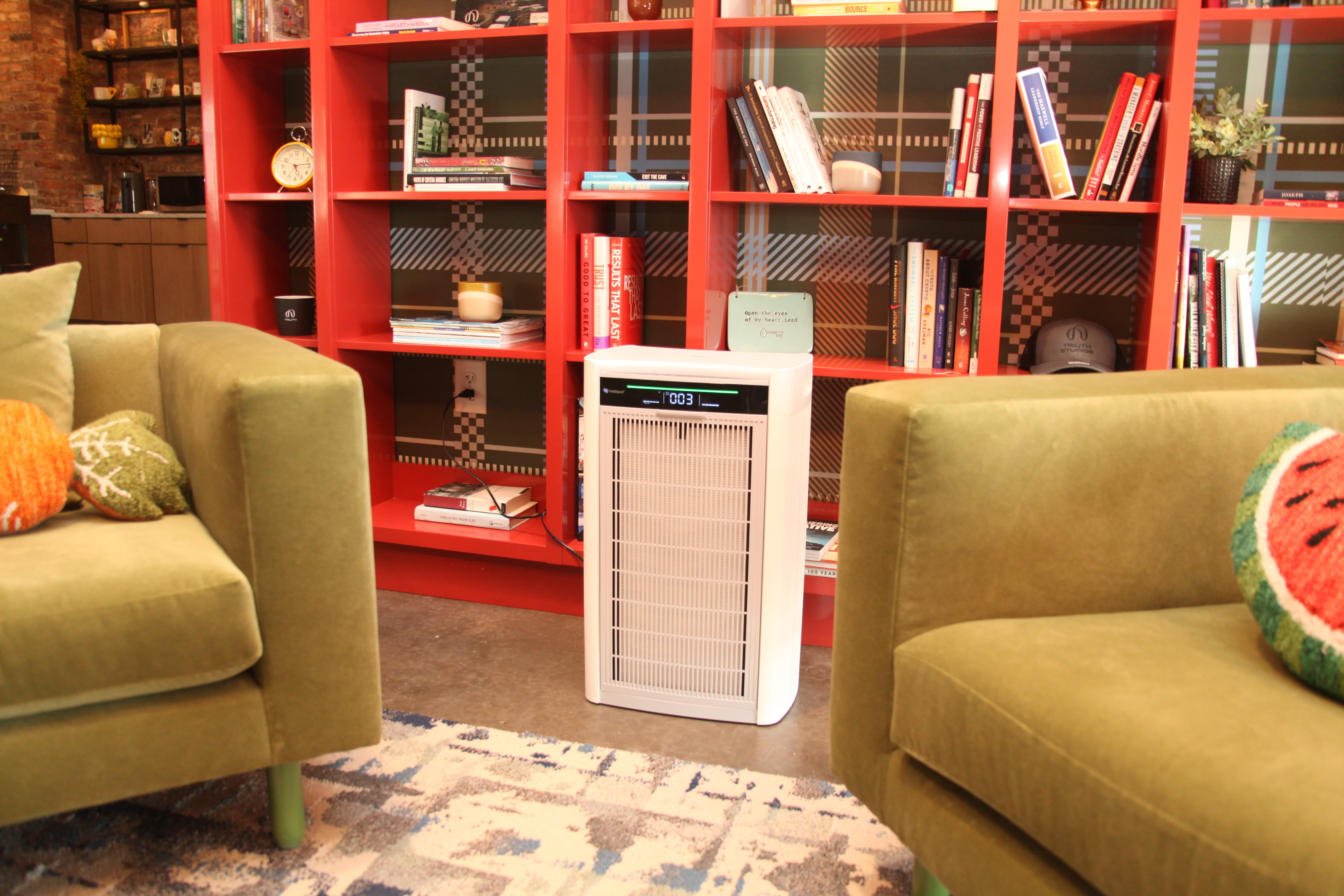
For more comprehensive air cleaning, look for a multi-stage system that pairs HEPA filtration with activated carbon. This combination captures airborne particles (dust, pollen, pet dander, mold spores) while also helping reduce gases, VOCs, and odors. The Intellipure H1000, for example, uses multiple HEPA filters along with activated carbon to capture up to 99.97% of airborne particles while also addressing gaseous pollutants, all without producing any ozone.
Red Flags in Ionizer Marketing
If a claim sounds too good to be true, it probably is. Watch for:
- Exaggerated health benefit claims or unrealistic particle removal rates
- No testing data on performance or ozone output
- Vague language about "purifying" or "cleaning" the air without specifics
- Customer testimonials without any scientific backing
Before purchasing any ionizer, check for CARB certification, look for independent third-party testing results, and read the return policy carefully.
Breathe Easier With Proven Technology
The limitations of ionizer air purifiers, from the particle resuspension problem to the potential for ozone exposure, don't make a strong case for clean indoor air. When it comes to the air you and your family breathe, investing in a purifier with proven, multi-stage filtration backed by third-party testing is a step that can make a real difference. No guesswork, no ozone, just cleaner air.
References
- United States Environmental Protection Agency. What are ionizers and other ozone generating air cleaners? [Internet]. Washington (DC): EPA; 2025 [cited 2026 Feb 11].
- Kormos DA, Shetty NJ, Gall ET, Prussin AJ II, Pruden A, Marr LC. Bipolar ionization did not reduce airborne bacteria in a lecture hall. ACS EST Air. 2024;1(12):1696-1705. doi:10.1021/acsestair.4c00235.
- Zainal Abidin S, Ho TM. Effect of a commercial air ionizer on dust mites Dermatophagoides pteronyssinus and Dermatophagoides farinae (Acari: Pyroglyphidae) in the laboratory. Asian Pac J Trop Biomed. 2012;2(2):156-158. doi:10.1016/S2221-1691(11)60212-8.
- Comini S, Mandras N, Iannantuoni MR, Menotti F, Musumeci AG, Piersigilli G, et al. Positive and negative ions potently inhibit the viability of airborne Gram-positive and Gram-negative bacteria. Microbiol Spectr. 2021;9(3):e00651-21. doi:10.1128/Spectrum.00651-21.
- United States Environmental Protection Agency. Health effects of ozone pollution [Internet]. Washington (DC): EPA; 2024 [cited 2026 Feb 11].
- Kim SY, Kim E, Kim WJ. Health effects of ozone on respiratory diseases. Tuberc Respir Dis (Seoul). 2020;83(Suppl 1):S6-S11. doi:10.4046/trd.2020.0154.
- United States Environmental Protection Agency. Ozone generators that are sold as air cleaners [Internet]. Washington (DC): EPA; 2024 [cited 2026 Feb 11].
- California Air Resources Board. California's regulation to limit ozone emissions from indoor air cleaning devices [Internet]. Sacramento (CA): CARB; 2008 [cited 2026 Feb 11].
- United States Environmental Protection Agency. What is a HEPA filter? [Internet]. Washington (DC): EPA; 2024 [cited 2026 Feb 11].
- United States Environmental Protection Agency. Guide to air cleaners in the home [Internet]. Washington (DC): EPA; 2025 [cited 2026 Feb 11].










Are Cooking Odors and Smoke Dangerous?
What Causes Poor AQI and How to Protect Your Family