
What is Ragweed And Why Does It Cause So Much Trouble?

Ragweed. Just the name alone makes some people start to sneeze and their eyes water. Of all the weeds in North America, ragweed is considered the absolute worst when it comes to allergies. Here's what we know about this noxious weed and how to fight back against its effects on the air you breathe.


What Exactly Is Ragweed?


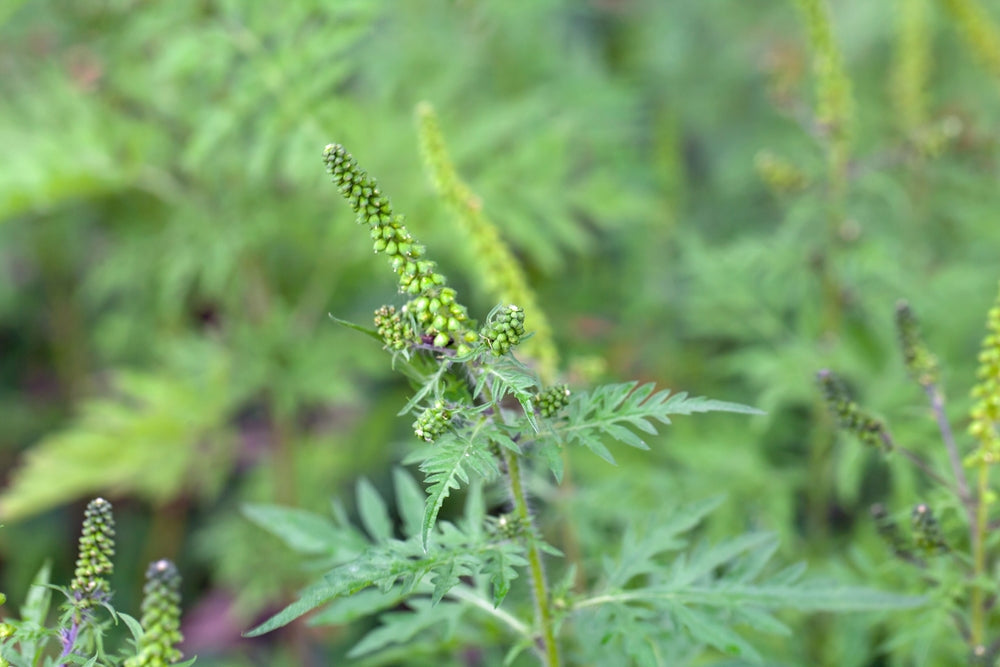
Ragweed is seemingly everywhere. There are actually many kinds of ragweed, but they all belong to the plant genus Ambrosia, which itself is in the Aster family. As the name suggests, the leaves of the plant have a ragged edge. The word "ragweed" is used to describe 17 separate species of plants commonly found in North America. It grows easily just about anywhere, even in places where the soil conditions are bad. Empty lot? Side of the road? Gutter filled with years of leaves? Ragweed doesn't care. It can grow up to several feet tall and spreads aggressively wherever it can root.


How Does Ragweed Get To So Many Places?

Ragweed is prolific in its ability to spread. A single ragweed plant can spread roughly 1,000,000,000 pollen grains in a season. So not only does each plant send out countless grains of pollen, they can be carried hundreds of miles by the wind. Seeds can be spread a number of ways, but they are often carried along by vehicles traveling the roads. The side of the road is an ideal place for ragweed to grow as it is rarely mowed or subject to weed control. Farming also spreads ragweed as equipment moves from field to field.


What Makes Ragweed So Bad For Allergies?

Ragweed is responsible for around half of the hay fever cases in the United States each year. The pollen contains a certain protein compound that is extremely effective at causing an allergic reaction. It can also trigger asthma attacks for some people. Common ragweed and great ragweed are the biggest contributors to allergies. 


When Is Ragweed Season?

Ragweed season usually starts in mid-summer when the plants begin to flower. Unfortunately the season can stretch out for months until the first frost hits. And since the pollen produced is so numerous and can travel so far, just because ragweed isn't blooming in your area doesn't mean the pollen isn't affecting you. 


Ragweed Pollen Allergy Symptoms

For those unlucky enough to suffer from ragweed allergies, the following symptoms may appear:

  • Coughing
  • Headache
  • Hives
  • Itchy eyes
  • Itchy throat
  • Runny nose
  • Skin rash
  • Sneezing
  • Stuffy nose
  • Tired

How Do You Get Rid Of Ragweed In Your Yard?

Given how hard it can be to get rid of ragweed, it makes sense that it is in the genus Ambrosia. Ambrosia happens to be a Greek word meaning an immortal food or drink of the Gods. While ragweed isn't really immortal, it can seem like it when trying to get rid of it safely. Unfortunately the most common way to kill ragweed is herbicide. But there are other methods that don't involve chemicals like repeated mowing and weeding by hand.


How Do You Fight Ragweed Pollen In Your House?

Considering just how far ragweed pollen can travel on the winds, the only place you can control it is inside your home. Here are a few tips on fighting back against ragweed pollen:

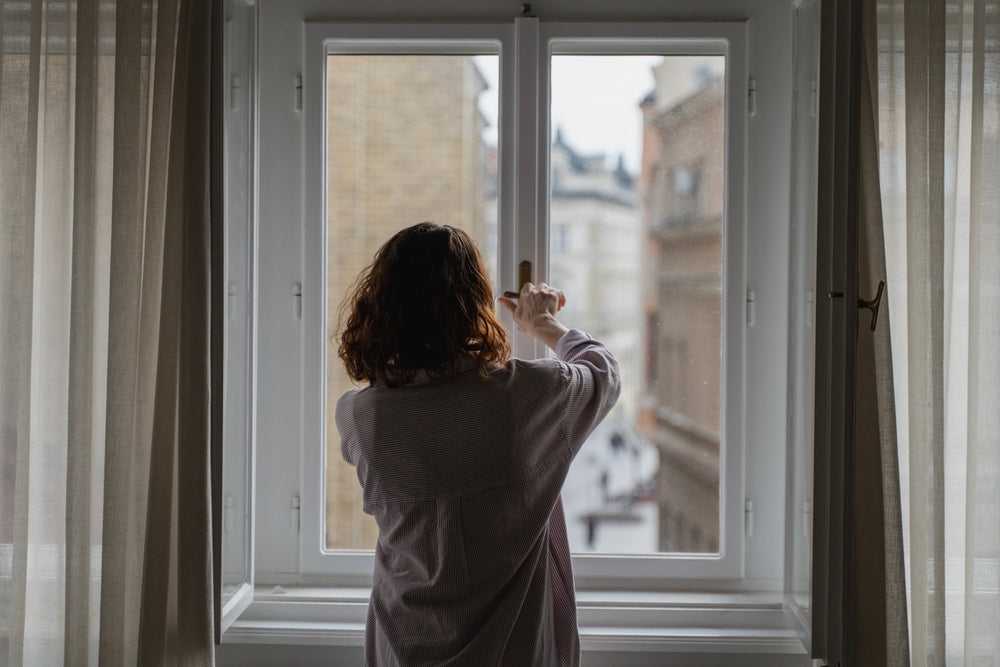
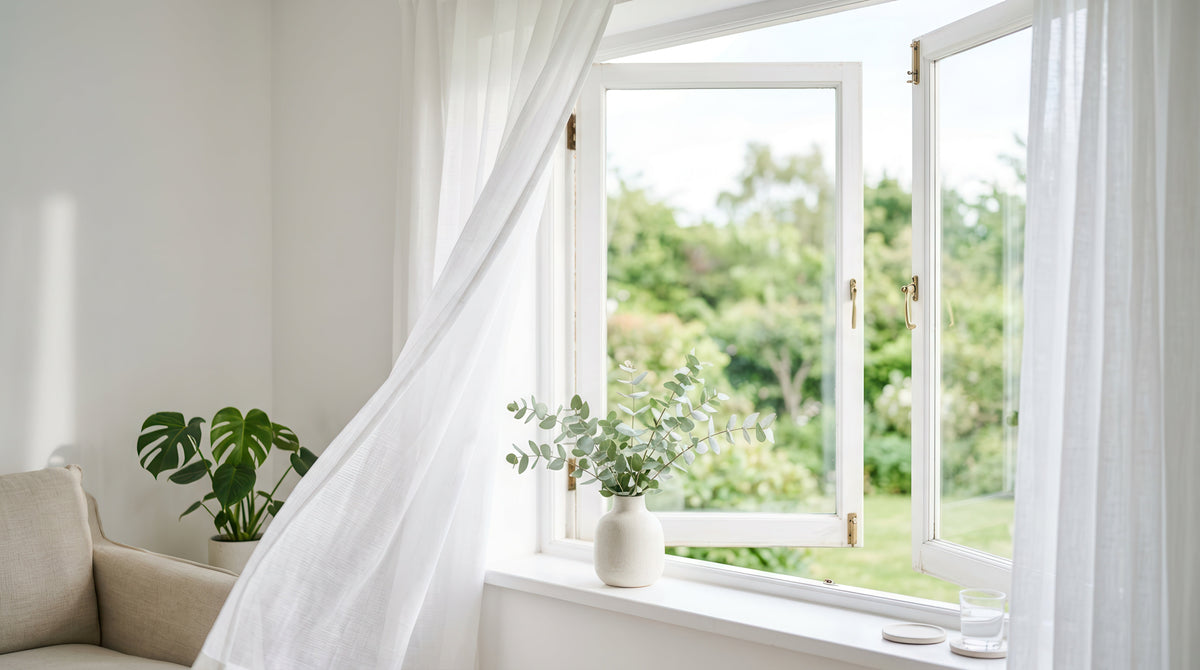
  • Seal your home. Take a few minutes to make sure there are no gaps in windows or door frames. Resist the temptation to open windows during ragweed season, even if the weather is nice outside.

  • Leave shoes at the door. Remove your shoes before walking inside if possible. This keeps from tracking ragweed pollen into your home and onto the floors.

  • Change clothes. It may seem silly, but taking a shower and changing clothes helps remove any pollen that may have hitchhiked indoors with you.

  • Keep floors clean. Mop and/or vacuum regularly to remove any ragweed pollen that might have made its way inside.

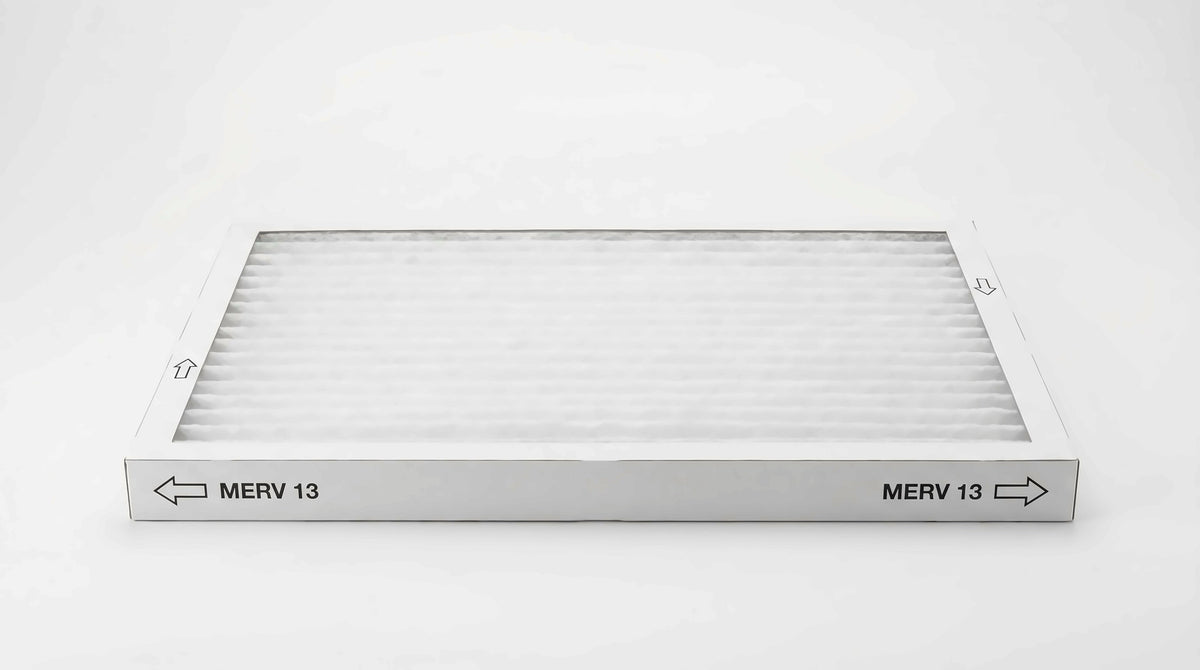
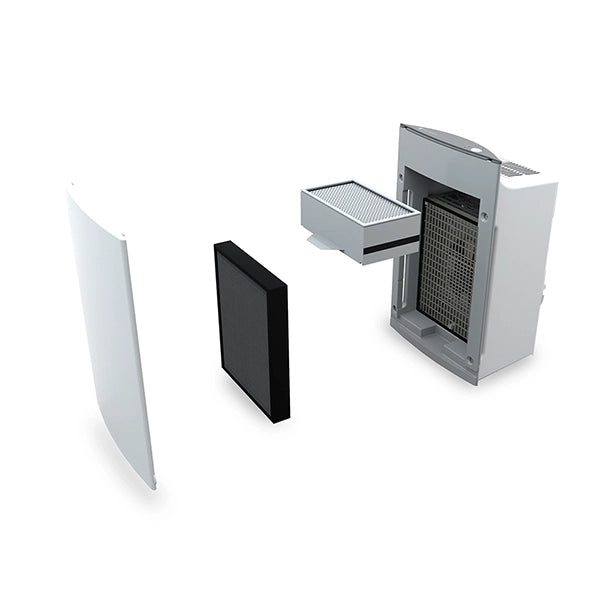
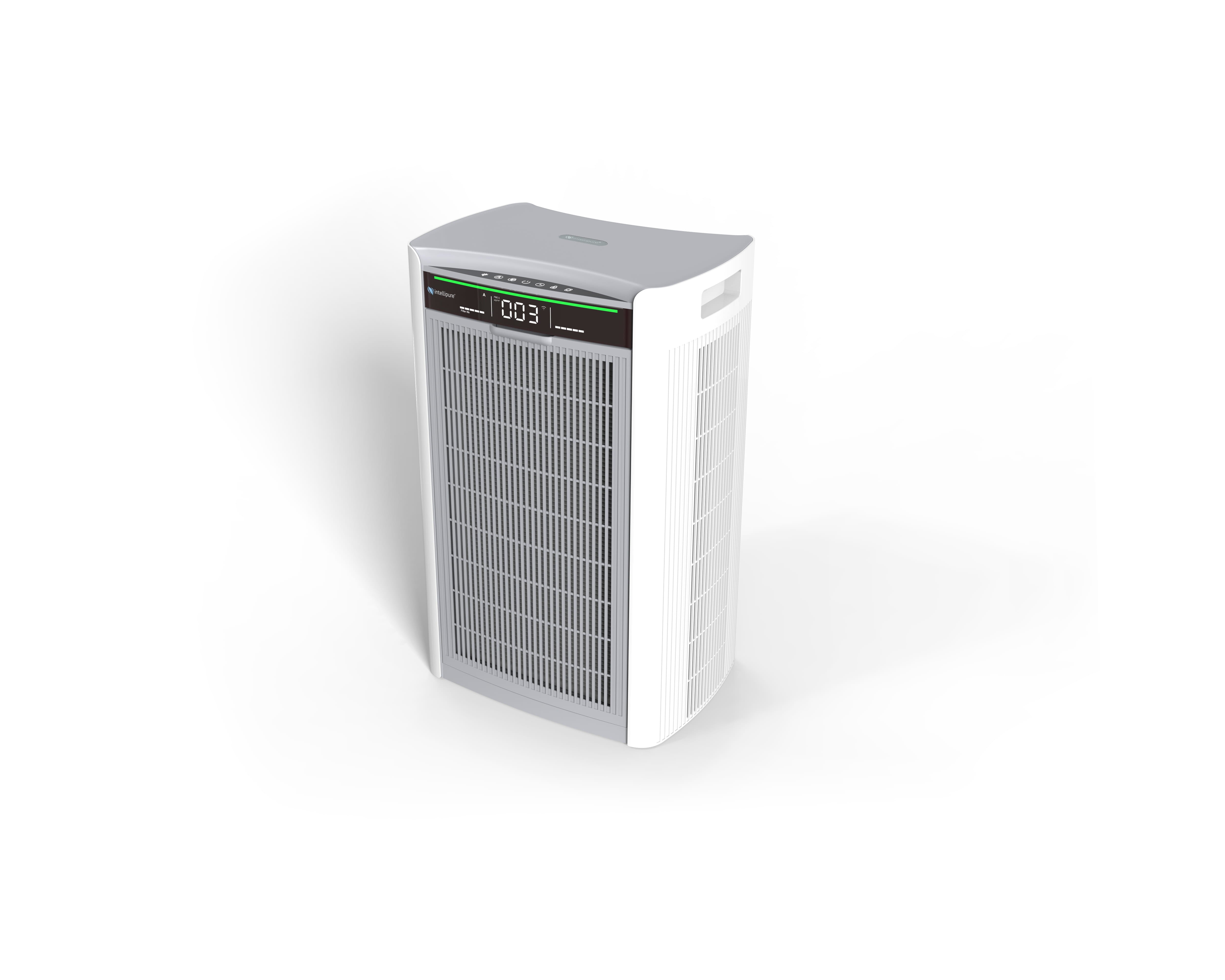
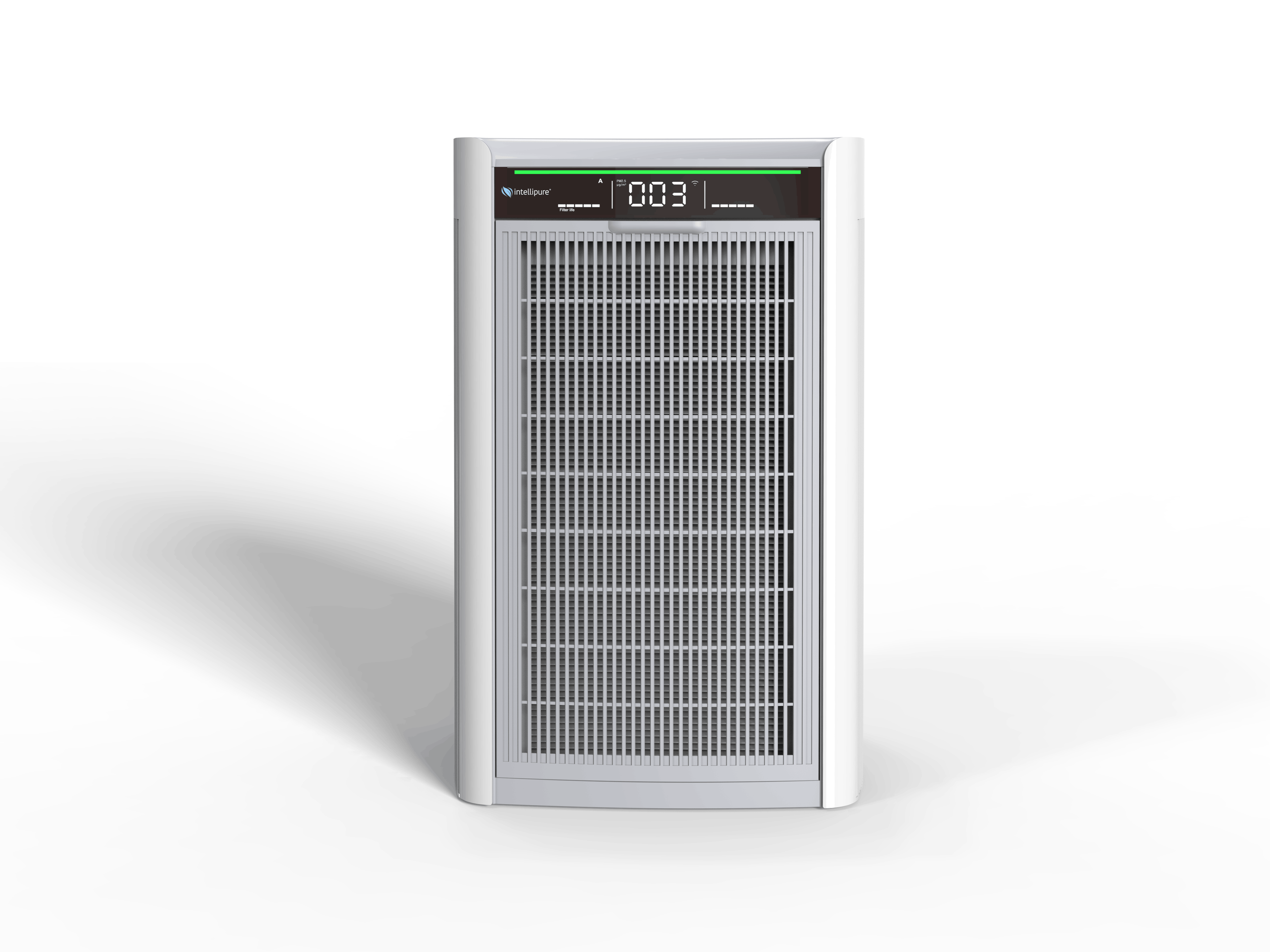
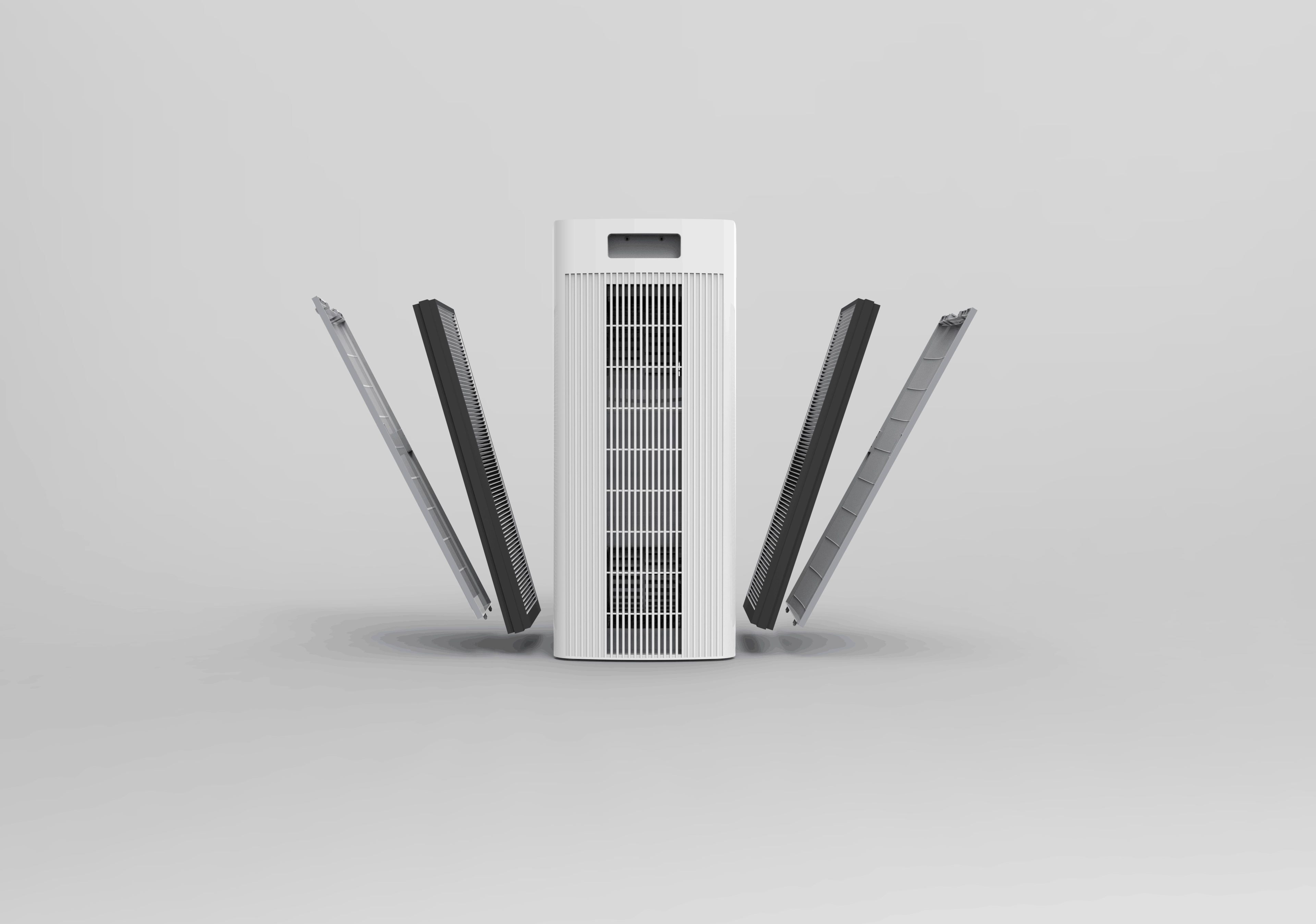
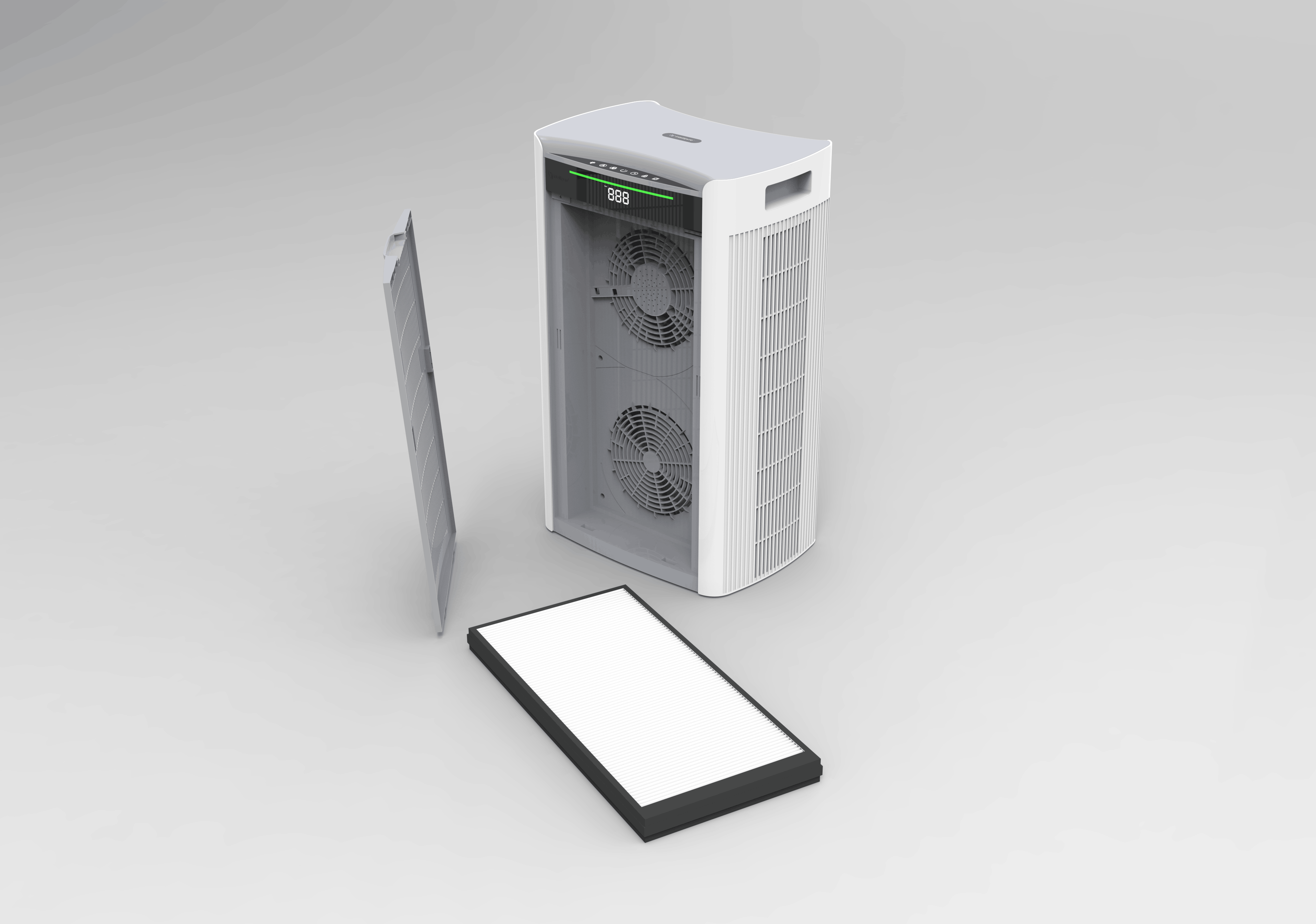
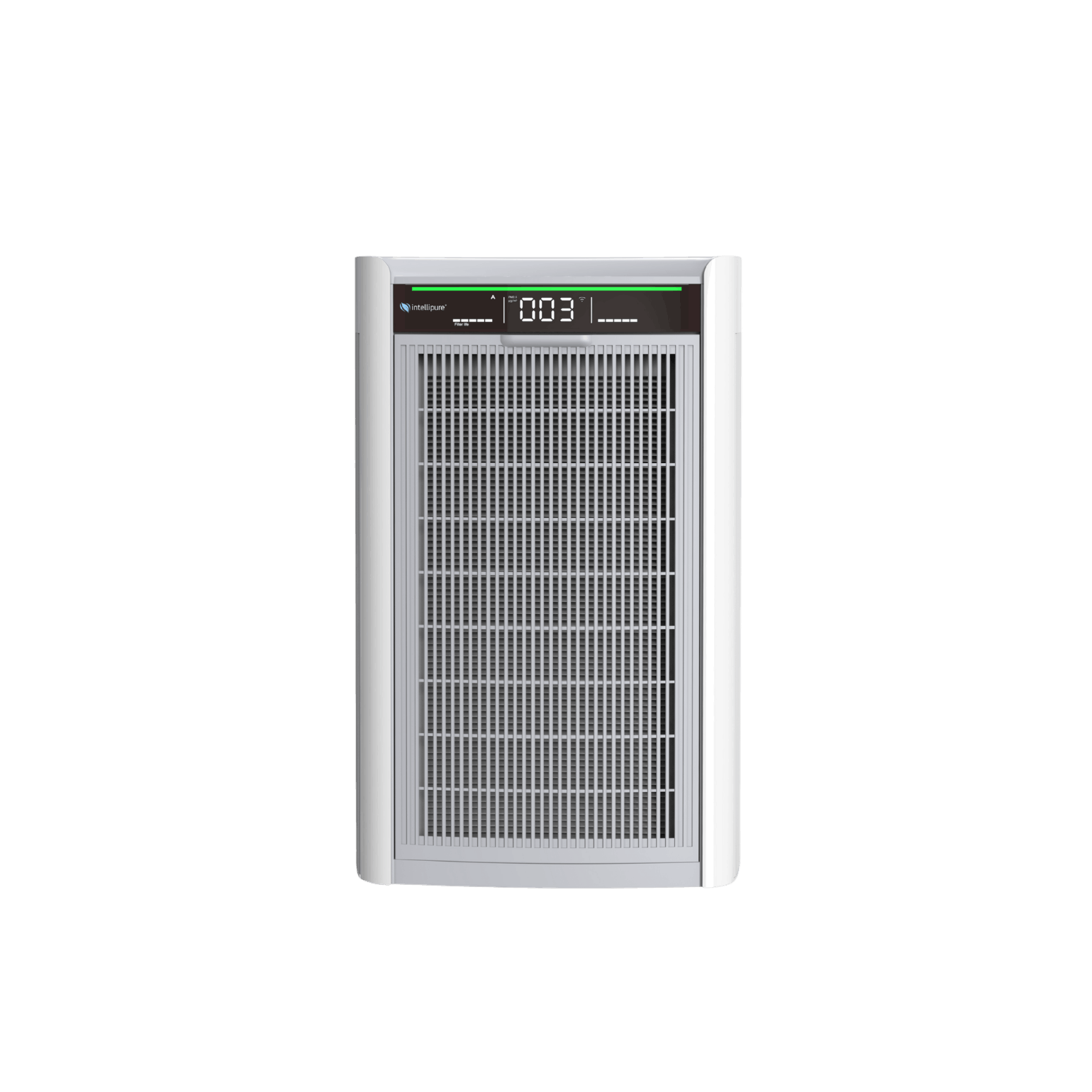
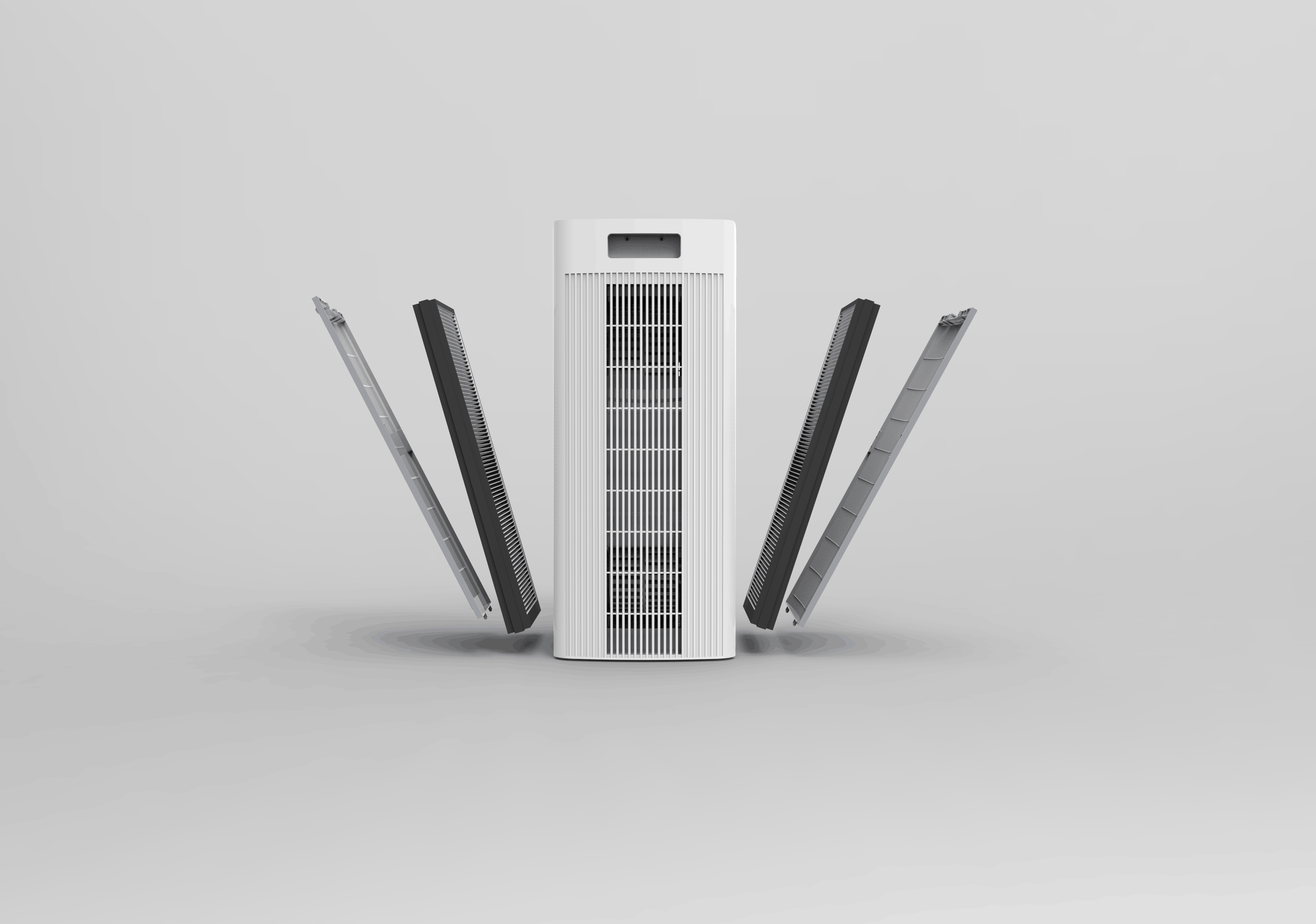
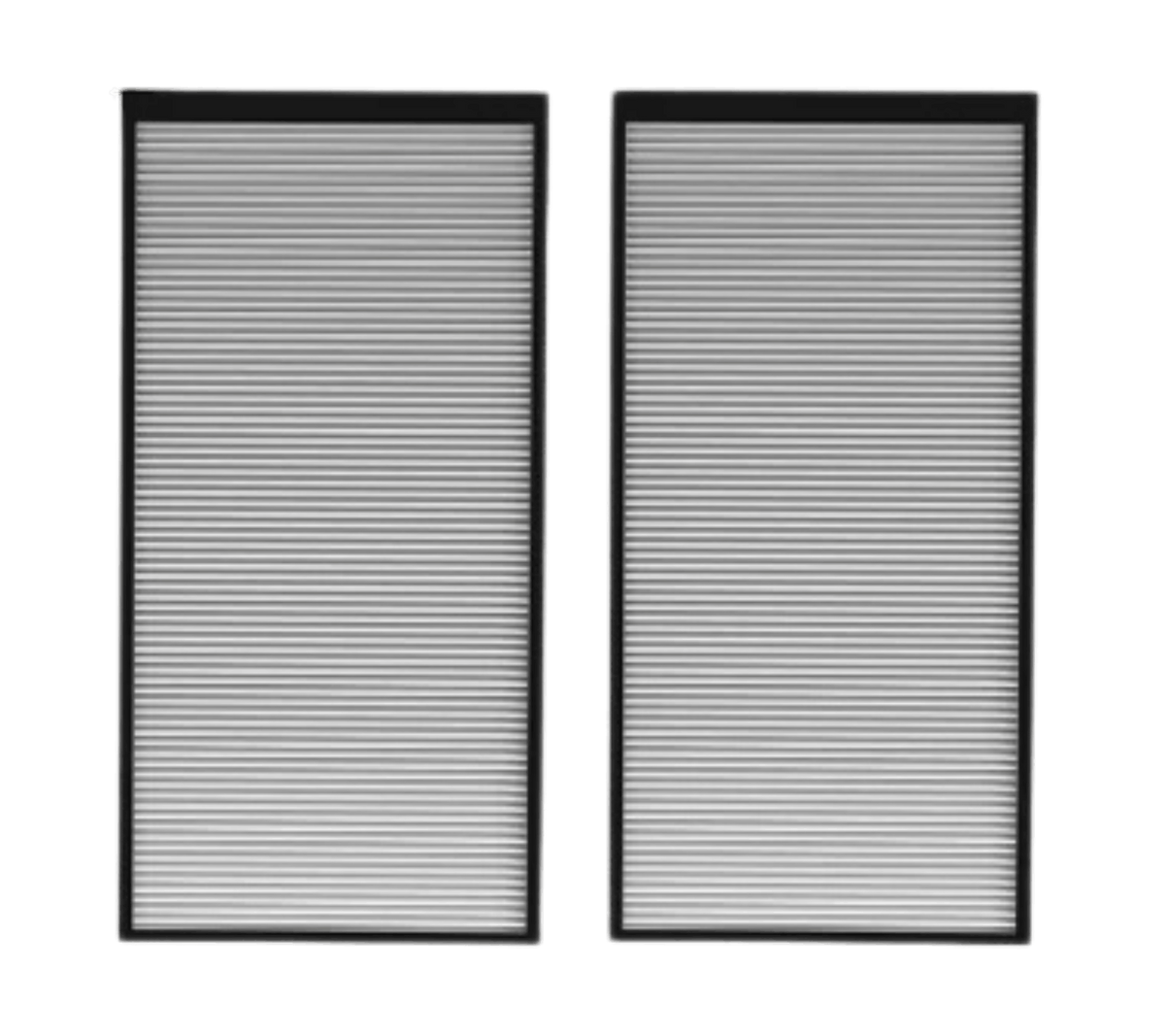
  • Use an air purifier. Your home HVAC system has a filter, but it isn't meant to keep the system clean, not your lungs. Even if you put a higher MERV rated filter in your HVAC system, you may have issues with air distribution due to the increased effort needed to pull air through it. That's why a purpose-built air purifier is necessary to remove fine particles like pollen.

Explore the Breathe Easy Blog

View all

How to Improve Ventilation in a Room

How to Improve Ventilation in a Room

The exchange of indoor and outdoor air in residential and commercial buildings is known as ventilation. Without good ventilation, harmful pollutants and moisture can get trapped inside your insulated, airtight house [1][1].

Whether you're here because you're experiencing an air quality, air comfort, or mold growth problem in one or more of your rooms, or because you simply want to learn more about the topic, you've come to the right place to get an overview of all things ventilation. (Well, almost all things. There's always more to discover when it comes to the air we breathe.)

Read more

How Do Airborne Viruses Spread? A Guide to Sharing Air, Not Germs

How Do Airborne Viruses Spread? A Guide to Sharing Air, Not Germs

There's nothing quite like an unexpected houseguest, especially one you can't see. And during cold and flu season (which feels like it gets longer every year) airborne viruses have a habit of showing up uninvited.

In the modern, post-pandemic world, most of us know the basics: Cover your coughs, wash your hands, and steer clear of anyone who's sick. But what about the germs we can't see, like the ones floating around in the air we breathe?

Read more

Wait, So What Is MERV?

Wait, So What Is MERV?

On average, people spend about 90% of their time indoors, mostly in their houses [1][1]. We reference this stat quite a bit in our articles because it highlights that most of your exposure to airborne pollutants is likely happening inside your own home.

Particles, gases, volatile organic compounds (VOCs), mold, pollen, and other common indoor air pollutants can be harmful to your health. Some let themselves into your home from outside, through open windows and doors and tiny cracks and crevices. Others come from indoor activities and sources, including building materials, home furnishings, cleaning and consumer products, smoking, and cooking.

Read more

When Outdoor Air Pollution Becomes an Indoor Problem

When Outdoor Air Pollution Becomes an Indoor Problem

When the weather cools down, closing the windows to secure some cozy warmth just feels like common sense. You keep the cold air out, turn up the heat, and settle in for the season. Maybe throw on some comfy socks, too. 

But closing up your home changes more than the temperature. It also changes how air moves through your space. (Or doesn't.) With less ventilation, pollutants generated indoors can stick around longer, while outdoor pollution that has already made its way inside doesn't simply disappear.

Read more

Can You Use FSA or HSA Funds for an Air Purifier?

Can You Use FSA or HSA Funds for an Air Purifier?

Cleaner air at home may be even more affordable than you think. If you have a Flexible Spending Account (FSA) or Health Savings Account (HSA), you may be able to use those funds to help cover the cost of an air purifier and, in some cases, its replacement filters. It's one of the lesser-known ways these healthcare accounts can work for you. A health hack, if you will.

Read more

Breathe Better, Learn Better

Breathe Better, Learn Better

Most schools in our country are old enough to have a mid-life crisis. According to the U.S. Department of Education, the average school building is 42 years old, which is significant because after about 40 years, buildings start to deteriorate quickly unless they're maintained well [1][1]. And, spoiler alert, many aren't. Up to one-fourth of the nation's schools have at least one building in need of extensive repair or replacement. 

Read more

What a Super El Niño Could Mean for the Air You Breathe

What a Super El Niño Could Mean for the Air You Breathe

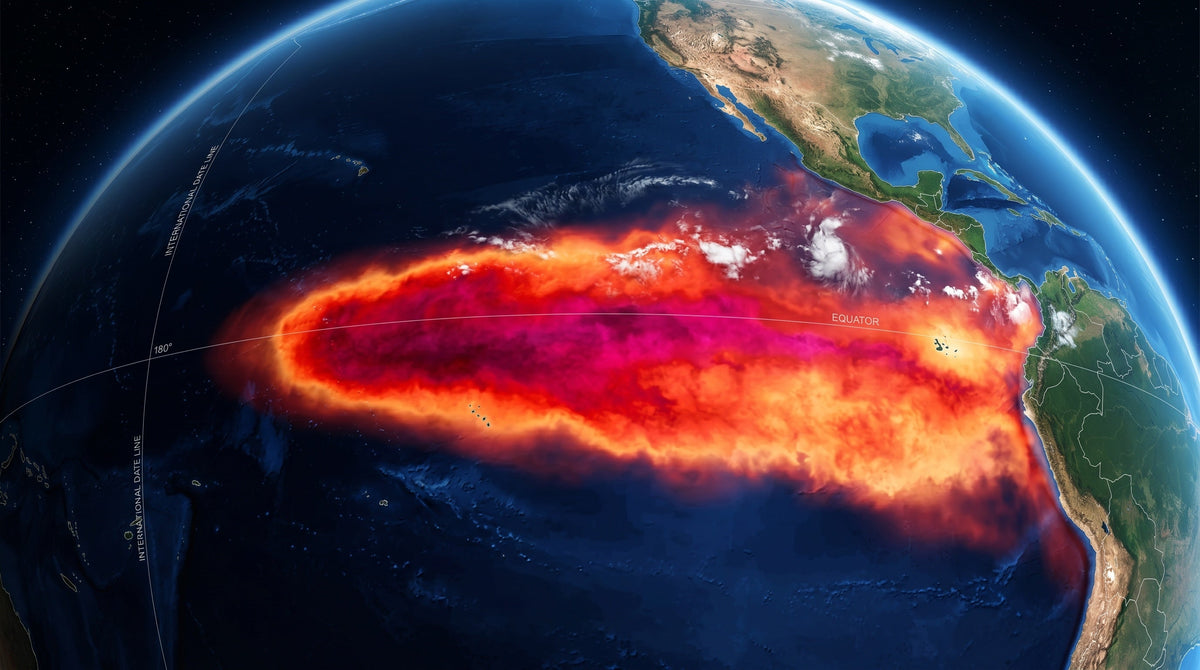
When El Niño makes headlines, the conversation usually centers on rain, drought, storms, and temperature swings. This year, there's good reason for the extra attention: El Niño is strengthening, and the National Oceanic and Atmospheric Administration (NOAA) now says there's a greater than 90% chance it will become a very strong event during fall and winter 2026–2027 [1][1].  But weather and air quality don't exactly live separate lives.

Read more

Fall Leaf Burning and Air Quality

Fall Leaf Burning and Air Quality

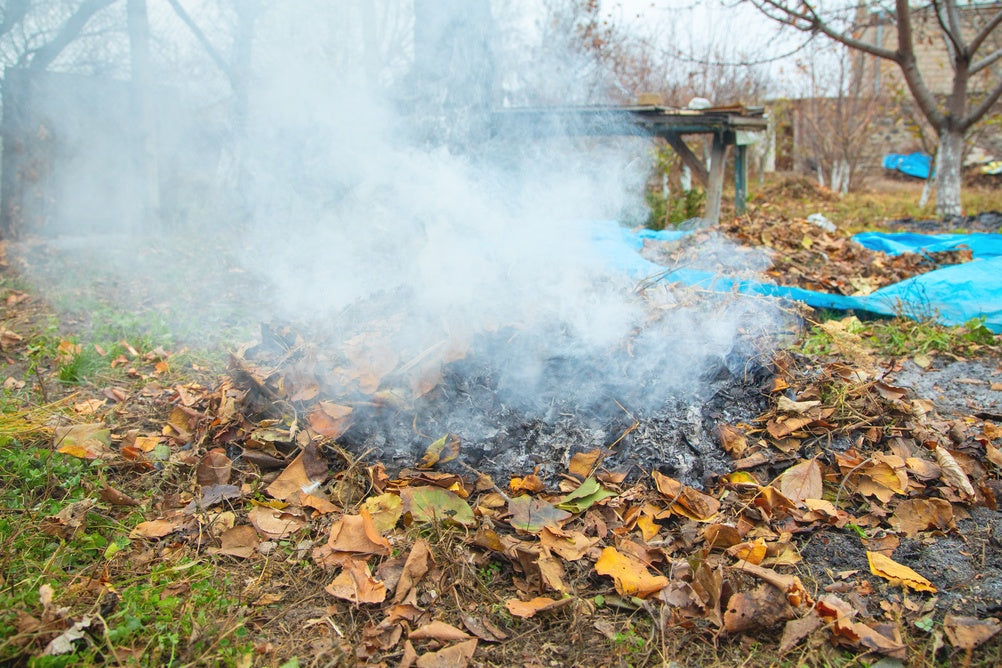
Backyard burning is pretty much exactly what it sounds like. On their own properties, people burn vegetative waste or household trash that would typically be recycled or sent to a landfill. Burning can happen in a barrel, homemade burn box, wood stove, outdoor boiler, or an open pit [1][1].

Some people think of backyard burning as a nostalgic autumn tradition and convenient, affordable way to get rid of leaves and waste. Others don't think about it at all … until the smoke from their neighbor's burn pile shows up in the air around and inside their home. 

Read more

Smoking Is Making a Comeback. What Does That Mean for Your Air?

Smoking Is Making a Comeback. What Does That Mean for Your Air?

Cigarettes are having a cultural moment again. For a while, they seemed destined to become a relic of another era. Then came vaping, sleek electronic devices, flavored nicotine, a way to smoke almost anywhere, and a whole new aesthetic. 

Now, the pendulum appears to be swinging again.

Recent cultural coverage has pointed renewed interest in something trendsetters are calling analog smoking, especially among younger consumers. Cigarettes are showing up in fashion, celebrity imagery, nightlife culture, and social media feeds, alongside terms like cigfluencers, Gen Z smoking, and even vape fatigue.

Read more