

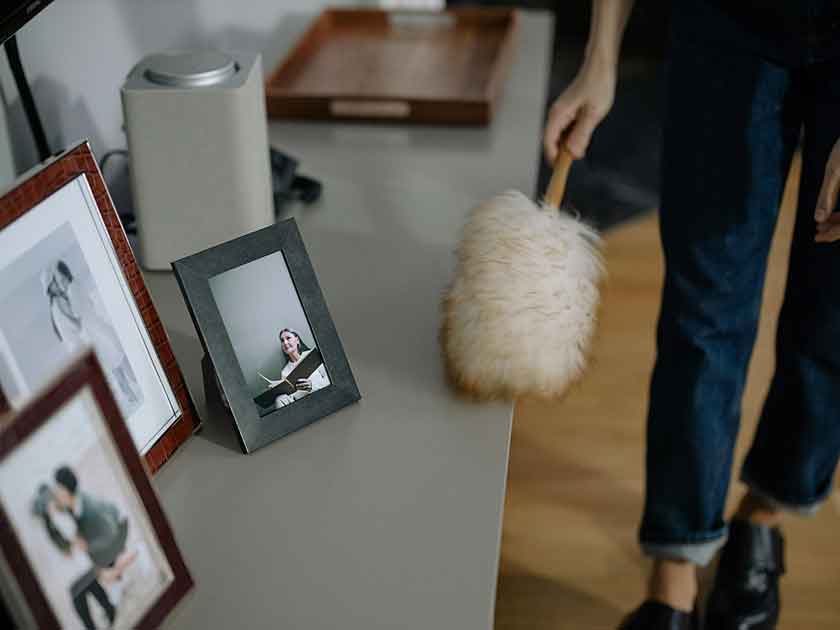
You probably already know that an air purifier can help clean the air inside your home, but you may be surprised to learn it can also help with airborne dust levels. Simply opening the doors and windows to let in fresh air isn’t enough to clear the air due to outdoor air pollution levels. Let’s take a look at what you need to know about air purifiers and dust.
How An Air Purifier Traps Dust
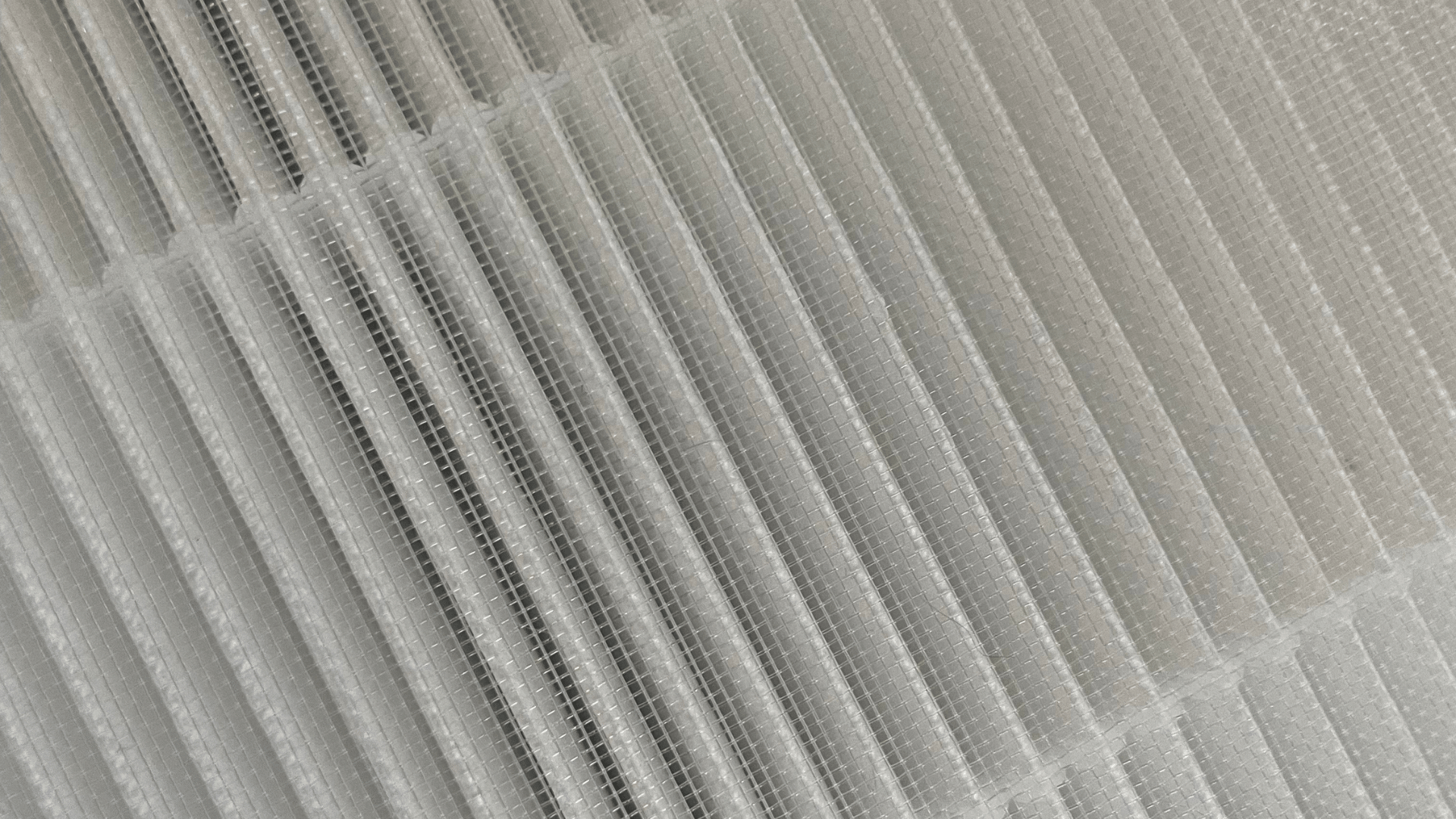
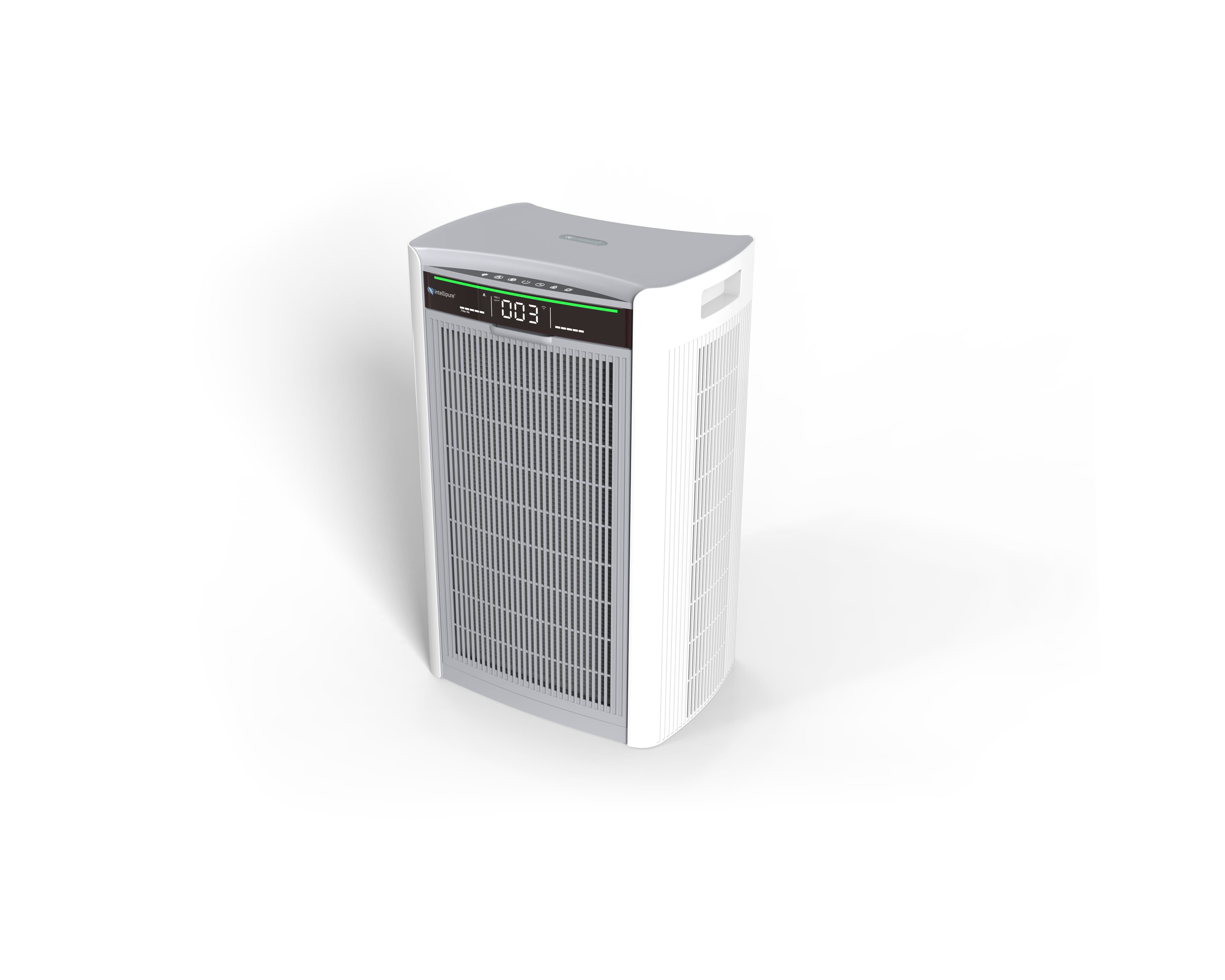
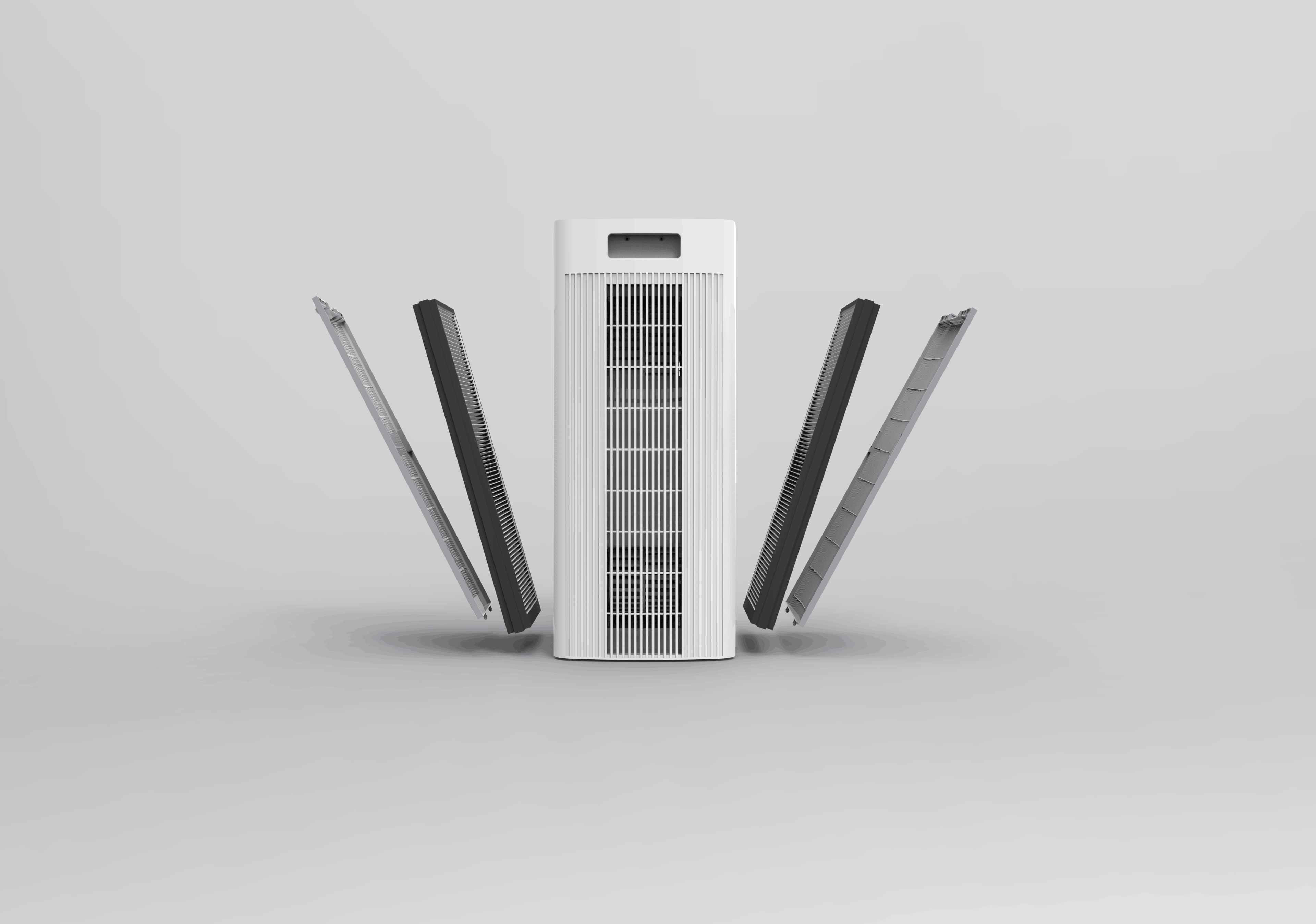
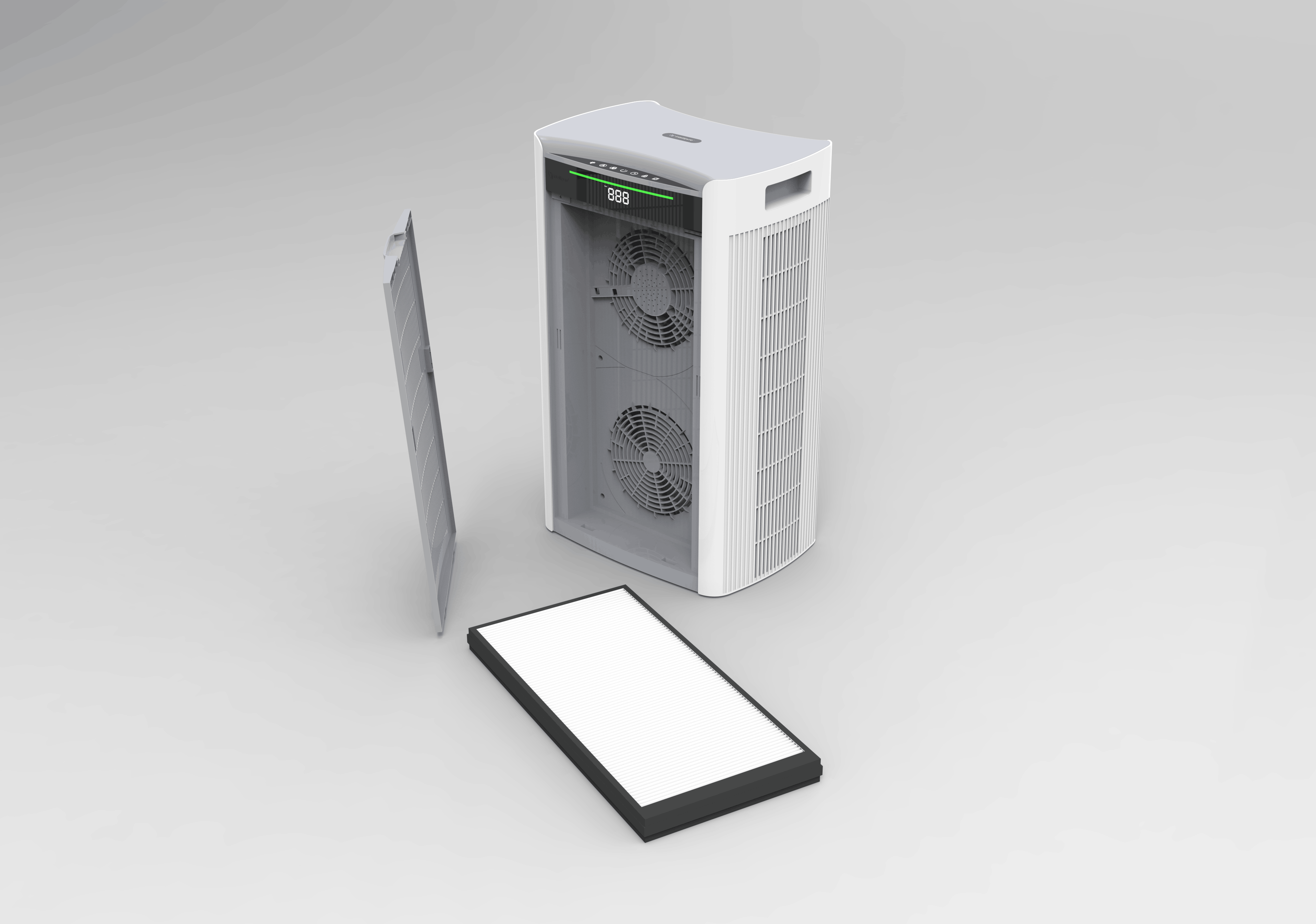
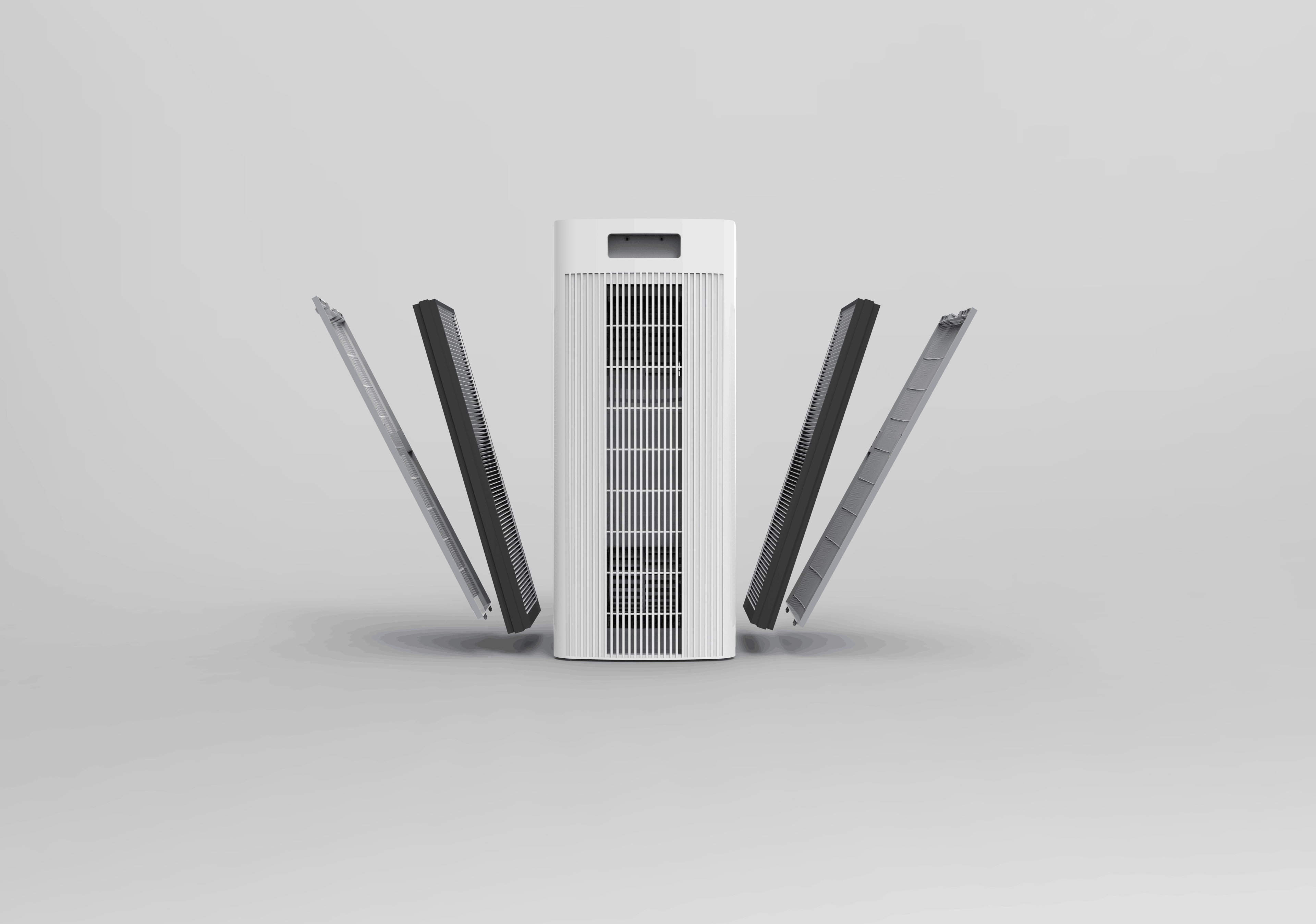
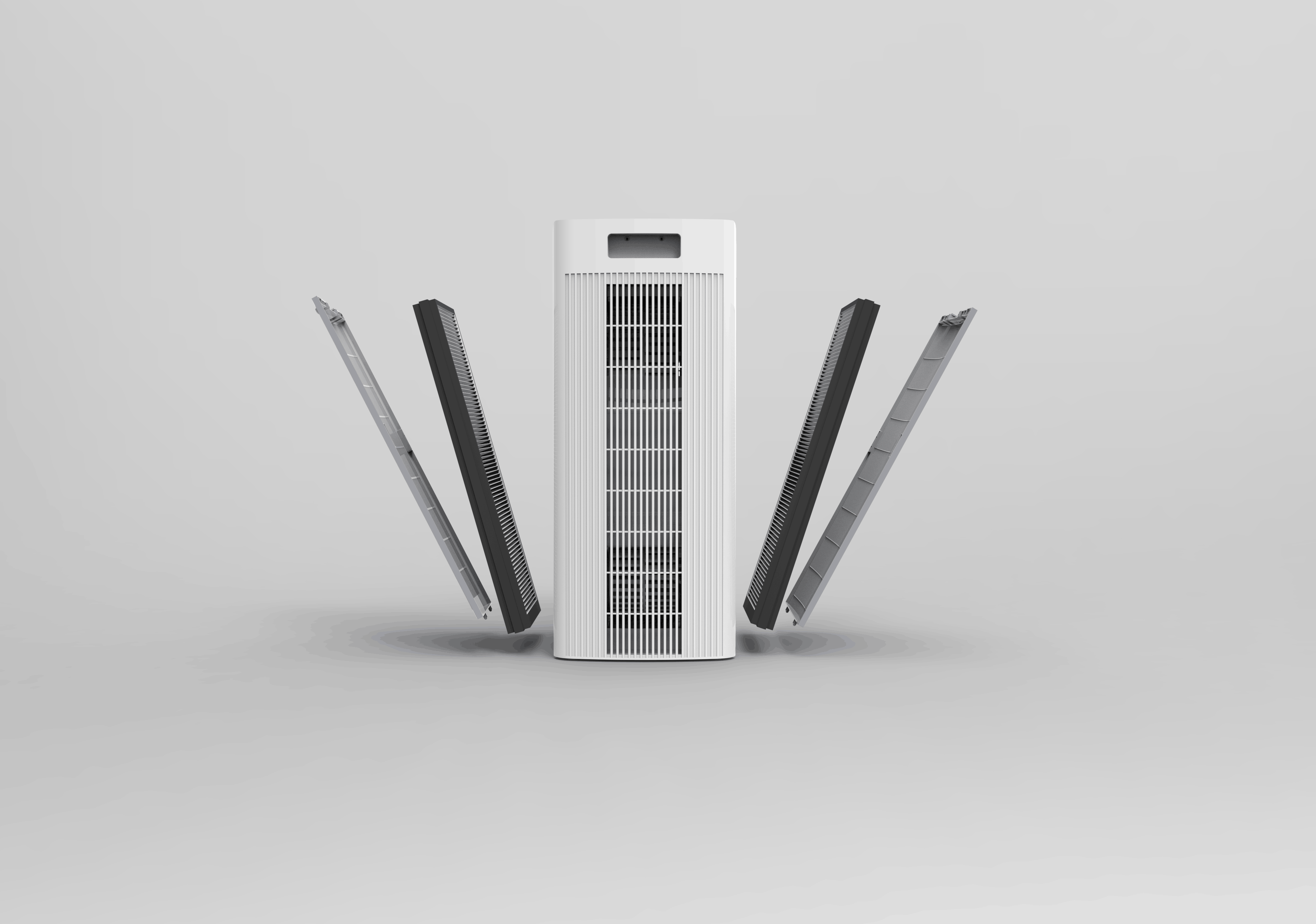
How an air purifier works is pretty straightforward in theory, but the details for each model can vary. First air is drawn into the unit by a motorized fan. The fan then pulls the air through a filter (or filters) and directs it out of the unit again. Depending on the types of filters used an air purifier can remove particles, pollutants, even chemicals like VOCs (volatile organic compounds). Some air purifiers use a single filter, while others use multiple filter stages.
An air purifier’s dust filtration efficiency is measured by the Clean Air Delivery Rate (CADR). The CADR rating is a measurement of how well an air purifier removes tiny particles (like dust or allergens) from the air. CADR is expressed in cubic feet of clean air per minute. The higher the CADR, the better the air quality, the better the health benefits, and less dust accumulation.
Removing Dust Efficiently
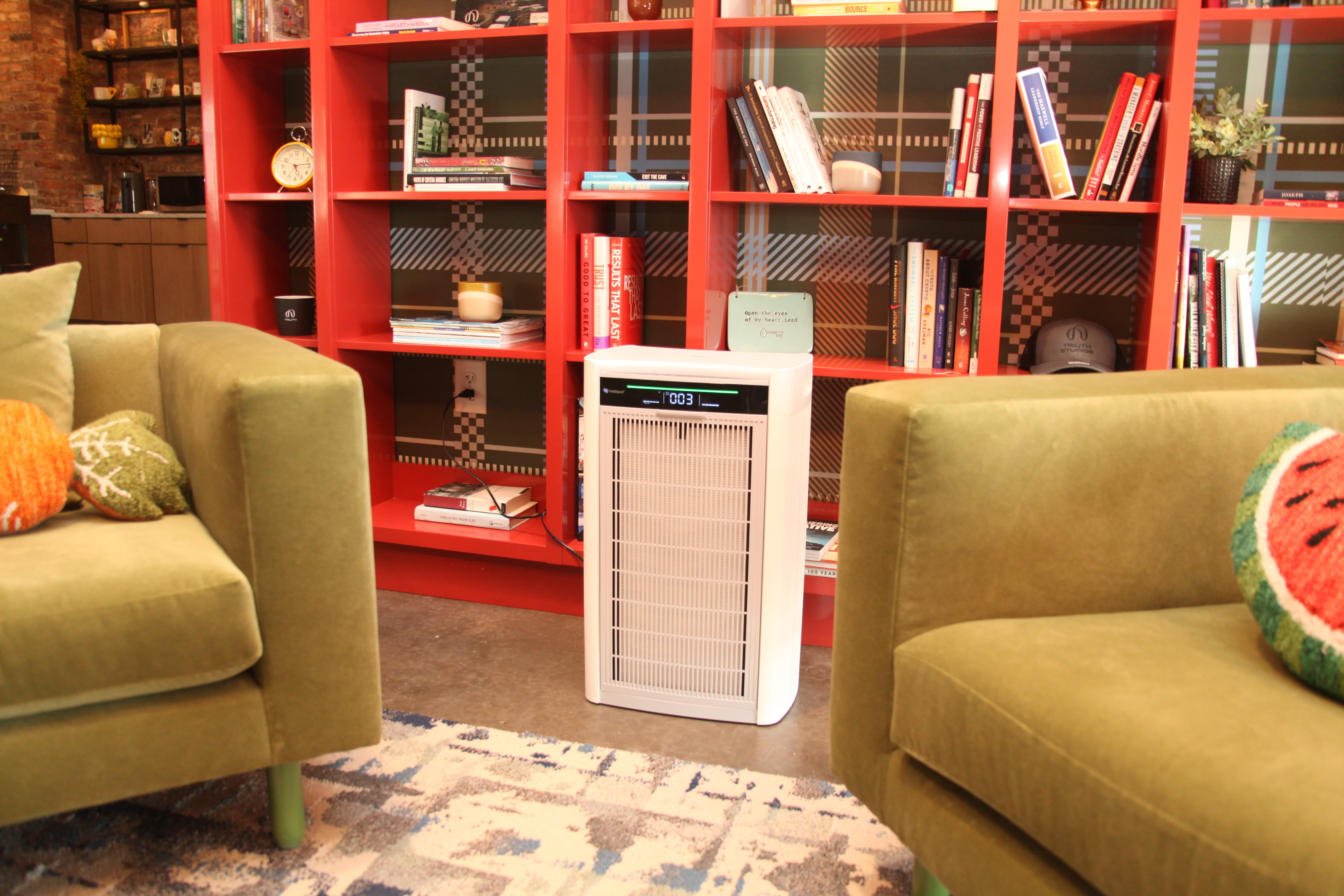
For best efficiency place your air purifier in the middle of the room where it can fully circulate the air. Avoid corners if possible. The idea is to keep the air space around the air purifier clear to allow full air flow around the unit. Placing an air purifier in high-traffic areas like near the front door or kitchen can help capture particulates before they spread to the rest of the house.
Filter Efficiency Matters
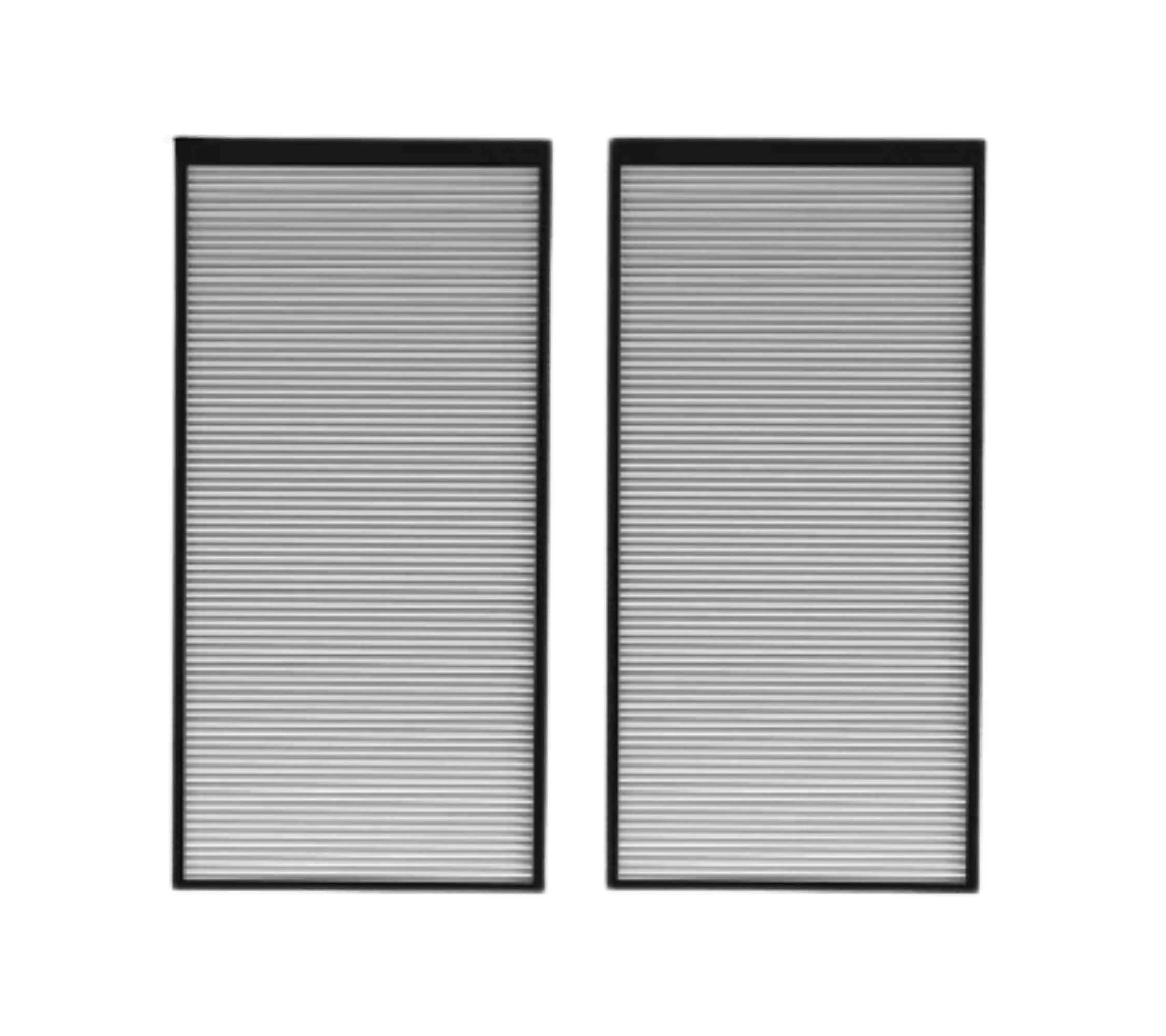
Removing small particles from indoor air is the job of the air purifier filter. But what kind of filters are used makes a difference. Air filters are graded on the Minimum Efficiency Reporting Value (MERV) scale, which is based on their ability to capture airborne particles of a given size. MERV ranges from 1-16, with the lower numbers being less effective at capturing particles. Typically higher the MERV number, the more restrictive the filter has to be to catch tiny particles. At the top of the spectrum are high efficiency particulate air filters, commonly known as HEPA filters. A HEPA filter must be able to remove 99.97% of 0.3 micron size particles in a single pass.
It is possible to have the same or better efficiency than a HEPA filter without meeting the technical HEPA specifications. When shopping for an air purifier you want the best filter to protect your respiratory health, so look for an air purifier that has HEPA level efficiency.
Less Dust, Better Health
Using an air purifier to remove airborne pollutants can lead to a number of health benefits thanks to better indoor air quality. One of the biggest benefits is reduced allergy symptoms caused by pet dander and dust mite allergies.
Long-term health benefits include reduced risk of cardiovascular disease, better sleep quality (less nose/throat irritation) and fewer illnesses caused by airborne viruses or bacteria. Studies have shown that indoor air quality is related to cognitive function and occupational health. This is especially important for office work spaces and school environments. HealthWay offers a number of enterprise level air purification solutions that go beyond just slapping HEPA filters in an existing HVAC unit.
Dust Mites Love Your Dust
You’ve probably heard of dust mites but don’t know much about them other than some people have dust mite allergies. They are actually tiny arthropods (related to ticks and spiders) that live in your home. They prefer warm places like carpets, furniture, beds, and unfortunately stuffed animals. They eat dead skin cells shed by people and pets alike.
An air purifier is a great way to keep dust mites under control by simply removing their food source from the air. Make sure to use an air purifier with a fully sealed filtration chamber so that all the air is channeled through the filter.
You can also help remove dust mites by cleaning soft furnishings and vacuuming carpets often. Dust traps itself in all kinds of places, so keep microfiber cloths around to wipe down surfaces often. Using mite-resistant bedding covers can prevent dust mites from setting up shop. Dust mites need humid air, so keep indoor humidity levels below 50%.
Pet Dander Dust
Pet hair and pet dander make up a large portion of the dust around your house if you have pets. Pet hair is the easiest to spot, but pet dander tends to break down into microscopic particles that are easily spread through the air. While these aren’t among the most notorious household pollutants, they are allergens that can cause havoc for those who are susceptible. An air purifier helps reduce overall airborne dust levels that can contain mold spores, bacteria, viruses and other particulates.
Whether it is the kitty litter box or Fido rolled in something in the yard, pets bring their own fragrances to your home. If you choose an air purifier with a volatile organic compound (VOC) filter it can also help remove unpleasant odors that often accompany pet ownership.
To help better control pet related dust make sure to wash and brush your pet regularly. Getting loose hair off their coat with a brush is a lot better than waiting for it to float by in the air.
Picking The Right Air Purifier
Now that you know why an air purifier is important for removing dust, now you need to find the right one. Start by calculating your coverage area in square feet so you can pick an air purifier based on room size compatibility. Once you know how big an area you need to clean you can start looking for an air purifier that has sufficient capability. You want to look at the CADR (Clean Air Delivery Rate) of the unit. CADR ratings show how effective an air purifier is at removing particles in cubic feet per minute (CFM).
There are a few air purifier placement strategies depending on your living space compatibility. Ideally an air purifier should be near the center of the room for the most airflow. You can also place it near things that cause smells (if it has a VOC filter) or is a source of dust, like a litter box. Keep the air purifier away from anything that could block airflow (at least 6” distance). For seasonal allergies using an air purifier in the bedroom can help bring more restful sleep. In some cases a whole-home air purifier is the best solution.
Keep in mind that filter maintenance is important to air purifier performance. Some air purifiers have separate particle filters and VOC filters with different gas-capture technologies (like activated carbon filters). Make sure it is easy to change the filter or else you may not be as compelled to do so on a regular basis. This is especially important in areas affected by wildfire smoke as air filters clog faster and need to be changed more often.
Air Purifier Maintenance Is Key
Your air purifier works hard removing nasty things from the indoor environment, but it can only do its job efficiently if it is maintained. Dust accumulation on the air purifier filter reduces dust filtration efficiency. If you could see inside your home’s duct systems you’d understand just how much dust can accumulate over time. Just like your home HVAC system your air purifier has filters that need to be maintained. More than likely your air purifiers do not use the same types of filters found on home HVAC systems. It’s a good idea to stock up on whichever filters you need once a year, that way the right filter is on hand when you need it.
Most air purifier filters (especially HEPA filters) are designed to be used once and discarded. But some filters (especially pre-filters) can be clean. Refer to your owner’s manual before attempting cleaning filters or replacing filters for the first time. Some filters can be washed or vacuumed, but it is important to know which method is acceptable or else you may damage the filter. Make sure to follow the directions when servicing the filter. Proper placement of the filter is important to maintaining a tight seal for the best air filtration efficiency.
Changing your HVAC system filter on a regular basis also helps your air purifier work efficiently. By not allowing the air purifier filter to clog quickly with large particles it can focus on removing the tiny particles the HVAC filter can’t catch. By maintaining all the air filters in your home you can minimize airborne dust effectively.
One Part Of A Clean Air Team
An air purifier is a great tool for creating better indoor air quality, but it isn’t the only way. Much like football, indoor air quality is a team effort with many different plays. If the weather is nice and outdoor air quality good then a few open windows can really freshen things up. Regular cleaning helps remove dust and reduce respiratory issues, so vacuum often and wipe down surfaces.
Even though HVAC filters aren’t meant to purify air, they do a good job removing larger airborne particles. Make sure to change your HVAC filter on a regular basis. Unfortunately not every air purifier is equipped to remove indoor pollutants like volatile organic compounds (VOCs). These gaseous pollutants slip right through a pleated filter. VOCs must be removed using a special VOC filter (usually containing charcoal or similar substance). Be aware that an air purifier cannot remove radon, which requires special equipment to capture and disperse.
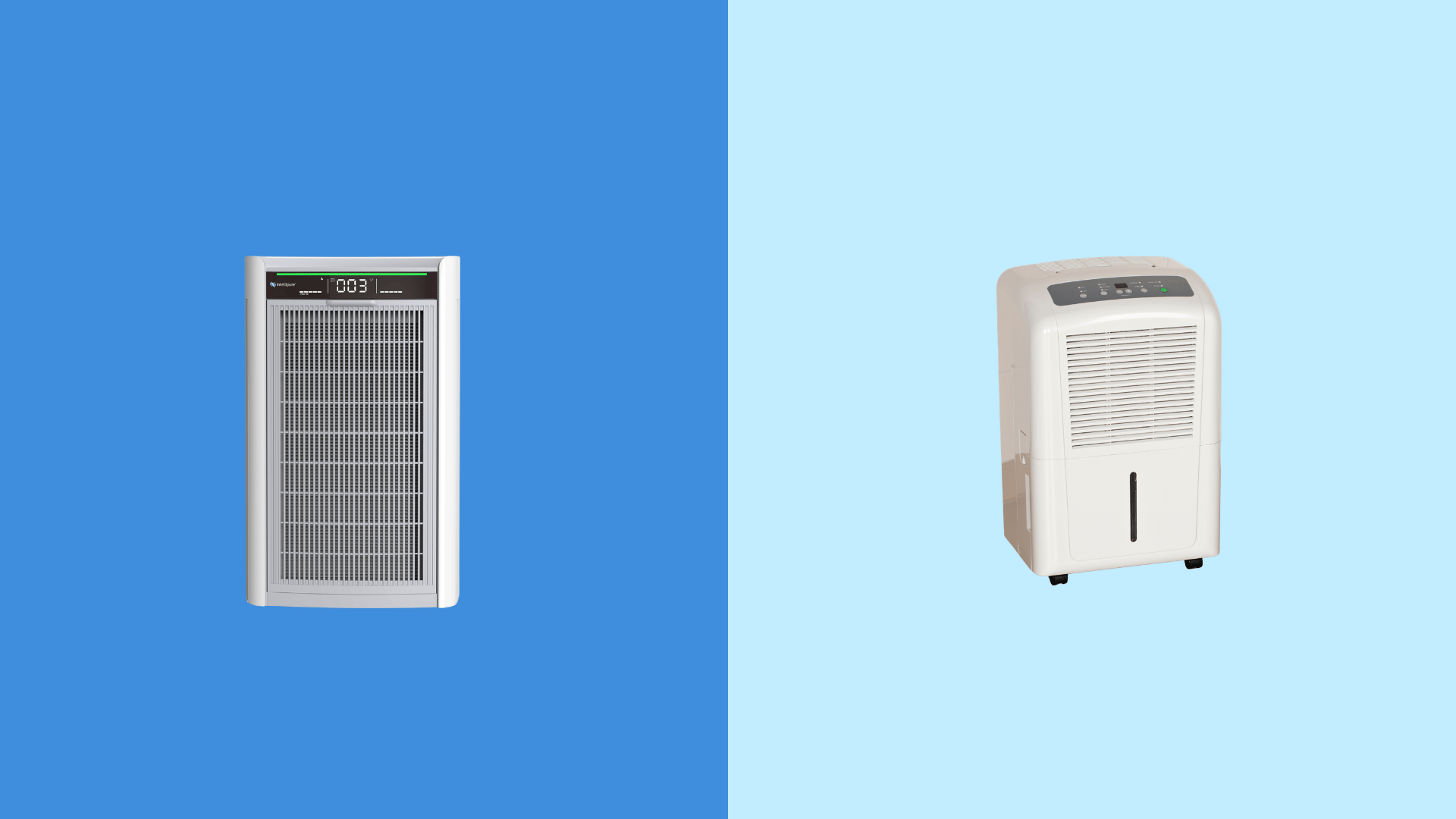
When choosing home products look for low-emission alternatives that are rated low- or no-VOC. If you live in an area with high humidity consider using a dehumidifier to prevent mold growth and keep mold spores out of the air. If you have pets, brush and bathe them often to reduce pet hair and dander.
Dust On The Job Site
In industrial settings dust control is a serious respiratory health issue. OSHA (Occupational Safety and Health Administration) sets rules and regulations around acceptable airborne dust levels. Fine particulate hazards like manufacturing and construction dust can have long lasting negative health effects for workers. Workers use personal protection equipment (PPE) like respirators and masks, but there are also large scale air cleaning systems that can remove tiny airborne particles on a massive scale. In some cases dust control is both for worker health and product quality (like electronics manufacturing) where indoor air quality must be extremely clean. Air purifier placement in an industrial setting can be integrated into an air handling unit (AHU), built into the ceiling of a room, or just a portable standalone unit.



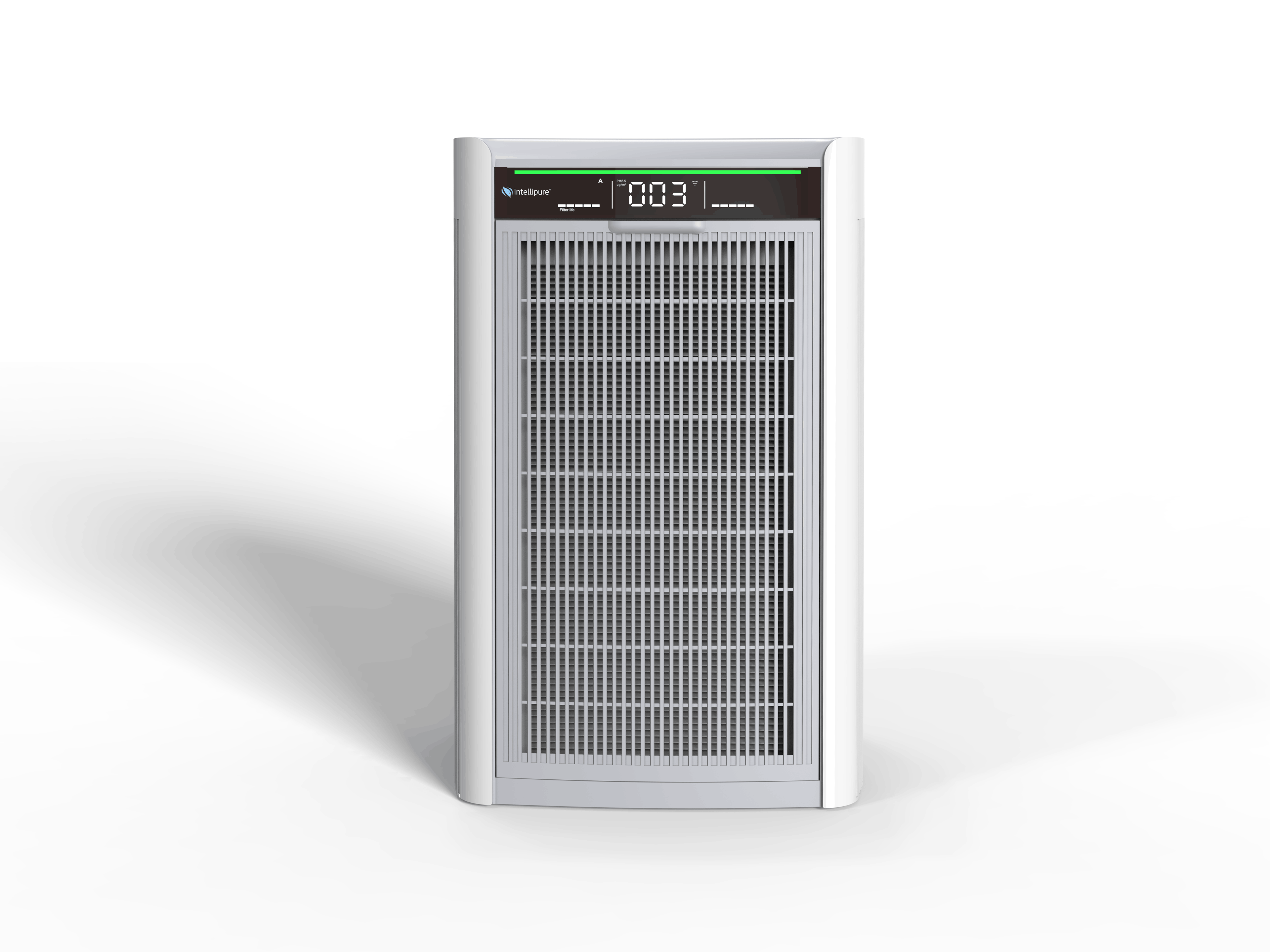

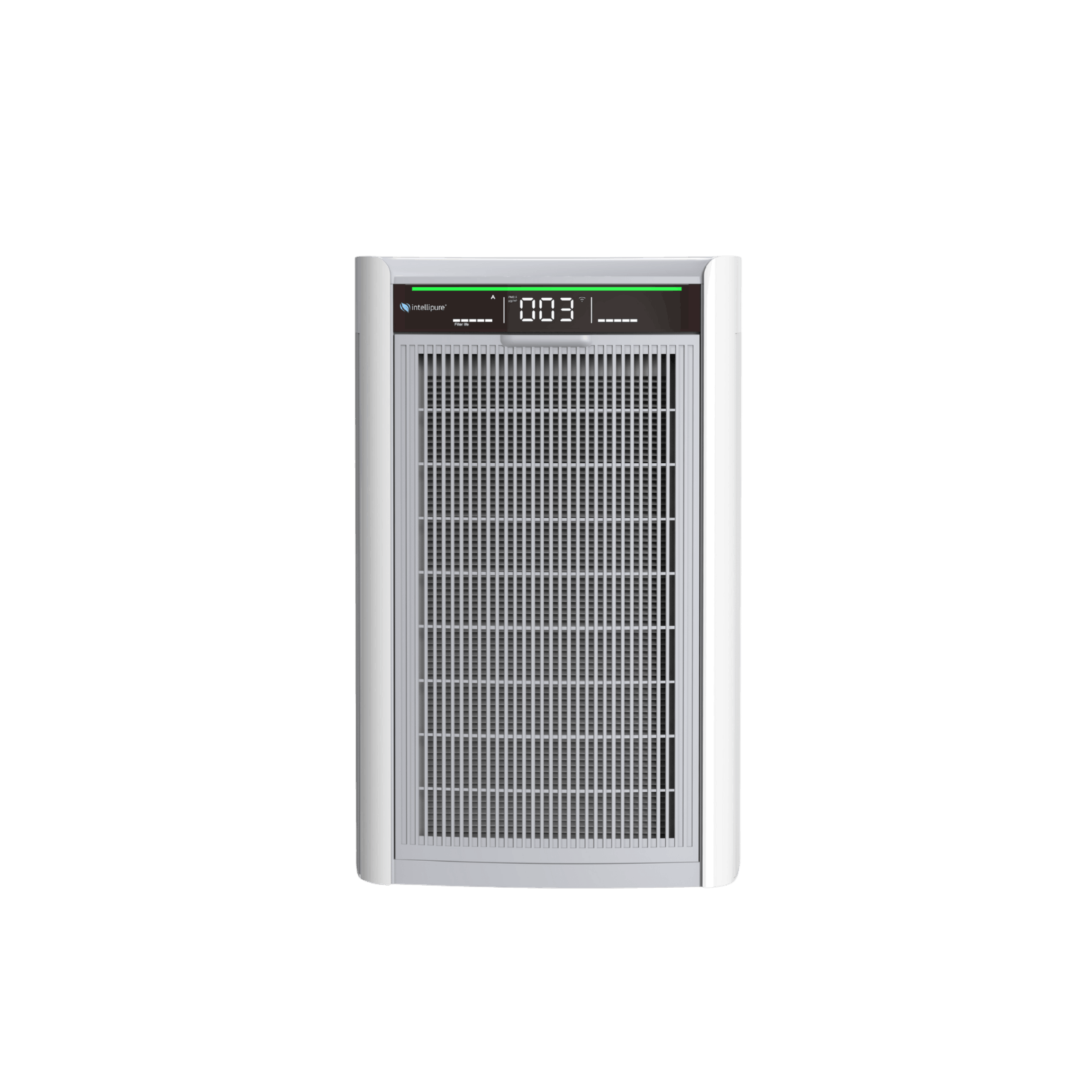
Intellipure Donates 70,000 Intellipure Compact Air Purifiers to Baby2Baby
The Best Air Purifier for Allergies & Allergy Sufferers