


Summary
As a lifelong resident of the Sunshine State, I consider myself an authority on all things sunny.
In This Article
As a lifelong resident of the Sunshine State, I consider myself an authority on all things sunny. So, I speak from experience when I say: Summer has a way of making skincare routines and hair maintenance schedules feel like full-time jobs.
Most of us respond with the obvious fixes. We reach for lighter moisturizer, stronger SPF, dry shampoo, a clarifying wash, and maybe a little less time outside when the heat index starts acting personally offended. Granted, these are all smart moves, and we should all be a little more cognizant of our UV exposure. But there's another part of your summer skin and hair routine worth thinking about, and it's not sitting on your bathroom counter.
Spoiler alert! It's your air.
The air inside your home can carry dust, PM2.5 ultrafine particles, volatile organic compounds (VOCs), and the microscopic leftovers of everyday routines. In summer—when windows stay closed, air conditioning runs around the clock, and sprays, sunscreen, sweat, and outdoor dust all mix into the day—those invisible particles can become part of the environment your skin and hair are living in.
First, What's Floating Around?
If you're new here, you should know that PM2.5 refers to fine particulate matter small enough to be inhaled deeply into the lungs. Ultrafine particles are even smaller. You don't have to see them, smell them, or feel them for them to matter.
These particles can come from outdoor pollution, smoke, dust, personal care products, and everyday indoor activities. They can also settle on surfaces, fabrics, floors, and yes, you. That's one reason a great air purifier for dust can be helpful beyond the usual hooray-my-bookshelf-looks-cleaner benefit. Less airborne dust means less of that dust moving through the rooms where you sleep, get ready, work, and unwind.
So, while we usually talk about indoor air quality (IAQ) in terms of lungs, your outer beauty deserves a spot in the conversation, too.
Your Skin Is a Barrier
Your skin isn't just there to hold a glow (though it's a nice perk). It's your body's first line of defense, and research suggests air pollution can interfere with that barrier in several ways.
A recent study found that exposure to air pollution can worsen inflammatory skin conditions, including atopic dermatitis, psoriasis, and acne. It's also been associated with accelerated skin aging, hair loss, and skin cancer [1][1]. The same review points to oxidative stress, skin barrier disruption, and inflammation as important mechanisms behind these effects [1][1].
It's a lot to take on, and that anti-inflammatory, antioxidant-packed superfood smoothie you had last Tuesday could use a little help. Might I suggest an air purifier to improve your IAQ?
Another review found that particulate matter can induce skin barrier dysfunction and provoke the formation of reactive oxygen species, leading to oxidative stress and activation of inflammatory pathways in human skin [2][2]. It also noted epidemiological correlations between particulate matter exposure, extrinsic aging, atopic eczema risk, and aggravation of chronic immunological skin disease symptoms [2][2].
In plain English? Your skin is constantly responding to its environment. Heat, humidity, sweat, sunscreen, and skin-care products all play a role in summer. So can the air around you.
That does not mean one dusty afternoon or one smoky evening is going to undo your entire routine. It does mean indoor air quality belongs in the same general wellness conversation as sunscreen, hydration, and not sleeping in yesterday's makeup. Simple, unglamorous, surprisingly important.
Summer Makes Things Sticky
Hot weather has a special talent for making everything feel like it's clinging to you. (Again, I'm writing this article from a swamp.) Sweat clings. Sunscreen clings. Sand clings. Hair products cling. Outdoor dust and fine particles can cling, too.
When it's hot out, we tend to seal ourselves indoors with the AC. It keeps us cooler, thankfully, but it can also reduce fresh air exchange. If particles, dust, or product-related pollutants build up inside, they may hang around longer than we'd like.
This is where indoor air quality gets personal. Your bedroom air matters because that's where your face spends hours against a pillowcase. Your bathroom air matters because that's where sprays, powders, polish, remover, and hair products often get used in a small, enclosed space. Your living room air matters because dust and outdoor particles can get stirred up every time someone walks through, opens a door, or flops onto the couch after a sweaty afternoon outside.
Basically, it all matters and your skin-care routine does not stop at the sink.
Beauty Products Can Change the Air, Too
Now, let's talk about the bathroom counter.
Common nail and hair products can affect indoor air quality, especially in smaller spaces with limited ventilation. One study tested nail polish, acetone-based remover, hairspray, and hair dye in a sealed room and found that all tested products worsened indoor air quality [3][3]. Hairspray produced the greatest increase in pollutants, and combined product use pushed the air quality index (AQI) and PM2.5 levels to less-than-ideal heights in the test room [3][3].
The same study compared two purification methods: An exhaust fan and an air purifier equipped with HEPA and activated carbon filters. In that experiment, the air purifier restored air quality to safe levels within one minute, while the exhaust fan produced only modest improvements over 15 minutes [3][3].
That does not mean you have to break up with your hairspray. It does mean your "getting ready" routine can become an indoor air event, especially when several products are used back-to-back in a closed room.
Clean-air tip: Spray smarter. Use hair spray, dry shampoo, fragrance, and similar products with ventilation (or a really good air purifier) when possible, and avoid loading up a small bathroom with product and then closing the door.
Your Scalp Counts, Too
Hair has its own summer drama: Frizz, dryness, oil, sweat, chlorine, salt, and the occasional mystery texture that appears for no clear reason. But your scalp is skin, and it lives in the same air as the rest of you.
Air pollution has been discussed as a factor in scalp and hair concerns, including dryness, thinning (hair and skin), dandruff, irritation, follicle stress, and moisture loss [4][4]. Clean air is not a hair-loss treatment, and it will not replace medical care, scalp care, or a good wash routine. But reducing the dust, particles, and product-related pollutants in your home can support a cleaner environment for your hair and scalp.
Think of it like washing your pillowcase. It's not a miracle cure, but it's a smart part of the bigger picture. (Consider this a friendly reminder to wash your pillowcase.)
About That "Safe PM2.5 Level Indoors" Thing
Be honest… have you googled that phrase lately? If summer smoke, dust, or beauty-product buildup has you thinking more carefully about a safe PM2.5 level indoors, you're asking the right kind of question. The important thing here is not that we all need to be chasing perfect air. It's reducing the avoidable particle buildup you can actually control.
Start with the basics:
- Keep windows closed when outdoor air is smoky, dusty, or polluted.
- Avoid pulling outdoor air inside with fans during poor air quality periods (most weather apps can tell you what your local AQI is).
- Vacuum, wash bedding, and dust regularly, especially in bedrooms.
- Use sprays, polish, remover, and hair products with ventilation whenever possible.
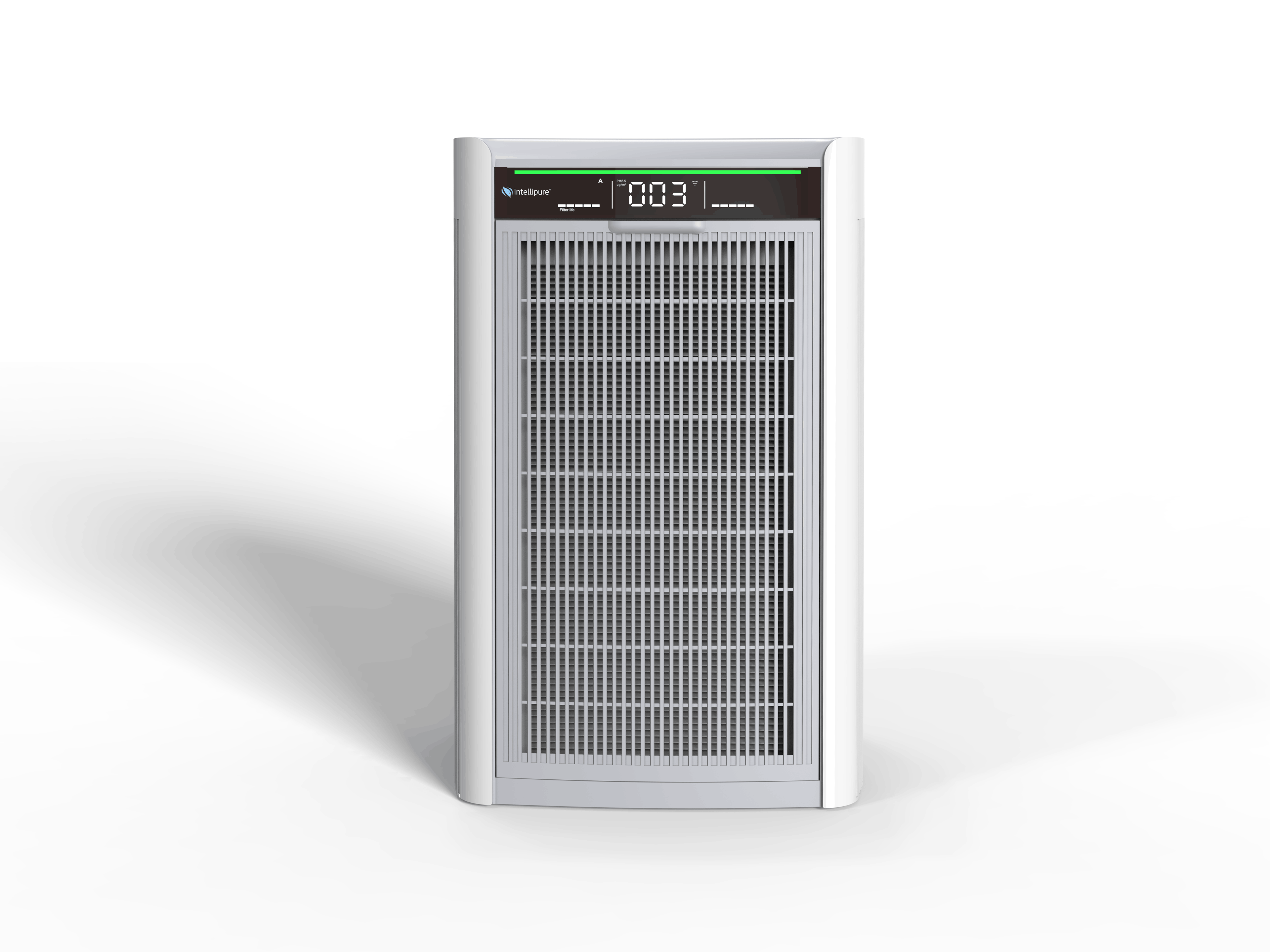
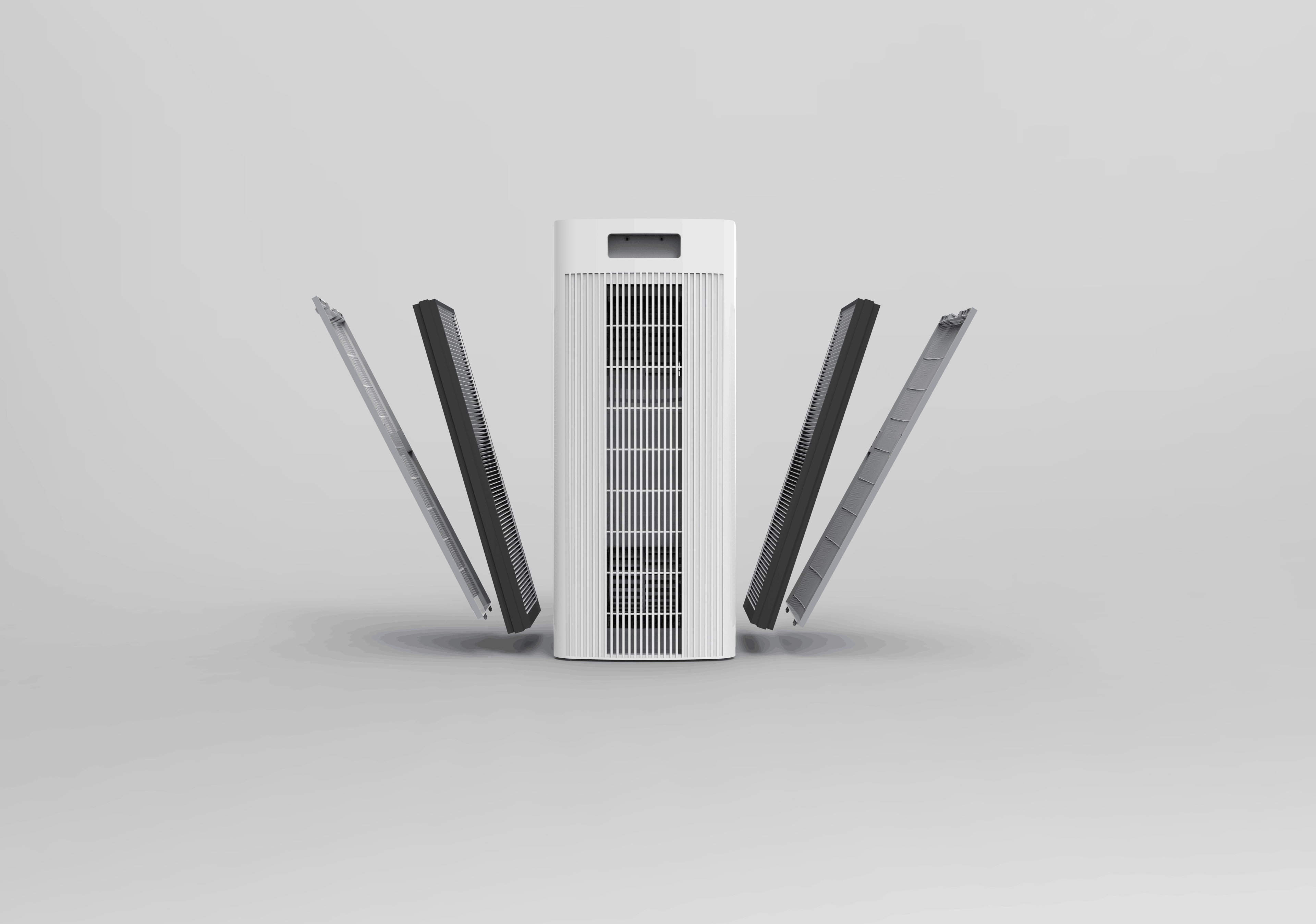
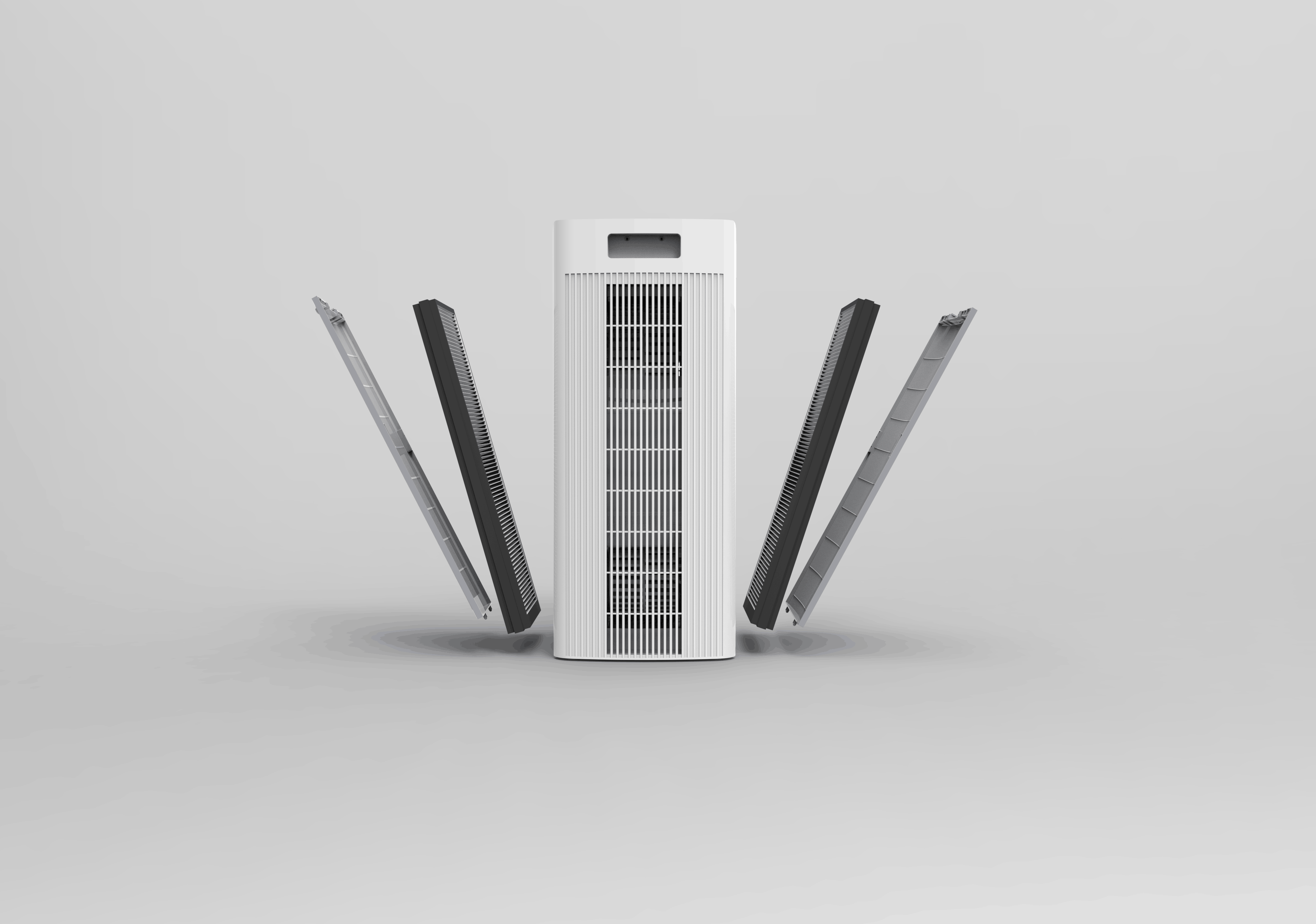
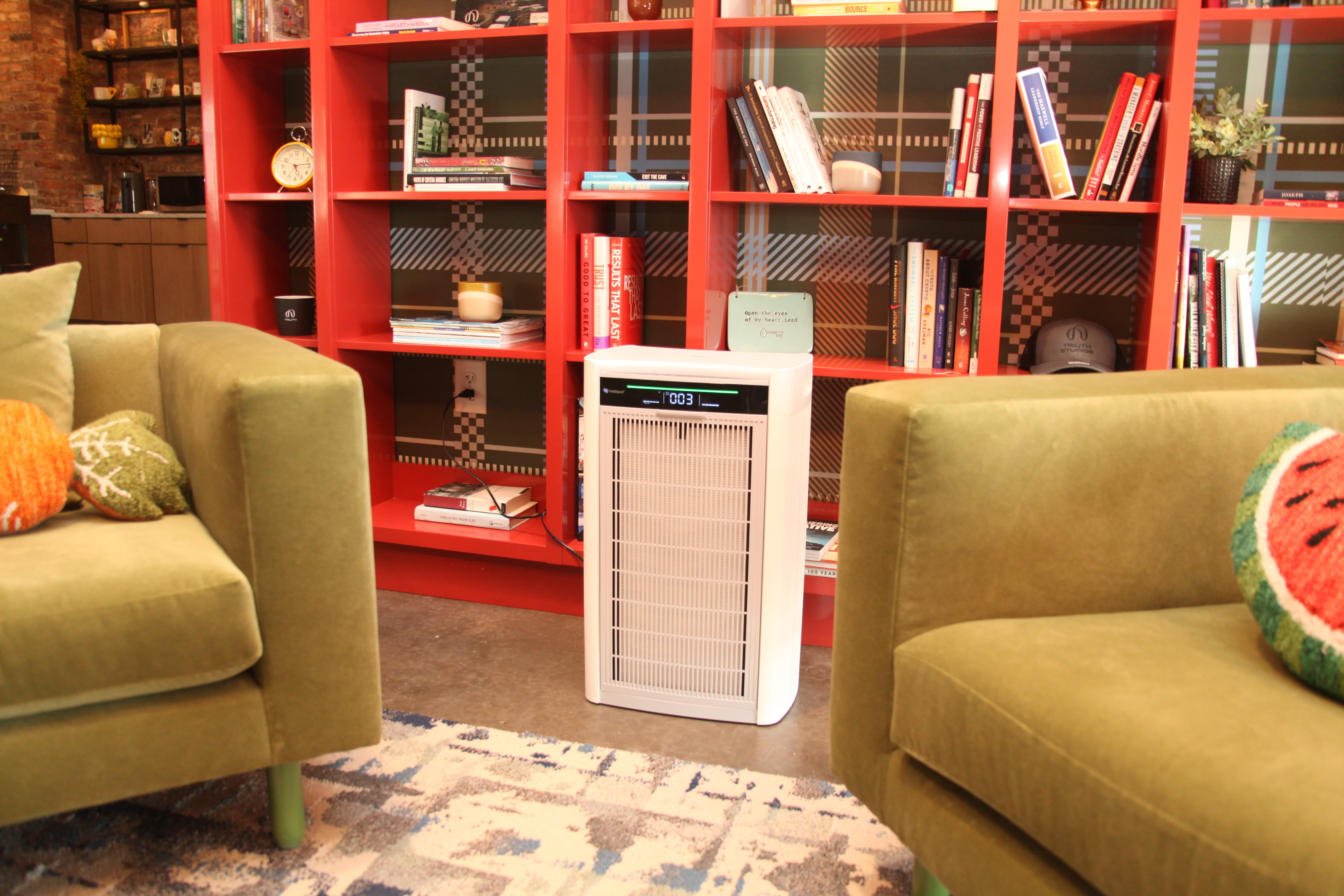
- Run a high-quality air purifier in the rooms where you spend the most time. You can also use them as a "spot treatment" of sorts, running them during or directly after using the above products.
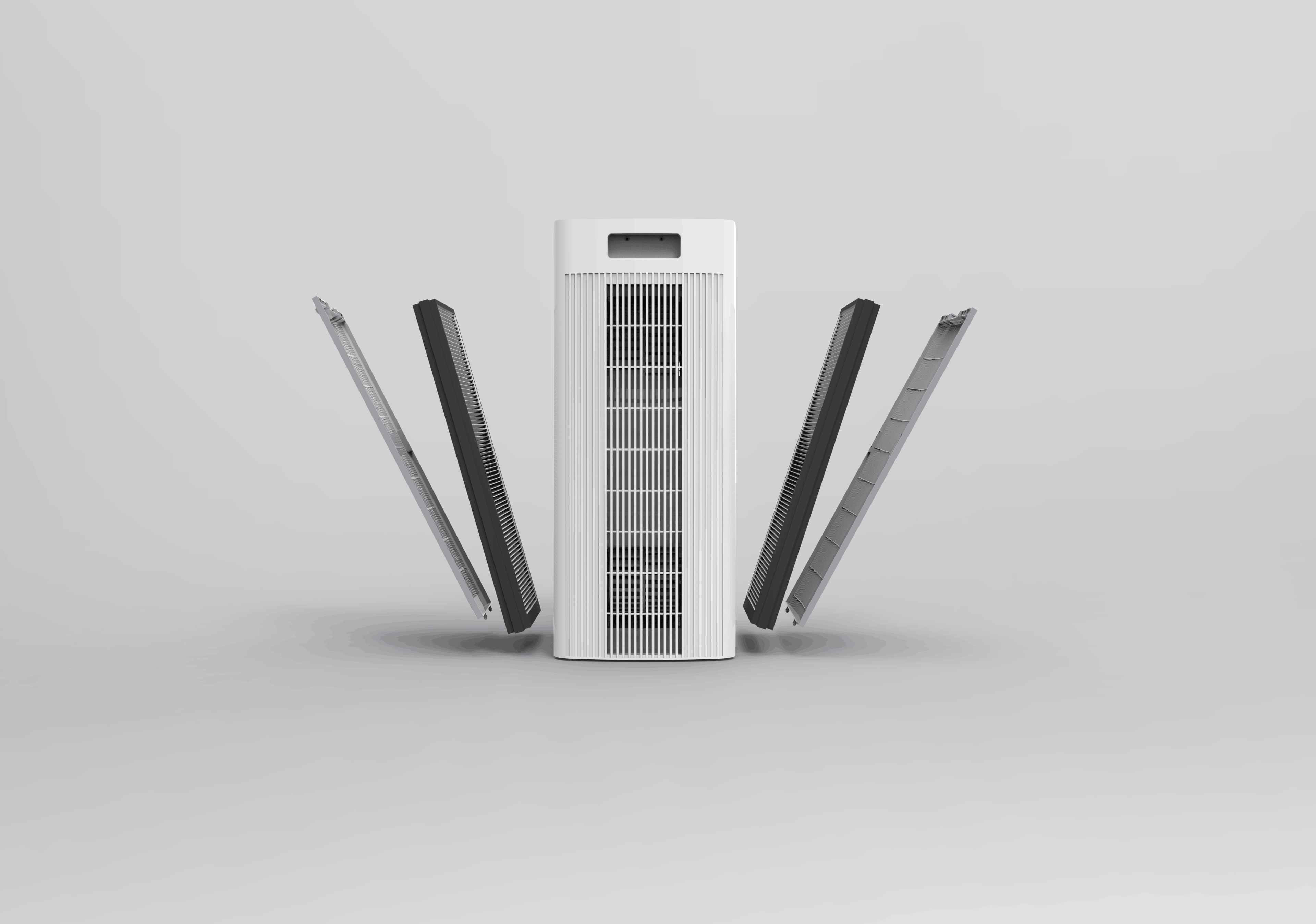
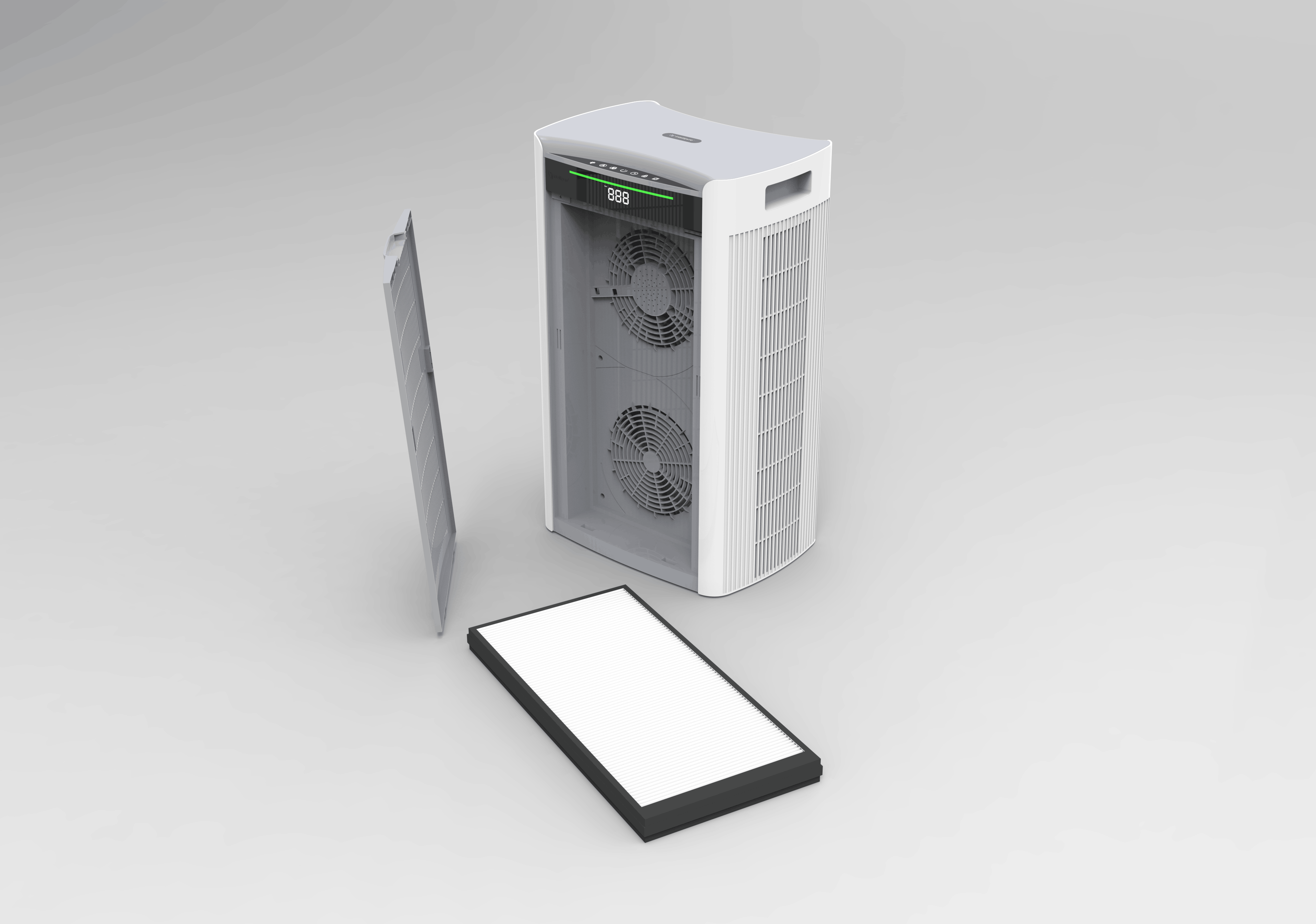
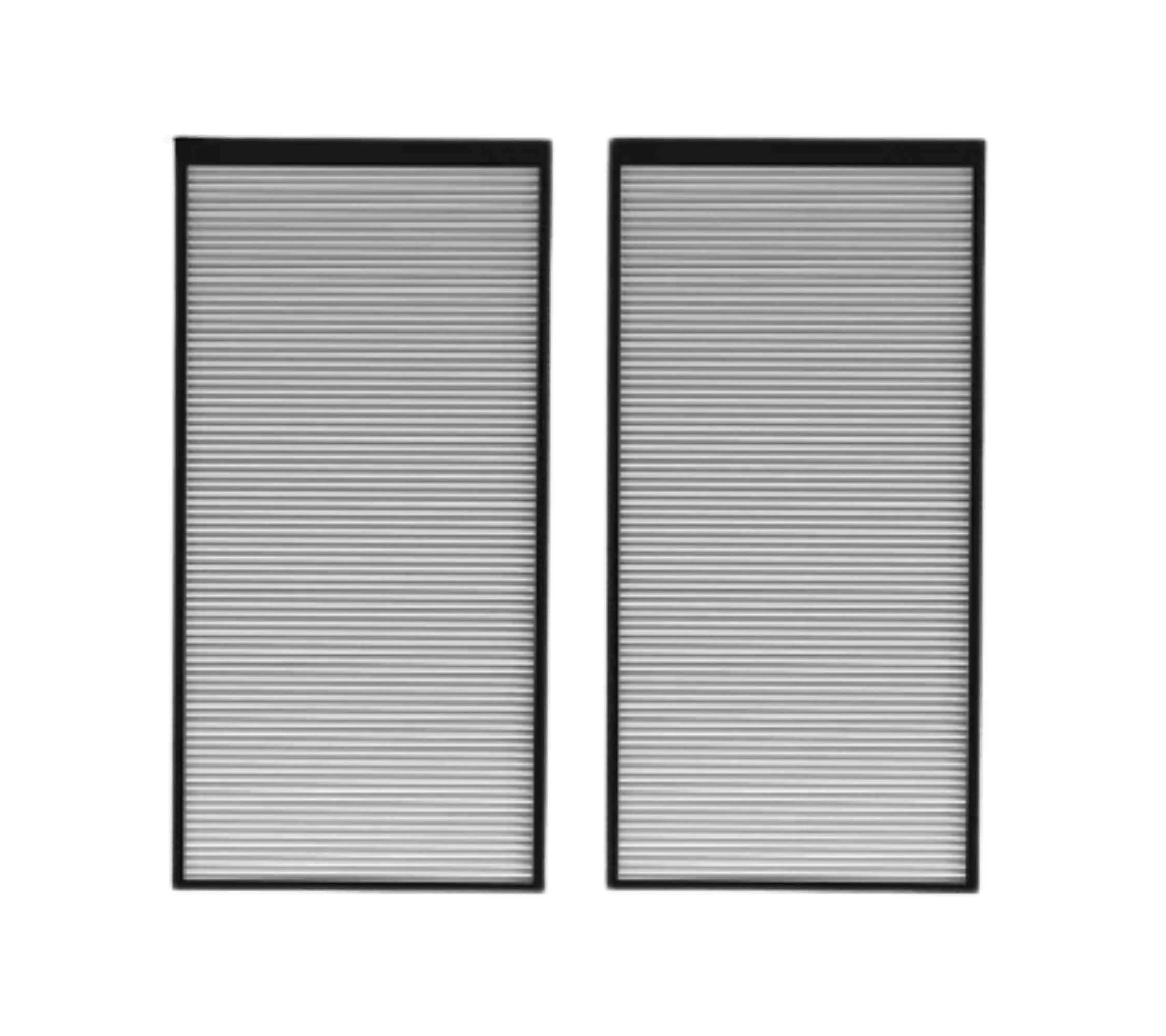
- Keep purifier filters fresh, especially during heavy dust, smoke, pollen, or product-use seasons.
Your skin and hair do not need a perfectly sterile indoor bubble. They just benefit from less of what doesn't belong there.
Keep the Glow, Lose the Grime
Summer should feel like sunshine, pool days, fresh fruit, beach bags, and cold drinks that start sweating the second you step outside. Not stale dust, trapped particles, and a cloud of hairspray hanging around your bathroom.
You don't have to overhaul your life, cancel your plans, or treat your home like an operating room. Just remember that your skin and hair are exposed to more than heat and humidity. They're exposed to the air around you, day after day.
Filter the dust. Reduce the PM2.5 and ultrafine particles where you can. Be mindful of sprays and product buildup. Give your indoor air the same kind of attention you give your skin: Consistent, customized care.
Ultimately, better air does more than help your home feel fresh. It helps create a cleaner space for every breath, every routine, and every summer day you want to feel good in your own skin.
References
- Han HS, Seok J, Park KY. Air Pollution and Skin Diseases. Annals of dermatology. 2025;37(2):53-67. doi:10.5021/ad.24.159.
- Dijkhoff IM, Drasler B, Karakocak BB, Petri-Fink A, Valacchi G, Eeman M, Rothen-Rutishauser B. Impact of airborne particulate matter on skin: a systematic review from epidemiology to in vitro studies. Particle and fibre toxicology. 2020;17(1):35. doi:10.1186/s12989-020-00366-y.
- Grigoryants J, Miller S. The Toxic Price of Beauty: Impact of Common Nail and Hair Care Products on Indoor Air Quality and Effectiveness of Air Purification. Cureus. 2025;17(10):e95720. doi:10.7759/cureus.95720.
- bosleymd.com: 4 ways air pollution affects your hair health.






Summer Staples That Threaten Clean Indoor Air
Outside In: How Your Yard Affects Your Indoor Air Quality