

Summary
Hurricane prep usually starts with the obvious: batteries, bottled water, flashlights, medications, and a plan for where to go if conditions turn dangerous.
In This Article
Hurricane prep usually starts with the obvious: batteries, bottled water, flashlights, medications, and a plan for where to go if conditions turn dangerous. But hurricane season home preparation should also include the air inside your home.
I've lived in Florida my whole life, so hurricane prep feels almost like a seasonal ritual. Still, indoor air can be easy to overlook when there are shutters to hang and supplies to track down.
Hurricanes can change environmental conditions well beyond landfall. Flooding, damaged infrastructure, fuel use, debris removal, power outages, and restoration work may introduce or redistribute pollutants, while excess moisture can create conditions that support mold growth [1, 2][1, 2]. Preparing ahead can make it easier to protect your indoor environment during the storm and recover afterward.
What Hurricanes Can Stir Up
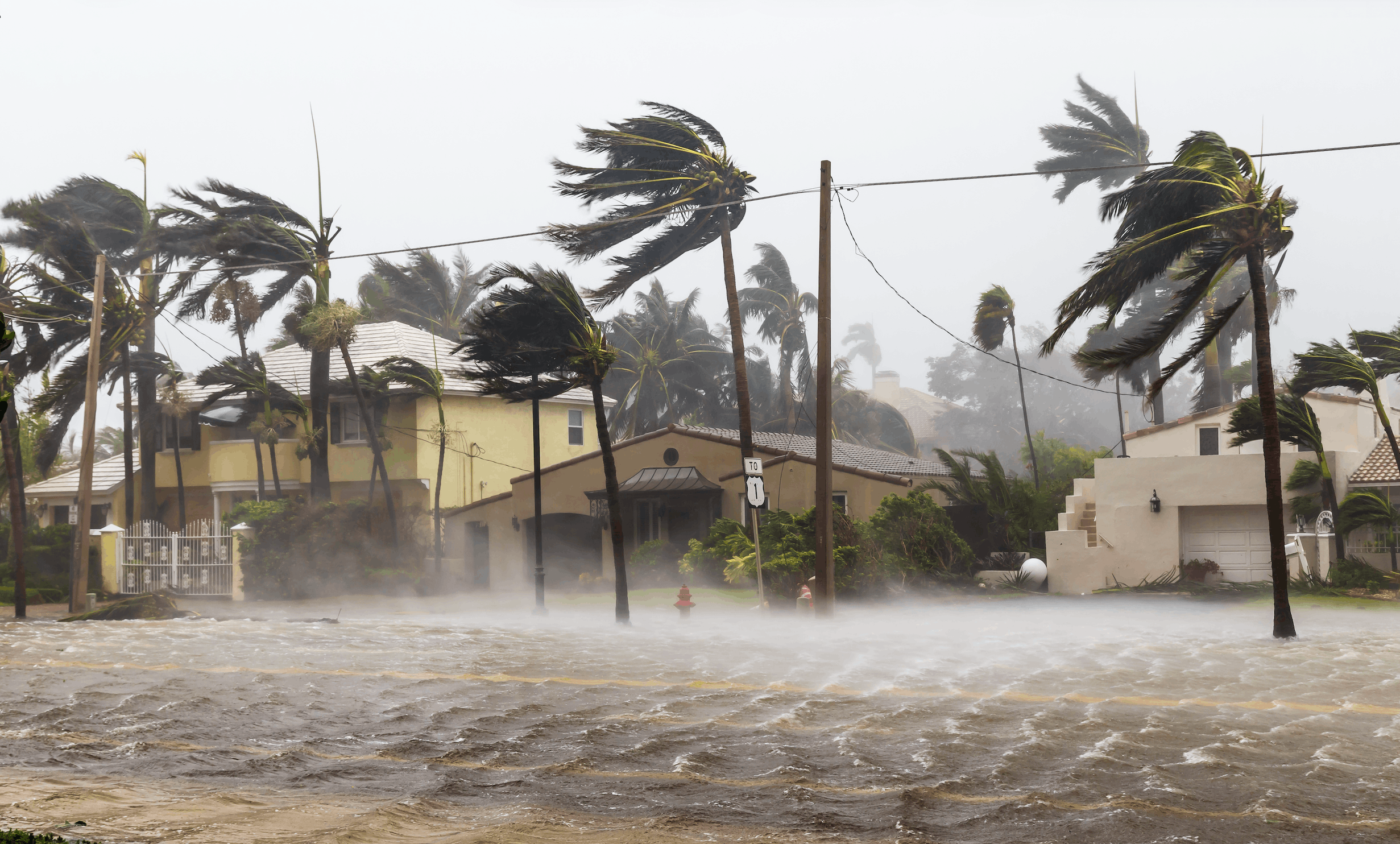
A hurricane doesn't have to tear through your roof to affect the air around your home.
Researchers studying Hurricane Florence found localized increases in PM2.5 and benzene immediately after the storm. Higher concentrations were associated with fueling stations, although most other pollutants remained below levels of regulatory concern [1][1]. The findings show that hurricane indoor air quality can vary by location, timing, and nearby pollution sources.
The recovery period brings its own challenges. Generators, fuel, damaged buildings, debris removal, and repair work may add chemicals and particles to the air. Flooding can also carry contaminants into homes and release bioaerosols, including mold spores and endotoxins [2][2].
In other words, the storm may pass in a day, but its effects on the surrounding environment can last much longer.
Why Mold Deserves a Place in Your Storm Plan
Mold is one of the most familiar post-hurricane concerns, and for good reason. Homes with more severe flood damage have shown greater mold growth, and elevated airborne mold spores have been measured inside flooded homes [2][2].
Those spores can become an inhalation exposure, especially when damaged drywall, carpet, insulation, furniture, or other porous materials remain wet. Mold may also grow in places you can't immediately see, including behind walls, beneath flooring, and inside enclosed rooms.
After a few hurricane seasons, you learn that "looks dry" and "is dry" aren't always the same thing.
That's why the answer to how to prevent mold after a hurricane begins with moisture. Finding leaks, removing damaged materials, and drying the space are more important than simply covering musty smells or visible spots.
Before the Storm: Prepare More Than Your Supply Kit
A few indoor-air steps can make post-storm cleanup more manageable:
- Check for existing roof, plumbing, window, or door leaks.
- Replace an overdue HVAC filter while your system is still operating normally.
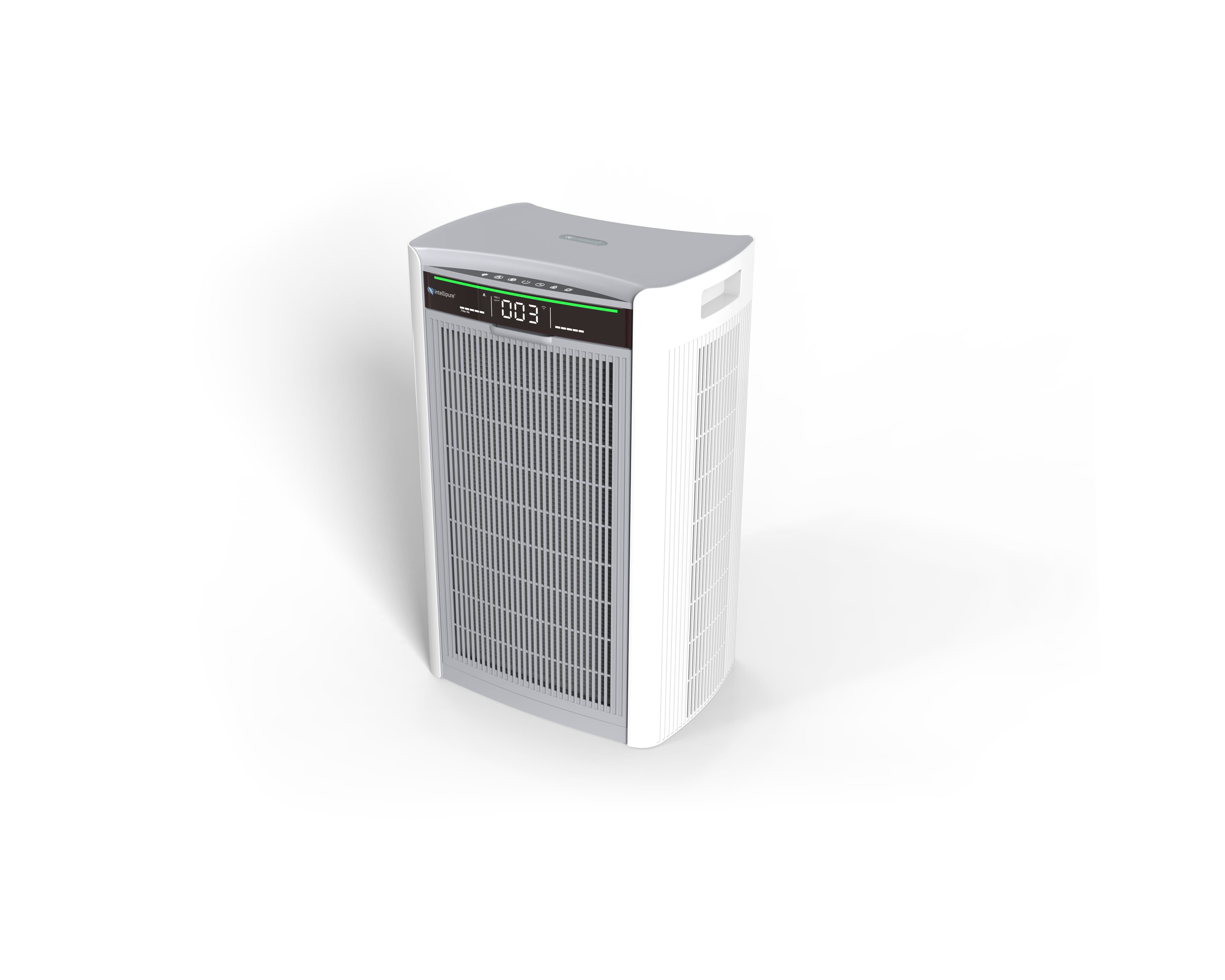
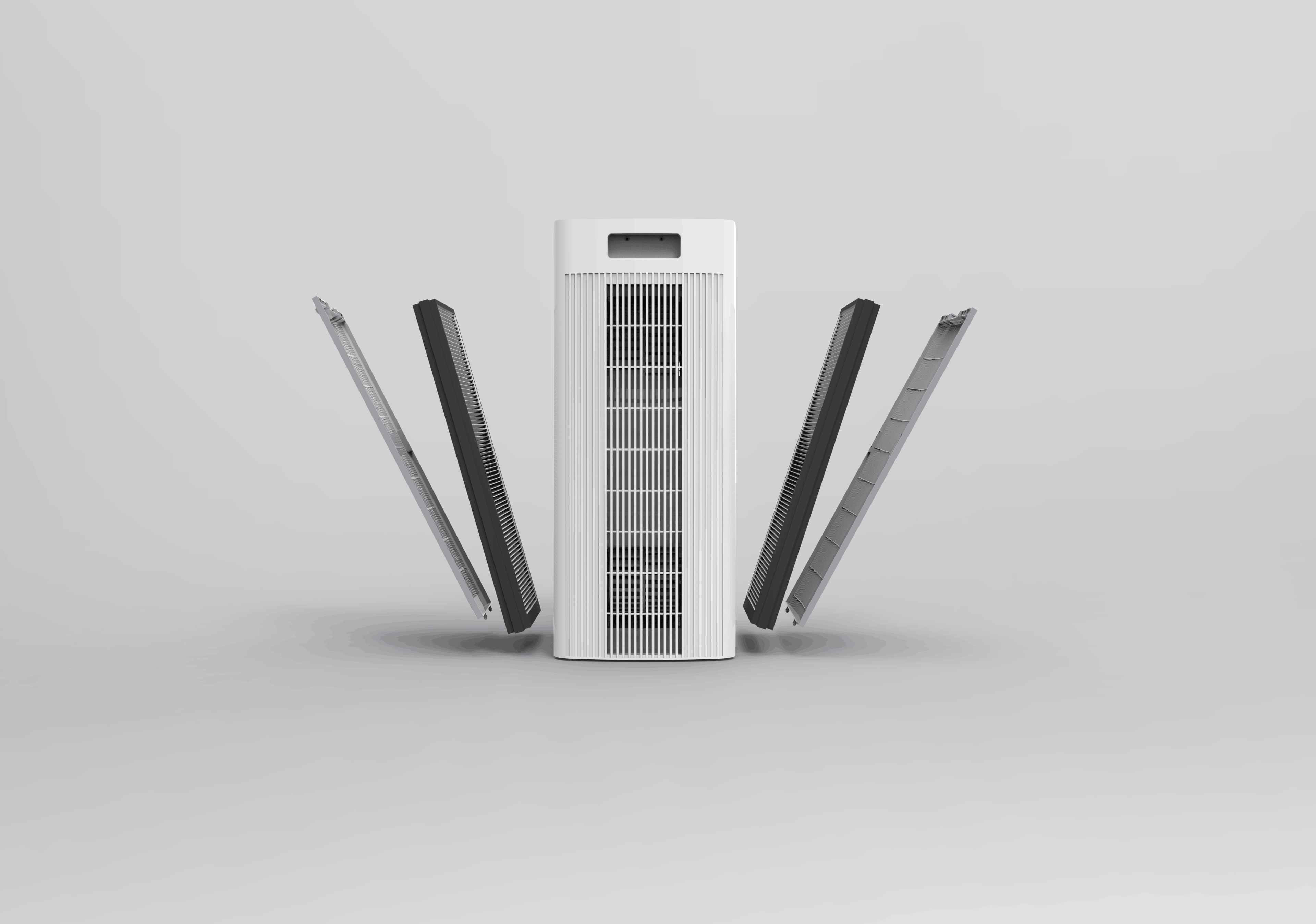
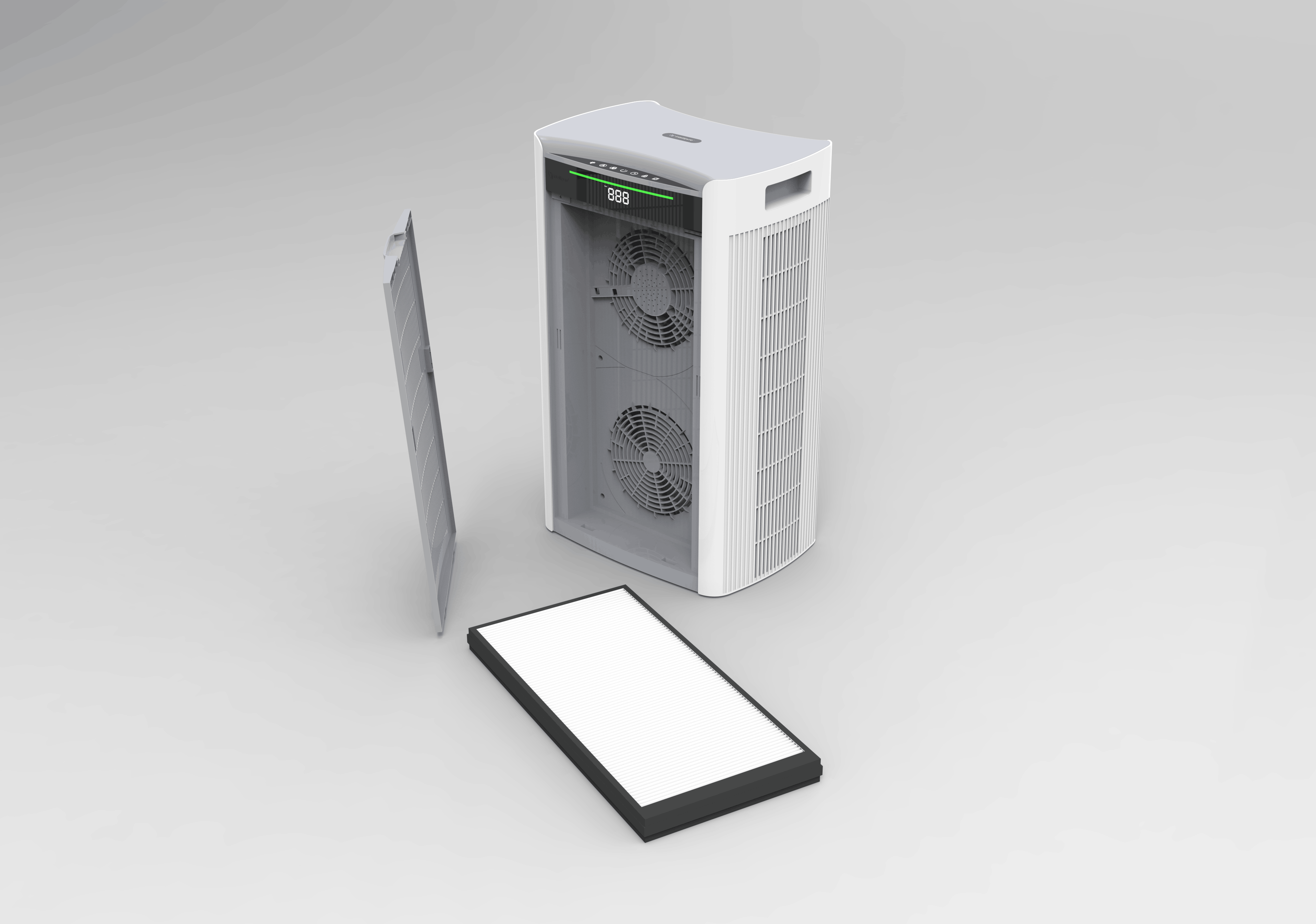
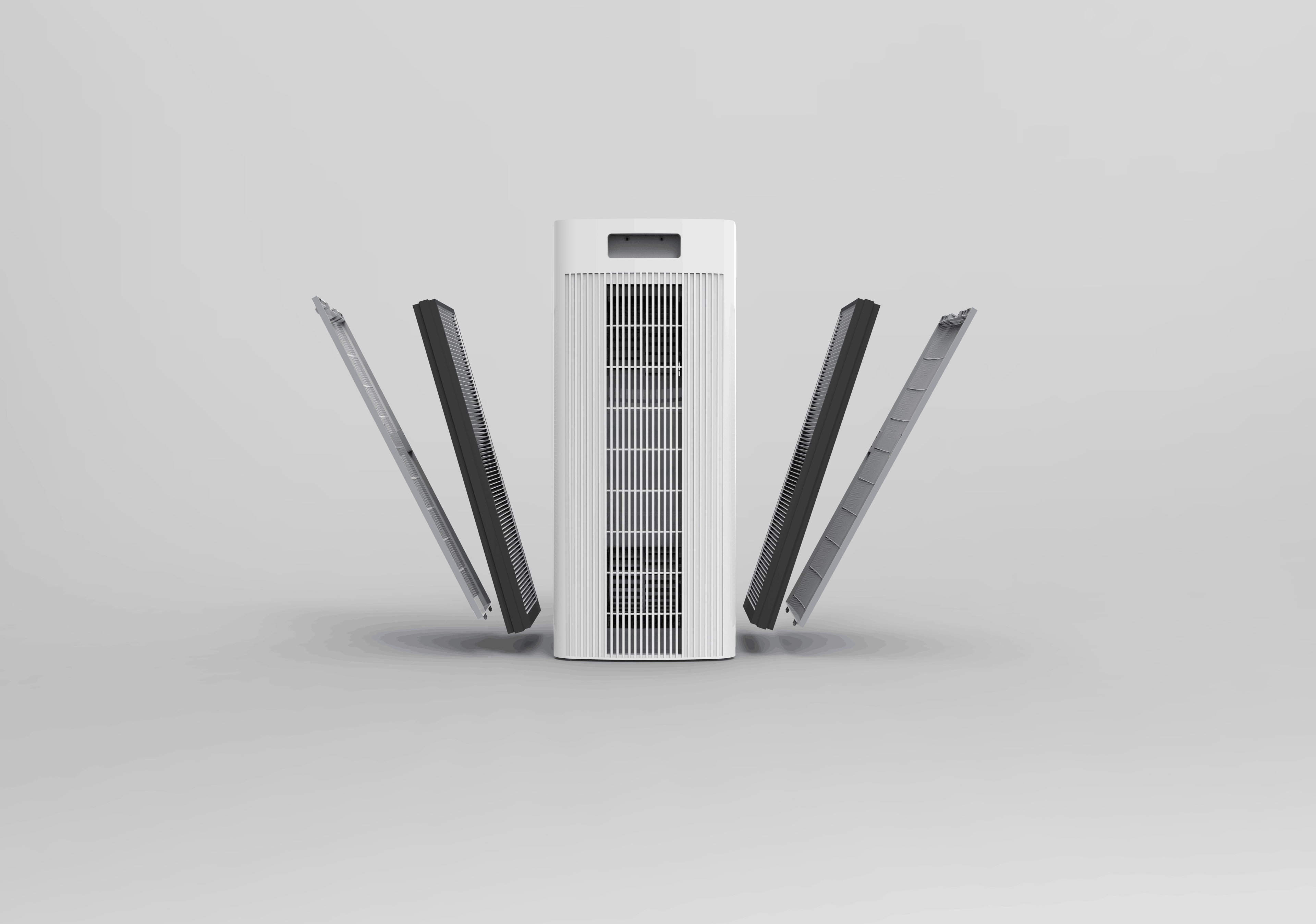
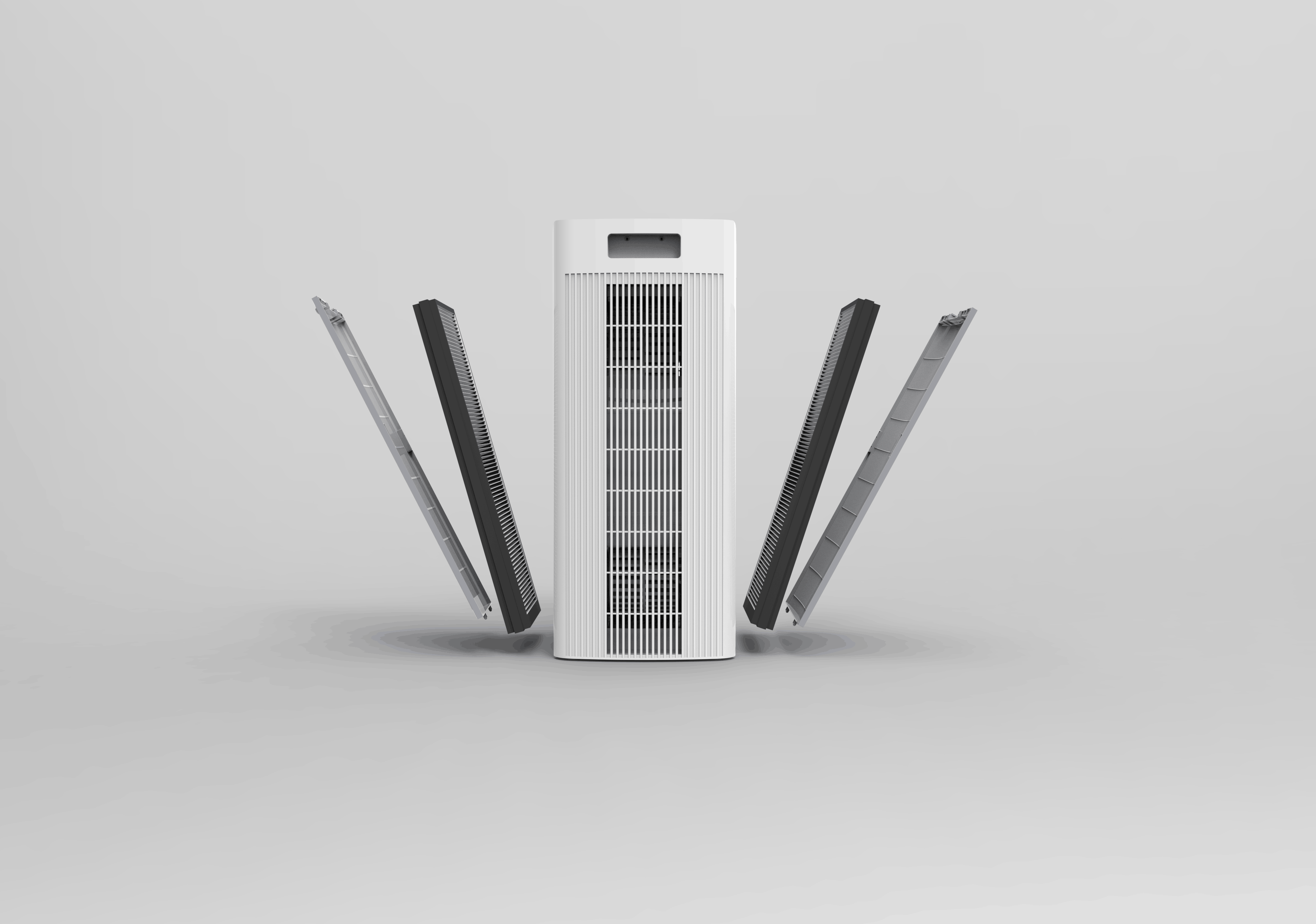
- Inspect your portable purifier's filter and keep a replacement somewhere dry.
- Move purifiers, filters, and electrical equipment away from areas that could flood.
- Secure paints, fuels, solvents, and cleaning chemicals so they can't leak or spill.
- Reduce excess indoor humidity before the storm when possible.
- Close windows and exterior doors as conditions begin to deteriorate.
Preparing doesn't guarantee that water or pollutants will stay out, but it can reduce existing problems before the weather adds new ones.
When the Power Goes Out
Power outages can interrupt air conditioning, filtration, ventilation, and humidity control all at once. That combination matters.
A New York study found that thunderstorms and power outages were each associated with increased respiratory-related emergency visits, but the strongest effects appeared when the two occurred together [3][3]. The researchers also found that PM2.5 and relative humidity partly mediated the relationship between thunderstorms and respiratory outcomes [3][3].
As a lifelong Floridian, I know how fast a closed-up house can start feeling damp once the air conditioner stops running.
During an outage, avoid adding more pollution indoors. The hurricane health review identified carbon monoxide poisoning as a recurring post-storm risk linked to improper generator use [2][2]. Generators and other fuel-burning equipment should never be operated inside a home, garage, or enclosed area.
After the Storm: Dry First, Filter Second
Once conditions are safe, check for water intrusion and begin addressing moisture as soon as possible. That may mean removing soaked porous materials, running dehumidification after power is safely restored, or bringing in qualified remediation professionals.
Avoid aggressively disturbing moldy materials, dust, or debris in occupied rooms. Cleanup and rebuilding can send particles back into the air, and restoration workers after past hurricanes have reported respiratory symptoms associated with exposures to particulate matter, endotoxins, and glucan [2][2].
An air purifier for mold may help address airborne particles in an occupied room, but it can't remove mold growing inside wet materials or fix the moisture problem that allowed it to develop. Source control and drying must come first.
Because post-storm pollution can be highly localized, your home's needs may also differ from those a few neighborhoods away [1][1]. Pay attention to flooding, nearby fuel use, outdoor debris, indoor humidity, and any new odors or visible damage.
Prep Now, Breathe Easier Later
Good hurricane preparation is ultimately about reducing what you'll have to manage under pressure. For your indoor air, that means checking filters, protecting equipment, securing chemicals, watching for moisture, and knowing what needs immediate attention after the storm.
Safety comes first. Then, focus on drying, removing damaged materials, controlling humidity, and filtering the air where appropriate. The weather may be unpredictable, but your clean-air plan doesn't have to be.
References
- Bhandari S, Casillas G, Aly NA, Zhu R, Newman G, Wright FA, Miller A, Adler G, Rusyn I, Chiu WA. Spatial and Temporal Analysis of Impacts of Hurricane Florence on Criteria Air Pollutants and Air Toxics in Eastern North Carolina. International Journal of Environmental Research and Public Health. 2022;19(3):1757. doi:10.3390/ijerph19031757.
- Waddell SL, Jayaweera DT, Mirsaeidi M, Beier JC, Kumar N. Perspectives on the Health Effects of Hurricanes: A Review and Challenges. International Journal of Environmental Research and Public Health. 2021;18(5):2756. doi:10.3390/ijerph18052756.
- Lin S, Qi Q, Liu H, Deng X, Trees I, Yuan X, Gallant MP. The Joint Effects of Thunderstorms and Power Outages on Respiratory-Related Emergency Visits and Modifying and Mediating Factors of This Relationship. Environmental Health Perspectives. 2024;132(6). doi:10.1289/EHP13237.

Clean Air Self-Care: Small Ways to Breathe and Feel Better at Home
Should You Pair an Air Purifier and a Dehumidifier This Summer?