

Summary
Fall has a way of putting maintenance back on everyone's radar. You're changing routines, getting the house ready for cooler weather, and maybe finally tackling that list of things you meant to check...
In This Article
Fall has a way of putting maintenance back on everyone's radar. You're changing routines, getting the house ready for cooler weather, and maybe finally tackling that list of things you meant to check months ago. Changing your air purifier filters deserves a spot on that to-do list.
But before you start dismantling household appliances, it helps to understand what air purifier filters are actually designed to do. Indoor air quality (IAQ) isn't shaped by just one type of pollutant. The air around us can contain particulate matter (PM), as well as gaseous pollutants, including certain volatile organic compounds (VOCs).
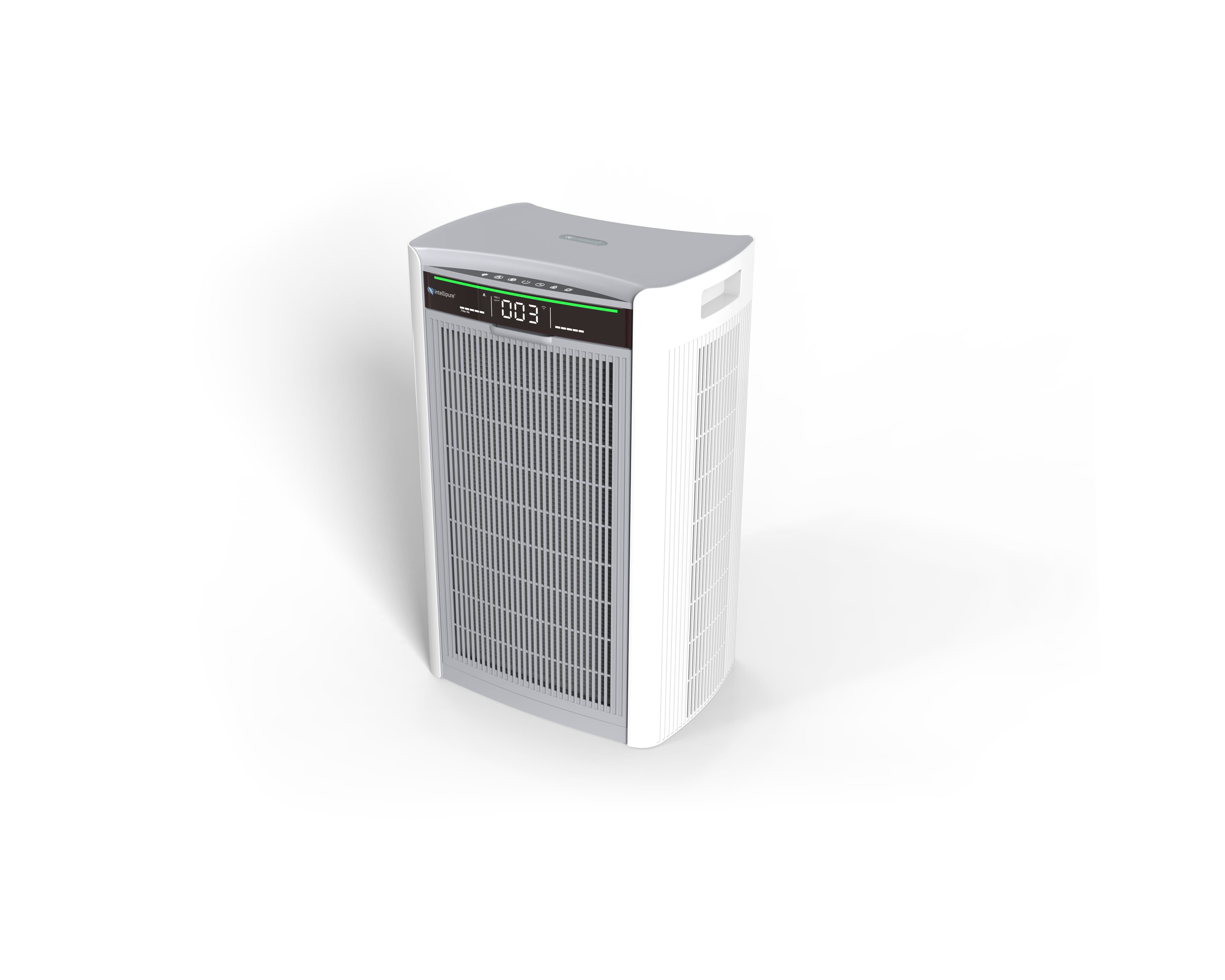
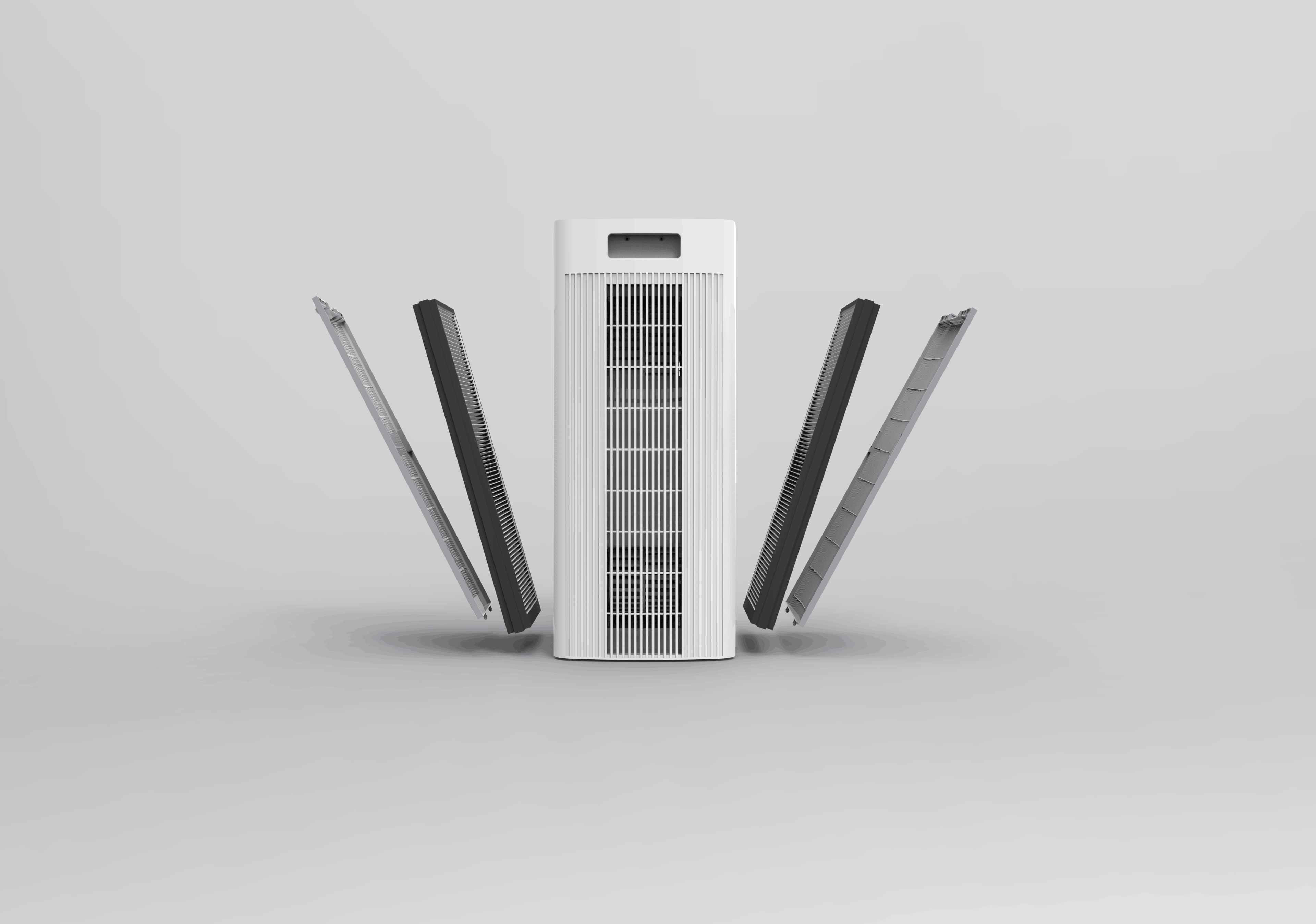
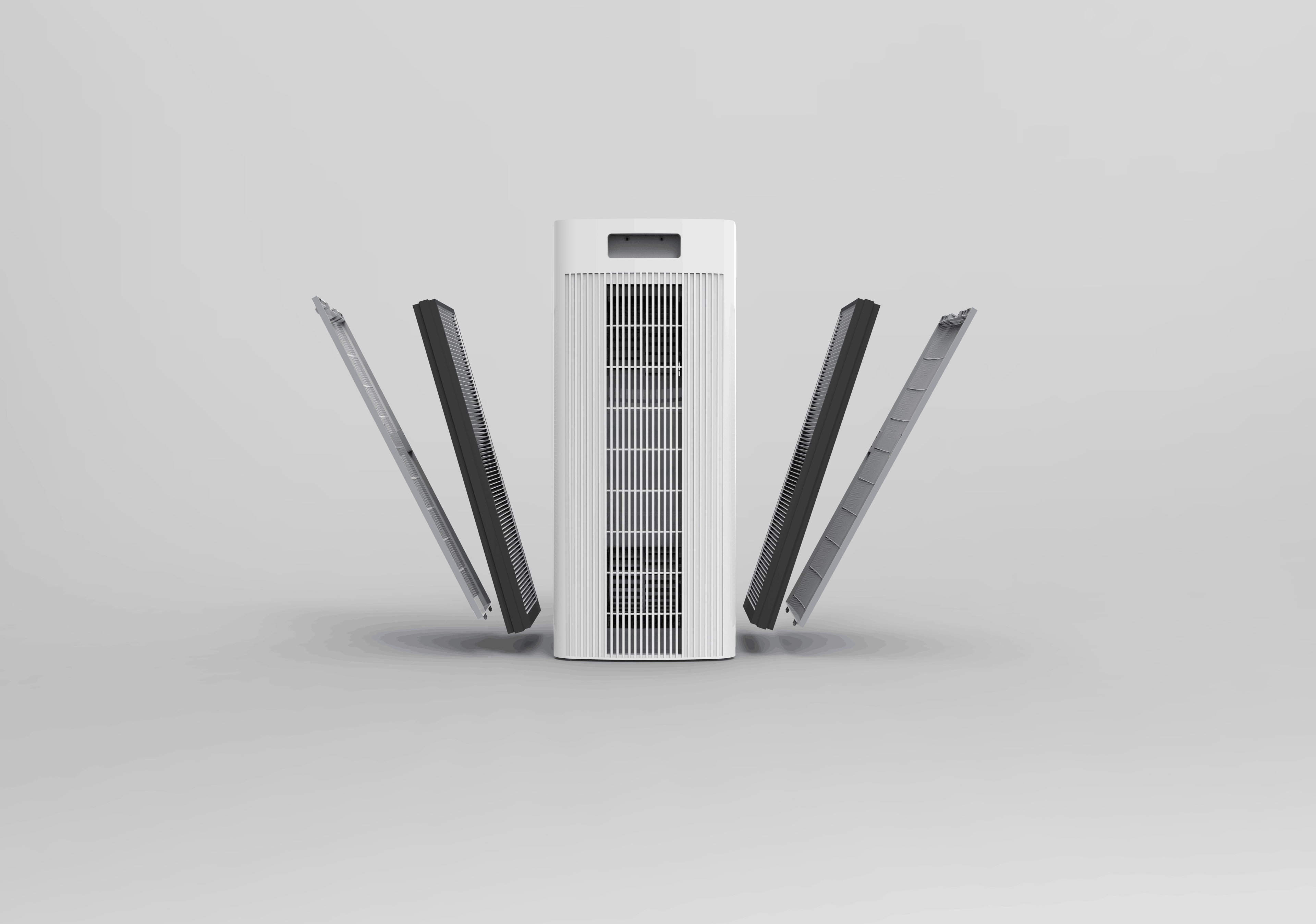
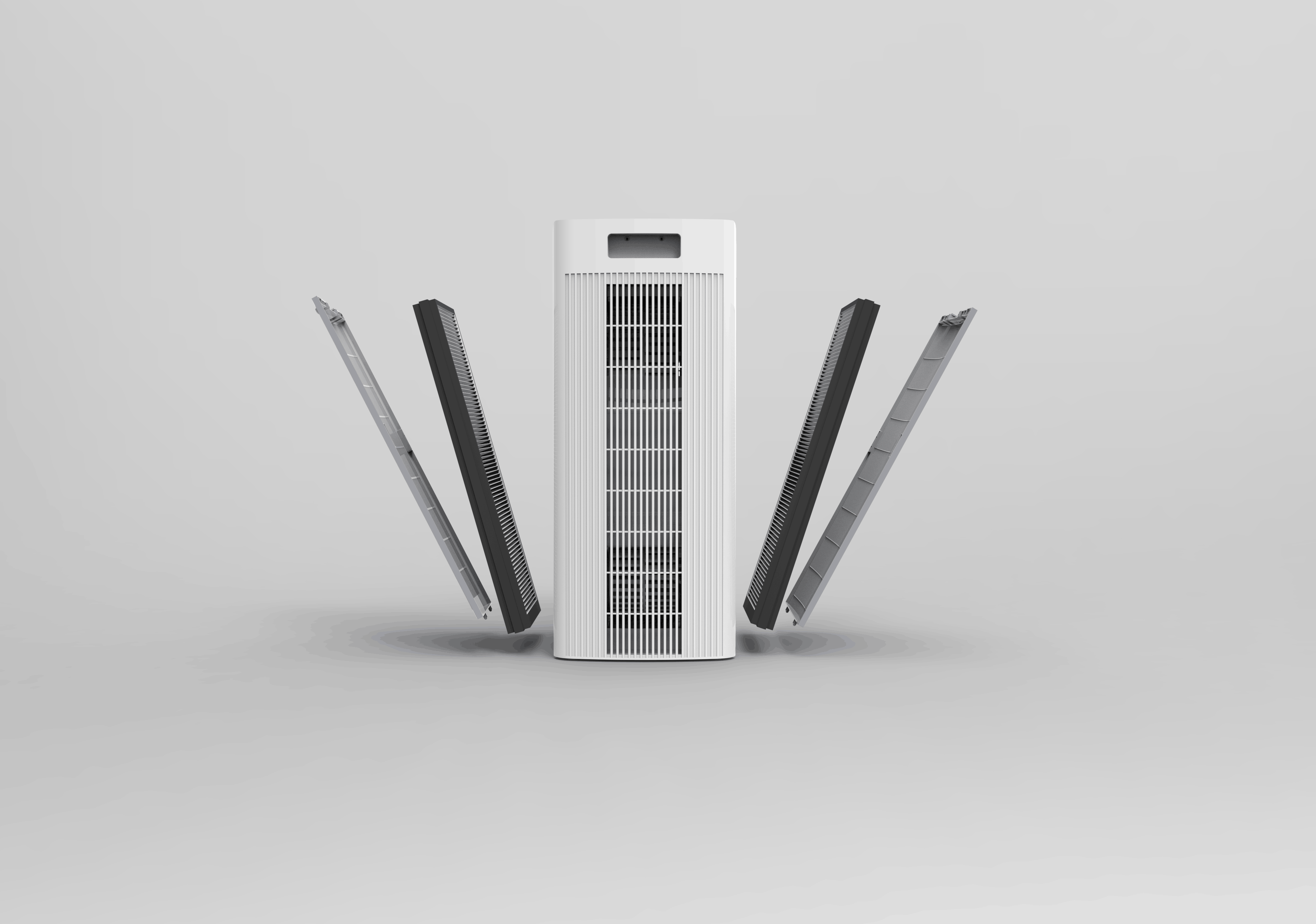
That's why different filtration technologies exist in the first place. Having a good air purifier for home use is only half the battle, and the best air purifiers are only as effective as their filters. A HEPA filter and an activated carbon filter don't need to compete for the title of "best air purifier filter." They're simply built to tackle different jobs. (So assign appropriately!)
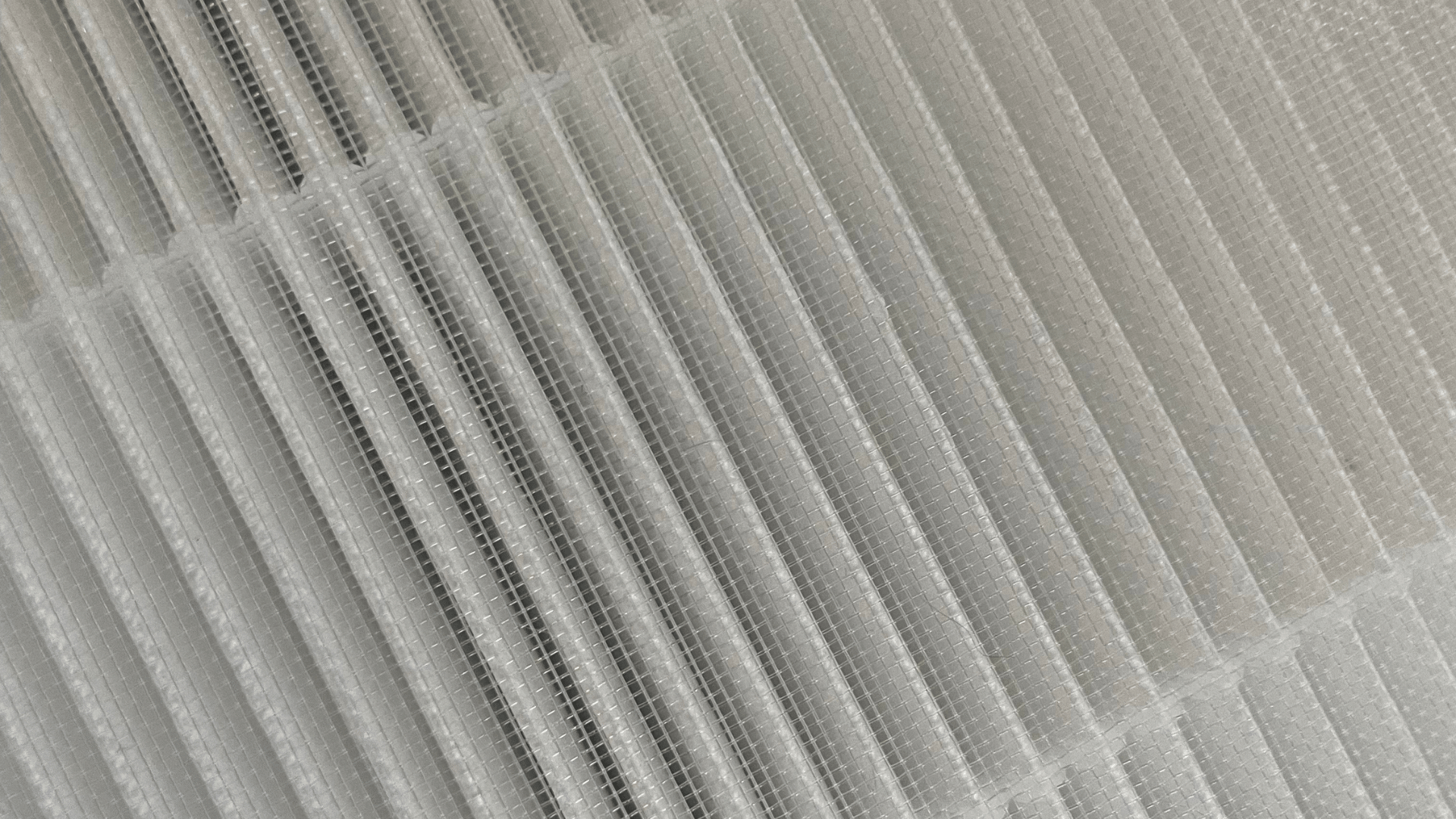
HEPA Filters: Focused on Particles
High-efficiency particulate air, better known as HEPA, filtration is designed to capture airborne particles.
One important example is PM2.5, or tiny invisible particles measuring 2.5 micrometers or smaller. In a real-world residential study, researchers found that portable HEPA air cleaners significantly reduced indoor PM2.5 concentrations. Average indoor PM2.5 dropped considerably once the air cleaners (which had previously been turned off) were up and running again [1][1].
That doesn't mean placing any old HEPA air purifier in a room guarantees the same result. Like most things in life, there's nuance to consider. Quality. Customer ratings. Efficacy. Longevity. Accessibility (a filter replacement subscription service never hurts). Ease of use.
Researchers found that other factors, like airflow speed, the number of air cleaners, outdoor PM2.5 levels, and window ventilation all influenced indoor particle concentrations [1][1].
In other words, filtration is a team effort. The filter matters, but only if you're moving enough air through it.
Activated Carbon: A Pro At Odor Elimination
Particles aren't the only things floating around indoors. Many VOCs are gases that can come from a variety of indoor sources, and filtering gases calls for a different approach.
That's where activated carbon comes in. Activated carbon can reduce certain VOCs through adsorption (when molecules stick to the surface of a material instead of soaking into it, which would be absorption). Think of it less like a sponge and more like a surface with countless tiny places for certain molecules to cling to.
Research focused on indoor air purification has examined activated carbon as a solid strategy for reducing VOC concentrations. Under the right conditions, that is. One study tested combinations of activated carbon materials and VOCs and found that the amount of carbon needed for useful filter life can vary considerably depending on the pollutant, its concentration, and the conditions inside the space .
The phrase "contains activated carbon" doesn't tell you everything about how a filter will perform. Carbon type, quantity, pollutant load, and operating conditions all play a role .
Same Air. Different Assignments.
So, HEPA filter vs. activated carbon filter: Which wins?
Neither. That's the wrong matchup. The better question is: Which is right for me?
Instead of trying to determine which is the best overall, look at their individual strengths. HEPA filtration is designed around airborne particles, allergens, and pollutants. Activated carbon is used to adsorb certain gaseous compounds (like stinky smells). They're addressing different parts of the same indoor-air puzzle.
Researchers are currently studying materials that may perform both functions. In a 2026 study of activated carbon fiber used in respirators, researchers evaluated its ability to filter PM while also adsorbing a certain VOC . The study found that interactions between particles, VOCs, and the carbon media affected performance, reinforcing the idea that filtration behavior depends on both the pollutant and the material being used .
That research wasn't conducted on residential air purifiers, so it shouldn't be treated as a direct comparison of products you'd put in your living room. But it does illustrate an important principle: Particles and gases behave differently, and filtration technologies are engineered accordingly.
Particle Filtration Matters Beyond Dust
When people hear "particles," they often picture visible dust. Specifically those little specks that catch sunlight and make you wonder what else you're breathing in all day.
A recent study examined what happens when ozone (a reactive gas that's great at protecting our atmosphere, but not so great closer to the ground) enters indoor environments and reacts with other indoor chemicals. Those reactions can produce ozone reaction products, some of which can be associated with PM2.5 .
Researchers studied 84 participants, including 50 who received indoor HEPA filtration. Among participants without HEPA filtration, greater exposure to ozone reaction products was associated with adverse changes in several cardiorespiratory biomarkers. Those significant adverse associations were not observed among participants receiving HEPA filtration .
They concluded that HEPA filtration may help mitigate harmful effects associated with exposure to these reaction products, in addition to reducing PM2.5 exposure.
It's a useful reminder that cleaner-looking or cleaner-smelling air and actually cleaner air aren't always the same thing. Much of what filtration is doing happens well below the threshold of what you can see.
Don't Forget the Maintenance Part
Understanding your filter is only half the job. The other half is knowing how to keep your air purifier working properly (and efficiently).
In that residential HEPA study mentioned earlier, higher airflow was associated with greater reductions in indoor PM2.5, while opening windows reduced the effectiveness of the air cleaners during the study period [1][1]. That doesn't mean your windows should stay permanently sealed. It means real-world filtration performance depends on what's happening around the purifier, too.
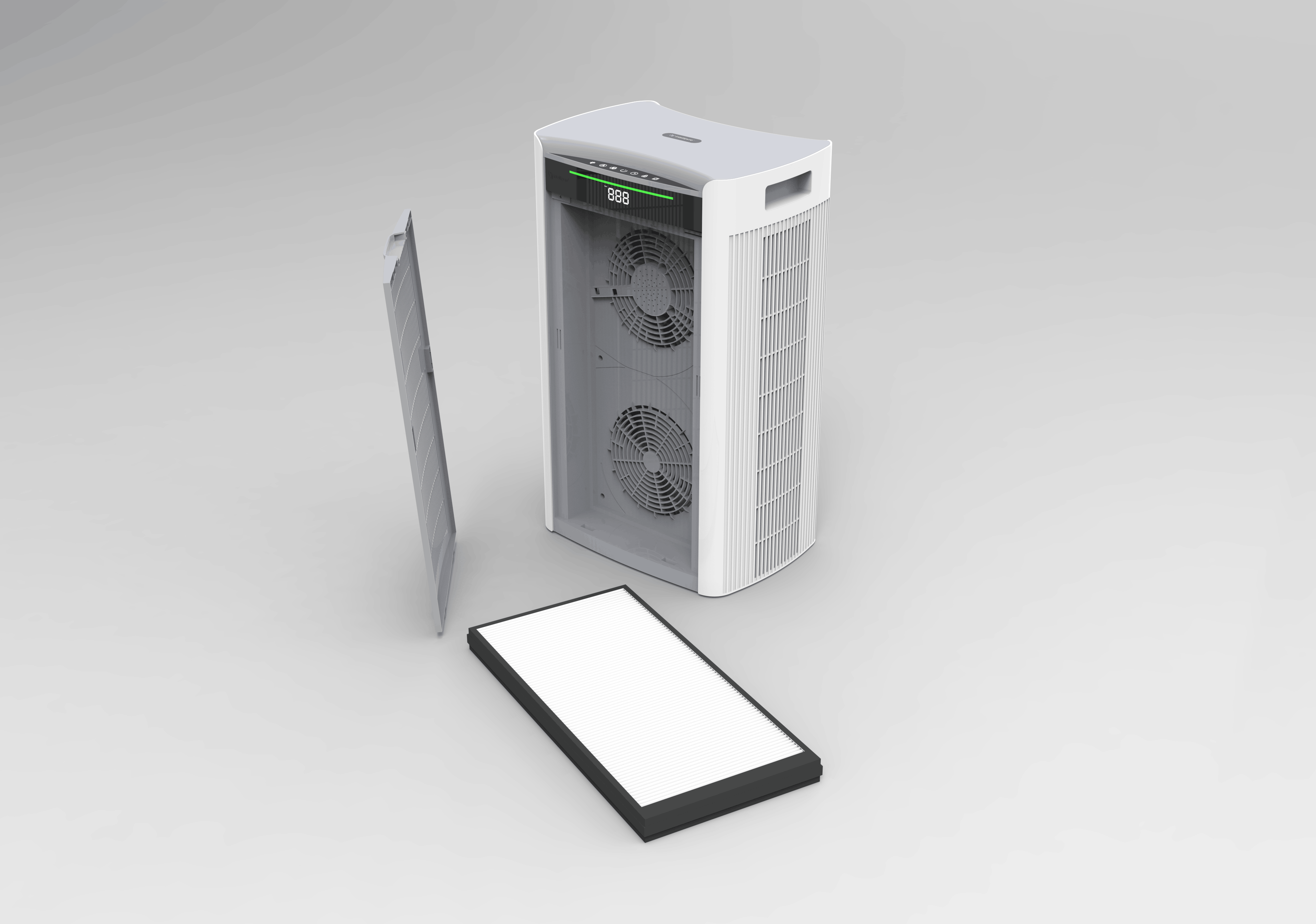
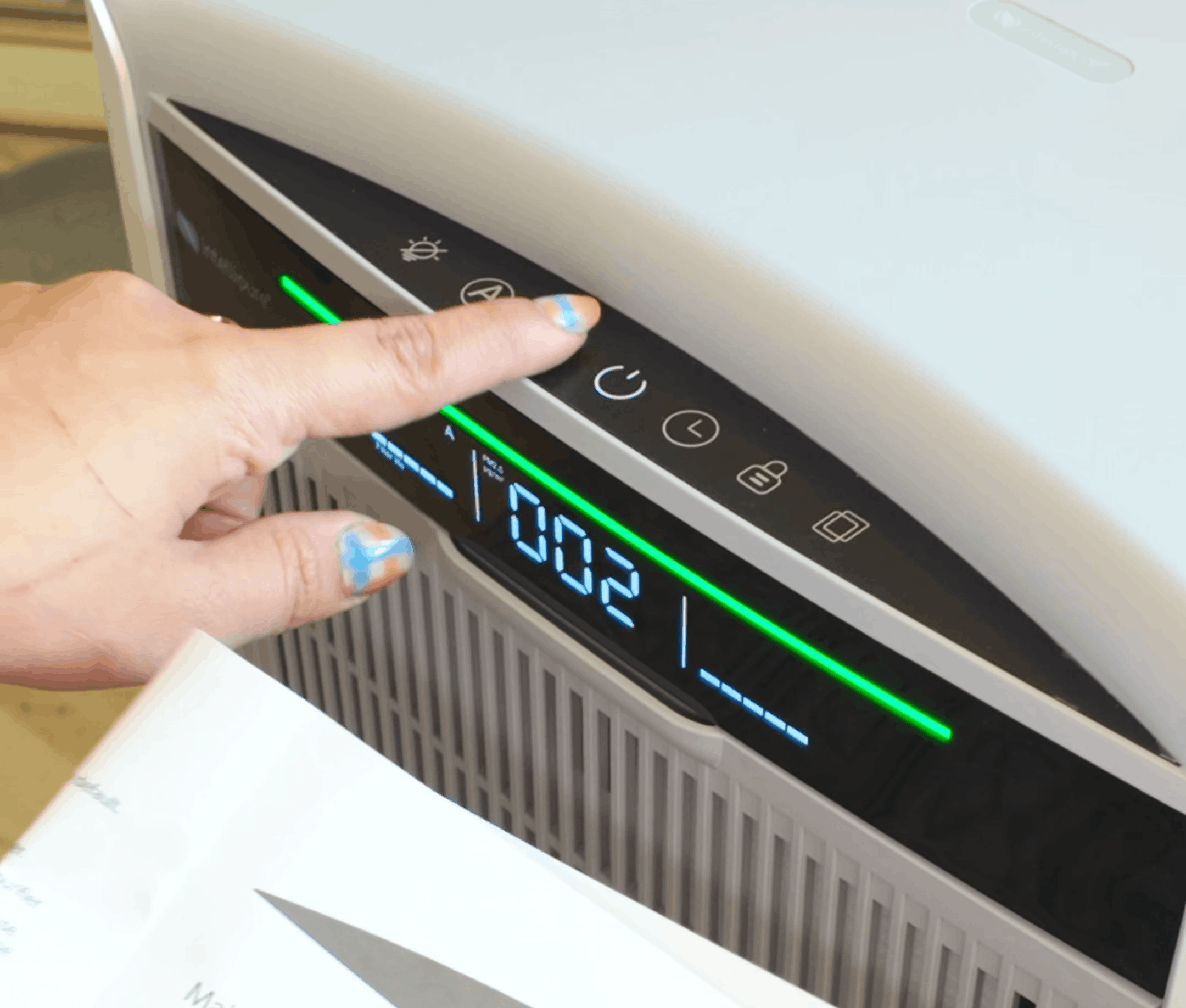
Fall filter season is a good excuse to give your setup a quick once-over. Check your manufacturer's guidance for air purifier filter replacement, make sure air intakes and outlets aren't blocked, and pay attention to any filter-life indicator your purifier provides.
Wondering How Often to Change an Air Purifier Filter?
There isn't one universal answer. Filter design, air quality, use patterns, airflow, and pollutant load can all affect how hard a filtration system has to work.
The same principle shows up in activated carbon research, where researchers found that the quantity of carbon required for a given filter life changed dramatically as VOC concentrations increased .
Better Air Takes the Right Tools
There's no need to turn filtration into a battle of technologies. A HEPA filter has a job. Activated carbon has a job. And when you understand what each type of media is designed to address, the whole system makes a lot more sense.
For most homes, both types of filter work best when they're working together and working properly.
So while you're going through the fall maintenance list, give your air purifier a little attention, too. Check the filter, check the airflow, and make sure everything is ready to help your purifier keep doing what it does best.






What You Should Know About Humidifiers
Living and Breathing with Lyme Disease