

Summary
Counterintuitively, a big part of maintaining good indoor air quality (IAQ) is being more mindful of the air outside your home.
In This Article
Counterintuitively, a big part of maintaining good indoor air quality (IAQ) is being more mindful of the air outside your home. That's because half of what's in the air outside can make its way inside [1][1].
From pollen and mold spores to pesticides and other lawn treatments, lots of different outdoor contaminants find their way into the air you breathe when you're chilling on the couch, eating lunch at the kitchen table, or even tucked under the covers in bed.
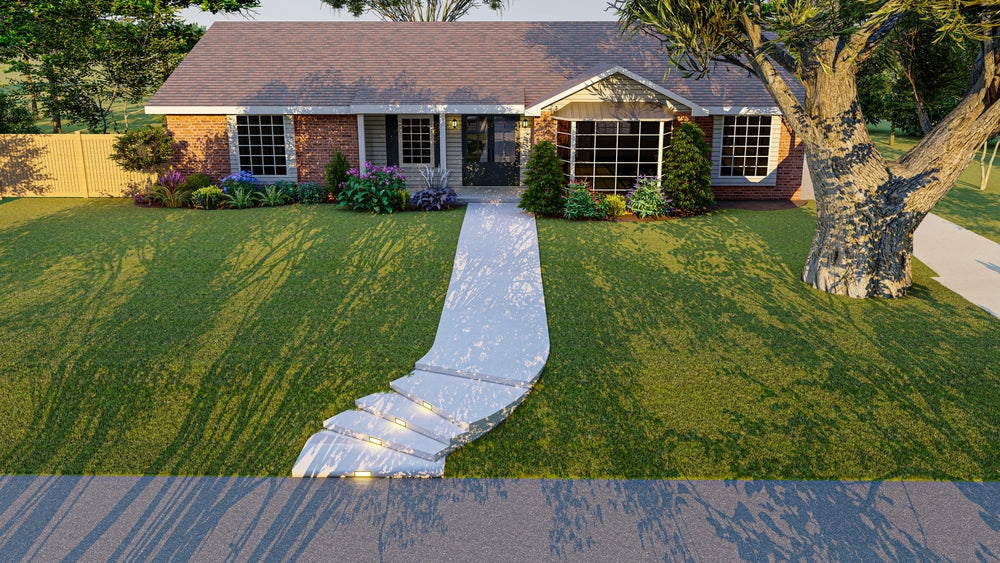
In the summer, when outdoor living is simply the best way to live, it's especially important to be aware of what airborne pollutants might be lurking in your yard and how they might spread into your home.
If you (or anyone who spends time at your house) have allergies or chemical sensitivities, the information in this article will be extra valuable.
How Do Yard Pollutants Get Inside Your Home?
There are a few different ways. Because airborne particles are sneaky like that.
Natural Ventilation
Whenever you open a window or door to "let some fresh air in" or help rid your home of cooking odors or smoke, that's natural ventilation.
Infiltration
Less intentional than natural ventilation, infiltration happens when outdoor air flows into your house through cracks and openings that might be in your walls, floors, and ceilings or around your windows and doors [2][2].
Tracking
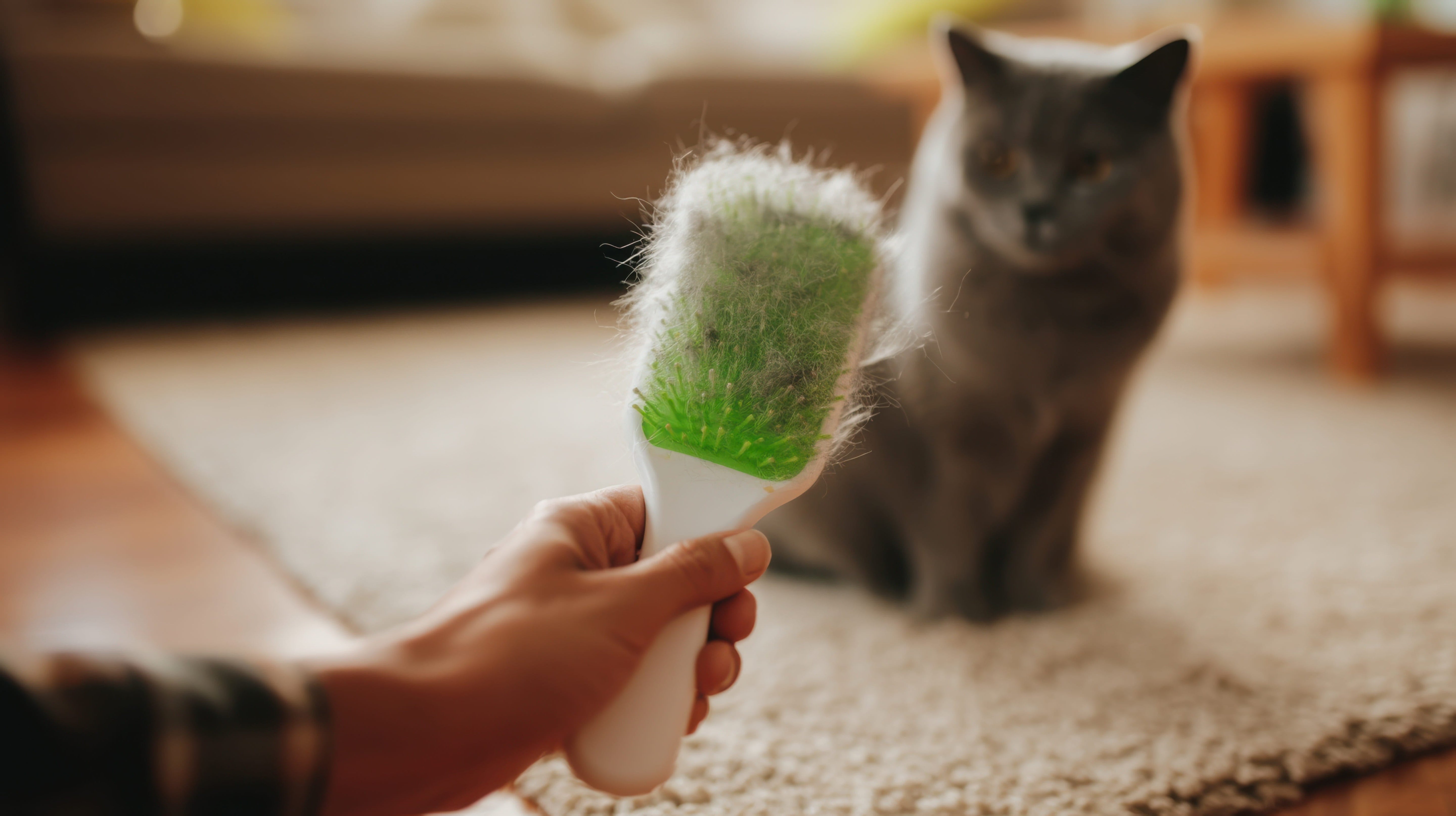
Pollen from grasses, trees, and weeds can settle on your hair, clothes, and shoes and follow you into your home. Pets that go outside can also track in pollen, pollutants, and dirt on their paws and fur, whether they shed or not [3][3].
Mechanical Means
Mechanical ventilation includes air moving through the outdoor intakes of your heating, ventilation, and air conditioning (HVAC) system as well as outdoor-vented fans that remove air from a single room [2][2]. (Think kitchen and bathroom vents.)
Summer Lawn Allergens
Seasonal allergic rhinitis, or "hay fever," affects millions of people across the globe, making allergens one of the top pollutants people want to keep outside their homes.
Hay fever typically causes sneezing, nasal congestion, a runny nose, and itchiness in your throat, nose, or eyes. Pollen and mold spores in the air are common trippers of these allergic reactions, setting off a chain reaction in your immune system.
If you're allergic to pollen, your immune system, which controls how your body defends itself, mistakes pollen as a harmful invader. It overreacts and makes antibodies called Immunoglobulin E (IgE), which signal the release of chemicals that lead to allergy symptoms [4][4].
Pollen
Pollen consists of tiny grains that help plants reproduce. Brightly colored flowering plants, like roses, rarely trigger allergy symptoms because they depend on insects to carry their pollen. When your allergies have you sneezing and clearing your throat, it's far more likely that trees, grasses, or weeds, which release lightweight, powdery pollen into the air, are to blame.
While each plant follows a fairly consistent pollination season from year to year, weather conditions can play a big role in how much pollen is present in the air on any given day.
Tree pollen, grass pollen, and ragweed pollen each have their own seasonal spikes, and in warmer places, where those seasons are more stretched out and overlapping, pollination can happen all throughout the year [4][4].
Tree Pollen
Tree pollen is the first pollen to show up every year in the United States. It's the culprit behind most spring pollen allergy symptoms.
February through April is the period when trees produce the most pollen, but in some regions (including the South), trees might start making pollen as early as December and peak at multiple times throughout the year.
The trees that might make you sneeze (catch the rhyme?) and trigger other allergy symptoms are: alder, ash, aspen, beech, birch, box elder, cedar, cottonwood, elm, hickory, juniper, maple, mulberry, oak, olive, pecan, poplar, walnut, and willow [5][5].
Grass Pollen
Various types of grasses cause most late spring and summer pollen allergy symptoms. Grass pollen is most common from April through early June, but that can vary based on where you live. In warmer parts of the country, including California, Texas, and the South, grass pollen might show up year-round.
Of the hundreds of different grasses, only a few trigger people's allergies. Some of the most common offenders are: bahia, Bermuda, fescue, Johnson, Kentucky blue, orchard, rye, sweet vernal, and Timothy grass [5][5].
Weed Pollen
Weed pollen, especially ragweed pollen, causes a lot of headaches (literal ones) for Americans, along with other allergy symptoms.
Ragweed is an invasive annual weed that grows across the country in regions that have been disturbed by human activity. Ragweed pollen can travel hundreds of miles in the air, and its primary season spans late summer through fall, making it quite pervasive.
Other weeds besides ragweed are also responsible for weed pollen allergy symptoms. Some include: burning bush, cocklebur, lambsquarters, mugwort, pigweed, Russian thistle, sagebrush, and tumbleweed [5][5].
(Pssst … If you want to learn even more about pollen, seasonal allergies, and how to keep pollen and other allergens out of the air in your home, check out our deep dive: "The Pollening"; Yellow Air, Here, There, and Everywhere.)
Mold Spores
Mold is a type of fungus related to mushrooms—but without stems, roots, or leaves. Molds grow in lots of different outdoor environments, including soil, plants, and decaying wood, and they release tiny spores that drift through the air, much like pollen. As temperatures warm in the spring, outdoor mold spore levels begin to rise. In the U.S., they usually peak in July in warmer regions and around October in cooler climates. In the South and along the West Coast, mold spores can be found throughout the year.
Your allergic rhinitis symptoms from mold can depend on how recently you had contact with the allergen, the intensity of the exposure, and your sensitivity to mold [4][4].
Lawn Treatments & Chemical Pollutants
When you consider what all goes into keeping your lawn looking lush and green, from planting, mowing, and watering to treating and spraying, it's not quite so shocking that the garden and lawn care industry brought in a whopping $16.8 billion globally in 2020 from various products and services, according to analytics firm Allied Market Research.
Who knew our yards were such moneymakers? That's by design, really. The origins of the lawn care industry are pretty unexpected. The popularity of fertilizer took off after World War II, when factories that made large volumes of nitrogen for bombs shifted their production capacity toward agriculture.
Today, people can apply a range of products to their lawns, including pesticides and fertilizers, which each have their own function. Fertilizers can add nutrients to the soil, whereas pesticides contain substances that target a variety of unwanted flora and fauna, depending on the type.
Lawn treatments have evolved over the years, and there are more options than ever, some of which rely on safe ingredients. That said, many common products that people use in their backyards today contain potentially harmful chemicals. Research has even linked some of these toxicants to cancer and other illnesses in people and pets [6][6].
Pesticides
People tend to use the term "pesticide" to talk about insecticides specifically, but it actually covers all the substances we use to control pests indoors and outdoors.
Well-known pesticides include insecticides to kill bugs; herbicides to control weeds; rodenticides to control mice and other rodents; and fungicides to target fungi (including mildews, molds, rusts, and blights). But pesticides can refer to products like disinfectants, plant defoliants, plant growth regulators, and swimming pool treatments, too [7][7].
Pesticides are sold as liquids, sprays, powders, sticks, crystals, balls, and foggers, and by definition, they're toxic. (It's not a coincidence that "-cide" in pesticides means "to kill.")
Surprisingly, 80% of most people's exposure to pesticides happens indoors, and measurable levels of up to a dozen different pesticides have been found in the air inside people's homes. There are a few explanations for this high percentage. In addition to indoor pesticide use and stored containers that can emit chemicals into the air, contaminated soil and dust can get tracked into the home from outside or simply drift its way in [8][8].
According to the U.S. Environmental Protection Agency (EPA), short-term symptoms from exposure to pesticides include dizziness, headache, nausea, muscular weakness, and eye, nose, and throat irritation, while more serious, chronic exposure might cause damage to your liver, kidneys, and central nervous system and can even increase your risk of cancer. It's worth noting, though, that researchers aren't totally clear on how high pesticide concentrations must be to cause these more major effects.
To err on the side of caution, the EPA suggests steps you can take to minimize your exposure to pesticides:
- Follow the manufacturer's directions when using pesticide products.
- When applying, don't exceed recommended quantities.
- When possible, use non-chemical methods of pest control (outdoors and indoors). For example, you can use biological pesticides, like Bacillus thuringiensis, to help control gypsy moths.
- If you use a lawn service and/or pest control company, do your research and choose them carefully.
- Dispose of unwanted pesticide containers. To store containers you'd like to keep, a space like an outdoor shed is a better choice than your home [8][8].
Fertilizers
Fertilizers pose a significant environmental challenge because rainfall can carry nitrogen, phosphate, and other pollution from residential lawns and agricultural fields into waterways, eventually reaching oceans. While the farming sector is the primary source of pollutants due to sheer volume of fertilizer use, the process works similarly for home lawn treatments.
Nitrogen and phosphate, two primary components of fertilizer that are intended to stimulate plant growth, can promote excessive algae proliferation (including harmful toxic varieties) when they get into waterways.They can also deplete oxygen levels in the water, making it hard for fish and other aquatic life to survive [6][6]. (Not cool!)
Nitrogen fertilizers don't just pollute waterways: They can impact air quality, too. A study led by the University of California, Davis found that fertilized soils in California's Central Valley are a previously overlooked source of nitrogen oxides (NOx), contributing an estimated 25–41% of the state's NOx emissions. The researchers determined that excess nitrogen fertilizer can ramp up natural microbial processes in soil that produce NOx, a pollutant that contributes to smog, ground-level ozone, and health problems, including asthma and heart disease [9][9].
If you do use fertilizers in your yard, though, there's no need to beat yourself up about it. Jim Galloway, a biogeochemist at the University of Virginia, recommends minimizing the amount of nitrogen in your fertilizers. But he also says, "Lawns are a really, really tiny part of the question." Agricultural operations, rather than residential use, are the primary focus of concern [6][6].
Practical Tips to Reduce Exposure to Airborne Pollutants in Your Yard
- Keep windows and doors closed when you've applied outdoor pesticides recently or when outdoor pollen or mold levels are high. The National Allergy Bureau™ (NAB) is the nation's only pollen and mold counting network certified by the American Academy of Allergy, Asthma & Immunology (AAAAI), and you can find counts for your specific area at www.aaaai.org/nab [4, 10][4, 10].
- Remove your shoes at the door, and try to make a habit of checking your pant cuffs to make sure you aren't tracking dirt and soil inside.
- Keep people and pets off of your lawn if it's just been treated by pesticides. Once the grass is dry and pesticide granules are no longer visible, you can get back to enjoying your yard [10][10].
- Take a shower, shampoo your hair, and change your clothes when you first get home, if you're worried about pollen allergy symptoms or pesticide exposure.
- Wash or wipe off your pets if you suspect they're about to track pesticides, pollen, or other allergens into your home [5][5].
- Avoid hanging sheets and clothes outside to dry when pollen and mold counts in your region are high.
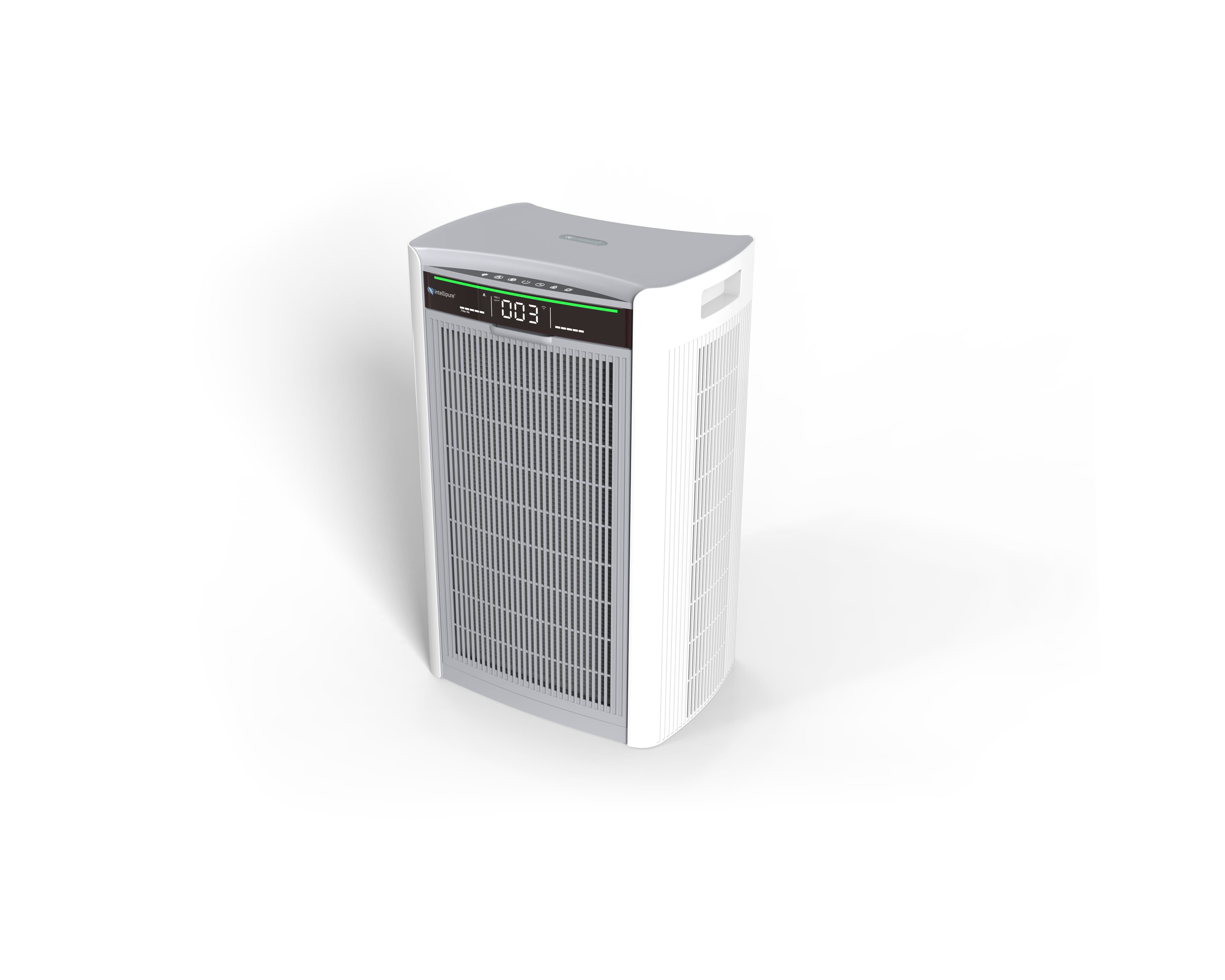
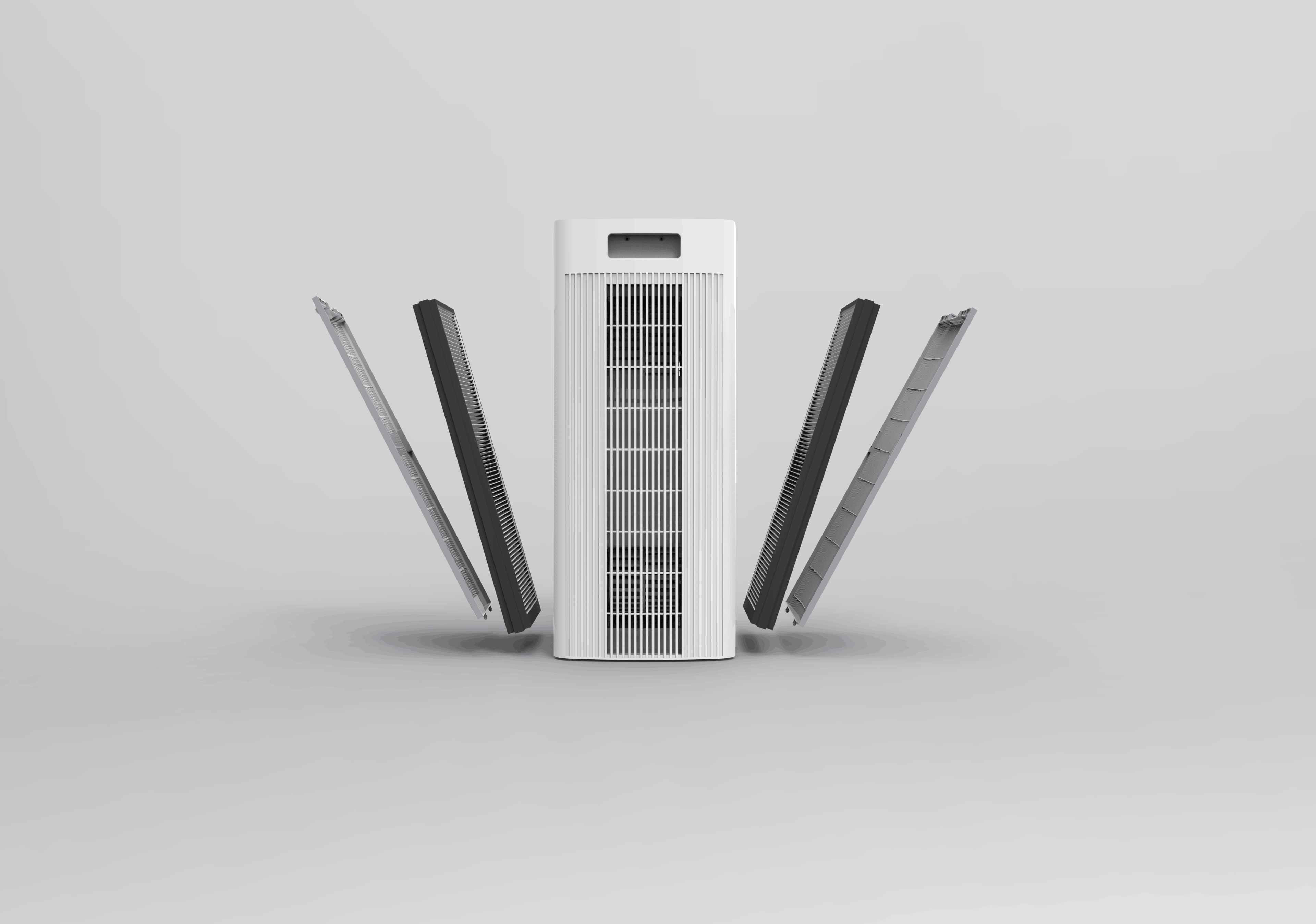
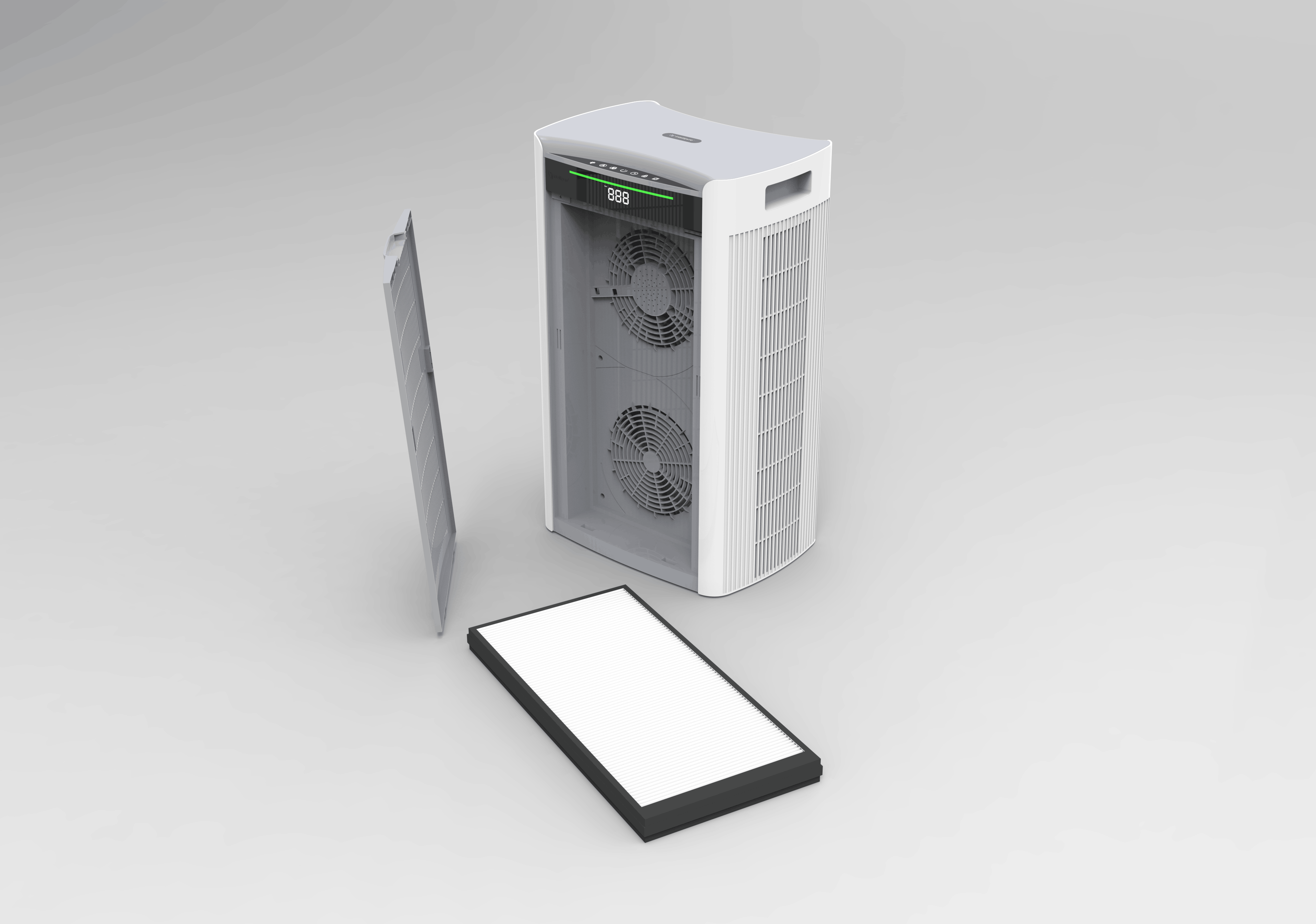
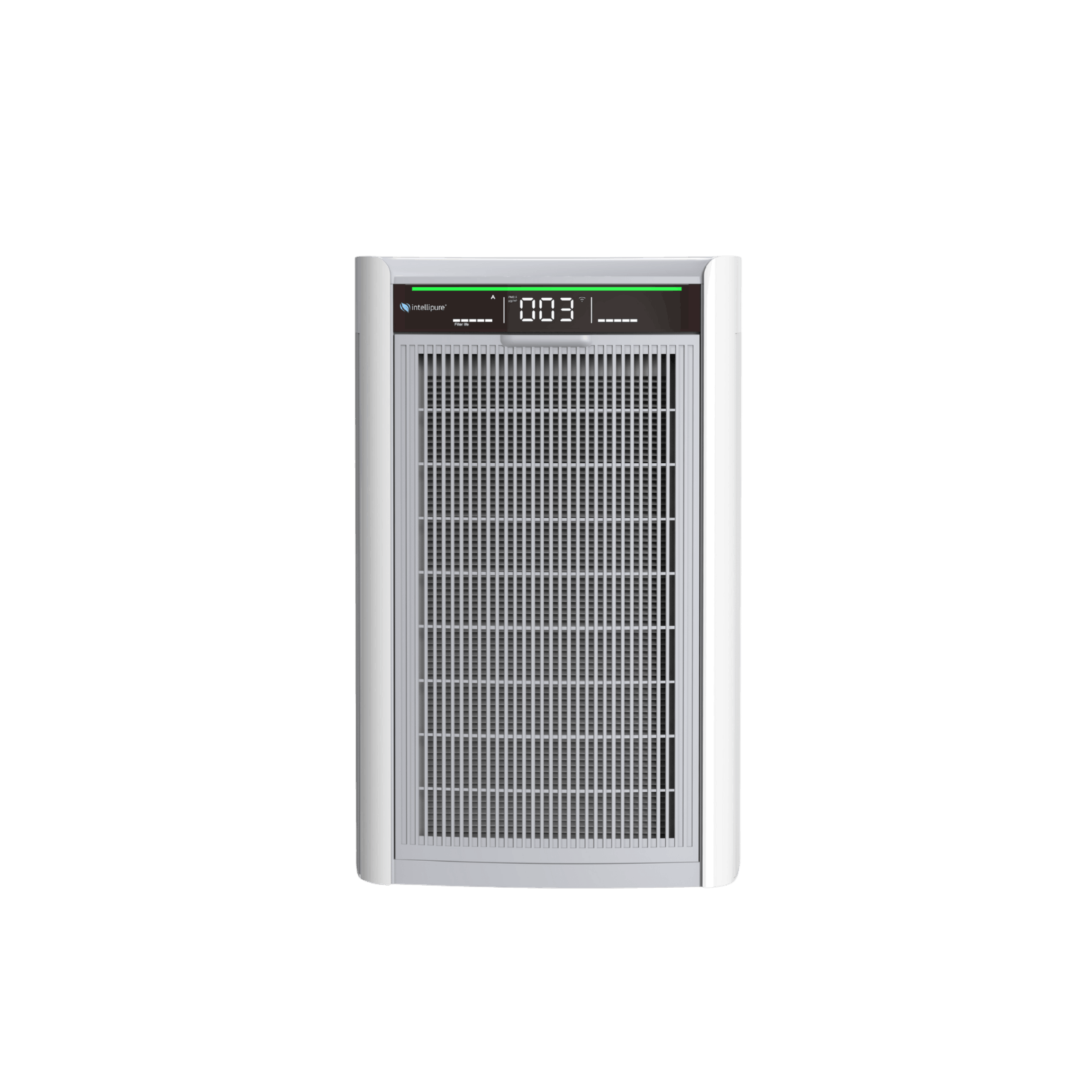
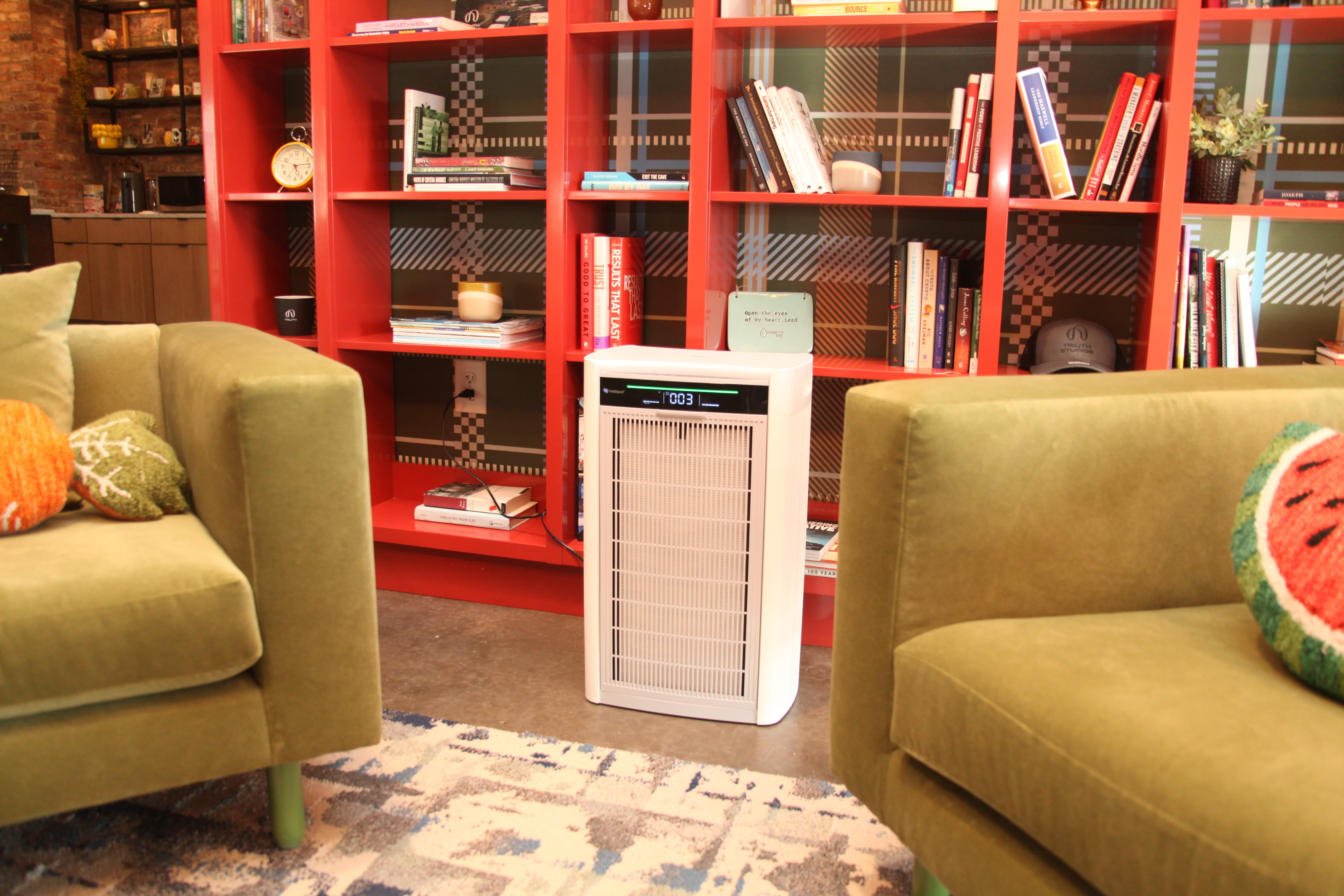
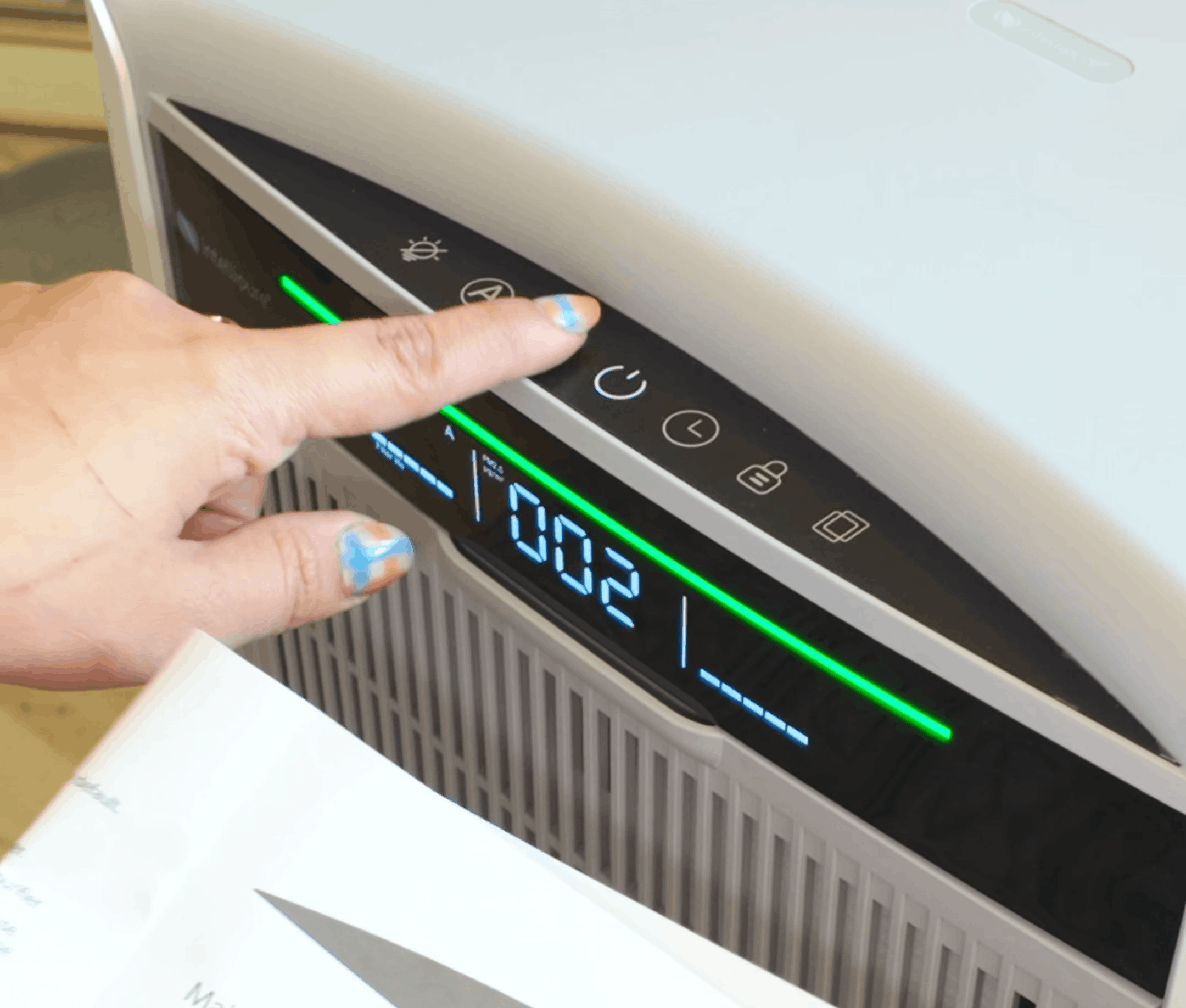
- Run an indoor air purifier for allergies or as an extra layer of defense against dust, bacteria, and other pollutants.
- If you're a person who experiences allergies, lean on a friend, partner, or lawn service to do your mowing for you. Mowing lawns and raking leaves can stir up pollen and molds, so it's best to steer clear and avoid triggering symptoms [4][4].
- Consider natural compost and aeration as alternatives to fertilizers. You can sprinkle natural compost onto areas of your yard that are in need of nutrients. To aerate, you can rent a machine from your local hardware store or poke holes in the soil manually with a pitchfork or specialized tool [6][6].
To Recap
Your yard is meant to be enjoyed, especially in the summer, when kids are out of school, work schedules tend to be more relaxed, and the weather is nice and warm. It's only natural for you and your family and friends to be popping in and out from the house to the yard (even if you realize dust and allergens might get tracked in with you). It also makes total sense to lean on popular treatments and products to help you maintain one of greenest, most enviable yards in your neighborhood (even if you realize certain chemicals come with risks if they aren't used properly).
Fortunately, small habits can make a huge difference when it comes to protecting the air inside your home from outdoor intruders like pollen, mold spores, and airborne chemicals. By getting familiar with the tips and guidance in this article, making a few tweaks to your daily routines, and keeping an air purifier running for extra peace of mind, you'll keep your indoor air healthy and fresh. Because what's better than being greeted by the cool, clean air in your haven at home after a day of fun and games in the yard?
References
- Harvard University. HCDC ECSCEE Air V4 1.pdf [Internet]. Available from: https://developingchild.harvard.edu/wp-content/uploads/2025/05/HCDC_ECSCEE-Air-V4-1.pdf.
- U.S. Environmental Protection Agency. How does outdoor air enter building [Internet]. EPA. Available from: https://www.epa.gov/indoor-air-quality-iaq/how-does-outdoor-air-enter-building.
- Ask the Expert: Navigating Allergy Season with Confidence [Internet]. Labcorp OnDemand; 2026. Available from: https://www.ondemand.labcorp.com/blog/ask-the-expert-seasonal-allergies.
- American Academy of Allergy, Asthma & Immunology. Outdoor allergens ttr [Internet]. Available from: https://www.aaaai.org/tools-for-the-public/conditions-library/allergies/outdoor-allergens-ttr.
- Asthma and Allergy Foundation of America. Pollen Allergies [Internet]. Asthma and Allergy Foundation of America; 2022. Available from: https://aafa.org/allergies/types-of-allergies/pollen-allergy/.
- Root T. The Unsettled—and Unsettling—Science of Lawn Chemicals [Internet]. 2022. Available from: https://time.com/6184986/are-lawn-fertilizer-chemicals-bad-for-you/.
- U.S. Environmental Protection Agency. Types pesticide ingredients [Internet]. EPA. Available from: https://www.epa.gov/ingredients-used-pesticide-products/types-pesticide-ingredients.
- U.S. Environmental Protection Agency. Pesticides impact indoor air quality [Internet]. EPA. Available from: https://www.epa.gov/indoor-air-quality-iaq/pesticides-impact-indoor-air-quality.
- Kerlin K. Smog-Forming Soils: Central Valley Soil Emissions a Large Source of State's Nitrogen Oxide Pollution [Internet]. University of California, Davis; 2018. Available from: https://www.ucdavis.edu/climate/news/smog-forming-soils.
- Indoor Air and Pesticides [Internet]. National Pesticide Information Center; 2024. Available from: https://npic.orst.edu/envir/inair.html.








The Skin-Deep Side of Summer IAQ