

Summary
Sticky summer air isn't for everyone. Whether you love or hate climates that make you sweat on the way to your mailbox, the objective reality is that humidity creates a few extra challenges for...
In This Article
Sticky summer air isn't for everyone. Whether you love or hate climates that make you sweat on the way to your mailbox, the objective reality is that humidity creates a few extra challenges for people who care about air quality.
Before we get into those potential clean-air and respiratory health threats, let's take a minute to go over the basics of humidity.
What Is Humidity?
Humidity refers to the amount of water vapor present in the air, and there are several ways scientists can measure it, including relative humidity.
Relative humidity describes how close the air is to saturation [1][1]. Specifically, it measures the amount of water in the air compared with the maximum amount of water the air can hold at that temperature. Warmer air can carry more water vapor than cold air, which means air at different temperatures can have the same relative humidity but different amounts of moisture [2][2]. (If this concept is a little confusing, don't sweat it! The whole warm-air vs. cold-air humidity thing will make more sense when we look at real-world examples later on.)
Ideal Indoor Humidity Levels
It only takes a few minutes of researching the best humidity level for the air in your home to see that there isn't a completely clear consensus among experts. That said, the United States Environmental Protection Agency (EPA) recommends that you keep indoor humidity somewhere between 30% and 50%, and most credible sources suggest a similar range [3][3].
But how do you even check your humidity levels? Nearly every hardware store sells air humidity gauges, known as hygrometers. You can purchase one of these gadgets to keep a read on things.
If humidity is too high (above that 50% cap), mold and dust mites can thrive. But if humidity dips too low (below 30% or so), other issues tend to crop up. People in your home might develop dry, itchy eyes or sinus and throat irritations [4][4].
Summer Humidity Challenges
Every season has its own unique hurdles when it comes to humidity. In colder climates, moisture often builds up during the winter because everyday activities like cooking, showering, and even breathing generate water vapor, and natural ventilation in your home might be limited when it's tightly sealed to keep you cozy and warm.
Meanwhile, in the hotter months, HVAC systems can pull warm, humid outdoor air indoors. Unless your system is designed to remove excess moisture, the ventilation it provides can increase indoor humidity and create conditions that encourage mold growth [5][5].
Regional Humidity Variations
Take a guess: What's the most humid state in the U.S. based on average daily humidity? (Hint: The answer may be the exact opposite of what you'd expect.)
It's … drumroll …
ALASKA. (Who knew?!)
In coastal areas of Alaska, including Juneau, the average relative humidity usually ranges from 75% to 85% throughout the year.
According to the National Oceanic and Atmospheric Administration (NOAA), Alaska, Louisiana, and Mississippi are the top three most humid states in the country [1][1]. Feels like a game of One of These Things Is Not Like the Others, doesn't it?
Alaska tops this list and reports very high relative humidity because cold air reaches saturation more quickly than warm air. Warm air molecules move around more speedily, helping the air contain more water vapor. Just because the relative humidity is high in Alaska doesn't mean the conditions there always feel very humid. The actual amount of water vapor present can be quite small because, as you remember, relative humidity is a measurement that compares the amount of water present in the air with how much water that air can possibly hold at its temperature.
Dew point is a measurement that offers a clearer picture of how humid the air really feels. When the air seems muggy, its dew point is probably 65°F or higher. Dew points above 70°F feel downright oppressive. In the U.S., states in the Southeast and along the Gulf Coast, where warm ocean waters provide constant moisture to the atmosphere, have the most consistently high dew points. In addition to coastal geography and local climate zones, wind patterns also play a big role in humidity levels [1][1].
Icky Stuff That Loves High Humidity
There are a few undesirable (even when invisible) houseguests that absolutely thrive when your air is humid.
Dust Mites
Warm, humid weather creates ideal conditions for dust mites. You've probably heard of dust mites before, especially if you have allergies, but might not know exactly what they are. These microscopic relatives of ticks and spiders feed on dead skin cells that people and pets shed naturally, making mattresses, pillows, upholstered furniture, rugs, and carpets their favorite hangouts. While dust mites don't bite or sting, the waste and body parts they shed are among the most common indoor allergy triggers. Name just about any allergy symptom, and dust mites can cause it. Sneezing, coughing, watery eyes, runny nose …
Basically everyone is exposed to dust mites, but fortunately, not everyone is sensitive to them. For people who live with asthma, especially children, dust mites can be a pretty major problem though. Diagnostic tests and clinical studies by allergists have shown that house dust mites are the most common allergy for people who have asthma, and they're often a root cause for the development of asthma in young children [6][6]. Kids who are allergic to dust mites are five times more likely to develop asthma [7][7].
Because dust mites need moisture to survive, keeping indoor humidity low is one of the best ways to control them. (Reminder: A simple hygrometer can help you monitor humidity levels.) Aim for somewhere around 40% humidity, if possible, since dust mites begin to thrive as humidity rises above 50%. Air conditioning and dehumidifiers can help keep moisture in check, however, it's important to make sure your air conditioners drain properly so standing water doesn't accumulate [7][7].
You can also make your home less inviting to dust mites by using allergen-proof covers on mattresses and pillows, washing bedding weekly in hot water (at least 130°F), and vacuuming regularly with a HEPA-filter vacuum [6][6]. If you're replacing flooring, hard surfaces like tile or terrazzo don't give dust mites cozy hiding places the way rugs and carpet do, making them a smart choice for reducing dust mite exposure [7][7].
Mold
Aside from being gross (no offense to any mold enthusiasts out there), mold can create a lot of problems, from triggering allergy and asthma symptoms to causing musty odors and stained walls, ceilings, and surfaces [4, 2][4, 2].
Mold spores are everywhere, but they don't reach their supervillain potential until they find all the things they need to grow: moisture, moderate temperatures, and organic materials like wood, carpet, and insulation. That's why keeping an eye on humidity levels and preventing excess moisture in your home is crucial to keeping mold under control [2][2].
Indoor moisture can come from leaky roofs or pipes, damp carpets, outdoor humidity, poor bathroom or kitchen ventilation, clothes dryers, humidifiers, and everyday activities like cooking and showering [8][8]. If mold does appear, don't just clean the visible growth, or else the mold will likely come back. Do your best to find and fix the source of the moisture.
You can often clean small patches of mold on your own, but larger infestations may require professional remediation. Since mold is usually easy to see, routine mold testing is rarely necessary unless it's required for legal or insurance purposes [2][2].
Viruses & Bacteria
Research suggests that indoor humidity could play a bigger role in your health than you might think. Experimental studies show that keeping relative humidity between about 40% and 70% may help reduce the spread of some airborne bacteria and viruses while also lowering the risk of certain respiratory infections and allergy symptoms. Too much or too little humidity, on the other hand, can lead to conditions that make it easier for germs and allergens to stick around [9][9].
Researchers at MIT even found that COVID-19 infections and deaths were generally lower when indoor relative humidity stayed between 40% and 60%.
Because most people spend about 90% of their time indoors, the researchers speculated that indoor conditions, rather than outdoor weather alone, might play a big role in how viruses spread. Their study found that very dry air and very humid air were both associated with worse COVID-19 outcomes. Heating systems can dry indoor air during the winter, while humid climates and poorly controlled indoor environments can push humidity too high, especially during warmer seasons. "There's potentially a protective effect of this intermediate indoor relative humidity," says lead author Connor Verheyen, a PhD student in the Harvard-MIT Program in Health Sciences and Technology [10][10].
Humidity monitoring isn't a replacement for good ventilation, but it can complement it. As co-author and MIT researcher Lydia Bourouiba explains, "Indoor ventilation is still critical. However, we find that maintaining an indoor relative humidity in that sweet spot—of 40 to 60 percent—is associated with reduced COVID-19 cases and deaths" [10][10].
Dehumidifiers
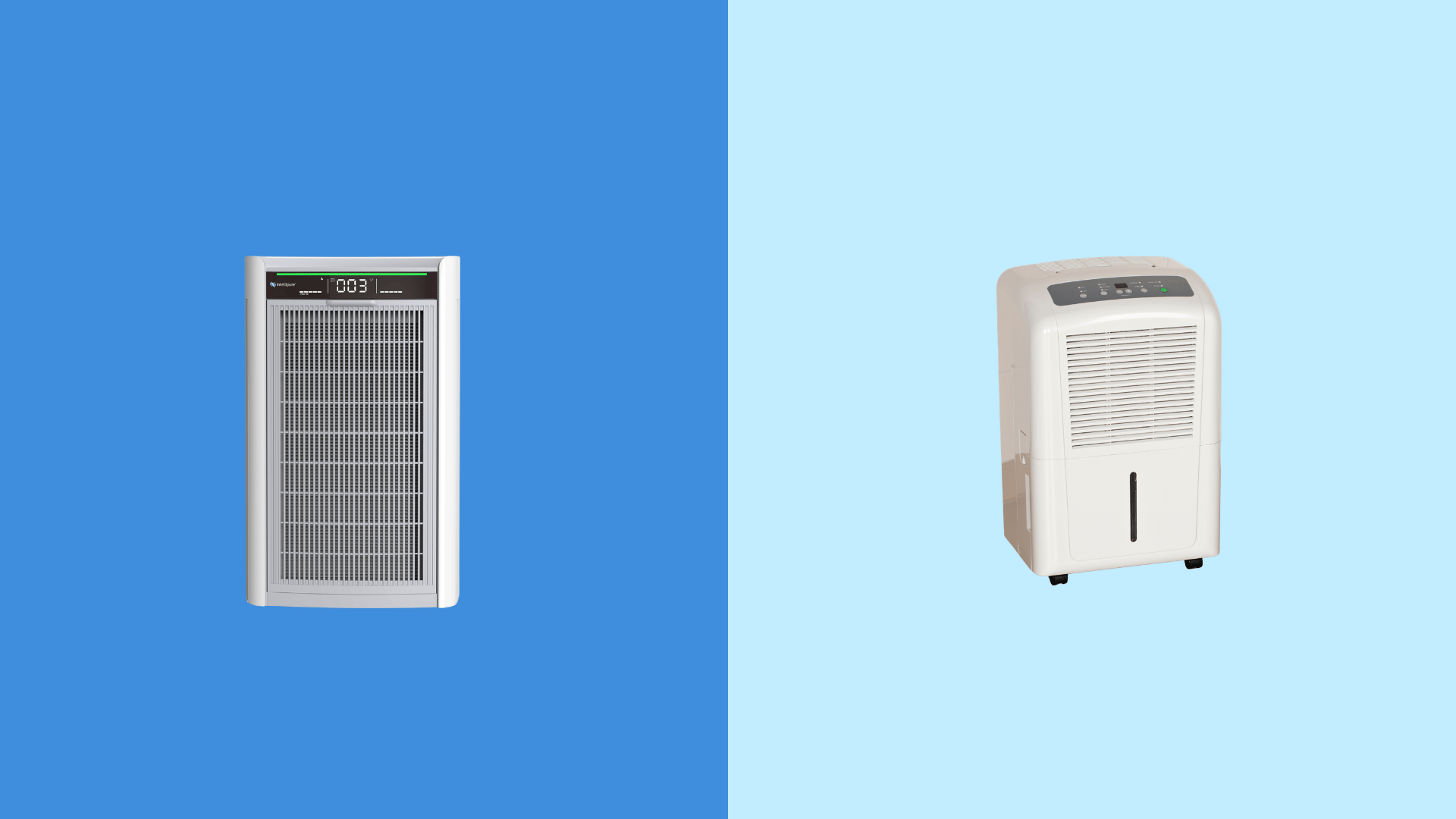
If your home tends to feel damp or humid, a dehumidifier is an obvious investment to consider. By pulling excess moisture from the air, dehumidifiers can help slow the growth of mold and dust mites, two of the most common indoor allergy triggers. Dehumidifiers are especially popular solutions for basements, crawlspaces, and laundry rooms because these moisture-prone areas don't usually get much airflow.
Dehumidifiers work by drawing humid air over cold coils, where the moisture condenses into water that collects in a tank or drains through a hose. The drier air is then warmed slightly and released back into the room. While air conditioners remove some humidity, dehumidifiers are designed for this exact job and can pull anywhere from 10 to 50 pints of water from the air each day (whoa!), depending on the device model and humidity level.
Keeping humidity under control is especially valuable for families that struggle with allergies or asthma, as well as homes with young children or older adults who might be more vulnerable to the health risks caused by dust mites and mold [4][4].
Indoor Air Purifiers
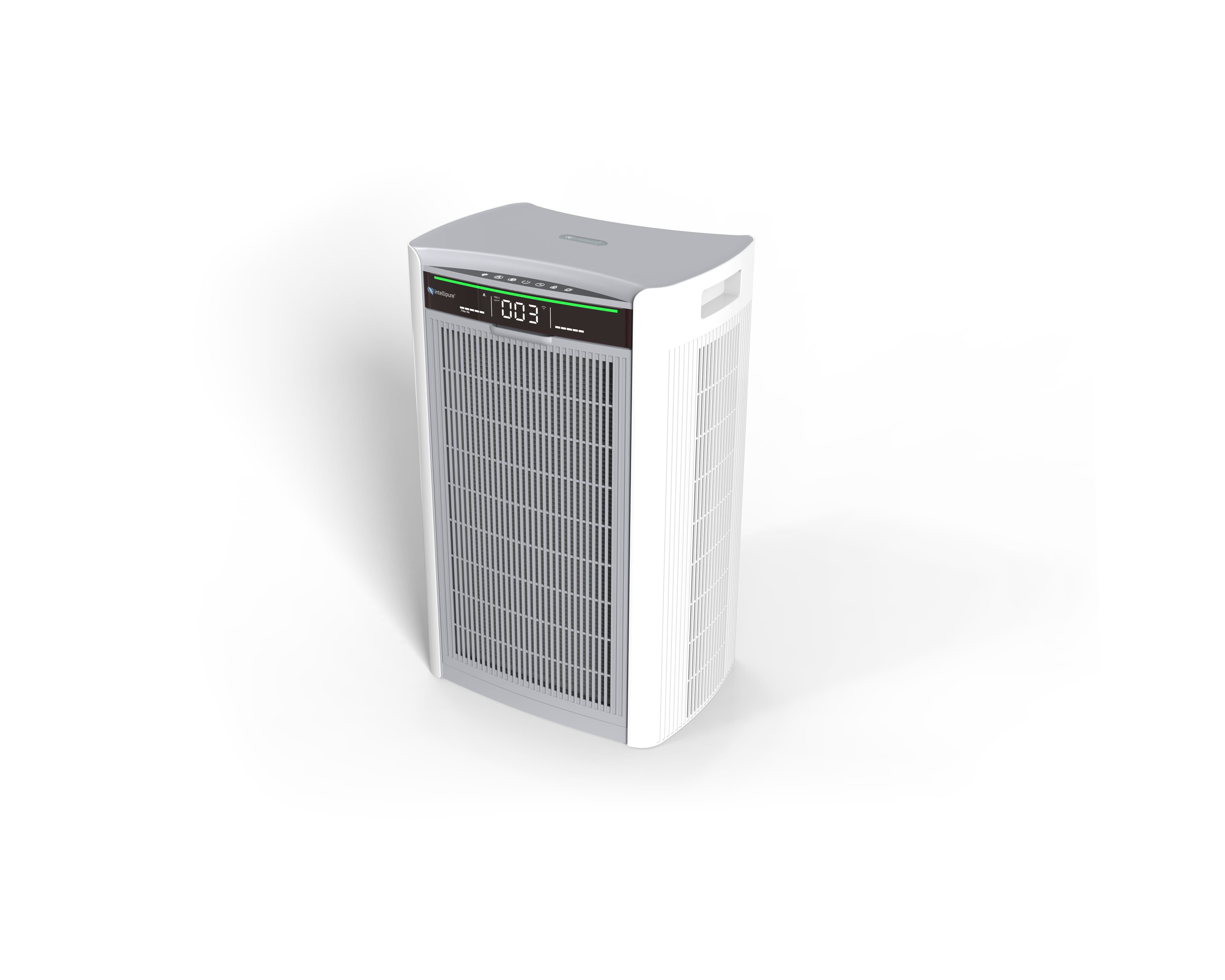
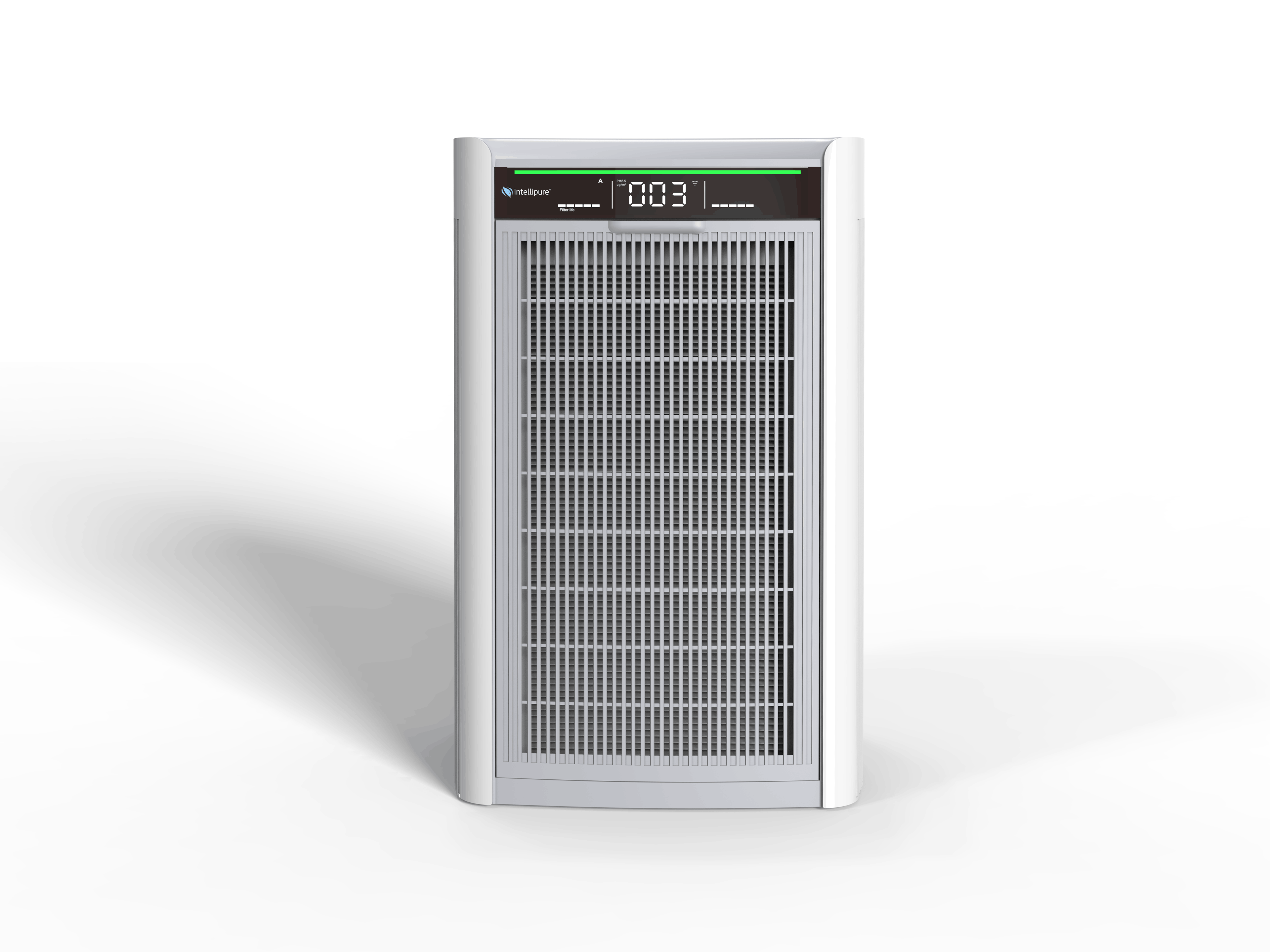
Air purifiers are designed to improve IAQ by removing pollutants from the air. It's true that most HVAC systems have filters, but those are often meant to protect the system's own equipment rather than thoroughly clean your home's air. A dedicated indoor air purifier targets indoor pollutants, including particles like dust, pollen, pet dander, and smoke, as well as chemicals and odors [11][11].
According to the EPA, indoor air can be two to five times more polluted than outdoor air [2][2], so it makes sense that capturing the different types of particles that are floating around in your home's air can noticeably improve your breathing and potentially even your health.
Air purifiers can be especially helpful during wildfire smoke events, in areas with high outdoor pollution, or for people who want more protection against indoor allergens. Choosing the right type of air purifier depends on what you're trying to remove from your home's air [11][11].
Summer Air Dilemmas: Humidity Control + Particle Filtration
Now that we've gone over the purpose of a dehumidifier and the benefits of using an indoor air purifier, you might be wondering: Is it okay to have both?
Our team at Intellipure has already written an article, Air Purifier vs. Dehumidifier: Which Is Best For You?, to help you analyse this question from every angle and pick the solutions that will work best for your family and home.
If you don't have the time or aren't in the mood to go further down the dehumidifier research rabbit hole right now, the quick answer is (spoiler alert): The most comprehensive plan is to use both a dehumidifier and an air purifier together.
Dehumidifiers help with source control in the sense that they can help prevent things like mold growth from ever happening in the first place. Air purifiers offer an extra layer of protection and symptom relief from allergens (pollen included), particles, and pollutants that inevitably slink into your air. An air purifier actually removes airborne contaminants, while a dehumidifier maintains an optimal humidity level in your home. A two-prong approach of relying on both makes for healthier, happier indoor air all around [11][11].
Top Takeaways
This article has been a bit of a doozy! Here are some quick and non-dirty tips to take with you to improve the IAQ and humidity in your home:
- Pick up a low-cost hygrometer the next time you're at your local hardware store so that you can keep track of the relative humidity in your home [5][5].
- Try not to let your home's humidity levels creep above 50%. An air conditioner or dehumidifier can help you lower the humidity [12][12].
- Regularly clean your dehumidifier to help prevent mold growth in its drainage areas. You can typically use bleach on the water basin itself, following the manufacturers' instructions [4][4].
- Stay on top of overall housecleaning and sanitation chores as much as you can (given IAQ likely isn't your top priority most days). Vacuuming rugs and washing bedding truly does go a long way to reduce dust, pet dander, and even dust mites.
- Use HEPA air filters to capture dust mites and other allergy and asthma triggers. HEPA-grade filters can be added to some HVAC systems. They're also found on certain portable air purifiers, making them a great option for bedrooms, nurseries, home offices, kitchens, and other rooms where you spend the most time [6][6].
- Don't be shy about using an indoor air purifier and dehumidifier together. Cleaning dust and debris out of the air can actually make it easier for the dehumidifier to do its job without clogging [11][11].
All this to say, if it's summer wherever you are or you live in a location that stays pretty sticky year-round, it might be time to call the IAQ Batman and Robin (air purifier and dehumidifier) to the rescue. But most of all, please do NOT obsess over every percentage point of relative humidity in your home. Moisture levels matter, but any number within the EPA's recommended range of 30% to 50% is going to feel pretty comfy and help keep respiratory health risks at a minimum.
References
- Parsons G. The Most Humid States in the United States [Internet]. WorldAtlas; 2026. Available from: https://www.worldatlas.com/climate/the-most-humid-states-in-the-united-states.html.
- Southface Energy Institute. Indoor Air Quality and What It Means to You [Internet]. Georgia Power.
- U.S. Environmental Protection Agency. Care your air guide indoor air quality [Internet]. EPA. Available from: https://www.epa.gov/indoor-air-quality-iaq/care-your-air-guide-indoor-air-quality.
- Johns Hopkins Medicine. Air filters dehumidifiers and humidifiers [Internet]. Available from: https://www.hopkinsmedicine.org/health/wellness-and-prevention/air-filters-dehumidifiers-and-humidifiers.
- National Center for Healthy Housing. Ventilation and Indoor Air Quality [Internet].
- Principato S, Potter M, DeVries Z. House Dust Mites [Internet]. University of Kentucky Department of Entomology; 2026. Available from: https://entomology.mgcafe.uky.edu/ef646.
- Dust Mite Allergy: In Your Home [Internet]. National Jewish Health; 2016. Available from: https://www.nationaljewish.org/conditions/allergy/overview/allergens/dust-mite/reduce-in-home.
- American Lung Association. Generic Error Page [Internet]. Available from: https://www.lung.org/clean-air/indoor-air/indoor-air-pollutants/mold.
- Arundel AV, Sterling EM, Biggin JH, Sterling TD. Indirect health effects of relative humidity in indoor environments. Environmental health perspectives. 1986;65:351-61. doi:10.1289/ehp.8665351.
- Chu J. Keeping Indoor Humidity Levels at a "Sweet Spot" May Reduce Spread of Covid-19 [Internet]. MIT News; 2022. Available from: https://news.mit.edu/2022/covid-humidity-spread-1116.
- Air Purifier vs. Dehumidifier: Which Is Best For You? [Internet]. Intellipure; 2025. Available from: https://www.intellipure.com/blogs/all-articles/air-purifier-vs-dehumidifier-which-is-best-for-you.
- Centers for Disease Control and Prevention. Page Not Found [Internet]. CDC; 2024. Available from: https://www.cdc.gov/mold-health/about/index.html.




Hurricane Season Starts Outside. The Air Prep Starts at Home.
What You Should Know About Humidifiers