


Summary
Clean air isn't just about clearing out particles and volatile organic compounds. Humidity is an important component of indoor air quality (IAQ), and the United States Environmental Protection Agency...
In This Article
Clean air isn't just about clearing out particles and volatile organic compounds. Humidity is an important component of indoor air quality (IAQ), and the United States Environmental Protection Agency (EPA) lists monitoring and adjusting humidity as a way to improve the air in your home [1][1].
Plus, research suggests that indoor humidity could play a bigger role in your health than you might think. Experimental studies show that too much or too little humidity can create conditions that make it easier for germs and allergens to stick around [2][2].
Humidifiers can be a great tool to boost the amount of moisture in your home's air so that it stays within a comfortable and healthy range, but no solution is perfect. There are a few health effects and other types of risks that are associated with humidifiers [3][3].
In this article, we'll bring clarity to common misconceptions about humidifiers and offer practical tips to help you choose and use a humidifier. But before we dive in, let's start with the basics.
What Is Humidity?
Humidity refers to the amount of water vapor present in the air, and there are several ways scientists can measure it, including relative humidity. Relative humidity is the amount of moisture in the air compared to the maximum amount it can hold at a specific temperature before becoming saturated and forming condensation [4][4].
Nearly every hardware store sells air humidity gauges, known as hygrometers, which you can use to keep an eye on humidity levels in your home [5][5].
Ideal Indoor Humidity Levels
The EPA recommends keeping indoor humidity between 30% and 50% [1][1]. But how big of a deal is that? What really happens when your air's humidity dips below or spikes above the ideal range?
When Humidity Is Too Low
Dry indoor air can cause all sorts of annoying symptoms: cracked lips, dry skin, bloody noses, scratchy throat, irritated lungs, itchy eyes and nose, and more [3][3]. Beyond dried-out sinuses, research conducted by Stanford University in 2024 suggests that transmission of the flu, COVID-19, and other viral, airborne respiratory infections can be linked to low indoor humidity levels [6][6].
Your health isn't the only thing that might take a hit when humidity is too low. You could also see changes to your home and decor. Dry air can loosen furniture joints, crack paint, make wallpaper peel, create gaps between floorboards, and cause windows to rattle in their frames—not to mention static electricity, another low humidity nuisance [5, 7][5, 7].
When Humidity Is Too High
On the flip side, when the air is too humid, your home might feel stuffy. Excess humidity can cause water vapor in the air to turn into condensation, forming droplets on walls, floors, and other surfaces. All that moisture creates conditions in which harmful bacteria, dust mites, and molds thrive.
Aside from being icky, high-humidity allergens like mold and dust mites can cause breathing issues and trigger asthma flare-ups for some people [3][3]. Mold has a notoriously unpleasant smell and can discolor surfaces, too [5][5].
What Do Humidifiers Do?
Humidifiers are devices that release water vapor or steam, boosting the amount of moisture in the air. Lots of people turn to humidifiers to soothe symptoms caused by dry air, including dry skin, scratchy throat, and cracked lips [3][3]. During the winter months when home heating systems tend to be in constant use, humidifiers are especially popular [5][5].
Types of Humidifiers
If you've ever looked into buying a humidifier, you probably already know there are lots of options out there. The choices can be overwhelming, so let's break them into categories:
Central Humidifiers
Built into home heating and air conditioning systems, central humidifiers are designed to humidify the whole house [3][3]. They can use the furnace ducts to spread moist air throughout your home. Or if you have a closed heating system (like electric baseboards), you can have your central humidifier installed with its own fan and duct to spread the humidified air [5][5].
Portable Humidifiers
Portable humidifiers are usually pretty small and easy to move around [7][7]. They do vary in size and efficiency, with tabletop units being ideal for single rooms and larger console models being more capable of spreading moisture across bigger areas of the house, especially when placed in a central location [5][5].
Ultrasonic Humidifiers
These devices use ultrasonic sound vibrations to release a cool mist [3][3]. Ultrasonic humidifiers require regular cleaning because they're known to produce and disperse potentially harmful microorganisms and minerals into the air [7][7].
Impeller Humidifiers
These humidifiers rely on a high-speed rotating disk to give off a cool mist. They're a favorite for people looking to treat a stuffy nose, but just like ultrasonic humidifiers, they can send microorganisms and minerals into the air [3, 7][3, 7].
Evaporators
Evaporators use a fan to blow air through a moistened absorbent material, like a belt, wick, or filter. If your evaporator includes a tank that holds standing water, it can promote the growth of microorganisms, however, it usually won't disperse the pollutants into the air [7][7].
Steam Vaporizers
Also known as "warm mist humidifiers," steam vaporizers use an electrical heating element to generate steam that cools before leaving the machine [7][7]. Mayo Clinic advises against using this type of humidifier if you have children because the hot water they hold can cause burns if spilled [3][3].
Common Humidifier Mistakes
It's never too late to change your ways if you've been guilty of any of these top humidifier slip-ups. They happen to the best of us!
Never Cleaning Your Humidifier
Humidifiers can help add much-needed moisture to dry indoor air, but they need a little TLC to stay clean and healthy. Whether you have a portable humidifier or a central unit, following the manufacturer's instructions and staying on the ball with cleanings is a smart idea [5][5].
When water tanks and filters don't get cleaned regularly, mold and bacteria can grow and get released into the air, potentially triggering allergy and asthma flare-ups or even causing flu-like symptoms or lung issues in otherwise healthy people. (Evaporators and steam vaporizers may be less likely to spread airborne allergens than cool-mist humidifiers.) Fortunately, keeping your humidifier clean is usually pretty simple when you follow the instructions that came with the machine [3][3].
Bonus tip: If you're about to put away your humidifier because you don't expect you'll need it for a while, go ahead and give it a quick clean first. Make sure to dry all the parts afterward, and store it in a dry place [7][7].
Using Tap Water with Your Humidifier
If you have a portable humidifier, try to use distilled or demineralized water. Tap water contains minerals that can build up inside your humidifier, encourage bacteria, and leave a fine white dust on furniture. Distilled or demineralized water contains fewer minerals. If recommended by the manufacturer, you can also use a demineralization cartridge or filter.
It's a good idea to change the water regularly (every day, if you can). Unplug the humidifier, empty its water tank, dry the inside surface, then refill it with clean water. These steps should help prevent film and other types of buildup [3][3].
Letting Your Air Get Too Humid
The EPA recommends using a humidifier only when needed and adjusting the moisture setting to match the conditions in your home [7][7].
To help you monitor humidity levels in the rooms where your humidifiers are running, you can pick up a low-cost hygrometer the next time you're at your local hardware store. This is important because humidifiers can make you sick if relative humidity stays too high (above 50%) [3][3].
Some humidifiers have a built-in humidistat that lets you set the moisture level. If you notice condensation forming on windows, walls, or pictures, try moving the humidifier, lowering the setting, or using it less often [7][7].
Assuming You Have to Put Away Your Air Purifier
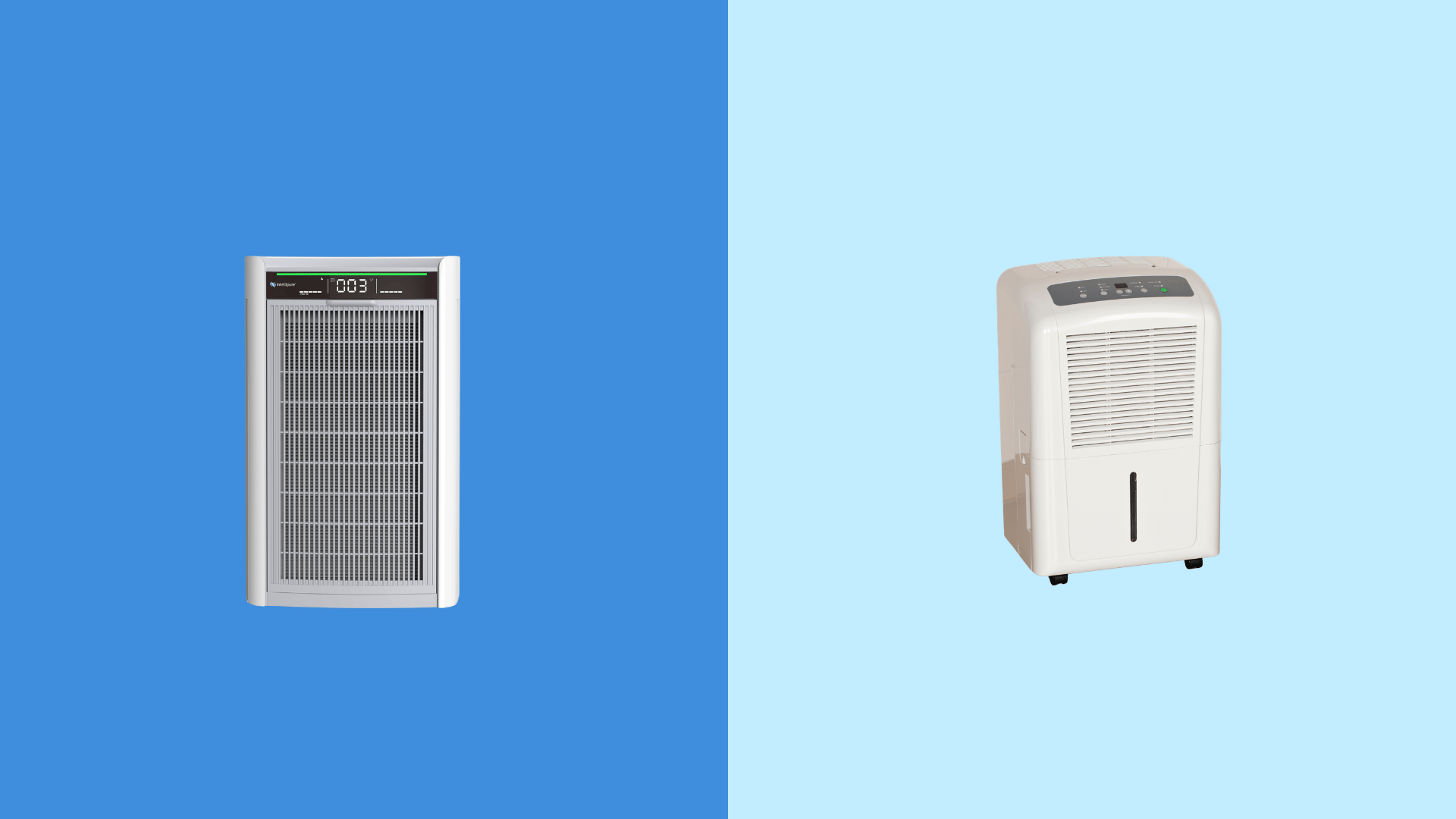
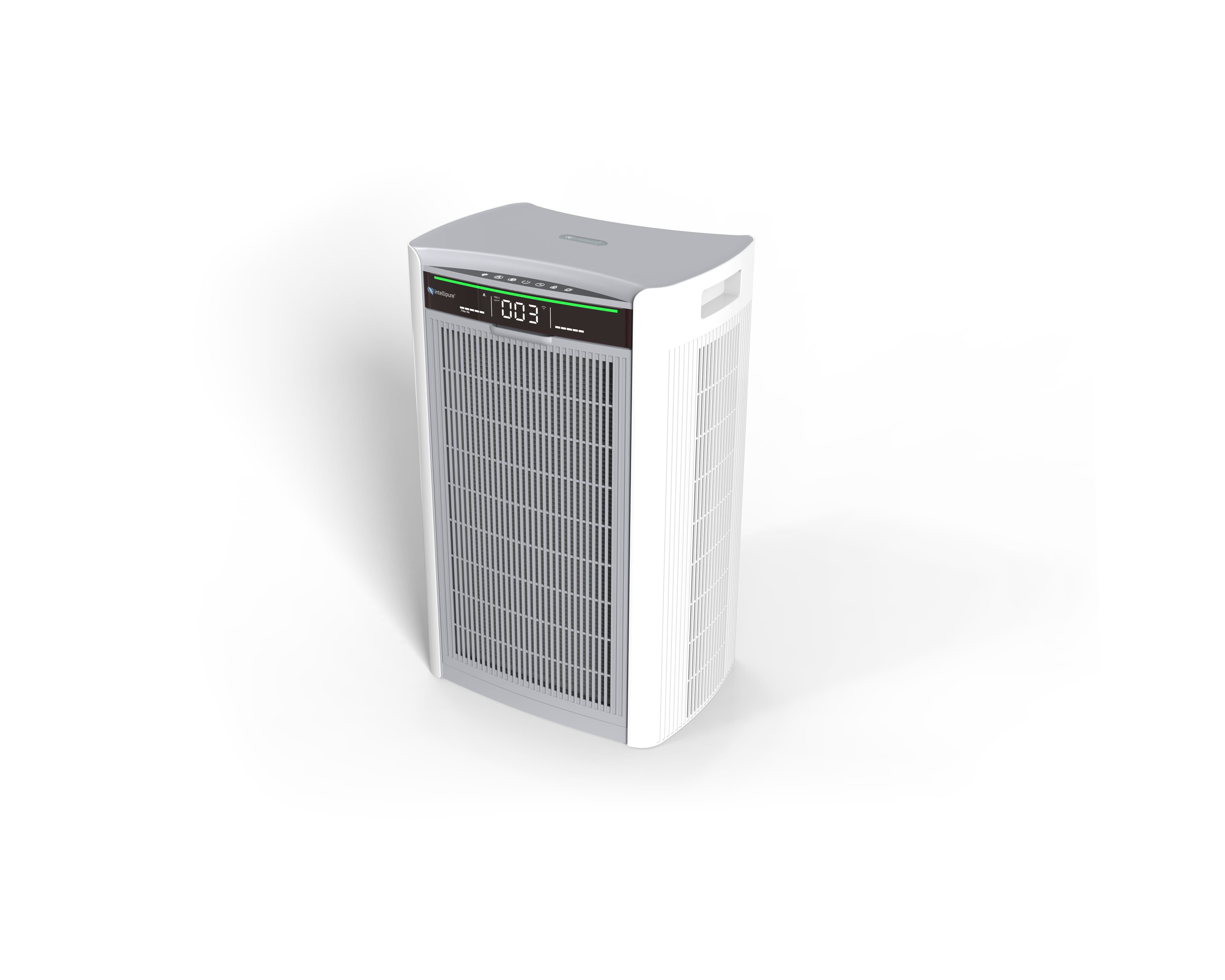
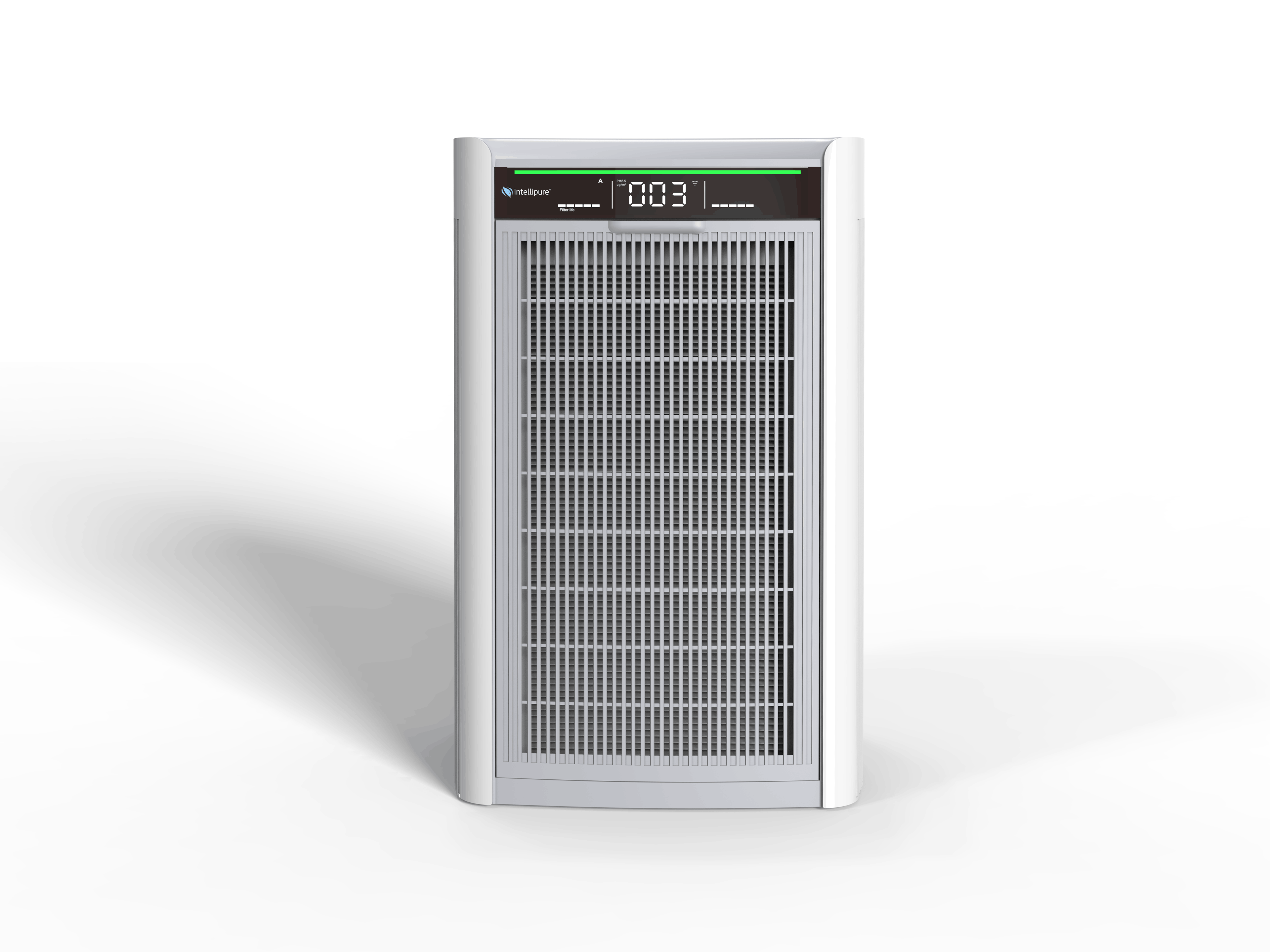
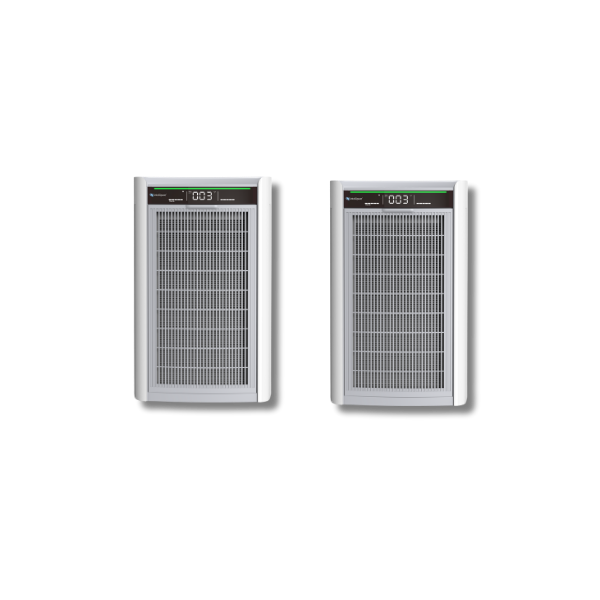
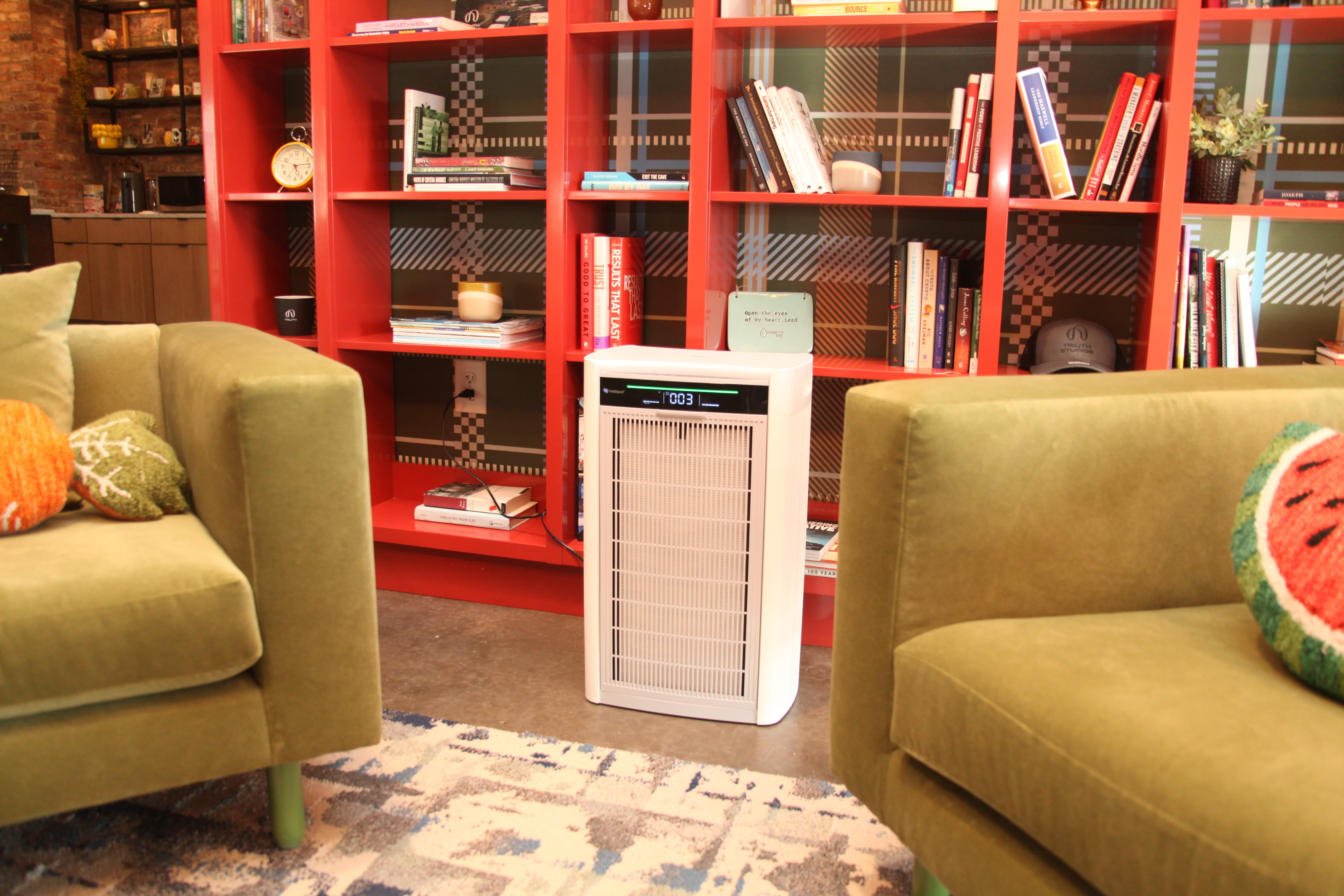
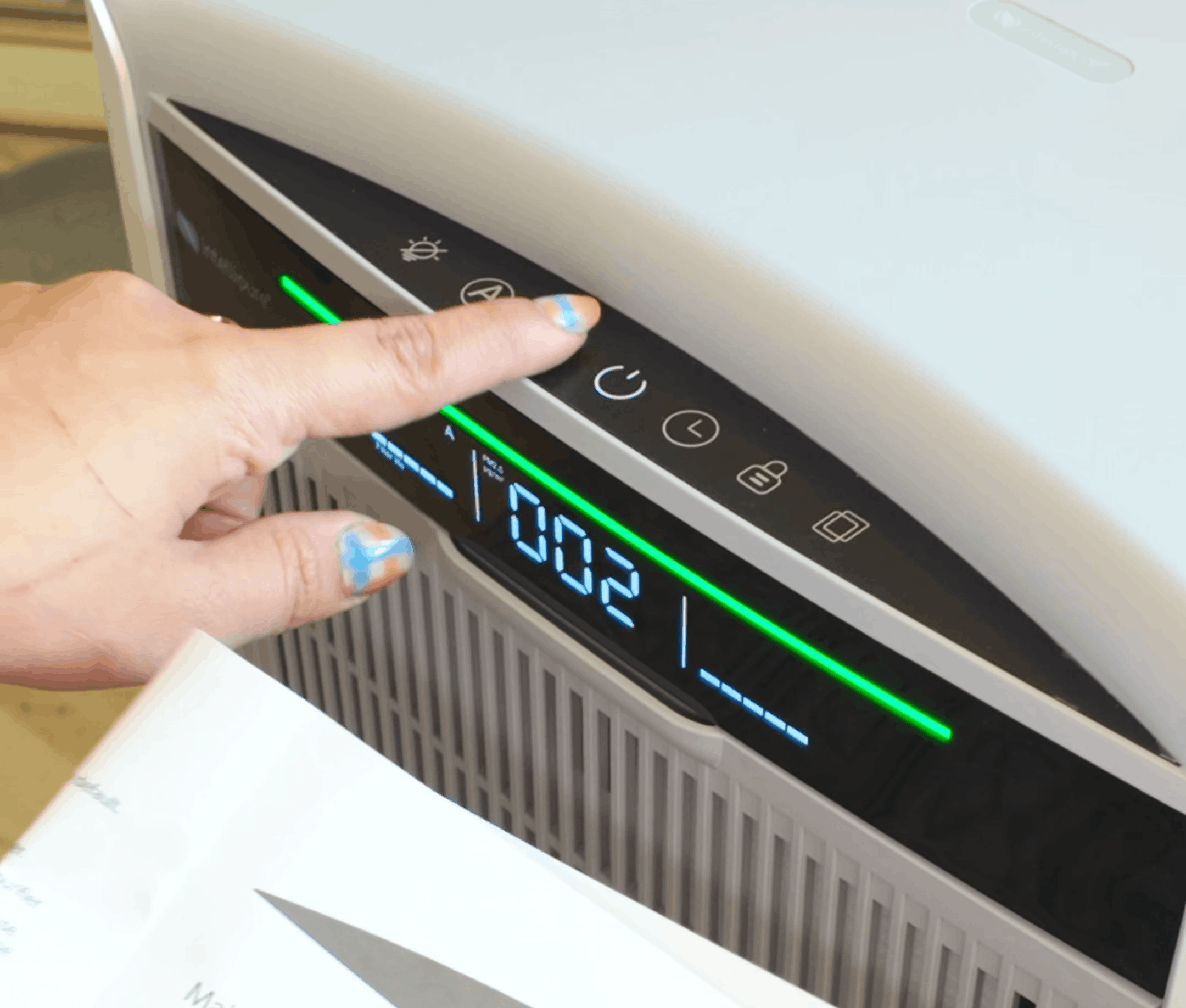
If you use (or are interested in using) a portable air purifier in your home to remove particles, dust, germs, allergens, and other bad things that can infiltrate your air, you might be wondering: Can Air Purifiers & Humidifiers Coexist?
The short answer is YES. While an air purifier and a humidifier have different functions, they can work together to benefit both your health and personal comfort. You can even run the two devices at the same time in the same room without any issues, as long as they're spaced at least several feet apart. If the humidifier output is not aimed directly at the air purifier intake, there should be no negative interactions.
You might also want to double check that the circuit can safely handle both devices running at the same time. Just check each device's wattage and amperage (should be on their labels), then make sure the circuit is rated for their combined load [8][8].
Only Using Your Humidifier During Certain Seasons
While it's true that humidity levels tend to be lower in the winter and higher in the summer, seasonality isn't the only factor. The weather and climate where your home is located contribute to the amount of moisture in the air, too [3][3].
Johns Hopkins Medicine and other credible sources recommend humidifiers for people who live in regions where homes must be heated for a good chunk of the year or where climates stay very dry year round [5][5].
Forgetting to Talk to Your Doctor About Humidifier Use
Since there are some risks associated with humidifiers, be sure to talk to a healthcare professional before using one in your home or office. This is especially important if someone in your home has asthma or allergies [3][3].
Aside from bacteria and mold caused by mist from a dirty humidifier or excess moisture in the air, steam and boiling water from certain types of humidifiers could cause burns if an accident were to happen.
If you notice new respiratory symptoms that you think might be caused by your humidifier, you should stop using it until you have a chance to get in touch with your doctor [7][7].
Never Looking into Other Options
If there's a reason a humidifier isn't a good choice for you, your family, or your home, there are other steps and solutions you can try that might ease issues tied to dry air.
For a dry nose: An over-the-counter saline spray or rinse might do the trick.
For a sore or dry throat: Try gargling with warm salt water a few times a day. (Be sure to drink plenty of water to stay hydrated!)
For dry skin: Avoid taking long, hot showers or baths. You can limit them to 5 to 10 minutes and use warm water instead of hot. Fragrance-free skin creams or ointments might also help lock in moisture.
For cracked lips: Keep your favorite balm within reach [3][3].
To Recap
The bottom line? Humidifiers can be a helpful way to make your home more comfortable when the air gets too dry, but they work best when you use them thoughtfully. Keep an eye on your humidity levels, clean your humidifier regularly, and follow manufacturers' instructions to help keep mold, bacteria, and excess moisture at bay.
And remember, more humidity isn't always better. An affordable hygrometer can help you find that relative-humidity sweet spot (between 30% and 50%, according to the EPA). Fortunately, it doesn't take much time or energy to keep your indoor air comfortable without creating new problems along the way.
References
- U.S. Environmental Protection Agency. Care your air guide indoor air quality [Internet]. EPA. Available from: https://www.epa.gov/indoor-air-quality-iaq/care-your-air-guide-indoor-air-quality.
- Arundel AV, Sterling EM, Biggin JH, Sterling TD. Indirect health effects of relative humidity in indoor environments. Environmental health perspectives. 1986;65:351-61. doi:10.1289/ehp.8665351.
- Mayo Clinic. Art 20048021 [Internet]. Mayo Clinic. Available from: https://www.mayoclinic.org/diseases-conditions/common-cold/in-depth/humidifiers/art-20048021.
- Chu J. Keeping Indoor Humidity Levels at a "Sweet Spot" May Reduce Spread of Covid-19 [Internet]. MIT News; 2022. Available from: https://news.mit.edu/2022/covid-humidity-spread-1116.
- Johns Hopkins Medicine. Air filters dehumidifiers and humidifiers [Internet]. Available from: https://www.hopkinsmedicine.org/health/wellness-and-prevention/air-filters-dehumidifiers-and-humidifiers.
- Stanford University. Low humidity boon viruses [Internet]. Available from: https://news.stanford.edu/stories/2024/03/low-humidity-boon-viruses.
- U.S. Environmental Protection Agency. Use and care home humidifiers [Internet]. EPA. Available from: https://www.epa.gov/indoor-air-quality-iaq/use-and-care-home-humidifiers.
- Can Air Purifiers & Humidifiers Coexist? [Internet]. 2025. Available from: https://www.intellipure.com/blogs/all-articles/can-air-purifiers-and-humidifiers-coexist?.







Should You Pair an Air Purifier and a Dehumidifier This Summer?
Better Together: Why Different Air Filters Do Different Jobs