

Summary
When you were a kid and had never seen "Lyme disease" spelled out before, you might have assumed it had something to do with little green citrus fruits. (No? Just me?)
In This Article
When you were a kid and had never seen "Lyme disease" spelled out before, you might have assumed it had something to do with little green citrus fruits. (No? Just me?)
Turns out, the disease is named for Lyme, Connecticut, where the first cluster of cases was documented back in 1977. Unfortunately, Lyme disease has spread far beyond Lyme's town limits: Today, it's been reported in almost every U.S. state, but the Northeast, Mid-Atlantic, and Upper Midwest regions see the most cases. It also exists in Asia, Europe, and other parts of the world [1, 2][1, 2].
The CDC estimates that around 476,000 Americans are diagnosed with Lyme disease every year. For perspective, that's more than the number of Americans diagnosed with breast cancer and colorectal cancer combined!
So, Lyme disease is prevalent. Got it. But what is it exactly?
An Overview of Lyme Disease
A bacterial infection, Lyme disease frequently causes a rash and other mild symptoms that can be treated with antibiotics. But the disease can become much more serious, especially without early treatment.
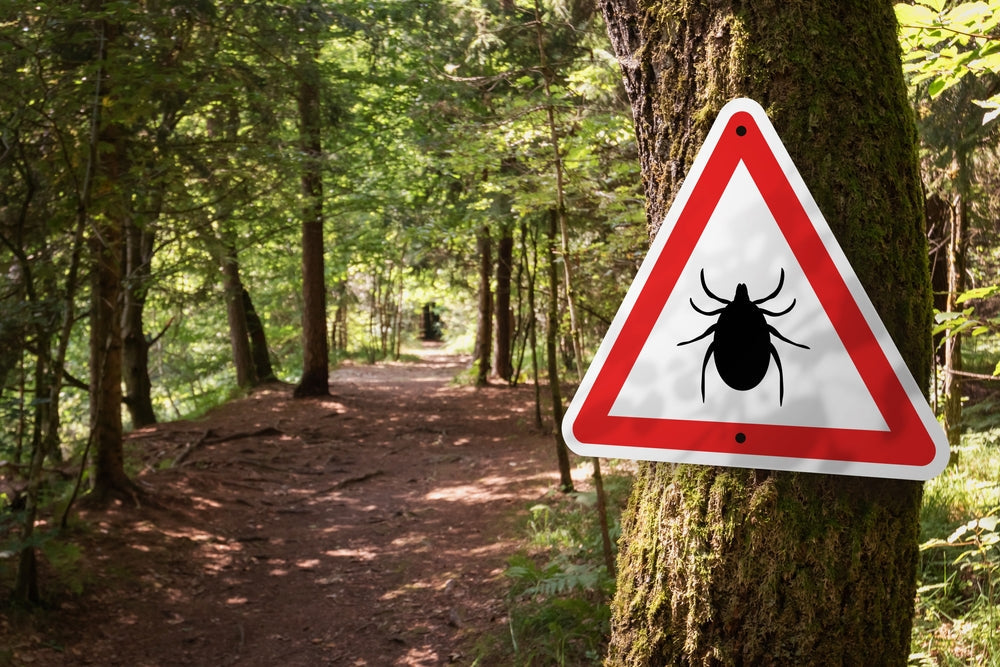
Lyme disease is caused by Borrelia, a corkscrew-shaped bacteria, and is spread to humans and dogs (more on pets later!) through a bite from an infected black-legged tick. When ticks bite someone to feed on their blood, they can release Borrelia into the person's body [1][1]. This is why you're supposed to do a quick check for ticks, including your scalp and other hard-to-see areas, after you've spent time in a wooded area [3][3].
Any time you get a tick bite, you should go ahead and call your doctor. Getting bitten doesn't automatically mean you have Lyme disease. But it's best to speak with a medical professional as soon as you can. Don't wait to see if you develop symptoms because there are preventative antibiotics that your doctor might recommend after a high-risk bite [1][1].
Lyme Disease Symptoms
Lyme disease is rarely fatal, but if it isn't treated properly, it can become a chronic illness with symptoms that might continue for years after the initial tick bite [3][3]. Of the 476,000 people diagnosed with Lyme disease in the U.S. every year, 10% to 20% go on to experience chronic illness [4][4].
Typical symptoms of early-stage Lyme disease include:
- Chills
- Fatigue
- Fever
- Headache
- Muscle and joint aches
- Skin rash ("erythema migrans," to be precise)
- Swollen lymph nodes [2, 3][2, 3]
Later-stage symptoms might not show up until weeks or even months after a tick bite. They include:
- Arthritis
- Facial paralysis
- Irregular heartbeat and/or heart palpitations
- Joint pain and swelling
- Nervous system abnormalities [2, 3][2, 3]
Lyme Disease in Dogs
Dogs can develop Lyme disease, too. In fact, tick-borne diseases like Lyme disease are becoming more common in both people and dogs.
One of the best ways to protect your favorite canines (and yourself) is to check them for ticks regularly, especially after they've been outside. Look extra closely around their collar, if they wear one, as well as their ears, eyelids, tail, legs, and between their toes.
Typical symptoms in dogs include swollen joints, lameness, fever, and loss of appetite. According to the Federal Drug Administration's Center for Veterinary Medicine, in rare cases, dogs with Lyme disease can develop serious, potentially fatal kidney disease. Keeping your dog out of tick-heavy areas, checking them for ticks, and using year-round tick prevention products recommended by your veterinarian can help lower the risks.
Cats are way less likely than dogs to get Lyme disease, but researchers are still investigating their susceptibility. No matter what, we do know that outdoor cats can bring ticks into your home, so the same tick precautions still apply [3][3].
Lyme Disease Myths
There's a lot of misinformation floating around about how you can get Lyme disease. Let's debunk a few of the top myths:
- You can NOT get Lyme disease from mosquitoes. Only ticks.
- Lyme disease is NOT contagious. That means it doesn't spread by kissing, touching, sneezing, or any of those sorts of things. Again, only ticks.
- You can NOT get Lyme disease from a blood transfusion. That said, the CDC advises against donating blood if you're being treated for Lyme disease [1][1].
How Lyme Disease Can Affect Breathing
Shortness of breath isn't one of the most typical symptoms of Lyme disease, but it can happen. The disease usually doesn't affect the lungs directly. Instead, breathing problems may be linked to related heart issues (Lyme carditis), nervous system or autonomic dysfunction, or a coinfection such as Babesia, which can affect oxygen delivery.
Because many other conditions, including asthma, COPD, pneumonia, anemia, heart problems, and pulmonary embolism, can also cause shortness of breath, it's important not to automatically blame Lyme disease. If you or a loved one living with Lyme disease develops breathing problems of any variety, a healthcare provider can help determine the underlying cause and recommend an appropriate treatment [5][5].
Understanding "Air Hunger"
Babesia is a microscopic parasite that infects and destroys red blood cells, and it's transmitted by the same species of black-legged tick that can carry Lyme disease. Babesia can cause a pretty spooky sensation that's known as "air hunger."
We know what you're thinking, and no, this symptom doesn't mean the person experiencing it wants to sit down to a feast of pure air. Air hunger is one of the more bizarre symptoms of Babesia, though. People often describe it as an intense feeling that they can't get a satisfying, full breath, even when their oxygen levels and lung tests look normal [5][5]. Unlike typical shortness of breath, there may be no signs of wheezing or trouble exhaling; the inhale simply feels incomplete or blocked.
Researchers and medical professionals haven't figured out the exact cause of air hunger quite yet. Babesia infects red blood cells and may interfere with oxygen delivery, while Lyme disease can affect the nervous system and the body's automatic regulation of breathing. Together, these effects could create a powerful urge to take deeper breaths, sometimes even at rest. Episodes may come in waves or worsen with heat, mild activity, illness, stress, or at night.
Because standard tests don't always capture these breathing changes, someone experiencing air hunger may have reassuring oxygen readings and normal chest imaging despite feeling genuinely short of breath. (Understandably, this situation can be frustrating for some patients.)
Try not to attribute your breathing difficulties to Babesia or Lyme disease before discussing your symptoms with your doctor. Other conditions, including asthma, COPD, heart or lung problems, and anemia, can cause similar symptoms. Your healthcare professional can give you a thorough evaluation.
The good news? For many people dealing with air hunger, episodes become less intense and breathing eventually begins to feel automatic and comfortable again [6][6]. (Phew!)
Lyme Disease or Mold?
Lyme disease and mold illness can be tricky because they share a lot of the same symptoms, including fatigue, joint pain, headaches, respiratory issues, sinus problems, and brain fog. It's also possible to have both conditions at the same time.
Mold illness, sometimes called mold toxicity, is a fungal infection linked to indoor mold exposure and the substances certain molds produce called mycotoxins. Mold spores, including black mold, can grow in damp areas like basements and bathrooms in places with hidden water damage, and it isn't always easy to spot.
Lyme disease, as we've been over, is a bacterial infection caused by Borrelia and spread through infected black-legged tick bites. Early Lyme may cause a rash, flu-like symptoms, and aches, while an untreated infection can affect the joints, nervous system, or heart, leading to much more serious symptoms.
Due to overlapping symptoms, figuring out the root cause can be a challenge. Some people may even have both Lyme disease and health problems related to mold exposure. When that happens, ongoing inflammation and immune-system changes can make symptoms more complicated and recovery more difficult [4][4].
According to the book New Paradigms in Lyme Disease Treatment, "Mold toxicity causes patients to develop symptoms from Lyme infections and vice versa, and people with weakened immune systems are far more susceptible to sickness from mold … and doctors are just beginning to understand and explore it" [7][7].
If you suspect that you might have either mold toxicity or Lyme disease, it's important to work with a healthcare professional to pin down the underlying cause [4][4].
Tips for People Living with Lyme Disease
This list blends recommendations from medical professionals as well as people with Lyme disease. It's by no means comprehensive—there's tons of other great advice out there!
- Find a doctor who you trust. According to the Global Lyme Alliance, a Lyme-literate medical doctor (LLMD) is a smart choice for diagnosing and treating Lyme disease [4][4].
- Stay in the loop about Lyme disease. If you're a patient who's navigating ongoing symptoms, being aware of different treatment options can help guide conversations with your care team [6][6].
- Keep a symptom log. Keeping a daily record of what you did, how you slept, any changes you made to your routine, and how you felt can help you notice patterns, progress, and flare-ups.
- Slow down and rest. If you feel like you need a break from a physically or mentally demanding activity, take a break! This isn't the time to push your limits.
- Take care of yourself. Follow your doctor's recommendations as closely as possible, take your prescribed medications and supplements as directed, and keep up with the routines that help you feel your best. Treat yourself the way you would treat a close friend who needs a little extra TLC [8][8].
How to Help Your Loved One Living with Lyme Disease
Generation Lyme offers a wealth of information and resources to support people who support people with Lyme disease. (Yes, you read that correctly.)
Here are a few highlights:
- Learn about Lyme disease. Reading this article is a great start!
- Believe them, even if you'll never fully understand what they're experiencing in their day-to-day.
- Ask your loved one what kind of help they need, and offer to assist.
- Check on them regularly.
- Avoid language that might make them think you're minimizing how they feel.
- Spend quality time together, even if the time spent looks a bit different than it used to.
- Provide transportation to doctor visits.
- Offer help with physically demanding tasks. Cleaning, cooking, laundry, shopping, child care, etc.
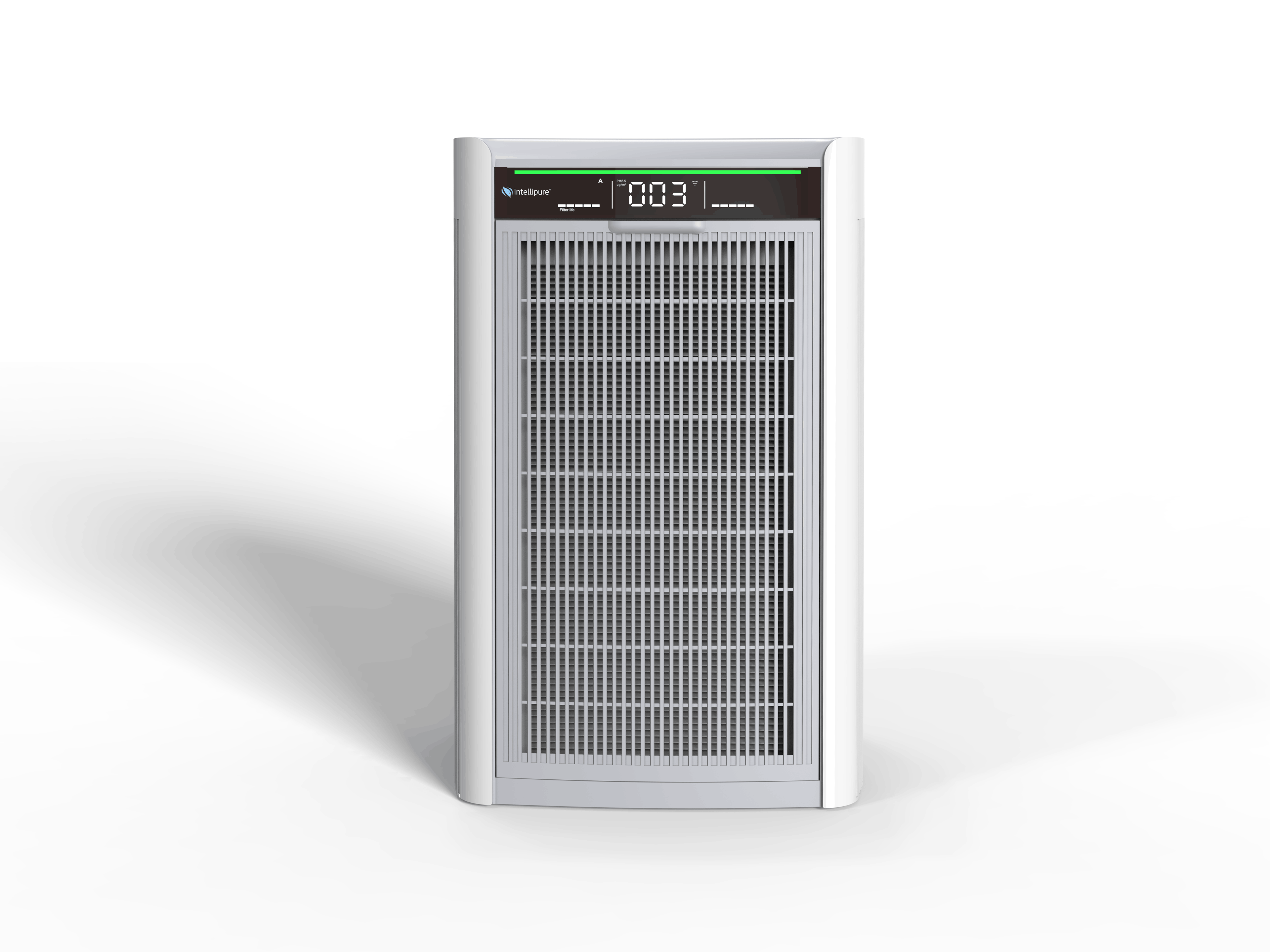
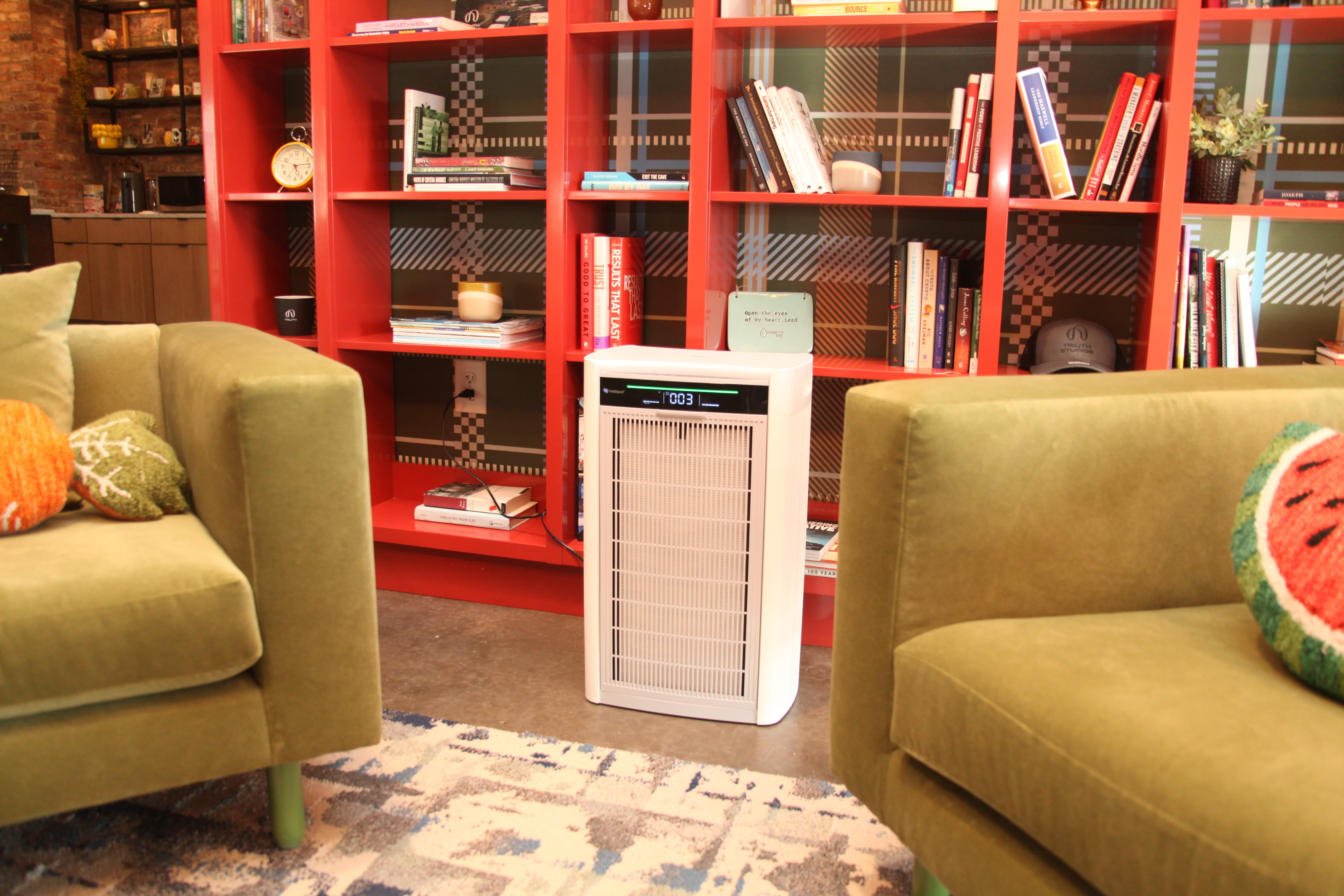
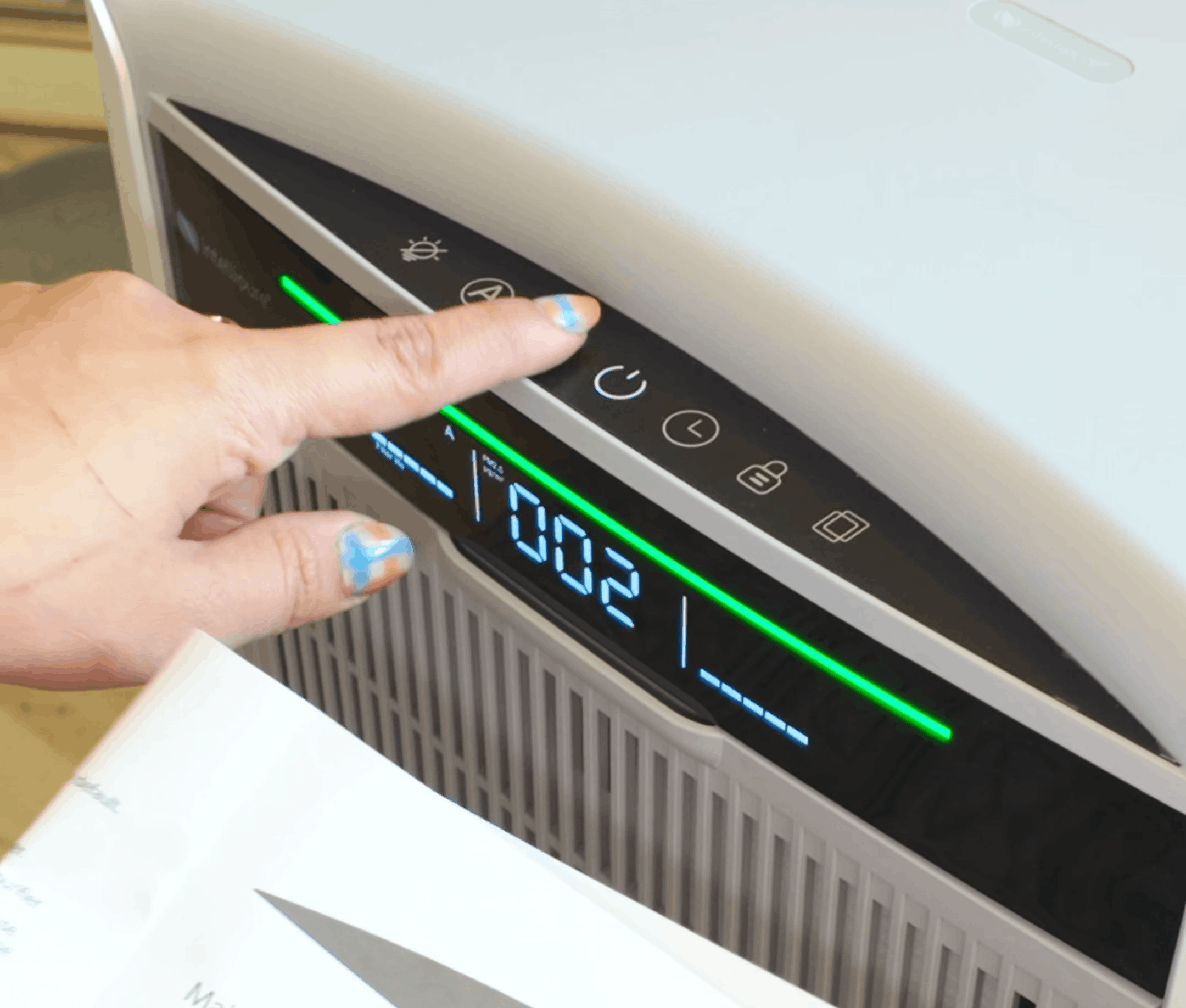
- When giving gifts, look for items that promote wellness and comfort. A high-quality indoor air purifier can help support a healthier home environment year-round by capturing mold spores, filtering particulate matter (PM), and reducing pollutant levels.
- Help raise Lyme disease awareness. Consider advocating for educational programs, federal funding, and legislation for better testing, treatments, and a cure.
- Know that your presence, patience, and helpful actions make a huge difference [9][9].
To Recap
Living with Lyme disease has its challenges, especially when symptoms are chronic, unpredictable, or overlap with other conditions. Fortunately, understanding what you're dealing with, keeping track of your symptoms, getting help from trusted healthcare professionals, and leaning on friends and family members for practical and emotional support can all help you feel more in control.
References
- Harvard University. Lyme Disease Overview [Internet]. Harvard Health Publishing Lyme Disease; 2025. Available from: https://www.lyme.health.harvard.edu/lyme-disease-overview/.
- Centers for Disease Control and Prevention. Page Not Found [Internet]. CDC; 2024. Available from: https://www.cdc.gov/lyme/about/index.html.
- U.S. Food and Drug Administration. Ticks and lyme disease symptoms treatment and prevention [Internet]. FDA. Available from: https://www.fda.gov/consumers/consumer-updates/ticks-and-lyme-disease-symptoms-treatment-and-prevention.
- How are mold illness and lyme disease related [Internet]. Global Lyme Alliance; 2023. Available from: https://www.globallymealliance.org/blog/how-are-mold-illness-and-lyme-disease-related.
- Cameron DD. Lyme disease causes diaphragm paralysis, resulting in breathing problems [Internet]. Daniel Cameron MD; 2024. Available from: https://danielcameronmd.com/lyme-disease-diaphragm-paralysis-breathing-problems/.
- Cameron DD. Babesia Air Hunger: Why Breathing Feels Manual [Internet]. Daniel Cameron MD; 2026. Available from: https://danielcameronmd.com/babesia-air-hunger-2/.
- Bay Area Lyme Foundation. The Connection Between Mold Illness and Lyme Disease [Internet]. 2020. Available from: https://www.bayarealyme.org/blog/the-connection-between-mold-illness-and-lyme-disease/.
- Writer. Coping with Lyme Disease Flares: Tips for Managing Symptom Exacerbations [Internet]. Available from: https://www.globallymealliance.org/blog/coping-with-lyme-disease-flares-tips-for-managing-symptom-exacerbations.
- Generation Lyme. Resources for Lyme Patient Supporters and Loved Ones [Internet].
















Better Together: Why Different Air Filters Do Different Jobs
Smoking Is Making a Comeback. What Does That Mean for Your Air?