
2025 Flu Season Is Here: Prepare Yourself

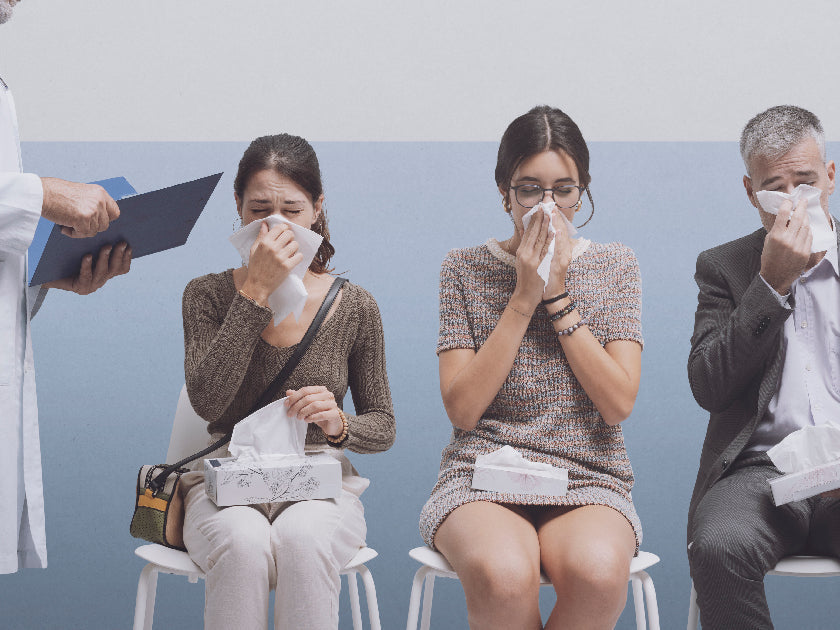
The New Year is in full swing and so is flu season across the country. Every year Influenza (commonly called “flu”) causes sickness and disruption throughout homes, daycares, schools, workplaces and communities. The current 2024-2025 flu season in the United States is no different. That's why it is important to understand what is happening and how to stay healthy this flu season.


Not The Same Flu Season As Last Year

Flu season usually begins in October and spreads during the colder months, peaking between December and February. As of January 2025, Centers for Disease Control and Prevention (CDC) health officials reported the flu season is in full swing. So far 40 states reported high or very high levels of flu-related illness in late December showing widespread flu activity is in effect.


This season, the CDC projects that the peak flu hospitalization rate will be similar to or lower than the previous 2023-2024 flu season. During the previous flu season there were roughly 8.9 weekly laboratory-confirmed hospitalizations per 100,000 people. That’s actually good news and offers hope that this season’s impact might not be as bad in terms of patients in need of hospitalization.


Even with a potentially lower hospitalization rate, the flu is still having a big impact. Current CDC estimates show at least 5.3 million people sick with flu, leading to about 63,000 hospitalizations and 2,700 deaths. These numbers highlight the seriousness of the flu as well as the importance of taking steps to prevent and treat it.


The Flu Isn’t The Same Everywhere

The flu is not hitting all parts of the country in the same way. Public health officials noted states across the South, Southwest and West are seeing intense flu diagnosis numbers. Meanwhile Northern Great Plains and New England states are reporting somewhat lower levels of flu activity so far. This difference in location-based sickness is typical during flu seasons and is driven by factors such as population density, climate and people’s travel patterns.


Several different flu virus strains are in circulation this season, making the flu spread even more. So far the most common strains are H1N1 and H3N2. Different strains can cause different levels of sickness and affect people in different ways. Every year the flu vaccine is developed to target whichever specific flu strain that is expected to be the most common throughout the country. While the flu vaccine doesn’t always prevent illness, it does help reduce the severity of the illness. 


Protecting Yourself From The Flu

Flu virus spreads through tiny droplets released when someone who is sick coughs, sneezes, or even talks. These tiny droplets spread everywhere nearby, falling on surfaces or traveling through the air. If a person breathes in the droplets or touches them, they are at risk of getting sick. Getting vaccinated is a great way to ward off the flu, but there are other ways to help keep you healthy this year.


Here are a few ways to protect yourself from getting sick when you are out in public:

  • Wash hands often
  • Avoid touching your face
  • Avoid crowded spaces
  • Wear a mask

Here are a few ways to to protect yourself and others at home:

  • Cover your nose and mouth when coughing
  • Avoid close contact with sick people
  • Disinfect surfaces often
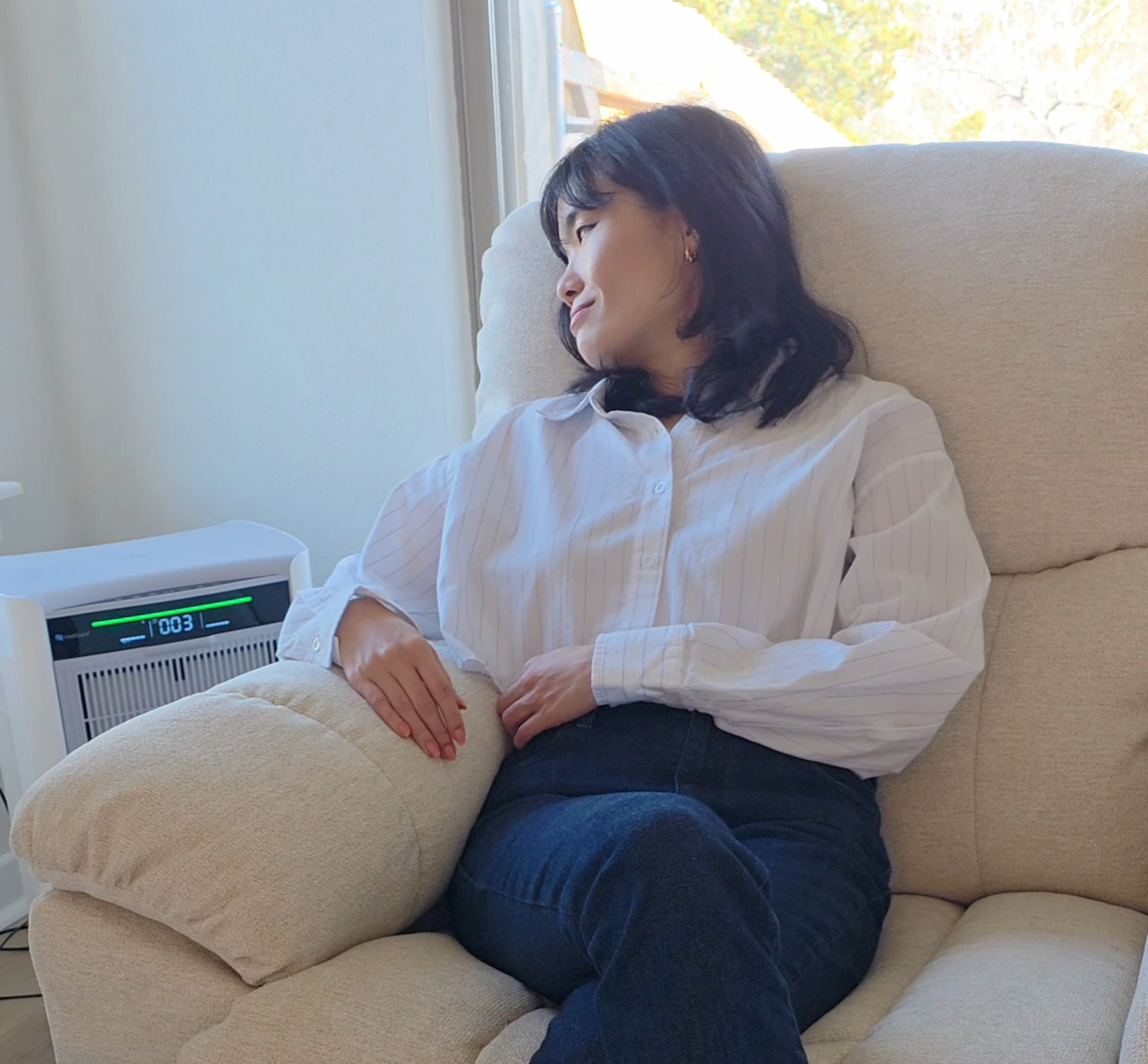
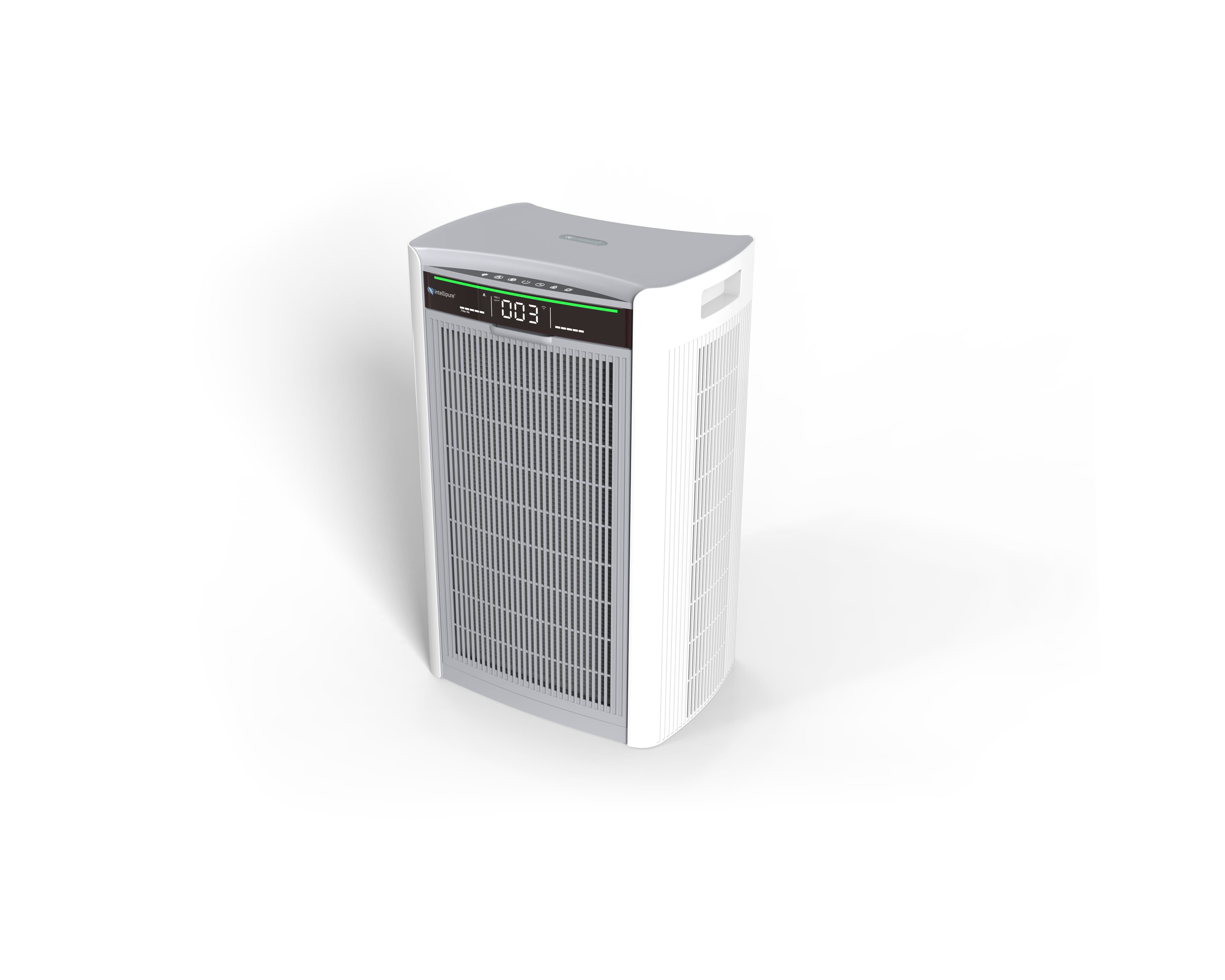
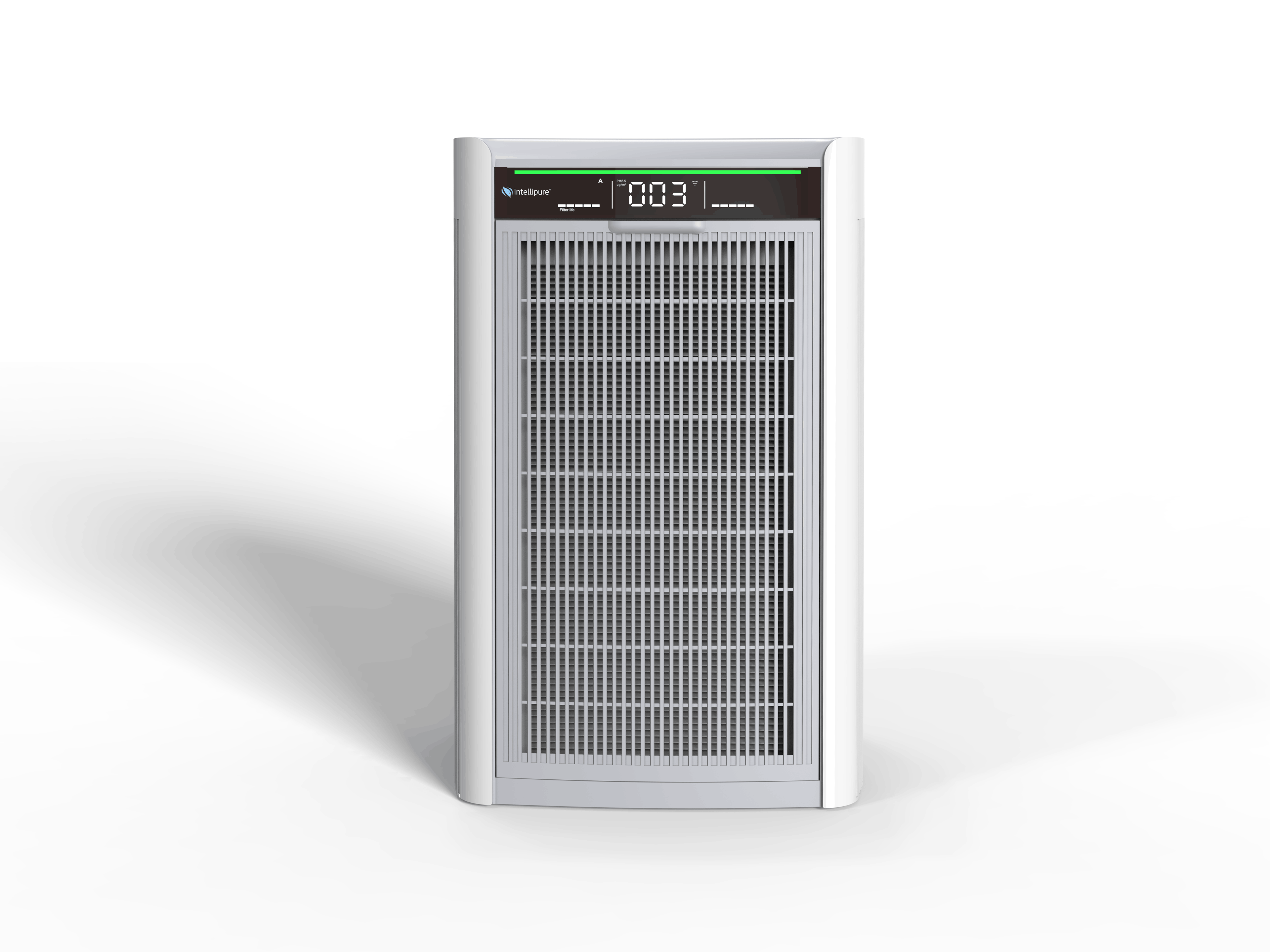
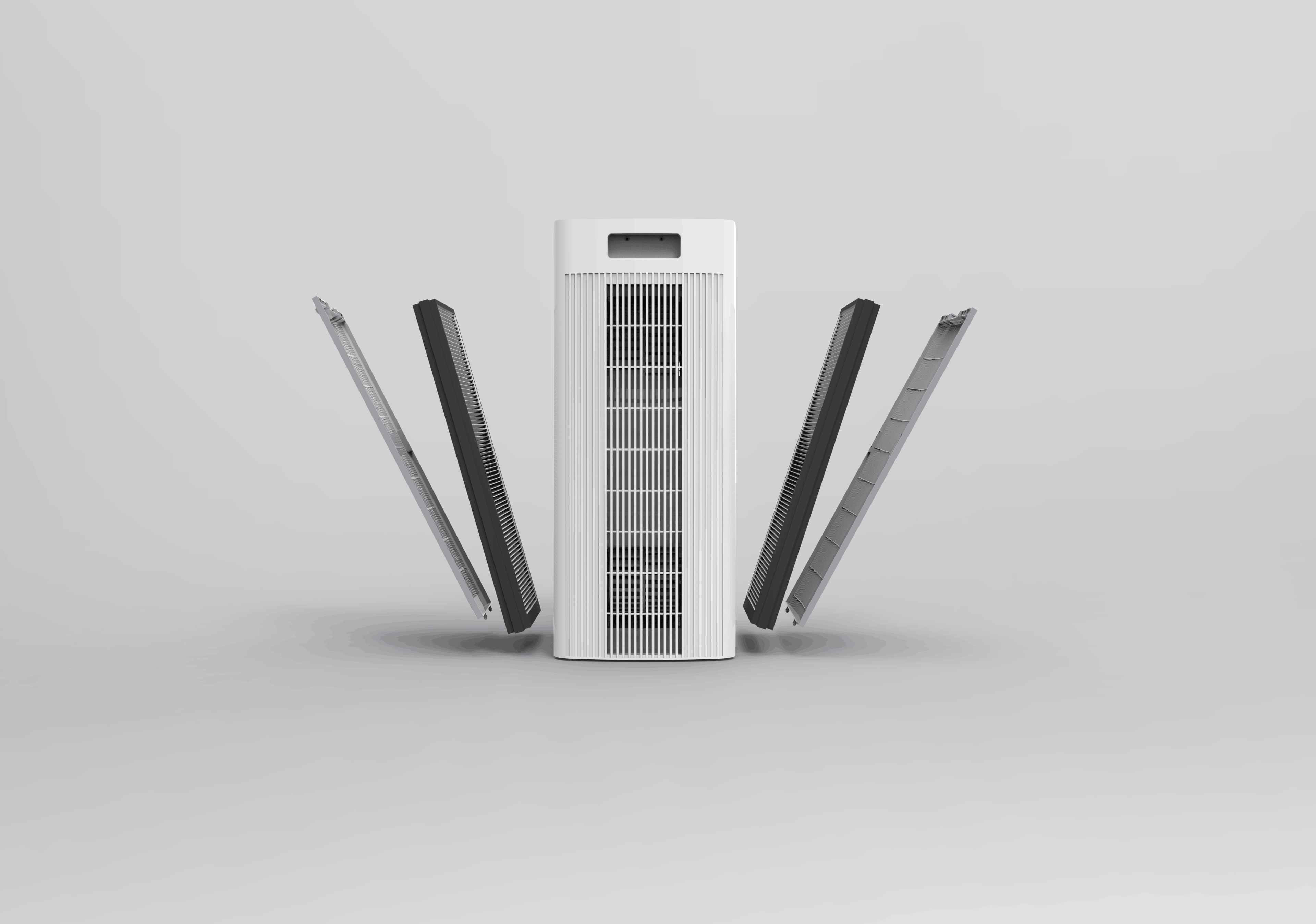
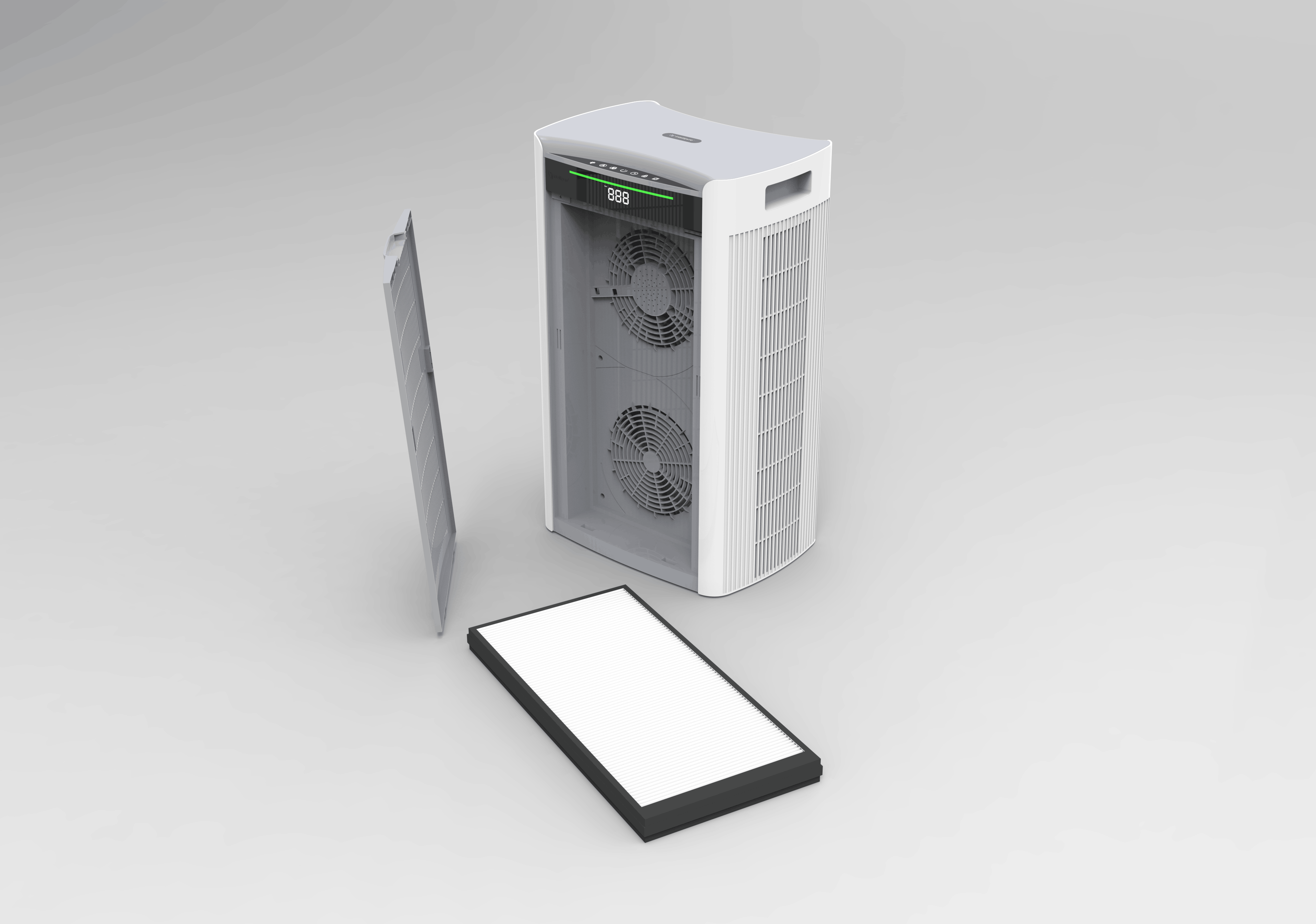
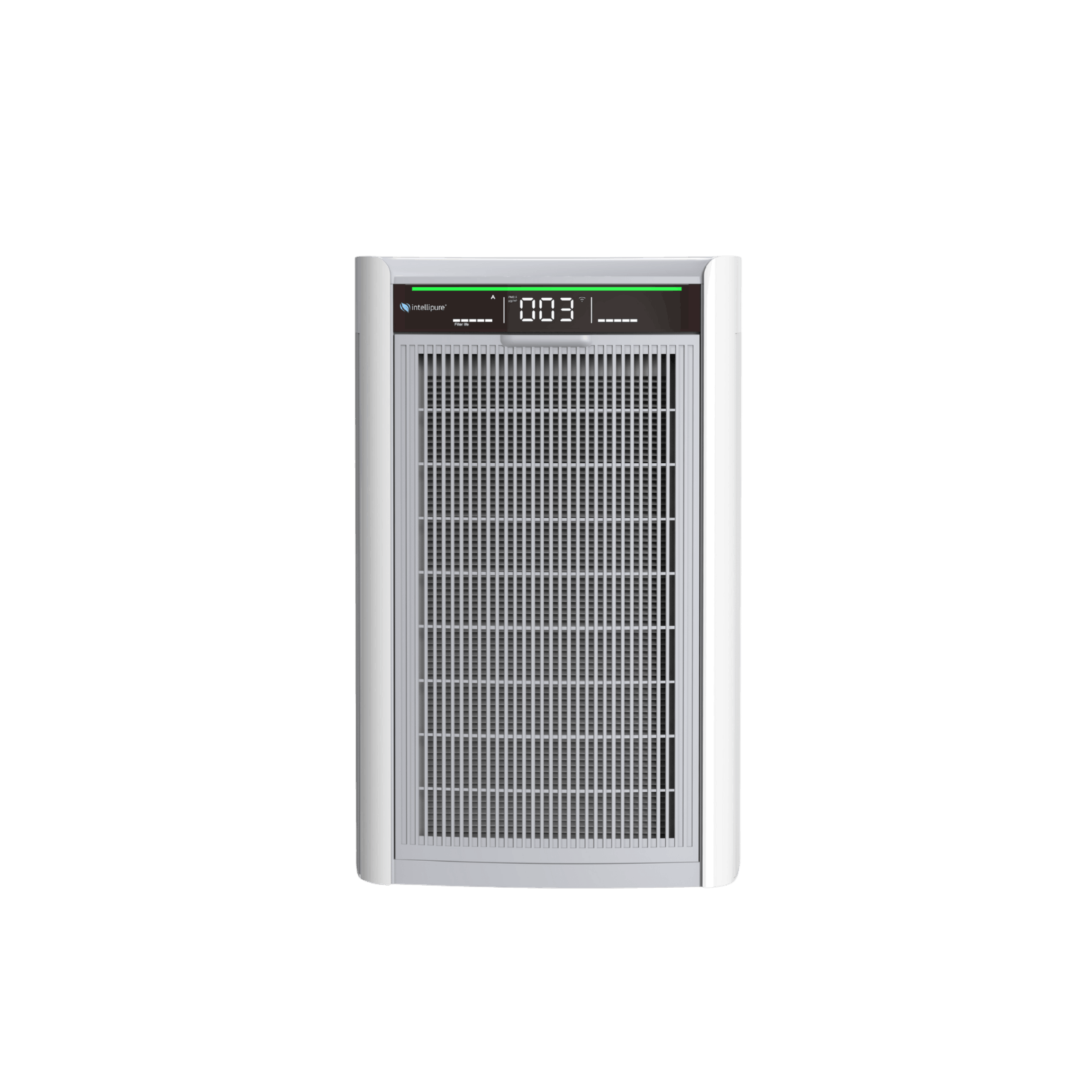
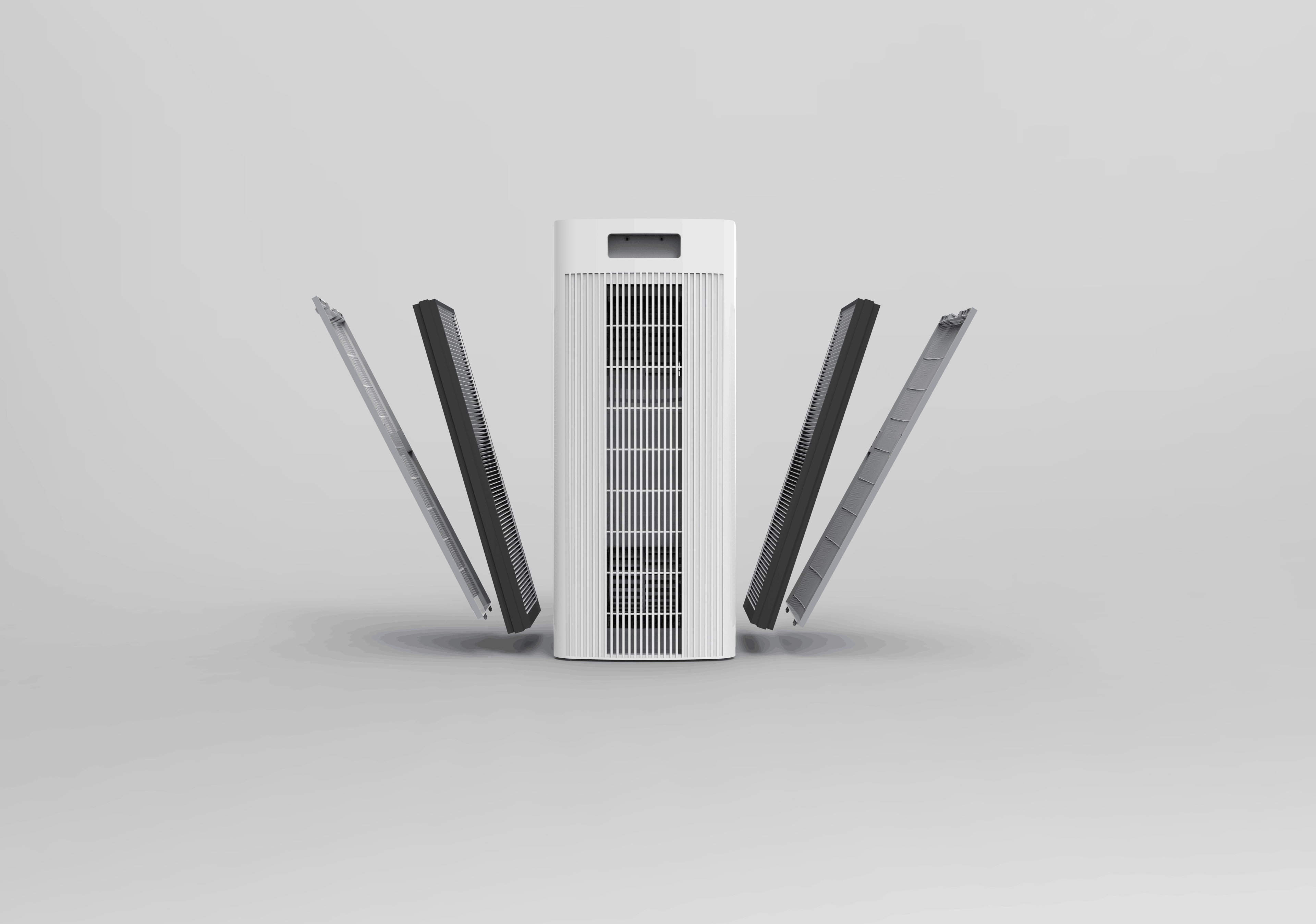
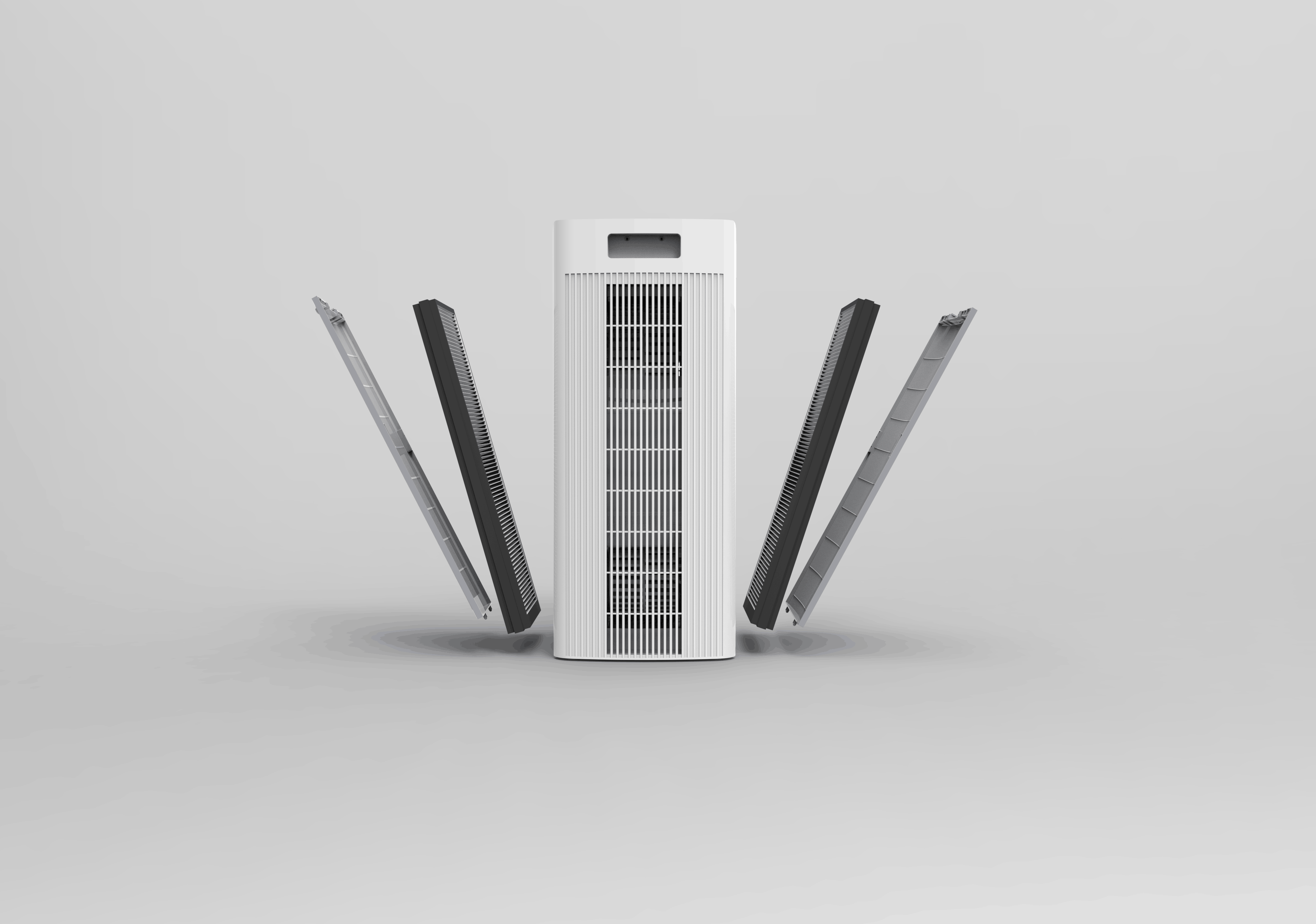
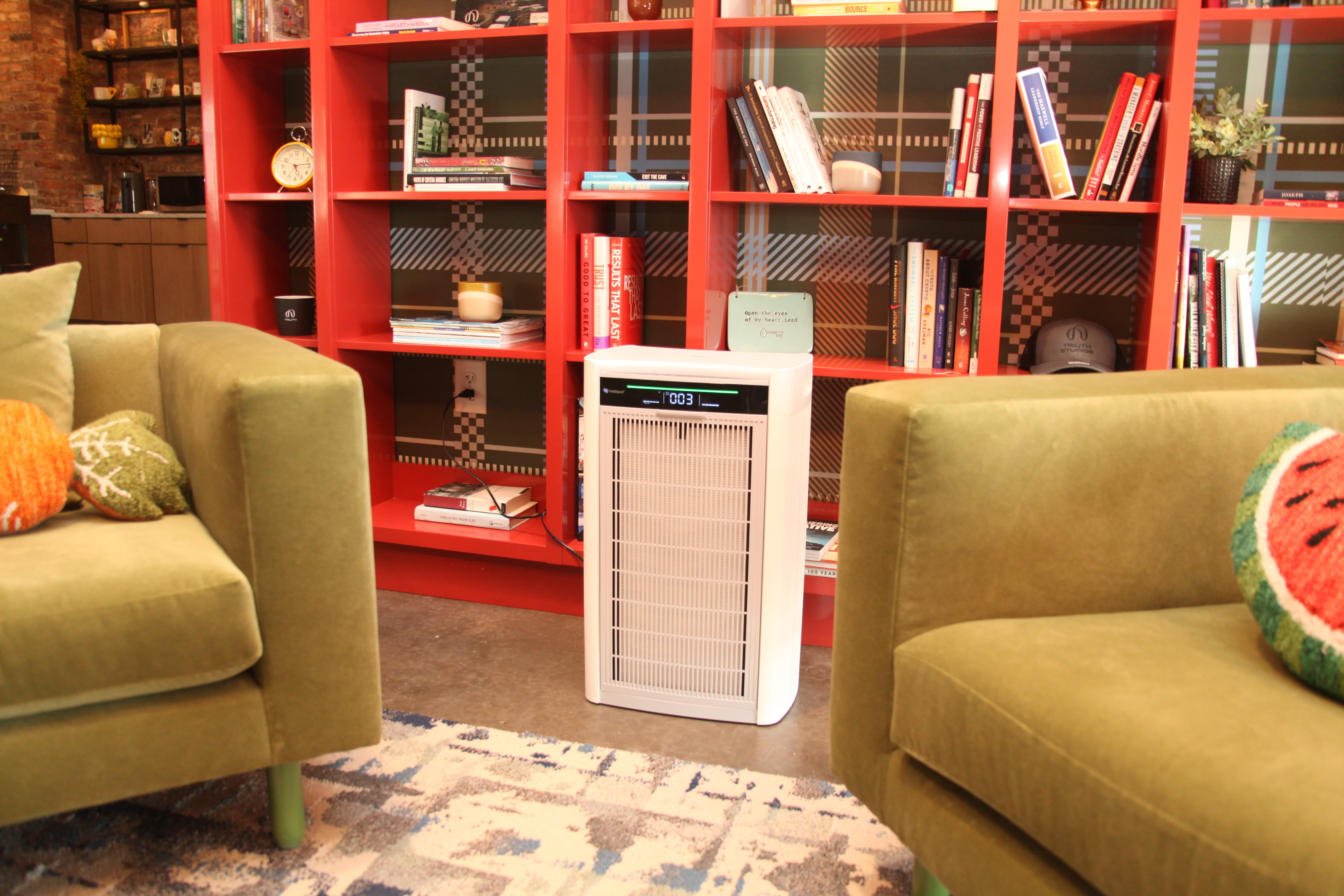
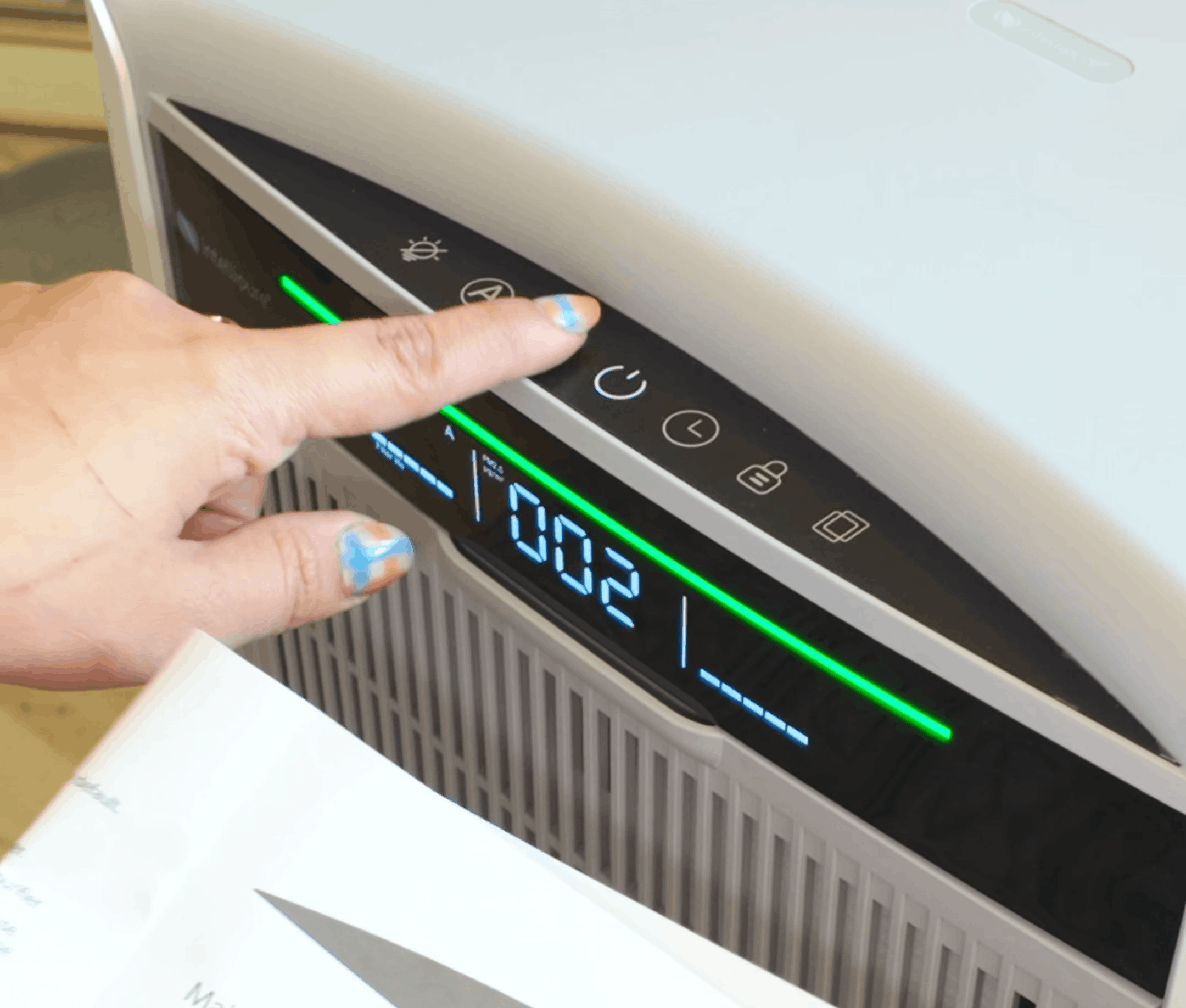
  • Use a high-quality air purifier


Don’t Let The Flu Get You Down

Flu season isn’t forever, but if you are sick it can seem like it drags on. If you do get the flu stay home, get plenty of rest and drink plenty of fluids. Consult with your doctor about potential medication options. 
Explore the Breathe Easy Blog

View all

Hurricane Season Starts Outside. The Air Prep Starts at Home.

Hurricane Season Starts Outside. The Air Prep Starts at Home.

Hurricane prep usually starts with the obvious: batteries, bottled water, flashlights, medications, and a plan for where to go if conditions turn dangerous. But hurricane season home preparation should also include the air inside your home.

I've lived in Florida my whole life, so hurricane prep feels almost like a seasonal ritual. Still, indoor air can be easy to overlook when there are shutters to hang and supplies to track down.

Read more

Clean Air Self-Care: Small Ways to Breathe and Feel Better at Home

Clean Air Self-Care: Small Ways to Breathe and Feel Better at Home

As I live and breathe, National Wellness Month is finally here! And what better time to talk about personal wellness tips and tricks than this? Self-care can take many forms. For some, it's a better bedtime routine. Morning people might tell you it's a few quiet minutes before the day begins.

Read more

Outside In: How Your Yard Affects Your Indoor Air Quality

Outside In: How Your Yard Affects Your Indoor Air Quality

Counterintuitively, a big part of maintaining good indoor air quality (IAQ) is being more mindful of the air outside your home. That's because half of what's in the air outside can make its way inside [1][1].

From pollen and mold spores to pesticides and other lawn treatments, lots of different outdoor contaminants find their way into the air you breathe when you're chilling on the couch, eating lunch at the kitchen table, or even tucked under the covers in bed. 

Read more

The Skin-Deep Side of Summer IAQ

The Skin-Deep Side of Summer IAQ

As a lifelong resident of the Sunshine State, I consider myself an authority on all things sunny. So, I speak from experience when I say: Summer has a way of making skincare routines and hair maintenance schedules feel like full-time jobs. 

Read more

Summer Staples That Threaten Clean Indoor Air

Summer Staples That Threaten Clean Indoor Air

Summer is all about getting outside and having fun, but for many families, it also means a rush of indoor air pollutants that go largely unnoticed.

From sunscreen sprays to insect repellents to beachy scented candles, the products we use to help us enjoy summer can measurably degrade our indoor air quality (IAQ). Volatile organic compounds (VOCs) from these everyday items can accumulate to concentrations much higher indoors than outdoors, triggering everything from mild irritation to more serious long-term health consequences [1][1]

Read more

The Smoky Side of Summer

The Smoky Side of Summer

Grills firing up. Fireworks cracking overhead. Citronella candles glowing on the patio. Personally, I'm excited for the festivities. But some of summer's most familiar moments come with a little smoke.

We usually think of these as outdoor activities, which makes them feel separate from the air inside our homes. But your indoor air doesn't exist in a hermetically-sealed bubble. Smoke can drift through open doors, screened porches, cracked windows, attached garages, and nearby air intakes. And once those tiny particles make their way inside, they can linger longer than the fun.

Read more

Breathing Activities to Help Kids Keep Their Cool

Breathing Activities to Help Kids Keep Their Cool

Big emotions are a regular part of childhood, but kids don't always know how to manage them without support. One of the simplest and most effective emotional regulation tools they can learn also happens to be completely free: mindful breathing. For kids and adults, deep breathing helps calm the body's stress response, making it easier to control emotions, refocus, and navigate challenging situations. 

Read more

Shedding Light on Pet Allergens: How Pets Affect Indoor Air Quality

Shedding Light on Pet Allergens: How Pets Affect Indoor Air Quality

We love our pets. We love their little routines, their tiny dramatic sighs, their oddly specific favorite spots around the house. What we don't love quite as much? We love our pets. We love their little routines, their tiny dramatic sighs, their oddly specific favorite spots around the house. What we don't love quite as much? The fur tumbleweeds, the mystery smells, and the microscopic particles they leave behind.

Read more

Summer Air Myths

Summer Air Myths

Summer is often portrayed as the season of fresh air, when you're supposed to get out of the house and enjoy the great outdoors, or at least crack open a window or two. But well-meaning advice about "getting fresh air" isn't always supported by science. This article debunks five common myths about summer air quality, so you can make more informed decisions about your home environment. 

Read more