

Do you want the air you breathe to be clean? Do you want the air other people breathe to be clean too? Of course you do - everyone does. But unfortunately, there are microscopic contaminants floating around in the air we all breathe. Let's set our focus on an extremely common particle that can be found in most buildings: Mold. We hear the word "mold" all the time, but did our familiarization with it result in us forgetting how dangerous it really is? It's time to take a look at mold basics.
Let's review… Molds are a natural part of our environment that help break down and digest organic materials, which make them an essential part of our ecosystem. However, unwanted and covert molds in our home and workplace can result in headaches, allergic reactions, extended illness, or even death to humans and animals. Let's admit it, most of us think of blue cheese when we hear the word "mold," and we aren't wrong for doing so. Penicillium mold is used to produce blue cheese, which is considered safe to consume. But other molds can have much more frightening outcomes for our mental and physical health. Want to go deeper? Learn the basics of mold from the EPA.
Mold in Homes
Mold can commonly be found in homes that retain even the slightest amount of moisture from high humidity, water leaks or flooding. Dampness encourages the growth and spread of mold spores, which can lead to a wide array of health issues for residents. With that said, our little fuzzy friend doesn't necessarily need that much to grow. Mold is a resilient organism that can thrive in various environments, even those with a small amount moisture. For example, humidity levels over 60% can provide enough moisture for mold to take hold and grow. Even condensation on windows, pipes, or walls can also create a breeding ground for mold.
Where Should I Look for Mold Growth?
- All over the house!
- Basement / crawl space
- Bathroom and ceiling tiles
- Attic
- Areas around windows
- In and around sinks
- Washing machine/dishwasher
- Portable air conditioning (A/C) units
- Anywhere that may smell like mold or has been exposed to leaks or flooding
It is also possible for mold to grow in wallpaper, drywall, insulation, and other sections of your home. Other than growing from a leak, mold spores in air can enter your home through any open airways such as windows, vents, HVAC systems, and doorways. Yes, mold is metaphorically walking through your front door and is small enough to float around in the air that you breathe.
You're probably asking yourself when the last time, if ever, you checked your house for mold. Don't worry, you are not alone! Many people wouldn't expect this much damage from mold, but as more studies are done, people are now noticing how molds severely affect the human body and mind. Globally, many people are investing in air purification systems to clean the air their families or employees breathe. So which air purifier works the best, especially with pre-existing health issues from mold or other poor air quality factors?
The Life of Mold Spores
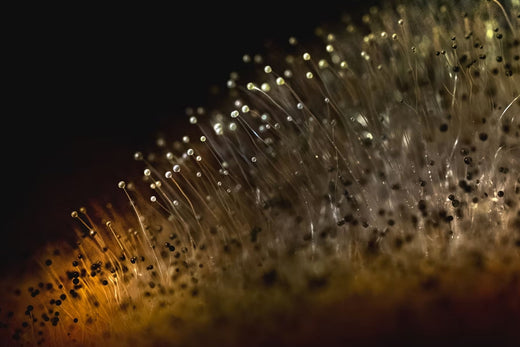
Mold produces microscopic reproductive cells called "spores." These spores look like dried dandelions when they are viewed under strong microscopic magnification, but they are far more harmful than a summer flower. Mold spores can easily travel by animals or humans brushing up against them and clinging onto fur and fabric, but they can also travel by air. Yes, this can be a bit uncomfortable to hear that your family could possibly be inhaling mold spores, but there are solutions to this issue.
So, Mold in House What to Do Next?
To start, get a mold removal service to your home to remove all traces of mold. Mold can hide in more places than you think, so it is worth calling in a professional to find and remove it all.
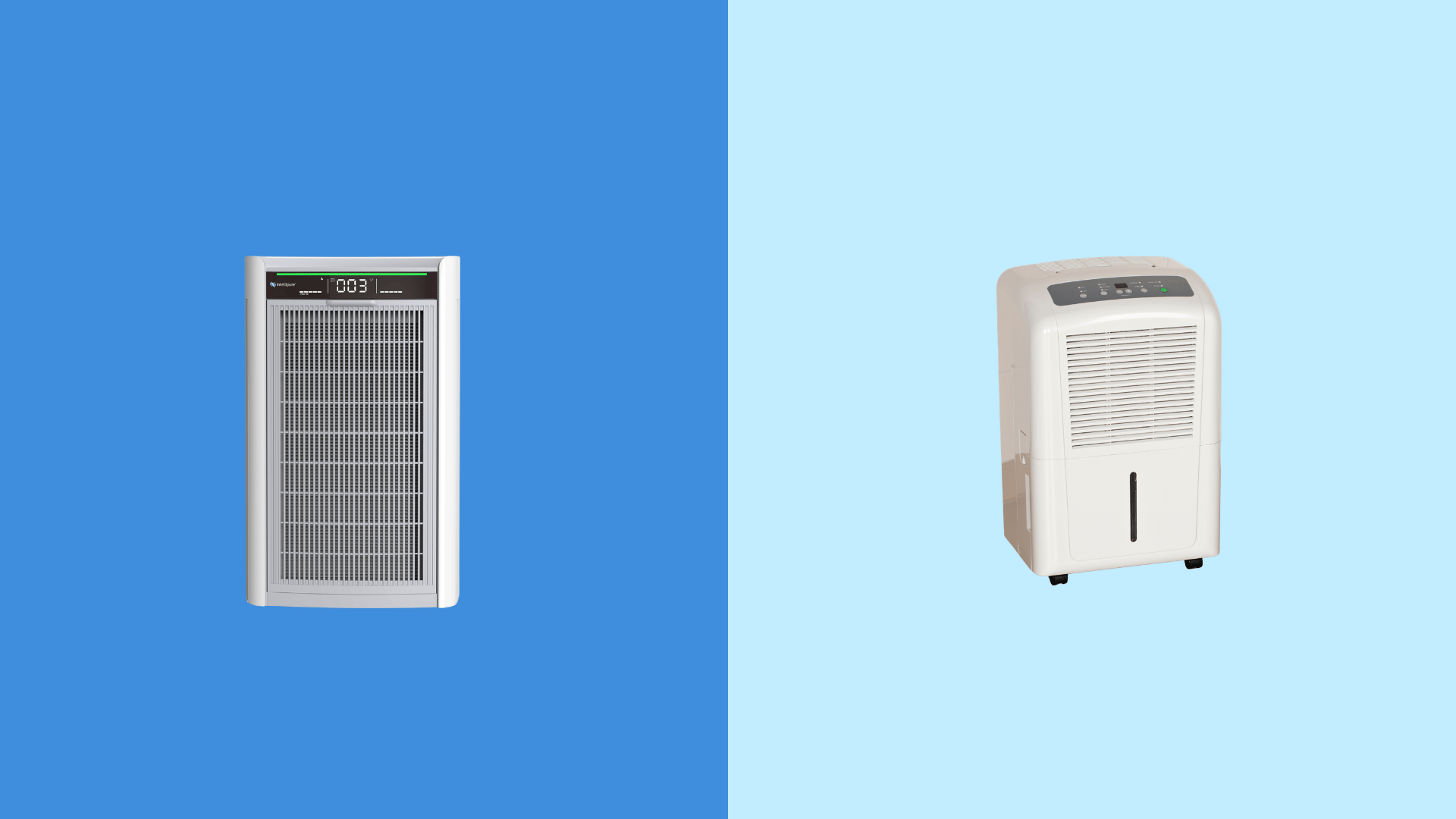
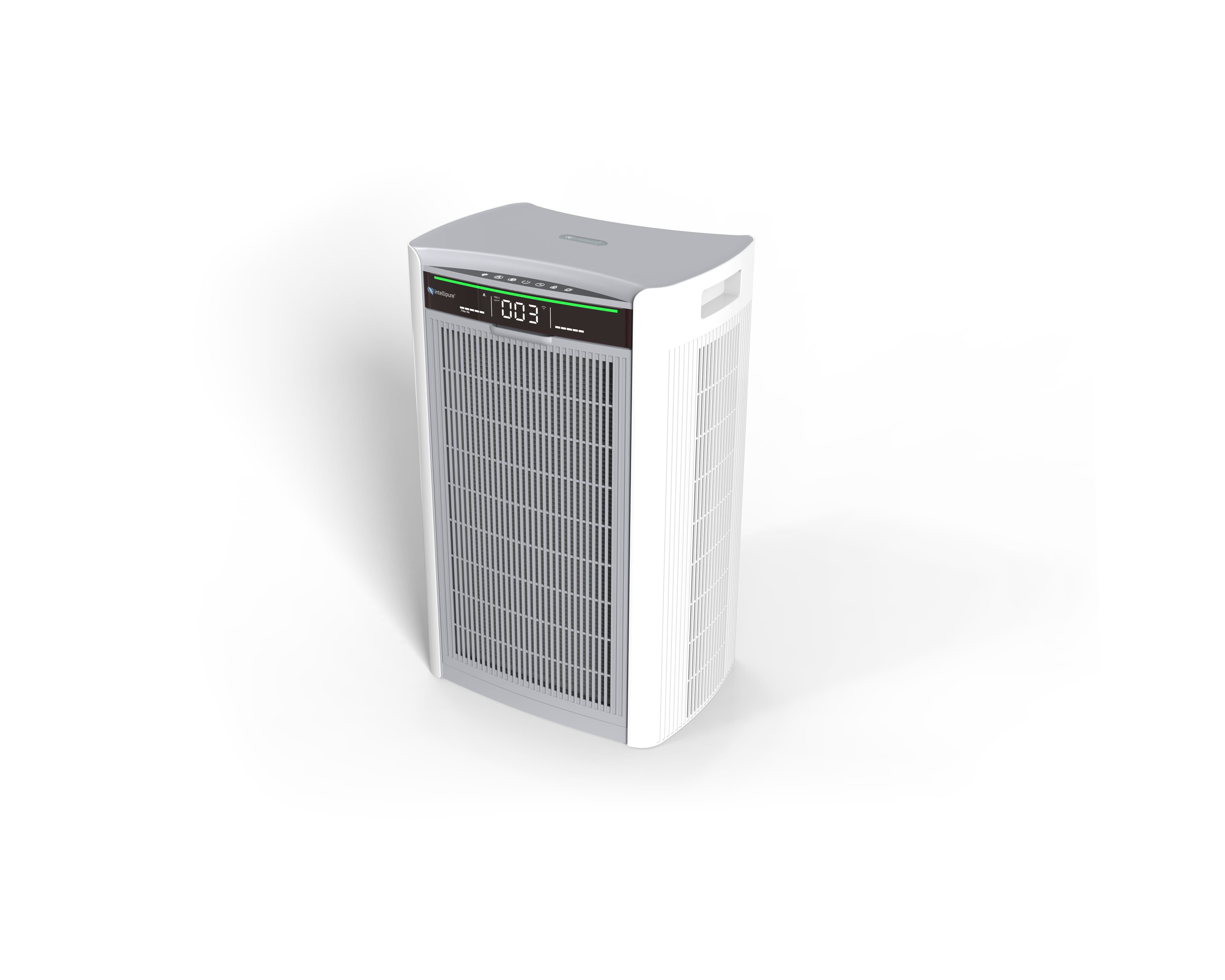
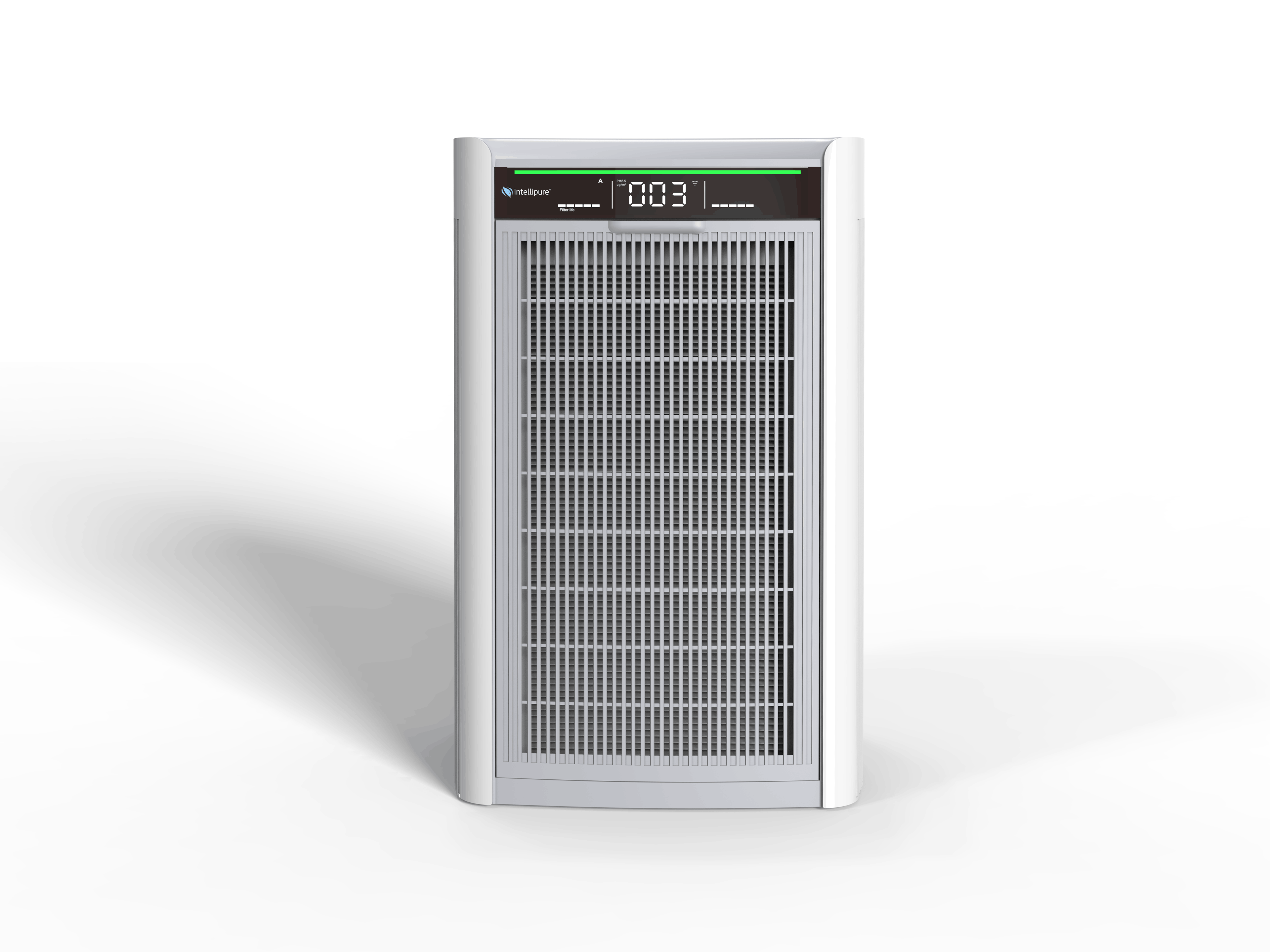
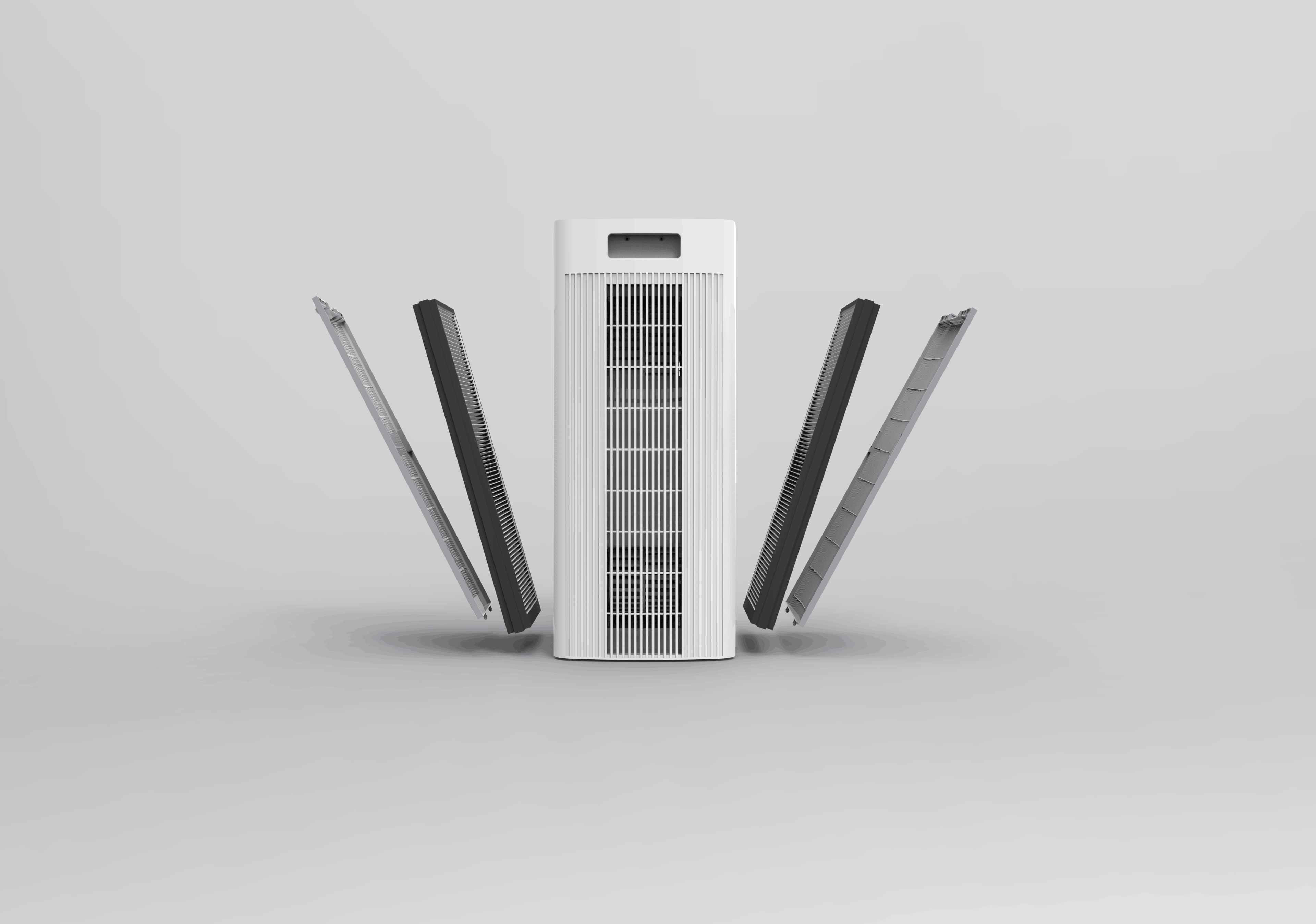
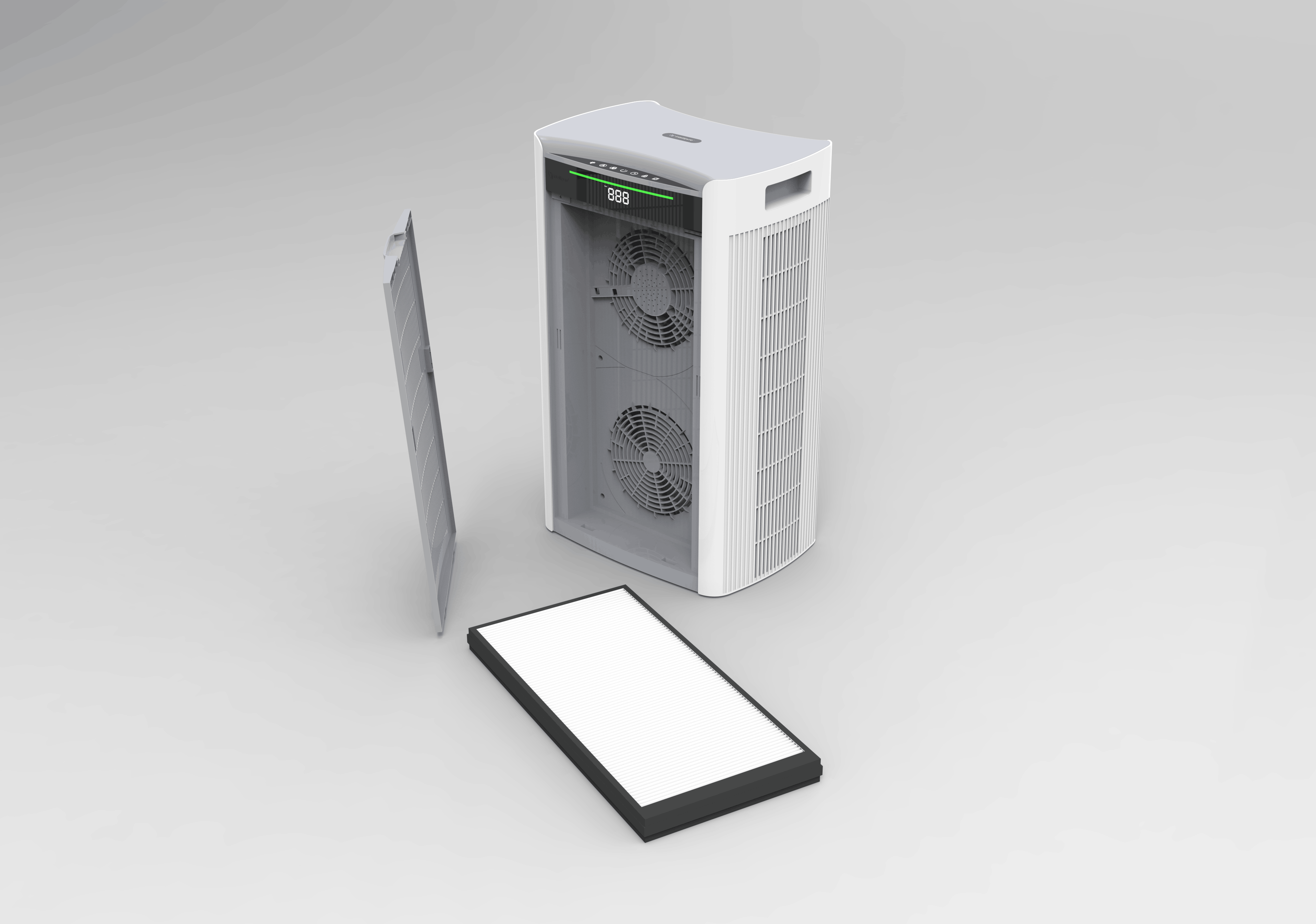
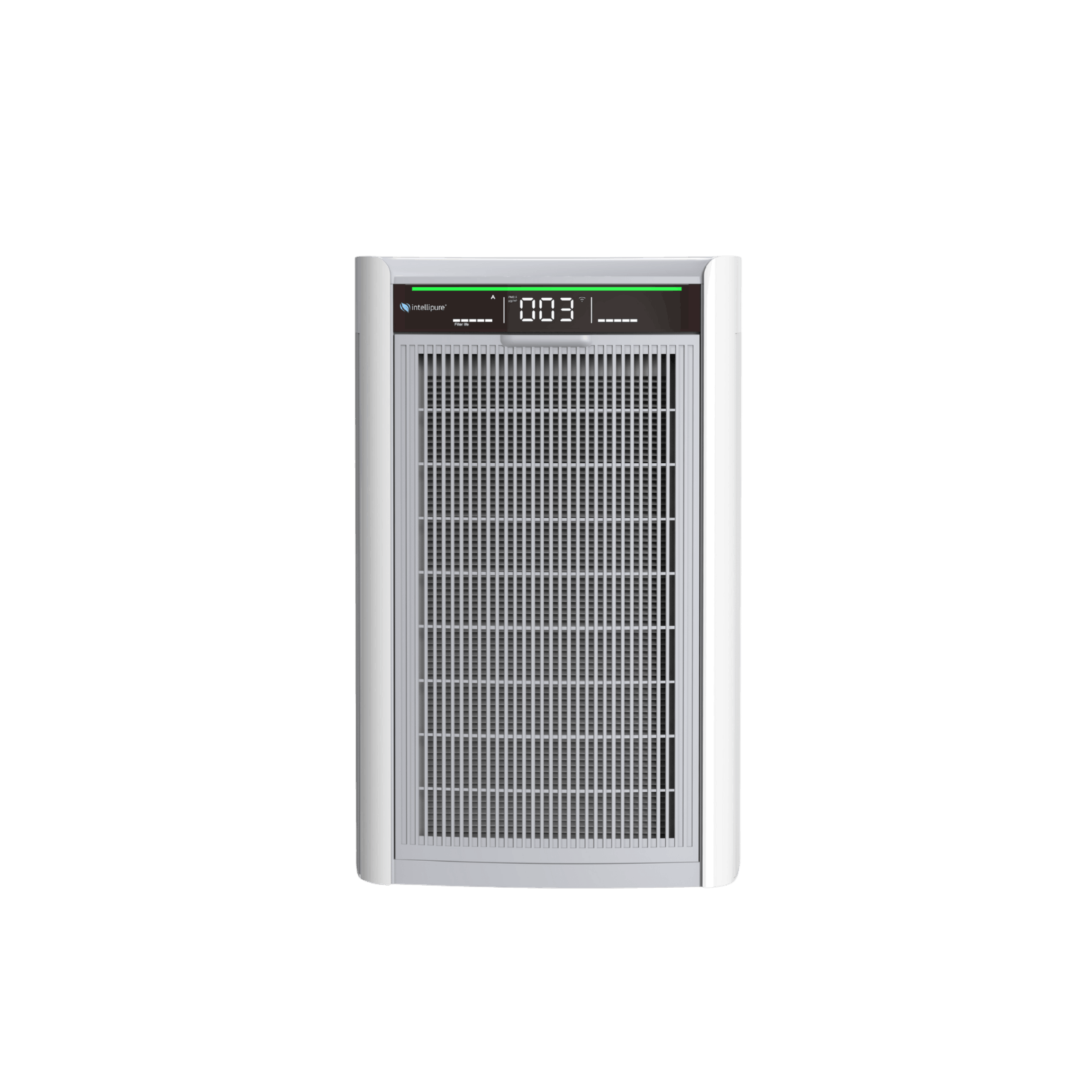
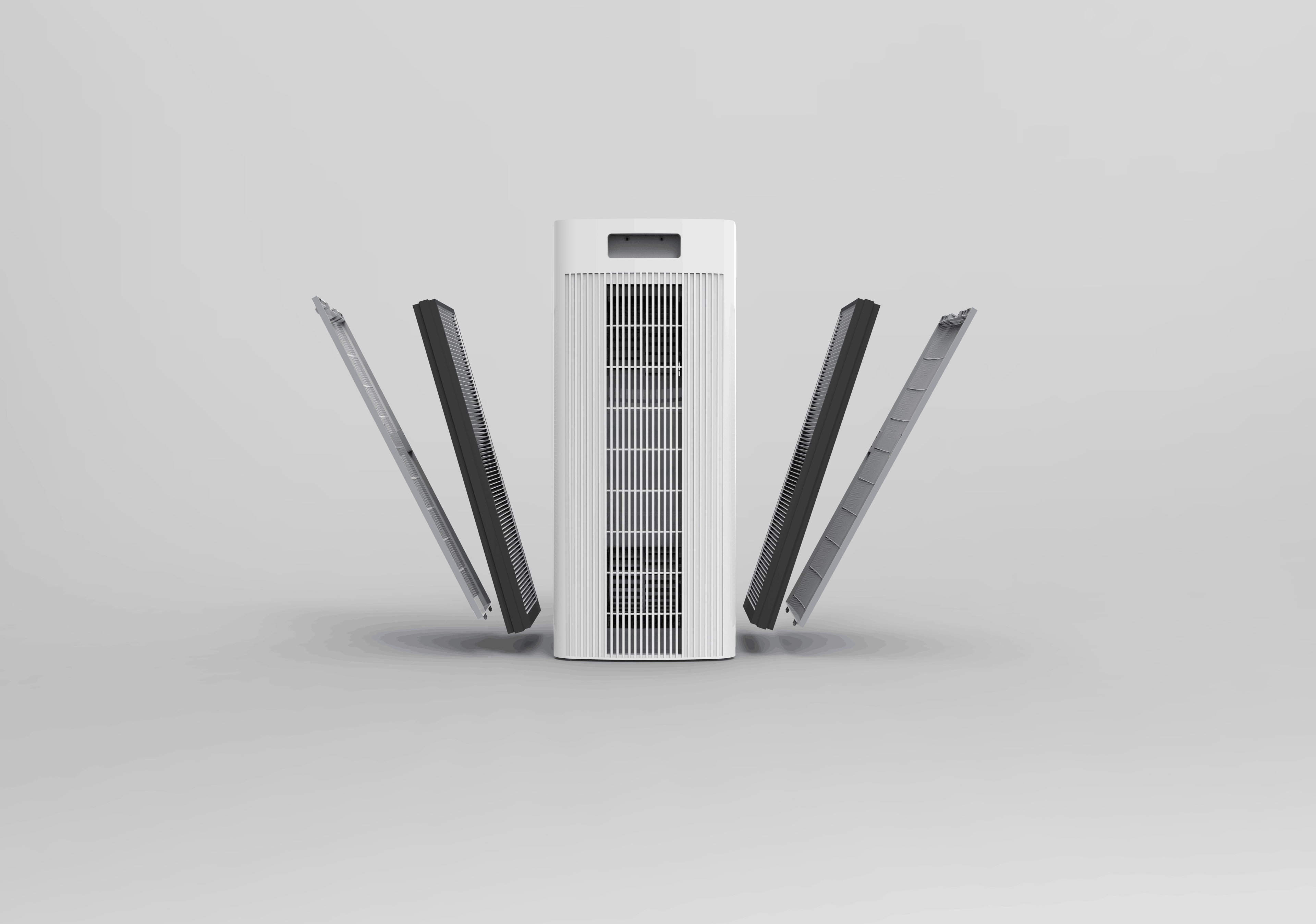
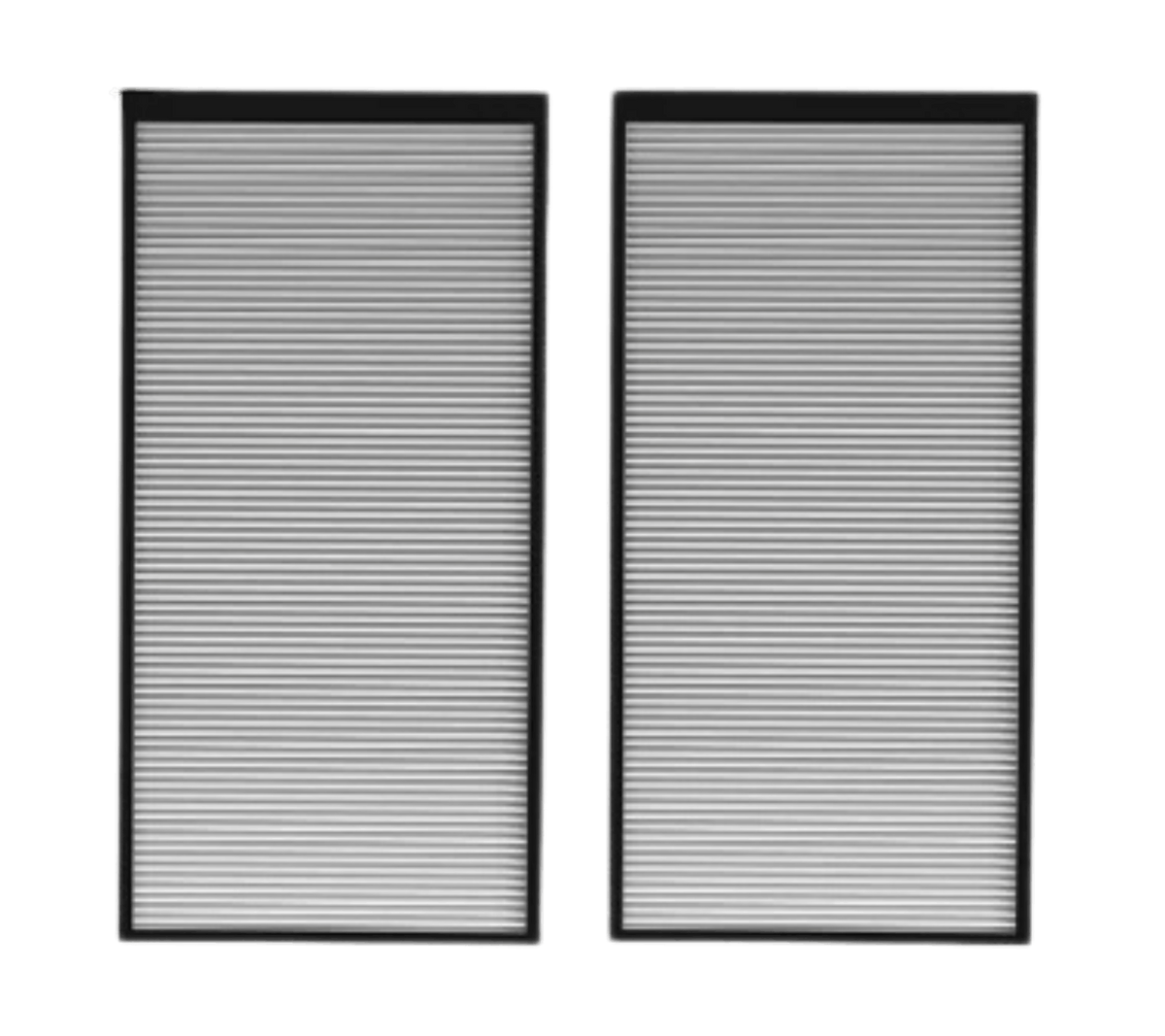
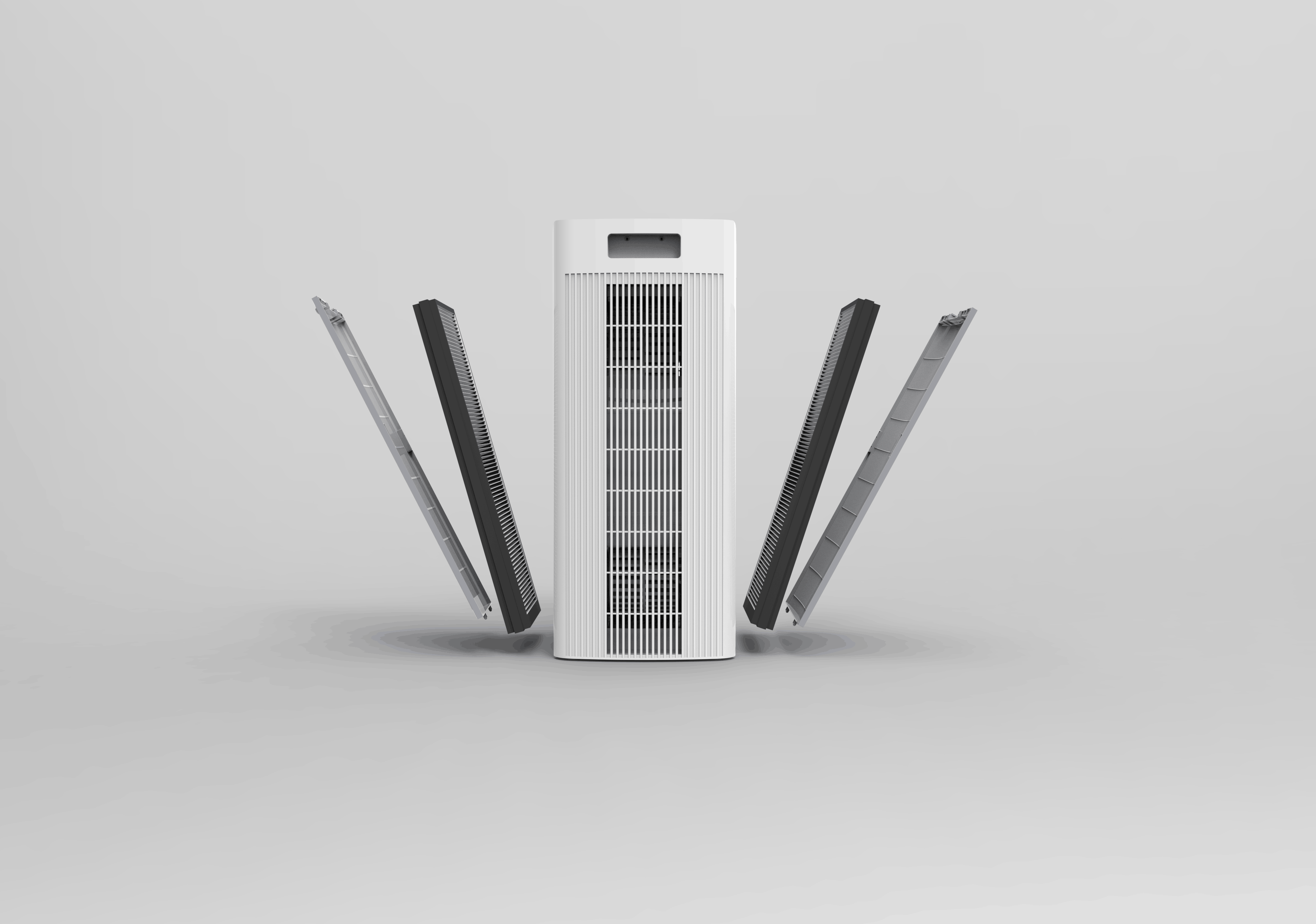
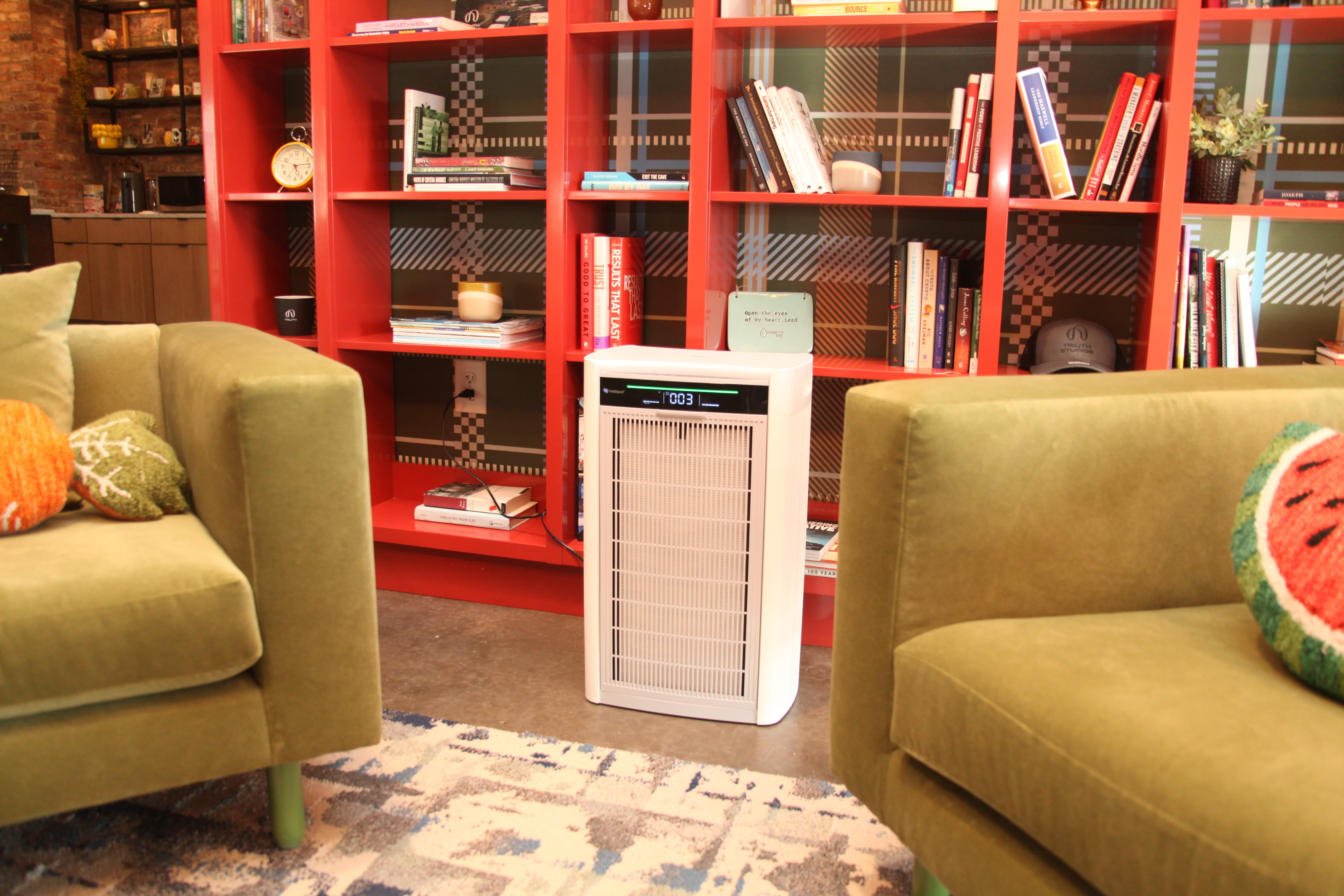
Next, order an Intellipure Air Purifier from our website. Simply install and let it handle the rest. We have a variety of units to choose from depending on the size of your space. With an Intellipure Air Purifier in your home you will see a reduction in dust, dander, pollen, dust mite waste, bacteria, fungi, viruses, and of course, mold!
Once the mold is gone you need to keep it from coming back. If you live in an area with high-humidity consider adding a dehumidifier to your HVAC system or even just a stand-alone unit. Your HVAC system may even have a dehumidify function, so check your owner's manual to enable it. Use a ventilation fan in the bathroom to remove post shower/bath moist air. Finally make sure to search out & repair any roof leaks or leaky pipes to remove any sources of uncontrolled water.
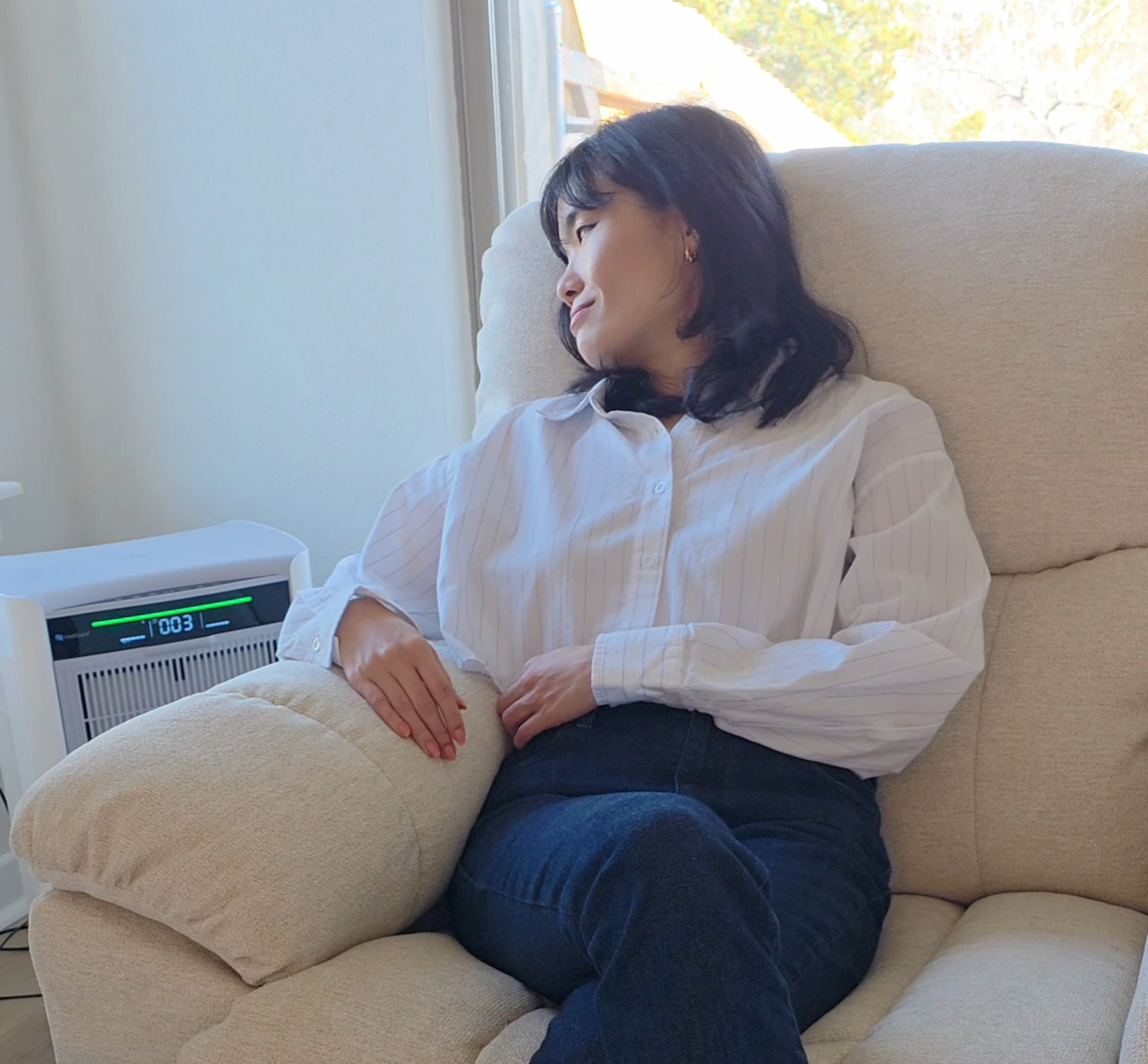
Once you have mold under control and an Intellipure Air Purifier keeping your air clean you can breathe easier.
Intellipure
Protect your family and the future of your home with Intellipure. We're reimagining the world as a better, safer place with innovative air purification technologies. Our solutions are engineered in the USA and trusted in nearly every industry. To find out more about the latest in clean air take a look at the Intellipure lineup and follow us on Instagram at @Intellipure.





How to Protect Your Family from Wildfire Smoke: Health Tips & Air Purifiers
2025 Flu Season Is Here: Prepare Yourself