

Summary
This article explores what happens when you neglect to change your air purifier's filters, concluding that while a short delay won't cause disaster, timely replacement maximizes health benefits, energy efficiency, and product lifespan. Clean filters can also help save you money, improve your air quality and sleep quality, and keep your purifier's warranty active. The piece includes practical guidance on when and how to change air purifier filters, a step-by-step guide to replacing the Intellipure H1000's filters, and information about filter subscriptions that are available to simplify purifier maintenance.
In This Article
Confession time: As I sit at my desk writing this article, the indicator light on my Intellipure air purifier in the very same room is actively flashing, letting me know it's due for a filter change. I've been ignoring its blinks for a week or two now.
Well, ignoring isn't the perfect word choice. I promptly added "order air filters" to my to-do list. But that to-do list is long. I've got three kids, aged nine months to nine years, no nanny or day care, and a pretty heavy freelance load. Some weeks it's tough to get to the grocery store. Even though I write for an air purification company, air filters aren't always top of mind. So I know they aren't for the average American.
And I must say, after a few days of failing to take action, you do start to wonder…How urgent is this? Is the whole concept of air purifier filter replacement just an industry-wide marketing ploy? From what I can tell, my purifier seems to be running fine.
A quick internet search reveals that line of thought is flawed.
The United States Environmental Protection Agency (EPA) advises that you should replace filters according to manufacturers' recommendations, and "if you notice that filters appear heavily soiled when you replace them, you should consider changing them more frequently." [1] If you have pets, like I do, or you live in an area with bad outdoor air, due to a recent wildfire or for other reasons, you should be especially proactive about keeping your filters clean.
But let's not catastrophize. The world will keep spinning if your air purifier's filters stay dirty for a couple weeks because you're in a busy season of life.
That said, there are real benefits to staying on top of air purifier maintenance. So how about a reframe? Instead of asking what happens if you don't replace your air filters right away, let's explore what happens when you do.
Why You Should Change Your Purifier Filters on Time
You'll Maximize Your Health Protection
Indoor air purifiers can promote lung health, reduce allergy and asthma symptoms, and generally help you breathe better. But what lots of people don't realize is that they can also improve your heart rate and blood pressure.
Pulmonologist Rachel Taliercio, D.O. explains, "Airborne toxins are irritants. They have chemical compositions that lead to changes in your blood chemistry, which in turn causes adverse health effects. … To the extent that you could eliminate some of those particles in the air and reduce the exposure, you're going to reduce effects on health." [2]
Home air purifiers can achieve wonderful things, but not when they aren't given a chance to function properly. The EPA's "Guide to Air Cleaners in the Home" puts it plainly: "If a filter is dirty and overloaded, it won't work well." [1]
So if you want to keep enjoying the health benefits of owning an air purifier—which was probably a big part of why you got one in the first place—go ahead and replace that dirty air filter.
You'll Be More Energy Efficient
When your air purifier's filter is clogged with dirt, it takes way more energy and effort for the motor to move air through it (if air is able to pass through it at all). Why waste electricity by running a machine that isn't able to do its job?
You'll Expand Your Purifier's Lifespan
If you take good care of your air purifier, it will last a long time. The Intellipure H1000, for example, will run smoothly for five years or more if you follow regular maintenance suggestions, including keeping the filters clean.
As mentioned in the previous point about energy efficiency, it's much harder to move air through a clogged filter versus a new one. The fan motor in your purifier can overwork itself trying to make up the difference and keep air flowing. And a sad, overworked motor simply won't last as long as a happy motor that works as it was designed to.
You'll Save Money
You might find that when your air purifier has clean filters and is functioning at full capacity, you don't have to run it quite as much to keep your air feeling and smelling fresh. Less runtime means less use of electricity. Saving electricity is good for the environment and good for your wallet.
Beyond potential savings on your electric bill, regularly changing your filters protects your investment in an air purifier. When you maximize the product lifespan, you avoid having to purchase a whole new purifier before you're prepared to do so.
You'll Sleep Better
Lots of people like having an air purifier for dust and allergen control and to protect lung health. Others are more interested in a good night's rest. Indoor air cleaners have been proven to help with snoring, lessen the severity of obstructive sleep apnea (OSA), and promote good sleep. [3]
An extra perk: The soothing hum of your air purifier makes it the perfect natural sound machine. But if the filter is blocked or partially blocked with dirt, you might hear some strange noises as the motor cranks into overdrive. Not ideal for sleep.
Don't worry. As soon as you swap out the filter, the purifier will run smoothly and quietly again.
You'll Keep Your Warranty Active
Double check the details of your manufacturer's warranty before you snooze for too long on changing your purifier filters. A lot of times, regular filter replacement is critical to keep the warranty active.
Product damage caused by neglect can lead to warranty claim denials. A problem that would otherwise be covered under your warranty might not be if the filters haven't been properly replaced. You can lose coverage like that even when the issue has nothing to do with your overdue filter change.
When & How to Change Your Filter
Filter Replacement Indicator
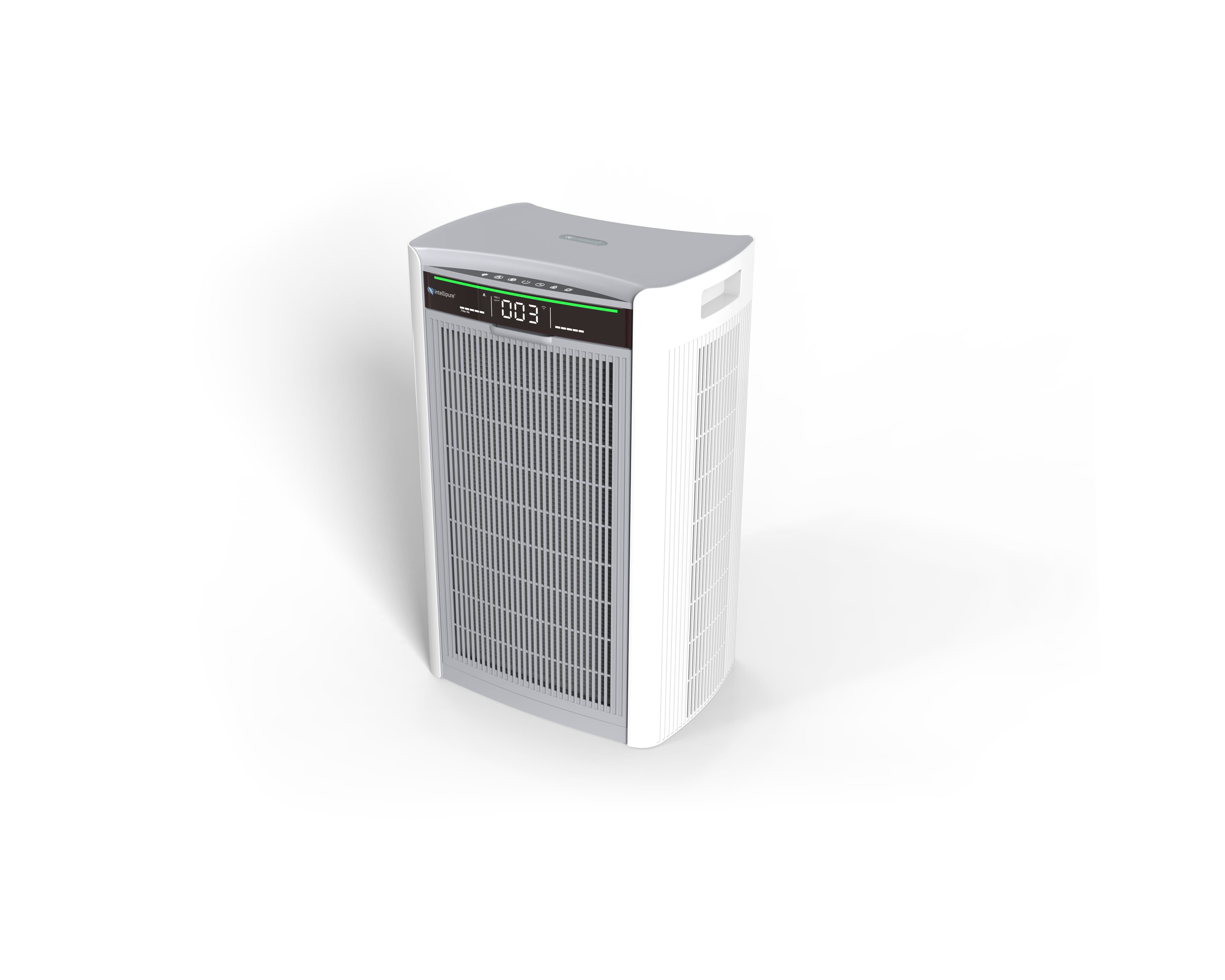
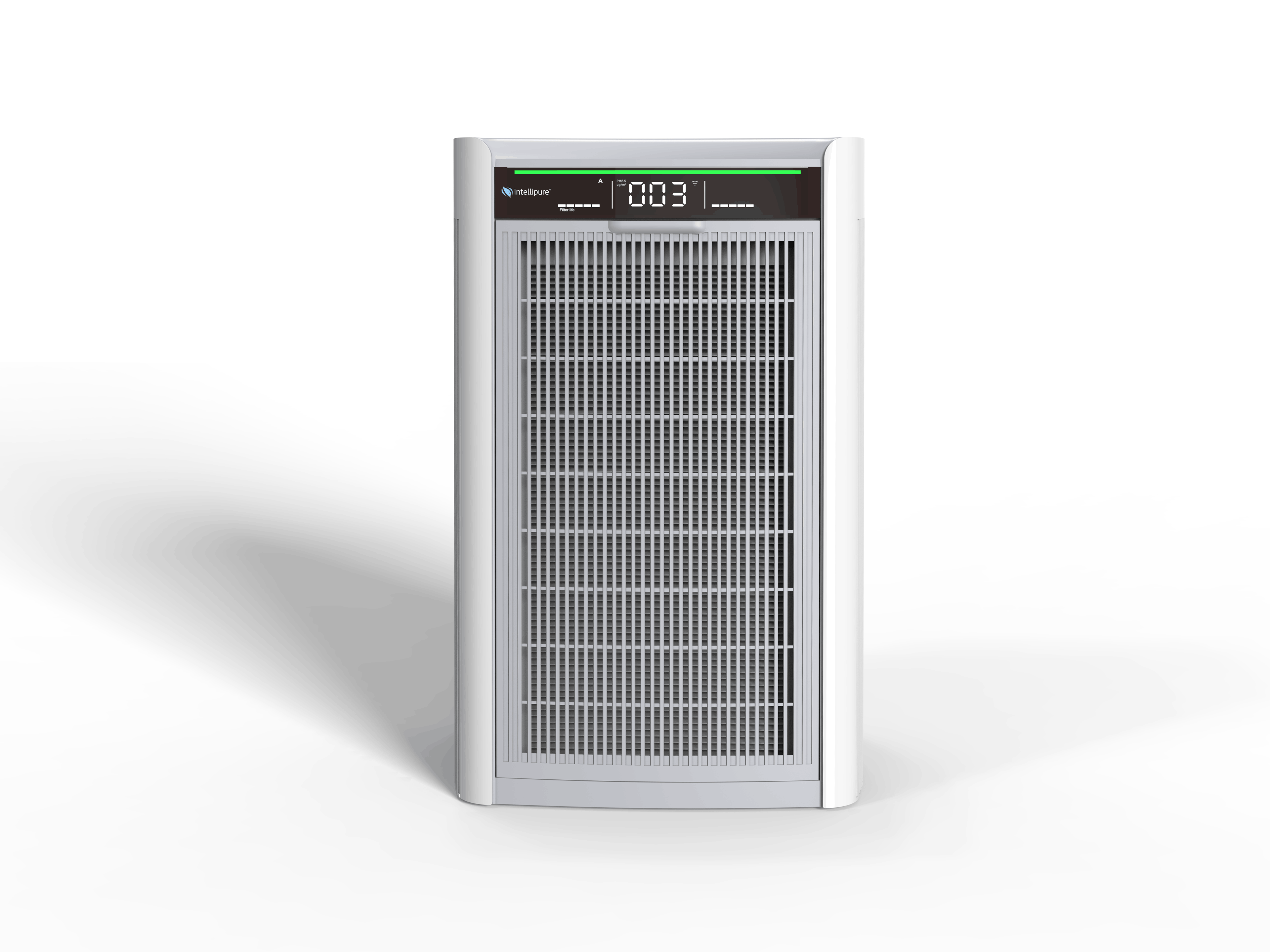
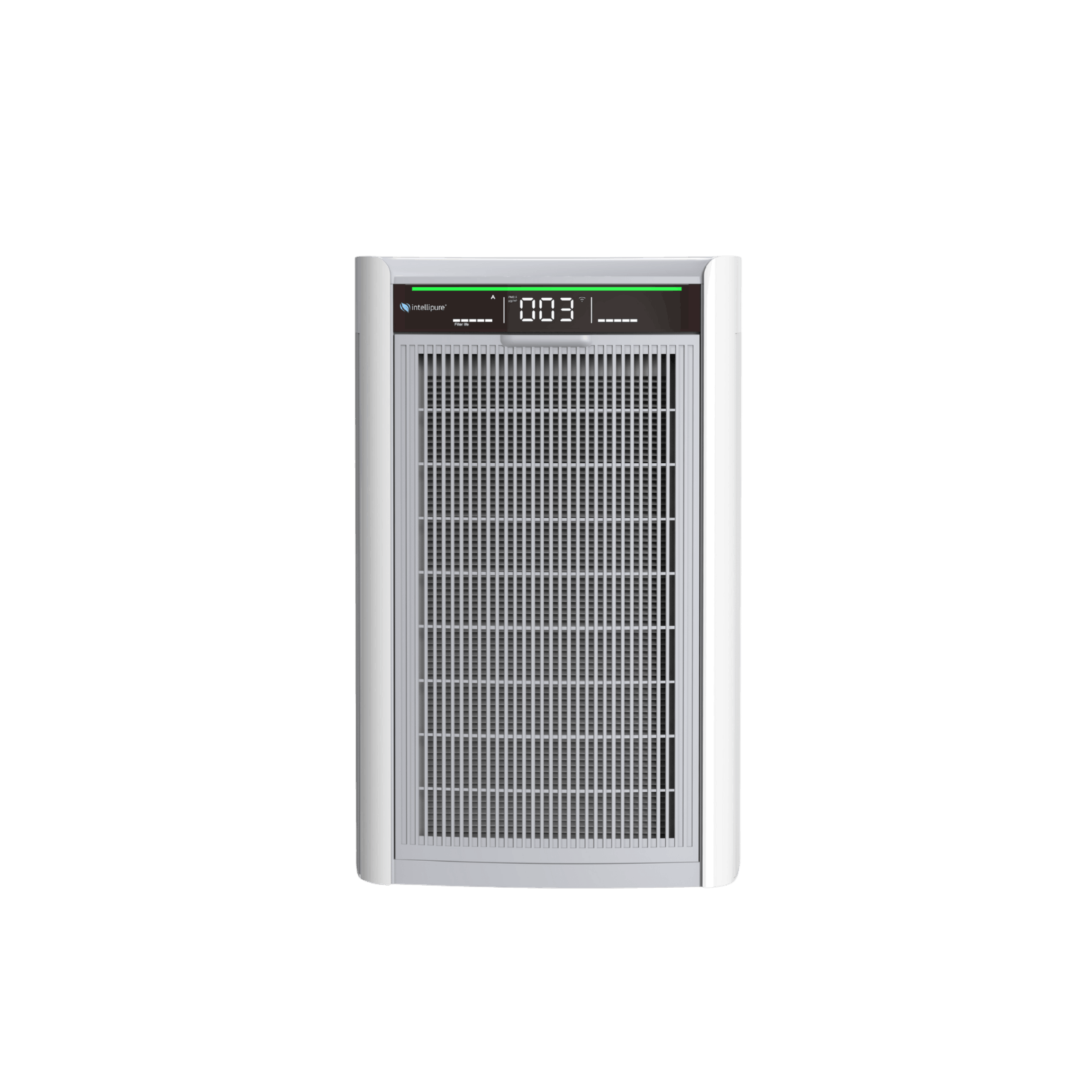
Intellipure's H1000 takes the guesswork out of knowing when to replace your filters. The indicator light flashes to alert you when you're due for new ones so that you can maintain peak product performance.
You can expect to change out your H1000's filters about every 12 months. If you've hit that one-year mark and the indicator light hasn't started blinking yet, you should go ahead and replace the filters. Being on the ball with replacements is especially important if you run your purifier 24/7, have pets, or live in an area with lots of outdoor air pollution.
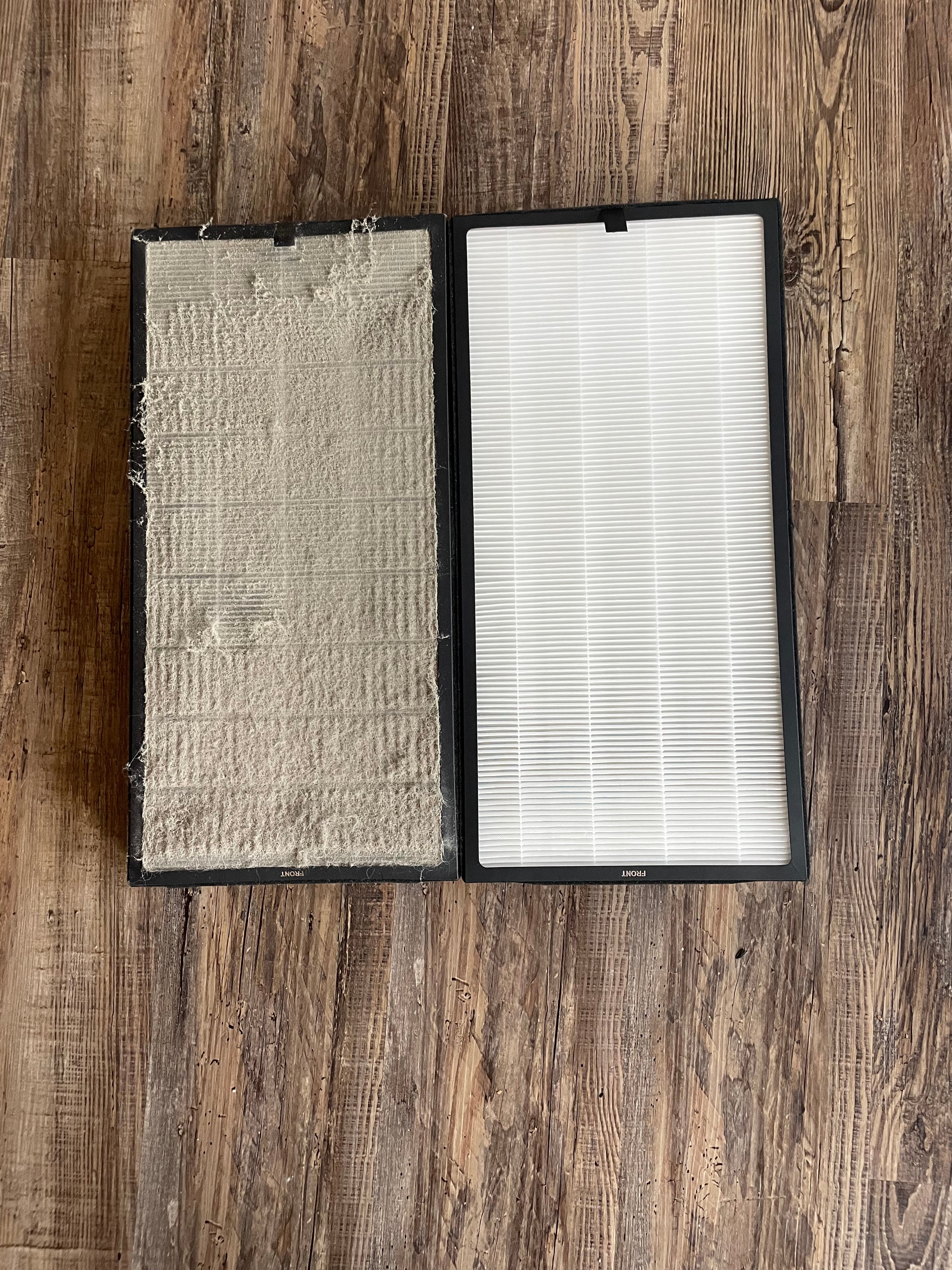
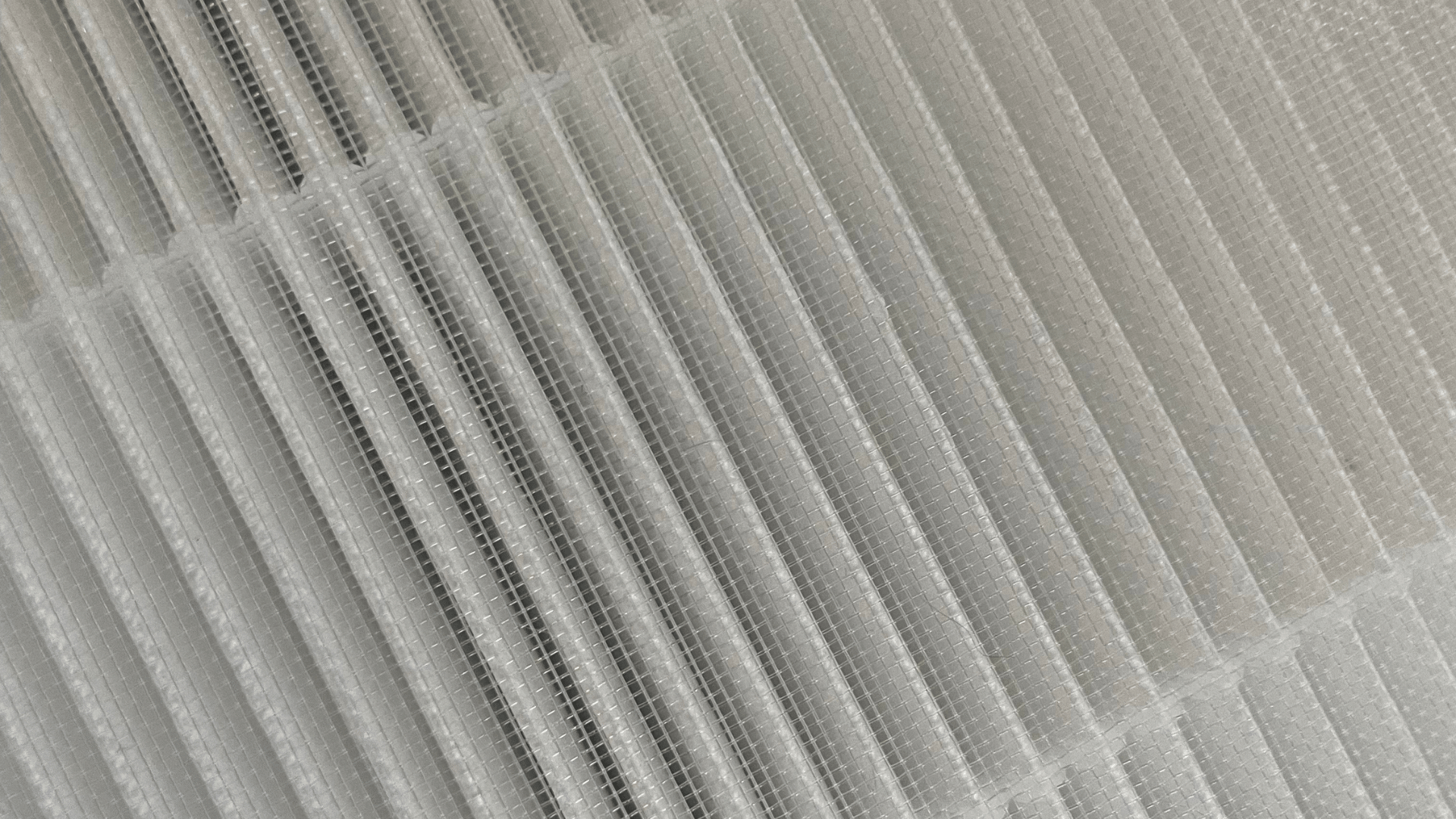
A quick look at your existing filter can tell you if it's clogged. A good rule of thumb: If it looks dirty, then it is dirty. Also keep your eyes peeled for cracks, dents, or tears. If the filter is damaged in any way, you need a new one.
A Step-by-Step Guide to Replacing Your H1000's Filters
- First, make sure all power to the unit is shut off.
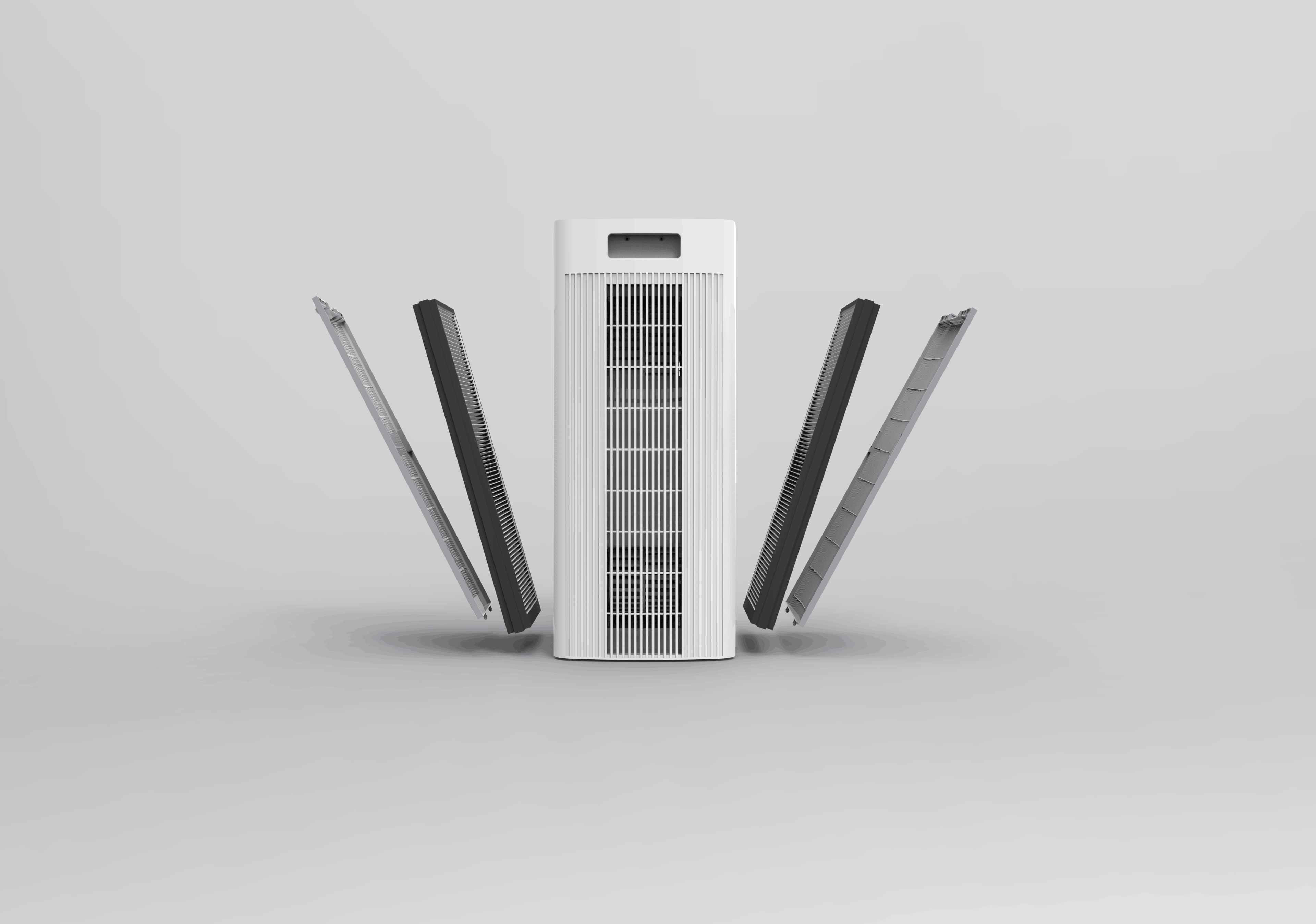
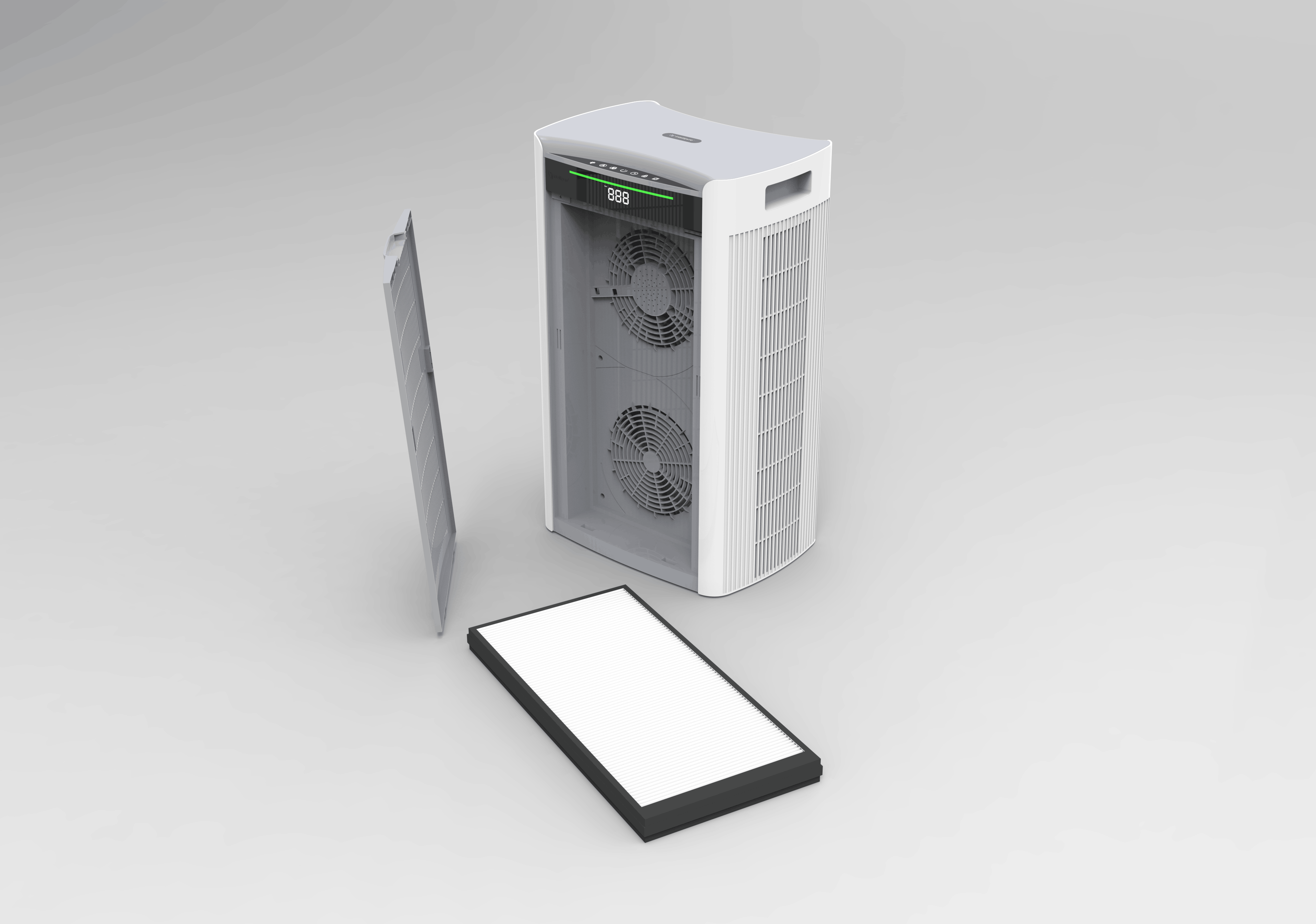
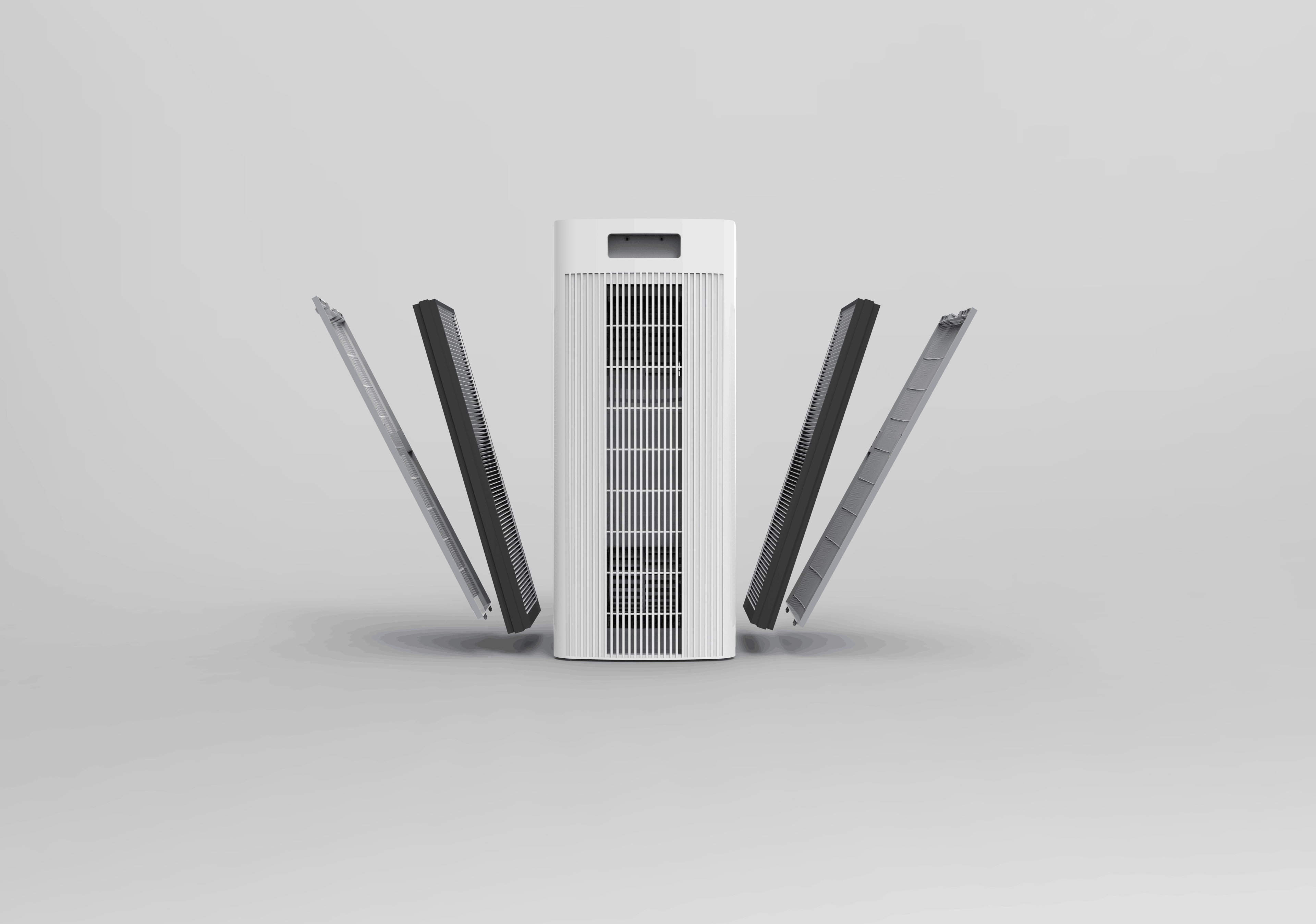
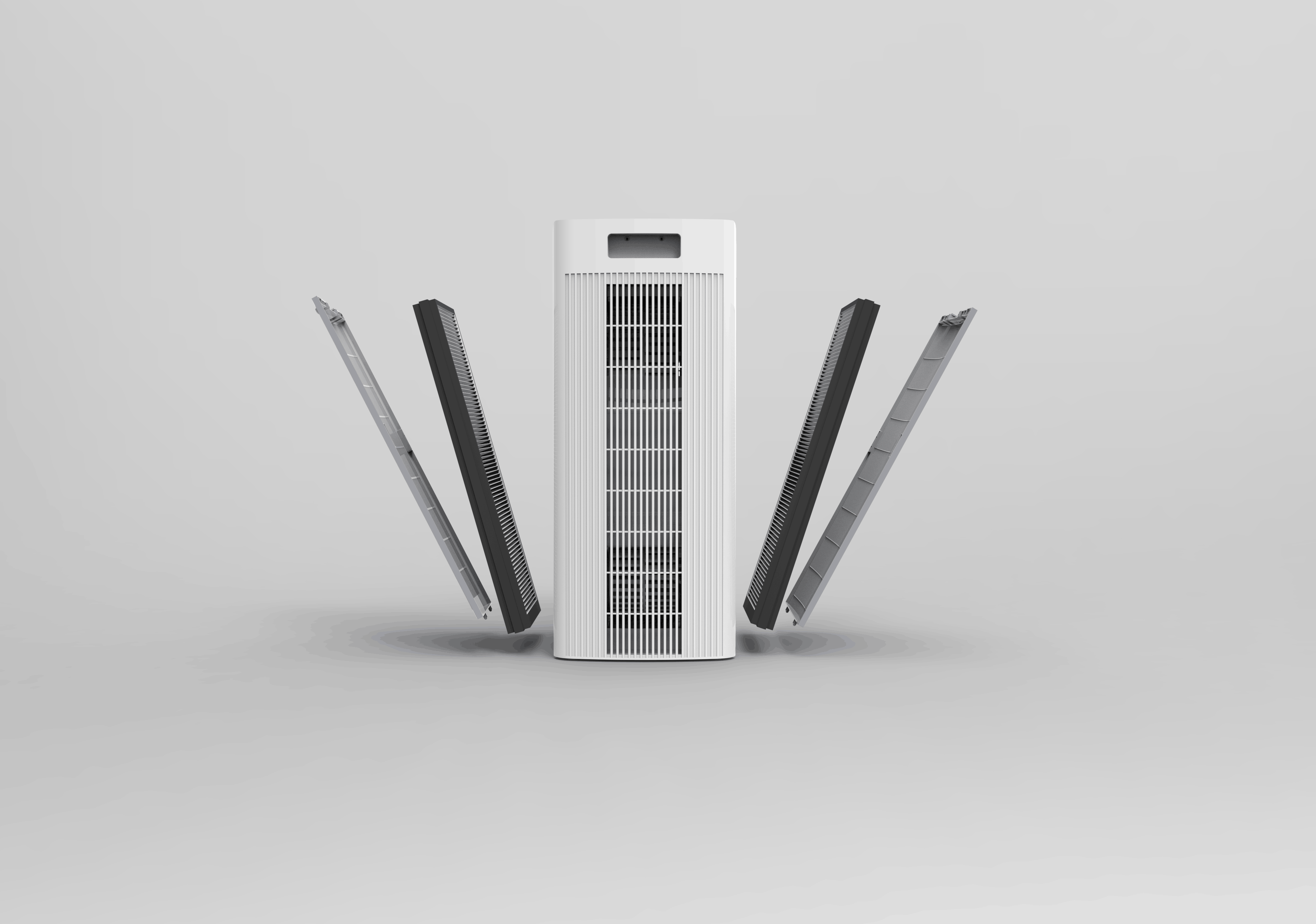
- Open the gray purifier covers on the front and back sides of the unit using the notches on the top of each panel. Pull towards you, then lift upwards.
- Remove each dirty filter using the black ribbon at the top of the filter.
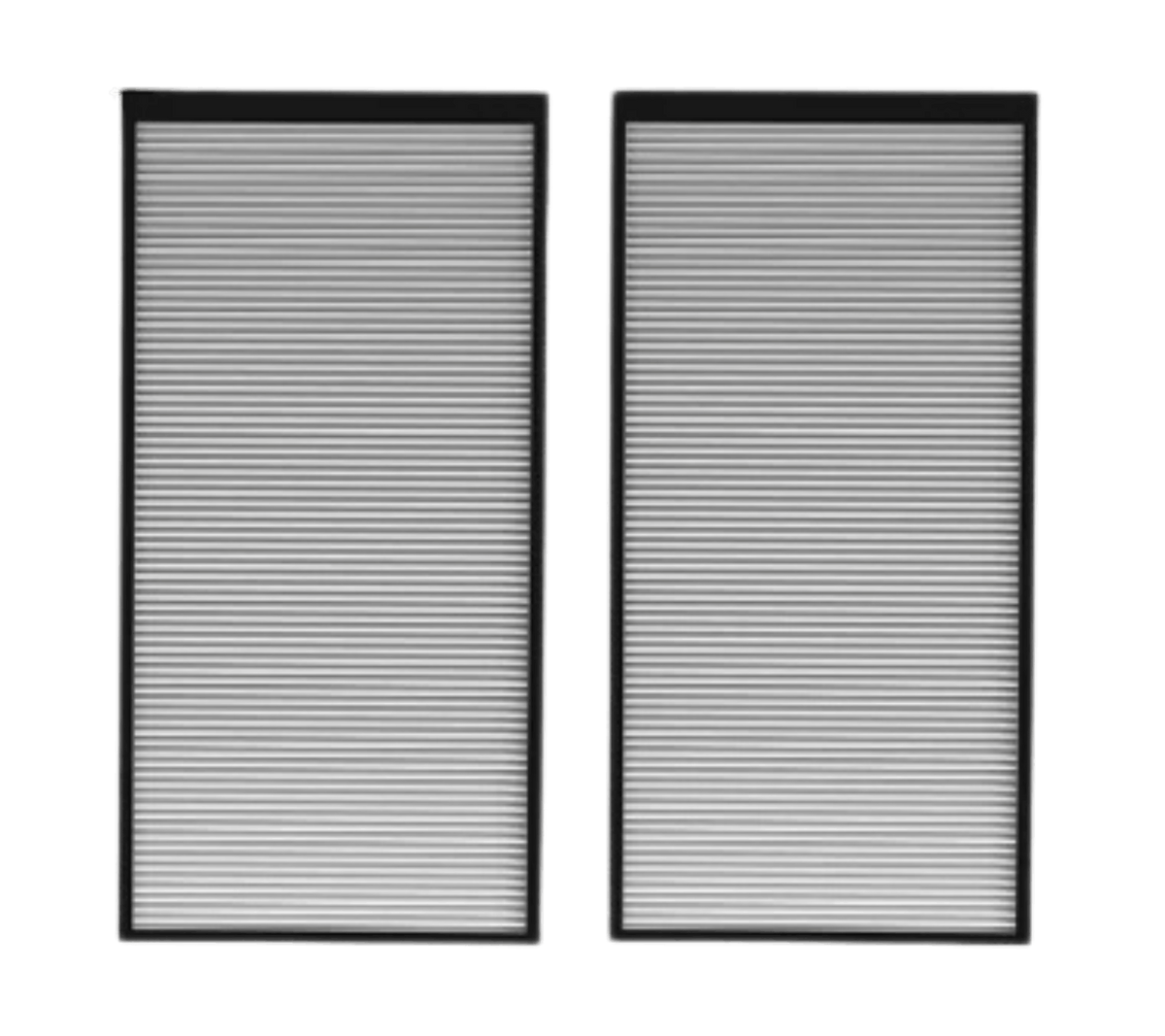
- Take the new filters out of their protective plastic bags and pop them on the purifier, making sure the black ribbons are at the top. Put the gray purifier covers back on.
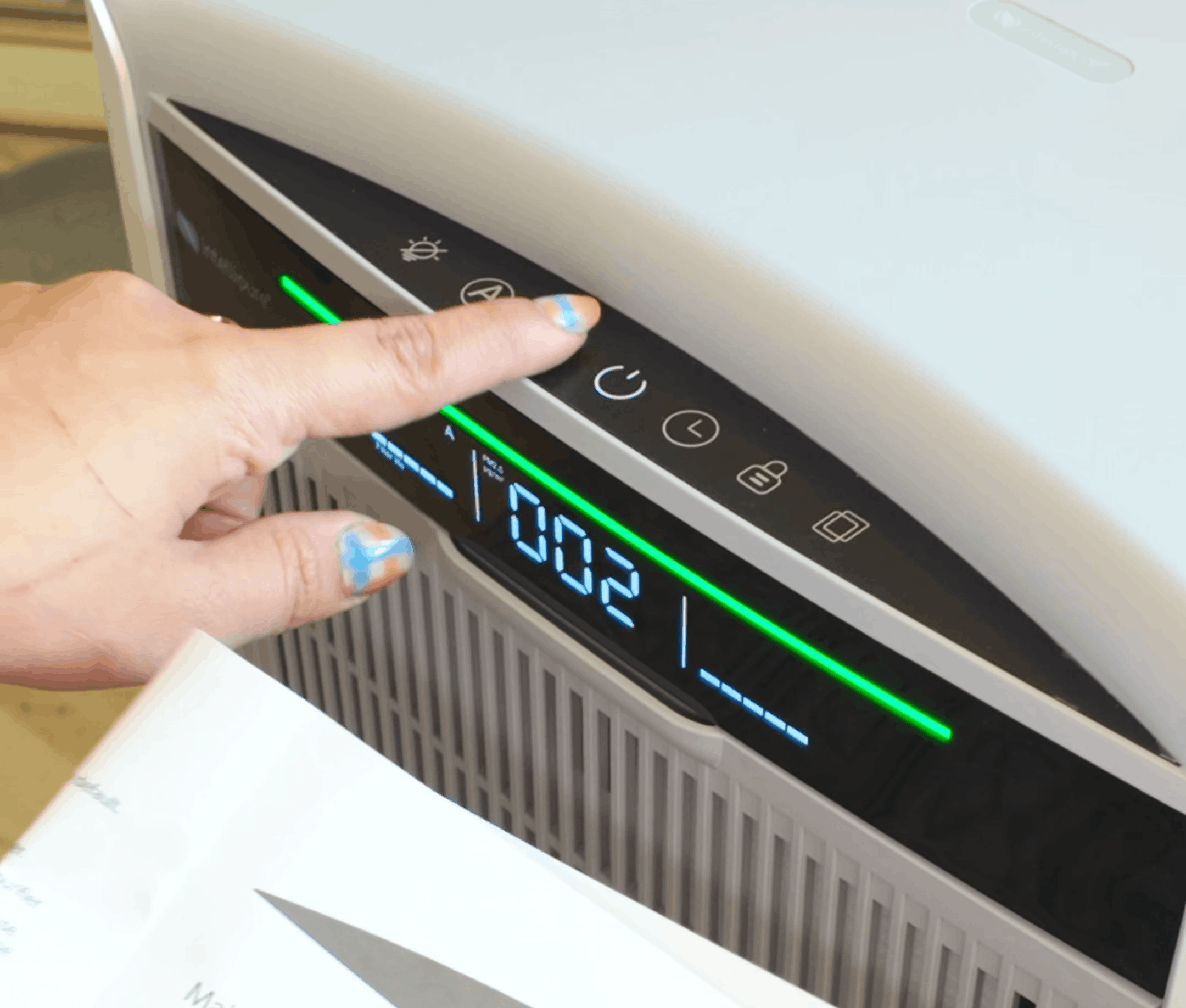
- Finally, press and hold the filter button for five seconds until you hear three beeps. This means you've successfully reset the filter replacement indicator.
Check out the Intellipure Air Purifier Filter Change FAQ if you need more info.
Other Routine Maintenance
Every so often when the purifier is turned off, wipe the air inlet and outlet with a soft, damp cloth. Make sure the unit is totally dry before you turn it back on.
Every month or so, you can use a small vacuum cleaner wand to clean the H1000 filters between replacements.
Every three-to-six months, rotate the filters to opposite sides of the unit.
Subscribe & Save
If you've got a busy life and don't want to add a single thing to your mental load, you should look into a filter subscription. (I'm about to sign up for one myself.)
The subscription is both a convenience and a reminder. Plus, you get a nice discount.
A set of brand new H1000 filters will arrive at your doorstep exactly when you need them. Then it takes under five minutes to pop those bad boys in, and you're rolling again.
Here's how to subscribe. We got this.
References
- U.S. Environmental Protection Agency. Guide to Air Cleaners in the Home [Internet]. US EPA; 2022. Available from: https://www.epa.gov/indoor-air-quality-iaq/guide-air-cleaners-home.
- Cleveland Clinic. Can Air Purifiers Improve Your Lung and Heart Health? [Internet]. Cleveland Clinic. Available from: https://health.clevelandclinic.org/can-air-purifiers-improve-lung-heart-health.
- Lappharat S, Taneepanichskul N, Reutrakul S, Chirakalwasan N. Effects of Bedroom Environmental Conditions on the Severity of Obstructive Sleep Apnea. Journal of Clinical Sleep Medicine. 2018;14(4):565-573. doi:10.5664/jcsm.7046.






The Nitty-Gritty on Carbon Filters
The Official Home Allergy-Proofing Checklist