


Summary
Taking down holiday décor can stir up just as much dust and chaos as putting it up—but it doesn’t have to. This article shares simple, fuss-free de-decorating hacks that keep mess, tangles, and airborne particles under control, from bagging the tree to running an air purifier during cleanup. The payoff is a faster reset, cleaner air, and a calmer, more breathable start to the new year.
In This Article
Taking down holiday decor never gets the same attention as putting it up—which is probably why it always feels messier, more chaotic, and significantly less magical. By January, most of us are standing in front of a half-lit tree wondering where all these cords came from, why the ornaments multiplied, and what we were thinking when we bought such glittery garland.
Good news: de-decorating doesn't have to be a post-holiday workout. With a few clever tricks and a little help from cleaner air, you can get everything packed away neatly, quickly, and without irritating your lungs.
Here are our favorite fuss-free hacks for taking the holidays down (without taking yourself down with them)!
- Bag the Tree Before You Move It
One of the cleverest tricks circulating online is the giant-bag-over-the-tree method. Before you start hauling anything outside, slip a large plastic tree-disposal bag up and over the entire tree. This keeps needles and particles contained, minimizes mess, and turns the whole removal process into one smooth motion.
If your tree is artificial, your life gets even easier. Unplug what you must, but don't remove a thing. Throw a bag over the tree, seal it up nicely, and store it. Next year, all you have to do is unwrap it. (And maybe add any new ornaments you've collected in the meantime!)
Whether you're dragging a real tree to the curb or moving an artificial tree back to storage, the bag keeps needles, dust, and debris from clouding your living room and your lungs. - Wrap Lights Around Something Sturdy…Not Your Arm
No one intends to store their holiday lights in a tangled knot—it just sort of happens. But the solution is simple. Wrap lights around something flat and rigid, like:
The result? No tangles next year, no frustration detangling session that tests the limits of your holiday cheer. It also prevents frayed wiring and bulb damage, extending the life of your lights.
- Use Egg Cartons, Drink Carriers & Shoe Boxes for Ornaments
Without designated storage, ornaments have a tendency to end up mismatched, chipped, or mysteriously missing by next December. Instead of spending on specialty storage, you can simply repurpose items you already have:
Everything stays cushioned, contained, and easy to label without having to buy a new bin.
Pro tip: Keep ornament families together. Not only is it more satisfying to unpack next year, it also cuts setup time in half.
- Keep Garland & Ribbon in Perfect Condition With Clip-Down Storage
Garland likes to tangle… with everything. The hack? Gently wind each strand and secure it with soft clips, reusable twist ties, or painter's tape. Then, store them in a low bin (or a garment bag, which works better than you might expect).
Ribbon spools can be clipped with mini binder clips to prevent unwinding. Your future self—the version of you who doesn't want to iron their wrinkly ribbon—will thank you. - Label Bins by Zone, Not by Item
Most people label bins by what's inside: "lights," "ornaments," "garland," etc. But what actually speeds up next year's decorating is labeling by where each thing goes:
This way, you're unpacking by zone, not by category, which mirrors the way you decorated in the first place.
This one small shift cuts your next setup time dramatically and keeps you from opening every bin to find the one thing you need.
- Run an Air Purifier While You Undecorate
Undecking the halls isn't just messy visually—it's messy for your air, too. Holiday cleanup stirs up:
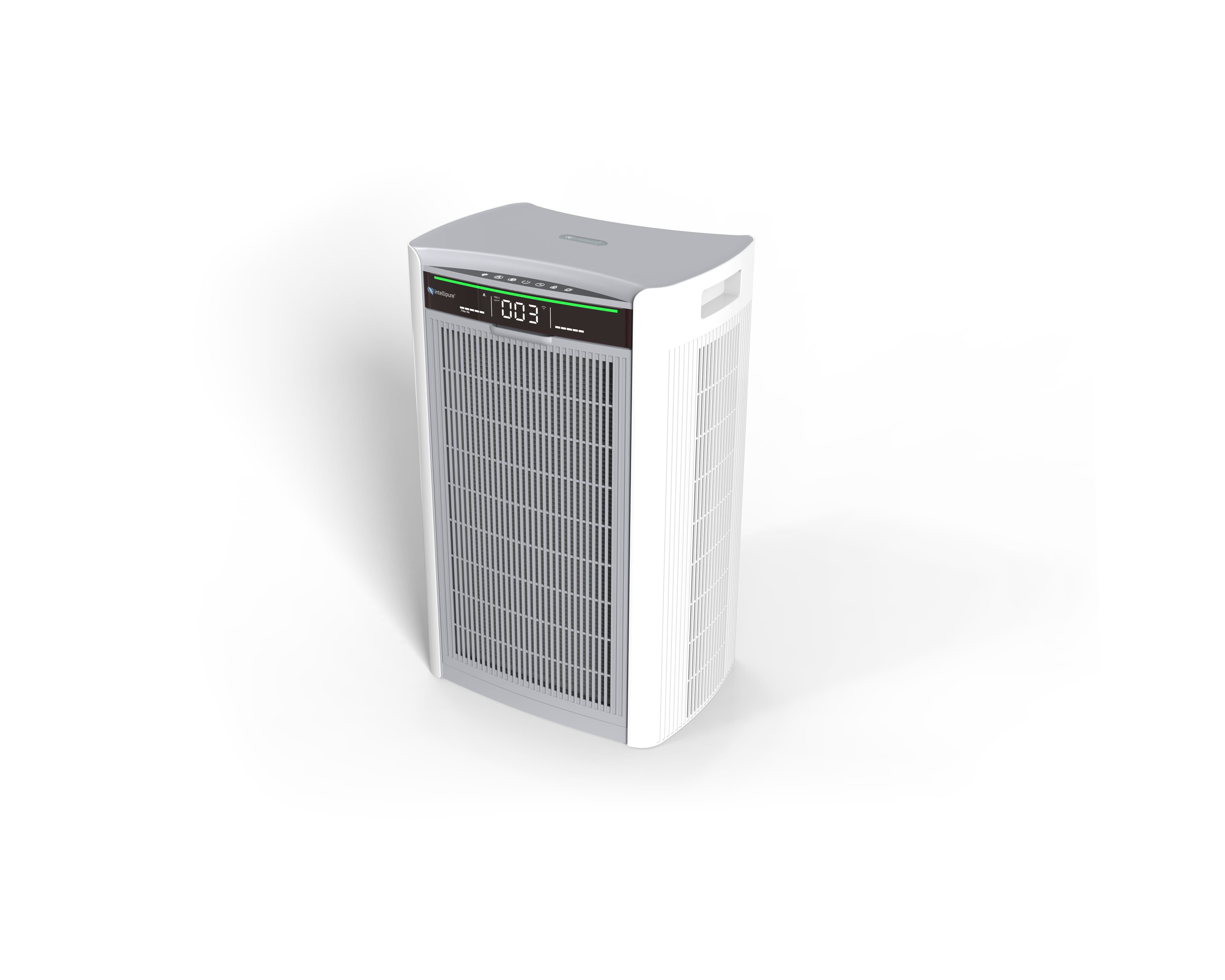
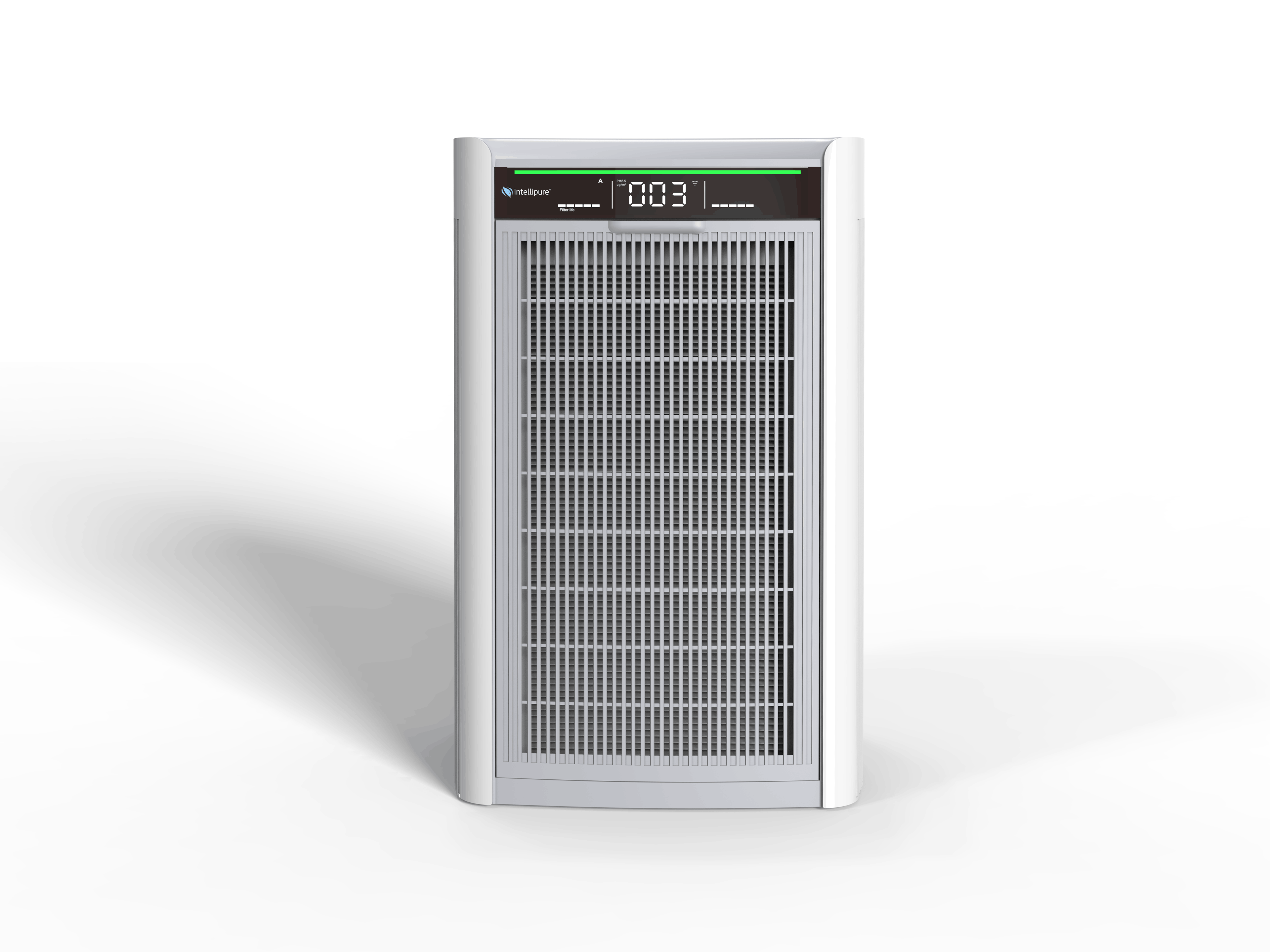
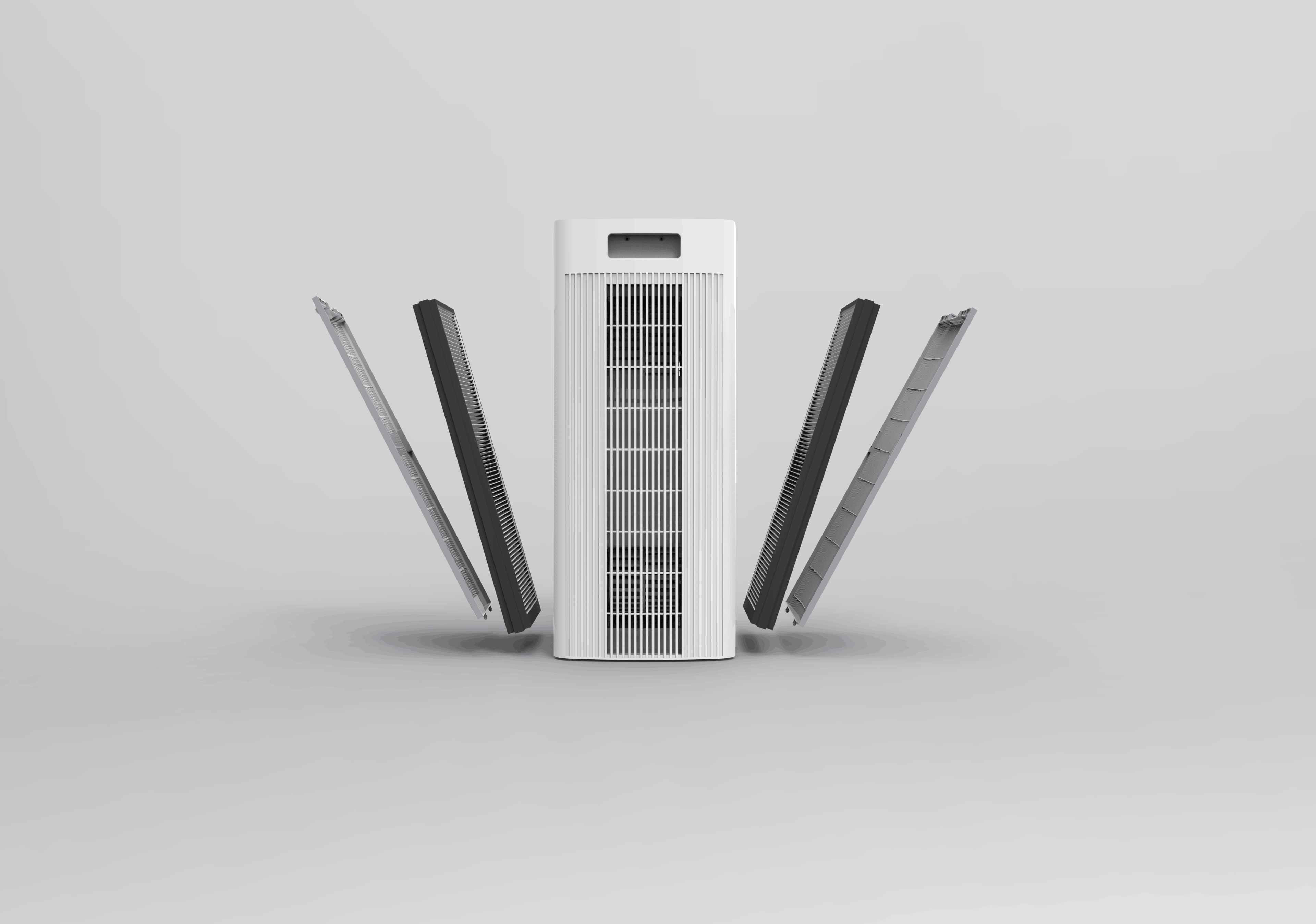
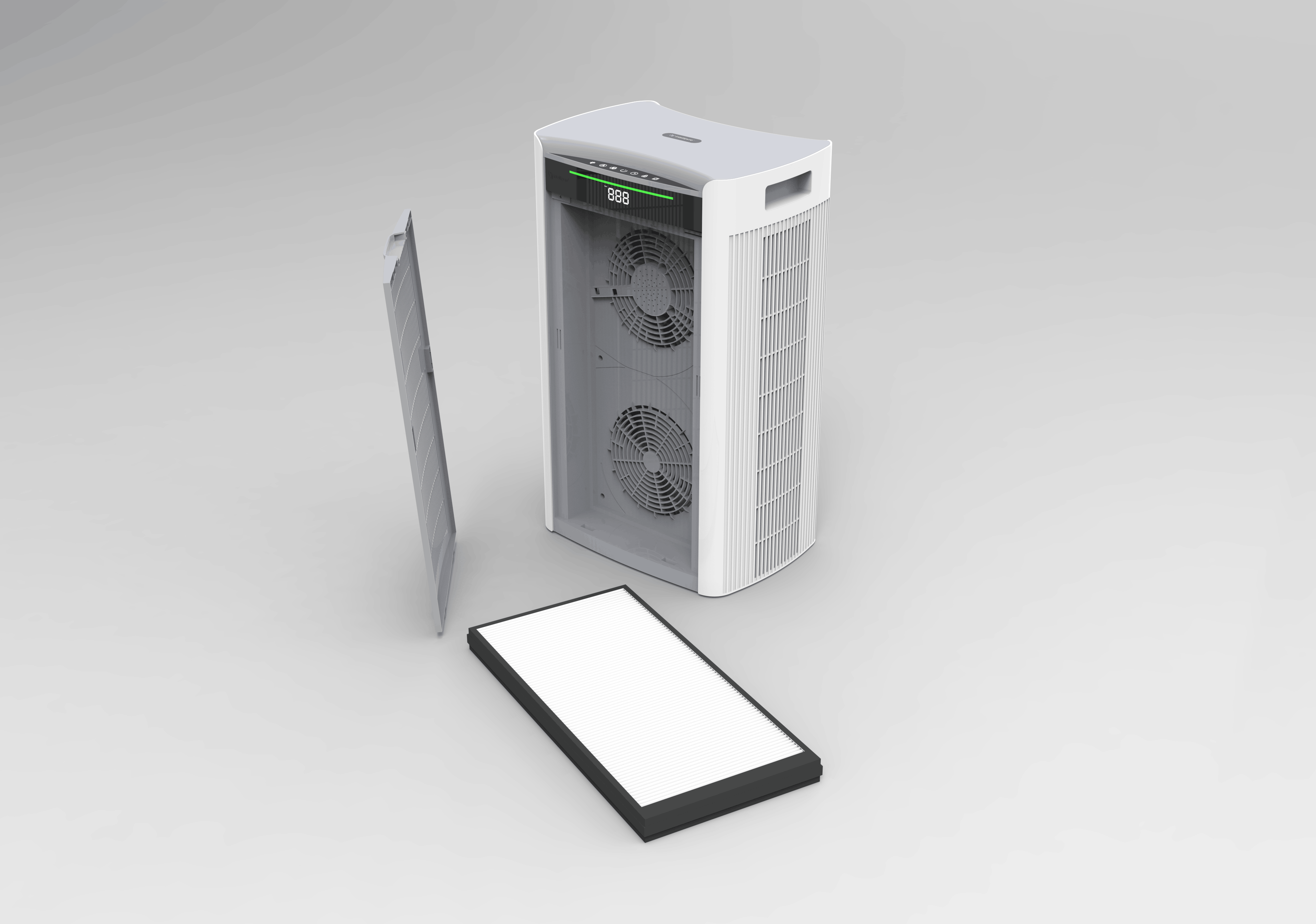
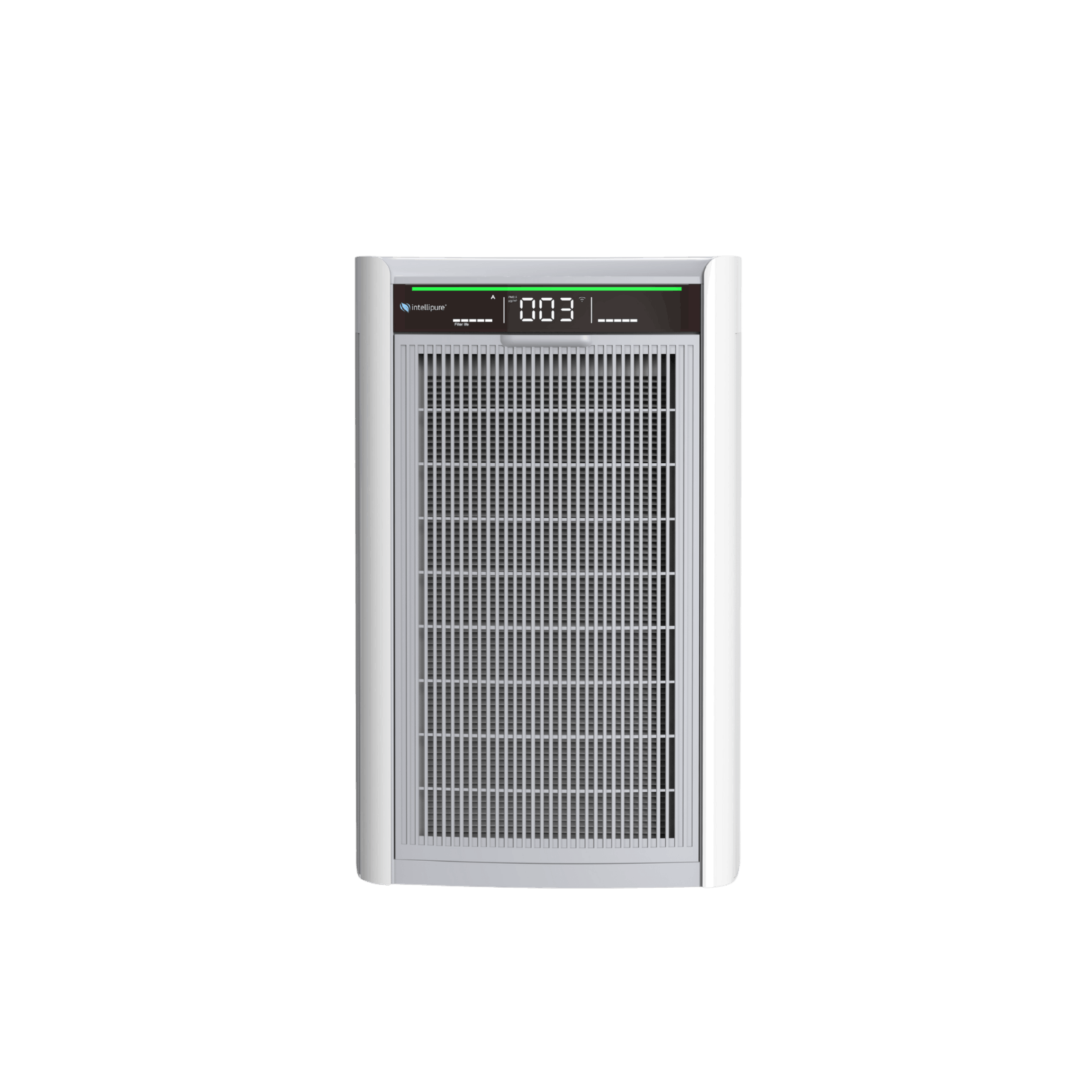
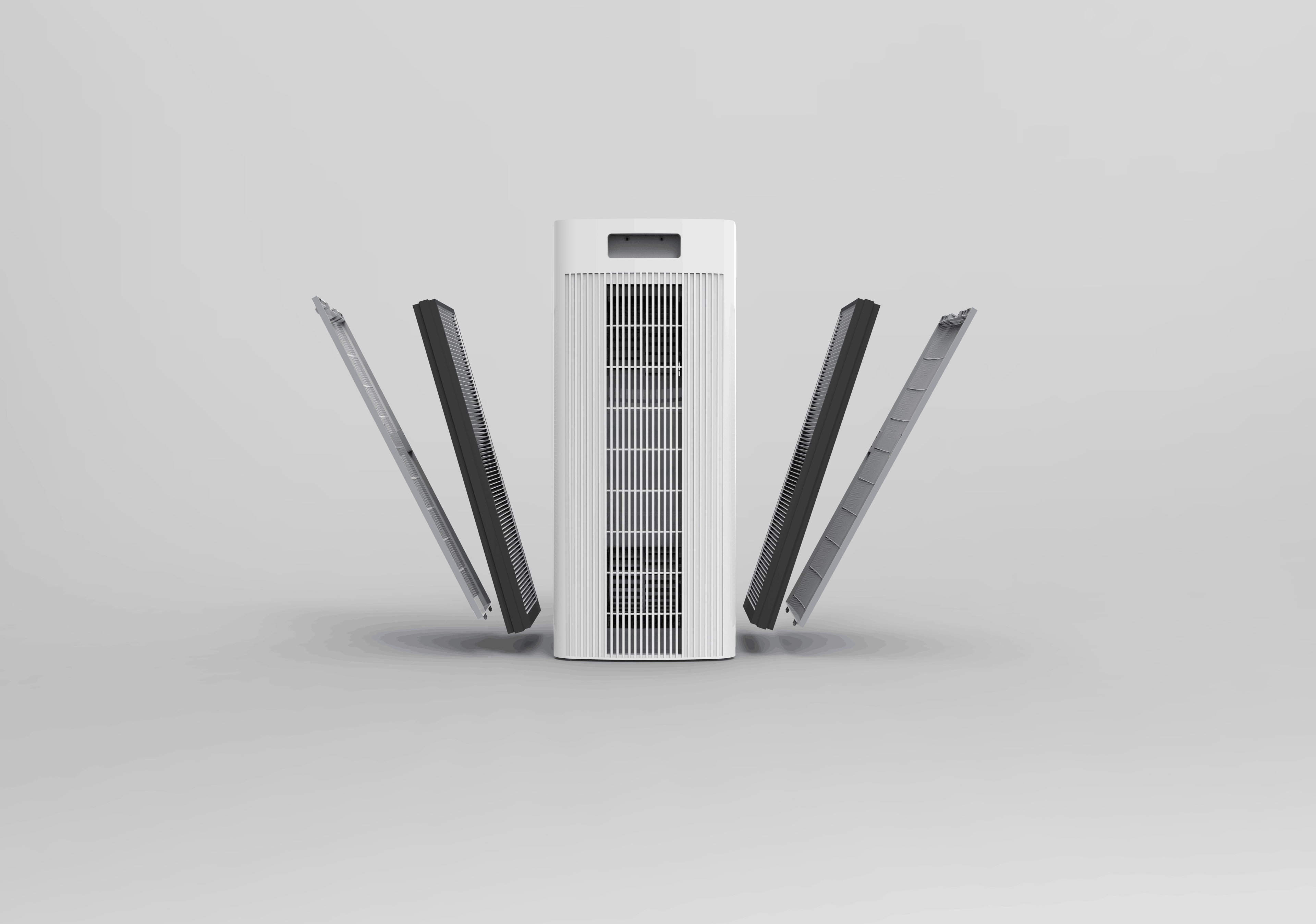
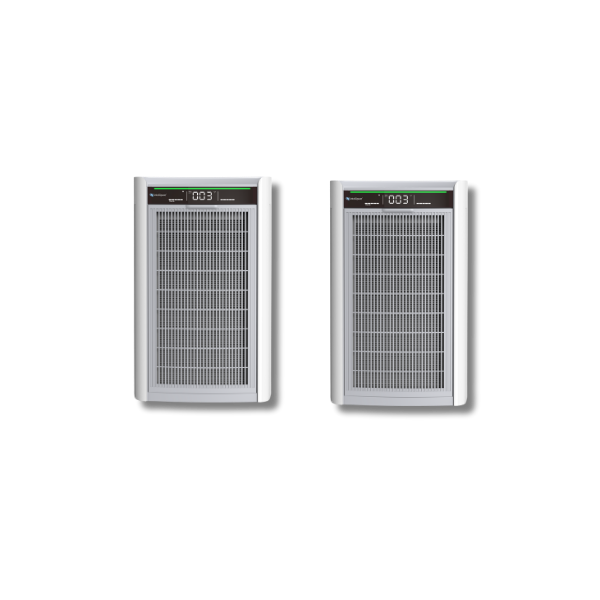
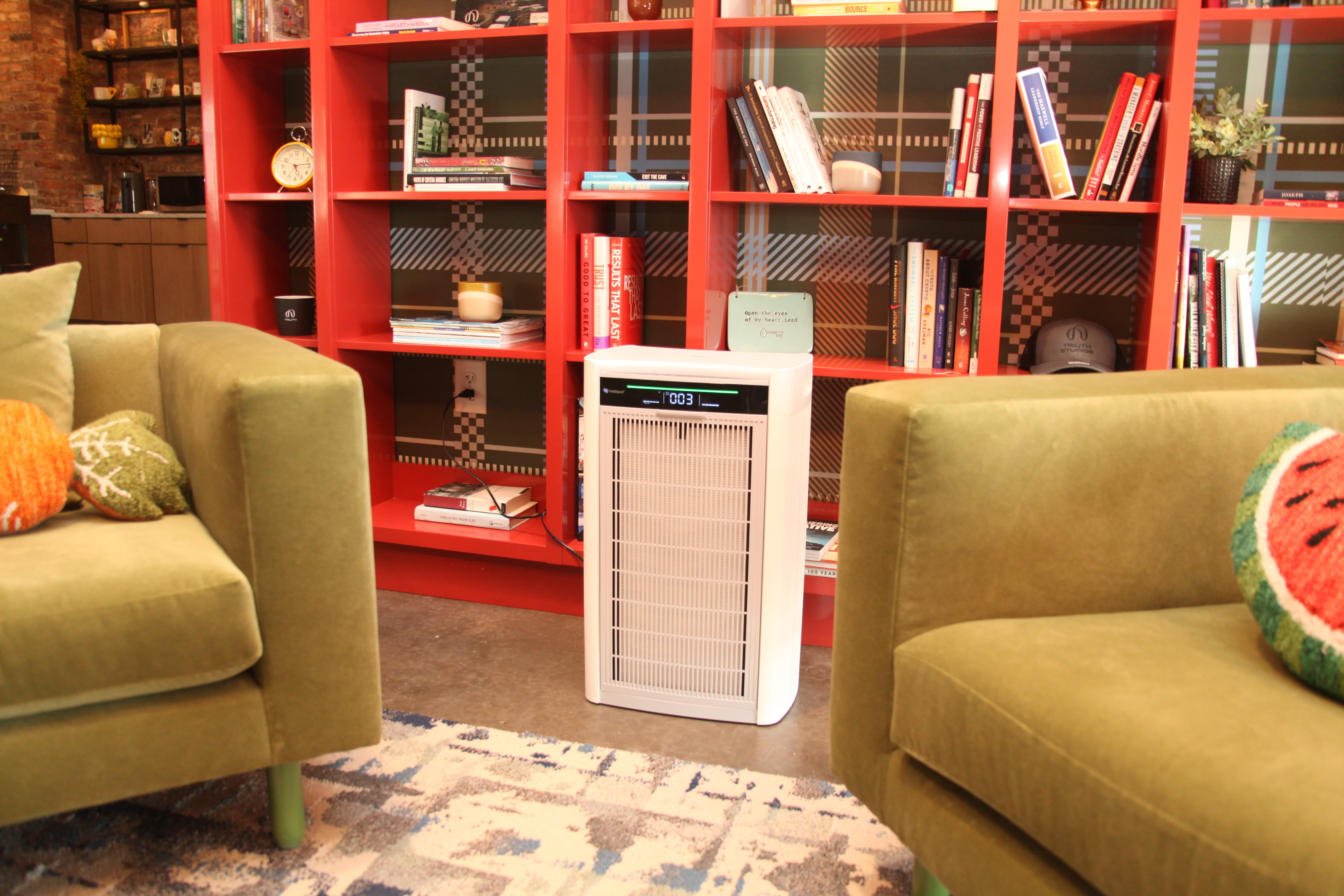
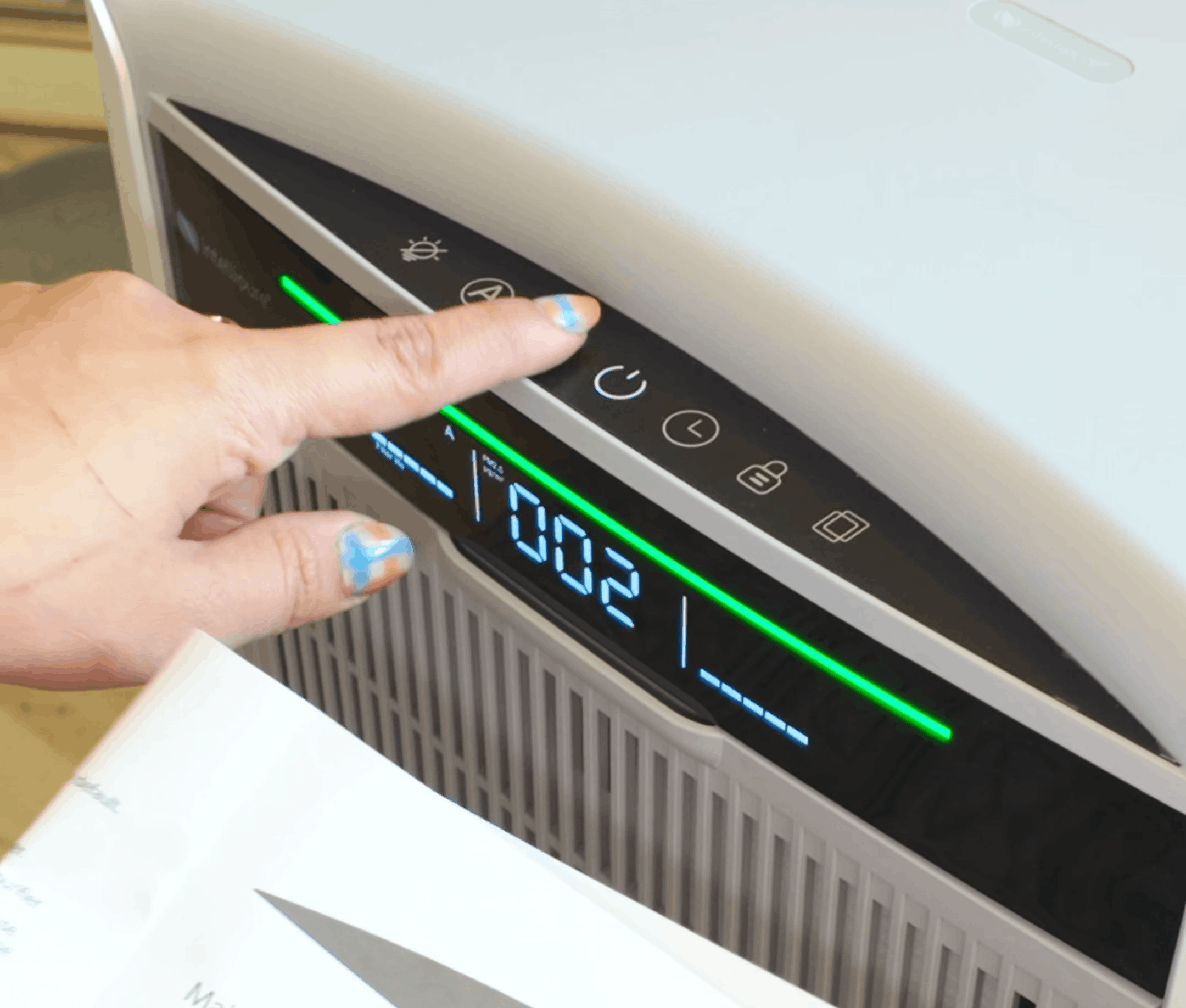
Instead of letting all of that float around (or find its way into your lungs), run your air purifier on a higher setting while you take everything down. It quietly captures the ultrafine particles, allergens, and debris that get kicked into the air—leaving your post-holiday home feeling fresh, not stuffy.
If you relied on scented candles, plug-ins, or sprays during the season, this is a great moment to flush out lingering VOCs, which tend to build up indoors when windows stay closed during winter. Cleaner air makes the whole reset feel lighter.
- Make Purifier Filters Part of Your Annual Reset
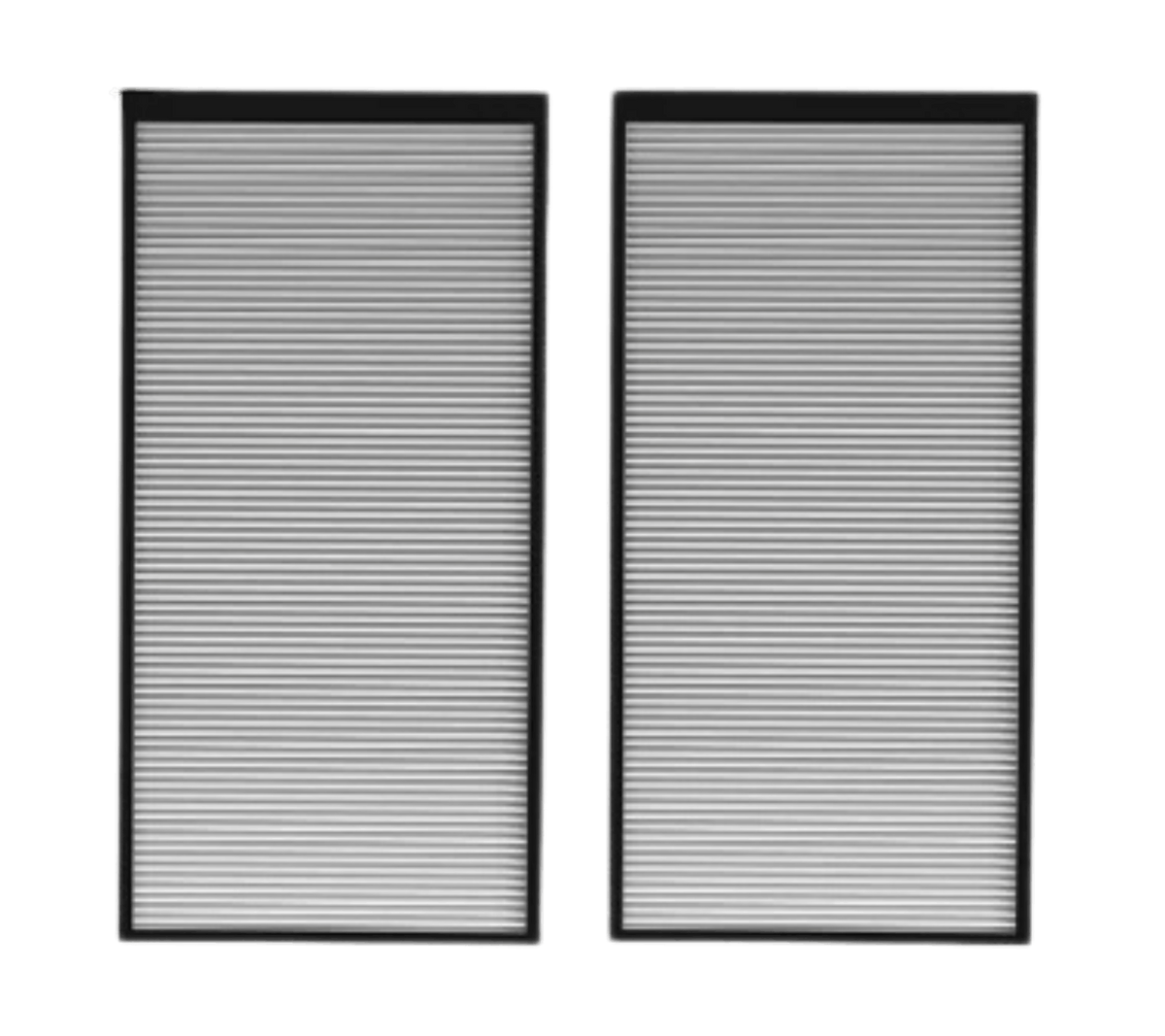
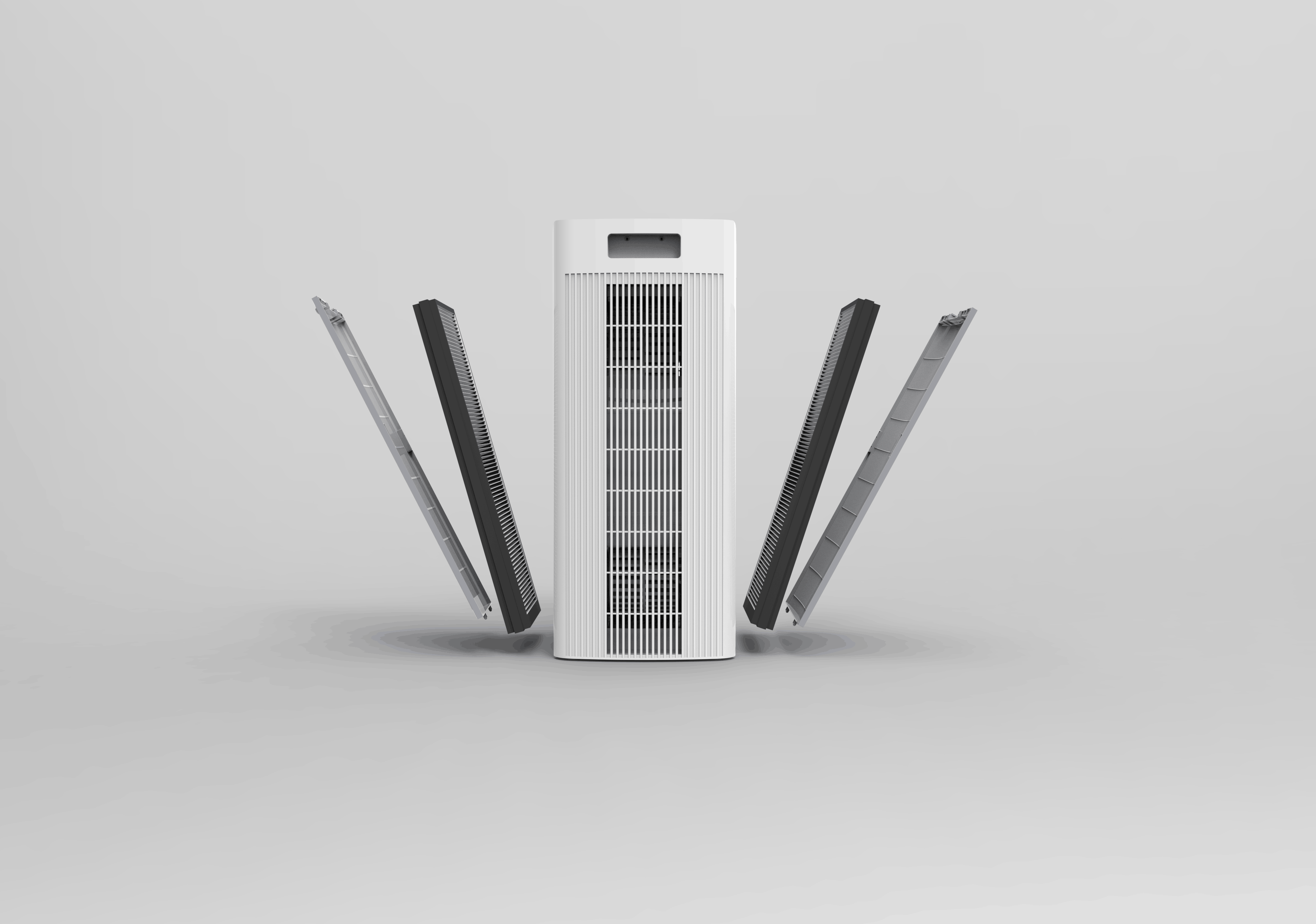
Just like swapping batteries in smoke detectors or refreshing your calendar, filter replacement is an easy ritual to build into your start-of-year routine. Holiday cleanup is a natural moment—you're already resetting your space, so resetting your air makes sense too.
If you don't want to add this to your holiday to-do list every year, set up an annual subscription so replacements arrive automatically—right when you need them. It turns cleaner air into a once-a-year, zero-thought task. - Do a Final Sweep With Purpose
Once everything is packed away, do a simple, purposeful sweep:
The goal isn't perfection. You're going for a squeaky clean, super calm reset after a busy season.
Bonus: Your air purifier captures VOCs from candles and cleaning supplies, plus anything you stir up with a broom or vacuum. [1]
Conclusion: A Faster, Fresher Start to the New Year
De-decorating doesn't have to be an epic undertaking. With the right hacks—simple materials, smart labeling, better storage, and a little air-cleaning support—you can wrap up the season quickly, and start the new year with a home that feels organized, fresh, and breathable.
References








 Expert reviewed & certified


 Verified by CertREV
White Snow, Black Mold? This Unwanted Visitor Thrives in Winter, Too
Lessons About Wildfire Smoke, One Year After the Los Angeles Fires