


With summer in the rearview mirror, it’s the time of year when college and university students return to campus. Many of those students are returning to dorm rooms that house hundreds of people and have been in use for decades. There are some dorm buildings that have been in use for over a century! Unfortunately, student dorms aren’t always the best in terms of indoor air quality (IAQ).
Making Dorm Room Air Better
Dorms and college life go hand-in-hand. Unfortunately some dorm buildings weren’t exactly built with good ventilation in mind, especially legacy aging buildings built decades ago. There are endless pockets where dust, dirt, germs, and allergens can hide just waiting to be disturbed and sent airborne. Some dorm buildings use massive air handlers that heat and cool the entire facility using a central mechanical system. While this method is efficient, it can also lead to air quality issues like limited airflow or uneven temperatures. Pockets of stale air can sit in dorm rooms with blocked vents, clogged supply ducts, or poor return air flow paths. In worst-case scenarios, there may only be radiant heating for the winter and no fan-driven air conditioning in the summer. Without proper air circulation an aging dorm building is at a high risk for mold growth if moisture levels aren’t kept under control. Even if the black mold isn’t easy to see, it can still be lurking and causing health issues for students who are exposed.
Symptoms of exposure to mold allergens include:
- Coughing
- Sneezing
- Wheezing
- Stuffy nose
- Irritated throat
- Breathing difficulty
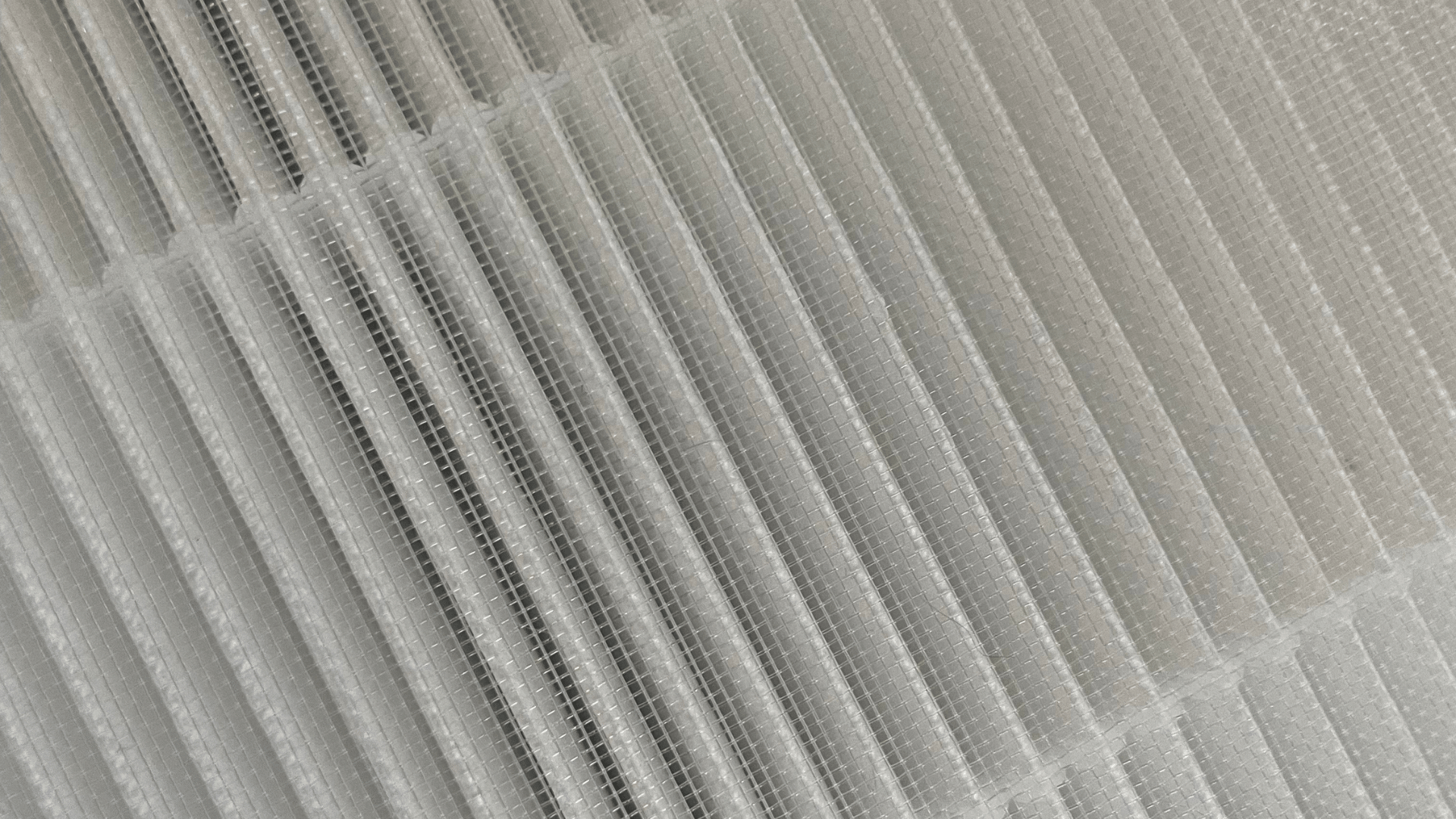
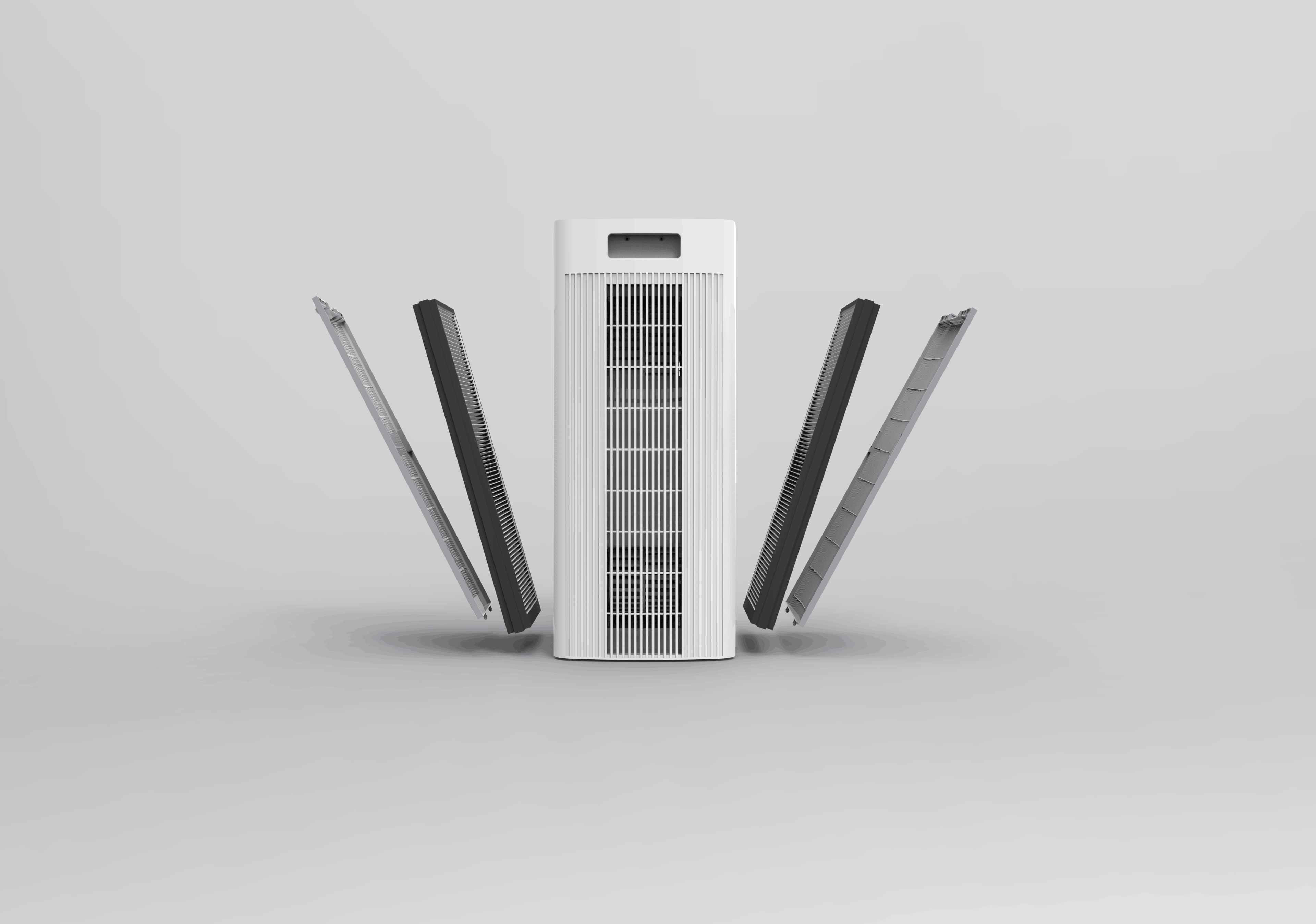
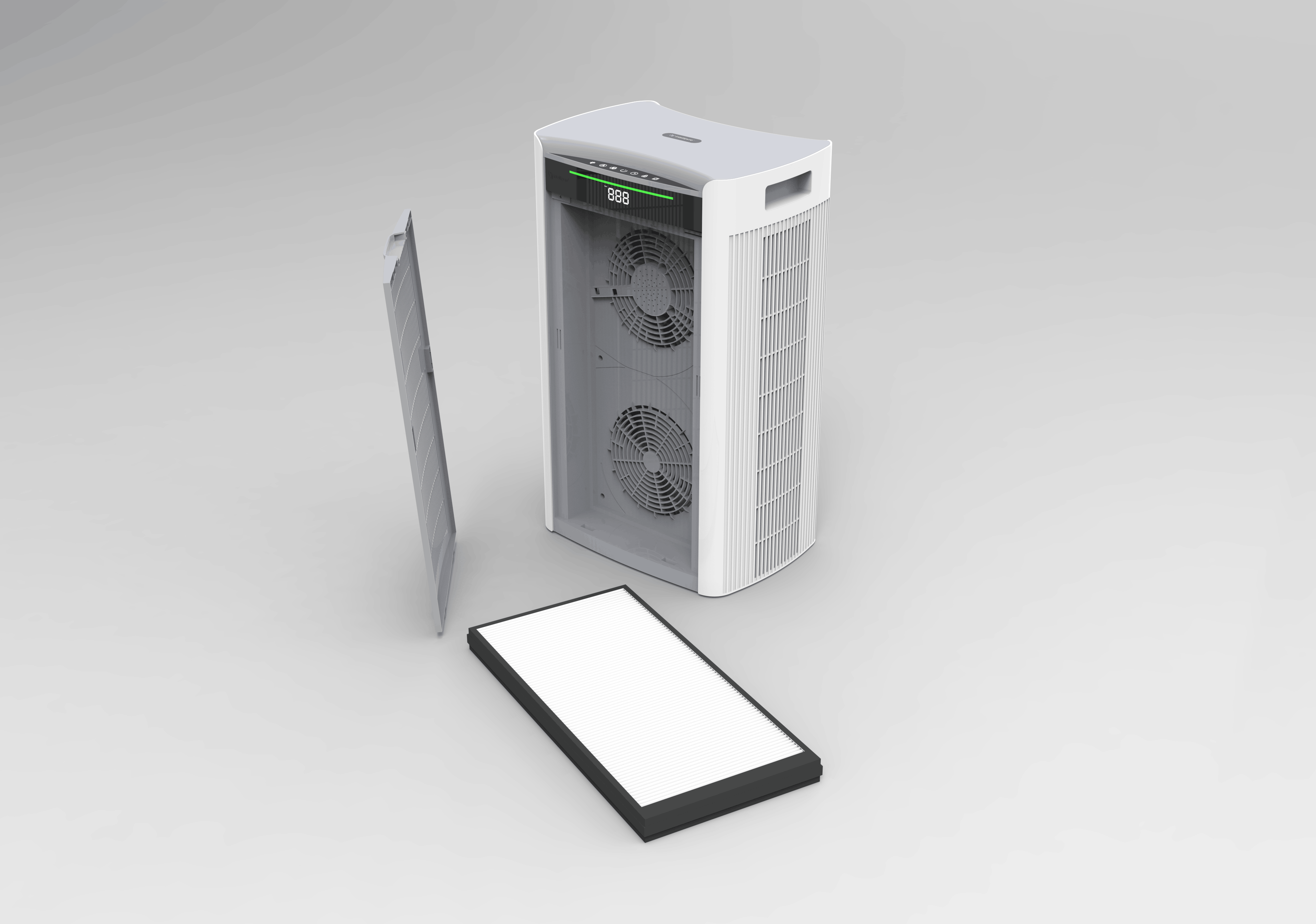
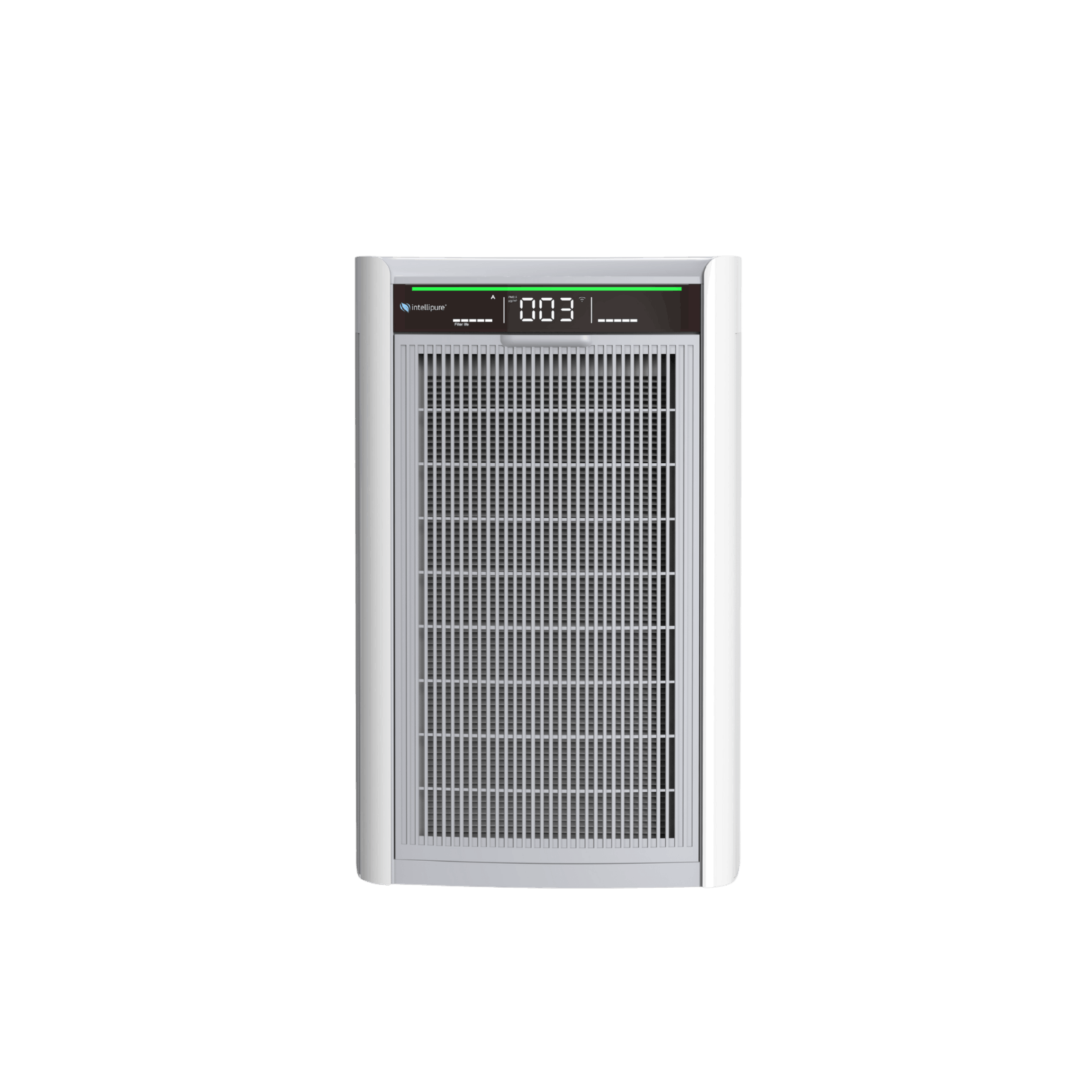
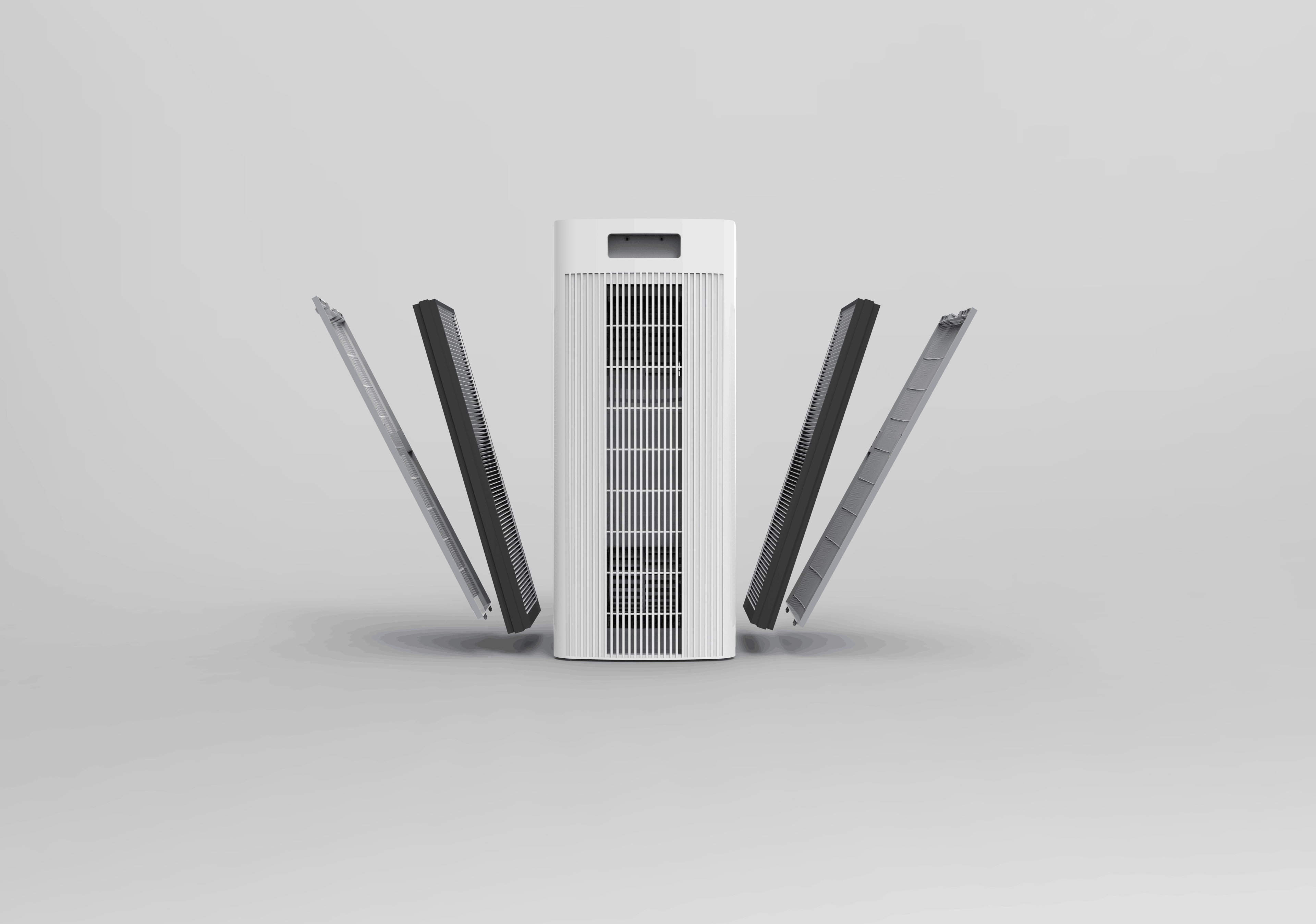
If moving into a dorm room causes coughing, wheezing, or shortness of breath the problem is likely caused by bad dorm indoor air quality. Ultimately each dorm room needs its own air quality solution. For true peace of mind you need a true HEPA air purifier that meets or exceeds the HEPA standard. It’s easier to concentrate on studying when you sleep better and feel better without constantly breathing in harmful pollutants or particulates.
Flunk Dorm Room Funk
Let’s face it: putting hundreds of students into one building can lead to an unpleasant olfactory smorgasbord of smells. Stagnant air collects as dorms go unused during the summer and mold spores find cozy new places to grow. Maybe someone left a pizza under their bed for a whole semester, or one too many bags of popcorn were accidentally grilled in the microwave. And of course, sports seasons bring their own brand of effervescence to the air. Even if the dorm room tenant keeps things tidy, smells can seep in through door gaps, open ceilings, even through walls. Don’t be fooled into thinking you can just grab a can of air freshener and solve the problem. You need to remove the compounds from the air that create the smells, not just add chemicals to cover them up. You also need something that is more than just a HEPA purifier that removes just airborne particles. That’s why having an air purifier with a volatile organic compound (VOC) filter is important for personal comfort. A VOC filter removes the gases, chemicals, and organic compounds from the air, leaving it smelling clean again.
Better Air, Better Health
Friends aren’t the only things that hang out in dorms together; so do viruses and bacteria. During the winter months when everyone is huddled inside and fresh outside air ventilation is at a minimum is when the risk of airborne illnesses starts to rise. While washing hands and cleaning surfaces are great ways to prevent illness, protecting the air you breathe takes a different approach. To remove airborne viruses and organisms harboring liquid droplets, you need an air purifier that can filter out even the tiniest of particles.
When your lungs are filled with airborne pollutants and allergens it’s hard for the body and mind to both be at their best. Interrupted sleep due to coughing or an irritated throat may seem minor until body fatigue settles in. Being rested and sharp is key to academic success, which is why it makes sense to choose breathing in the cleanest air possible. You wouldn't drink polluted water before a final exam, so why breathe polluted air?




Understanding the Dangers of Black Mold Exposure & How To Prevent It
Urban Wildfire Smoke Is A Greater Threat Than You Think