

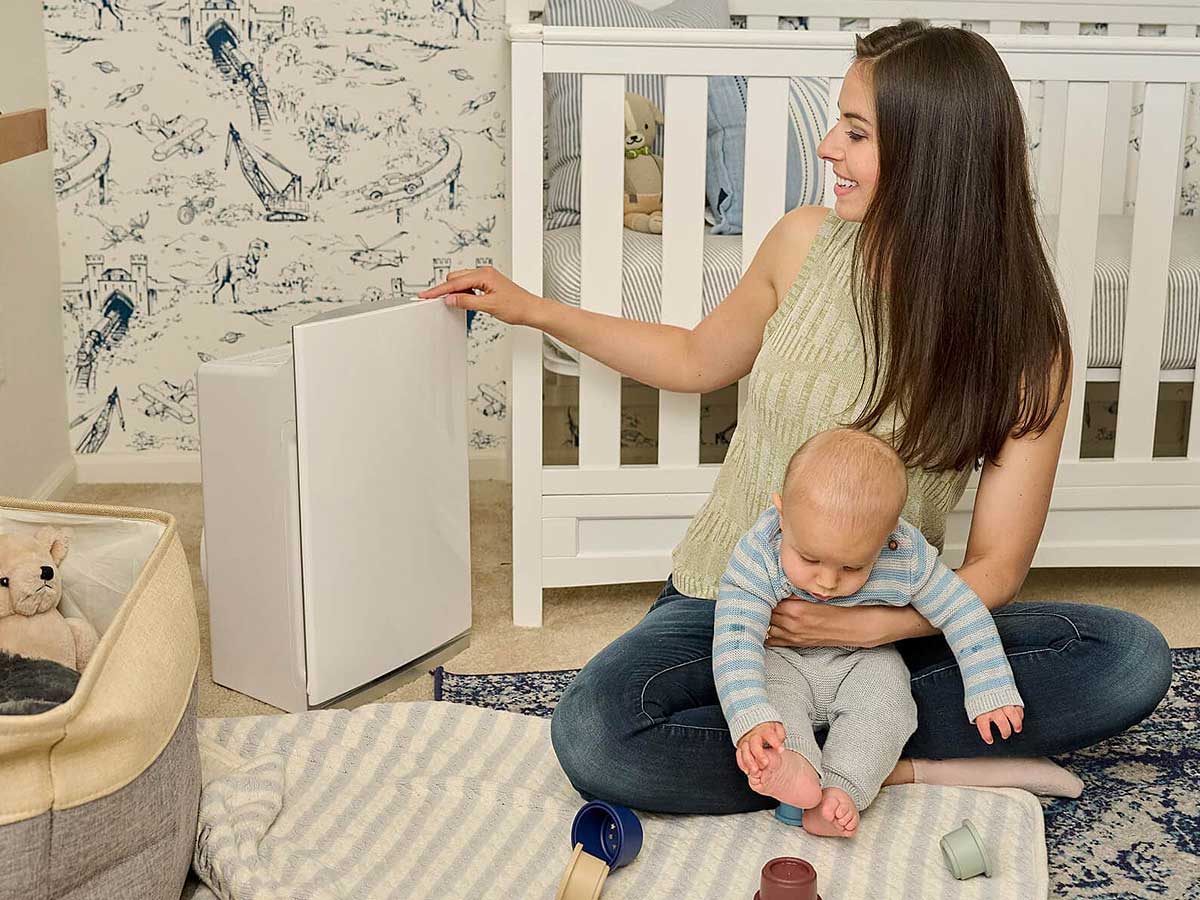
You want the best for your new baby. But beyond the diapers, blankets, bassinet, and clothes many overlook something: their home environment. Home air quality can impact not only your child’s health, but also their development. Here’s why air purifiers have become one of the most popular nursery accessories.
Indoor Air Pollution
Most people don’t think about indoor air pollution, they assume air pollutants are an outside problem. But it turns out a number of everyday items are sources of chemical emissions and harmful particulate matter. Flooring, laminated wood, furniture, cleaning supplies, even air fresheners are all sources of volatile organic compounds (VOCs). These VOCs can include toluene, formaldehyde, polyurethane, phthalates and other PFAS. There are also allergens such as pet dander, mold spores and dust mites that can cause allergic reactions. The collective health effects of these pollutants on developing bodies can be worse than that of an adult due to a number of reasons. Most home ventilation systems are designed to heat/cool air and filter it just enough to protect the HVAC equipment itself. That’s why an air purifier is a must-have for any baby nursery.
Sleep Comfort
Ah sleep, the one thing that seems to be in short supply during the early stages of child development. If the baby isn’t sleeping, neither are you. It turns out an air purifier can be a valuable asset in the search for a good night’s sleep for you and baby. By filtering out tiny particles and allergens that can lead to coughing, sneezing, congestion, or sore throat it is far more likely that baby’s sleep won’t be interrupted. Research has shown that an air purifier can actually extend sleep total sleep time per night. If the air purifier is equipped with an activated carbon filter it can also remove chemicals and odors that can irritate tiny lungs. There may also be a white-noise effect from the air purifier itself which can help mask outside noises. Make sure the air purifier is in night mode so the quietest settings are engaged and dimmed display if available.
Bacteria Elimination
Tiny developing bodies are still building the immunity they will need in life. That’s why they are especially vulnerable to airborne bacteria. Babies spend most of their time indoors and have higher respiratory rates than adults. That makes them susceptible to respiratory irritation and possibly infections along with potentially making underlying health issues worse. It is important to capture and remove airborne bacteria using an air purifier that meets or exceeds the high-efficiency particulate air (HEPA) standard. Some air purifiers use ultraviolet light to deactivate microorganisms, but UV light itself does not remove bacteria loaded particles from the air.
Make sure you aren’t introducing potential problems into the air you are cleaning. When using anything that humidifies the air make sure there is no bacteria in the water that can be spread into the air. Use distilled water or a steam humidifier that kills bacteria by the very nature of how it works. Most importantly, clean any humidifier you use on a regular basis to prevent bacteria growth.
Product Selection
When it comes to creating a healthy and comfortable environment in your nursery there are many air purifier options on the market. Picking the right one can seem daunting. These at the most common air purifier types on the market:
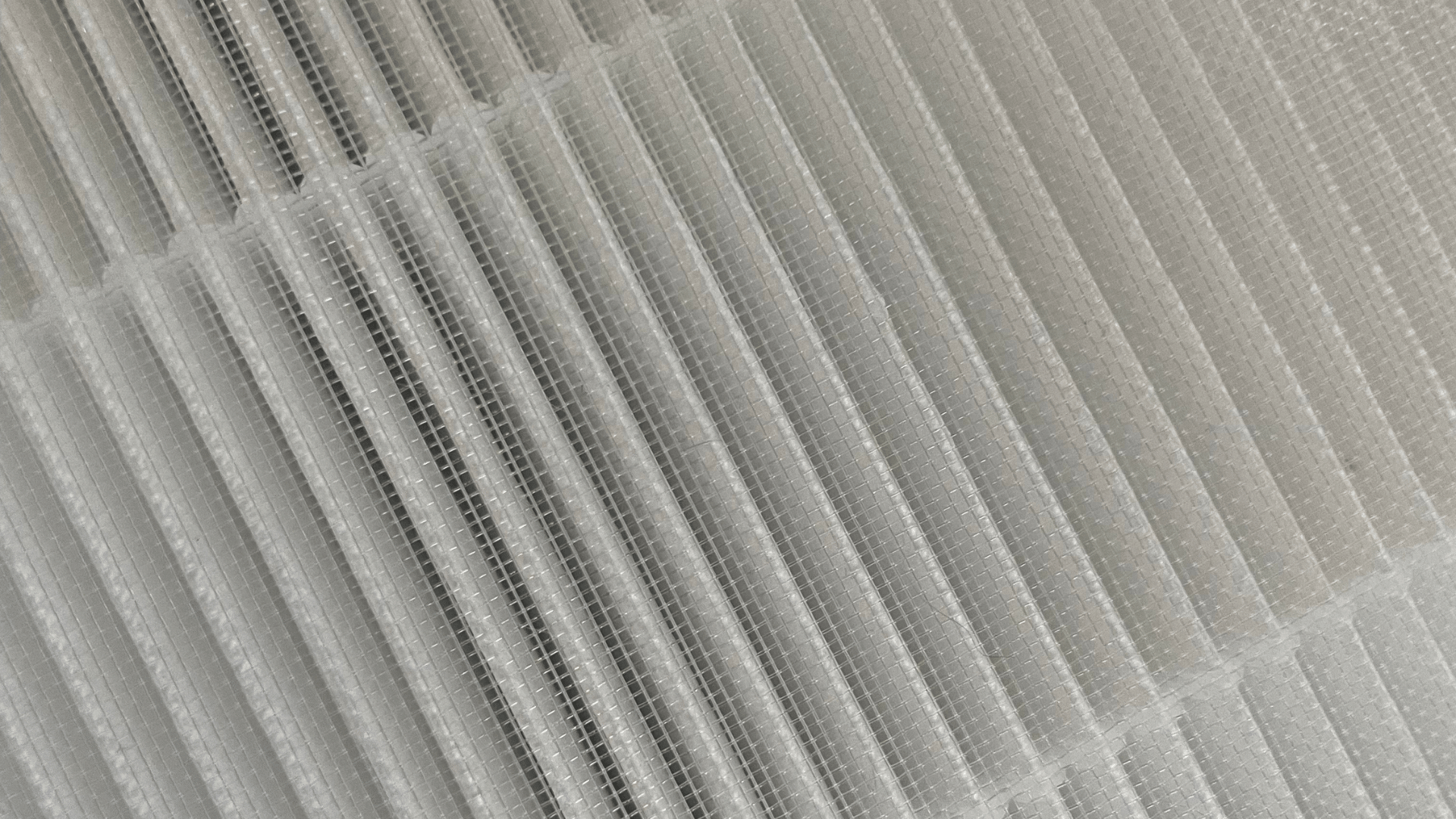
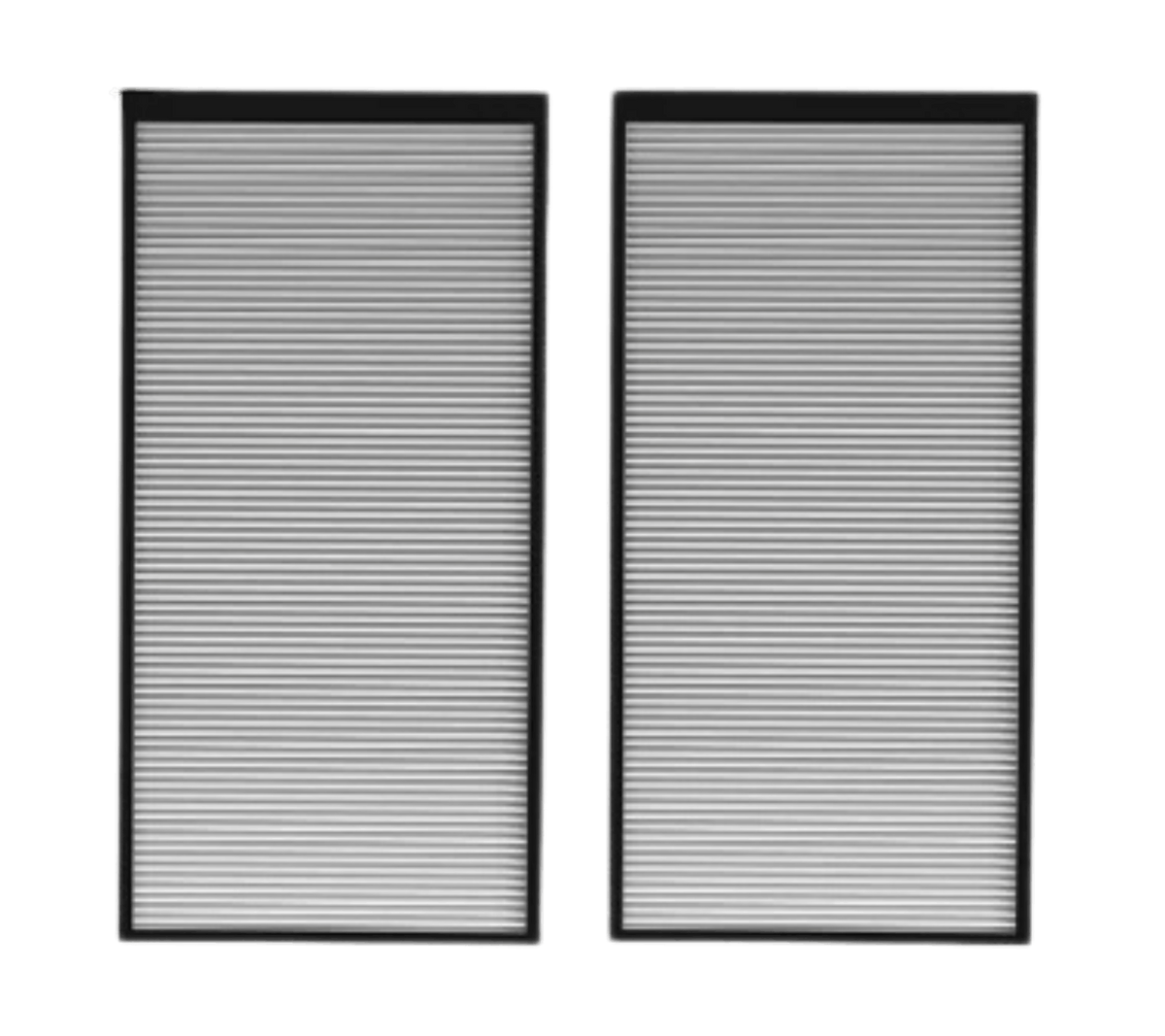
Mechanical - This type of air purifier uses a fine filter media made up of tiny fiber strands to capture particles as they pass through it. The most common type is a HEPA filter, which must capture 99.9% of airborne particles with a diameter of 0.3 micrometers.
Activated charcoal - An activated charcoal filter, as the name implies, uses a form of charcoal to adsorb chemicals from the air. Activated charcoal has an immense surface area to weight ratio. It is riddled with tiny holes (like a sponge) which capture chemicals on its surface.
Ionizing - An ionizing air cleaner uses an ion generator to release charged ions into the room. The ions attach to floating particles in the air giving them an electrical charge. The charged particles clump together becoming heavier and settle out of the air. Unfortunately ozone is a common byproduct of this air cleaning type.
Electrostatic - This type of air cleaner is similar to the ionizing air cleaner, but in this case air is drawn into the unit for cleaning. The air passes through a device that gives airborne particles an electrical charge. Oppositely charged collection plates inside the unit then collect the charged particles, removing them from the air. This technology also has a risk of emitting ozone as a byproduct.
Ultraviolet (UV) - Decades ago scientists discovered that certain portions of the UV light spectrum (UV-C) had a debilitated effect on microorganisms. Specifically, the UV-C light damages the DNA of bacteria, viruses, and even mold spores. This prevents them from multiplying after exposure. This only kills microbes and does not remove them (or any other particles) from the air.
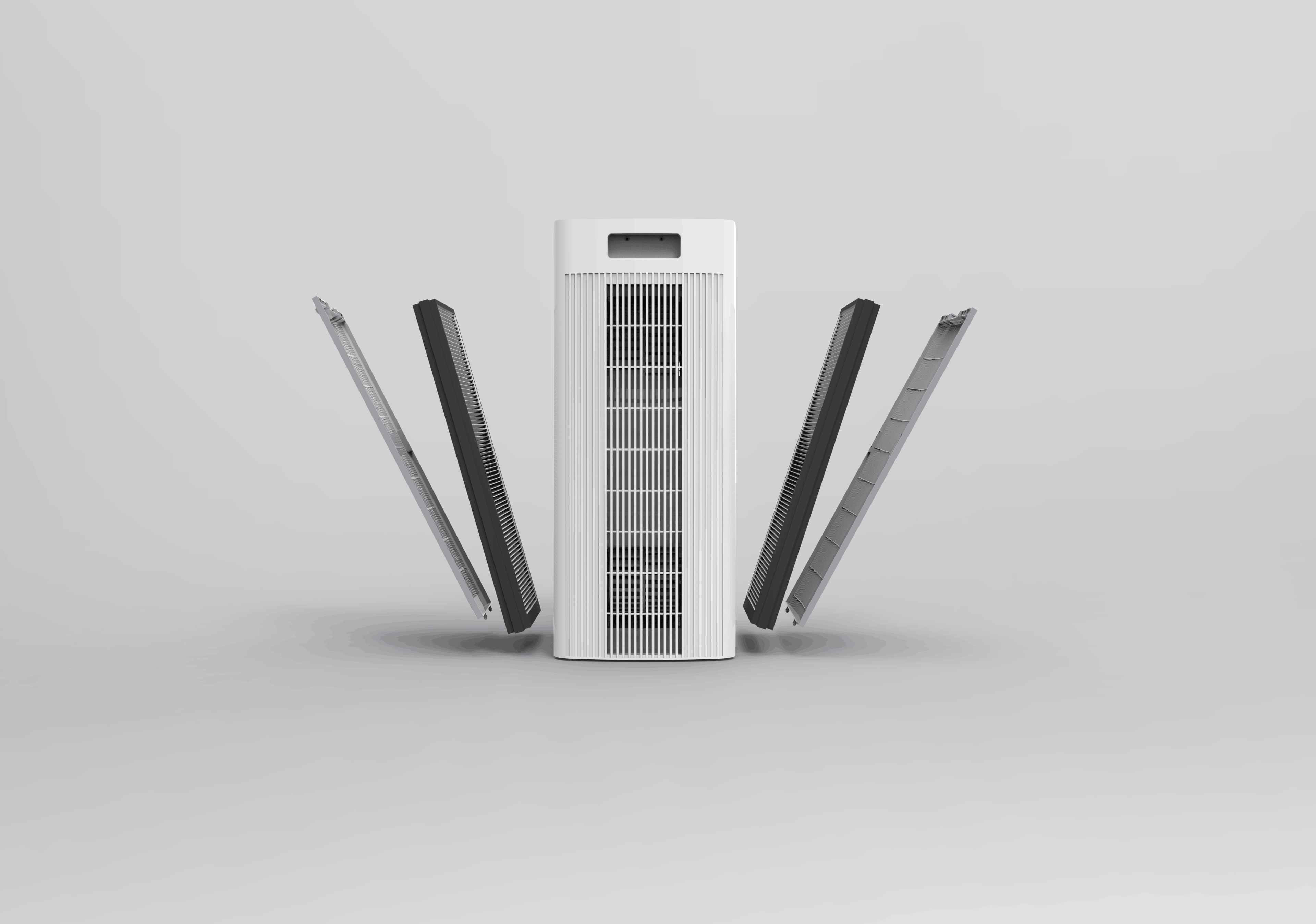
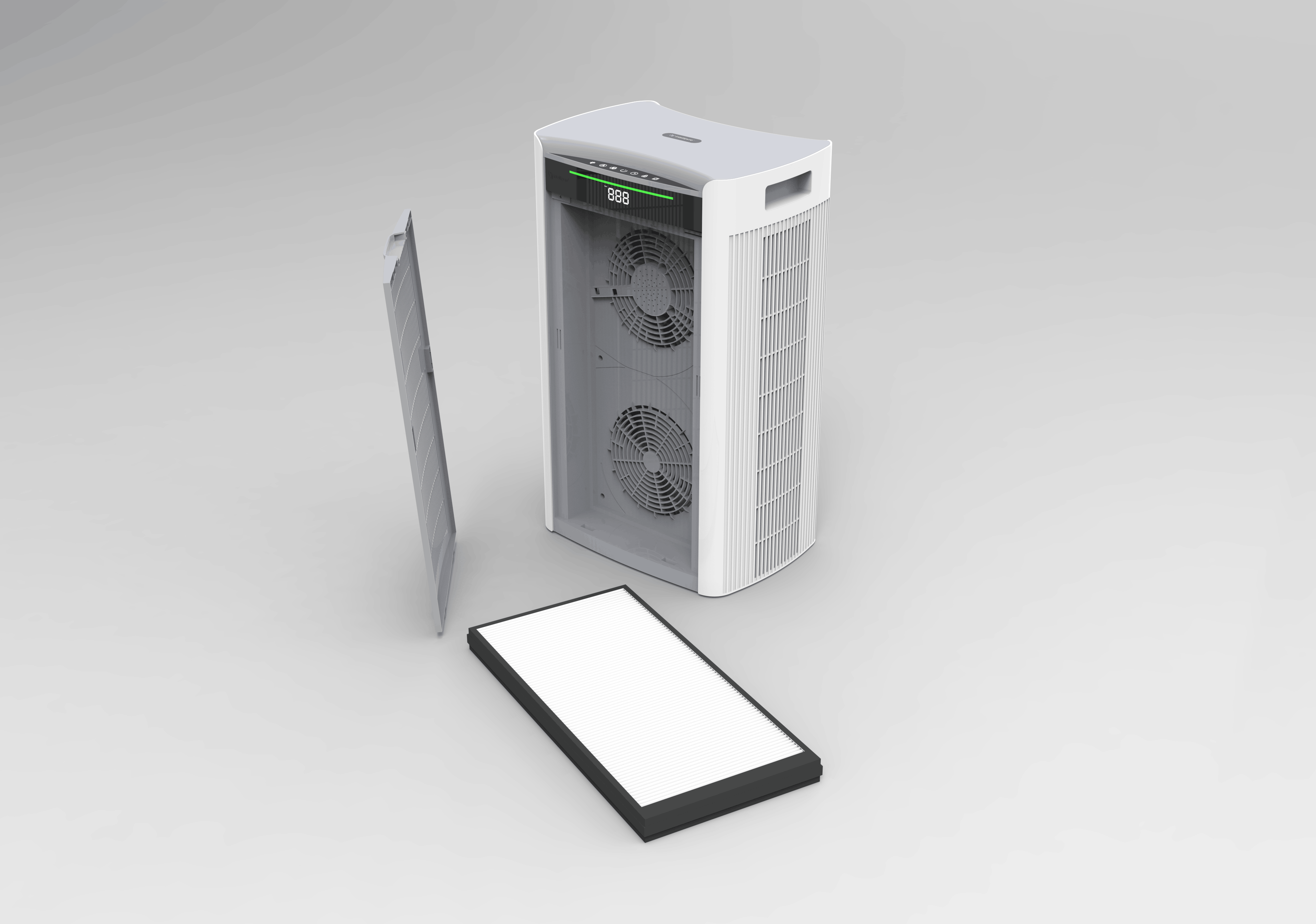
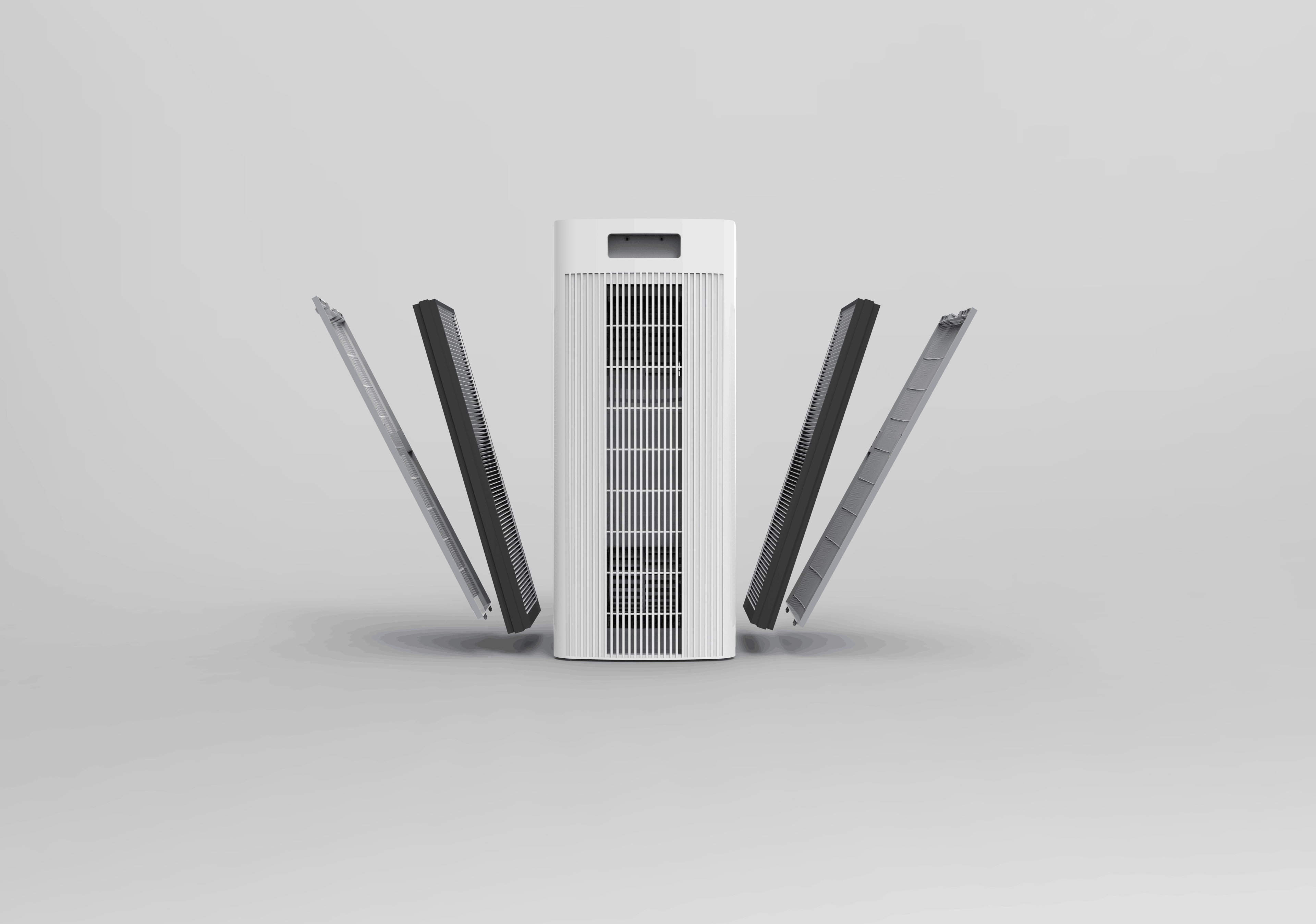
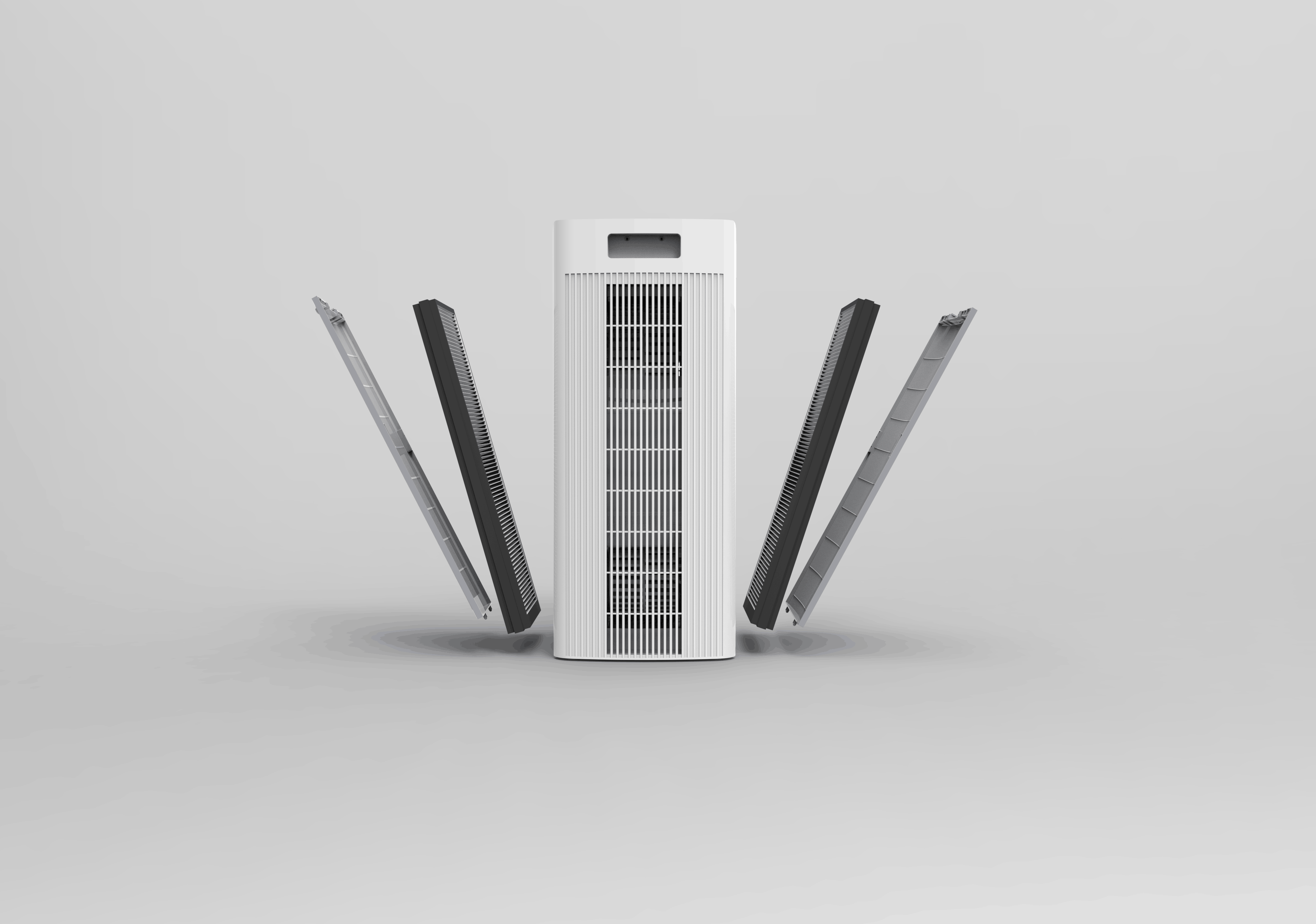
The most popular type of air purifiers uses a mechanical filter that meets or exceeds the HEPA standard to capture tiny harmful airborne particles. It is then paired with an activated carbon filter that removes odors and chemicals. These hybrid air purifiers are able to capture a large portion of the nasty things in the air in a single pass.
Safety Features
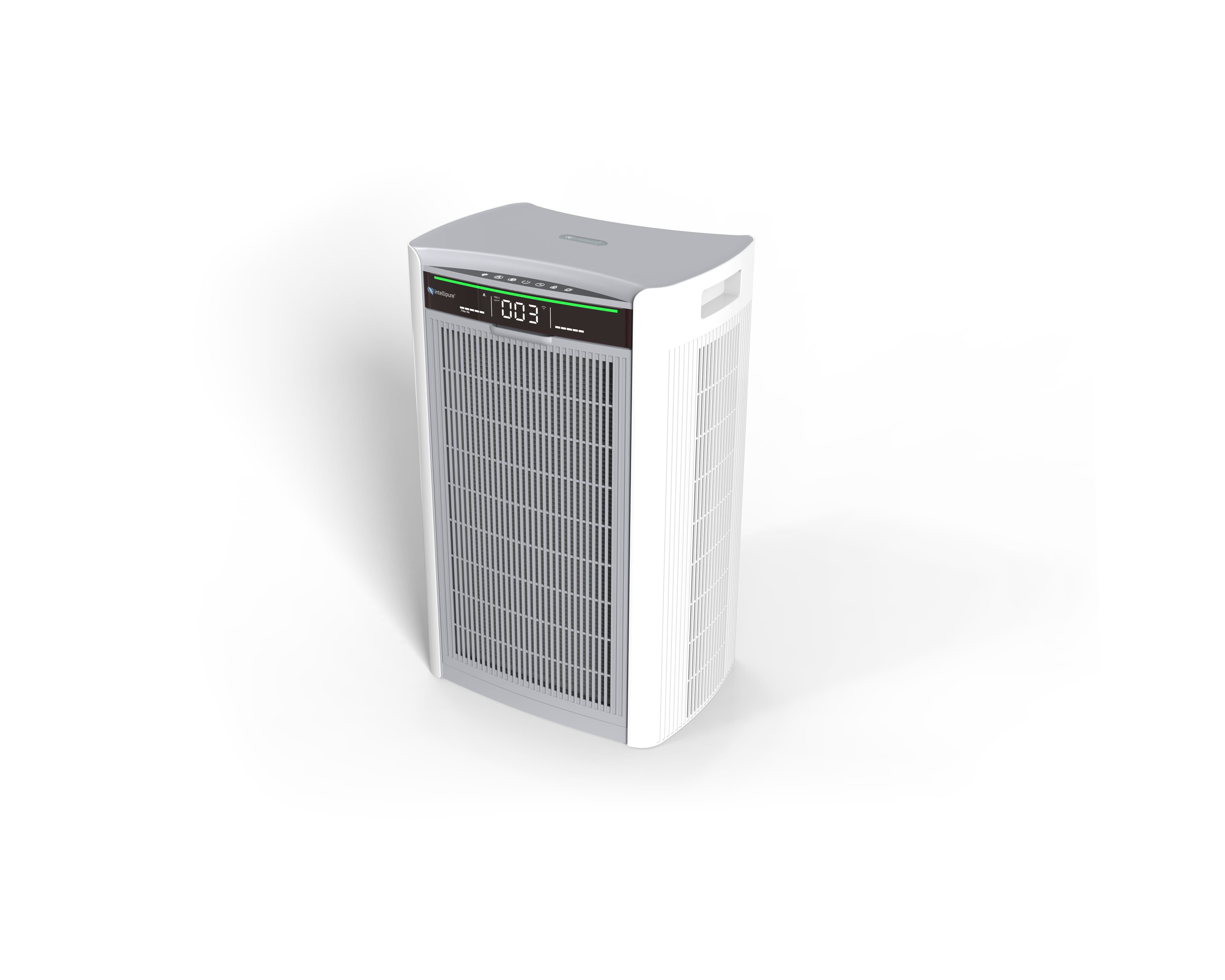
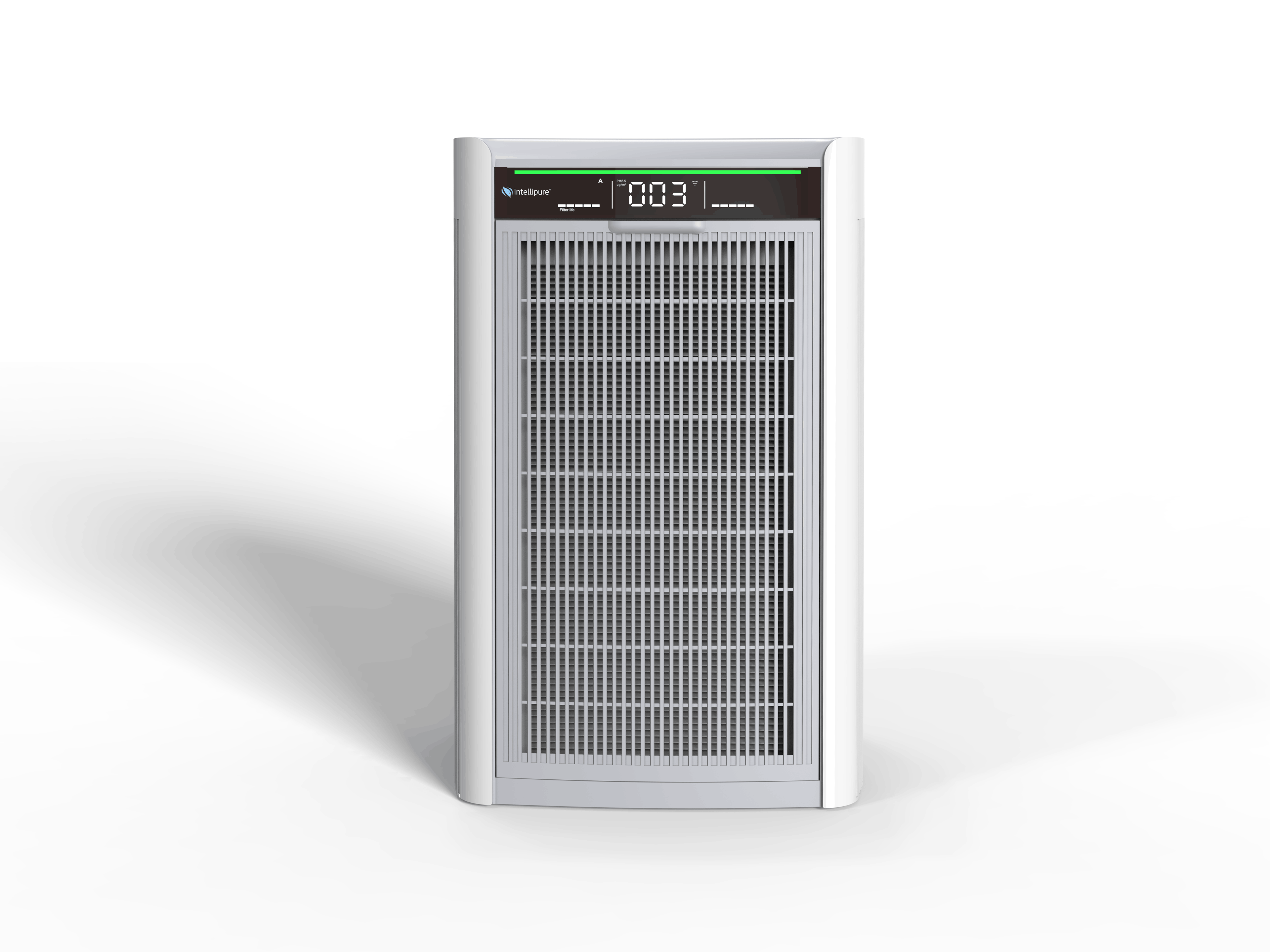
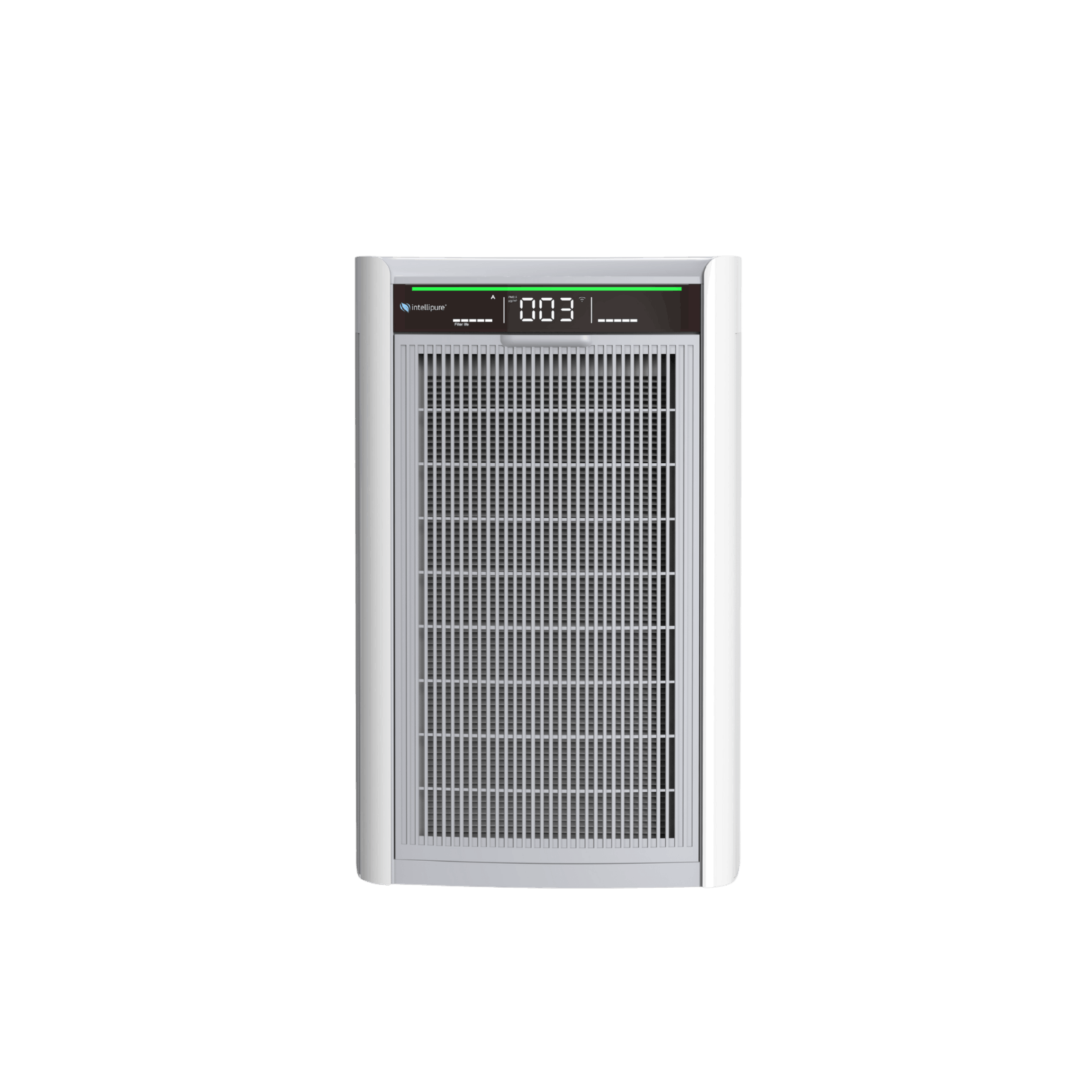
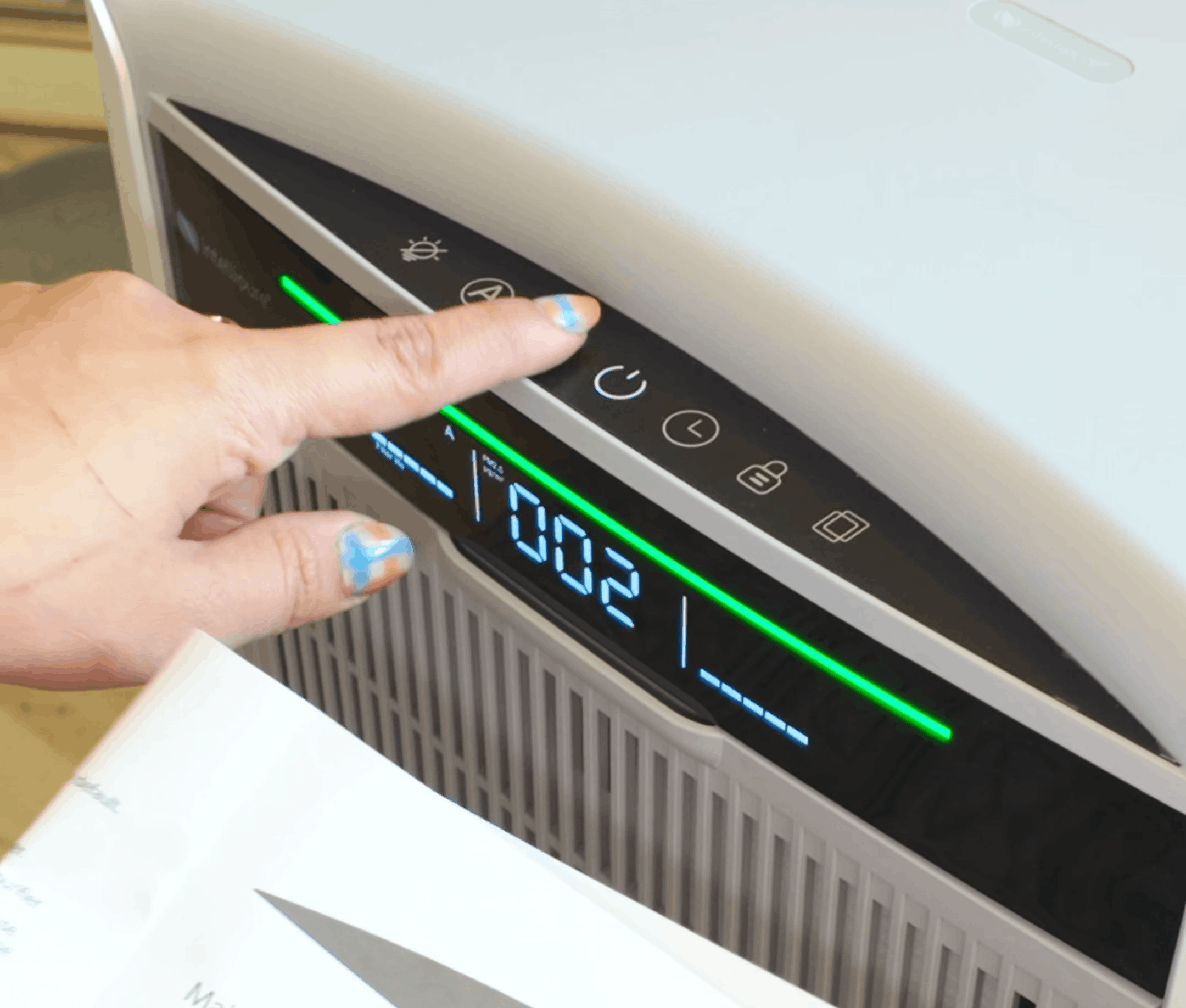
Small children are curious by nature. They love lights that blink, buttons that click, and switches that move. A child lock feature is extremely handy to prevent unwanted changes to air purifier settings. The child lock is usually activated using a control input combination that is not likely to be entered by accident. Ideally any air purifier should have an automatic shutoff switch which activates if the unit is opened. For example, if the front or back cover is removed from the Intellipure H1000, the unit will not operate. Make sure the air purifier is certified ozone free. Ozone is an air pollutant that irritates the lungs and can be particularly harmful to little lungs.
Conclusion
Clean air is essential for developing bodies. Scientists are still trying to better understand the impact of air pollution on the human body, but they have already established that ultrafine particles can entire the body through the lungs. Giving your child the best possible head start by providing clean air is a true long-term investment in their health.



Do Air Purifiers Help with Smoke Smell Removal?
Intellipure Monthly Air Quality & Allergen Report