

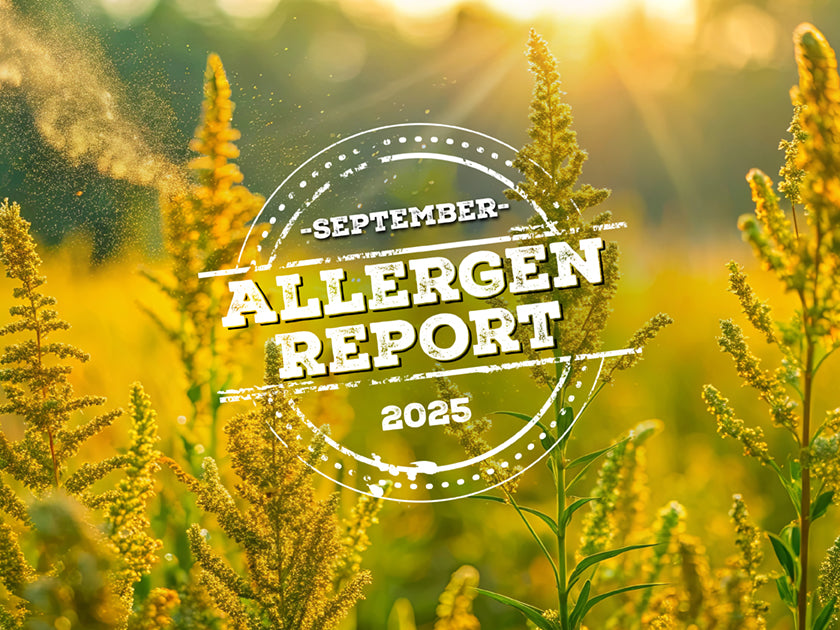
The last warm breezes of summer are blowing across the country as cooler temperatures creep in. Unfortunately those winds likely carry ragweed pollen, which happens to be at its peak in September pretty much everywhere. So stock up your antihistamines before heading outside for the day to keep those allergies at bay. Luckily grass pollen and tree pollen are both on the downward trend in most areas, but weed pollen is hitting its stride. There is also the threat of wildfires in the western part of the United States which can carry fine particulates for hundreds of miles.
Here are the typical pollens that can be found across the United States this September:
Northeast
- Tree pollen: Cedar, Juniper
- Grass pollen:, Bermuda
- Weeds: Cocklebur, Dogfennel, Ragweed, Sagebrush
Southeast
- Tree pollen: Cedar, Elm, Juniper
- Grass pollen: Bermuda
- Weeds: Cocklebur, Dogfennel, Ragweed, Sagebrush
Midwest
- Tree pollen: Typically none in measurable quantity.
- Grass pollen: Bermuda, Johnsongrass
- Weeds: Cocklebur, Marsh Elder, Nettle, Plantain, Ragweed, Russian Thistle, Sagebrush
South Central
- Tree pollen: Elm
- Grass pollen: Bermuda
- Weeds: Cocklebur, Marsh Elder, Nettle, Plantain, Ragweed, Russian Thistle
Southwest
- Tree pollen: Cedar, Elm, Juniper
- Grass pollen: Typically none in measurable quantity.
- Weeds: Cocklebur, Ragweed, Sagebrush
Northwest
- Tree pollen: Typically none in measurable quantity.
- Grass pollen: Typically none in measurable quantity.
- Weeds: Cocklebur, Ragweed, Sagebrush
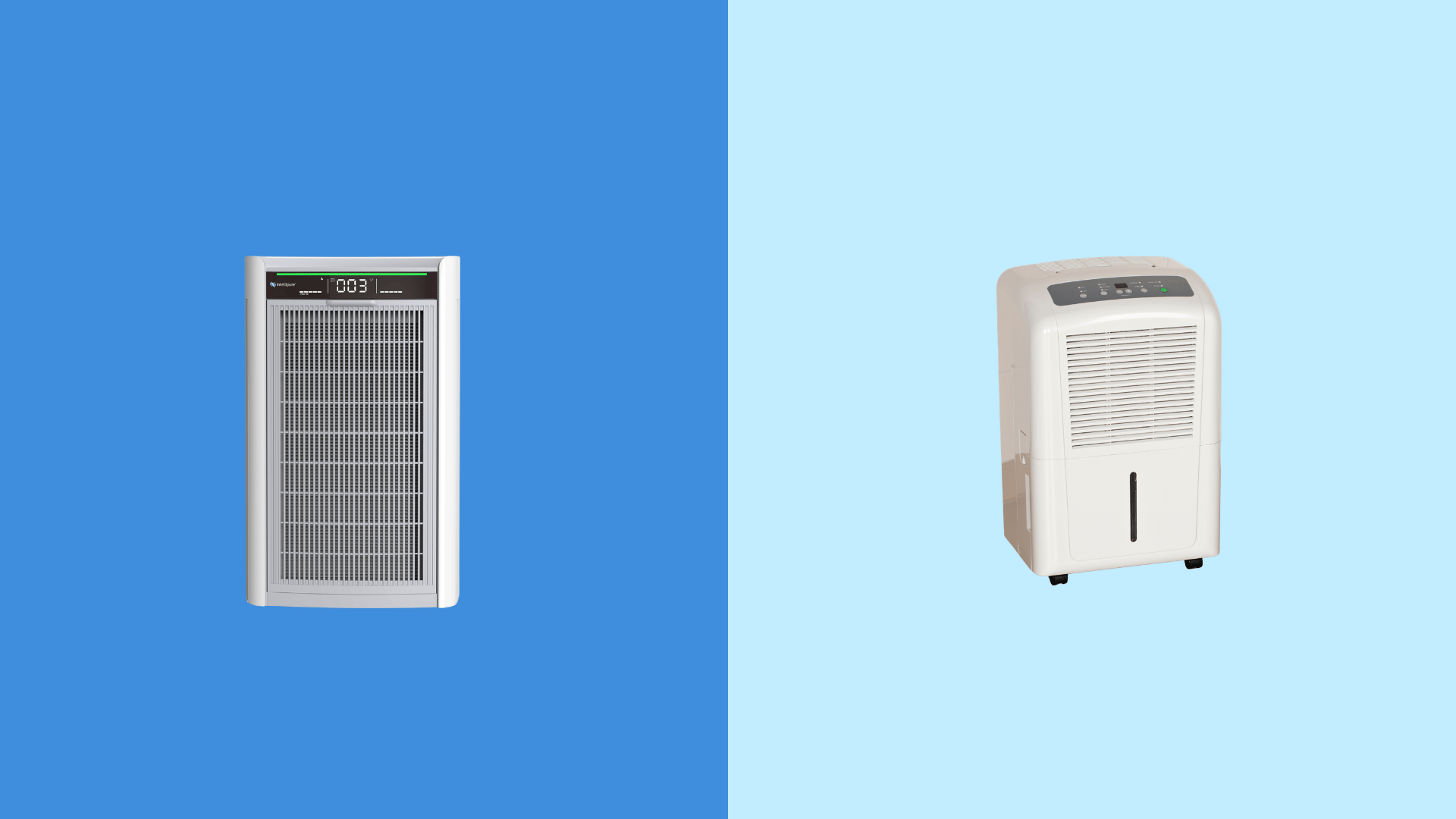
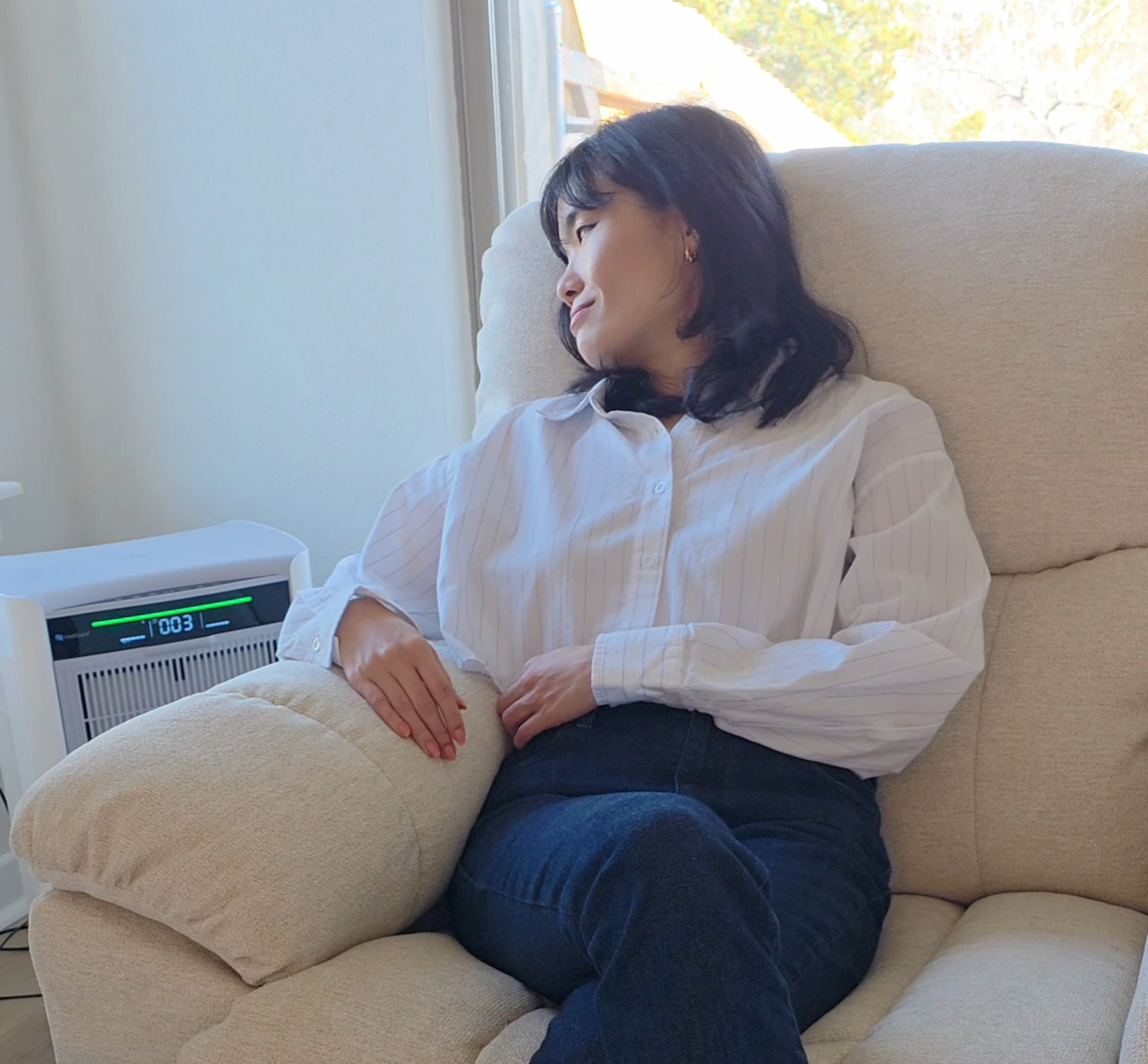
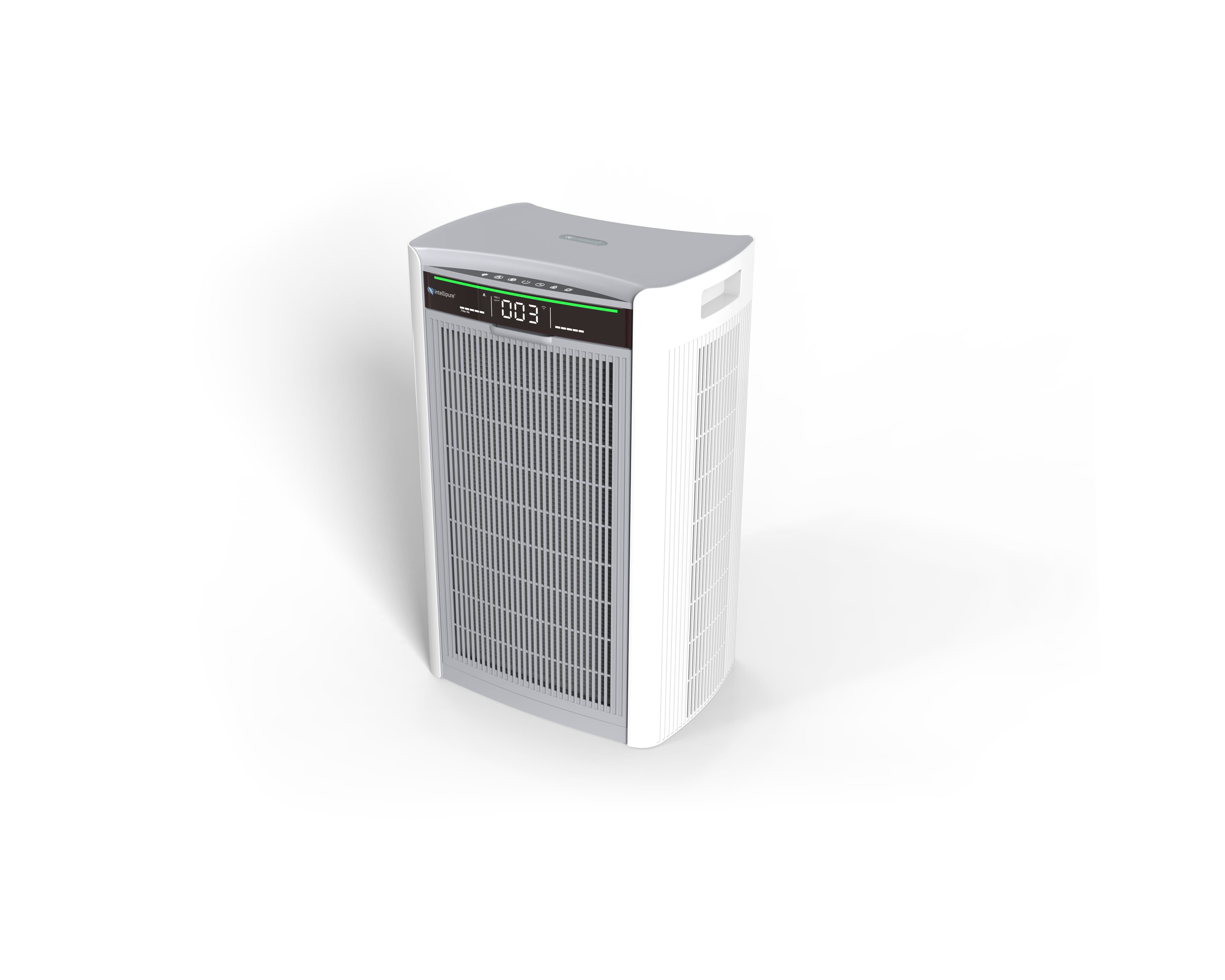
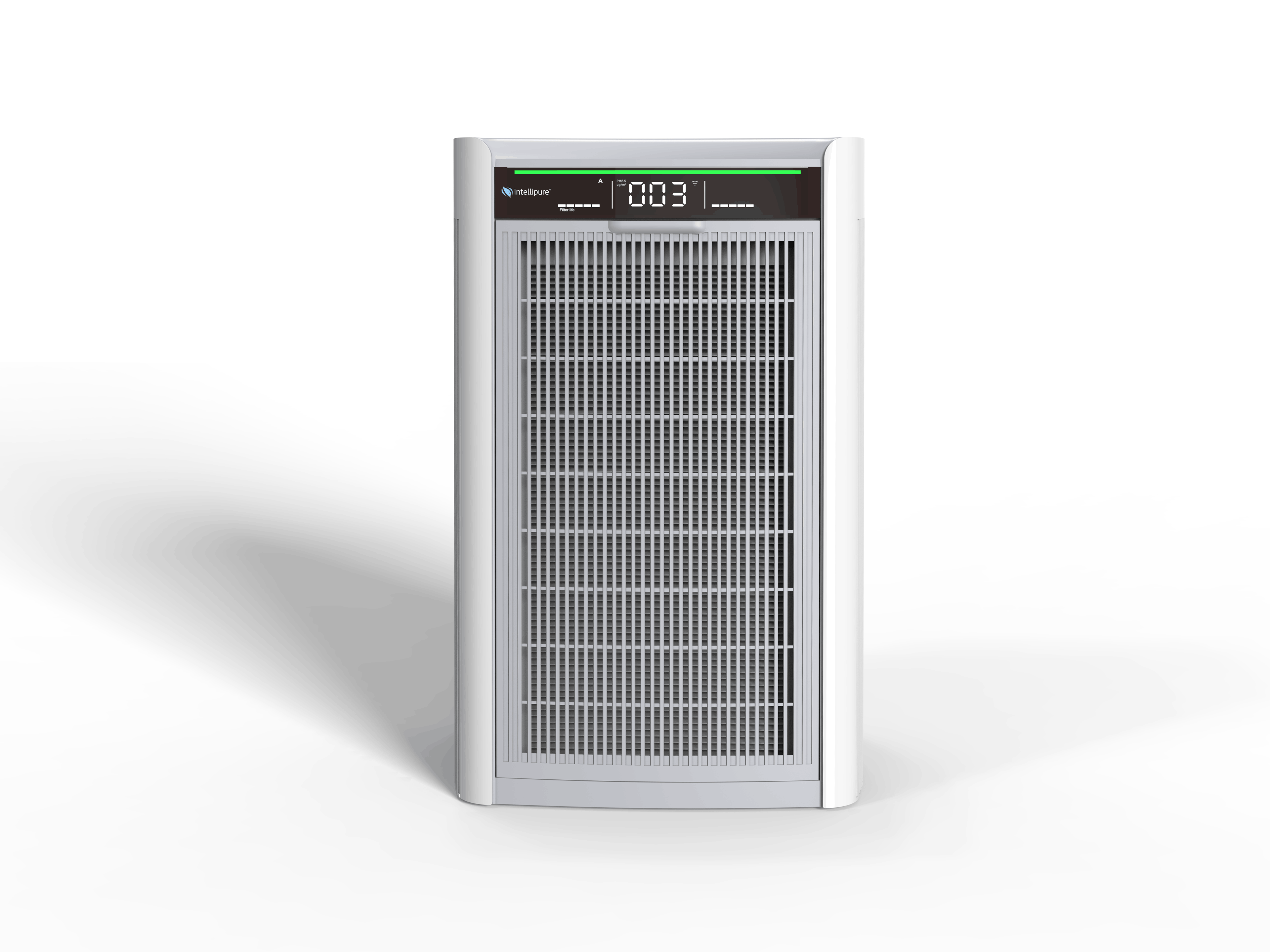
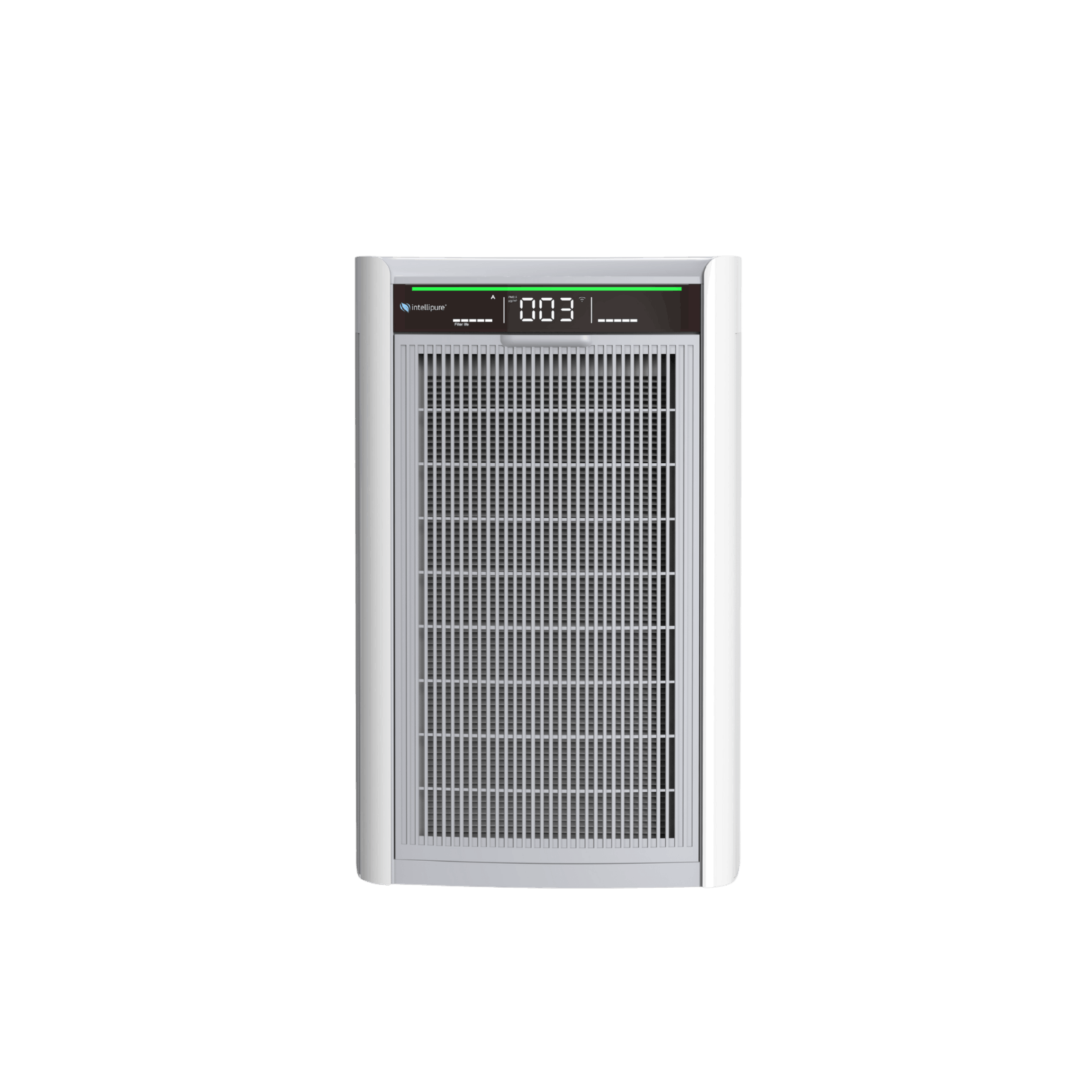
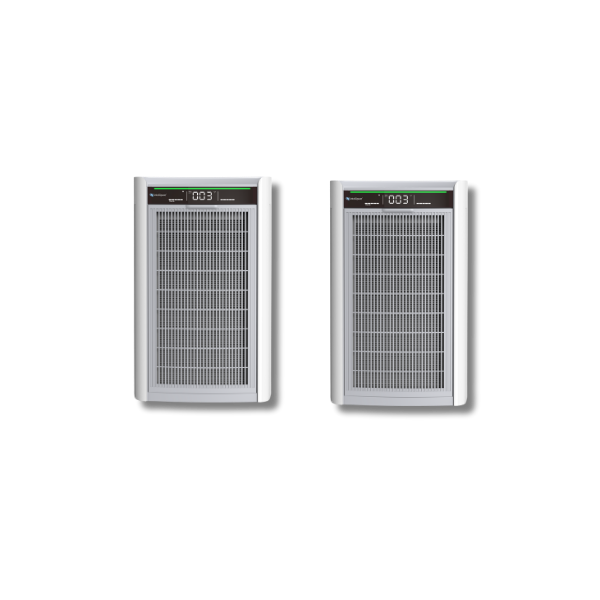
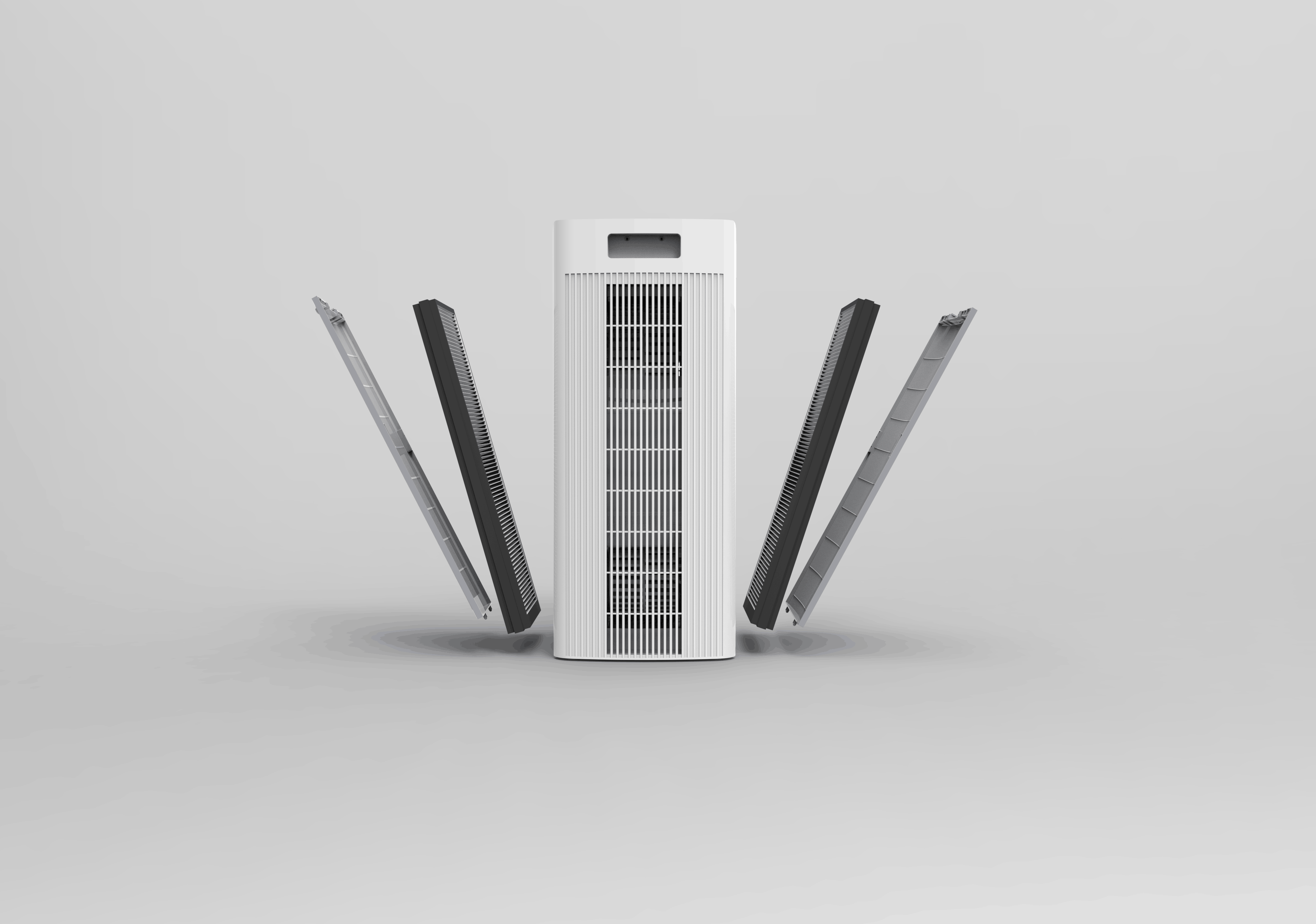
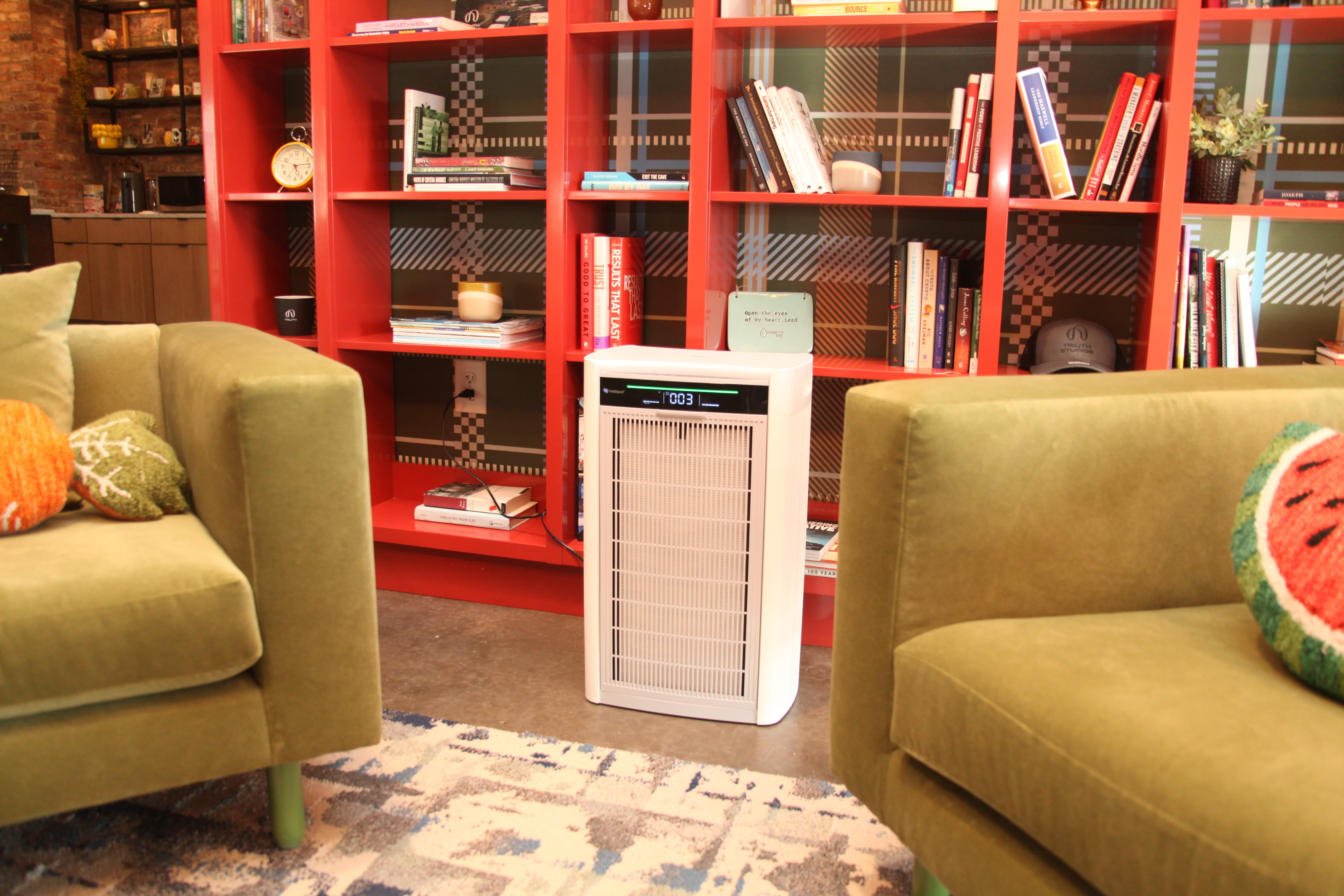
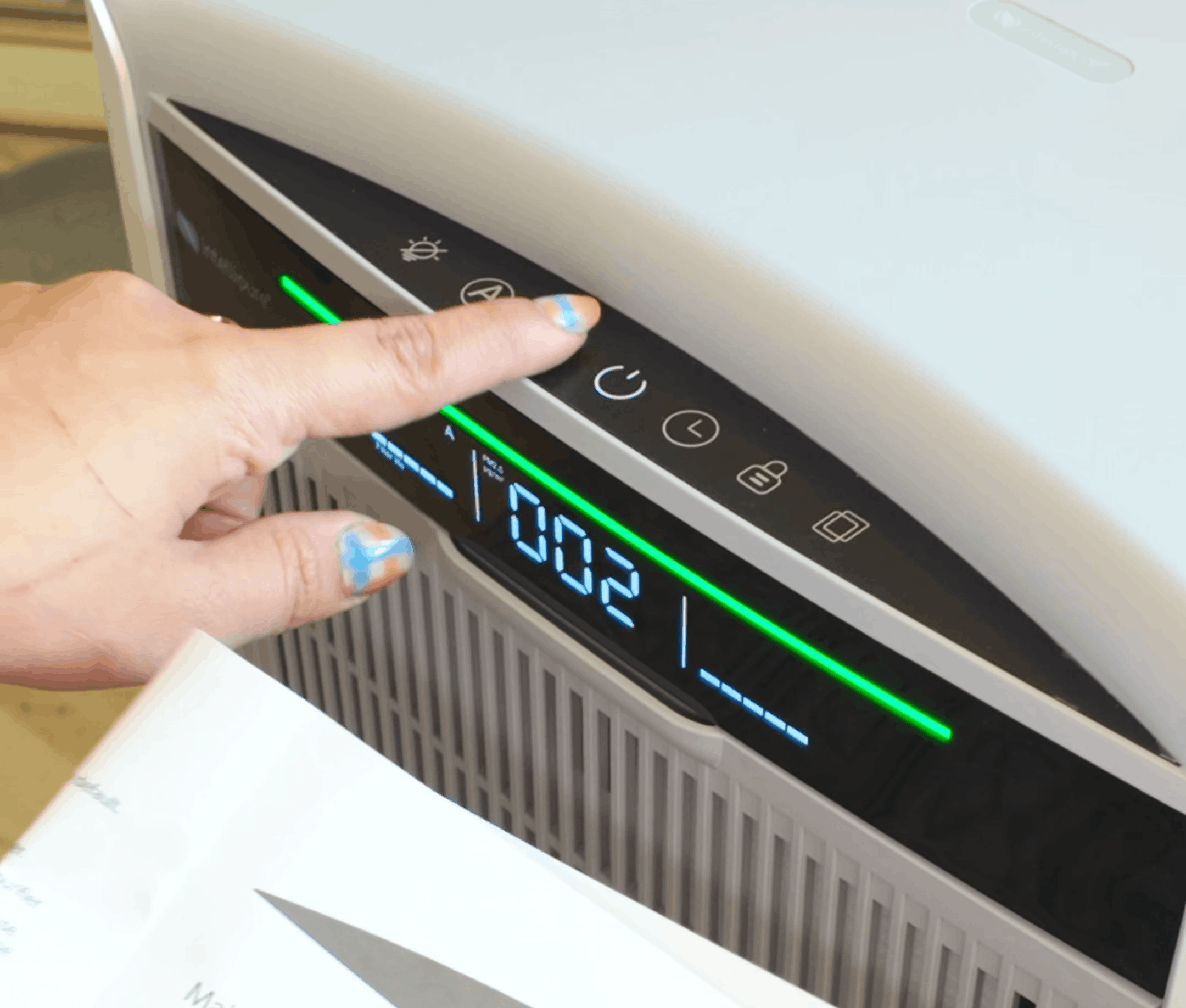
While cool fall air may be a great reason to throw open the windows, make sure to check your local outdoor air quality first. If your outdoor air isn’t up to snuff, you can make sure your indoor air is fresh and clean. Simply choose an Intellipure portable air purifier and take control over your home’s indoor air quality. By removing fine particles and noxious fumes from the air your home will be extra cozy inside as fall leaves begin to take hold outside.
Cold Weather Brings Indoor Air Problems
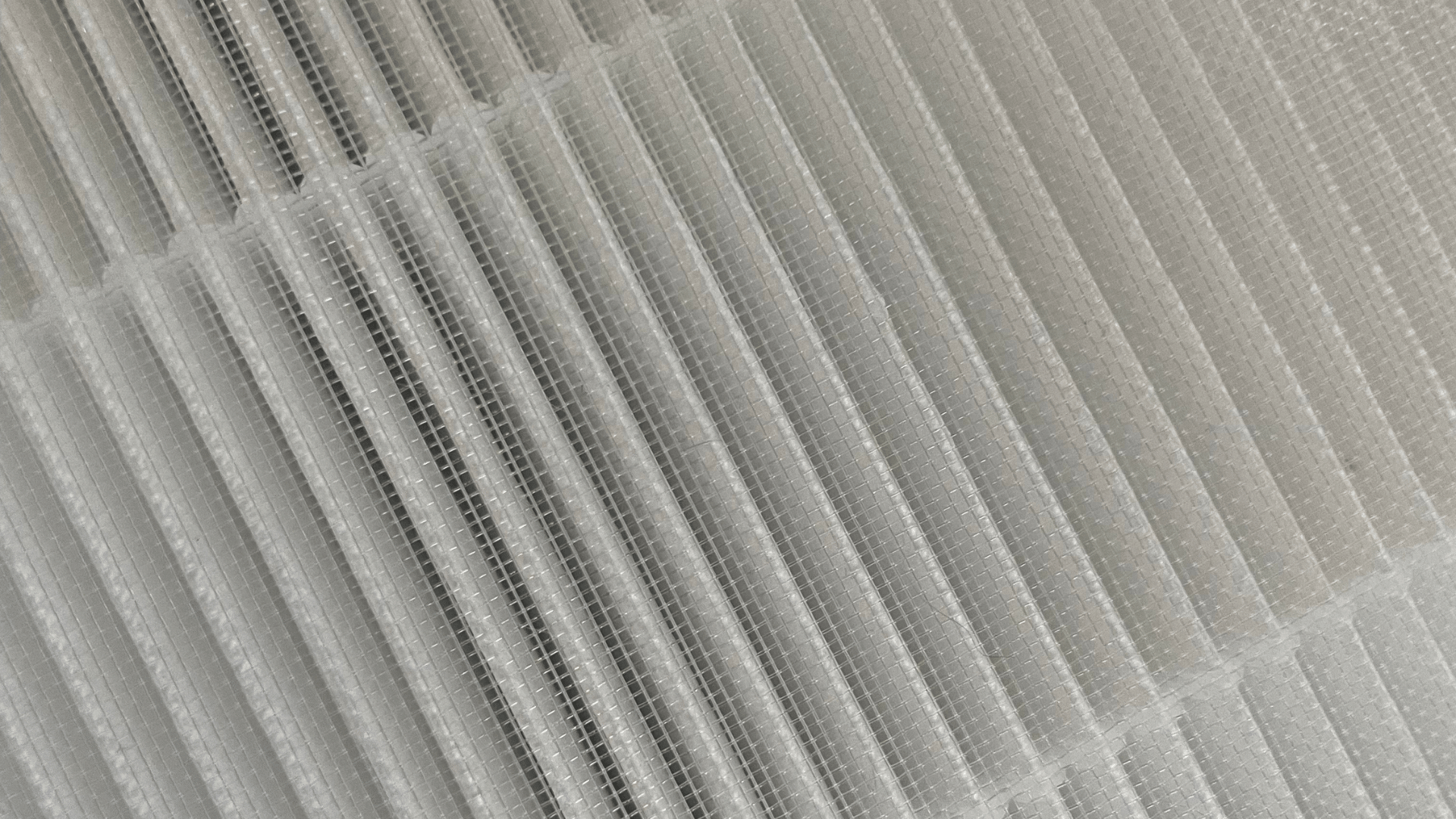
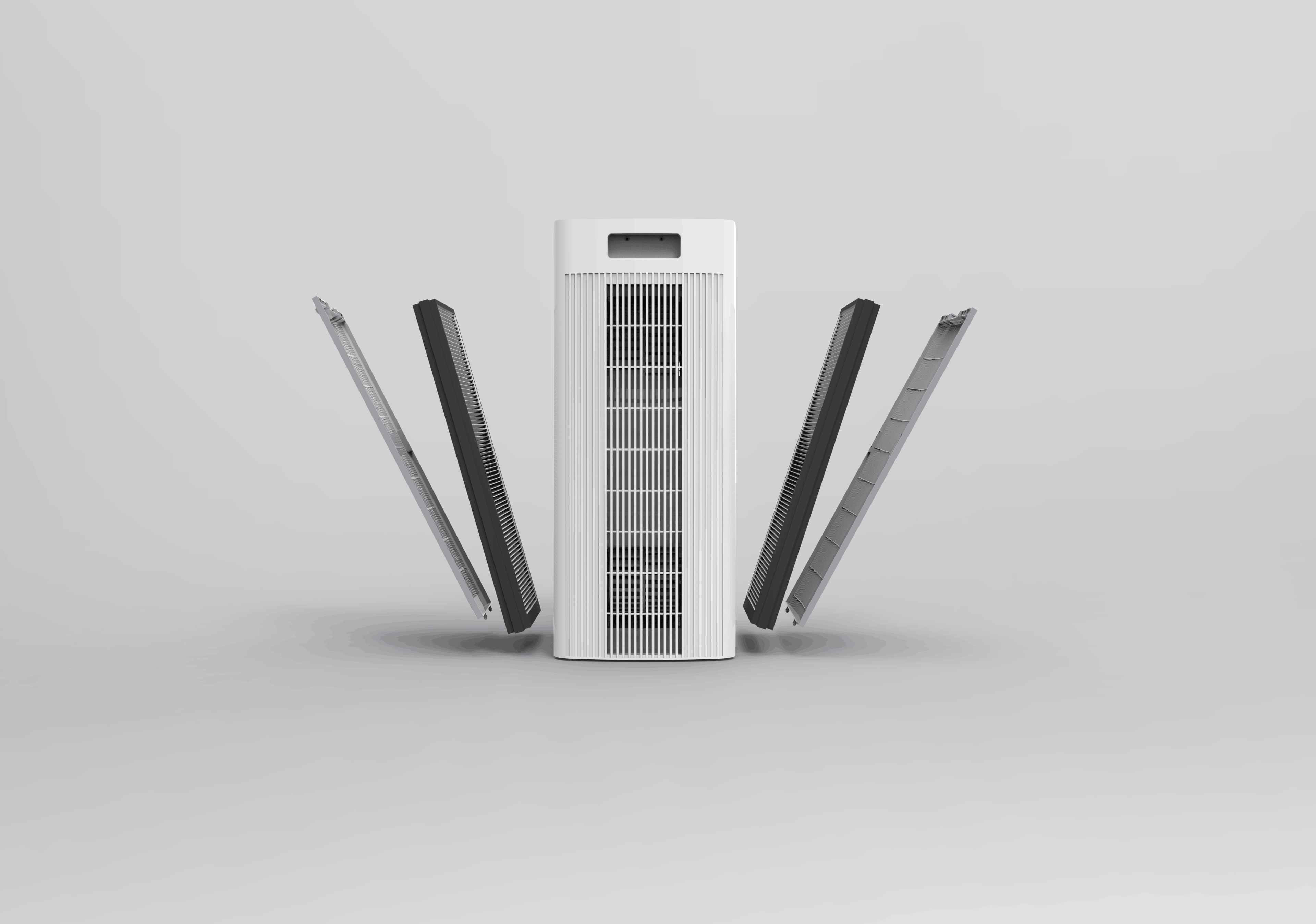
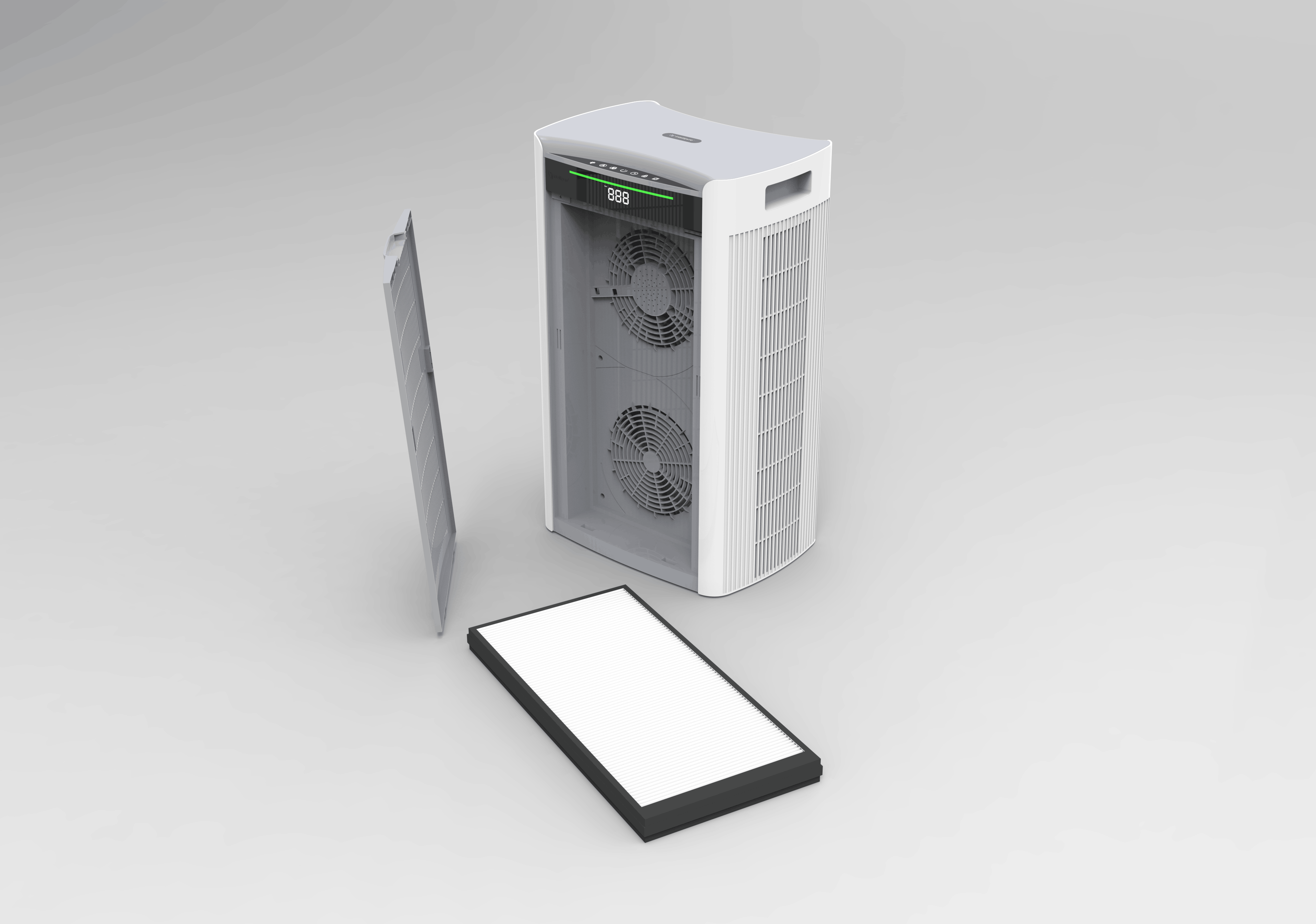
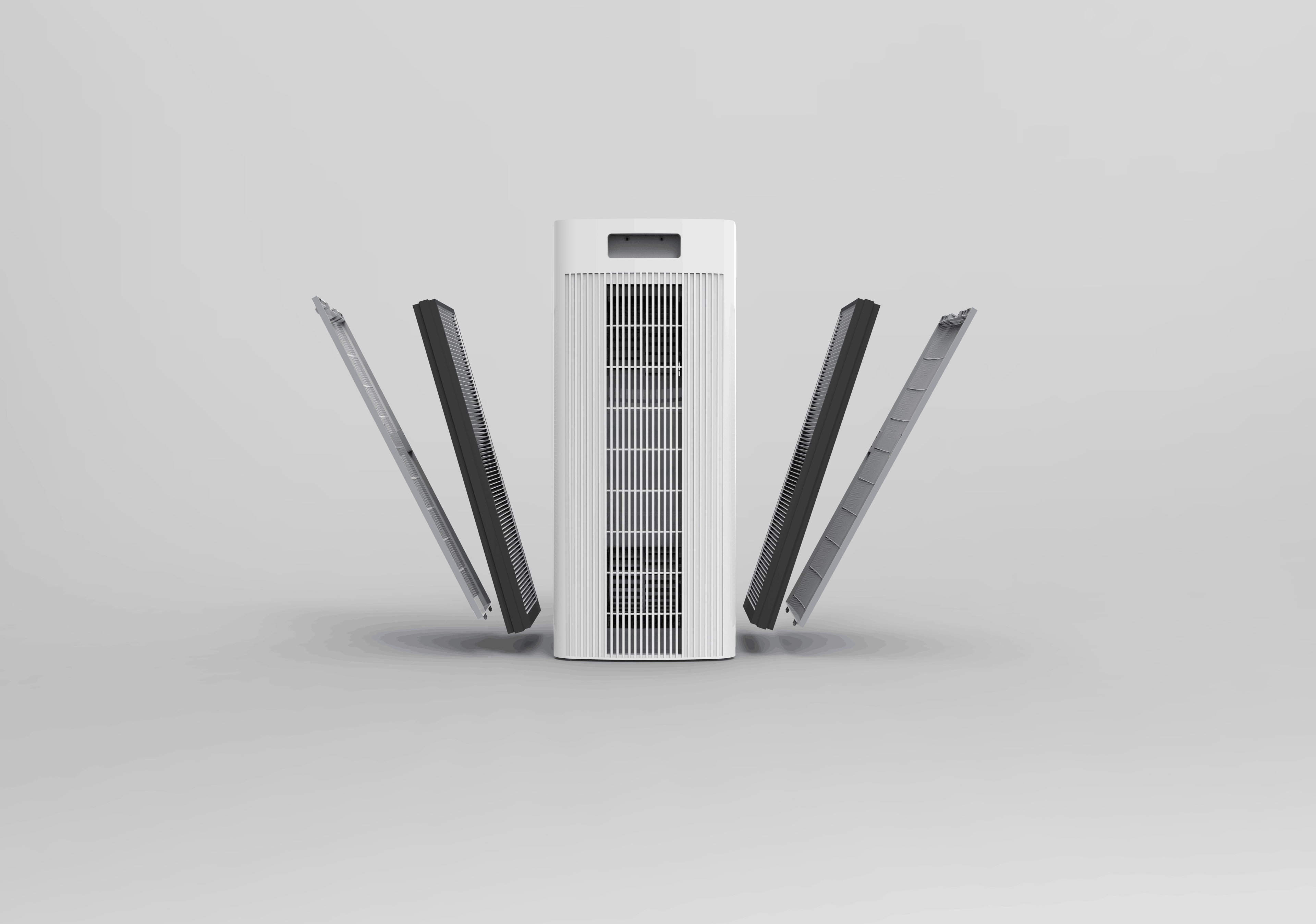
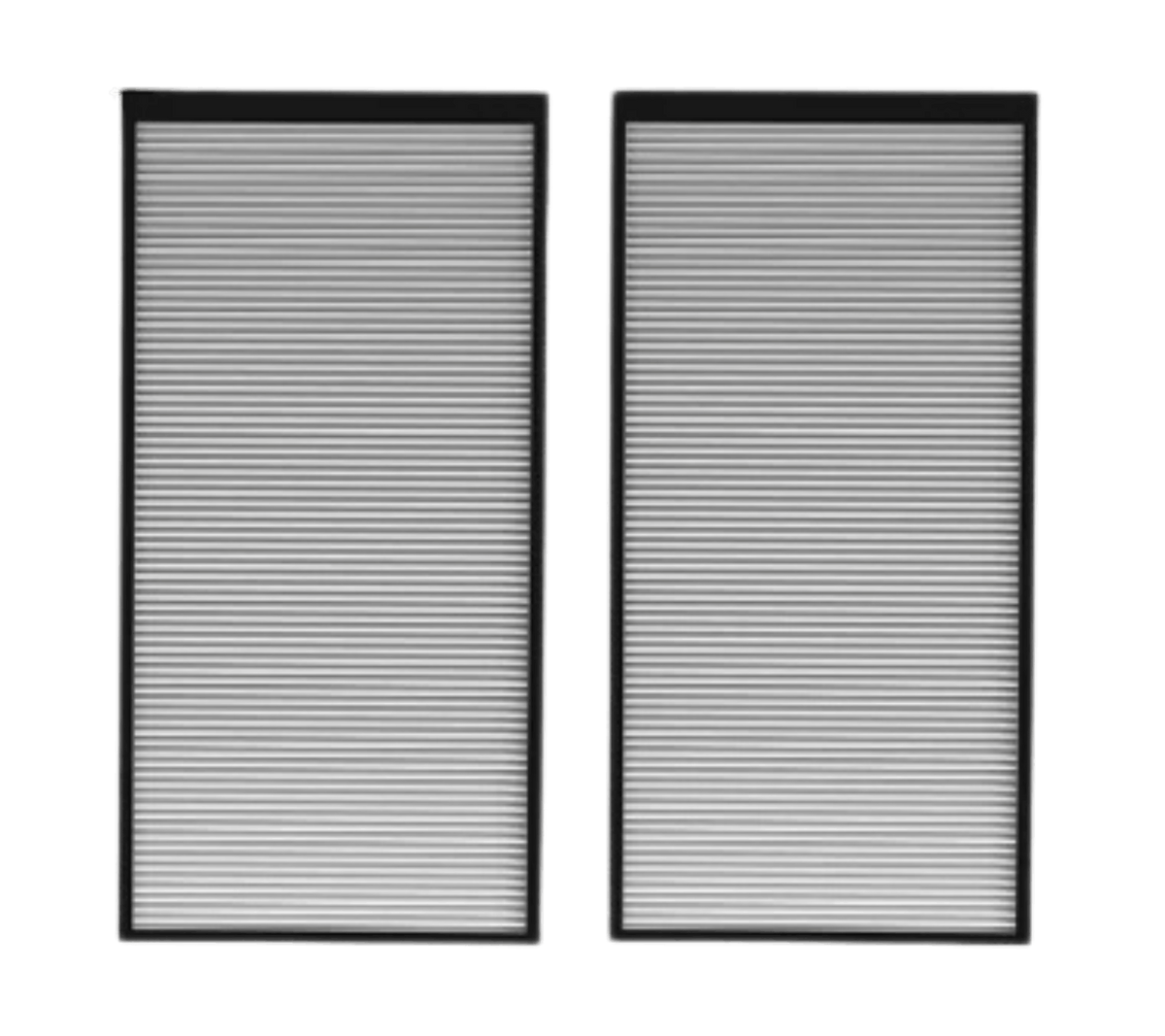
Now that things have cooled off outside the windows spend a lot more time shut, meaning less natural ventilation. Add to it furnaces firing up for the first time in months burning off layers of dust while drying out the air inside. Digging out stored warm weather clothes sends not only dust but dust mites into the air. Those dust mites had all spring and summer to get all cozy in your favorite sweater, so make sure to give everything a good wash before wearing. The same goes for bedding so you don’t spend your first cold night sneezing into your pillow. Lingering mold spores from wet spring and summer weather may settle into basements and bathrooms where a new mold colony can take hold. When cool weather hits make sure your home’s indoor air is protected by an Intellipure air purifier. If you already have an air purifier make sure it has a fresh filter to get through the colder months.
International Day of Clean Air for Blue Skies 2025
To raise awareness and encourage global collaboration, the UN designated September 7th as International Day of Clean Air for blue skies. Air pollution is a global crisis, posing the biggest environmental risk to human health and causing millions of premature deaths. Tiny pollutants penetrate deep into our bodies, causing about one-third of deaths from stroke, chronic respiratory disease, and lung cancer. The problem is both a health crisis and a climate threat. Some air pollutants, like black carbon and methane, are also short-lived climate pollutants (SLCPs). Reducing them can deliver immediate benefits for both health and the climate. Developing countries and low-income areas are disproportionately affected, with women, children and seniors facing the worst exposure. Without aggressive intervention, premature deaths from air pollution could increase more than 50% by 2050. Tackling air pollution is also an economic issue, as healthcare costs go up and productivity goes down. By investing in air pollution controls countries can achieve significant economic benefits. The international community recognizes that clean air is vital for sustainable development and by improving air quality we can mitigate climate change.



Air Purifiers: Essential for a Healthy Nursery
Why You Should Use Genuine Replacement Air Purifier Filters