

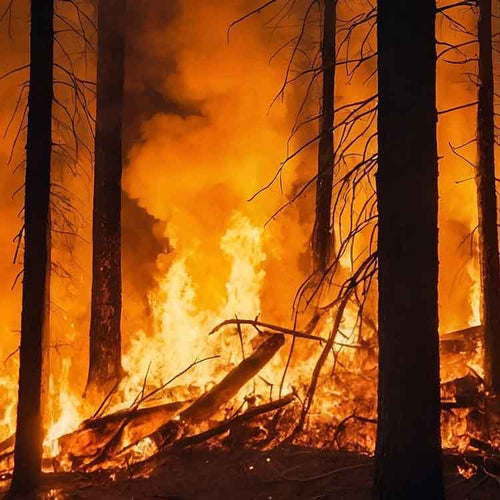
Large portions of the western United States, including parts of California, Idaho, Utah, Colorado, Wyoming, Oregon and Washington, are under air quality alerts due to raging wildfires. Fires such as the Park Fire spanning Butte and Tehama counties in California are sending huge amounts of fine particulate matter into the air, which is then carried hundreds of miles away. In eastern Oregon, near the Idaho border, the Double Creek Fire has scorched more than 270,000 acres of forest, with the Nebo Fire, Bedrock Fire, Lookout Fire and Wiley Fire raging nearby. Hundreds of smaller fires are burning from Nebraska to the California coast, with the potential for new fires to spring up instantly.
Long Distance Fire Effects
Just because a fire isn't raging in your area doesn't mean you won't be affected by it. Wildfire smoke can travel hundreds, sometimes thousands, of miles and with it comes ultrafine particulates and sometimes dangerous chemicals. Smoke particles from western wildfires are traveling all the way to the East Coast as far south as Florida. Even if you can't see smoke, it doesn't mean it isn't there.
Why Forest Fire Smoke Is Bad
Ultrafine particles in the smoke - too tiny to be seen - can make their way deep into your lungs and cause health problems. Wildfires don't just burn trees, but also anything else in their path, including houses, buildings, vehicles and more. Wildfire smoke can contain benzene, toluene, styrene, nitrogen oxides, sulfur dioxide and other harmful substances.

Effects Of Wildfire Smoke
Exposure to wildfire smoke can cause immediate mild to severe health issues such as:
- Difficulty breathing and reduced lung function
- Coughing/wheezing
- Asthma attacks
- Bronchitis
- Pneumonia
- Irritated eyes
- Irritated nose/throat
- Nausea
Long-term exposure effects are becoming a bigger issue now that wildfires are becoming more intense and occurring across larger areas. Long-term health issues include:
- Increased risk of heart attack
- Increased risk of stroke
- Headaches
- Dizziness
- Increased risk of lung cancer
What Can You Do to Protect Your Health?
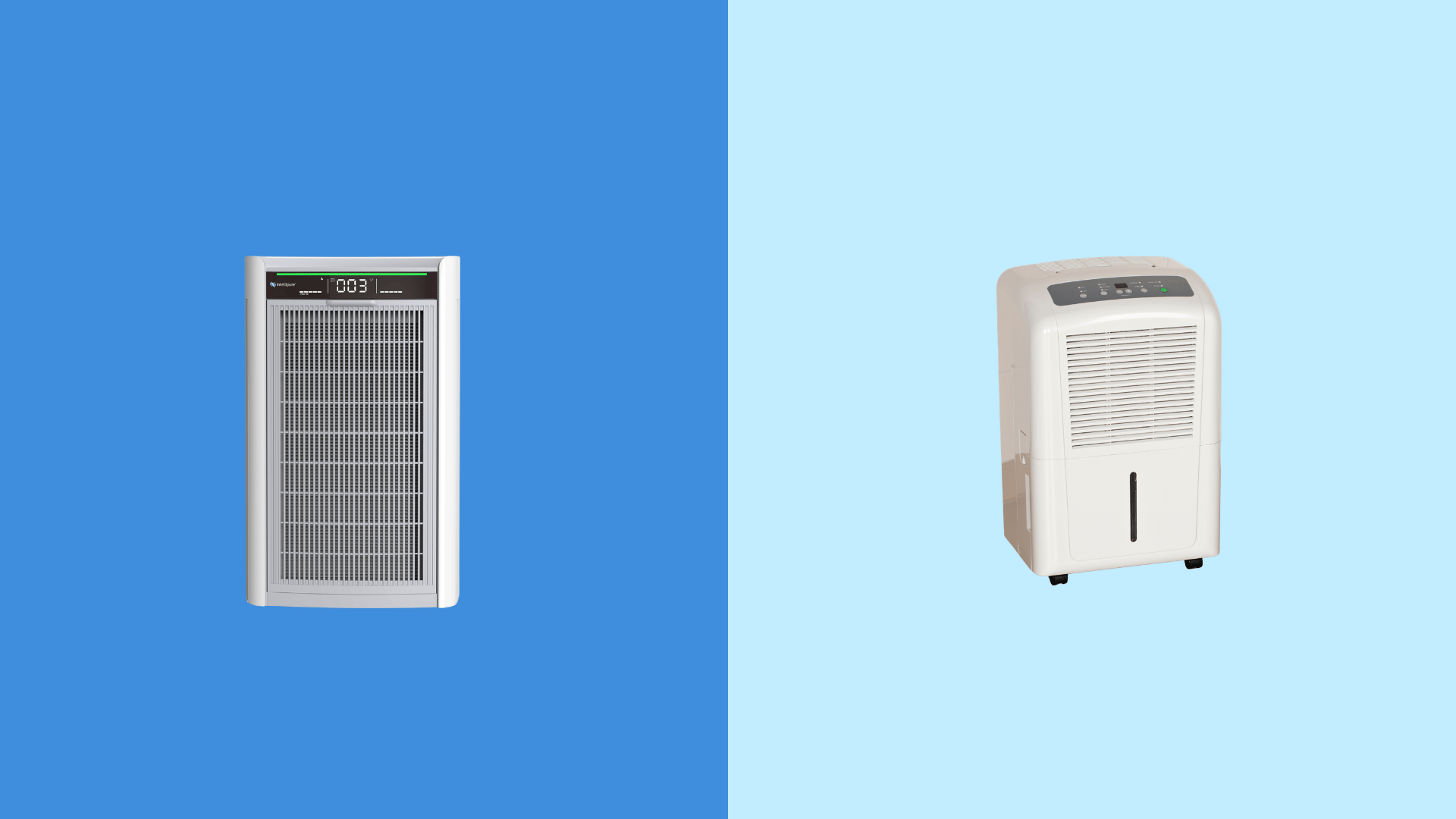
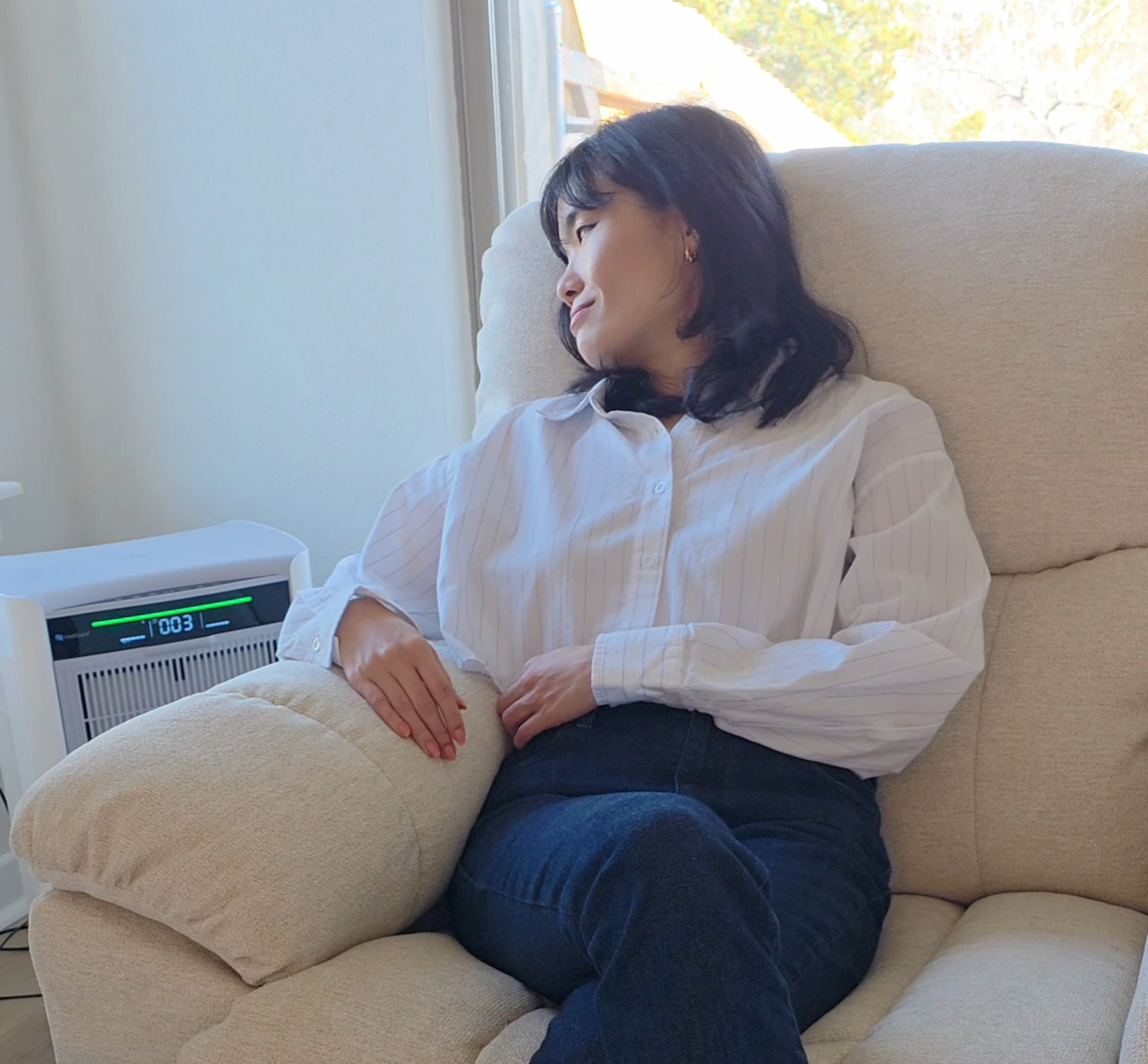
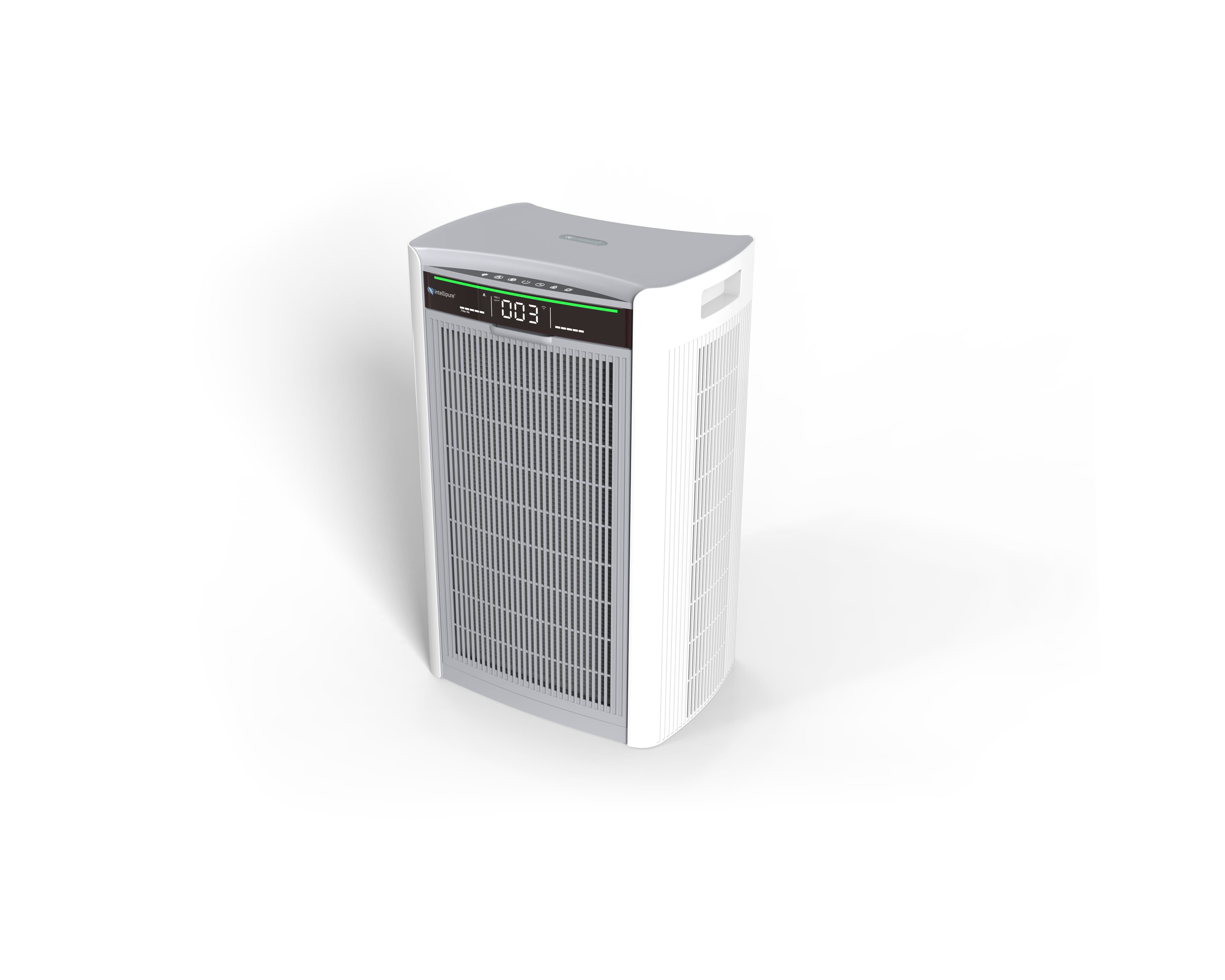
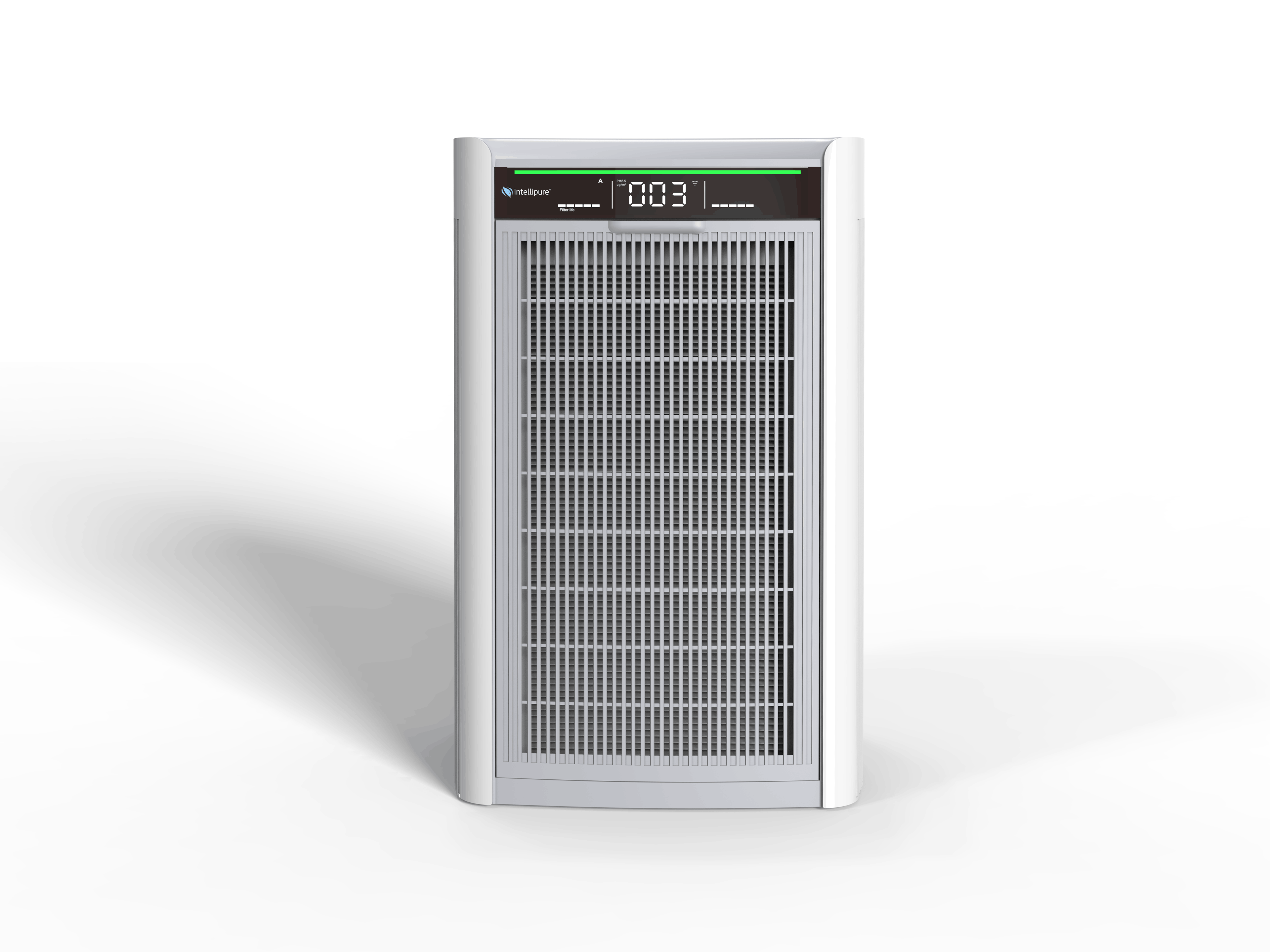
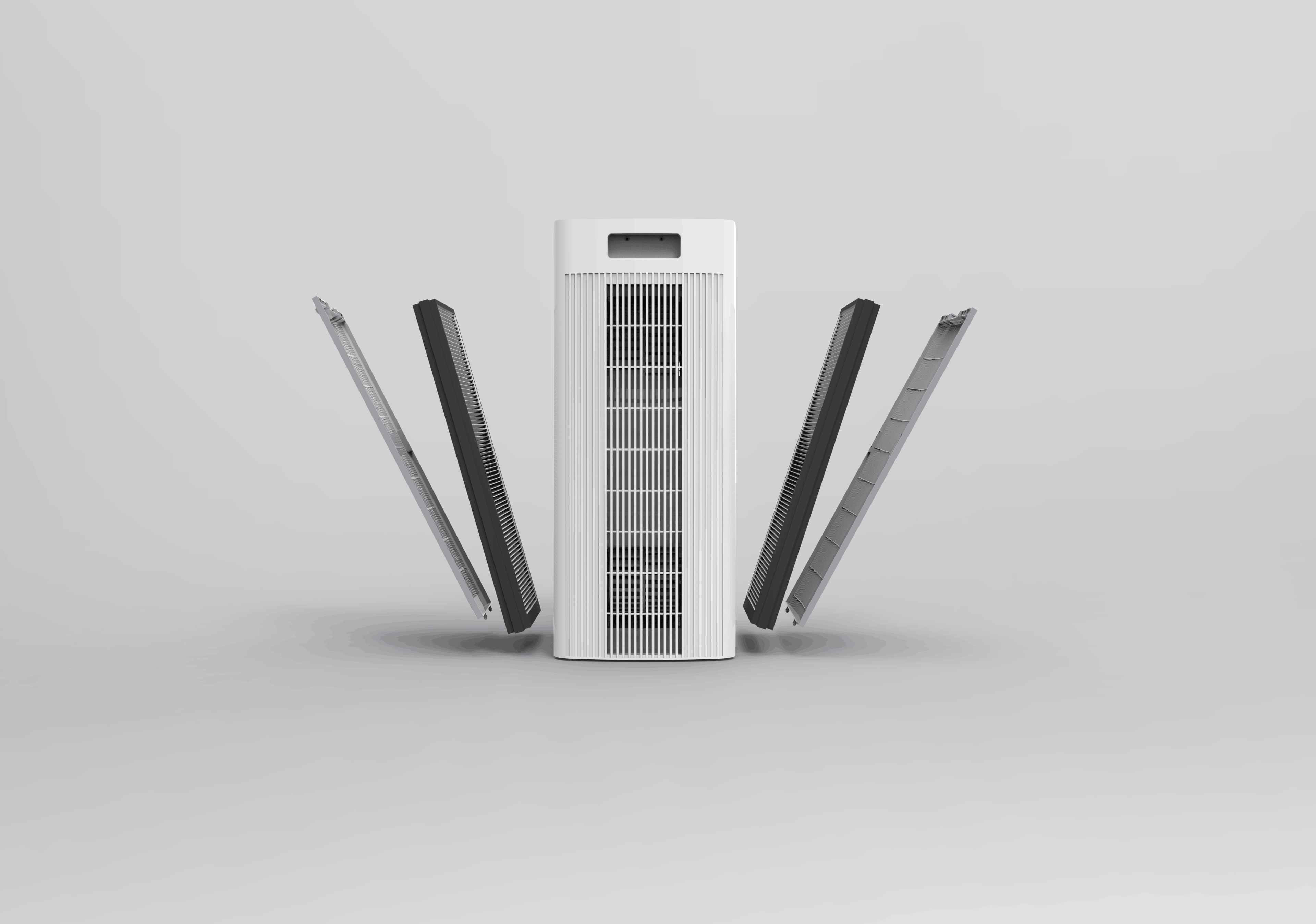
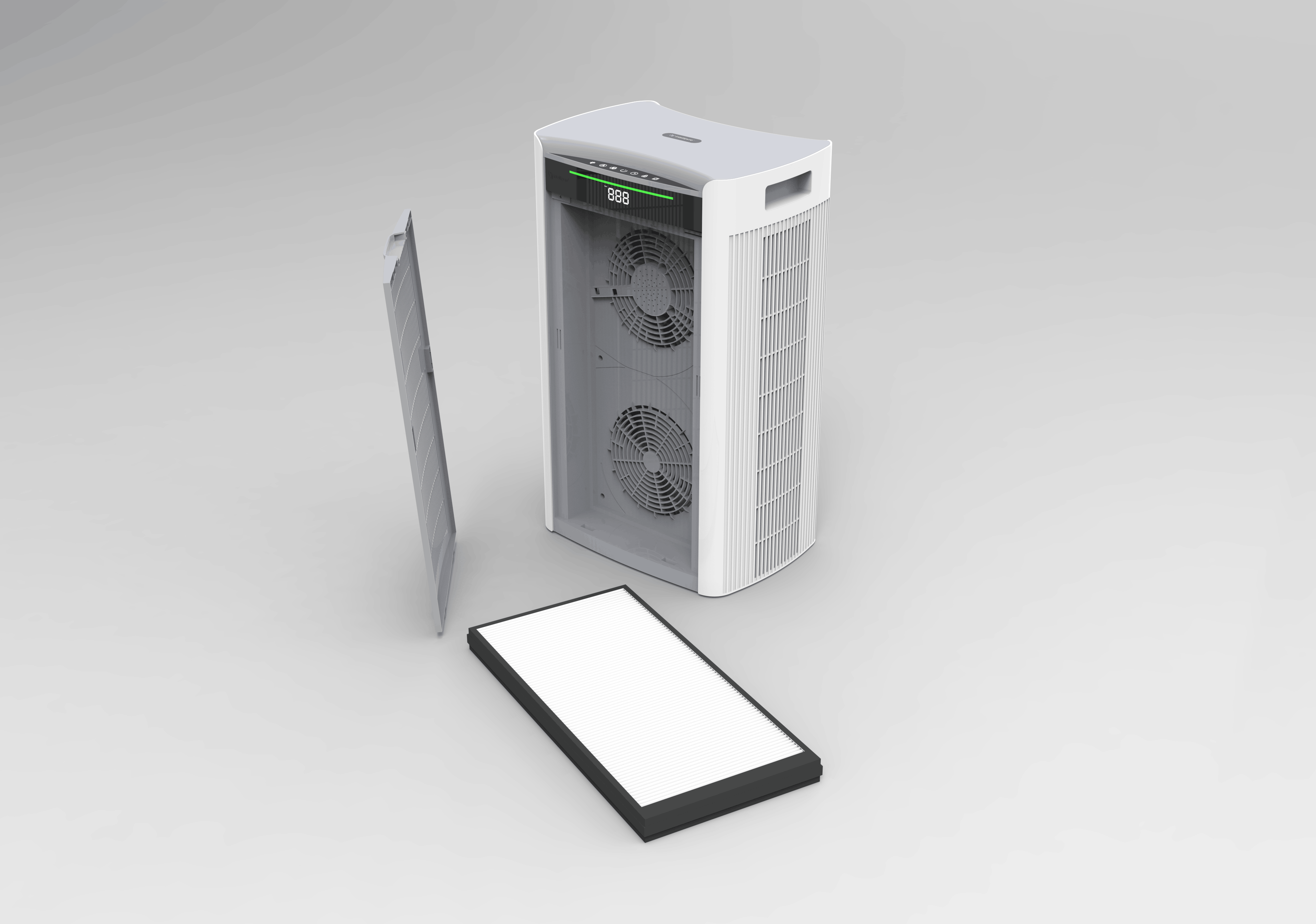
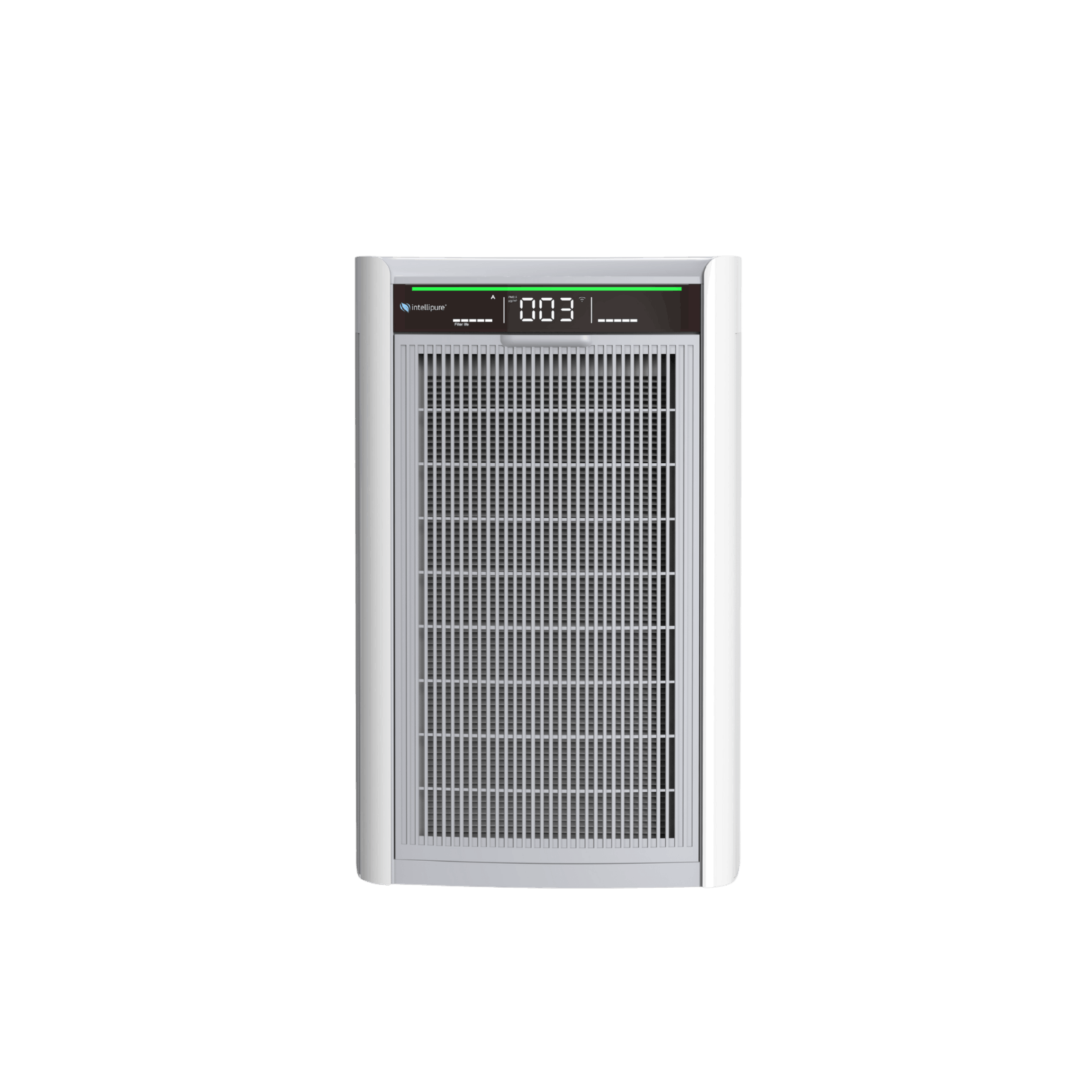
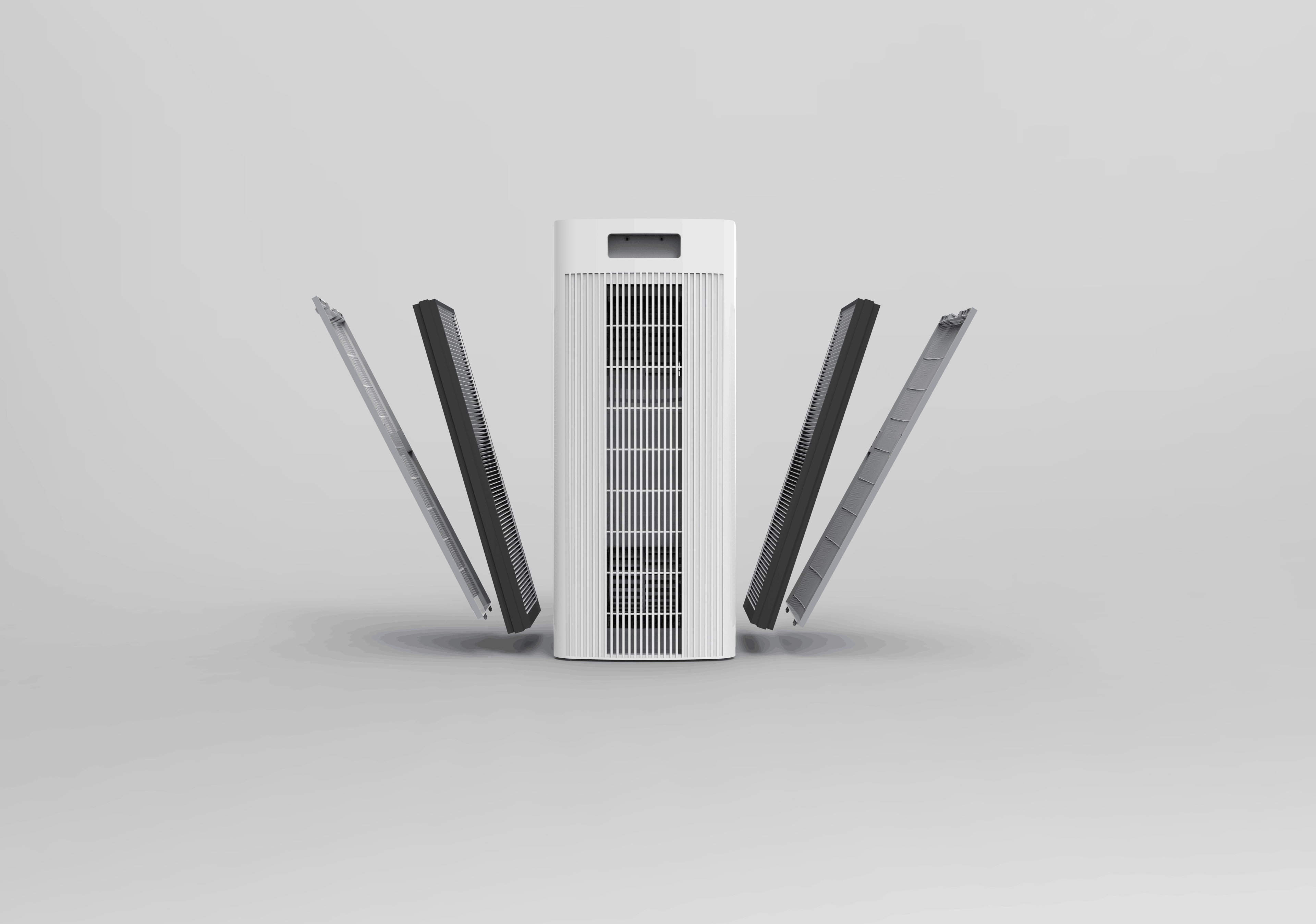
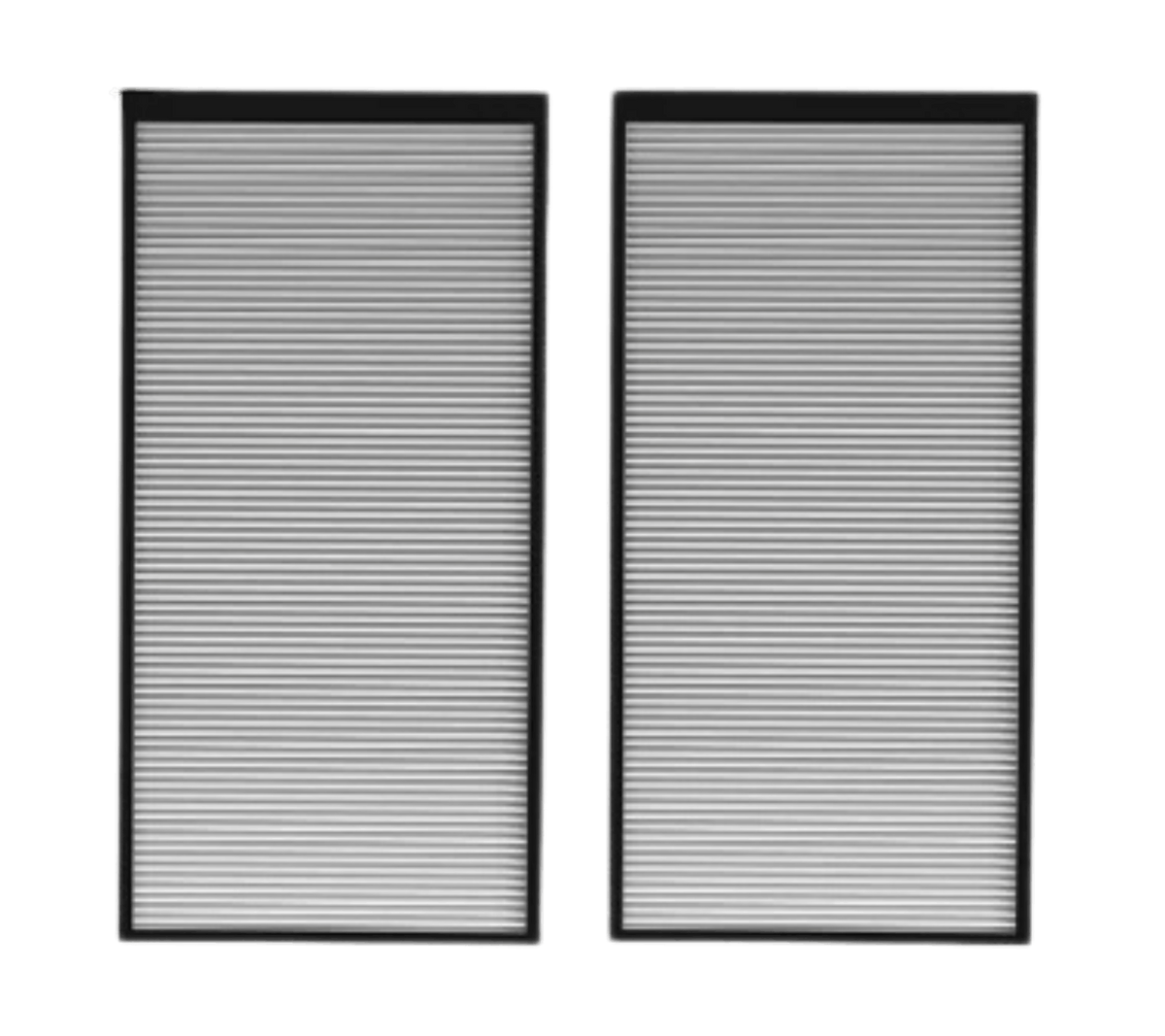
If you plan on being outside in an area affected by wildfire smoke, wear an N95 or KN95 rated face mask. For the best protection on days when outdoor air quality is at its worst, stay inside with a high-quality air purifier. Your home HVAC unit filter is not designed to remove the ultrafine smoke particles from a wildfire.
Fire Conditions Are Prime Right Now
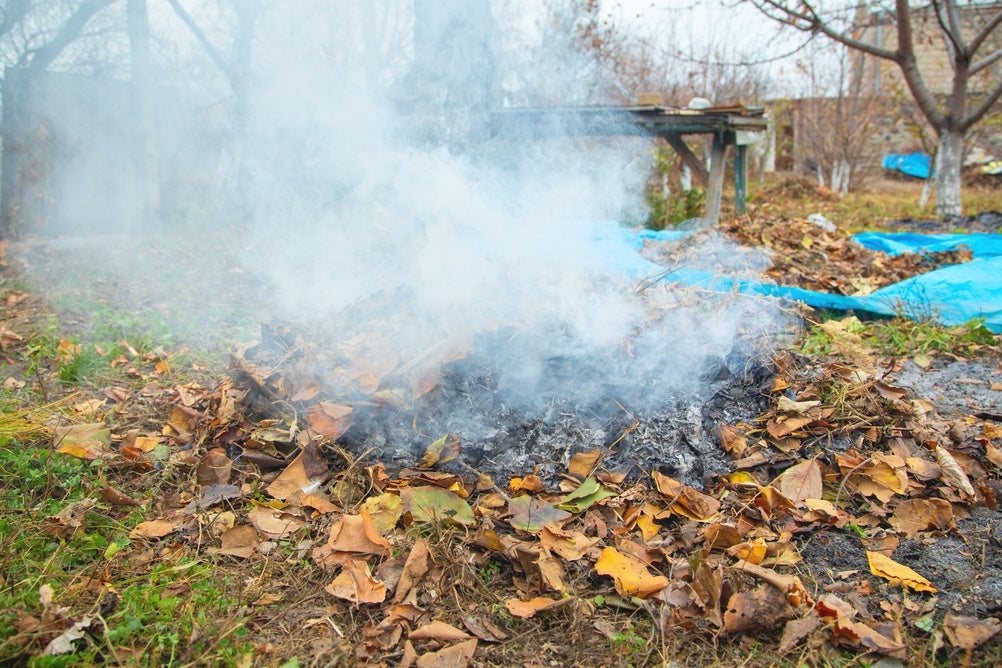
People living and working in Utah, California, southern Idaho, Nevada, southwest Oregon, eastern Oregon and eastern Washington are being warned of the elevated risk of fire. Conditions are right for wildfires to start and spread easily in these areas. Hot, dry weather with gusty winds are turning parts of California, Arizona, Utah and Wyoming into a tinderbox. Residents are cautioned to take extreme care when using grills, campfires, outdoor fireplaces or any other fire sources. Make sure fire sources are completely extinguished with water and cold before assuming they are completely out.
Be Prepared
Those living in fire-prone areas need to be ready for evacuation. Stay tuned to your local weather and official communication channels. Check information websites such as AirNow and Fire and Smoke Map for up-to-date outdoor air quality and wildfire location information. Know your escape routes and keep in mind that some roads may be blocked. Stay away from areas where fires are already burning, as sudden shifts in wind direction can shift fire movement in an instant. And if you receive an evacuation order for your area, leave immediately!
*53% reduction in Toluene over a 60 minute period within a 1,007 cubic foot test chamber.


Why an Air Purifier Should Be on Your Back-to-School Shopping List
4 Benefits of Changing Your Air Purifier Filter